Why Start a Golf Bag Brand in 2026?
The global golf equipment market is projected to exceed $13 billion by 2027, and golf bags represent one of the highest-margin accessory categories in the sport. Unlike clubs or balls, golf bags combine function, fashion, and brand expression, making them ideal products for building a recognizable brand. With the sport experiencing a resurgence among younger demographics, particularly in the United States and Europe, there has never been a better time to enter the market.
Here is what makes golf bags uniquely attractive as a brand category:
- High perceived value: Golf bags retail for $50 to $800+, allowing for healthy profit margins at every price tier
- Brand canvas: Unlike small accessories, a golf bag is highly visible on the course, acting as a walking billboard for your brand
- Repeat purchases: Golfers upgrade bags every 3-5 years, creating natural repurchase cycles
- Diverse segments: From premium leather staff bags to lightweight stand bags, eco-friendly bags, junior bags, and travel covers, the market offers numerous entry points
- Low startup barrier: With OEM manufacturing, you do not need yaffiliated factory, tooling, or production team
According to the National Golf Foundation, there are 40 million golfers in the U.S. alone, with the number of first-time golfers remaining well above pre-pandemic levels. The European golf market, led by the UK, Germany, France, and Scandinavia, continues to grow steadily. Meanwhile, Asia-Pacific markets like Japan, South Korea, and China are experiencing rapid growth in premium golf equipment demand.
The average golf bag buyer spends between $150 and $350 on a stand bag, and $300 to $600+ on a cart or staff bag. This means even a small market share can generate significant revenue. A brand selling just 2,000 bags per year at an average retail price of $200 generates $400,000 in annual revenue.
Market Research and Niche Selection
Before designing a single bag, you need to understand where your brand fits in the market. The golf bag industry is not a monolith; it consists of multiple segments with different buyer profiles, price expectations, and distribution channels.
Identifying Your Target Customer
The three most viable entry strategies for a new golf bag brand are:
- The Value Disruptor: Offer tour-quality bags at 30-40% below premium brand prices by selling direct-to-consumer online. Target the price-sensitive but quality-conscious golfer who reads reviews and compares specs.
- The Niche Specialist: Focus on an underserved segment such as eco-friendly bags made from recycled materials, women-specific designs, lightweight bags for senior golfers, or junior bags for the growing youth market.
- The Premium Aspirant: Build a luxury brand with handcrafted leather bags targeting country clubs, golf resorts, and discerning golfers willing to pay $400-$800+ for exclusivity and craftsmanship.
Competitive Landscape Analysis
Major brands like Titleist (Sun Mountain), TaylorMade (Ashley), Callaway, and Ping dominate traditional retail. However, the direct-to-consumer channel has opened up enormous opportunities for new entrants. Brands like Vessel Bags proved that a new brand can command $400-$700 price points by focusing on design, quality, and influencer marketing.
Your competitive advantage will come from a combination of unique design, superior value, and authentic storytelling. As you research, pay attention to:
- Amazon best-sellers and their customer reviews (what do buyers love and complain about?)
- Golf retailer assortments at PGA Tour Superstore, Golf Galaxy, and online at GolfTown
- Instagram and YouTube golf influencers and what bags they carry
- Trade show trends from the PGA Merchandise Show and the Golf Expo Japan
Building Your Business Plan
A focused business plan is essential before approaching manufacturers or investing in inventory. Your plan should address the following key areas:
Product Strategy
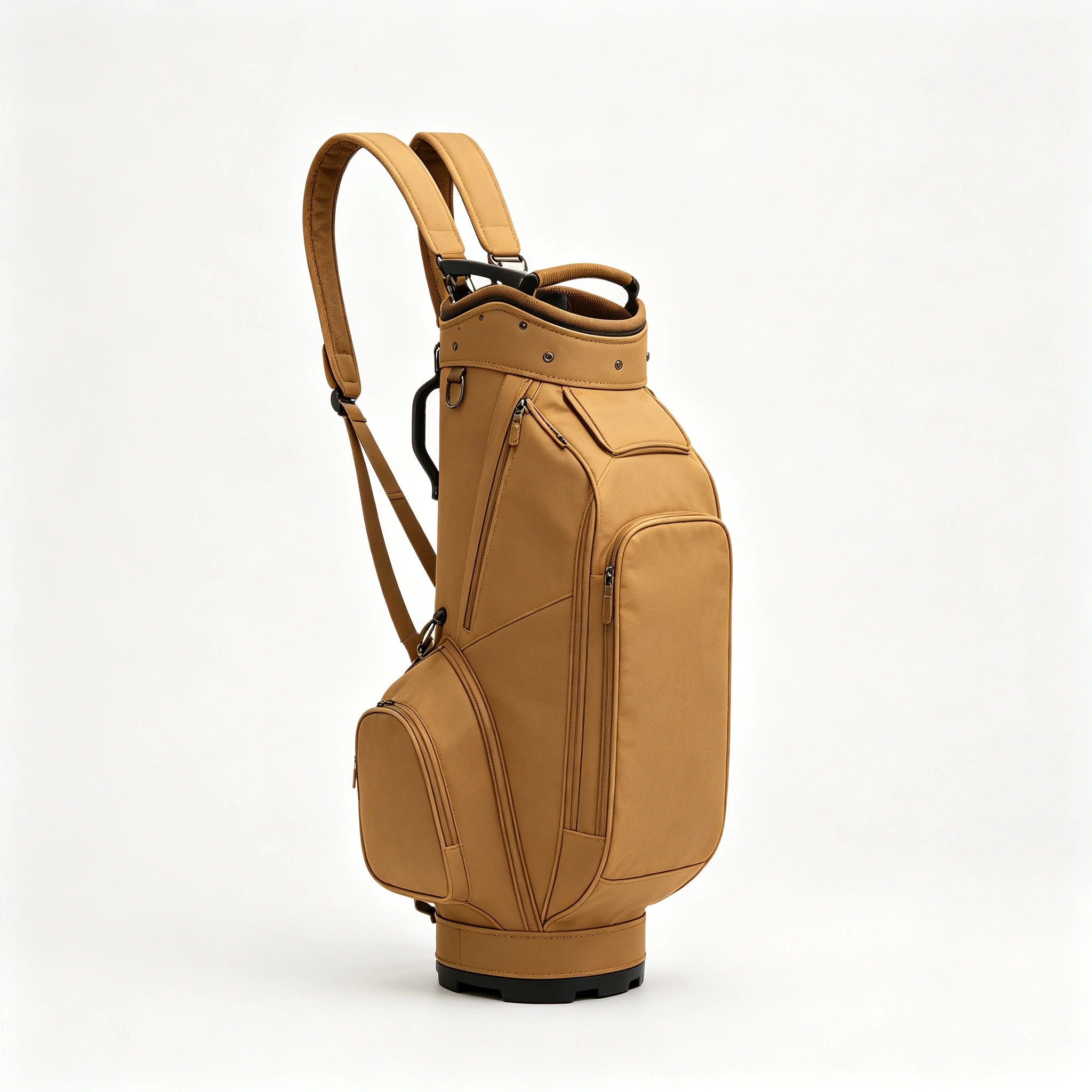
Define your initial product line. For a startup brand, we recommend starting with 3-6 SKUs across 1-2 categories. For example, launching with two stand bag models in different colorways plus one cart bag gives you variety without excessive complexity. You can read our detailed guide on how to choose the right custom golf bag for your target market.
Financial Projections
Your initial investment should cover:
| Expense Category | Estimated Range | Notes |
|---|---|---|
| Brand Development (logo, identity) | $1,000 - $5,000 | Professional design recommended |
| Product Design & Sampling | $1,500 - $4,000 | Includes tech packs and 2-3 sample rounds |
| Initial Production (200 units) | $8,000 - $25,000 | Depends on bag type and materials |
| Shipping & Import | $2,000 - $6,000 | Sea freight + customs clearance |
| Website & E-commerce | $2,000 - $8,000 | Shopify or custom WooCommerce store |
| Marketing (first 6 months) | $5,000 - $20,000 | Social media, influencer, PPC ads |
| Total Estimated Investment | $19,500 - $68,000 | Depending on scope and scale |
Legal Structure and Trademark
Register your business entity (LLC recommended for liability protection), obtain an EIN for tax purposes, and file a trademark application for your brand name and logo. In the United States, USPTO trademark filing costs approximately $250-$350 per class. The golf bag falls under International Class 28 (athletic bags and sporting goods). Our guide on golf bag trademark registration covers this process in detail.
Brand Identity and Design
Your brand identity is what separates you from generic products and creates lasting customer loyalty. In the golf bag market, brand perception directly influences pricing power.
Logo and Visual Identity
Your logo will be embroidered, printed, or debossed on every bag you produce. It needs to work at multiple scales and in various materials. Invest in professional logo design that considers:
- Scalability: Must look crisp on a small zipper pull and a large bag panel
- Embroidery compatibility: Simple, bold designs work better than intricate gradients
- Color constraints: Logo embroidery is limited to thread colors; design accordingly
- Versatility: Must work in single-color (for debossing on leather) and full color
Read our guide on golf bag logo design best practices for detailed recommendations on creating a logo that translates well to bag production.
Color Strategy
Color is the single most impactful design decision for a golf bag brand. Traditional golf colors (black, white, navy, grey) remain the safest sellers, but bold and unexpected colors can help a new brand stand out. We recommend a core lineup of 60% classic colors and 40% statement colors.
Our golf bag color matching guide and 2026 color forecast article provide specific recommendations on trending colors in the golf equipment market.
Choosing Your Bag Types and Product Line
Selecting the right mix of bag types is critical for a successful launch. Each category serves different customer needs and comes with different manufacturing requirements, MOQs, and price points.
| Bag Type | Typical Retail Price | MOQ (QUANZHOU JUNYUAN BAGS) | Best For |
|---|---|---|---|
| Stand Bags | $120 - $350 | 50 pcs | Mass market, bestseller category |
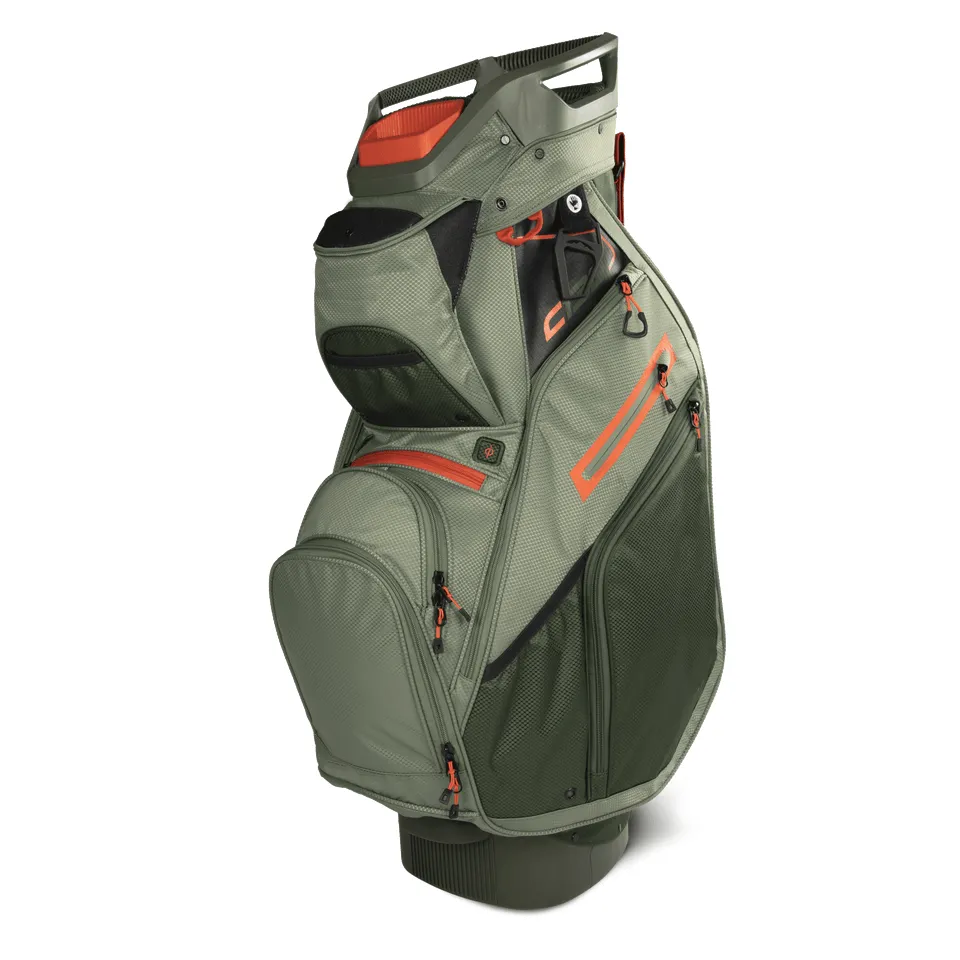
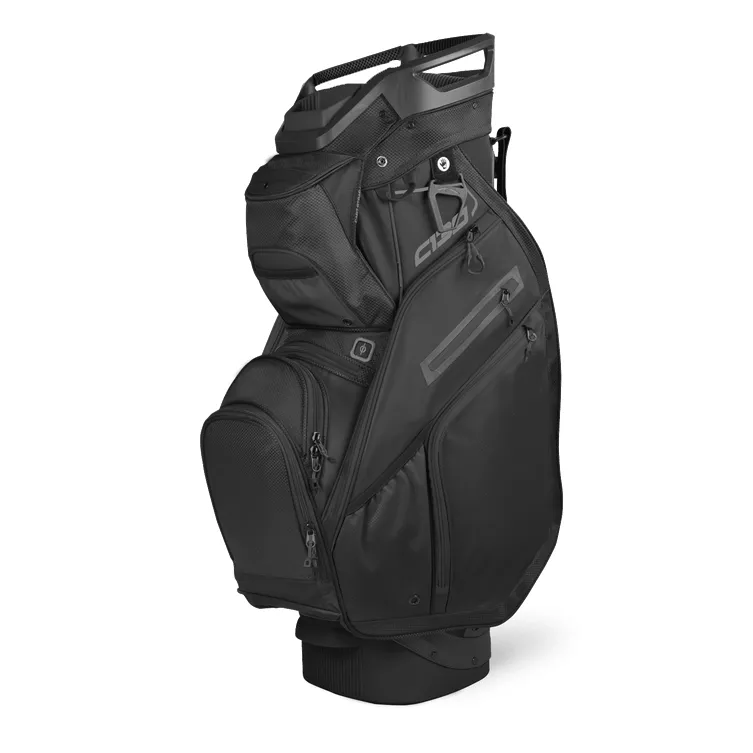
| Cart Bags | $150 - $400 | 50 pcs | Golfers who ride, max storage |
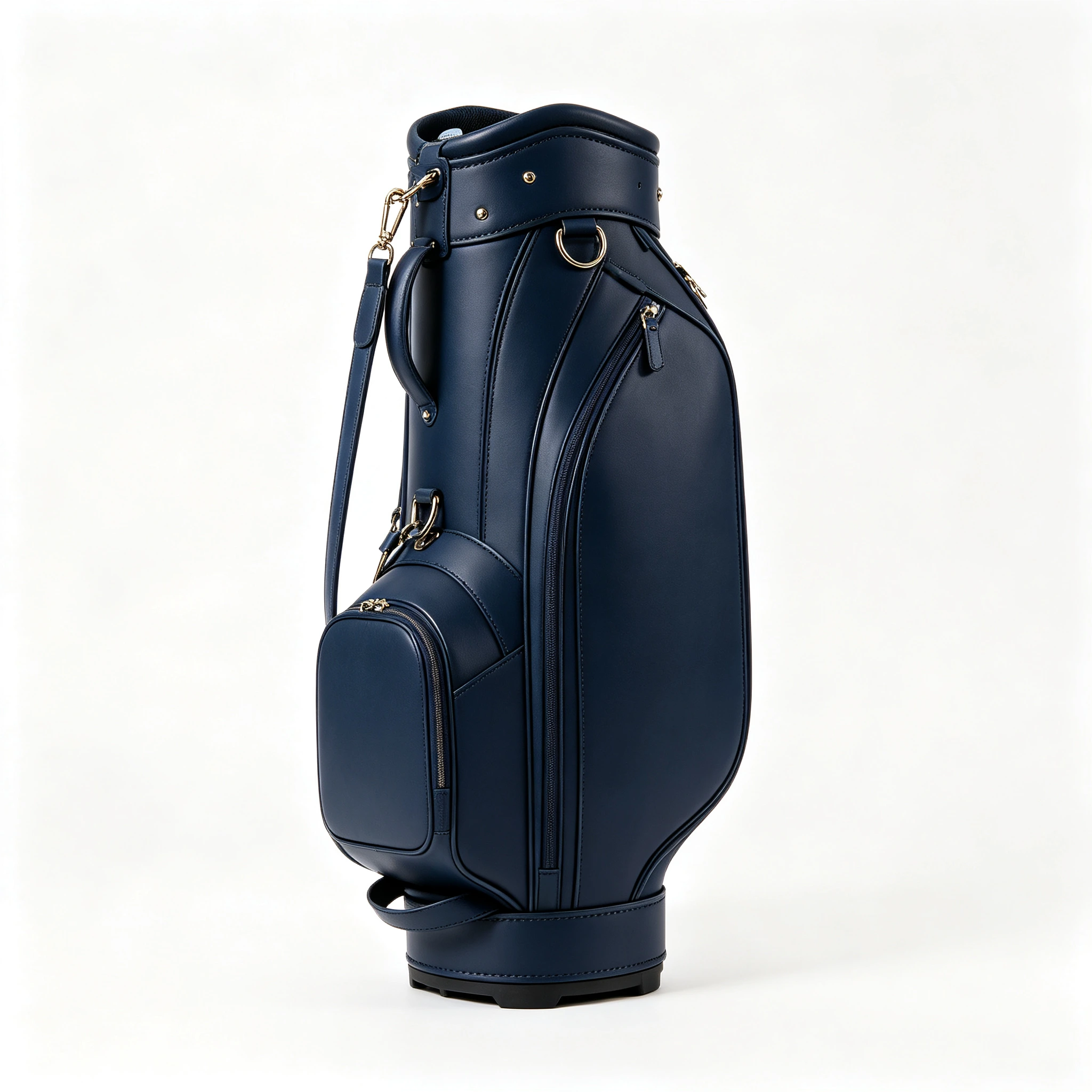
| Tour Staff Bags | $300 - $800+ | 20 pcs | Premium positioning, luxury brands |
| Carry/Sunday Bags | $50 - $150 | 100 pcs | Lightweight, minimalist market |
| Travel Covers | $100 - $350 | 50 pcs | Add-on product, high demand |
| Junior Bags | $40 - $100 | 100 pcs | Youth market, growing segment |
| Hybrid Bags | $150 - $300 | 50 pcs | Innovation-focused brands |
For a new brand launch, we recommend exploring our stand bag collection and cart bag options as starting points. These two categories represent over 60% of the total golf bag market by volume.
If you are interested in the premium segment, our leather staff bags offer exceptional craftsmanship with low MOQs starting at just 10 pieces. For a complete overview, visit our full product catalog.
How to Find and Vet a QUANZHOU JUNYUAN BAGS
Your manufacturer is the most important business relationship you will build. The right partner will make your brand look premium; the wrong one will destroy your reputation before it starts. Here is a systematic approach to finding and evaluating manufacturers.
Where to Find Manufacturers
- Alibaba and Global Sources: The largest B2B platforms for finding verified suppliers. Filter by "golf bag manufacturer" and look for Gold Suppliers with Trade Assurance.
- Trade shows: The PGA Merchandise Show (Orlando, January), Canton Fair (Guangzhou, April/October), and the Sporting Goods and Camping Show are excellent for meeting manufacturers in person.
- Industry referrals: Join golf industry groups on LinkedIn, connect with other brand owners, and ask for manufacturer recommendations.
- Direct outreach: Many specialized manufacturers like QUANZHOU JUNYUAN BAGS welcome direct inquiries. We recommend starting conversations with 3-5 manufacturers to compare capabilities and pricing.
Vetting Checklist
- Verify business licenses and factory certifications (ISO 9001, BSCI, SEDEX)
- Request and evaluate 3-5 physical samples before committing
- Ask for references from existing clients, especially in your target market
- Confirm in-house design capabilities (tech packs, 3D prototyping)
- Check production capacity against your growth projections
- Understand their quality control process (inline QC, AQL inspection levels)
- Review their material sourcing capabilities (Pantone matching, sustainable options)
- Evaluate communication speed and English proficiency
Be cautious of manufacturers who: refuse to send samples, have no verifiable certifications, quote prices significantly below market (quality will suffer), cannot provide client references, or pressure you into large orders before you have tested their quality. A reliable manufacturer will welcome factory visits and third-party audits.
Our comprehensive guide on choosing a golf bag factory in China and our factory audit checklist provide detailed guidance on due diligence.
The OEM Manufacturing Process Explained
Understanding the OEM (Original Equipment Manufacturer) process helps you set realistic timelines and budgets. Here is the complete workflow from inquiry to delivery:
Inquiry and Consultation (Days 1-3)
Submit your requirements including bag type, quantity, materials, and branding needs. A professional manufacturer will respond with a detailed quote within 24 hours.
Design and Tech Pack (Days 3-10)
The manufacturer's design team creates technical specifications, 3D renders, and color mockups. At QUANZHOU JUNYUAN BAGS, our 8-person design team provides this service free with your first order.
Sampling (Days 10-25)
Physical samples are produced to your exact specifications. Expect 2-3 rounds of sampling to perfect every detail, from stitch patterns to zipper quality.
Sample Approval (Days 25-32)
Review the golden sample, request any final adjustments, and sign off. This approved sample becomes the production benchmark.
Mass Production (Days 32-67)
Full production run with inline quality control. You should receive weekly progress updates and production photos from your manufacturer.
Quality Inspection (Days 67-70)
AQL 2.5 final inspection. Many brands also hire third-party inspection services like SGS or Bureau Veritas for additional assurance.
Shipping and Delivery (Days 70-95)
Export documentation, container loading, and ocean freight. Transit to the US West Coast takes 18-25 days; to Europe, 30-40 days.
Total timeline for a first order: 65-95 days. Repeat orders are significantly faster at 25-35 days. Our detailed golf bag manufacturing process guide covers each step in depth.
Ready to Start Your Golf Bag Brand?
Get a free quote and design consultation from our team. 10+ years of OEM experience, MOQ from 200 pieces, BSCI and ISO certified.
Request Free Quote →Costs, Pricing, and Profit Margins
Understanding your true landed cost is essential for pricing your products profitably. The landed cost includes everything from manufacturing to having the bag in your warehouse.
Cost Breakdown Per Bag
Here is a typical cost structure for a mid-range stand bag manufactured in China:
| Cost Component | Amount | % of Total |
|---|---|---|
| Factory unit cost (FOB) | $35 - $55 | 50-55% |
| Custom branding (logo, labels) | $2 - $5 | 3-5% |
| Shipping (per unit, sea freight) | $4 - $8 | 5-8% |
| Import duties (US: 20%) | $8 - $12 | 10-12% |
| Warehousing and fulfillment | $3 - $5 | 3-5% |
| Packaging and hang tags | $1 - $3 | 1-3% |
| Total Landed Cost | $53 - $88 | 100% |
| Recommended Retail Price | $150 - $250 | -- |
| Gross Margin | $62 - $162 | 41-65% |
Our detailed cost breakdown guide and pricing tiers analysis will help you understand exactly where your money goes and how to maximize margins. For information on negotiating MOQs, read our MOQ negotiation guide.
Quality Control and Certifications
Quality is your brand's foundation. In the golf bag market, customers expect durability, flawless stitching, smooth zippers, and consistent finishes. A single defective bag can generate negative reviews that damage your brand for months.
Quality Control Framework
A proper QC program includes:
- In-line inspection: Quality checks during production to catch issues early
- Pre-shipment inspection: AQL (Acceptable Quality Level) Level II sampling, the industry standard
- Third-party inspection: Hiring SGS, Bureau Veritas, or Intertek for independent verification
- Photo documentation: Require production photos at each stage
At QUANZHOU JUNYUAN BAGS, we maintain a defect rate below 0.3%, compared to the industry average of 2-4%. Our BSCI and ISO 9001:2015 certifications ensure systematic quality management across every production stage. Learn more about our quality standards and inspection checklist.
Material Testing and Compliance
Depending on your target market, you may need specific certifications:
- United States: CPSIA compliance for lead content (especially for junior bags), California Prop 65
- European Union: REACH compliance for chemical substances, CE marking not required for bags
- Sustainability claims: Oeko-Tex certification for textiles, GRS certification for recycled materials
Our material testing guide and sustainability guide provide detailed information on compliance requirements. For EU-specific requirements, see our EU import guide.
Shipping, Import, and Logistics
International shipping and import logistics can make or break your profitability. Understanding Incoterms, customs procedures, and freight options is essential.
Shipping Methods Compared
| Method | Transit Time | Cost (per CBM) | Best For |
|---|---|---|---|
| Sea Freight (FCL) | 18-40 days | $1,500 - $4,000 | Full production orders |
| Sea Freight (LCL) | 25-45 days | $80 - $150/CBM | Smaller orders under 5 CBM |
| Air Freight | 5-8 days | $5 - $8/kg | Urgent restocking |
| Courier (DHL/FedEx) | 3-7 days | $8 - $15/kg | Samples and small quantities |
Understanding Incoterms
Your manufacturer will quote you using international trade terms (Incoterms). The most common for golf bag imports are:
- FOB (Free On Board): Manufacturer delivers to port and handles export clearance. You arrange ocean freight and import. This is the most common and flexible option.
- CIF (Cost, Insurance, Freight): Manufacturer arranges and pays for shipping to your destination port, including insurance.
- DDP (Delivered Duty Paid): Manufacturer handles everything from factory to your door, including customs clearance and duties. Most convenient but most expensive.
Our guides on freight costs, Incoterms explained, duties and tariffs, and sample shipping provide complete logistics coverage. For US-specific information, see our US import guide.
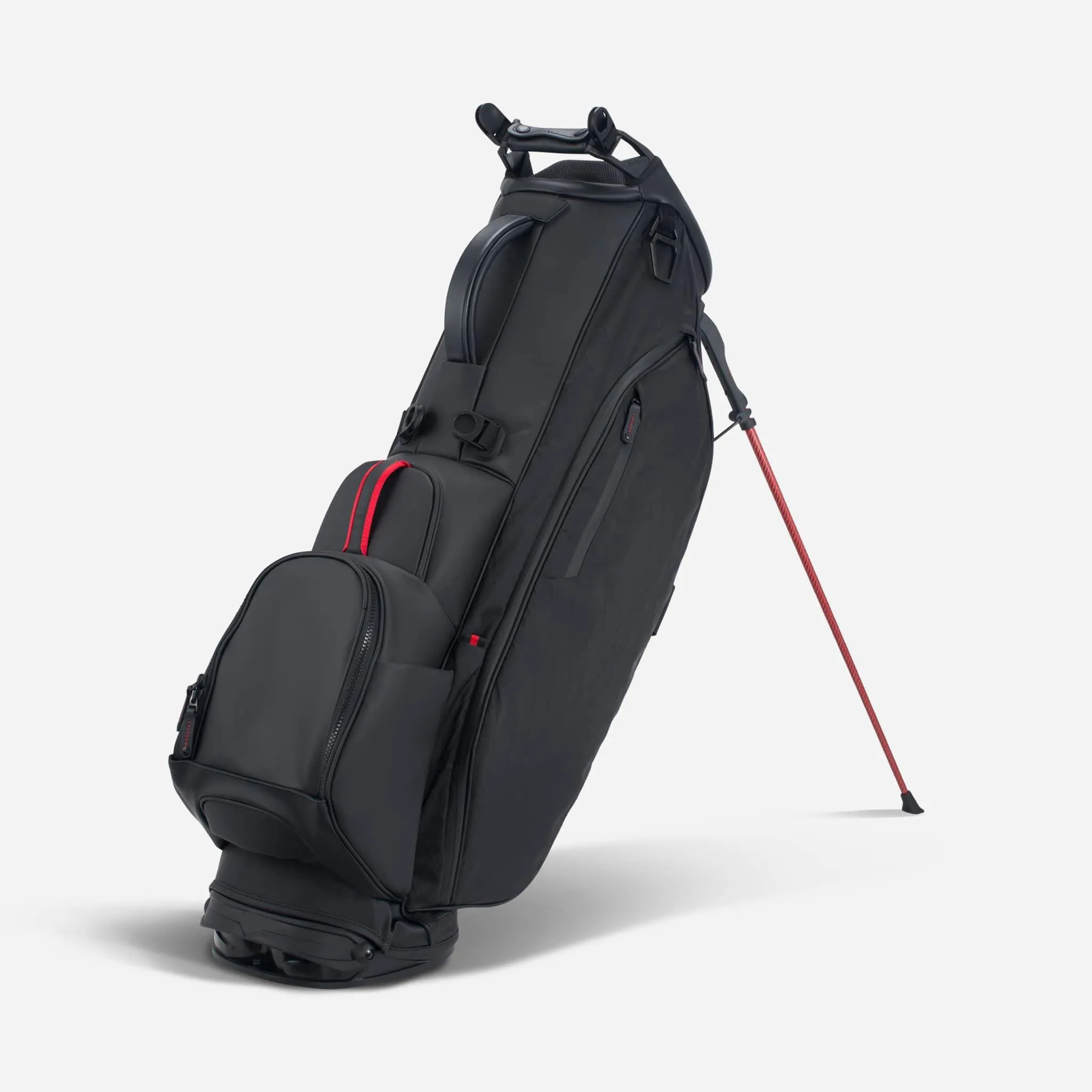
Sales Channels and Distribution
Choosing the right sales channels determines how quickly you reach customers and how much margin you retain. Most successful new golf bag brands use a combination of channels:
Direct-to-Consumer (DTC)
Your own e-commerce website (Shopify, WooCommerce) gives you the highest margins (60-70% gross) and full control over brand presentation. Invest in professional product photography, detailed descriptions, and a seamless checkout experience. This is where most new brands should start.
Amazon
Amazon provides massive traffic but comes with fees (15% referral + FBA fees) that reduce margins to 30-40%. However, it is excellent for volume and brand awareness. Use Amazon as a secondary channel once you have established your DTC presence.
Pro Shops and Golf Retailers
Getting your bags into golf pro shops and retail chains like PGA Tour Superstore provides credibility and visibility. Expect wholesale margins of 40-50% (you sell to the retailer at 50% of MSRP). This channel typically requires minimum orders of 24-48 units per SKU and favorable payment terms (Net 30-60).
Custom and Corporate Sales
Corporate branded bags for golf resorts, tournaments, and company events represent a high-margin niche. Our corporate golf bag program supports custom branding with low MOQs.
Explore our full product range to find the right bags for your distribution strategy:
- Stand Bags — The bestselling category
- Cart Bags — Maximum storage for riders
- Tour Staff Bags — Premium luxury segment
- Travel Covers — High-demand add-on
- Eco-Friendly Bags — Growing market segment
- Private Label Guide — For retail brands
Launch Strategy and Marketing
A successful brand launch requires pre-launch buzz, strategic partnerships, and sustained marketing investment. Here is a proven framework:
Pre-Launch (Months 1-2)
- Build a landing page and email list before products arrive
- Send samples to golf influencers and YouTubers for reviews
- Create behind-the-scenes content showing the manufacturing process
- Set up social media profiles and begin posting consistently
Launch (Month 3)
- Offer an early-bird discount (15-20% off) for the first 100 customers
- Coordinate influencer posts and reviews for maximum visibility
- Launch targeted Facebook and Instagram ad campaigns
- Submit products to golf media for editorial coverage
Post-Launch (Months 4-12)
- Collect and showcase customer reviews aggressively
- Invest in Google Shopping ads for high-intent search terms
- Build affiliate relationships with golf content creators
- Attend local golf events and trade shows for face-to-face marketing
- Plan your second product drop based on customer feedback
Golf bag buyers are research-oriented. Creating helpful content like our extensive blog library covering topics from material guides to strap technology builds authority and drives organic search traffic. Aim to publish 2-4 blog posts per month targeting long-tail keywords related to golf bags.
Frequently Asked Questions
Start Your Golf Bag Brand with QUANZHOU JUNYUAN BAGS
10+ years of OEM expertise. BSCI and ISO 9001 certified. MOQ from 200 pieces. Free design consultation and 3D prototyping.
Get Your Free Quote Today →