Golf Bag Import Duties: Global Tariff Guide
A guide to import duties for golf bags in major markets — US, EU, UK, Australia.
Executive Summary
Use this article as a reference you can share internally — with procurement, product, and operations — to align decisions and reduce avoidable mistakes.
This page is designed to be scannable and actionable: tables, checklists, and short sections that answer the questions buyers actually ask.
Global Import Duty Rates for Golf Bags
Import duties are a significant and often overlooked cost in international golf bag sourcing. Duty rates vary by product classification, origin country, and trade agreement status. Understanding these rates is essential for accurate pricing and profitability planning.
HS Code Classification
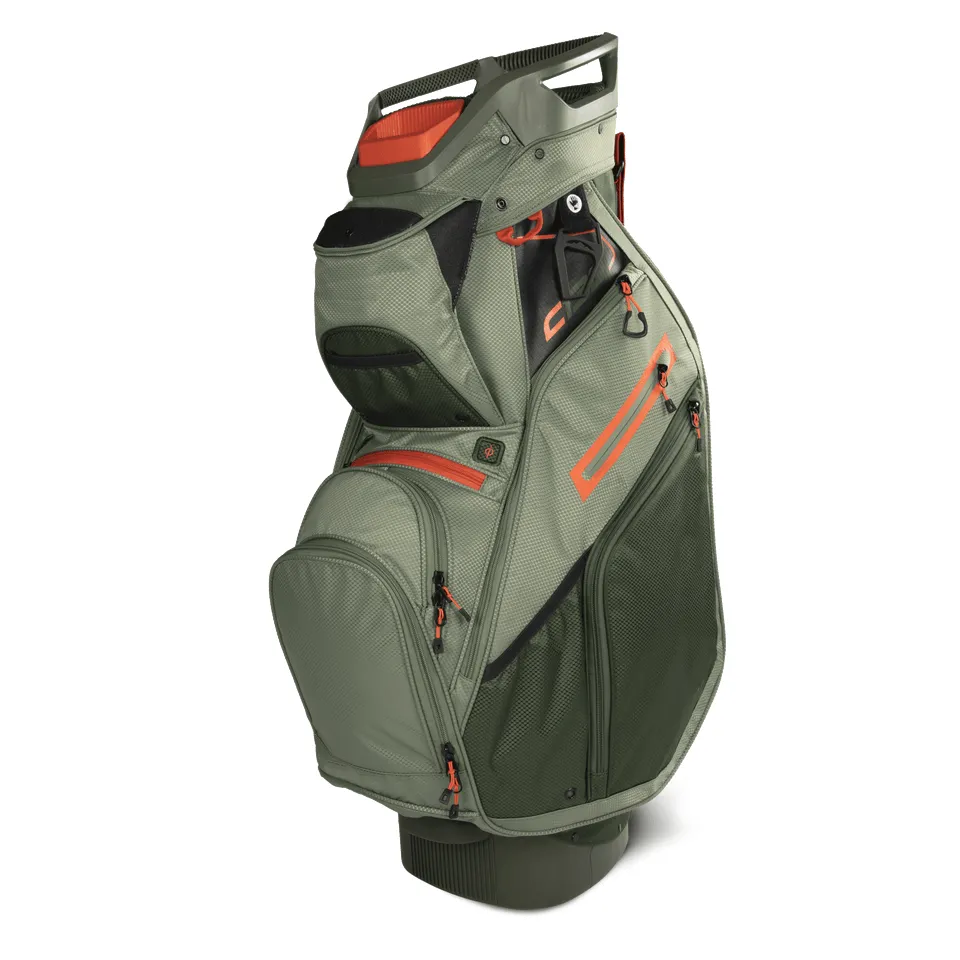
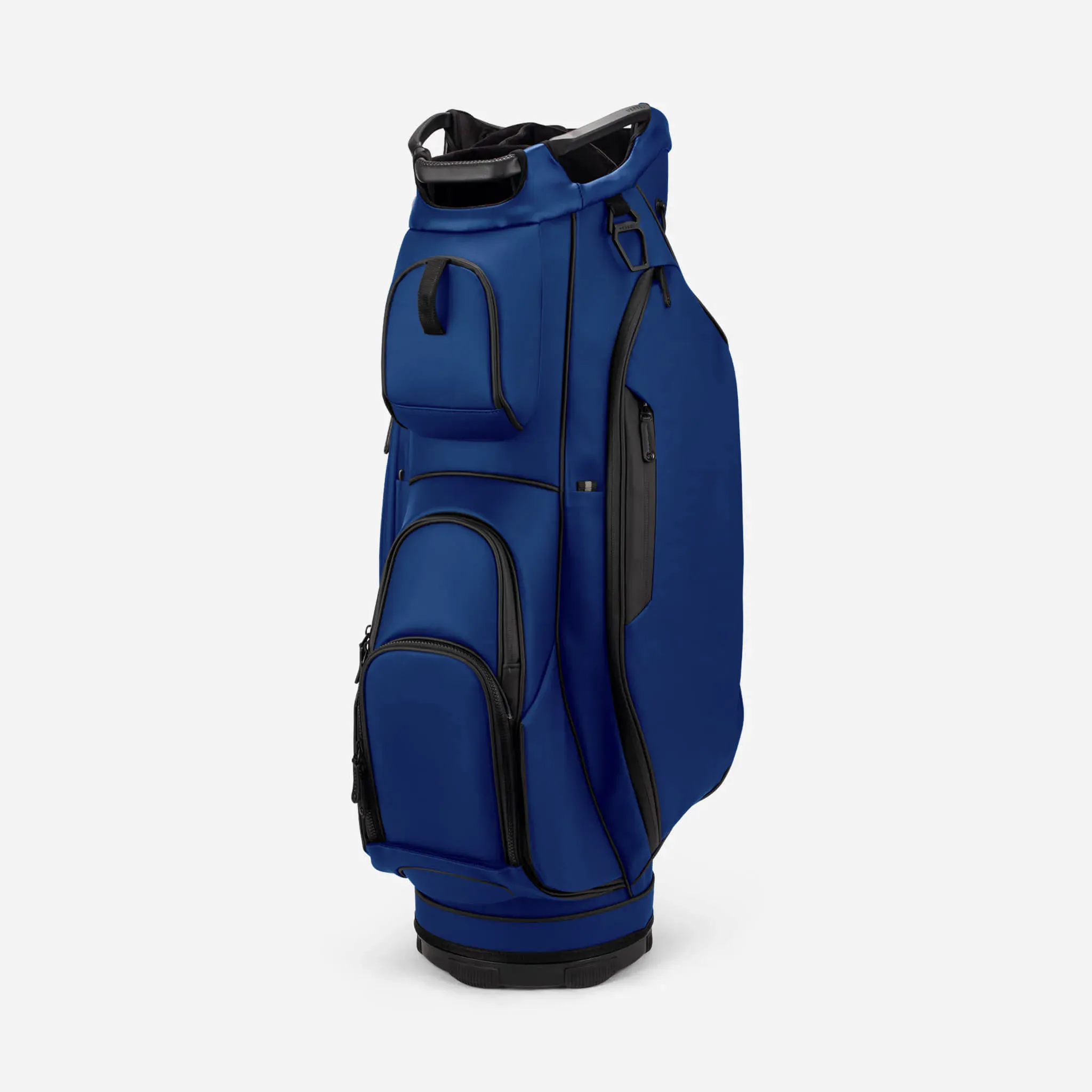
Golf bags fall under HS (Harmonized System) code 4202.92 for most markets. Key sub-classifications: 4202.92.20 for golf bags (travel bags with specific outer surface of plastic or textile materials); and 4202.92.90 for other bags (similar classification but different duty rates in some markets). Verify the correct classification with your customs broker, as misclassification can result in penalties.
Major Market Duty Rates
| Market | HS Code | MFN Duty Rate | China FTA Benefit |
|---|---|---|---|
| United States | 4202.92.20 | 3.9% (AD Valorem) | N/A (no FTA) |
| European Union | 4202.92.90 | 5.2% | GE (+0% under study) |
| United Kingdom | 4202.92.90 | 5.2% | UK-China FTA (+0%) |
| Australia | 4202.92 | 5% | CHAFTA (+0%) |
| Canada | 4202.92.90 | 0% | N/A |
| Japan | 4202.92 | 0% | RCEP (+0%) |
| South Korea | 4202.92 | 8% | CKFTA (+3.2%) |
Additional Import Costs
Beyond basic duty rates, factor in: customs brokerage fees ($100-500 per shipment); examination fees if customs selects shipment for inspection ($100-300); anti-dumping duties (currently none for golf bags from China); countervailing duties (none currently); and VAT/GST (collected on landed value including duty—20% UK, 20-23% EU depending on country, 10% Australia).
MFN vs. Preferential Rates
MFN (Most Favored Nation) rates apply to countries without preferential trade agreements. Preferential rates under FTAs (Free Trade Agreements) require Certificate of Origin documentation proving Chinese manufacturing. Rules of Origin vary—typically require substantial transformation in China, meaning materials may be sourced globally but assembly and manufacturing must occur in China.
Key Takeaways
- US duty on golf bags is 3.9% under MFN—verify HS code to avoid misclassification penalties
- UK, Australia, Japan, and Canada offer 0% or near-0% duty under current FTAs with China
- Total import cost includes duty, brokerage, VAT/GST—budget 20-30% above duty rate alone
- Certificate of Origin documentation is essential for FTA preferential rates
Timeline Planning (Sampling → Production → Shipping)
Most buyers underestimate the approval cycle. This timeline helps you plan backwards from your launch date.
| Stage | Typical Duration | What You Approve |
|---|---|---|
| Tech pack + render | 3–7 days | Dimensions, layout, logo placements |
| Prototype sample | 10–20 days | Structure and pocket usability |
| Pre-production sample | 10–15 days | Materials, colors, branding finish |
| Mass production | 25–45 days | QC plan and photo checkpoints |
| Shipping | 7–45 days | Incoterms, destination requirements |
Quality & Testing Checklist (Buyer-Friendly)
Use this checklist to align factory QC with your brand standards. It reduces disputes and prevents “sample vs bulk” gaps.
| Area | What to Check | Practical Acceptance Criteria |
|---|---|---|
| Stitching | Seams, stress points, bartacks | No loose threads; reinforced points on straps and pocket corners |
| Zippers | Slider smoothness, tape alignment | Opens smoothly under load; no zipper waves |
| Stand mechanism | Deploy/retract consistency | Deploys cleanly; stable angle; no binding noise |
| Top & dividers | Club insertion, divider stability | No collapse; clean edges; consistent spacing |
| Branding | Logo placement and size | Matches approved placement map |
Common Mistakes (And How to Avoid Them)
- Vague descriptions: Replace “bag” with material + intended use + construction notes.
- Late approvals: Approve key items early (materials/colors/labels) to prevent schedule slips.
- No verification: Ask for photos, test notes, and documented checkpoints before shipment.
FAQ
Q: What information should I prepare before requesting a quote?
A: Bag type, quantity, target market, target price range, branding method, and timeline.
Q: What reduces back-and-forth the most?
A: One clear brief with reference photos and written requirements.
Next Step
If you want a fast, accurate quote, send your bag type, quantity, and destination requirements to cco@junyuanbags.com (WhatsApp: +8617750020688).
.webp)