Vintage Golf Bag Materials: Waxed Canvas and Leather, Specced Properly
Authentic vintage golf bags are built from two materials: 18-22 oz waxed canvas for shells and full-grain vegetable-tanned or pull-up leather (1.4-1.8 mm) for trim and premium builds. Everything else — hardware, thread, webbing, lining — supports those two. This guide gives the weights, grades, sourcing tests and ageing behaviour of each, so a heritage programme is specced on substance rather than surface. The materials in production are at our vintage range and the full grades library at premium materials.
QUANZHOU JUNYUAN BAGS, established 2014 in Quanzhou, Fujian, manufactures through an affiliated factory of 4,950 m², 7 production lines, 149 machines (126 sewing stations) and 137 staff — rated at 200,000 pieces per month, actual output around 150,000. Every order runs AQL 2.5 inspection, MOQ 200 (100-piece trial), sampling 6–10 days, bulk 35–50 days, with BSCI, ISO 9001:2015, CE, CPC and RoHS certifications (SGS audit, March 2026). We serve 200+ brands in 100+ countries.
Materials Are the Vintage Value Proposition
In the technical bag market, materials are a spec sheet; in the vintage market, they are the product. The heritage buyer is purchasing how a bag ages — the lightening creases in waxed canvas, the deepening patina on vegetable-tanned leather, the mellowing of brass. A vintage bag is designed to look better at three years than at three weeks, and that behaviour is entirely a function of material choice. Get the materials right and the bag accrues value; get them wrong and it merely gets old.
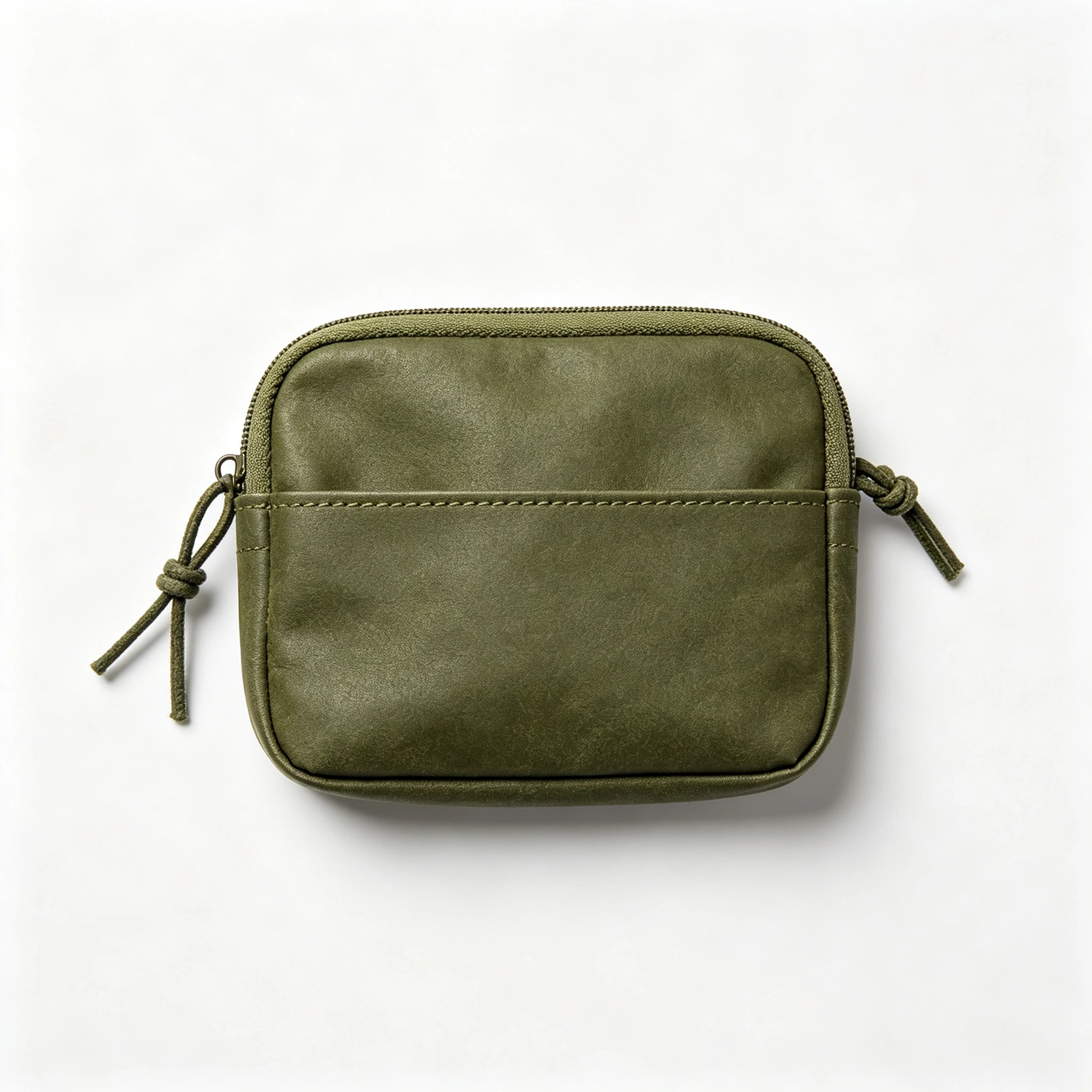
The market has educated itself. Heritage buyers now perform the crease test on canvas, smell the leather, and check hardware weight in the hand — rituals learned from watch and denim communities. "Wax-look" coated polyester and corrected-grain "leather" are increasingly called out in reviews and forums, and a brand caught substituting them does not get a second hearing in this segment.
This guide therefore treats materials the way the segment does: as the difference between a heritage product and a heritage costume. Every specification below is one we source, test and build with in production — and each comes with the verification test a buyer can run in thirty seconds.
There is also a manufacturing honesty to be stated up front: heritage materials are harder to work than technical ones. Waxed canvas gums needles and resists the high-speed handling nylon accepts; vegetable-tanned leather marks under careless machine feet and demands slower, more skilled sewing; brass hardware must be attached without marring its finish. Lines set up for technical nylon cannot simply switch — the craft gap is real, and it is a large part of what the heritage price pays for.
Waxed Canvas: The Shell of the Segment
Waxed canvas is cotton duck impregnated with wax — paraffin, beeswax or proprietary blends — producing a fabric that sheds water, resists abrasion, and records its history in lightened creases and scuff marks that buff out or wear in with grace. For golf bags the spec is 18-22 oz (roughly 610-745 gsm): heavy enough for structure and weather, not so heavy the bag becomes a burden.
The wax weight is a design decision. Heavier wax gives better weather resistance and a wetter hand, but can transfer to car upholstery in summer heat and stiffens the bag in cold. Lighter wax preserves drape and eliminates transfer at some cost to water beading. The proven golf spec is a medium wax finish: beading that survives a wet round, a hand that stays dry in a hot car boot. Re-waxing every year or two (a tin of wax, a hair dryer, twenty minutes) restores the finish — and brands that ship the care kit turn maintenance into loyalty.
The verification test every buyer should run: crease the fabric sharply. Real waxed canvas lightens along the crease — the wax displacement that gives the fabric its living character. Coated "wax-look" polyester whitens or cracks, and it never develops patina. Also check the reverse: real waxed canvas is waxed through, not surface-coated. The fabric is the heritage claim; verify it before the golden sample is signed.
Colour selection within waxed canvas follows the heritage palette rules: olive, tan, navy and charcoal are the proven four, with field tan and forest as the seasonal extensions. Canvas takes dye before waxing, so colour lots must be locked at the mill stage — a post-wax shade adjustment is impossible. For programmes, that means the canvas colour decision is made once, early, against physical mill swatches under D65 light, and the full production quantity is reserved from one dye lot. Shade drift between canvas lots is more visible than on nylon because heritage colours are quiet.
Leather for Heritage Builds: Grades and Temper
Vintage leather work divides into two jobs with different specs. Trim leather — handle wraps, pocket welts, piping, base panels — wants full-grain hides at 1.4-1.8 mm with enough temper to hold an edge. Full-leather builds — the premium staff reissues and carries — want the same hides in larger, cleaner panels, selected for consistent grain and colour across the whole bag.
The tanning method decides the ageing. Vegetable-tanned leather — tanned with bark extracts over weeks — is the heritage default: firm, richly coloured, and the champion patina-developer, darkening and burnishing with sun and handling. Pull-up leather — hides stuffed with oils and waxes — lightens dramatically when creased and self-heals minor scuffs with a rub, making it ideal for high-contact zones. Chrome-tanned corrected grain — the uniform, coated leather of mass-market goods — does neither: it looks the same on day one thousand as day one, which in this segment is a defect, not a feature.
Panel selection is where full-leather bags are won or lost. A staff bag needs large panels free of scars, brands and loose grain — the top 15-20% of a hide by usable area — which is why full-leather bags cost what they cost. Our cutting room grades hides per panel position: display faces get the cleanest cuts, hidden zones take character marks. That grading discipline, detailed in our leather grades guide, is invisible in the product and decisive in its consistency.
Edge treatment completes the leather spec and is one of the clearest tells of build quality. Heritage bags finish leather edges three ways: turned and stitched (the premium method, folding the edge into the seam), bound with welt or binding tape (the workhorse, especially with contrast piping), or burnished and painted (acceptable on small components, fragile at scale on flexing panels). Raw cut edges on a ¥3,000 bag are an economy that customers photograph and post. Edge method per panel belongs in the tech pack — it is a construction decision, not a finishing afterthought.
Hardware, Thread and Webbing: The Supporting Cast
Hardware on a heritage bag is specified by finish and substance together. Antique brass is the default, gunmetal for dark palettes, aged nickel for navy stories — always plated-and-lacquered over solid brass or quality zinc alloy, salt-spray tested to 48 hours. The substance test is weight in the hand: solid brass fittings have a density that plated plastic and thin zinc cannot fake, and the strap clasp is handled every round.
Thread is the invisible structural choice: bonded nylon or heavy polycore at V-69 to V-92 weight for structural seams, in tonal or period-contrast colours. Heritage topstitching — the visible double-needle work along pocket welts and handle wraps — wants heavier thread (V-138) and long, even stitches at 4-5 per cm, executed with the consistency that reads as hand craft.
Webbing for straps and anchors: cotton webbing in 50mm widths for the authentic carry strap, with modern load-rated nylon webbing hidden inside the chassis where strength matters invisibly. Lining closes the material story: tonal cotton twill or period check and stripe patterns — never bright technical colours that flash when a pocket opens. Every one of these is a line in the tech pack; none of them is a detail a factory should choose for you.
Ageing Behaviour: Designing for Year Three
The heritage material test is not how the bag looks at unboxing but at year three. Waxed canvas lightens at creases and high-contact zones, developing the map of its rounds; a re-wax restores depth while keeping character. Vegetable-tanned leather darkens and burnishes, especially at handle and strap contact — the honest polish of use. Pull-up panels heal their scuffs. Brass mellows from bright-antique to deep, living metal.
The design implications are real. Seams and welts should be placed where creasing enhances rather than distorts; leather panels should be oriented so flex zones run with the grain; colour palettes should anticipate darkening (a tan that starts perfect ends too dark — start a half-shade light). These are pattern-room decisions that separate heritage lines designed for ageing from those merely dipped in old-looking materials.
Care is the customer’s half of the contract: annual re-waxing, the leather conditioning rhythm from our care guide, dry storage. The brand’s half is printing the ritual, shipping the kit, and merchandising the aged examples — the three-year-old shop sample that looks better than the new stock is the heritage segment’s most persuasive salesperson.
Sustainability and Provenance
Heritage materials carry an environmental story the segment’s buyers increasingly ask about. Waxed canvas is cotton and wax — biodegradable, repairable, and long-lived, which is the deepest sustainability metric of all. Vegetable tanning is the oldest and lowest-chemistry tanning method, though it demands responsible water management at the tannery — a provenance question worth asking and one our sourcing bench answers with tannery audit documentation.
Leather provenance matters doubly in the heritage segment because the buyers care. Hides sourced as by-products of the food chain, tanned at audited tanneries, documented through the supply chain — these are not marketing garnish but vendor-onboarding requirements at the premium retail tier. Our material documentation travels with programmes as standard, and the certification frame (BSCI, ISO 9001:2015, SGS-audited) is on our about page.
Longevity itself deserves a line: a bag designed to be re-waxed, re-conditioned and repaired is a bag that stays out of landfill for decades. Heritage brands that offer repair services — re-waxing, handle re-wraps, hardware replacement — convert sustainability from a claim into a customer relationship. The repair economy is the heritage segment’s quiet growth engine.
The resale channel reinforces the same economics. Heritage bags in authentic materials hold value in secondary golf communities in a way technical bags never do — a three-year-old waxed canvas carry in good patina sells for close to its original price, while a three-year-old tech bag is worth a fraction. Buyers increasingly know this, and it changes the purchase logic: the heritage bag is not a cost but a store of value with a dividend of use. Brands that publish care and repair support are underwriting that resale value, and smart ones say so on the product page.
OEM: Building the Material Story into a Programme
A heritage material brief specifies the full stack: canvas weight and wax finish with mill reference, leather tanning method, grade, thickness and colour with tannery reference, hardware finish and material, thread weights and colours, webbing and lining. Each line is verified at golden sample against physical swatches under D65 light, and material lots are locked for the production run — the colour-lot discipline of our set protocol applied to heritage builds.
Commercial terms hold the house standard: MOQ 200 per design with 100-piece trials, 6–10 day sampling, 35–50 day bulk. Material-specific lead-time notes: specialty waxed canvas and vegetable-tanned hides occasionally extend sourcing by a week on first runs — brief early, especially for Q4 gift seasons.
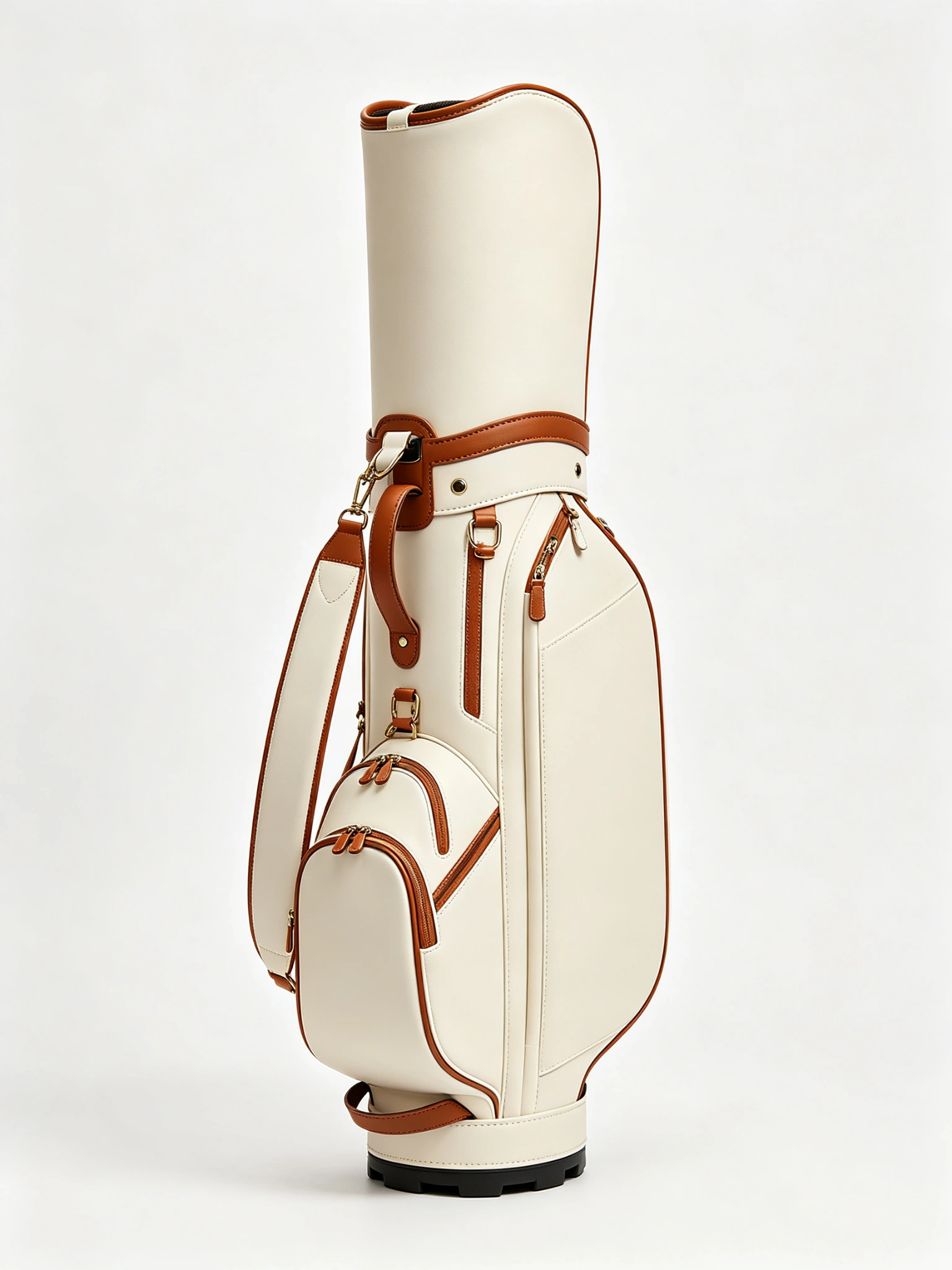
The programme shape that works: one silhouette in two material stories — canvas-and-leather at the core band, full leather at prestige — sharing hardware, palette and branding so the range reads as one family. Material consistency across the family is what makes the photography, the merchandising and the brand story cohere.
The Bottom Line
Vintage bag materials are a short list with hard rules: 18-22 oz medium-wax canvas that lightens at the crease, vegetable-tanned or pull-up full-grain leather at 1.4-1.8 mm that patinas, solid antique-finish hardware that weighs right in the hand, bonded thread, cotton webbing, tonal linings — every component verifiable with a thirty-second test.
The segment’s buyers run those tests. The brands that pass them earn the prices, the reviews and the three-year ageing photographs that sell the next season’s line. The brands that substitute coatings and corrected grain get found out in public.
Send the silhouette and the palette, and material-verified heritage samples come back in 6–10 days. In this segment, the materials are the marketing — spec them like it.
Spec Your Heritage Materials
Send the silhouette and palette. We return material-verified samples in 6–10 days, quoted at MOQ 200 with a 100-piece trial.
Request a Quote →People Also Ask
What materials are vintage golf bags made from?
Two core materials: 18-22oz waxed cotton canvas for shells (medium wax finish for golf use) and full-grain vegetable-tanned or pull-up leather at 1.4-1.8mm for trim and premium builds. Supporting cast: antique-finish solid brass hardware, bonded nylon or polycore thread (V-69 to V-138), cotton webbing straps, and tonal or period-pattern linings. See the builds at our vintage range.
How can I tell real waxed canvas from coated polyester?
The crease test: fold the fabric sharply. Real waxed canvas lightens along the crease — wax displacement that creates its living character — while coated "wax-look" polyester whitens or cracks. Also check the reverse side: real waxed canvas is waxed through, not surface-coated. Real canvas develops patina over seasons; coatings merely wear out.
Is waxed canvas waterproof?
Highly water-resistant rather than fully waterproof: the wax beads rain off the surface through a wet round, but seams and prolonged saturation eventually pass moisture. The 2026 heritage spec adds waterproof membranes and seam-sealed pockets inside the canvas shell for genuine protection. Re-waxing every year or two maintains the finish.
What leather is best for a vintage golf bag?
Full-grain vegetable-tanned leather for classic structure and champion patina; pull-up leather (oil-and-wax stuffed) for high-contact zones since it self-heals scuffs with a rub. Thickness 1.4-1.8mm with firm temper for trim, larger clean panels for full-leather builds. Avoid chrome-tanned corrected grain — it never develops the patina the heritage buyer is paying for. Grades are detailed in our leather grades guide.
Do vintage golf bags need special care?
Two rituals: re-wax the canvas every year or two (wax tin, hair dryer, twenty minutes) and condition the leather every two to three months per our leather care guide. Store dry and shaded. Quality programmes ship the care kit in the box — maintenance is part of the heritage experience, not a burden.
What hardware finish is authentic for heritage bags?
Antique brass (the default), gunmetal for dark palettes, aged nickel for navy stories — always plated-and-lacquered over solid brass or quality zinc alloy, salt-spray tested to 48 hours. The substance test: solid fittings have real weight in the hand. Bright chrome and polished gold break the period aesthetic instantly.
How do vintage golf bag materials age?
By design: waxed canvas lightens at creases and contact zones, developing a map of its rounds; vegetable-tanned leather darkens and burnishes, especially at handle contact; pull-up panels heal their scuffs; brass mellows to deep living metal. A well-specced heritage bag looks better at three years than at three weeks — that is the entire value proposition.
Are waxed canvas and leather sustainable?
Among the most sustainable bag materials: cotton and wax are biodegradable and repairable, vegetable tanning is the lowest-chemistry tanning method with proper water management, and hides are food-chain by-products. Deepest of all is longevity — a bag designed for re-waxing, conditioning and repair stays in use for decades. Provenance documentation travels with our OEM programmes.
What weight canvas is used for golf bags?
18-22oz (roughly 610-745gsm) cotton duck: heavy enough for structure and weather resistance, light enough for carry comfort. Wax finish is medium-weight — beading that survives wet rounds without transferring to car upholstery in summer heat. Lighter canvases (12-14oz) serve accessories like valuables pouches within the same range.
What is the MOQ for a heritage materials programme?
Our standard MOQ is 200 pieces per design with a 100-piece trial. Sampling runs 6–10 days (specialty canvas and veg-tan sourcing can add a week on first runs); bulk 35–50 days under AQL 2.5. Material lots are locked against the golden sample. Start at our quote page.
Can vintage materials be used on modern bag silhouettes?
Yes — heritage materials on contemporary architecture is a proven hybrid: waxed canvas cart bags, leather stand bags with modern mechanisms. The reverse also works (modern technical fabrics on heritage silhouettes) but sells the story less well. The strongest lines pick one direction deliberately. Our leather stand bag line is the hybrid done properly.
Why do full-leather vintage bags cost so much more?
Panel selection: a staff bag needs large panels free of scars and loose grain — the top 15-20% of each hide by usable area — selected and graded per panel position for consistent grain and colour. Add veg-tan leather’s higher material cost, the slower construction full-leather demands, and the result is the $450-800 prestige band: expensive to build, impossible to fake.
Can waxed canvas be repaired if torn?
Yes — one of its heritage virtues. Small tears are patched from the reverse with matching canvas and waxed thread, then re-waxed; the repair blends into the fabric’s crease-and-patina character rather than standing out as a fix. Leather trim is repaired by a leatherworker with matching hide. Repairability is a core part of the decades-long service life these bags are designed for.
Is waxed canvas heavy?
The 18-22oz golf spec adds modest weight versus technical nylon — typically 300-500g on a full bag — but modern reissue engineering (aluminium frames, synthetic linings) absorbs most of it. A waxed canvas heritage carry finishes at 2.5-3.5kg, comfortably within walking-round range. The fabric’s structure also means less internal reinforcement is needed, clawing some weight back.
Sources & Authority
Material specifications reflect production sourcing standards at the QUANZHOU JUNYUAN BAGS affiliated plant: canvas weights and wax finishes verified against mill references, leather grades against tannery documentation, hardware against salt-spray test protocols under AQL 2.5. Factory certifications: BSCI, ISO 9001:2015, SGS audit March 2026.