The Best Golf Bag Manufacturer for Luxury Brands: What "Luxury-Capable" Actually Means
The best golf bag manufacturer for luxury brands is defined by five capabilities most factories lack: material provenance (named tanneries, graded hides, documented lots), atelier-grade construction (hand finishing, saddle stitching, ±0.5 mm tolerance), design partnership (development engineering, not just sampling), confidentiality discipline (segregated production, NDA-standard handling), and QC that inspects like the end customer (raking-light surface passes, 100% inspection on luxury runs). This guide defines each capability, the audit questions that verify it, and the programme terms that make luxury manufacturing practical. Our luxury work runs through the leather programme.
QUANZHOU JUNYUAN BAGS, established 2014 in Quanzhou, Fujian, manufactures through an affiliated factory of 4,950 m², 7 production lines, 149 machines (126 sewing stations) and 137 staff — rated at 200,000 pieces per month, actual output around 150,000. Every order runs AQL 2.5 inspection, MOQ 200 (100-piece trial), sampling 6–10 days, bulk 35–50 days, with BSCI, ISO 9001:2015, CE, CPC and RoHS certifications (SGS audit, March 2026). We serve 200+ brands in 100+ countries.
What Luxury Manufacturing Actually Is
Luxury manufacturing is a different discipline from volume manufacturing wearing nicer materials: it is a system where every process assumes the end customer will inspect the product like a connoisseur — because luxury customers do. The stitch that wanders 1 mm at a curve, the edge coat that cracks at the collar fold, the hide panel cut from loose flank: each is invisible to a volume buyer and disqualifying to a luxury one. The factory’s entire QC philosophy must assume that scrutiny.
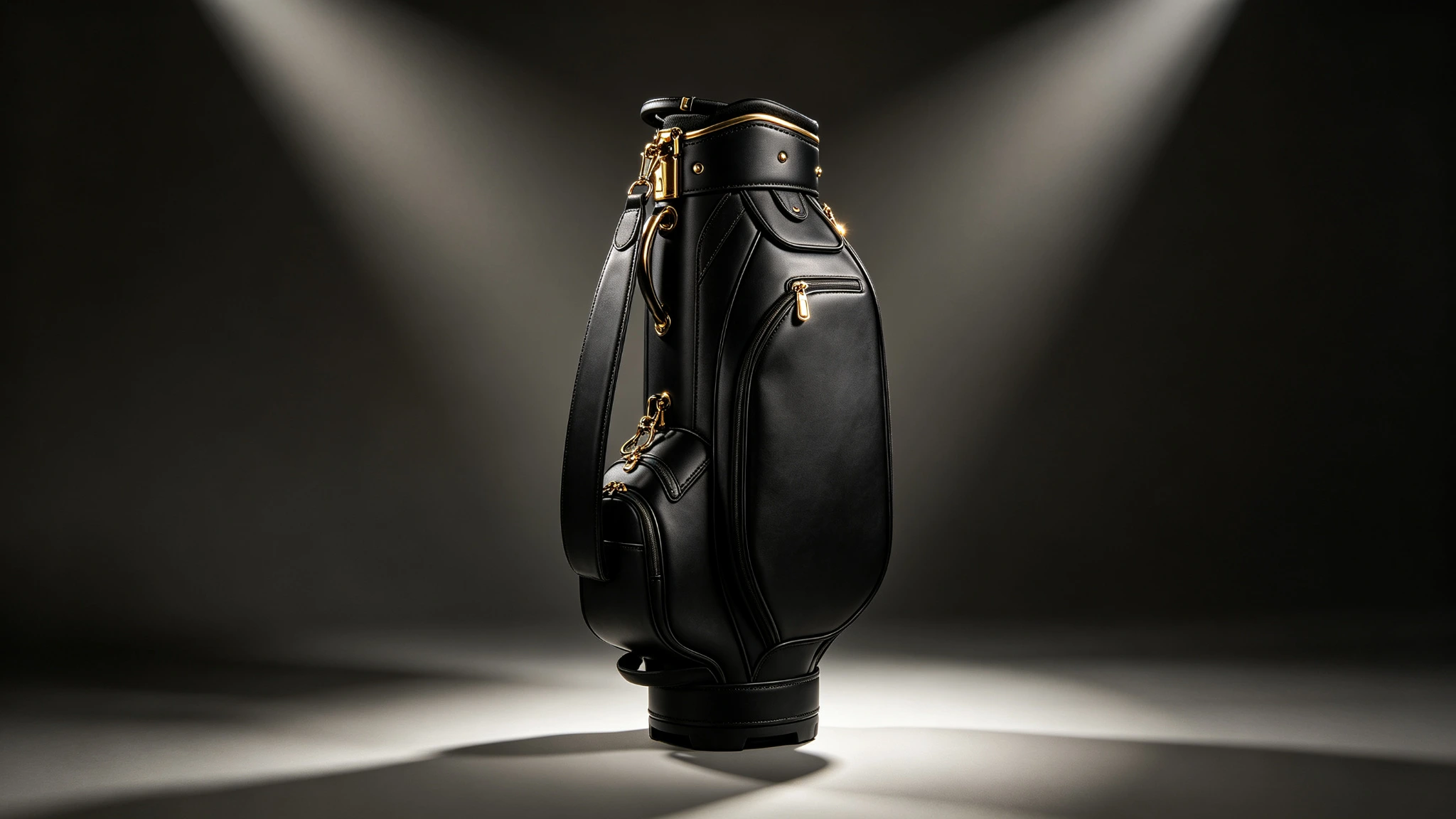
The capability gap is real and wide: most golf bag factories are engineered for volume efficiency (speed, yield, cost), and luxury requirements (slowness, waste, handwork) are actively inefficient by volume metrics. A factory claiming luxury capability should show segregated lines, different operator pay structures (piece-rate destroys handwork), and different QC gates — the disciplines are structural, not attitudinal.
The payoff for brands: luxury manufacturing converts a golf bag from equipment into object — the thing photographed, gifted, collected and kept. The category’s margin structure lives at this altitude: premium and luxury builds carry 3-5x volume-tier margins, and the customer base (luxury brands entering golf, golf brands ascending to luxury) is the fastest-growing buyer class of 2026. Our luxury market analysis sizes the opportunity.
Capability 1: Material Provenance
Luxury begins at the hide, and provenance means documented chains: named tanneries with heritage credentials (the tuscan vegetable tanneries, the great French and German houses, Japan’s specialist tanners), hide grading to written defect tolerances, lot-level traceability from tannery certificate to cut panel, and retained swatches archived against every production run.
The audit questions that verify it: Which tanneries supply your leather, and may we audit the lots? What is your intake grading standard, in writing? Can you trace this panel to its hide lot? A luxury-capable factory answers with documents — tannery certificates, intake records, lot maps — while a volume factory answers with adjectives. Our grading guide provides the vocabulary for the conversation.
Beyond leather: luxury provenance extends to hardware (solid brass and gunmetal from named foundries, not plated alloy), thread (bonded nylon or waxed linen at specified weights), zippers (the Swiss and Japanese makers whose names mean something), and linings (specified twills and suedes). Every material in a luxury build should survive the question "where exactly does this come from?"
Capability 2: Atelier Construction
Construction at luxury grade is measurably different: saddle stitching (two needles, locked thread — a stitch that cannot run) at stress seams, hand-painted edges in 3-5 thin flex-tested coats, cutting tolerance at ±0.5 mm with pattern-matched grain flow across panels, and hand-set hardware with backing reinforcement. Each is slower and costlier than the volume alternative; each is visible to the connoisseur customer.
The operator question is the real tell: luxury handwork requires operators paid for quality, not speed — dedicated craft teams, multi-year training, and production targets measured in excellence rather than units. Ask a factory how its luxury-line operators are paid and trained; the answer reveals whether "luxury" is a line or a label. Our hand-stitched craft guide documents the disciplines in detail.
The honest hybrid: full atelier construction at every seam prices into bespoke territory ($1,200+ retail), and most luxury programmes run hybrid atelier — hand work at the visible and stressed zones (collar, display panels, edges, stress points), precision machine work in hidden structure. Done honestly, hybrid atelier delivers 90% of the connoisseur experience at programme-viable cost; done dishonestly, it is hand-washing a machine product. The line is drawn in the tech pack, seam by seam.
Capability 3: Design Partnership
Luxury brands arrive with design language and expect a manufacturer to translate it into buildable, durable product — which requires development engineering, not just sampling. The capability set: pattern engineering from sketches or references (with construction logic the design team may not know to specify), material and hardware sourcing against design intent, prototyping with honest engineering feedback (this seam will crack; this panel needs structure; this weight needs redistribution), and sampling cycles that refine rather than merely repeat.
The audit question: show us a development dossier from a past luxury project — the pattern iterations, the engineering notes, the material trials. A design-partner factory has shelves of them; a sampling factory has finished samples and no memory of how they got there. The dossier is the difference between a manufacturer and a maker.
Our development practice: dedicated project engineers on luxury accounts, 6–10 day sampling cycles with engineering notes returned on every prototype, and material libraries (hides, hardware, finishes) presented as physical kits — because luxury decisions are made by hand and eye, not by spreadsheet. The manufacturer selection guide lists the full capability audit.
Capability 4: Confidentiality and Segregation
Luxury programmes carry confidentiality requirements volume factories rarely meet: designs are unreleased and embargoed, brand relationships are themselves confidential, and the luxury market’s small circles leak fast. The disciplines that matter: segregated production areas for luxury lines (not open-floor mixing with volume runs), NDA-standard handling as factory policy rather than exception, restricted photography on luxury floors, and sample custody with sign-out discipline.
The verification is procedural: ask how many luxury clients the factory serves (experience), ask what may be disclosed about them (the correct answer is nothing without permission), and ask to see the segregation physical arrangements on the factory tour. A factory casual about confidentiality with other clients’ work will be casual with yours.
Our practice: segregated luxury floor, NDA-first onboarding (we sign before we see designs), no portfolio photography without written client consent, and reference-checkable luxury clients available only with their permission. Confidentiality is not a feature we sell; it is the water luxury relationships swim in.
Capability 5: QC That Inspects Like a Connoisseur
Luxury QC assumes the inspector is the most demanding customer the product will ever meet: 100% inspection on luxury runs (not AQL sampling), raking-light surface passes that expose finish defects overhead light hides, stitch-line inspection with magnification at stress curves, hardware torque and cycle testing, and a final "unboxing audit" that evaluates the product exactly as the customer will experience it — packaging, presentation, first-touch impressions included.
The numbers behind our luxury gates: AQL 2.5 as the floor with 100% surface inspection on leather runs, ±0.5 mm dimensional verification on contrast-adjacent panels, ISO 105-X12 rub fastness at grade 4-5 verified per material lot, and golden-sample archives retained for the programme’s life. Every standard is written, measured and recorded — luxury QC is a paperwork discipline as much as a craft one.
The ultimate QC truth: luxury factories reject more. Our luxury-line rejection rate runs 3-5x the volume line — panels with acceptable-by-volume flaws are re-cut, edge coats with minor waviness are stripped and redone, and units that pass volume QC fail luxury gates daily. Ask any factory for its luxury rejection rate; the answer (and whether they track one at all) is the whole capability in one number.
Programme Terms for Luxury Builds
Luxury programme economics differ from volume: MOQs run lower in practice (luxury volumes are naturally smaller — our floor is MOQ 200 with 100-piece trials, sized for capsule drops and limited editions), sampling runs longer (6–10 days baseline, extended for material sourcing on heritage specs), and pricing carries the handwork premium honestly — typically 40-100% over volume construction, itemised so the brand sees exactly what the craft costs.
Bulk terms: 35–50 days standard, with luxury runs scheduled on dedicated lines (never inserted into volume flow). Payment follows our standard structure; material deposits apply on rare-hide and heritage-hardware sourcing. The commercial frame is transparent: luxury pricing is arithmetic (materials at provenance prices, labour at handwork rates, QC at 100% inspection cost), and honest factories show the arithmetic.
The engagement path that works: brief → material kit presentation → engineering prototype → golden sample → 100-piece trial → production. Each gate is documented, each sample archived, and the brand’s team is welcome on the floor at every stage — luxury manufacturing done properly has nothing to hide and everything to show. Begin at our quote page.
The Bottom Line
Luxury-capable manufacturing is five capabilities, each verifiable: material provenance documented to the hide lot, atelier construction visible at edges and stitches, design partnership evidenced in development dossiers, confidentiality proven by procedure, and QC measured in rejection rates. The audit questions in this guide separate genuine capability from luxury-washing in a single factory visit.
The market case: golf’s luxury tier is its fastest-growing and highest-margin segment, and the brands winning it are pairing their design language with manufacturing that survives connoisseur scrutiny. The pairing is the product.
Our credentials in one line: SGS-verified operations since 2014, 200+ brand programmes, segregated luxury floor, 100% inspection on luxury runs, and references available with their permission. The quote page opens the conversation; the factory tour closes the case.
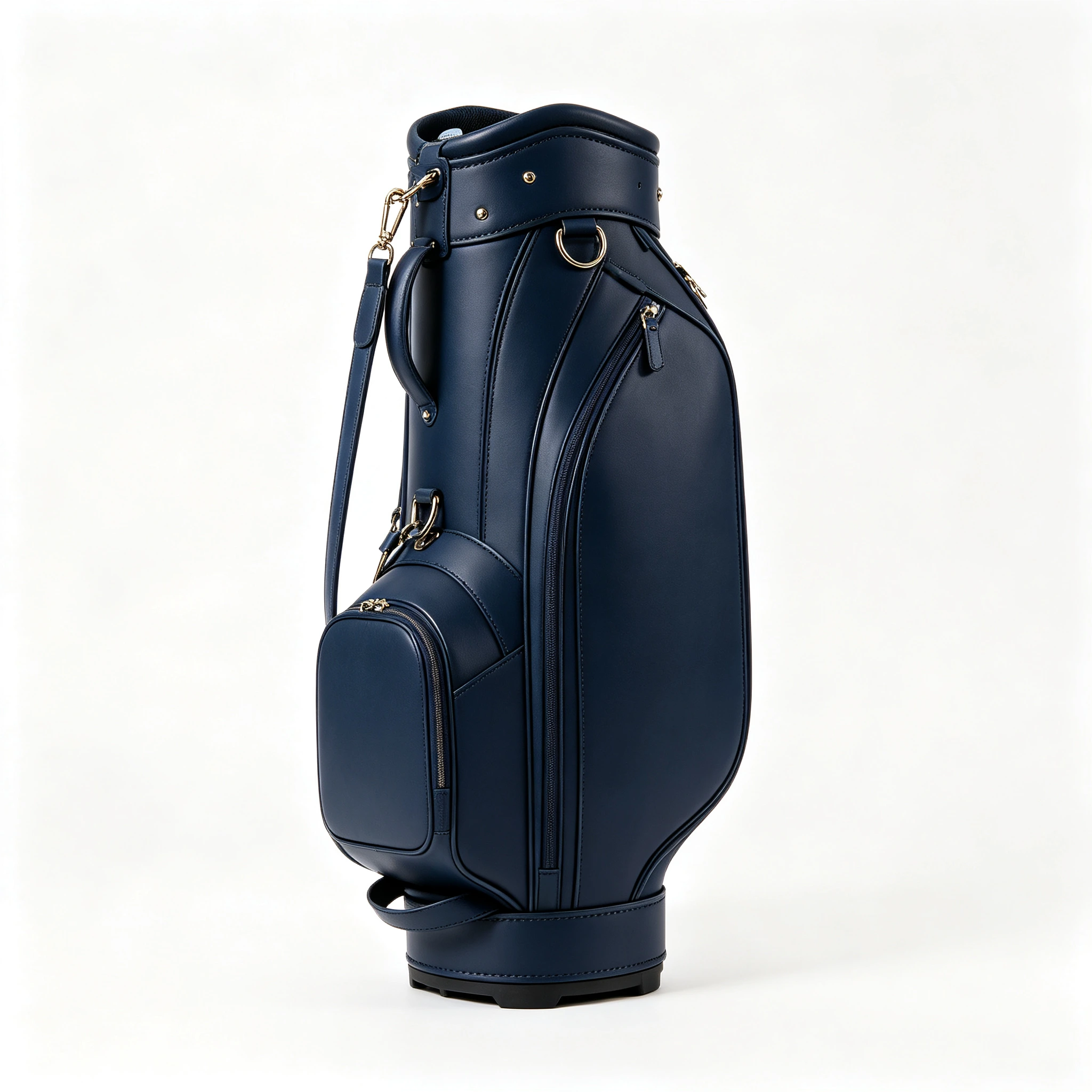
The selection mistake to avoid: choosing a luxury manufacturer on samples alone. Any competent factory can produce one beautiful golden sample with concentrated effort — the question is whether unit 150 of 200 matches it, and that answer lives in systems: the intake grading records, the QC rejection logs, the operator training structure, the lot traceability. Audit the system, not the sample; the sample is the system’s best day, and you are buying its average one.
The corresponding advice on our side of the table: bring the brand’s real standards to the first meeting — the quality manual, the rejection history, the maison’s non-negotiables. Luxury partnerships fail on discovered expectations, not declared ones, and the factories worth keeping are the ones who read your standard and tell you honestly which parts cost what. That conversation, held early, is the cheapest insurance in the programme.
Where the five capabilities converge, the programme becomes durable: provenance survives the maison’s annual audit, atelier construction survives the customer’s third season, design partnership compounds each collection, confidentiality holds the relationship’s trust, and connoisseur QC keeps returns near zero. Luxury manufacturing is not a project but a standing capability the brand rents by the season — choose it once, verify it annually, and it pays for decades.
The invitation stands open: send the design direction, ask for the factory tour, request the development dossier and the rejection logs. Everything this guide says to audit, we keep ready for auditing — because a luxury manufacturer that cannot show its systems is selling samples, and we have never been in the sample business. We are in the system business, and the system is the luxury.
Start Your Luxury Programme
Send the design direction and volumes. We return material kits and engineering prototypes in 6–10 days, at MOQ 200.
Request a Quote →People Also Ask
What makes a golf bag manufacturer "luxury-capable"?
Five verifiable capabilities: material provenance (named tanneries, lot-level traceability, documented hide grading), atelier construction (saddle stitching, hand-painted multi-coat edges, ±0.5mm tolerance), design partnership (development engineering with dossiers, not just sampling), confidentiality discipline (segregated floors, NDA-first handling), and connoisseur-grade QC (100% inspection, raking-light passes, rejection rates 3-5x volume lines).
How do I find a manufacturer for a luxury golf bag brand?
Audit five areas on the factory visit: ask for tannery certificates and lot traceability (provenance), inspect edges and stitch density on production samples (atelier), request a past development dossier (partnership), ask what may be disclosed about current luxury clients (confidentiality — the correct answer is nothing), and ask for the luxury-line rejection rate (QC). Factories with genuine capability answer with documents; the rest answer with adjectives. Our selection guide details the audit.
What is the MOQ for luxury golf bag manufacturing?
Our floor: MOQ 200 pieces per design with 100-piece trial runs — sized for capsule collections, limited editions and luxury volumes, which are naturally smaller than volume programmes. Sampling 6–10 days (extended for heritage material sourcing), bulk 35–50 days on dedicated luxury lines with 100% inspection. Start at our quote page.
How much more does luxury construction cost?
Typically 40-100% over volume construction, itemised honestly: provenance materials (named-tannery hides at 2-4x volume leather cost, solid hardware at 3-5x plated alloy), handwork labour (saddle stitching and hand edges at multiples of machine rates), 100% inspection QC, and lower yields from stricter panel selection. The premium buys exactly what the luxury customer inspects for — and itemisation lets the brand choose where the handwork matters most.
What is saddle stitching and why does it matter?
The two-needle hand stitch where each stitch locks independently — a broken thread cannot run, so the seam survives decades of stress. Machine lockstitch runs: one break unzips the seam. On strap anchors, collar rims and stress curves, saddle stitching is the difference between a bag that ages and a bag that fails. It is slow (minutes per inch) and costly, which is why it appears only where it matters. Our craft guide shows the technique.
Can a factory handle both volume and luxury production?
Only with genuine segregation: dedicated luxury lines, different operator pay structures (piece-rate destroys handwork), separate QC gates and rejection standards, and physical floor separation. A factory running luxury units through volume flow produces volume goods with nicer materials. The segregation question — "show me the luxury line" — is one of the five audit essentials, and the answer is physical or it is fiction.
How is confidentiality handled for luxury clients?
NDA-first onboarding (signed before designs are seen), segregated production floors with restricted photography, sample custody with sign-out discipline, and zero portfolio disclosure without written client consent. References from existing luxury clients are available only with their permission. Confidentiality is factory policy, not a negotiated feature — the small circles of the luxury market leak fast, and discipline is the only defence.
What leather do luxury golf bags use?
Full-grain hides from named heritage tanneries (Tuscan vegetable-tanned, French and German calf specialists, Japanese tanners for specific finishes), graded to written defect tolerances with lot-level traceability. Finishes by register: aniline and semi-aniline for transparent luxury, waxed pull-up for heritage, saffiano for contemporary structure, pigmented for white and colour-critical builds. The grading guide gives the sourcing vocabulary.
How long does luxury golf bag production take?
Sampling 6–10 days for standard specs (longer when heritage hides or foundry hardware must be sourced), 100-piece trial runs 3-4 weeks, bulk 35–50 days on dedicated lines with 100% inspection. The full engagement — brief, material kit, engineering prototype, golden sample, trial, production — typically spans 3-4 months first time, compressing to 8-10 weeks on repeat programmes.
What QC standards apply to luxury golf bags?
AQL 2.5 as floor with 100% surface inspection on luxury runs, raking-light finish passes, magnified stitch-line inspection at stress curves, ±0.5mm dimensional verification, ISO 105-X12 rub fastness grade 4-5 per material lot, hardware torque and cycle testing, and a final unboxing audit replicating the customer experience. Golden samples archive for the programme’s life, and luxury-line rejection runs 3-5x volume — by design.
Can luxury brands visit the factory?
Encouraged — the factory tour is the audit: segregated luxury floor, atelier benches, material libraries, QC gates and the development dossier archive are all on show, because luxury manufacturing done properly has nothing to hide. Visits run with NDA protection for all clients (you will not see other brands’ work; they will not see yours). The contact page arranges tours; remote video audits are standard for international teams.
Do you produce limited editions for luxury brands?
Yes — the natural luxury format: capsule runs at MOQ 200 with 100-piece trials, numbered editions with certificate documentation, special materials sourced per edition (heritage hides, foundry hardware, collaboration textiles), and edition-specific packaging. Limited editions are where provenance and atelier capabilities compound most visibly, and several luxury clients run seasonal edition cadences with us as their standing format.
What is the difference between luxury and premium manufacturing?
Degree and verification: premium manufacturing delivers quality materials and solid construction at volume efficiency (AQL sampling, machine construction, good hides); luxury adds provenance (named sources, lot traceability), handwork (saddle stitching, hand edges), 100% inspection and connoisseur-assumed QC. Premium serves the $450-900 retail tier excellently; luxury serves $900+. Many brands run both with us as separate programmes on separate lines.
Can existing luxury leather goods brands enter golf?
It is the strongest entry pattern we see: the brand brings leather craft credibility and design language; we bring golf engineering (club geometry, weight distribution, stand mechanics, cart interfaces, rain reality) that leather goods ateliers do not know. The collaboration model — brand designs, we engineer and manufacture — produces golf bags that satisfy both the maison’s standards and the course’s demands. Golf is luxury leather goods’ most natural adjacency.
What certifications should a luxury golf bag manufacturer hold?
BSCI social compliance and ISO 9001:2015 quality systems as baseline, material-level documentation (tannery LWG ratings, OEKO-TEX chemistry safety), third-party verification (our operations are SGS-verified, most recently March 2026), and test-lab data for performance claims (ISO 105 colourfastness, flex and abrasion). Luxury clients’ own audit standards — several maisons run annual supplier audits — are welcomed and passed.
Sources & Authority
Capability definitions and programme terms reflect luxury manufacturing operations at QUANZHOU JUNYUAN BAGS (SGS-verified March 2026, BSCI and ISO 9001:2015 certified), built across 200+ brand programmes since 2014. Market analysis per our luxury segment research. Client specifics remain confidential by policy.