Vintage Golf Bag Hardware: Brass, Buckles and the Small Parts That Sell Heritage
Heritage golf bag hardware is specified on three axes: material (solid brass or quality zinc alloy, never plated plastic), finish (antique brass, gunmetal or aged nickel, plated-and-lacquered, salt-spray tested 48 hours), and substance (weight in the hand that cheap castings cannot fake). Hardware is 3-5% of bag cost and roughly a third of its perceived authenticity. This guide specs every component — clasps, rings, studs, pulls and rivets — for brands building vintage lines. Hardware in production is on our vintage range.
QUANZHOU JUNYUAN BAGS, established 2014 in Quanzhou, Fujian, manufactures through an affiliated factory of 4,950 m², 7 production lines, 149 machines (126 sewing stations) and 137 staff — rated at 200,000 pieces per month, actual output around 150,000. Every order runs AQL 2.5 inspection, MOQ 200 (100-piece trial), sampling 6–10 days, bulk 35–50 days, with BSCI, ISO 9001:2015, CE, CPC and RoHS certifications (SGS audit, March 2026). We serve 200+ brands in 100+ countries.
Why Hardware Decides Authenticity
On a heritage bag, the customer’s hand finds the hardware before the eye finds anything else. The strap clasp is operated every round; the handle fittings are gripped every car journey; the zipper pulls are touched a dozen times per round. Each contact is a quality judgement, and metal judgement is instinctive: weight, temperature, edge finish, action. Solid brass communicates before a word is read. Plated plastic communicates just as fast.
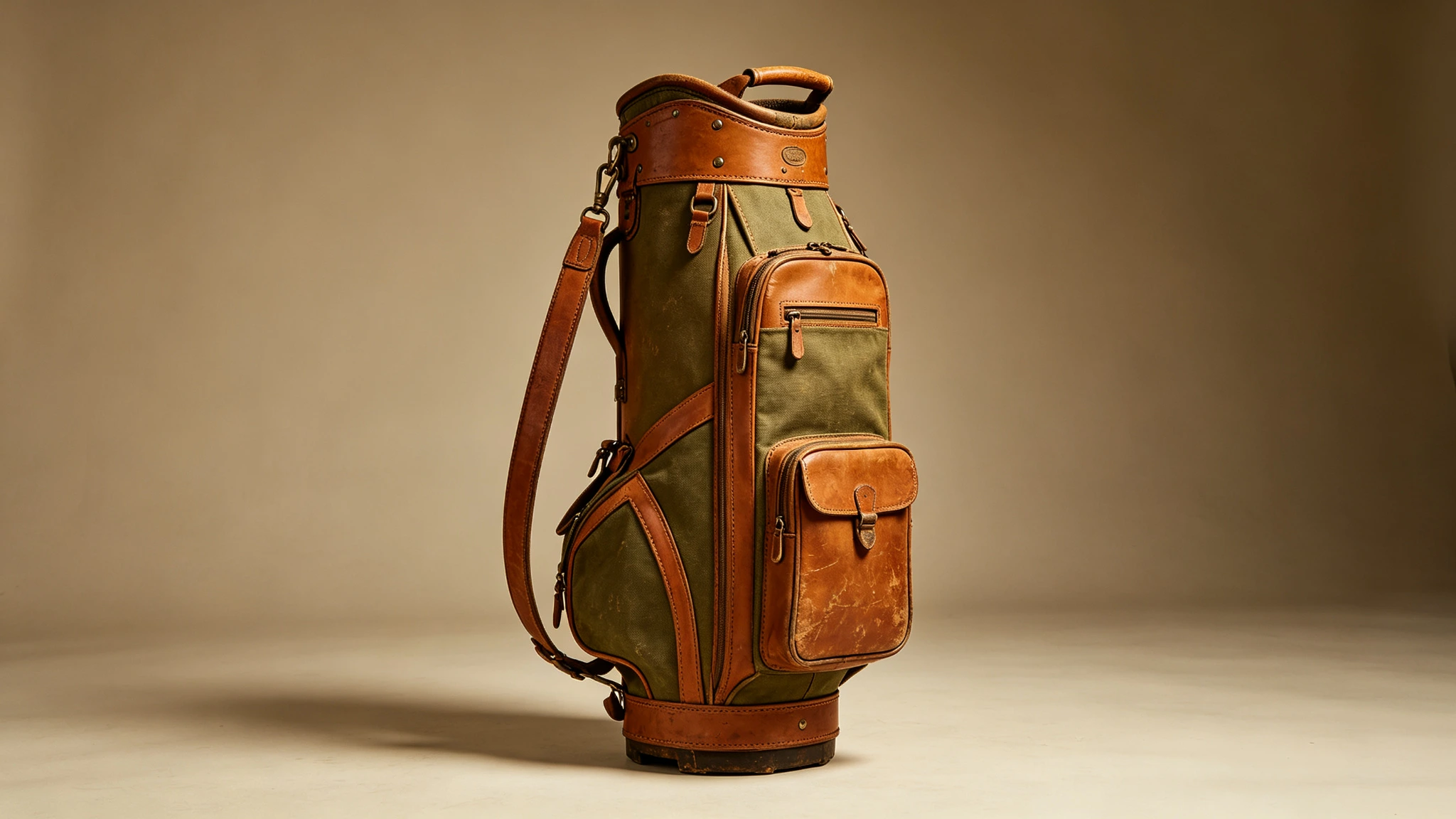
The eye has its own hardware test: finish. Antique brass reads as heritage; bright chrome reads as costume. This is not subtle preference but near-universal visual grammar — the heritage buyer may not know the salt-spray spec, but they know instantly when the metal looks wrong. Hardware finish is the fastest single way to make or break a vintage aesthetic.
The economics justify obsession: hardware runs 3-5% of a bag’s cost while driving a wildly disproportionate share of perceived value. Upgrading from plated zinc to solid brass costs a few dollars per bag and reads as a hundred dollars of quality. No other component offers that exchange rate, which is why this guide exists and why our heritage builds spec hardware as seriously as leather.
The substitution risk deserves blunt statement, because hardware is the component most often swapped between sample and bulk in this industry. The sample arrives with solid brass clasps; the bulk ships with plated zinc at half the weight; the difference is invisible in photographs and obvious in the hand. The defence is procedural: seal the hardware golden sample, weigh components at incoming QC against the sealed reference, and reject lots that drift. A supplier who resists component-level sealing is telling you something important before the container ships.
The Hardware Set: Component by Component
A vintage golf bag carries eight hardware families, each with its own spec. Strap clasps and adjusters: the most-handled pieces, wanting solid brass castings with smooth action and rounded edges — the clasp that bites fingers or snags clothing fails the product. Collar rings and handle fittings: structural anchor points, cast and through-bolted to the chassis, never shell-mounted.
Zipper pulls: metal with leather tabs (the leather tab is the heritage tell), sized for gloved hands. Base studs: five or six, cast, in the range finish, protecting the base panel and completing the standing posture. D-rings and accessory loops: towel and glove attachment, cast not wire. Rivets: solid, finish-matched, clenched not popped, at handle and strap anchors. Magnetic snap hardware (where fitted): antique-finished caps over modern rare-earth cores — heritage face, modern function. Buckles on strap and pocket closures: cast, rounded, period-proportioned.
The proportion rule runs through all of it: heritage hardware is modest. Oversized buckles and chunky modern clasps read as tactical gear, not heritage golf. Period hardware was sized for leather straps and gloved hands — substantial but never showy. When in doubt, size down and round off: the archive look is quiet competence, and the components in our materials library are selected to exactly that standard.
Finishes: Antique Brass, Gunmetal, Aged Nickel
Three finishes carry the heritage market. Antique brass — the default: a warm, dark-gold tone with deliberately aged recesses, achieved by plating over brass then hand- or tumble-relieving the high points. It pairs with tan, olive, brown and forest palettes. Gunmetal — the dark option: a deep grey-black with soft lustre, pairing with charcoal, black and dark navy builds. Aged nickel — the cool option: silver-grey with mellowed brightness, pairing with navy, grey and cream stories.
The finish spec that survives the course: plating thickness sufficient for wear zones, then a protective lacquer top coat, verified by salt-spray testing to 48 hours minimum (our bench standard; cheap hardware fails at 12-24). Salt air, handle sweat and boot storage are hardware’s real environment, and an antique finish that wears through to bright base metal in a season converts the bag from heirloom to embarrassment.
Consistency across the set is the discipline buyers forget to spec: clasp, ring, studs, pulls and rivets must arrive in the same finish batch tone, verified against a sealed hardware golden sample. Antique finishes vary between plating batches more than bright ones; the tech pack should name the finish by reference sample, not by adjective. "Antique brass" describes a dozen different colours across suppliers — only a physical reference pins it down.
Ageing expectations should also be set at spec stage, because the three finishes age differently. Antique brass on solid brass mellows gracefully — the lacquer wears at contact points and the metal beneath continues the story. Gunmetal and aged nickel on zinc alloy age less gracefully when the lacquer fails, because the base metal contrast is starker. For high-contact components on dark finishes, the premium answer is PVD coating — a vacuum-deposited finish with several times the wear life of standard plating — which costs more per component and outlasts the bag.
Materials: Solid Brass vs Zinc vs the Fakes
Solid brass is the heritage benchmark: dense, warm, corrosion-resistant, and beautiful as it ages — antique brass on brass mellows into deep living metal rather than wearing off. Its costs are price (2-4x zinc alloy) and weight. The proven build strategy: solid brass at high-contact, high-visibility points (strap clasps, handle fittings, zipper pulls) and quality zinc alloy at low-stress positions (decorative rings, some studs).
Zinc alloy (zamak) is the legitimate mid spec: casts fine detail well, plates beautifully, and at adequate casting thickness survives years of service. Its failure mode is brittleness under shock loads — a zinc clasp dropped on concrete can crack where brass dents — so zinc belongs away from the highest-stress anchors. The unacceptable tier: plated plastic (weightless, warm, instantly read as fake) and thin white-metal stampings (they bend, and the plating flakes at the bend).
The thirty-second buyer tests: weight in the hand (brass is unmistakably dense), magnet test (brass and quality zinc are non-magnetic; cheap steel cores under flash plating are magnetic), edge feel (cast and tumbled edges are smooth; stamped edges are sharp), and the fingernail test on finish (quality lacquered plating resists; flash plating scratches to base metal). Run all four on the golden sample — hardware substitution between sample and bulk is one of the oldest tricks in the trade.
Function: Clasps, Adjusters and Daily Mechanics
Heritage hardware must work as beautifully as it looks, because its mechanisms are daily-use machinery. The strap clasp: spring-loaded or hook designs with smooth, positive action, sized for the 50mm cotton or leather straps of heritage builds, and — the detail that matters — rounded everywhere, because a clasp lives against the carrier’s hip and hand. Action testing: 5,000 open-close cycles on our bench, matching the closure philosophy of our closure test standards.
Attachment method is the functional variable customers never see and always feel. Hardware anchored to the bag’s internal chassis or reinforced webbing carries loads structurally; hardware riveted to shell panels alone eventually tears the panel — the tell is elongated, distressed holes around handle fittings on year-old bags. Every load-bearing component on our heritage builds anchors to the chassis, with the shell carrying only cosmetic load. It costs a few minutes of additional assembly and prevents the single most common structural failure in leather bag construction.
Strap adjusters: friction or ladder-lock designs in cast metal, holding strap position under load without creeping. The bench test: 20 kg static load, 24 hours, less than 5 mm creep. Plastic adjusters creep within a season and the bag rides lower week by week — a slow-motion failure the customer blames on the bag, not the adjuster.
Rivet and stud setting completes the mechanical picture, and it is a workmanship signature. Solid rivets are clenched (peened) so the head and set are symmetrical and permanent; pop rivets are the fast alternative whose stems loosen under vibration. On a leather heritage bag, clenched solid rivets with finish-matched caps are the only acceptable execution at visible anchors — they are also repairable decades later, which pop rivets are not. The customer will never name this difference, but the bag that still stands proud in year ten is built from these unnamed decisions.
Zipper hardware deserves its own line because zippers are where heritage and function genuinely conflict. The spec that resolves it: quality coil zippers (YKK or equivalent) in tonal tape, with antique-finish metal pulls wrapped in leather tabs — the zipper does the modern work, the pull carries the heritage look. Exposed brass-tooth zippers exist for period builds where the zip itself is a design feature; for most reissues the hidden-coil-with-heritage-pull formula serves better.
Sourcing: How Hardware Programmes Actually Work
Hardware sourcing for heritage builds runs two routes. Catalogue hardware: established clasp, ring and pull designs from specialist metal-goods suppliers, available in antique finishes at MOQs of hundreds — the right answer for most programmes, because the classics are classics. Custom castings: brand-marked clasps, crest zipper pulls, edition-stamped rivets — tooling at $300-1,500 per component, MOQs of 1,000-3,000 pieces, and the detail that separates a house brand from a label.
The custom play that works at golf volumes: brand the zipper pull and the rivet. Pulls and rivets are small, cheap to tool, and seen on every unit; a crest-stamped pull turns stock hardware into brand property for a few hundred dollars of tooling. Custom clasps wait for volume — they are the year-three upgrade, not the launch cost.
Lead times and lots: catalogue antique hardware runs 2-4 weeks; custom castings 6-10 weeks including tooling. Finish lots vary — antique finishes especially — so hardware for a production run is ordered in one lot and verified against the sealed reference sample on arrival, before it reaches the line. Our incoming-QC discipline on metal goods is the same gate system documented in the five-stage inspection guide.
Spares policy closes the sourcing loop and is the detail mature programmes insist on. Clasps, pulls and studs are the components customers lose and break across a decade of use; a heritage brand that can supply a replacement strap clasp in the correct finish seven years after purchase owns that customer for life. We hold component stock for active programmes as standard, and the spares conversation belongs in the first brief, not the first warranty claim.
The Bottom Line
Heritage hardware is a spec discipline: solid brass at contact points, quality zinc at low-stress positions, antique finishes plated-and-lacquered and salt-spray tested to 48 hours, modest period proportions, leather-tabbed pulls, and one finish lot per production run verified against a sealed reference.
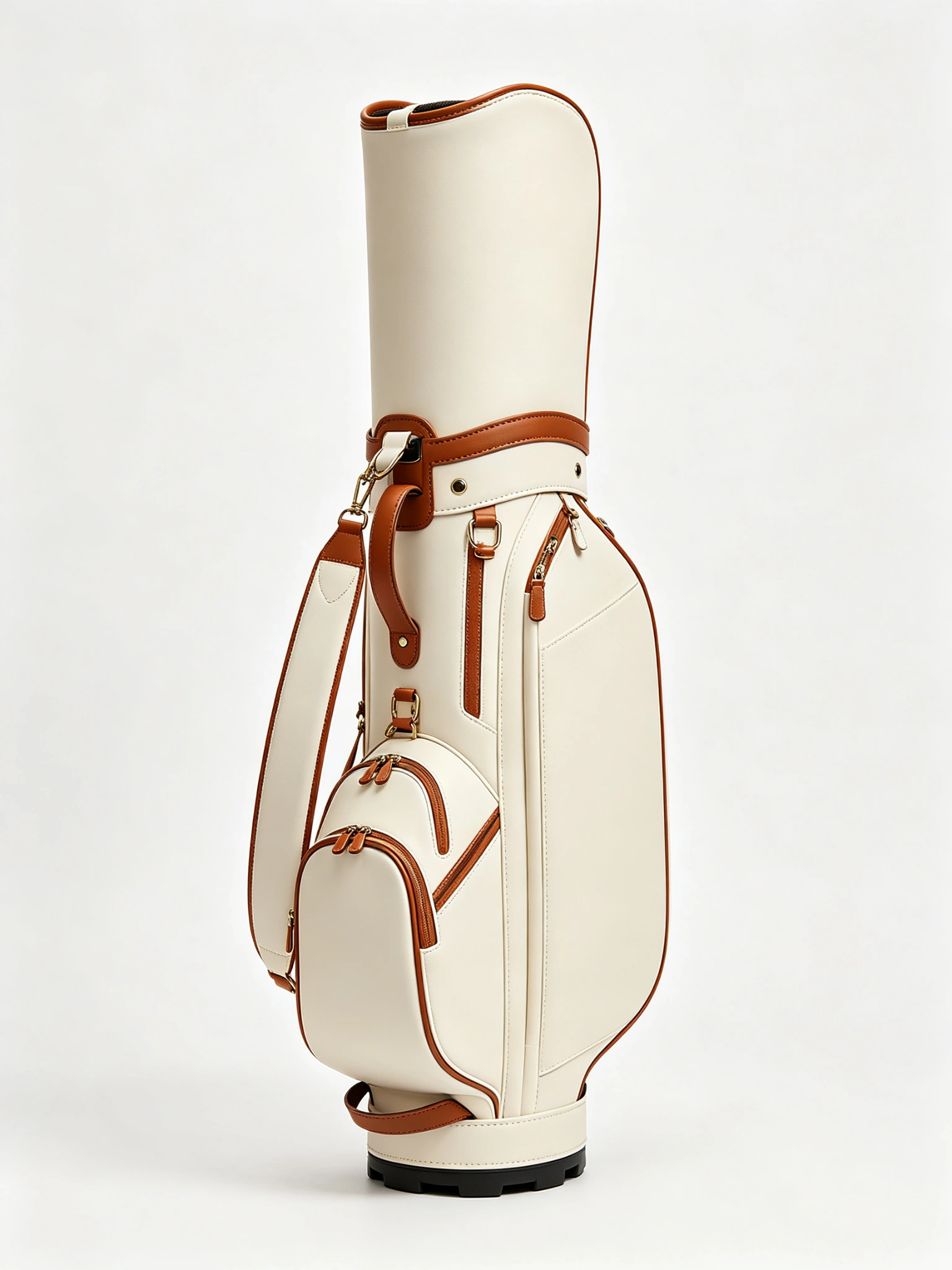
The exchange rate is the best in the bag: a few dollars of metal upgrading reads as a hundred dollars of quality, and the customer’s hand performs the evaluation every round. Skimp here and no leather saves you; invest here and the bag sells itself in the hand.
Send the palette and the build tier, and hardware-specced heritage samples come back in 6–10 days. The small parts are not small — spec them like the third of the product they are.
Spec Your Heritage Hardware
Send the palette and build tier. We return hardware-specced samples in 6–10 days, quoted at MOQ 200 with a 100-piece trial.
Request a Quote →People Also Ask
What hardware should a vintage golf bag have?
Solid brass or quality zinc alloy castings in antique finishes: strap clasps and adjusters, collar rings, handle fittings, leather-tabbed zipper pulls, base studs, D-rings, clenched rivets and period-proportioned buckles. Finish plated-and-lacquered and salt-spray tested to 48 hours. Never plated plastic or bright chrome — both read instantly as fake against heritage materials.
Is brass or zinc alloy better for bag hardware?
Brass for high-contact, high-stress points (strap clasps, handle fittings, zipper pulls): dense, corrosion-resistant, ages beautifully. Quality zinc alloy (zamak) for low-stress positions: casts fine detail, plates well, costs 50-75% less — but keep it away from shock-load anchors since zinc cracks where brass dents. The proven strategy mixes both by position.
What is antique brass finish?
A warm dark-gold tone with aged recesses, produced by plating over brass then relieving the high points, sealed with protective lacquer. It pairs with tan, olive, brown and forest palettes. Quality antique brass is salt-spray tested to 48 hours so the finish survives salt air, sweat and storage — cheap versions wear through to bright base metal within a season.
How can I tell quality bag hardware from cheap?
Four thirty-second tests: weight (brass is unmistakably dense), magnet (brass and quality zinc are non-magnetic; cheap steel cores are magnetic), edge feel (cast and tumbled edges are smooth; stamped edges are sharp), and the fingernail test (quality lacquered plating resists scratching; flash plating shows base metal). Run all four on the golden sample.
Why does bag hardware finish wear off?
Thin plating without protective lacquer, in the real hardware environment: salt air, handle sweat, boot storage and daily friction. The fix is spec, not luck: adequate plating thickness plus lacquer top coat, verified by 48-hour salt-spray testing. Antique finishes also vary by plating batch — one finish lot per production run, verified against a sealed reference sample.
Can I get custom-branded hardware for my bag line?
Yes — the smart small play: crest-stamped zipper pulls and rivets. Tooling runs a few hundred dollars with MOQs of 1,000-3,000 pieces, and every unit carries your mark on its most-touched component. Full custom clasps tool at $300-1,500 per component and make sense at volume — the year-three upgrade rather than the launch cost.
What zipper works on a vintage golf bag?
Quality coil zippers (YKK or equivalent) in tonal tape with antique-finish metal pulls wrapped in leather tabs — modern reliability, heritage face. Exposed brass-tooth zippers suit period builds where the zip is a design feature. Spec zipper pulls for gloved hands and cycle-test the zip itself; the leather tab is the heritage tell customers notice.
Does hardware need testing for golf bags?
Yes: salt-spray 48 hours minimum (finish durability), strap-adjuster creep test (20kg static load, 24 hours, under 5mm creep), clasp cycle test (5,000 open-close operations), and drop/shock checks on zinc components. All run on our bench under AQL 2.5, part of the gate system in our five-stage QC framework.
What hardware finish matches my bag colours?
Antique brass with tan, olive, brown and forest palettes; gunmetal with charcoal, black and dark navy; aged nickel with navy, grey and cream. One finish across the entire set — clasp, rings, studs, pulls, rivets — verified against a physical reference sample, because "antique brass" describes a dozen different colours across suppliers.
How much does heritage hardware add to bag cost?
Hardware runs 3-5% of total bag cost; upgrading from plated zinc to solid brass at contact points adds a few dollars per bag while reading as far more in perceived quality. Custom-branded pulls add cents per unit after tooling. It is the highest exchange rate in bag building — the cheapest component upgrade with the largest perceived-value return.
What is the MOQ for heritage hardware programmes?
Hardware comes within our standard bag MOQ of 200 pieces per design (100-piece trial), using catalogue antique hardware. Custom-cast branded components carry their own MOQs of 1,000-3,000 pieces per component. Sampling 6–10 days, bulk 35–50 days. Start at our quote page.
Do magnetic clasps work on heritage bags?
Yes, with the heritage face treatment: antique-finished metal caps over modern rare-earth magnetic cores — period appearance, modern one-handed function. The mechanism hides inside the closure; only the cap shows. This is the stealth-modern principle applied to hardware: 1965 outside, 2026 inside, and no visible compromise either way.
How do I stop antique hardware from tarnishing?
Quality lacquered antique finishes need no maintenance beyond wiping dry after wet rounds — the lacquer seals the plated surface. Unlacquered living finishes (deliberately specced on some brass builds) are meant to tarnish and mellow; that is their charm. If a lacquered finish tarnishes through in season one, the lacquer or plating was under-spec — a warranty conversation, not a care failure.
What is PVD coating on bag hardware?
Physical vapour deposition: a vacuum-bonded finish several times harder and more wear-resistant than standard electroplating, available in antique brass, gunmetal and dark nickel tones. It costs more per component and is the right answer for high-contact hardware (clasps, pulls) on dark finishes where standard lacquered plating wears through fastest. On premium heritage builds we spec PVD at contact points as standard.
Can damaged hardware be replaced on an old bag?
Yes — clenched solid rivets, through-bolted fittings and stitched leather tabs are all serviceable by a competent repairer, unlike glued or pop-riveted assemblies. We hold component stock for active programmes precisely so a seven-year-old bag can receive a matching replacement clasp. Serviceability is a heritage spec: these bags are built to be maintained for decades, not discarded.
Do antique finishes vary between production batches?
Yes — antique finishes are relieved by hand or tumble process, so batch-to-batch tone varies more than bright plating. The control is one finish lot per production run, verified against a sealed physical reference at incoming QC. Programmes spanning multiple runs should seal the reference and re-verify each lot; "antique brass" as a text spec alone is an invitation to drift.
Sources & Authority
Hardware specifications reflect production sourcing and bench-testing standards at the QUANZHOU JUNYUAN BAGS affiliated plant: salt-spray protocols, cycle testing and adjuster creep testing under AQL 2.5, SGS-verified (March 2026). Finish and material assessments draw on specialist metal-goods supplier documentation and 200+ OEM programme outcomes.