Crocodile Embossed Leather Golf Bags: Exotic Texture, Engineered Honestly
Crocodile-embossed leather delivers the exotic look — deep, sculptural scale texture — at a fraction of genuine exotic cost and with none of the CITES complexity: full-grain hides pressed under heated plates at controlled depth, then finished to catch light across the scales. Quality croc embossing is indistinguishable from genuine at arm’s length and outperforms it in durability. This guide covers the embossing technology, plate alignment, finish options and OEM specs. Embossed builds run in our leather colours hub.
QUANZHOU JUNYUAN BAGS, established 2014 in Quanzhou, Fujian, manufactures through an affiliated factory of 4,950 m², 7 production lines, 149 machines (126 sewing stations) and 137 staff — rated at 200,000 pieces per month, actual output around 150,000. Every order runs AQL 2.5 inspection, MOQ 200 (100-piece trial), sampling 6–10 days, bulk 35–50 days, with BSCI, ISO 9001:2015, CE, CPC and RoHS certifications (SGS audit, March 2026). We serve 200+ brands in 100+ countries.
The Exotic Look, Without the Exotic
Crocodile texture occupies a specific luxury register: bold, sculptural, unapologetically rich — the material signature of high fashion houses and trophy goods. Genuine crocodile leather delivers it at extraordinary cost (a genuine croc bag runs into five figures), with CITES documentation requirements, fragile scale membranes, and ethical complexity many brands prefer to avoid. Embossed leather delivers the same visual drama at accessible prices, on durable cowhide, with zero regulatory friction.
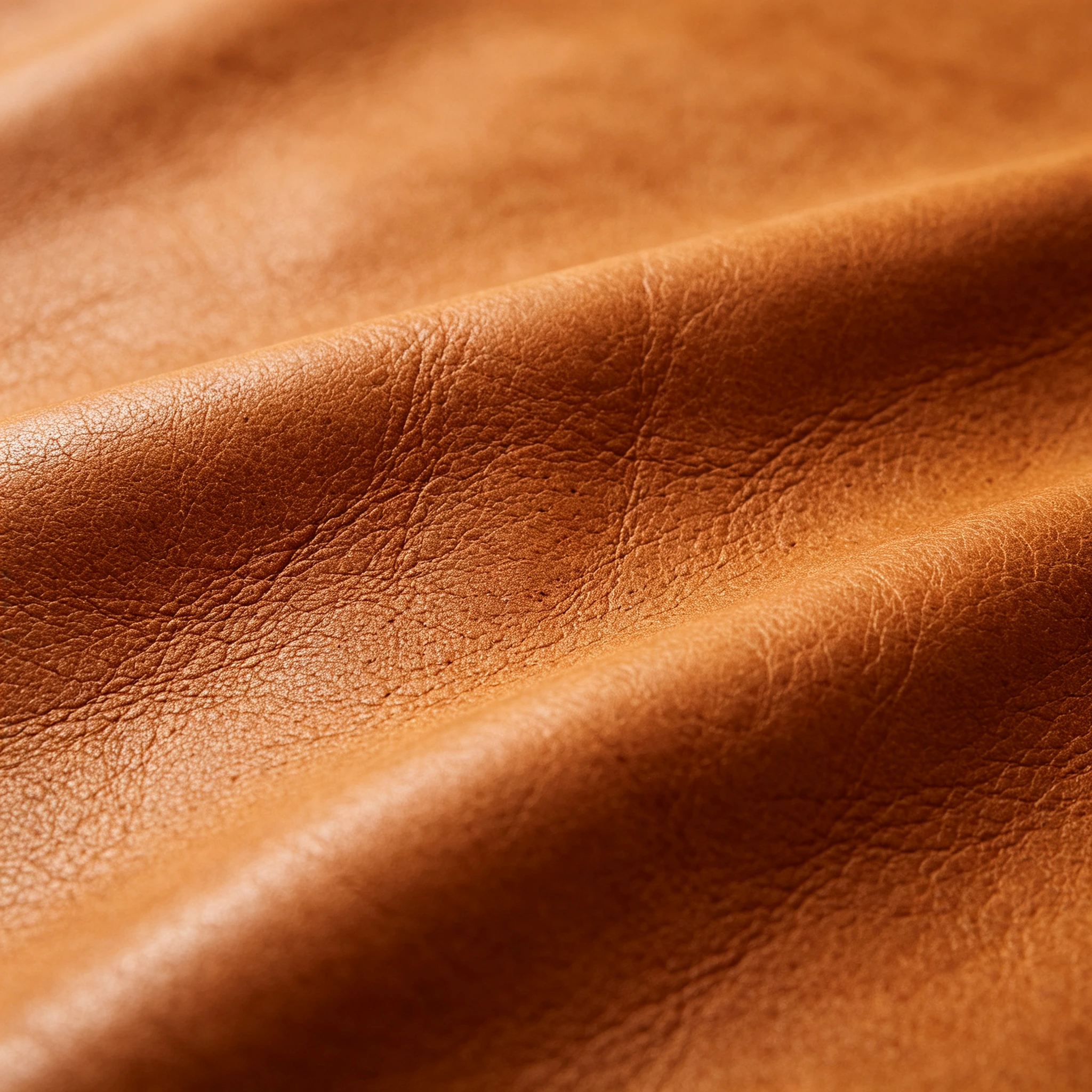
Embossing is not printing: it is mechanical sculpture. Full-grain hides pass between heated plates engraved with the croc pattern, pressing permanent three-dimensional texture into the leather under tonnes of pressure. The texture is physical — it catches light, casts shadows, and reads as depth because it is depth. Done well, the result fools the hand as well as the eye at conversational distance.
The market position is proven: croc-embossed leather goods hold a stable luxury-fashion niche, and in golf the texture suits statement staff bags, trophy and gift builds, and the fashion-forward premium lane. It is the texture of confidence — a croc-embossed bag is never the quiet option, and that is precisely its customer.
Embossing Technology: How the Texture Is Made
The embossing process has four variables, and each decides quality. Plate quality: the engraved steel or brass plates carrying the croc pattern — quality plates are engraved from genuine skin references with natural scale variation; cheap plates repeat a mechanical tile that the eye detects as artificial within seconds. Pressure and temperature: calibrated per hide thickness and temper — enough to set permanent texture, never so much the leather is crushed or the grain damaged.
Depth control: the sculptural quality of the emboss — deep, crisp scales with clean valleys between them, consistent across the entire hide. Depth variance is the quality tell: good embossing holds uniform depth edge to edge; poor embossing fades at the hide’s looser flanks. Dwell time: how long hide meets plate — rushed embossing relaxes back toward flat within months; properly dwelt embossing is permanent for the product’s life.
Post-emboss finishing completes the effect: tipping (darker colour hand- or machine-applied to scale peaks) creates the two-tone depth of premium croc looks; hand-glazing burnishes scale peaks to a soft glow; matte finishes keep the texture contemporary and quiet. The finish is where croc embossing becomes luxury rather than novelty — and it is specified, tested and locked at golden sample like any other surface on our materials programme.
Plate economics explain the quality spread in the market: a premium croc plate engraved from genuine skin references is a five-figure tooling asset, amortised across years of production; a budget plate is a mechanically tiled pattern at a tenth of the cost. Both emboss leather. Only one embosses belief. This is why croc-embossed goods at suspiciously low prices reveal themselves within seconds — the texture is there but the life is not, and the eye reads the difference before the hand does.
Plate Alignment: The Construction Signature
On a finished bag, croc embossing reveals manufacturing quality through one detail above all: scale alignment across panels. Genuine crocodile has natural scale flow; embossed leather has plate boundaries — and how a factory handles them is the difference between luxury and giveaway. Premium builds align pattern flow across adjacent panels (scales continuing plausibly across seams), centre symmetric patterns on display panels, and place plate-repeat joins where the eye does not land.
The pattern-matching rule mirrors tailoring: large display panels get the prime scale sections (belly scales — the large, rectangular centre scales that are croc’s signature), secondary panels take flank patterns, and small components (welts, tabs) take whatever remains — exactly as genuine exotic goods are cut. This is cut-plan discipline, and it costs yield: pattern-matched cutting wastes more hide than free cutting, and the waste is the price of the illusion.
The QC checks that lock it: golden-sample photography of panel alignment, pattern-flow inspection at gate two on every unit (not sample-based — alignment is per-bag), and a reject rule for mirror-image tile repetition visible on display faces. Buyers auditing croc-embossed samples should look for exactly these tells: uniform scale depth, natural variation, plausible flow across seams. Mechanical tiling is the instant disqualifier.
Finishes and Colours for Croc Embossing
Croc texture transforms colour behaviour: the scales break light into micro-highlights and shadows, giving colours depth that flat leather cannot achieve. The proven croc colourways: black (the tuxedo exotic — peaks tipping to charcoal, valleys staying deep; the safest and most commercial), cognac and dark brown (the classic exotic register — warm, rich, the fashion-house standard), dark green and burgundy (the connoisseur exotics — deep, jewel-like, extraordinary with gold hardware).
The finish techniques that elevate croc: two-tone tipping (darker peaks over lighter valleys — the dimensional luxury look), high-glaze peaks (polished scale tops against matte valleys — the light-catching trophy finish), and matte uniform (the contemporary read — texture without shine, quietly expensive). High-gloss uniform finishes are the novelty trap: they read as vinyl and undo the leather claim.
Hardware pairing follows the colourway: gold with cognac and green (the classic exotic combination), gunmetal with black (the contemporary power scheme), brass with brown (the heritage register). Branding on croc is a placement problem — marks must sit on scale-flat zones or on smooth leather patches, because embossed texture swallows fine branding detail. Debossed smooth patches on croc builds are the elegant standard.
Durability: Where Embossed Beats Genuine
The dirty secret of genuine exotic leather: it is fragile. Crocodile scales have membranes between them that dry, lift and crack with use and low humidity; genuine exotic goods demand climate-controlled storage and specialist care. Embossed cowhide has no membranes: the texture is sculpted from a single continuous hide, as durable as the leather it is made from — which is to say, tour-bag durable.
The wear profile of quality croc embossing: scale peaks take polish and slight burnish over years (enhancing the look, like all good leather), valleys protect their finish, and the texture itself disguises the scuffs and micro-scratches that flat leather displays. For a golf bag — a product that lives in car boots, on trolleys, against cart frames — texture that hides wear is a functional advantage, not just an aesthetic one.
Care is standard leather discipline with one texture note: conditioning works into the valleys with a soft brush, and scale peaks can be re-glazed with a dry cloth buff. No exotic-leather specialists, no climate control, no membrane anxiety. The full routine is in our leather care guide — croc-embossed builds follow it without modification.
One construction detail matters more on croc than on smooth builds: edge finishing. Painted edges must flex over sculpted scale peaks without cracking, so croc builds get flexible edge systems applied in thinner multiple coats rather than fewer thick ones, and turned-edge constructions where the design allows. It is invisible when done right and unmissable when done cheap — edge paint cracking at scale peaks is the croc build’s most common quality complaint, and it is entirely preventable at spec.
Where Croc Fits in a Range
Croc embossing plays three commercial roles in a bag range. The statement SKU: one croc build per silhouette as the range’s drama piece — the bag in the window, the gift that out-gifts everything. The trophy and ceremony build: club championship prizes, corporate pinnacle gifts, winner’s-circle presentations — croc reads as occasion by nature. The fashion lane: for brands whose customer follows luxury fashion, croc is the crossover texture that connects golf to the wider luxury conversation.
Pricing position: croc-embossed builds sit above smooth leather of the same grade — embossing plates, dwell time, pattern-matched cutting yield and finishing labour all cost — typically 20-40% ex-works premium over smooth equivalents, supporting 30-50% retail premiums. The texture justifies its price visually in a way customers understand instantly, which is the definition of an easy premium.
The restraint rule: croc is an accent, not a range. One or two croc colourways per silhouette, never the volume line — the texture’s power is scarcity and statement, and a wall of croc reads as theme shop. The brands that deploy croc precisely — statement, trophy, edition — extract its full value; the ones that over-deploy dilute it into novelty.
Croc also holds its visual value unusually well in secondary and archival contexts: because the texture disguises wear, a five-year-old croc build photographs close to new, which protects brand equity in resale listings and in customers’ own social posts years after purchase. In an era where products live permanently online, a texture that ages invisibly is a marketing asset that keeps paying — one more argument for croc in the statement slot, where imagery has the longest tail.
OEM: Croc-Embossed Programme Notes
A croc brief specifies: plate pattern (belly-scale layout, scale size class — large for staff bags, medium for carries), emboss depth and dwell spec, finish system (tipped / glazed / matte uniform), colourway with tipping direction, panel alignment standard (pattern-flow matched on display faces), and branding execution (smooth patch placement). Plate selection happens from physical embossed swatches, never from photographs — depth and scale do not photograph honestly.
Production notes: embossed hides cut at lower yield (pattern matching), sew with adjusted presser feet (texture requires it), and inspect alignment per unit at gate two. Lead times hold standard: 6–10 day sampling (embossing trials included), 35–50 day bulk, MOQ 200 with 100-piece trials. The embossing step adds days within sampling, not weeks — it is a calibrated process, not an experiment, on our lines.
The compliance elegance of embossed: no CITES permits, no import restrictions on genuine exotics (which several markets restrict), no ethical-audit exposure — the full exotic look with a standard leather supply chain. For brands selling internationally, that is not a detail: genuine exotic goods face real customs complexity in the US, EU and Australia, and embossed builds walk straight through. Begin the brief at our quote page.
The Bottom Line
Crocodile-embossed leather is the exotic play engineered honestly: quality plates with natural scale variation, calibrated depth and dwell, pattern-matched panel cutting, tipped or glazed finishes — delivering five-figure looks on durable, CITES-free cowhide at accessible prices.
Deploy it with precision: the statement SKU, the trophy build, the fashion lane — one or two colourways per silhouette, priced 30-50% above smooth equivalents and worth every point of it. Scarcity is the texture’s power.
Send the silhouette and the colourway, and embossed samples — depth-checked, alignment-photographed — come back in 6–10 days. Exotic without the exotic: that is the whole pitch, and it is a very good one.
The last argument is the simplest: croc embossing lets a brand sell five-figure theatre at three-figure honesty. The customer gets the drama, the durability and the clean conscience; the brand gets the premium, the photography and the customs-free supply chain. Very few product decisions pay both sides of the table this cleanly.
Spec Your Embossed Build
Send the silhouette and colourway. We return depth-verified embossed samples in 6–10 days, quoted at MOQ 200.
Request a Quote →People Also Ask
What is crocodile embossed leather?
Full-grain cowhide pressed between heated plates engraved with a croc-scale pattern — mechanical sculpture creating permanent three-dimensional texture. Quality embossing uses plates engraved from genuine skin references (natural scale variation), calibrated depth and dwell time, and finishes like two-tone tipping. It delivers the exotic look at a fraction of genuine crocodile’s cost, with no CITES complexity and far better durability.
Is embossed leather as durable as real crocodile?
More durable. Genuine crocodile scales have membranes between them that dry, lift and crack with use and low humidity, demanding climate-controlled storage and specialist care. Embossed cowhide is one continuous hide — the texture is sculpted, not segmented — so it wears like quality leather: scale peaks polish beautifully, valleys protect their finish, and the texture disguises daily scuffs.
How can you tell quality croc embossing from cheap?
Four tells: natural scale variation (cheap plates repeat a mechanical tile the eye detects instantly), uniform emboss depth across the whole hide (cheap fades at the flanks), pattern flow across panel seams (premium builds align scales plausibly; cheap cuts anywhere), and finish quality (tipped two-tone depth versus flat uniform gloss that reads as vinyl). Check all four on the golden sample.
Does the embossing wear off over time?
Properly dwelt embossing is permanent for the product’s life — the texture is set by heat, pressure and time into the hide’s structure. What changes with wear is finish: scale peaks take polish and burnish (which enhances the look), and valleys hold their finish. Rushed, under-dwelt embossing relaxes toward flat within months — one reason dwell spec belongs in the tech pack.
What colours work best for croc embossed golf bags?
Black (tuxedo exotic — safest and most commercial), cognac and dark brown (the classic exotic register), dark green and burgundy (connoisseur jewel tones, extraordinary with gold hardware). Finish direction matters as much as colour: two-tone tipping for dimensional luxury, glazed peaks for trophy shine, matte uniform for contemporary quiet. Avoid high-gloss uniform — it reads as vinyl.
How do you brand a croc embossed bag?
On smooth zones: debossed or foil-branded smooth leather patches placed on the texture, or marks positioned on scale-flat zones. Fine branding detail placed directly on scales is swallowed by the texture. The smooth-patch standard is the elegant answer — it also gives the branding its own framed presentation, which suits the texture’s luxury register.
Is crocodile embossed leather legal to import?
Yes — it is cowhide with a texture, so standard leather rules apply: no CITES permits, no exotic-species restrictions, no special documentation. Genuine crocodile products face real import complexity in the US, EU and Australia; embossed builds clear customs as ordinary leather goods. For international brands, embossed delivers the exotic look with zero regulatory friction.
What is the price premium for croc embossed golf bags?
Embossing adds 20-40% ex-works over smooth leather of the same grade — plate costs, dwell time, pattern-matched cutting yield and finishing labour — supporting 30-50% retail premiums. The texture justifies its premium visually and instantly, making it one of the easiest upsells in the premium range. Position one or two croc colourways per silhouette, never the volume line.
What is the MOQ for croc embossed golf bags?
MOQ 200 pieces per design with a 100-piece trial, sampling 6–10 days (embossing trials included), bulk 35–50 days under AQL 2.5 with per-unit pattern-alignment inspection at gate two. Plate selection is from physical embossed swatches, never photographs. Start at our quote page.
How do you care for croc embossed leather?
Standard leather rhythm with one texture note: condition every 2-3 months worked into the valleys with a soft brush, buff scale peaks with a dry cloth to re-glaze, wipe after rounds. No exotic specialists, no climate control, no membrane anxiety. Full routine in our leather care guide — embossed builds follow it without modification.
Are croc embossed bags suitable for corporate gifts?
Outstanding for pinnacle gifts — the texture reads as occasion and luxury by nature, making it the trophy-build standard: club championships, executive recognition, winner’s-circle presentations. For broad recipient lists where taste varies, smooth leather in chocolate or espresso is the safer play; for the gifts meant to be remembered, croc is unmatched. Name personalisation via smooth patch is standard.
Can croc embossing be combined with smooth leather in one bag?
Yes — the sophisticated architecture: croc-embossed display panels with smooth leather body and trim, giving the texture a frame and the bag a rest from its own drama. Full-croc builds are the maximal statement; croc-plus-smooth is the designer’s play, cheaper to build (pattern matching on fewer panels) and often more elegant. Both are proven; choose by how loud the bag should speak.
What does a custom croc embossing plate cost?
Premium plates engraved from genuine skin references are five-figure tooling assets held by the factory and amortised across programmes — clients choose from the plate library rather than commissioning new plates for standard croc. Custom scale patterns (a brand’s exclusive emboss) are possible at plate cost plus lead time, and make sense only at sustained volume. The plate library is sampled as physical embossed swatches, never photographs.
Do croc embossed bags have edge-paint problems?
They can when edges are specced lazily: paint flexing over sculpted scale peaks cracks if applied in few thick coats. Our croc builds use flexible edge systems in thinner multiple coats, or turned-edge constructions where the design allows. Edge cracking at scale peaks is the most common cheap-croc complaint, and it is entirely preventable at spec — which is why edge construction is a line item in the embossed tech pack.
Does croc embossing suit small accessories as well as bags?
Perfectly — scorecard holders, valuables pouches, head covers and tote panels are natural croc territory: small panels showcase prime belly scales, pattern matching is easier at small scale, and accessories let a range offer the croc statement at accessible price points. A croc accessory line beside a smooth bag range is the lowest-risk way to test the texture with your customer before committing a full bag silhouette.
Sources & Authority
Embossing technology and quality criteria reflect production embossing operations and plate-sourcing standards at QUANZHOU JUNYUAN BAGS. Durability comparisons reference tannery documentation on embossed versus genuine exotic leathers. QC protocols from our AQL 2.5 framework, SGS-verified March 2026.