Vegan Leather Golf Bags in 2026: The Complete Materials Guide
Vegan leather for golf bags in 2026 spans four material classes — microfiber PU (the proven workhorse), plant-fibre composites (cactus, pineapple), mycelium (mushroom leather) and fruit-waste leathers (apple, grape) — with honest performance ranging from "approaches leather" to "prototype-grade". The right choice depends on what the brand is actually buying: animal-free positioning, sustainability storytelling, or simply a premium synthetic. This guide tests each class against golf’s real demands — UV, rain, abrasion, cold — and maps the OEM specs for vegan builds. Our eco materials overview sets the wider frame.
QUANZHOU JUNYUAN BAGS, established 2014 in Quanzhou, Fujian, manufactures through an affiliated factory of 4,950 m², 7 production lines, 149 machines (126 sewing stations) and 137 staff — rated at 200,000 pieces per month, actual output around 150,000. Every order runs AQL 2.5 inspection, MOQ 200 (100-piece trial), sampling 6–10 days, bulk 35–50 days, with BSCI, ISO 9001:2015, CE, CPC and RoHS certifications (SGS audit, March 2026). We serve 200+ brands in 100+ countries.
What "Vegan Leather" Means in 2026
Vegan leather is a positioning term, not a material: it covers everything from petroleum-based polyurethane coatings to mushroom-root composites, united only by the absence of animal content. That breadth is the first thing a buyer must understand, because the performance spread across the category is wider than the spread between leather and budget PU. Asking "is vegan leather good?" is like asking "is metal strong?" — the answer lives entirely in which one.
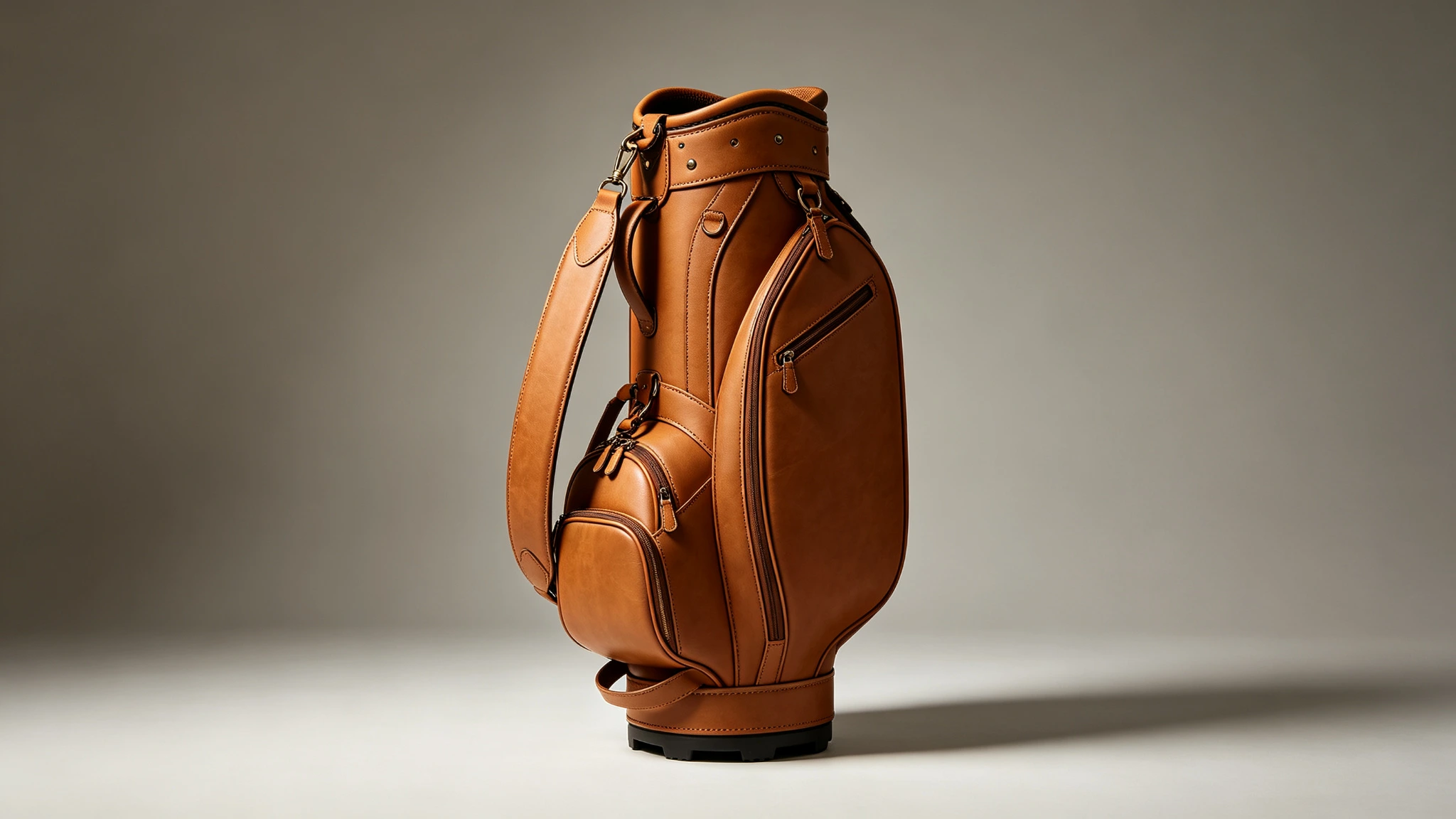
The 2026 landscape sorts into four classes. Class one: microfiber PU — a fine synthetic-fibre base impregnated with polyurethane, the most leather-like synthetic ever made, and the only vegan class with a decade-long track record in premium goods. Class two: plant-fibre composites — cactus (nopal), pineapple leaf fibre (Piñatex-class), and similar — plant content bonded with PU or bio-resins onto textile backers. Class three: mycelium — mushroom-root structures grown into sheets, the newest and most publicised class. Class four: fruit-waste leathers — apple pomace, grape marc from winemaking, mixed with PU binders.
The naming honesty point: classes two, three and four are composites — the plant or fungal content typically runs 30-70%, with synthetic binders doing the structural work. This does not make them bad materials; it makes the marketing around them a minefield, and brands that communicate the composite nature honestly build more trust than brands that wave the word "plant-based" over a PU product.
Microfiber PU: The Proven Workhorse
Microfiber PU deserves first place in any serious vegan discussion because it is the only class that has passed golf’s full test suite at scale. The construction — ultra-fine polyester/polyamide fibres in a PU matrix — mimics leather’s collagen structure at microscopic level, giving it leather’s key behaviours: flex without cracking (Bally flex 50,000+ cycles), breathability, a hand that warms and softens with use, and none of budget PU’s peeling failure mode.
The performance profile suits golf directly: highly water-resistant (rain rounds without drama), UV-stable (colour holds through seasons of sun), abrasion-strong (cart straps and bag-room life), and cold-tolerant (no winter stiffening). It is the material behind premium automotive "leather" interiors — the hardest-working seats in the world — and its golf record matches that pedigree.
The honest limitations: it does not patina (the surface is stable, not living), it carries no leather scent or heritage story, and it is fossil-derived — the sustainability case is durability and animal-freedom, not biodegradability. For brands whose vegan positioning means "premium, animal-free, performs" rather than "grew in a field", microfiber PU is the answer with the evidence behind it. Our premium PU guide covers the grade spectrum within the class.
Plant-Fibre Composites: Cactus and Pineapple
Cactus leather (mature nopal leaves, dried and processed with bio-PU binders) is the most commercially advanced plant composite: supple hand, good colour depth, and a supply chain with real agricultural scale behind it. In golf-bag terms it performs as a mid-grade PU — adequate abrasion resistance, good water behaviour, flex performance that passes bag-panel requirements — with a sustainability story (minimal irrigation, regenerative harvest) that survives scrutiny better than most.
Pineapple leaf fibre (Piñatex-class materials) brings a distinctive textured character: the fibre’s natural irregularity reads as craft rather than uniformity, suiting fashion-led and limited-edition builds. Its weakness for golf is consistency: batch-to-batch surface variation exceeds what volume programmes tolerate, and abrasion resistance runs below microfiber PU — acceptable for pocket faces and trim, stretched as full bag panels.
| Vegan class | Plant content | Durability (golf use) | Consistency | Best golf application |
|---|---|---|---|---|
| Microfiber PU | 0% (synthetic) | Excellent | Excellent | Full bags, volume |
| Cactus composite | 30-50% | Good | Good | Full bags, premium vegan |
| Pineapple fibre | 60-80% + PU | Moderate | Variable | Panels, editions, trim |
| Mycelium | 50-90% + binder | Improving, unproven long-term | Improving | Limited editions, PR |
| Fruit-waste (apple/grape) | 20-40% | Moderate | Good | Panels, accessories |
The procurement reality for plant composites: supply is finite and allocation-based (these are agricultural products with harvest cycles, not extruded film), lead times run longer than standard synthetics, and MOQs at the material level can exceed a single bag programme’s appetite. Brands should plan plant-composite builds as flagships and editions, not volume lines.
The application sweet spots sharpen the picture: cactus composites perform best as full bag builds in the premium vegan tier (the durability is there, the story is the differentiator), while pineapple fibre earns its place at display panels, pocket faces and limited-edition colourways where its craft texture reads as intentional rather than inconsistent. Trim-level deployment — collars, tabs, patches — lets a programme carry the plant-story at minimal material risk, and several of our clients run exactly that: microfiber PU body, plant-composite accents, both claims documented honestly.
Mycelium and the New Frontiers
Mycelium leather — grown from fungal root networks, then finished — is the most scientifically exciting class and the least golf-proven. The 2026 generation delivers genuinely leather-like substance and hand in the best samples, with a growth-based production story (days, not years; trays, not cattle) that no other material approaches. Luxury houses have run headline collaborations; the materials photograph and press magnificently.
The caveats a golf programme must weigh: long-term field durability is simply not yet known — there are no five-year-old mycelium golf bags because the material has not existed that long at quality; supply is startup-scale with prices to match; and finishing consistency (colour, coating adhesion) is improving but not yet at volume-goods reliability. UV and hydrolysis behaviour over multi-season outdoor exposure remains an open question that only time answers.
The adjacent frontiers deserve a watching brief too: lab-grown collagen (animal-free leather grown from cells — chemically identical to hide without the animal) is the most disruptive long-term candidate because it is not an imitation but the material itself; recycled-fibre composites turn textile waste into bag panels with genuine circular-economy credentials; and bio-based PU chemistries are quietly decarbonising the workhorse class. The vegan materials conversation of 2030 will be unrecognisable from today’s — and the brands learning the category now will own its vocabulary then.
The correct 2026 deployment: limited editions and story pieces where the material’s novelty is the point and volumes are modest — a mycelium-panelled signature build generates more earned media per dollar than almost any other material decision. For the volume line, wait for the material’s adolescence to pass; for the halo piece, its youth is the story.
Sustainability Claims: The Audit Discipline
Vegan does not mean sustainable, and the conflation is the category’s reputational risk. A fossil-derived PU is animal-free but petroleum-full; a cactus composite is plant-rich but binder-dependent; even mycelium uses finishing chemistry. The honest comparison axis is full lifecycle: raw material, processing energy and chemistry, service life, and end-of-life — and on service life, remember that a material lasting 2 seasons carries twice the per-year impact of one lasting 4, whatever it is made of.
The claims discipline that protects brands: name the material precisely (microfiber PU, cactus-PU composite with X% plant content), carry the certifications the claim implies (USDA BioPreferred where applicable, OEKO-TEX for chemistry safety, GRS for recycled content), and never let "vegan" drift into "eco" in copy without the lifecycle evidence. Greenwashing enforcement is tightening in the EU and US, and "plant-based" claims on 30%-plant composites have already drawn regulatory attention.
The strongest sustainability position in bags remains unsexy: durability. A microfiber PU bag serving 5 seasons beats a plant-composite bag serving 2 on almost any lifecycle model. Brands serious about impact lead with longevity and repairability, and let the vegan/renewable story support — not substitute for — the durability case. Our carbon reduction analysis quantifies the longevity effect.
OEM: Vegan Programme Notes
A vegan brief specifies the class first (microfiber PU / cactus / pineapple / mycelium / fruit-waste), then the standard fields: weight and hand, colour with light-fastness grade (ISO 105-B02), abrasion (Martindale target), flex (Bally 50,000 for full panels), water behaviour, and — critically for this category — the permitted claim language. We advise on what each material’s documentation supports; the claim is part of the product.
Terms: vegan builds run standard programme terms — MOQ 200 with 100-piece trials, 6–10 day sampling, 35–50 day bulk under AQL 2.5. Plant composites and mycelium add material-allocation lead time (confirm before committing retail dates) and carry material-price premiums that vary by harvest and capacity — quoted transparently at brief stage.
The programme shape that works: microfiber PU as the vegan volume line (proven, consistent, scalable), a plant composite as the premium vegan story tier, and mycelium or fruit-waste as rotating limited editions. Each tier’s claim language is set to its evidence, and the range reads as a considered materials strategy rather than a keyword harvest. Start the brief at our quote page.
The Bottom Line
Vegan leather in 2026 is four materials wearing one label: microfiber PU (the proven premium workhorse), cactus and pineapple composites (the credible plant stories), mycelium (the exciting frontier), and fruit-waste leathers (the circular-economy play). Golf’s demands — UV, rain, abrasion, cold — sort them quickly: microfiber PU carries the volume, composites carry the story, frontiers carry the editions.
The discipline that separates credible vegan programmes from keyword marketing: name the material precisely, claim only what the documentation supports, and let durability lead the sustainability case. Animal-free is a values position; longevity is an environmental one; the best vegan builds honour both.
Send the positioning and the volume plan, and vegan samples across the classes — flex-tested, light-fastness verified, claim-documented — come back in 6–10 days. The label is the easy part. The material underneath it is where we work.
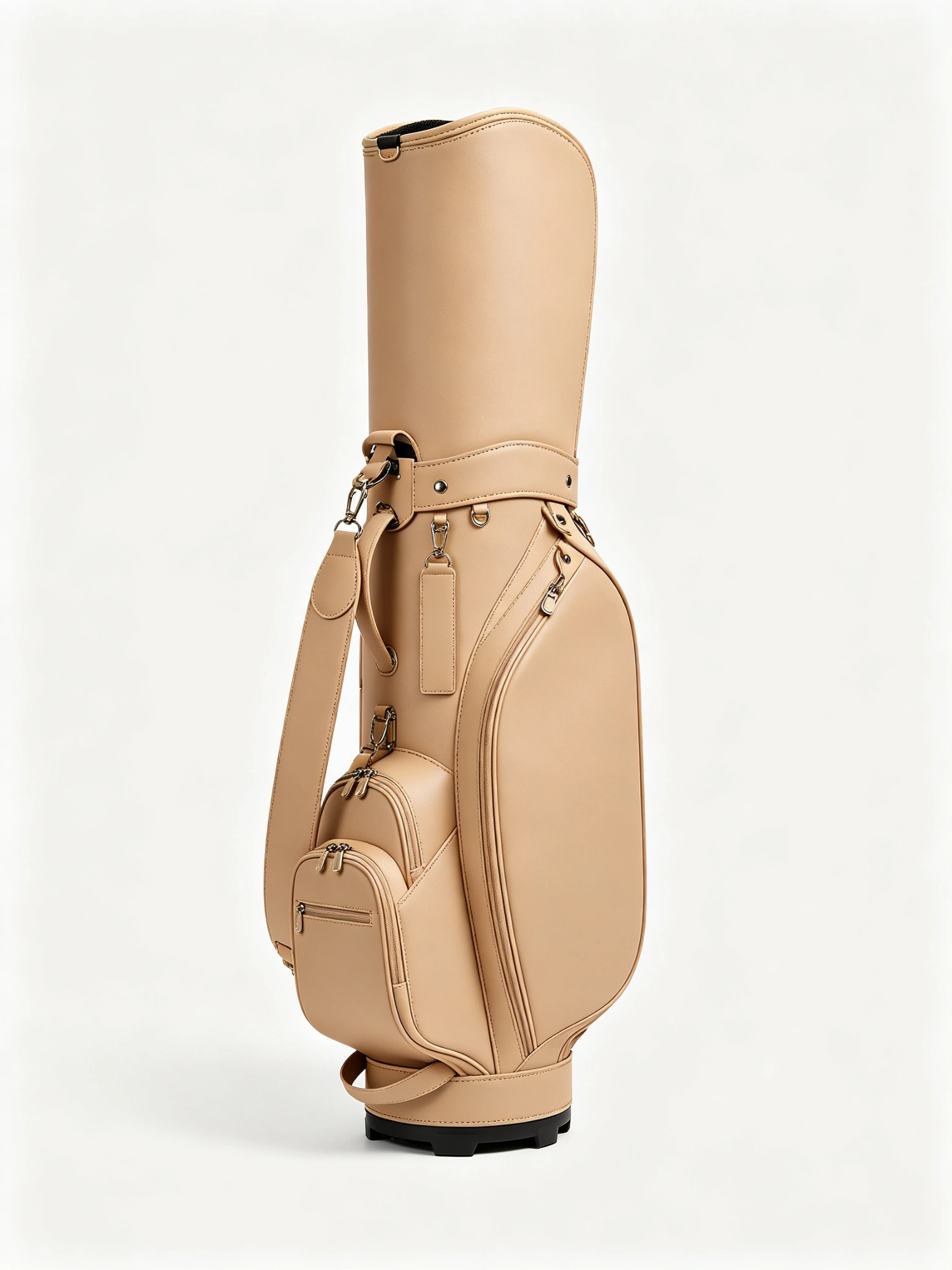
The trajectory is worth stating plainly: vegan materials are improving faster than leather is. Microfiber PU is already there; cactus composites are one binder generation from parity; mycelium is one durability dataset from the mainstream. Brands building vegan lines now are early to a curve that bends their way — provided the builds are honest about what each class can actually do today.
And honesty, in this category, is the differentiator: the market has been burned by miracle-material press releases followed by peeling products. The programmes that win are the ones that spec microfiber PU where microfiber PU belongs, deploy composites where their story outweighs their limits, and let the frontier materials earn their place through editions. That is the whole playbook — and it works.
The practical first step is small: hold the materials. Photographs flatter every class and brochures promise everything, but ten minutes with physical swatches — flexed, scratched, wetted, smelled — sorts the category faster than any white paper. Our vegan sample kits exist precisely for that ten minutes, and the conversation that follows them is always the productive one. Request the kit, run the tests, and let the materials make their own case — the good ones always do.
Spec Your Vegan Build
Send the positioning and volumes. We return class-verified vegan samples in 6–10 days, quoted at MOQ 200.
Request a Quote →People Also Ask
What is vegan leather made of?
Four classes in 2026: microfiber PU (synthetic microfibres in a polyurethane matrix — zero plant content, fully synthetic); plant-fibre composites (cactus or pineapple fibre at 30-80% content, bonded with PU or bio-resins); mycelium (mushroom root structures, grown into sheets and finished); and fruit-waste leathers (apple or grape residues at 20-40% with synthetic binders). All are composites except microfiber PU, which is honestly synthetic.
Is vegan leather durable enough for golf bags?
Class-dependent: microfiber PU passes golf’s full suite (Bally flex 50,000+ cycles, strong abrasion, UV and water resistance) with a 3-5 season service life; cactus composites perform as good mid-grade PU; pineapple fibre suits panels and trim over full bags; mycelium’s long-term outdoor durability is genuinely unproven — the material is too new for five-year field data. Match the class to the application.
Is vegan leather better for the environment than real leather?
Not automatically: fossil-derived PU avoids animal agriculture but uses petroleum and does not biodegrade; plant composites reduce synthetic content but depend on binders; leather is a food-industry by-product that lasts 10-20 seasons. The lifecycle winner is usually durability — impact per year of use. "Vegan" answers an animal-welfare question; the environmental question needs the full lifecycle analysis in our eco materials guide.
Does vegan leather peel or crack?
Budget PU coatings peel and crack (hydrolysis, typically year 1-3). Premium microfiber PU does not — its fibre-matrix construction resists the peeling failure mode and flexes without cracking, serving 3-5 seasons before gradual surface aging. Plant composites sit between: performance depends heavily on the binder system. The class and grade decide the failure mode, not the word "vegan".
What is cactus leather and is it any good?
Mature nopal cactus leaves, dried and processed into sheets with bio-PU binders at roughly 30-50% plant content. It is the most commercially mature plant composite: supple hand, good colour depth, adequate golf-bag durability, and a genuine sustainability story (minimal irrigation, regenerative harvest). It performs as a good mid-grade PU with a better narrative — a credible premium vegan choice.
Is mushroom leather (mycelium) available for golf bags?
Yes, with caveats: the 2026 generation offers leather-like hand and an extraordinary growth-based story, but supply is startup-scale, prices are premium, finishing consistency is improving, and — the key point — multi-season outdoor durability is unproven because quality mycelium has not existed long enough. Deploy it in limited editions and story pieces, not volume lines.
Does vegan leather look cheap?
Quality vegan materials do not: premium microfiber PU fools the hand at conversational distance, cactus composites carry rich colour depth, and mycelium samples impress luxury houses. Budget vegan materials (thin PVC-class coatings) absolutely look cheap — plastic sheen, cold hand, uniform emboss. The category spans both; the price point and supplier decide which one arrives.
Can vegan leather golf bags be customised with logos?
Fully: embroidery, debossing, foil, screen and digital print all run on vegan materials — microfiber PU takes the same branding processes as leather, and plant composites accept print and deboss well (deep embossing is limited by composite structure). Colour-exact branding is actually easier on synthetic surfaces than on natural leather. Options in our branding guide.
What is the price difference between vegan and leather golf bags?
Microfiber PU builds run roughly 50-70% of full-grain leather ex-works; cactus composites run comparable to or above entry leather (agricultural supply and novelty premiums); mycelium currently exceeds premium leather on material cost. The vegan choice is a values and story decision, not a cost-saving one — except at the budget end, where basic PU undercuts everything and performs accordingly.
What is the MOQ for custom vegan leather golf bags?
MOQ 200 pieces per design with 100-piece trials, 6–10 day sampling, 35–50 day bulk under AQL 2.5 — standard terms for microfiber PU and cactus classes. Plant composites and mycelium add material-allocation lead time that must be confirmed before retail dates are committed. Start at our quote page.
How do you clean and care for vegan leather golf bags?
Simpler than leather: damp-cloth wipe-downs, mild soap solution for stubborn marks, no conditioning required (synthetic surfaces do not feed). Avoid solvents, bleach and prolonged heat. Plant composites follow the same routine with one caution: test cleaners on hidden zones first, as binder systems vary. The low-maintenance profile is one of vegan materials’ genuine advantages for weekly players.
Are vegan leather golf bags waterproof?
Highly water-resistant, yes — microfiber PU and coated composites shrug off rain rounds with zero aftercare, outperforming untreated leather in wet indifference. Seam and zipper construction remains the water-entry path, as with any material, so "waterproof" claims depend on the whole build. For genuinely wet climates, premium vegan synthetics are the lowest-maintenance material choice available.
Can a golf bag be both vegan and luxury?
Demonstrably yes — premium microfiber interiors sit in six-figure cars, and luxury houses retail plant-composite and mycelium goods at full luxury prices. The luxury equation is design, construction and story executed at the highest level; the material provides the values position. A vegan luxury golf bag is a design and build-quality question, and on our lines it is answered the same way as any premium build.
What certifications should a vegan golf bag carry?
PETA-Approved Vegan or equivalent for the animal-free claim; OEKO-TEX Standard 100 for chemistry safety; GRS (Global Recycled Standard) where recycled content is claimed; USDA BioPreferred for bio-content verification on plant composites; and ISO light-fastness and flex test data for performance claims. The certification set should match the marketing language exactly — claims without certificates are liabilities in 2026.
Will vegan leather replace real leather in golf?
Partially, by tier: synthetic and vegan materials already dominate the volume and performance segments, and plant composites will take share in the premium-story tier as durability data matures. Full-grain leather’s position — heritage, patina, decades-long service — is values-based too, and its customer is not switching. The likely 2030 map: vegan synthetics own volume, leather owns heritage, composites own the story middle.
Sources & Authority
Material performance data from flex, abrasion and light-fastness testing at the QUANZHOU JUNYUAN BAGS QC bench under AQL 2.5 (SGS-verified March 2026). Plant-composite and mycelium assessments reflect supplier documentation and programme trials across 200+ OEM engagements. Lifecycle framing per our eco materials methodology.