Smart Golf Bags: Technology Integration and Manufacturing Challenges

The convergence of technology and golf equipment is creating a new category of products: smart golf bags with integrated electronic features that enhance the playing experience. From GPS tracking and Bluetooth audio to USB charging and swing analysis sensors, these technology-enhanced bags represent one of the fastest-growing segments in the golf equipment market—growing at an estimated 15–20% annually from a base of approximately 2–4% of total bag market volume. However, integrating electronics into golf bags introduces significant manufacturing challenges that require specialised expertise in both textile manufacturing and electronic product assembly. This guide explores the technology landscape, manufacturing considerations, and regulatory requirements for smart golf bags, drawing on JUNYUAN BAGS' experience producing technology-integrated bags for leading brands.
Technology Features in Smart Golf Bags
GPS Tracking and Anti-Theft Systems
GPS tracking modules represent the most common technology feature in smart golf bags, serving dual purposes: enabling owners to locate their bags if lost or misplaced, and providing anti-theft security for expensive equipment. These modules typically incorporate a GPS receiver, cellular modem (using LTE-M or NB-IoT protocols for low power consumption), and rechargeable lithium battery housed in a weatherproof enclosure integrated into the bag's structure. Popular implementations include Apple AirTag compatibility pockets, dedicated tracking modules from companies like Invoxia or Monimoto, and proprietary tracking systems developed by golf bag brands themselves. The tracking module must be positioned within the bag where it receives adequate GPS signal whilst remaining protected from impact, moisture, and the pressure of golf clubs pressing against the housing.
Manufacturing considerations for GPS integration include: designing a dedicated housing pocket or compartment that securely retains the module whilst allowing antenna exposure for signal reception; routing charging cables (if the module is rechargeable) through the bag's internal structure to a conveniently located USB-C or magnetic charging port; and ensuring that the module's presence does not add uncomfortable bulk or alter the bag's balance when carried. At JUNYUAN BAGS, our engineering team has developed standardised integration solutions for multiple GPS module form factors, with dedicated mounting pockets, cable routing channels, and charging port placements that provide clean, functional integration without compromising the bag's aesthetic or ergonomic qualities. These solutions are validated across production runs of 200,000+ bags annually, ensuring reliability and consistency at scale.
Bluetooth Audio and Communication Systems
Bluetooth speakers integrated into golf bags provide audio entertainment during rounds—a feature popular with recreational golfers who enjoy music, podcasts, or audiobooks while playing. These systems range from simple waterproof Bluetooth speakers (IPX5-rated minimum for golf bag applications) integrated into the bag's side panel or pocket structure, to more sophisticated multi-speaker systems with surround sound capability. Power is typically supplied by a removable lithium-ion battery pack (3,000–10,000 mAh capacity) housed in a dedicated battery pocket, providing 8–20 hours of audio playback depending on volume level and battery capacity. The speaker element must be positioned where sound projects effectively—typically facing outward through a fabric-covered acoustic window—whilst remaining protected from direct rain impact and physical damage.
The manufacturing challenge of Bluetooth speaker integration extends beyond the physical mounting to encompass electronic certification, battery safety, and audio quality optimisation. The speaker module must comply with radio frequency regulations in every market where the bag will be sold: FCC certification in the United States, CE-RED (Radio Equipment Directive) compliance in the European Union, and equivalent certifications in other markets. Battery packs must meet UN38.3 transport safety testing requirements and, depending on capacity and configuration, may require additional safety certifications. At JUNYUAN BAGS, we manage these certification requirements through our approved electronics suppliers, who provide pre-certified modules that can be integrated into golf bag designs with minimal additional compliance burden. Our experience across both Chinese manufacturing and international export compliance ensures that technology-integrated bags clear customs smoothly and meet all regulatory requirements in their destination markets.
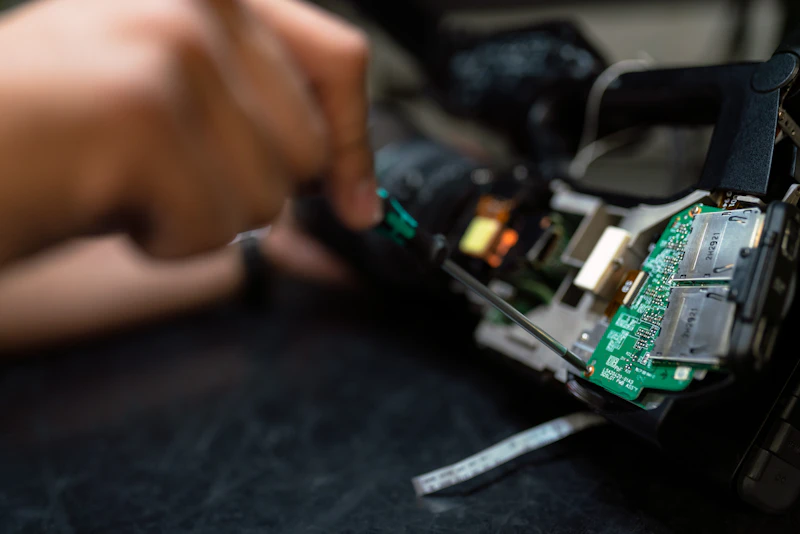
USB Charging and Power Systems
Integrated USB charging ports represent one of the most practical technology features for golf bags, addressing the universal need to keep phones, GPS devices, and rangefinders charged during a round. The implementation typically involves a battery pack (5,000–20,000 mAh lithium-polymer) housed in a dedicated, easily accessible pocket with external USB-A or USB-C ports for connecting charging cables. Some premium implementations include wireless charging pads integrated into the bag's top surface, allowing compatible devices to charge simply by being placed on the pad. The power system must be designed for safety (battery management system with overcharge, over-discharge, and short circuit protection), convenience (easy battery removal for charging the battery itself), and durability (withstanding the physical demands of regular golf use including vibration, compression, and temperature variation).
From a manufacturing perspective, USB charging integration is relatively straightforward compared to GPS or Bluetooth systems—the battery pack and wiring harness are standard electronic components with well-established supply chains. The key manufacturing considerations are: creating a secure, waterproof housing for the battery and connections; routing cables cleanly through the bag's structure; positioning ports where they are accessible but protected from moisture; and ensuring that the battery's weight and position do not adversely affect the bag's balance when carried. JUNYUAN BAGS produces USB-integrated golf bags as standard offerings in our product range, with battery pocket designs, cable routing systems, and port placements optimised through multiple product iterations. Our quality control process includes electrical safety testing of every completed unit—checking continuity, insulation resistance, and port functionality—before the bag is packed for shipment.
Regulatory and Compliance Requirements
Battery Safety and Transport Regulations
Lithium batteries integrated into golf bags are subject to stringent safety and transport regulations. The UN Manual of Tests and Criteria, Part III, Subsection 38.3 (commonly known as UN38.3) defines the testing requirements for lithium batteries transported by air, sea, road, or rail. Testing includes altitude simulation, thermal cycling, vibration, shock, external short circuit, impact, overcharge, and forced discharge—ensuring that the battery will not catch fire, explode, or vent hazardous gases under abnormal conditions. Every lithium battery integrated into a golf bag must be UN38.3 tested and certified before it can be legally transported internationally.
Beyond UN38.3, lithium batteries in golf bags must comply with market-specific safety standards: IEC 62133 (international safety standard for portable sealed secondary cells), UL 2054 (US safety standard for household and commercial batteries), and EN 62133 (European equivalent). The complete product—including the battery integrated into the golf bag—may require additional testing to demonstrate that the bag's construction does not create safety hazards (for example, that the battery cannot be crushed by golf clubs pressing against the housing, or that moisture ingress cannot cause a short circuit). At JUNYUAN BAGS, our electronics procurement process specifies UN38.3-certified batteries exclusively, with test reports from accredited laboratories maintained on file for every battery type we incorporate. Our BSCI certification encompasses product safety management as a key element, and our ISO 9001:2015 quality system includes incoming inspection of all electronic components before they enter our production process.
Electromagnetic Compatibility and Radio Regulations
Electronic modules in golf bags that emit radio frequency energy—GPS transmitters, Bluetooth modules, and wireless charging pads—must comply with electromagnetic compatibility (EMC) regulations and radio equipment directives in each market. In the EU, the Radio Equipment Directive (RED) 2014/53/EU requires CE marking for all radio equipment, with compliance demonstrated through testing to harmonised standards such as EN 300 328 (for Bluetooth/WiFi) and EN 301 489 (for EMC). In the US, the FCC Part 15 regulations govern intentional and unintentional radiators, requiring FCC certification or verification before products can be marketed. Canada requires ISED certification, Australia requires ACMA registration, and Japan requires MIC certification. Each market's requirements are different, and the cost of multi-market certification can be significant.
JUNYUAN BAGS manages this regulatory complexity by sourcing pre-certified electronic modules from established suppliers who have already obtained certifications for major markets. This approach significantly reduces the certification burden for the golf bag manufacturer—instead of certifying a complete golf bag with integrated electronics, the bag brand can reference the module supplier's certifications and focus on demonstrating that the bag's integration does not adversely affect the module's compliance. Our technical team maintains a library of pre-certified GPS, Bluetooth, speaker, and charging modules with complete certification documentation, enabling brands to specify technology features with confidence that regulatory compliance is achievable within standard development timelines and budgets.
Industry Insights
The smart golf bag market is projected to grow from approximately $40–60 million in 2025 to $120–180 million by 2028, representing 15–20% annual growth from a small base. Key technology features include GPS tracking (adopted by approximately 60% of smart bag models), USB charging (50% of models), Bluetooth speakers (30%), and swing sensors (10%). The average price premium for smart golf bags versus equivalent non-smart models is 30–60%, with smart bags retailing at $200–$600 compared to $120–$350 for standard equivalents. Manufacturing complexity adds approximately £8–£25 per unit to the factory cost, depending on the technology package specified.
Manufacturing Smart Golf Bags at JUNYUAN BAGS
Production Capabilities and Quality Assurance
Producing smart golf bags requires capabilities beyond traditional textile manufacturing. JUNYUAN BAGS has invested in dedicated electronics assembly stations within our affiliated 4,950 sqm facility, where electronic modules are integrated into bag constructions by trained technicians following documented assembly procedures. Our electronics integration process includes: incoming inspection of all electronic components (visual inspection, dimensional check, and functional test); integration into the bag following step-by-step work instructions; post-integration functional testing (power-on test, Bluetooth pairing verification, USB output voltage check, GPS signal acquisition test); and final quality inspection encompassing both the bag's textile construction quality and the electronic system's operational integrity. This comprehensive quality process ensures that every smart golf bag leaving our affiliated factory meets both the aesthetic and functional expectations of the brand and end consumer.
Our 7 production lines can accommodate smart bag production alongside standard bag manufacturing, with dedicated electronics integration stations that serve all lines. This flexible approach enables us to produce smart bags in quantities from our 100-piece standard MOQ up to full container loads without dedicated production line allocation—a significant advantage for brands testing the smart bag category or scaling production as market demand grows. Our 137 skilled employees receive specific training on electronics integration procedures, and our quality team conducts regular audits of electronic assembly processes to maintain the defect rate below 0.3% that our BSCI and ISO 9001:2015 certifications demand. Whether you are exploring smart bag technology for the first time or expanding an existing smart bag range, JUNYUAN BAGS' integrated manufacturing capabilities provide the expertise and infrastructure to bring your technology-enhanced golf bag designs to market with confidence. Contact us at service@junyuanbags.com or WhatsApp +8617750020688 to discuss your smart golf bag project.
Design Considerations for Technology Integration
Weight Distribution and Ergonomics
Adding electronic components to a golf bag inevitably increases weight—and in the current market where lightweight design is a primary consumer demand, every gram added by technology must be justified by the functional value it provides. A GPS tracking module adds approximately 50–80 grams; a Bluetooth speaker system adds 200–400 grams; a battery pack adds 150–350 grams depending on capacity; and wiring harnesses, charging ports, and mounting hardware add another 50–100 grams. The total technology weight penalty ranges from 250 grams for a basic GPS-only implementation to 900+ grams for a fully featured package with speaker, battery, and sensors. For a lightweight stand bag targeting 2.0 kg total weight, this technology addition represents a 12–45% weight increase—a significant impact that must be carefully managed through overall design optimisation.
Weight distribution is equally critical. Electronics positioned high in the bag (near the top cuff) raise the centre of gravity, affecting balance when the bag is carried on the shoulder or stands on its legs. Electronics positioned low (near the base) add weight where it has less impact on carrying ergonomics but may interfere with the bag's standing stability. The ideal positioning places electronic modules at the bag's natural balance point—typically mid-height on the side opposite the primary carrying strap—where the added weight is distributed through the bag's structural frame rather than creating leverage that strains the strap system or stand mechanism. JUNYUAN BAGS' engineering team uses 3D modelling and physical prototyping to optimise technology placement for each bag design, ensuring that the added electronics enhance rather than compromise the bag's carrying comfort and functional stability.
Weatherproofing and Durability
Golf bags are exposed to challenging environmental conditions: rain, morning dew, extreme heat, UV radiation, and physical abrasion from clubs and handling. Electronic components must withstand these conditions without failure. The minimum protection standard for electronics integrated into golf bags is IPX4 (splash resistance from any direction), with IPX5 (water jet resistance) preferred for components positioned in exposed locations. Achieving adequate weatherproofing requires careful design of housing enclosures, cable entry points, and port covers—all of which must seal effectively against moisture ingress whilst remaining accessible for user interaction and maintenance.
At JUNYUAN BAGS, our approach to weatherproofing integrated electronics involves multiple layers of protection: sealed housing enclosures with silicone gaskets for the electronic modules themselves; waterproof cable routing through sealed conduit channels within the bag's structure; covered external ports with rubber or silicone flap seals; and the bag's own weather-resistant construction (waterproof fabrics, sealed seams, waterproof zippers) providing the first line of environmental defence. Each smart golf bag design undergoes water ingress testing during development—spray testing at IPX5 levels for a minimum of 5 minutes to verify that no water reaches the electronic components. This rigorous testing protocol, applied across our annual production of technology-integrated bags, ensures that our customers' smart golf bag products perform reliably in real-world conditions.
Market Positioning and Consumer Acceptance
Target Demographics and Price Segments
Smart golf bags appeal primarily to technology-enthusiast golfers—typically younger demographics (25–45 age group), higher income segments, and golfers who already use technology extensively in their game (GPS watches, rangefinders, swing analysis apps). These consumers are accustomed to paying premium prices for technology-enhanced products in other areas of their lives and extend this willingness to golf equipment. The typical smart golf bag buyer expects reliable technology performance, premium build quality, and distinctive design that signals innovation and modernity. Meeting these expectations requires a level of design refinement and quality control that goes beyond simply embedding off-the-shelf electronic modules in standard bag constructions.
Price positioning for smart golf bags spans three tiers: entry-level (£150–£250 retail) offering basic features such as USB charging and GPS tracking compatibility; mid-range (£250–£400) with integrated Bluetooth speakers and premium battery systems; and premium (£400–£600+) with comprehensive technology packages, premium materials (leather accents, high-end technical fabrics), and distinctive design language. The manufacturing cost differential between tiers is significant: entry-level smart bags might add £8–£12 in electronics costs to a £25 base bag, whilst premium models add £25–£40 in electronics to a £50+ premium base bag. Understanding these cost structures enables brands to position their smart bag offerings at appropriate price points with healthy margins. JUNYUAN BAGS produces smart bags across all three tiers, with modular technology platforms that allow brands to scale features and costs according to their target market segment.
Future Technology Trends
Looking ahead, several emerging technologies are likely to influence smart golf bag evolution over the next 3–5 years. Solar charging integration—incorporating flexible photovoltaic panels into the bag's exterior surface to trickle-charge the battery pack during outdoor play—could eliminate the need for manual battery charging, addressing one of the key user experience friction points of current smart bags. Flexible solar panels have become significantly cheaper and more efficient in recent years, with costs dropping below £5 per watt for flexible CIGS panels suitable for bag integration. Whilst the limited surface area of a golf bag restricts solar generation to perhaps 3–5 watts (enough to maintain battery charge rather than recharge from empty), this continuous trickle charging could extend effective battery life to essentially unlimited duration during regular outdoor use.
Advanced sensor integration represents another frontier: pressure sensors in the bag base that automatically detect which club is being removed and returned; motion sensors that track walking distance and playing pace; temperature and humidity sensors that alert the player to conditions affecting ball flight; and integration with course management systems that provide real-time data on yardages, hazards, and green contours. These sensor systems are technically feasible today but remain expensive and power-hungry for mass-market implementation. As sensor technology continues to miniaturise and power consumption decreases—driven by the broader IoT market's massive investment—these capabilities will become commercially viable for golf bag integration within the coming years. JUNYUAN BAGS' modular technology platform approach ensures that our smart bag constructions can accommodate future technology additions without requiring complete bag redesigns, protecting brands' tooling investments whilst enabling them to incorporate emerging technologies as they mature.
Supply Chain and Manufacturing Partners Considerations
Selecting the Right Manufacturing Partner for Smart Bags
Not all golf bag manufacturers possess the capabilities required for reliable smart bag production. The integration of electronic components demands expertise in electronics assembly, battery safety management, certification navigation, and quality control processes that extend beyond traditional textile manufacturing. Brands seeking smart bag manufacturing partners should evaluate: the factory's electronics integration experience and infrastructure; their quality control processes for electronic components; their track record with international electronics certifications; their ability to source pre-certified modules from approved suppliers; and their flexibility to accommodate the development iteration cycles that technology products typically require. JUNYUAN BAGS' investment in dedicated electronics integration capability, our pre-certified module library, and our experience navigating multi-market certification requirements position us as a capable partner for brands entering or expanding in the smart golf bag category.
The smart golf bag market represents a compelling growth opportunity for brands willing to invest in the additional development complexity and regulatory compliance that technology integration demands. With market growth of 15–20% annually and average retail prices 30–60% above standard equivalents, the commercial case for smart bag development is strong for brands positioned to serve technology-enthusiast golfers. The key to success lies in selecting technology features that deliver genuine value to the golfer's experience, implementing them with manufacturing quality that ensures reliability, and navigating the regulatory landscape efficiently. JUNYUAN BAGS' comprehensive capability—from electronics module sourcing and certification management through to integrated manufacturing and quality assurance—provides brands with a turnkey solution for smart golf bag development and production. Our affiliated 4,950 sqm facility, 137 skilled employees, and 7 production lines offer the scale and flexibility to support smart bag programmes from initial concept through to full production at any volume. Contact our team at service@junyuanbags.com or WhatsApp +8617750020688 to explore how smart technology can enhance your golf bag product line.
Testing and Validation Protocols
Comprehensive testing is essential for ensuring that smart golf bags perform reliably throughout their product lifecycle. Beyond the electronic certifications required for market access (FCC, CE-RED, UN38.3), manufacturers should conduct functional testing that simulates real-world usage conditions. Drop testing (dropping the bag from 1.2 metres onto concrete to simulate accidental falls), vibration testing (simulating the cumulative vibration of cart and trolley use over 100+ rounds), thermal cycling (exposing the bag to temperature extremes from -10°C to +55°C to verify electronic component resilience), and water immersion testing (submerging the bag to specified depths for specified durations to validate weatherproofing claims) all contribute to confidence that the product will perform reliably for the end consumer. At JUNYUAN BAGS, our product validation programme for smart bags includes all these testing protocols, applied during the development phase and periodically during production to ensure ongoing quality consistency. Our investment in testing infrastructure and processes ensures that our customers' smart golf bag products maintain the quality reputation that their brands depend upon.
Consumer Education and After-Sales Support
Smart golf bags require a different after-sales support model than traditional bags. Electronic components can fail independently of the bag's textile construction, creating warranty scenarios where partial component replacement rather than full bag replacement is appropriate. Brands offering smart bags should establish clear warranty terms distinguishing between bag construction defects (typically covered for 2–5 years) and electronic component defects (typically covered for 1–2 years), with accessible replacement processes for battery packs, speaker modules, and charging port assemblies. JUNYUAN BAGS supports our brand partners by maintaining spare parts inventory for electronic modules used in our smart bag production, enabling efficient warranty fulfilment and customer satisfaction long after the initial sale. This after-sales infrastructure, combined with our manufacturing excellence and defect rate below 0.3%, ensures that smart golf bags produced at our affiliated facility deliver long-term value to brands and consumers alike.
People Also Ask
How long does integrating electronics into a golf bag take?
Plan an extra sampling round. The bag pattern samples in 6–10 days, then the electronics — battery module, charging circuit, routing — are fitted and tested in a second round before the 35–50 day bulk run. Start the mechanical bag and electronics in parallel to save weeks. See our manufacturing process.
Should electronics be swappable or built into the bag?
Swappable for almost every brand. A removable battery pack and a standard module mean easier shipping, simpler warranty and future upgrades without a new bag. Built-in only makes sense for a sealed luxury product where the electronics disappear. See our beginner range for how we stage the electronics.
What factory experience matters for electronic bags?
You want a bag maker that also handles assembly and basic electrical QC — not just sewing. Our affiliated plant runs 7 lines with 149 machines (126 sewing stations) and 137 staff, and has shipped 200+ brands since 2014. See how it assembles on our manufacturing process page.
How do I avoid over-engineering a smart golf bag?
Ship one feature and prove it. A charging pocket alone sells; five app-connected sensors adds cost, weight, returns and support tickets for little uplift. Keep v1.0 simple, read the reviews, then add features the data actually asks for. See our OEM and ODM services.
What technology features can be integrated into golf bags?
Common features include GPS tracking modules, Bluetooth speakers, USB charging ports with battery packs, wireless charging pads, LED lighting, and swing analysis sensors. Each requires specific housing, power supply, and certification considerations.
What certifications are needed for smart golf bags?
Smart golf bags require multiple certifications: UN38.3 for lithium batteries, FCC certification (US) or CE-RED (EU) for radio modules, IEC/EN 62133 for battery safety, and market-specific EMC and radio regulations. Pre-certified modules significantly reduce this burden.
How much does smart technology add to golf bag manufacturing cost?
Technology integration typically adds £8-25 per unit to factory cost, depending on the technology package. GPS tracking adds £5-10, Bluetooth speakers £8-15, USB charging £3-8, and sensor systems £10-25. These costs translate to 30-60% retail price premiums.
Can JUNYUAN BAGS produce smart golf bags with low minimum orders?
Yes, JUNYUAN BAGS' flexible manufacturing approach supports smart bag production from our standard MOQ of 200 pieces (10 pieces for leather bags). Our dedicated electronics integration stations serve all 7 production lines, enabling small-batch smart bag production without dedicated line allocation.
How do you ensure battery safety in smart golf bags?
All lithium batteries used in JUNYUAN BAGS smart bags are UN38.3 certified and tested to IEC 62133 standards. Our incoming inspection process includes functional testing of every battery pack, and our integration design ensures batteries are protected from crushing, moisture, and overheating during normal use.
Ready to Start Your Next Golf Bag Project?
JUNYUAN BAGS has been manufacturing premium golf bags founded 2014. With a 4,950 sqm factory, 200+ skilled skilled workers, and 7 production lines, we deliver excellence at scale — over 200,000 bags annually, with a defect rate below 0.3%.
Email: service@junyuanbags.com
WhatsApp: +8617750020688
Continue Reading
- Golf Bag Base Designs Stability Comparison
- Golf Bag Quality Control 5 Stage Inspection
- Golf Bag Factory Audit What To Expect
- Golf Bag Stitching Quality Standards
- Golf Bag Zipper Quality Ykk Vs Sbs
- Golf Bag Moulding Process Top Cuffs
- Golf Bag Embroidery Vs Screen Printing
- Golf Bag Heat Transfer Logo Technology
- Golf Bag Debossing Premium Branding
- Golf Bag Colour Matching Pantone System
- Golf Bag Custom Colour Development Process
- Golf Bag Moq Explained Minimum Order Quantities