Golf Bag Weather Protection Guide 2026: Rain, Sun, and Storm Defense
Table of Contents
- Why Weather Protection Matters for Your Golf Bag in 2026
- Rain Defense Systems and Strategies
- UV Protection and Sun Damage Prevention
- Humidity and Moisture Control Solutions
- Cold Weather and Winter Protection Protocols
- Weather-Resistant Materials and Construction
- Essential Weather Protection Accessories
- Frequently Asked Questions
Why Weather Protection Matters for Your Golf Bag in 2026
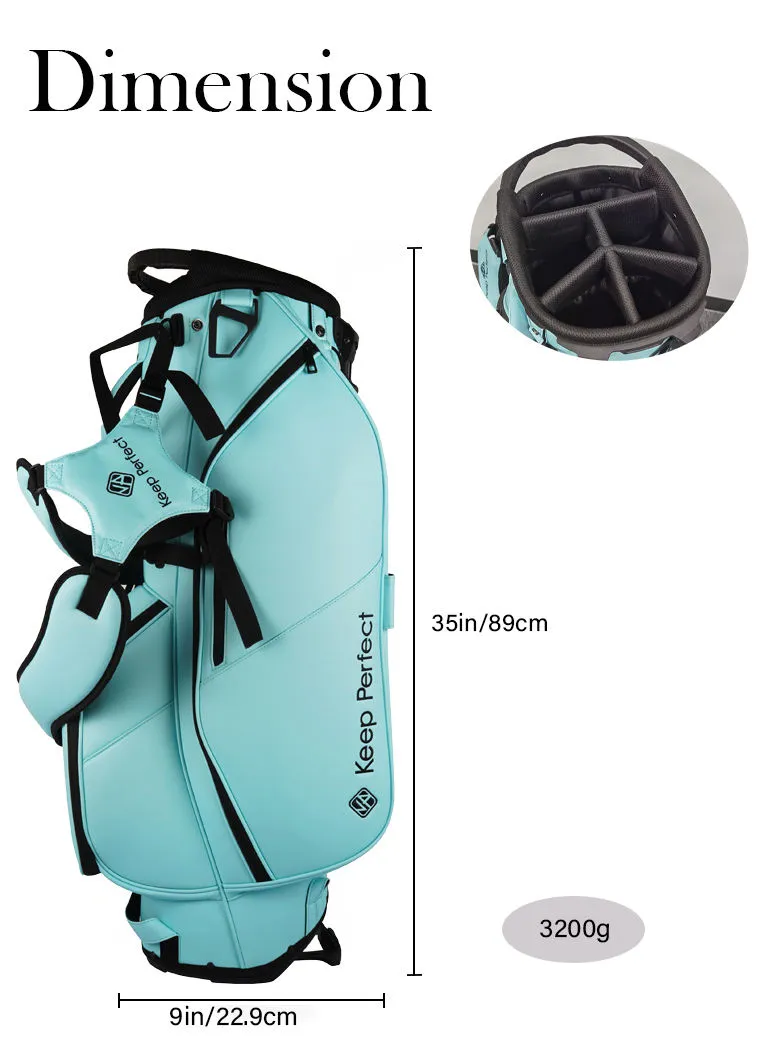
Golf is an outdoor sport played in virtually every weather condition imaginable, from the drenching rainstorms of the Pacific Northwest to the blistering heat and intense ultraviolet exposure of desert courses in Arizona and the Middle East. Your golf bag absorbs this environmental punishment day after day, season after season, making comprehensive weather protection not just a convenience but an absolute necessity for preserving your investment in quality golf equipment. In 2026, golf bag manufacturers have developed sophisticated weather defense technologies that go far beyond the simple rain hoods of previous decades, incorporating advanced fabrics, sealed construction techniques, and innovative design features that provide multi-layer protection against the full spectrum of weather challenges that golfers face around the world.
At our manufacturing facility, where we produce golf bags for brands serving markets across six continents, each with distinctly different weather challenges and environmental conditions, we have accumulated unique insight into how different environmental factors affect golf bags and what protection strategies prove most effective in real-world playing conditions. The data we have gathered from producing over 200,000 bags annually reveals clear and consistent patterns: bags that receive proactive weather protection through regular maintenance and appropriate accessories consistently outperform unprotected bags by factors of two to three times in terms of appearance retention, structural integrity, and functional longevity over their useful service life.
This comprehensive guide covers every aspect of golf bag weather protection in practical detail, from selecting the right materials and construction features when purchasing a new bag to implementing daily protective practices that measurably extend your bag's service life and maintain its appearance. Whether you play in consistently wet conditions, face intense sun exposure on links courses, deal with humidity challenges in tropical climates, or encounter the full range of four-season weather variations, the strategies outlined here will help you keep your golf bag performing at its absolute best regardless of what the weather forecast predicts for your next round.
Rain Defense Systems and Strategies
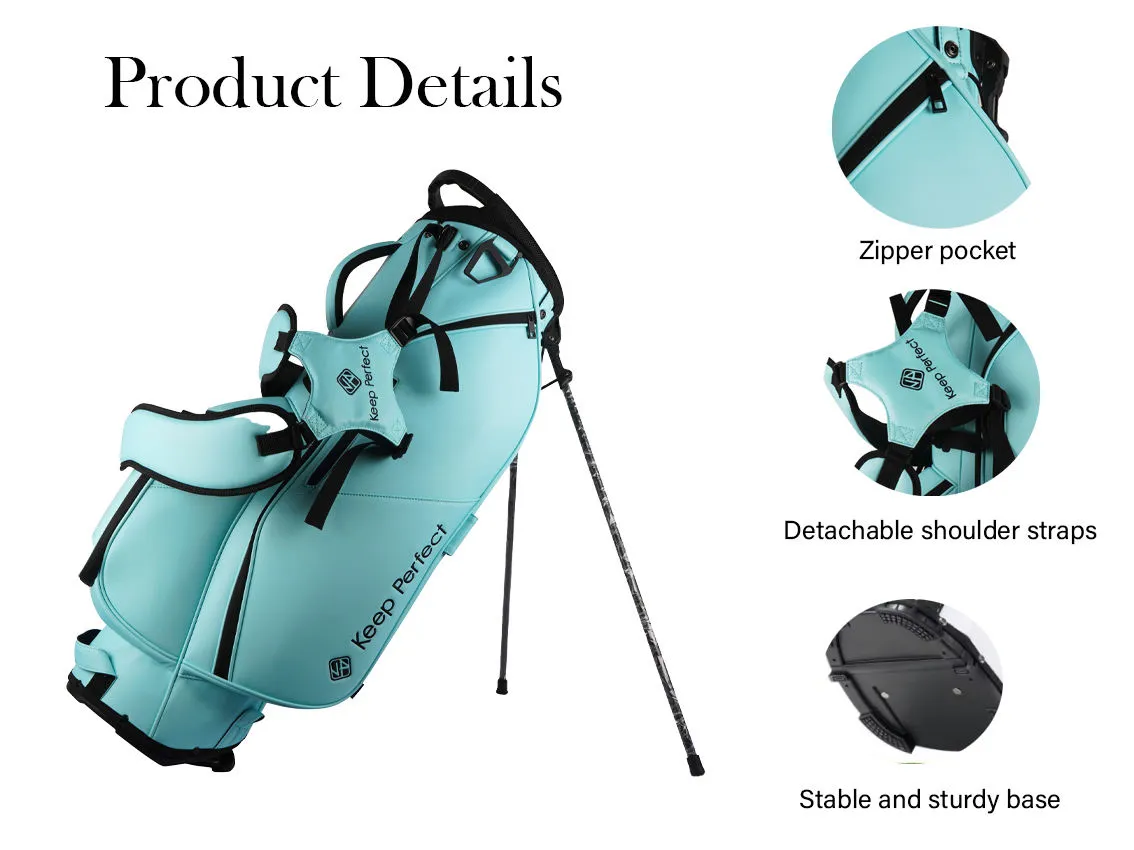
Rain is the most common and immediate weather threat to golf bags, affecting clubs, electronics, scorecards, and personal items stored within the bag. Effective rain defense requires a multi-layered approach that combines the bag's inherent water resistance with supplemental protection systems that are activated when conditions demand additional coverage. Understanding the capabilities and limitations of each layer in your rain defense strategy ensures comprehensive protection without unnecessary weight or complexity during your round.
Integrated Rain Hood Systems
Most quality golf bags manufactured in 2026 include an integrated rain hood that deploys from a concealed pocket near the top of the bag, providing immediate protection when weather changes unexpectedly. These hoods are designed to cover the club heads and the bag opening, preventing water from entering through the primary access point where the majority of rain intrusion occurs during play. Modern rain hoods use waterproof fabrics with sealed seams and elasticized edges that create a secure fit over the clubs without flapping excessively in wind. When selecting a bag, evaluate the rain hood coverage area, ease of one-handed deployment, and attachment security. Premium bags feature full-length rain hoods that extend down the exterior, protecting not just the opening but the upper pockets where valuables and electronics are typically stored.
The evolution of rain hood design has been significant over the past decade. Earlier designs used simple elasticized nylon covers that provided minimal coverage and were difficult to deploy while holding a club. Modern systems feature quick-deploy mechanisms with magnetic closures, transparent panels for visibility, and aerodynamic shaping that minimizes wind catch. Some premium tour bags now include dual rain hood systems: a compact hood for light drizzle that deploys in seconds and a full-coverage hood for heavy rain that protects the entire upper portion of the bag including accessory pockets.
Full-Coverage Rain Suits
For golfers who frequently encounter heavy rain during their rounds, a full-coverage rain suit provides comprehensive protection that goes well beyond what integrated hoods alone can offer. These systems enclose the entire bag in a waterproof shell, typically constructed from lightweight ripstop nylon with a polyurethane coating or laminated waterproof membrane that provides reliable protection even during sustained downpours. Full rain suits feature adjustable drawstrings at the top and bottom for secure fit, clear viewing panels for identifying bag contents without opening the suit, and quick-release mechanisms that allow complete removal in seconds when the rain stops and full access to the bag is needed.
While full rain suits add a few minutes of setup time at the start of a wet round, they provide genuine peace of mind during tournament play or when expensive electronics such as rangefinders and GPS devices are stored in the bag. The investment in a quality rain suit, typically ranging from thirty to eighty dollars, is easily justified by the protection it provides for equipment that may be worth many times that amount. Many golfers who have experienced the frustration of water-damaged electronics or soaked gloves and towels become permanent converts to full rain suit systems and never play without one during wet season.
Waterproof Pocket Management
Modern golf bags feature multiple pockets with varying levels of water resistance, and understanding and managing these differences is crucial for protecting your most sensitive items. Waterproof-lined pockets with sealed zippers provide the highest level of protection and should be reserved for electronics, scorecards, and valuables that absolutely must remain dry. Standard pockets with water-resistant fabrics protect against light splash and brief moisture exposure but will eventually allow water penetration during sustained rain. Organize your bag knowing which pockets offer the best protection and use additional waterproof bags or cases within standard pockets for items that cannot tolerate any moisture exposure. Our manufacturing process includes rigorous water resistance testing on every pocket zipper and seam, ensuring consistent performance across all production units and giving you confidence in the protective capabilities of each compartment.
Post-Rain Recovery Procedures
How you handle your bag after rain exposure significantly impacts its long-term condition and the likelihood of developing moisture-related problems such as mold, mildew, or metal corrosion. Begin by removing all clubs and emptying pockets to allow maximum air circulation throughout the bag interior and compartments. Wipe down all exterior surfaces with a dry microfiber towel, paying particular attention to seams and zipper tracks where water collects and tends to linger longest. Open all pocket zippers fully to promote interior drying and prevent the musty odors that develop in closed, damp spaces. If the bag is thoroughly soaked, stuff the main compartment with dry newspaper, which excels at moisture absorption through capillary action and also helps maintain the bag's shape during drying. Allow the bag to dry completely in a well-ventilated area before returning clubs and closing pockets. Never store a damp bag in an enclosed space, as mold can begin developing within twenty-four to forty-eight hours in warm, humid conditions.
UV Protection and Sun Damage Prevention
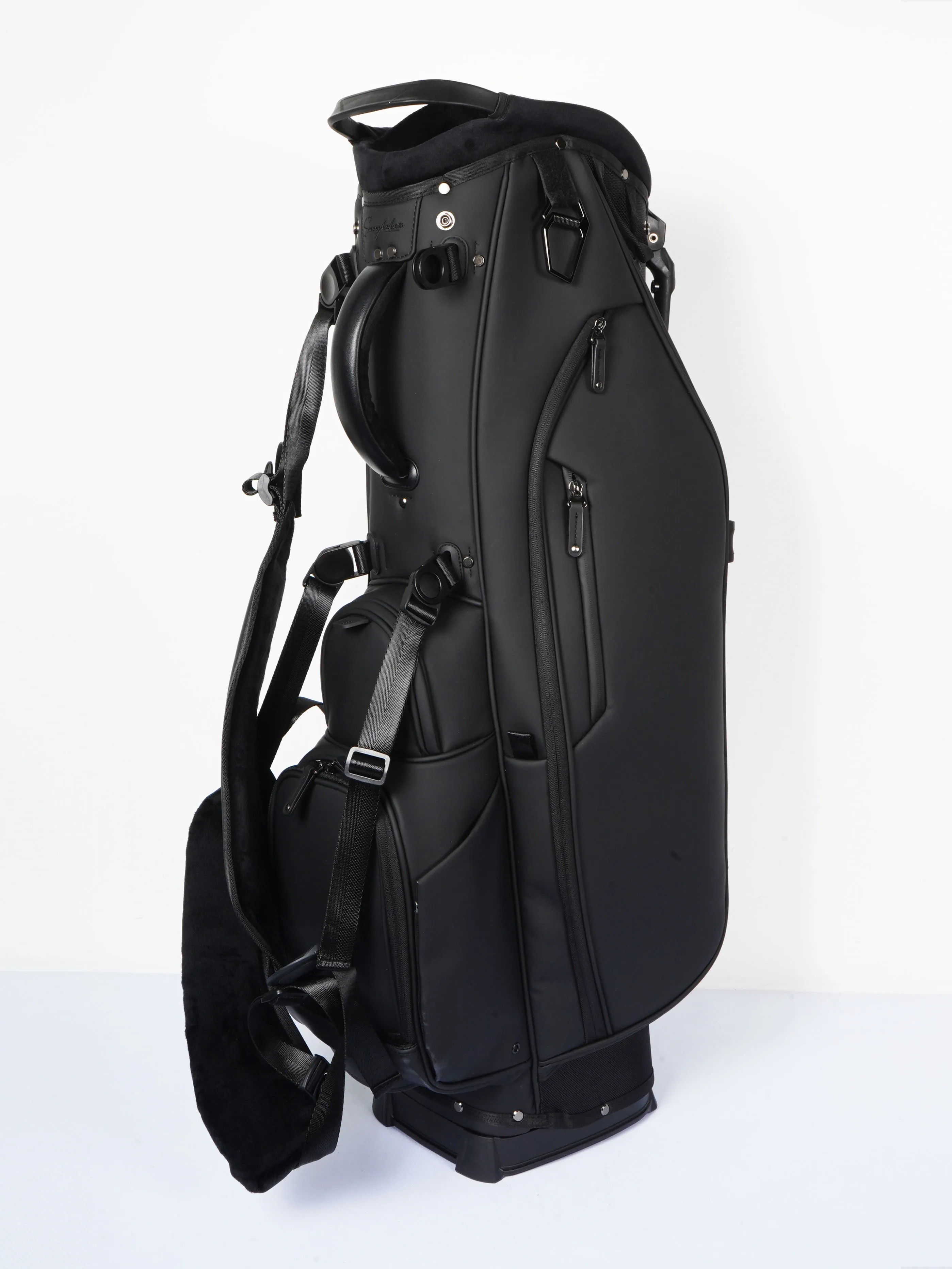
While rain damage is immediately visible and easier to address, ultraviolet radiation from sun exposure causes gradual, cumulative damage that is equally destructive over time but often goes completely unnoticed until significant deterioration has already occurred and become irreversible. UV radiation attacks the molecular structure of synthetic fabrics by breaking the chemical bonds that provide tensile strength, color fastness, and water resistance. Understanding UV damage mechanisms and implementing preventive protection strategies is essential for golfers who play in sunny climates or during summer months when UV index levels reach their peak intensity.
Understanding UV Damage to Golf Bag Materials
Nylon and polyester, the two most common fabrics used in golf bag manufacturing, respond differently to UV exposure and require slightly different protection approaches. Nylon is more susceptible to UV degradation, experiencing strength loss of up to fifty percent after extended exposure without protection. Polyester offers better inherent UV resistance but is not immune to long-term damage. Both materials experience color fading, surface chalking, and embrittlement from UV damage. The dye sublimation printing used for logos and decorative patterns on golf bags is particularly vulnerable to UV bleaching, often showing visible fading after a single season of intense sun exposure. Coated fabrics with UV-inhibiting additives in the coating formulation provide significantly better protection, which is why premium bags from established manufacturers specify UV-stabilized fabrics in their construction specifications and why you should prioritize this feature when selecting a bag for sunny climate use.
UV-Protective Sprays and Treatments
Several commercial products offer supplemental UV protection for golf bags that complement the inherent resistance of the base fabric. Fabric guard sprays containing UV absorbers create an invisible shield that absorbs harmful radiation before it reaches the fabric fibers, significantly slowing the degradation process. These treatments typically last four to six weeks of regular outdoor exposure before requiring reapplication to maintain effective protection levels. For maximum protection, apply UV treatment at the beginning of each golf season and reapply monthly during peak summer months when UV intensity is highest. When selecting a UV-protective spray, ensure it is compatible with your bag's specific fabric type and any existing water-repellent treatments, as some products may interfere with durable water repellent coatings and reduce their effectiveness.
Strategic Storage to Minimize UV Exposure
The most effective UV protection strategy is minimizing unnecessary sun exposure through consistent habits and strategic positioning. When not actively playing, store your bag in shaded areas, covered cart storage facilities, or inside your vehicle. On the course, position your bag in the shade between shots whenever possible, especially during the peak UV hours between ten in the morning and three in the afternoon. Many golf carts include bag covers or can be equipped with aftermarket sun shields that provide excellent protection during riding play. At home, never store your golf bag in direct sunlight through a window, as the focused ultraviolet radiation through glass accelerates damage significantly. These simple habits, consistently practiced over weeks and months, dramatically reduce cumulative UV exposure and preserve your bag's appearance and structural integrity over years of dedicated use.
Humidity and Moisture Control Solutions
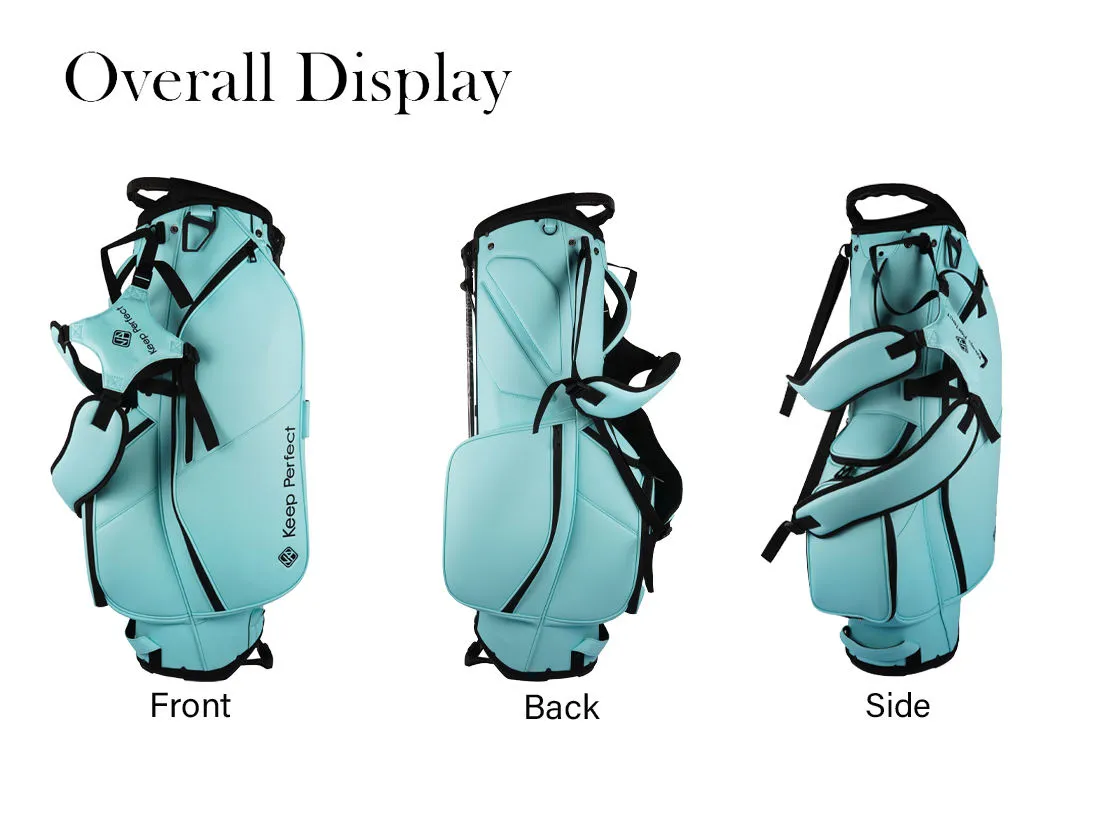
High humidity environments present unique challenges for golf bag maintenance that differ fundamentally from direct rain exposure. In tropical and subtropical climates, ambient humidity levels consistently exceed seventy percent, creating conditions that promote mold growth, metal corrosion, adhesive failure, and fabric degradation even when the bag never encounters liquid water directly. Managing humidity requires different strategies than rain protection and is often overlooked by golfers in these regions who focus exclusively on rain defense while humidity silently damages their equipment.
Mold and Mildew Prevention
Mold and mildew thrive in warm, humid environments with limited air circulation, making golf bags with multiple enclosed compartments particularly susceptible to fungal growth that can cause permanent staining, deterioration of fabric fibers, and unpleasant odors that are extremely difficult to eliminate once established. Prevention begins with ensuring the bag is completely dry before closing pockets for storage after any round, especially in humid conditions. After each round in high humidity, open all pockets and allow air circulation for at least thirty minutes to evaporate perspiration and ambient moisture that accumulates inside the bag during play. Consider placing silica gel desiccant packets in pockets and the main compartment to absorb ambient moisture continuously. Anti-microbial sprays designed for sports equipment provide an additional layer of protection by inhibiting mold spore germination on fabric surfaces.
Metal Component Corrosion Prevention
Humidity accelerates corrosion of metal components including zippers, buckles, rivets, and stand mechanism hardware, potentially rendering these critical functional elements inoperable if left untreated for extended periods. Apply a light silicone lubricant to all metal surfaces monthly in high-humidity environments to create a protective barrier that repels moisture. For coastal areas where salt air compounds corrosion problems exponentially, rinse metal components with fresh water after each round and apply corrosion-inhibiting products specifically designed for marine environments. Stainless steel hardware resists corrosion better than standard steel but still requires maintenance in extreme conditions. Aluminum hardware offers excellent corrosion resistance but is softer and more susceptible to mechanical damage that can compromise the protective oxide layer.
Cold Weather and Winter Protection Protocols
Cold weather golf presents its own set of unique challenges for bag protection that require specific attention and preparation. Freezing temperatures make fabrics and plastics brittle, condensation forms when cold bags are brought into warm environments, and winter storage introduces extended periods of disuse that require specific preparation protocols to prevent damage during the off-season. Golfers in northern climates who store their bags for four to six months over winter face particular challenges in preserving bag condition during extended dormancy.
Cold Weather Play Considerations
When playing in temperatures below forty degrees Fahrenheit, be aware that plastic components such as zipper pulls, buckle releases, and stand leg mechanisms become significantly more brittle and susceptible to breaking under stress that they would handle easily at moderate temperatures. Handle all mechanical components gently in cold conditions, avoiding the forceful yanking that might be normal in warm weather. Waterproof fabrics temporarily lose some flexibility in extreme cold, making them more prone to cracking if flexed sharply. Allow the bag to acclimate gradually to cold temperatures rather than moving directly from a warm vehicle to freezing conditions, as thermal shock can cause immediate damage to adhesives and coatings.
Weather-Resistant Materials and Construction
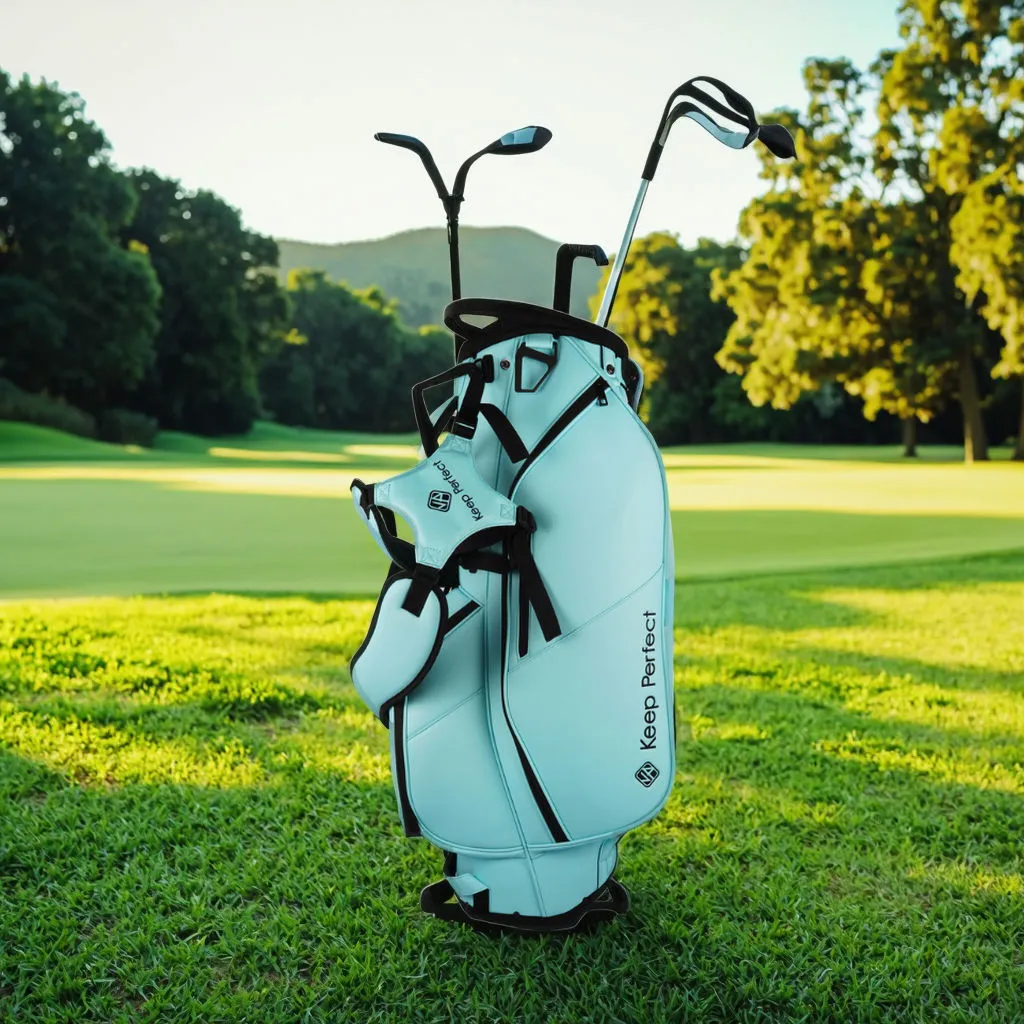
Understanding the materials and construction techniques that provide weather resistance helps you make informed purchasing decisions and understand the protection capabilities of your current bag. Modern golf bag manufacturing employs sophisticated material technologies that provide weather protection without sacrificing the lightweight performance and aesthetic appeal that golfers demand in premium equipment.
Waterproof Fabric Technologies
Leading golf bag manufacturers in 2026 use several advanced waterproof fabric technologies that have evolved significantly over the past decade. Thermoplastic polyurethane laminated fabrics provide complete waterproofing with excellent flexibility and durability that withstands the rigors of daily golf use. Three-layer construction fabrics sandwich a waterproof membrane between protective outer and inner layers, providing waterproofing with breathability that prevents moisture buildup inside the bag that would otherwise create a humid microenvironment. Welded seam construction eliminates needle holes that create water entry points in traditionally sewn bags, providing truly seamless waterproof protection. These technologies have evolved significantly, with modern waterproof fabrics offering protection comparable to previous generations while weighing significantly less and maintaining better drape and flexibility.
UV-Stabilized Fabric Systems
Premium golf bag fabrics incorporate UV stabilizers directly into the polymer during manufacturing rather than relying solely on surface treatments that wear off with use. These built-in UV inhibitors provide protection that lasts the functional lifetime of the fabric rather than degrading after weeks of exposure. Carbon-black pigmentation provides the highest UV resistance for dark-colored bags, while titanium dioxide additives offer UV protection for lighter colors without significantly altering appearance. When evaluating bags for sunny climate use, prioritize those that specify UV-stabilized fabric systems in their construction details, as this feature provides permanent protection that never requires reapplication.
Essential Weather Protection Accessories
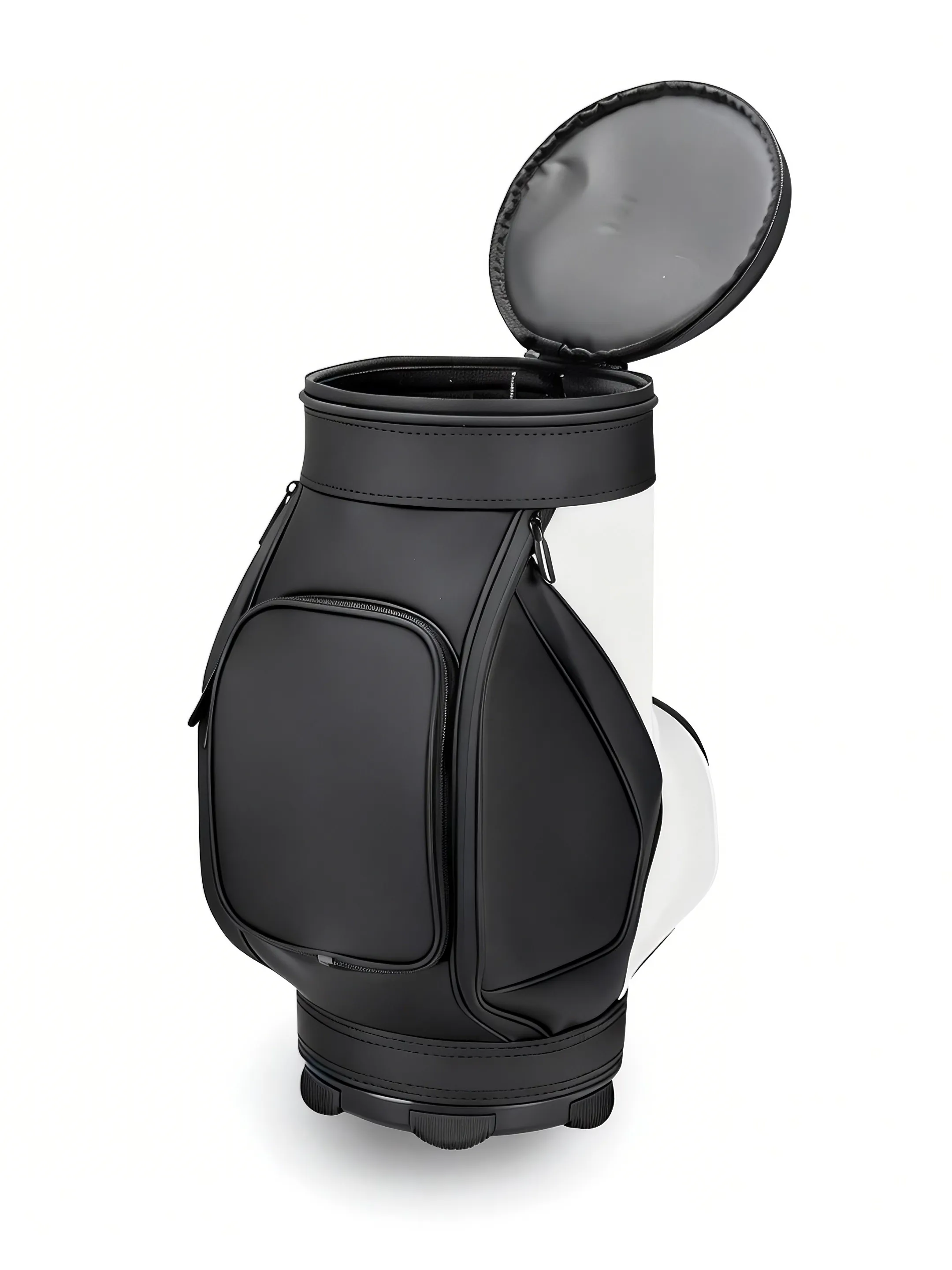
Beyond the bag's built-in weather protection features, several accessories enhance your ability to protect your equipment in challenging conditions. These relatively inexpensive additions provide significant protection value and are worth considering for any serious golfer who plays regularly in variable weather conditions.
Rain Covers and Bag Wraps
Full-coverage rain wraps provide protection beyond integrated rain hoods, enclosing the entire bag in a lightweight waterproof shell that keeps everything inside completely dry during even the heaviest downpour. Modern designs feature transparent panels for visibility, magnetic closures for quick access to clubs during play, and ventilation features that prevent condensation buildup inside the wrap. Choose a rain wrap sized specifically for your bag type to ensure proper coverage without excess material that flaps in wind or tangles with clubs during play.
Club Head Covers and Protection Towels
Waterproof club head covers protect your most expensive equipment from rain damage while also preventing the transfer of moisture between clubs. Microfiber towels clipped to the bag exterior provide quick drying capability for clubs and hands between shots, maintaining grip security and club face cleanliness throughout your round. In cold weather, insulated club head covers also prevent grips from becoming uncomfortably cold and hard, maintaining better feel and control during winter rounds when temperature management directly impacts performance.
Implementing these comprehensive weather protection strategies ensures your golf bag remains in excellent condition regardless of the environmental challenges it faces on the course. From material selection and construction quality to daily care habits and seasonal maintenance routines, every element contributes to extending your bag's service life and preserving its appearance and functionality season after season. Contact our experienced manufacturing team for personalized guidance on weather protection features available in our custom manufacturing programs through our website or WhatsApp at plus 8617750020688.
Frequently Asked Questions
How often should I reapply water repellent to my golf bag?
DWR treatments should be reapplied every eight to twelve weeks during active use, or after approximately fifteen to twenty rounds. If water no longer beads on the surface, it is time to reapply.
Can I use an umbrella instead of a rain cover?
An umbrella provides personal protection but does not adequately shield your bag. A dedicated rain cover provides complete coverage and allows free movement during your swing.
What is the best way to dry a soaked golf bag?
Remove all clubs, turn pockets inside out, use a dry towel to absorb excess moisture, stuff with dry newspaper, and air dry in a ventilated area away from direct heat.
Do waterproof bags eliminate the need for rain covers?
Waterproof bags significantly reduce intrusion but water can enter through the top opening. A rain cover provides additional protection for club heads and the bag opening.
How does UV exposure damage golf bags?
UV radiation breaks down chemical bonds in synthetic fabrics, causing fading, fiber weakening, and material failure. UV damage is cumulative and irreversible.
Should I bring my bag indoors after bad weather?
Yes, dry and store your bag as soon as possible. Leaving a wet bag in a cart or car trunk causes mold growth, metal corrosion, and fabric degradation.
Ready to Start Your Custom Golf Bag Project?
Partner with a BSCI & ISO 9001:2015 certified factory producing 200,000+ premium golf bags annually. MOQ just 100 pieces.
Get a Free Quote Today