Leather Golf Bag Care Guide 2026: Complete Maintenance for Longevity
Table of Contents
- Why Leather Golf Bags Deserve Premium Care in 2026
- Understanding Leather Types Used in Golf Bags
- Step-by-Step Leather Golf Bag Cleaning Process
- Conditioning and Moisturizing Your Leather Bag
- Waterproofing and Weather Protection for Leather
- Seasonal Storage Strategies for Leather Golf Bags
- Common Mistakes That Damage Leather Golf Bags
- Frequently Asked Questions
Why Leather Golf Bags Deserve Premium Care in 2026
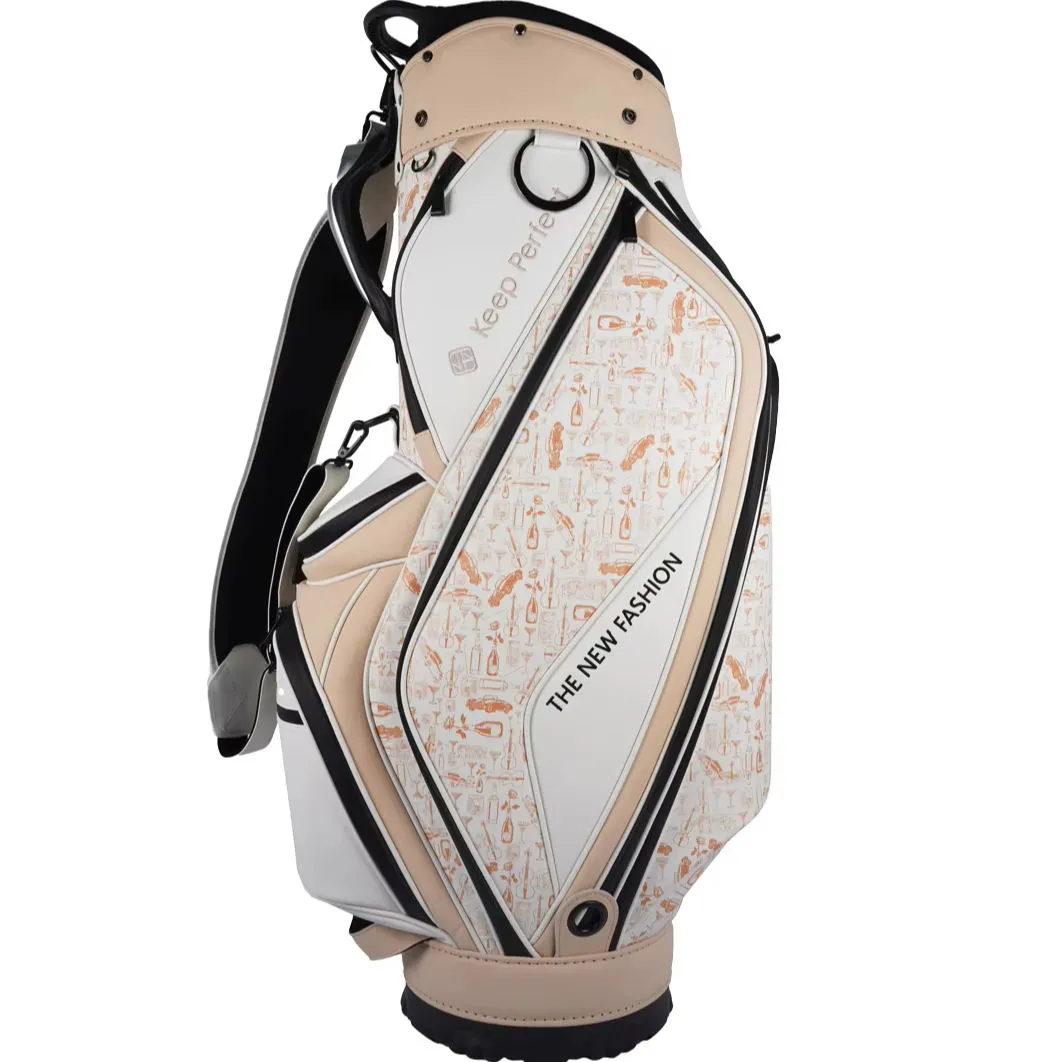
Leather golf bags represent the pinnacle of golf accessory craftsmanship, combining timeless elegance with exceptional durability that synthetic materials simply cannot replicate. As we move into 2026, the market for premium leather golf bags continues to expand, with enthusiasts and professionals alike recognizing that a well-maintained leather bag is not merely a container for clubs but an investment in quality that appreciates in character over time. The rich patina that develops on properly cared-for leather tells a story of countless rounds played, tournaments entered, and memories created on the course.
At our manufacturing facility, where we produce over 200,000 golf bags annually across eight dedicated production lines, we have observed that leather bags receiving consistent care outlast their neglected counterparts by a factor of three to five times. This is not merely anecdotal observation but backed by decades of production data and customer feedback from brands worldwide. The difference between a leather bag that looks magnificent after fifteen years and one that deteriorates within five often comes down to a disciplined maintenance routine that takes surprisingly little time when performed regularly.
The investment in a premium leather golf bag typically ranges from several hundred to several thousand dollars, depending on the leather grade, construction quality, and brand positioning. Given this significant financial commitment, implementing a structured care regimen is not optional but essential. This comprehensive guide draws on our twenty years of manufacturing expertise to provide you with the most thorough leather golf bag care instructions available anywhere, covering every aspect from daily maintenance to seasonal deep care protocols that ensure your bag remains a source of pride throughout its entire service life.
Understanding the science behind leather care transforms what might seem like a chore into a satisfying ritual of equipment stewardship. Leather is a natural material composed of interlocking collagen fiber networks that require consistent moisture, protection from environmental stressors, and periodic nourishment to maintain their flexibility, strength, and visual appeal. When these needs are met, leather not only survives but thrives, developing characteristics that synthetic materials cannot imitate. The goal of this guide is to make leather care accessible and straightforward, breaking down each step into manageable actions that fit easily into any golfer's routine.
Understanding Leather Types Used in Golf Bags
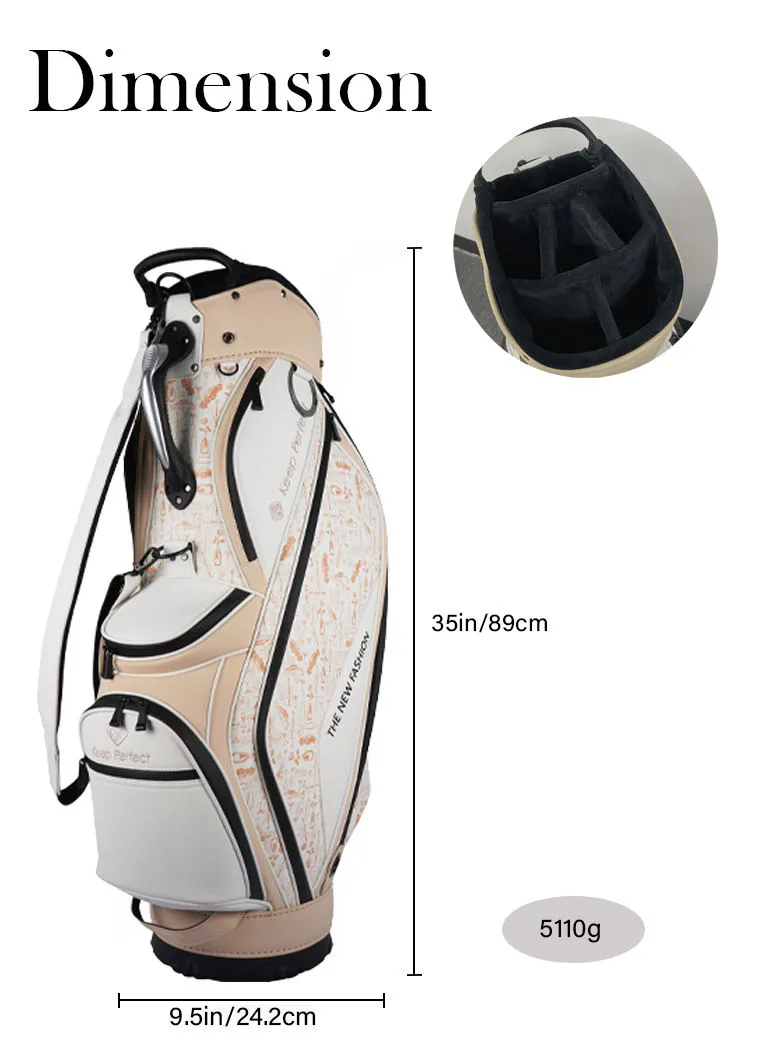
Before diving into specific care techniques, it is crucial to understand the different types of leather commonly used in golf bag manufacturing, as each type requires slightly different maintenance approaches. The leather grade and tanning process fundamentally determine how your bag will age and what care products will be most effective. Making the wrong product choice for your leather type can cause more harm than good, making identification the essential first step in any care regimen.
Full-Grain Leather: The Premium Standard
Full-grain leather represents the highest quality tier in golf bag construction. This material uses the outermost layer of the hide, preserving the natural grain pattern including minor imperfections that give each bag a unique character. Full-grain leather is extremely durable, develops a rich patina over time, and is highly receptive to conditioning products. The natural fibers remain intact, providing maximum tensile strength and resistance to tearing. When caring for full-grain leather, you will find that quality conditioners penetrate deeply and effectively, nourishing the fibers from within and creating a lasting protective barrier.
Chrome-tanned full-grain leather, commonly used in premium tour bags, offers enhanced water resistance and color stability compared to vegetable-tanned alternatives. Vegetable-tanned full-grain leather, favored by artisan manufacturers, develops a deeper and more distinctive patina but requires more careful attention to moisture management. Both varieties benefit from the same fundamental care approach, though vegetable-tanned leathers may show water spots more readily and benefit from more frequent light conditioning rather than less frequent heavy applications.
Top-Grain Leather: Refined Surface Treatment
Top-grain leather has been sanded or buffed to remove surface imperfections, creating a more uniform appearance. While slightly less durable than full-grain due to the removal of some surface fibers, top-grain leather still offers excellent longevity and is commonly used in mid-range to premium golf bags where consistent appearance is prioritized over natural character. The finishing treatment applied to top-grain leather creates a somewhat sealed surface, meaning conditioners may take longer to absorb and may require gentle warming with a hairdryer on low setting to open the pores for better penetration.
For top-grain leather bags, we recommend using lighter conditioning products and allowing extra time for absorption between applications. The sealed surface means that heavy applications tend to sit on top rather than penetrating, potentially creating a sticky residue that attracts dust and dirt. Multiple thin applications with adequate absorption time between each produce better results than a single heavy application.
Corrected-Grain and Bonded Leather Considerations
Corrected-grain leather undergoes more aggressive surface treatment and is often embossed with an artificial grain pattern. Bonded leather consists of leather fibers bonded together with polyurethane or latex on a fiber sheet. While these materials are more affordable and common in entry-level golf bags, they require fundamentally different care approaches. Avoid oil-based conditioners on corrected-grain and bonded leathers, as these can damage the synthetic surface treatments and cause peeling or delamination. Instead, use water-based leather cleaners and UV-protectant sprays designed specifically for treated leather surfaces. The care focus shifts from deep nourishment to surface protection and cleaning.
Vegan Leather and Synthetic Alternatives
The growing demand for sustainable materials has introduced vegan leather options made from polyurethane, pineapple leaf fibers, mushroom mycelium, and other innovative materials. These alternatives require entirely different care protocols focused on UV protection and gentle cleaning rather than conditioning with traditional leather products. While this guide primarily addresses genuine leather care, many of the cleaning and storage principles apply across all material types, and the waterproofing and storage sections are universally relevant regardless of your bag's construction material.
Step-by-Step Leather Golf Bag Cleaning Process
Proper cleaning is the foundation of leather care and should be performed at minimum once per month during active golf season. Regular cleaning removes accumulated dirt, sweat, sunscreen residue, and environmental contaminants that, left untreated, gradually break down the leather surface and accelerate aging. The cleaning process also provides an invaluable opportunity to inspect the bag thoroughly for early signs of damage that can be addressed before they become major problems requiring professional repair.
Gathering Your Cleaning Supplies
Before beginning the cleaning process, assemble all necessary supplies to ensure an efficient workflow. You will need a high-quality leather cleaner specifically formulated for the type of leather in your bag, two to three clean microfiber cloths in different colors to distinguish cleaning stages, a soft-bristle brush such as a horsehair detailing brush, cotton swabs for detailed work around zippers and hardware, lukewarm water, and optionally a leather preparation or deglazer for deep cleaning sessions that remove old product buildup. Avoid household cleaners, dish soap, and abrasive materials, as these can strip natural oils from the leather and cause irreversible damage to the surface finish.
Quality matters significantly in cleaning supplies. Microfiber cloths designed for automotive detailing work exceptionally well for leather because they trap and hold dirt particles rather than pushing them across the surface. The soft-bristle brush should be dedicated solely to leather care and cleaned regularly to prevent transferring contaminants from other uses. Investing in premium cleaning supplies costs more initially but pays dividends in results and prevents the costly mistakes that cheap alternatives can cause.
The Initial Dry Cleaning Phase
Begin every cleaning session with a thorough dry cleaning phase to remove loose dirt and debris. Use the soft-bristle brush to gently sweep across all leather surfaces, paying particular attention to seams, stitching lines, and crevices where dirt accumulates. Brush in one direction following the leather grain to avoid pushing particles deeper into the material. Empty all pockets and compartments, turning the bag upside down briefly to dislodge any debris from interior corners. This initial dry phase prevents you from grinding surface dirt into the leather during the wet cleaning stage, which is a common mistake that causes micro-scratches on the leather finish and accelerates wear in high-contact areas.
Pay special attention to the base panel of the bag, which accumulates the most dirt from contact with the ground during play. Cart bags that ride on golf carts collect significant debris along the back panel where it contacts the cart surface. Stand bag legs and their attachment mechanisms collect grass clippings and soil that can stain leather if left unattended. The dry cleaning phase addresses these problem areas effectively before wet cleaning begins.
Wet Cleaning Application
Apply a small amount of leather cleaner to a damp microfiber cloth, not directly onto the leather surface. This prevents product buildup in concentrated areas and ensures even distribution across the entire surface. Work in sections no larger than six inches square, applying gentle circular motions to each area before moving to the next. For heavily soiled areas, allow the cleaner to sit for thirty to sixty seconds before gently agitating with the soft-bristle brush. Always test any new cleaning product on an inconspicuous area first, such as the bottom panel or interior pocket, to confirm colorfastness and compatibility with your bag specific leather finish. If the test area shows any color transfer to the cloth, discoloration, or texture change, discontinue use immediately and select a milder cleaner.
For exotic leathers such as ostrich, alligator, or sharkskin used in limited-edition golf bags, use only cleaners specifically formulated for that leather type. These exotic leathers have unique pore structures and finishing treatments that respond differently to cleaning chemicals. When in doubt, consult the bag manufacturer or a professional leather care specialist before applying any product to exotic leather surfaces.
Rinsing and Drying Protocol
After cleaning each section, wipe away residue with a separate clean, slightly damp microfiber cloth. This rinsing step removes residual cleaner and dissolved dirt that would otherwise dry on the surface and attract more dirt over time, creating a cycle of accelerated soiling. Once the entire bag has been cleaned and rinsed section by section, use a dry microfiber cloth to gently pat the surface dry without rubbing. Allow the bag to air dry completely at room temperature in a well-ventilated area, away from direct sunlight, heat sources, or forced air. Never use a hair dryer or place the bag near a heater to accelerate drying, as rapid moisture loss causes the leather fibers to contract and crack, potentially causing permanent damage that no amount of conditioning can fully repair.
The complete drying process typically takes four to eight hours depending on ambient temperature and humidity. Plan your cleaning session accordingly, ideally starting early in the day so the bag has ample time to dry before evening when humidity typically rises. If you must use the bag before it is fully dry, ensure at least two hours of drying time and avoid loading heavy clubs that could stress the still-moist leather structure.
Conditioning and Moisturizing Your Leather Bag
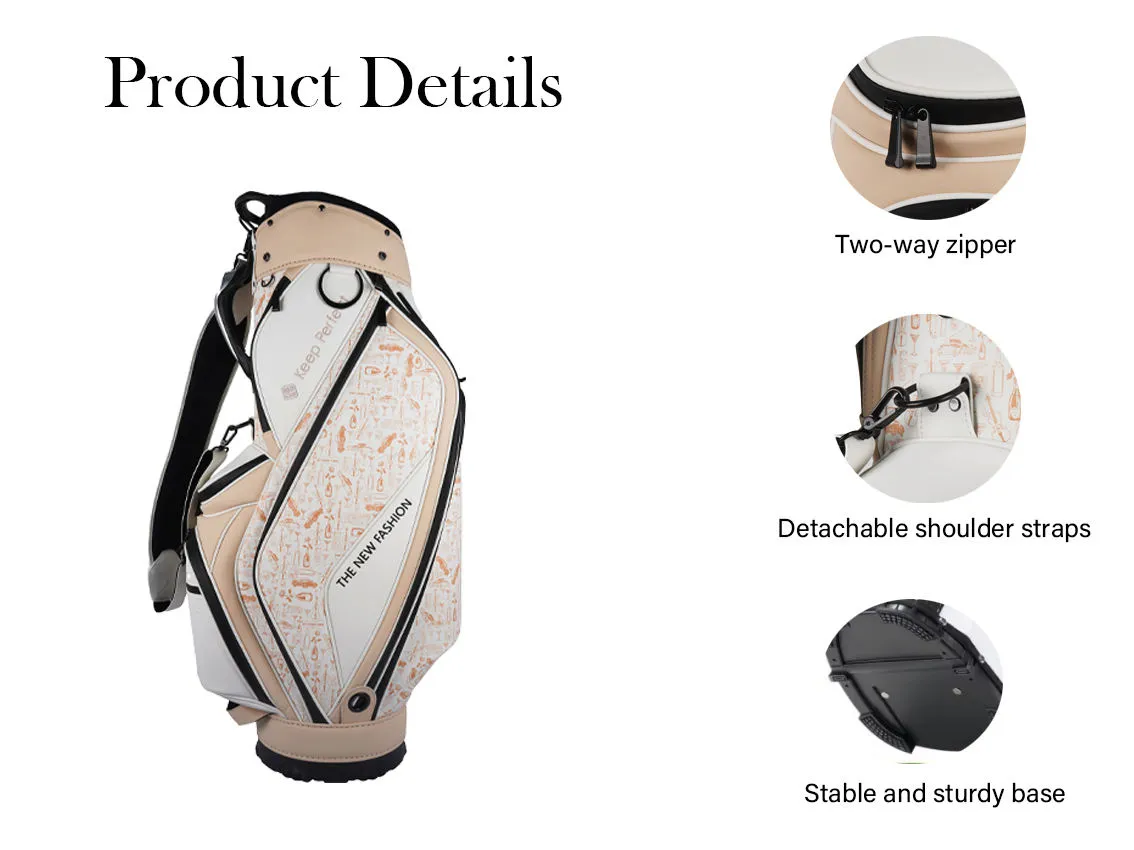
Conditioning is the single most critical step in leather golf bag maintenance. Leather is a natural material composed of collagen fibers that require consistent moisture to remain supple, flexible, and resistant to cracking. Over time, exposure to sunlight, temperature fluctuations, and environmental factors causes these natural oils to evaporate, leaving the leather dry, brittle, and susceptible to permanent damage. A quality conditioning regimen restores these essential oils and creates a protective barrier against future moisture loss, extending your bag's functional life by many years.
Choosing the Right Conditioner for Your Leather
The market offers numerous leather conditioning products, each formulated for specific applications. For golf bags, look for conditioners containing natural ingredients such as beeswax, lanolin, mink oil, or neatsfoot oil. These ingredients closely mimic the natural oils found in leather and provide deep nourishment without leaving a greasy residue that transfers to clothing. Avoid silicone-based products that create an artificial barrier without actually nourishing the leather fibers, providing temporary cosmetic improvement while long-term deterioration continues unchecked beneath the surface.
For full-grain leather bags, rich creams and balms work best because their thicker consistency delivers higher concentrations of nourishing ingredients. For top-grain or treated leathers, lighter lotion-style conditioners provide adequate moisture without overwhelming the sealed surface. Read the product label carefully to ensure compatibility with your leather type. Some conditioners are formulated specifically for finished leathers while others are designed for raw or aniline leathers. Using the wrong type will produce suboptimal results at best and potential damage at worst.
Application Technique for Maximum Absorption
Apply conditioner when the leather is clean and slightly damp, as moisture opens the leather pores and facilitates deeper product penetration. Using a clean microfiber cloth or your fingers protected with a cotton glove, apply the conditioner in generous circular motions, working systematically across all exterior leather surfaces in overlapping sections to ensure complete coverage. Pay special attention to high-wear areas such as the base of the bag where it contacts the ground, strap attachment points that bear the most mechanical stress, pocket edges that flex during opening and closing, and areas where the leather naturally creases during use. For stitching lines, use a cotton swab dipped in conditioner to ensure the thread receives adequate moisture, preventing the drying and brittleness that leads to stitch failure and seam separation.
The interior of the bag should also receive conditioning attention, though less frequently than the exterior. Interior leather surfaces experience less UV exposure and environmental stress but can still benefit from conditioning every six months to prevent drying. Use a lighter application for interior surfaces and ensure thorough drying before reloading clubs and accessories.
Absorption Time and Buffing for Optimal Results
After application, allow the conditioner to absorb for a minimum of two hours, preferably overnight. The leather will darken temporarily as it absorbs the product, which is entirely normal and indicates successful penetration. Once the leather no longer feels tacky to the touch, use a clean, dry microfiber cloth to buff the surface with light pressure using long sweeping motions following the leather grain. This buffing step removes any excess product that has not been absorbed and restores the natural luster of the leather surface. For a high-gloss finish on full-grain leather, a second thin application followed by vigorous buffing with a horsehair brush produces a showroom-quality shine that also provides additional protection against moisture and UV damage.
Conditioning Frequency Guidelines by Climate and Usage
The optimal conditioning frequency depends on your specific climate, usage patterns, and leather type. In arid climates or during summer months when UV exposure is intense, condition every four to six weeks to prevent moisture depletion. In moderate climates with regular weekly use, conditioning every eight to twelve weeks is sufficient for most leather types. Leather bags stored for extended periods should be conditioned before storage and immediately upon removal to address any moisture loss during dormancy. As a practical test, place a drop of water on an inconspicuous area of the leather. If the water beads up on the surface, the leather has adequate moisture and protection. If it absorbs quickly and darkens the leather within seconds, conditioning is overdue and should be performed at your earliest opportunity.
Waterproofing and Weather Protection for Leather
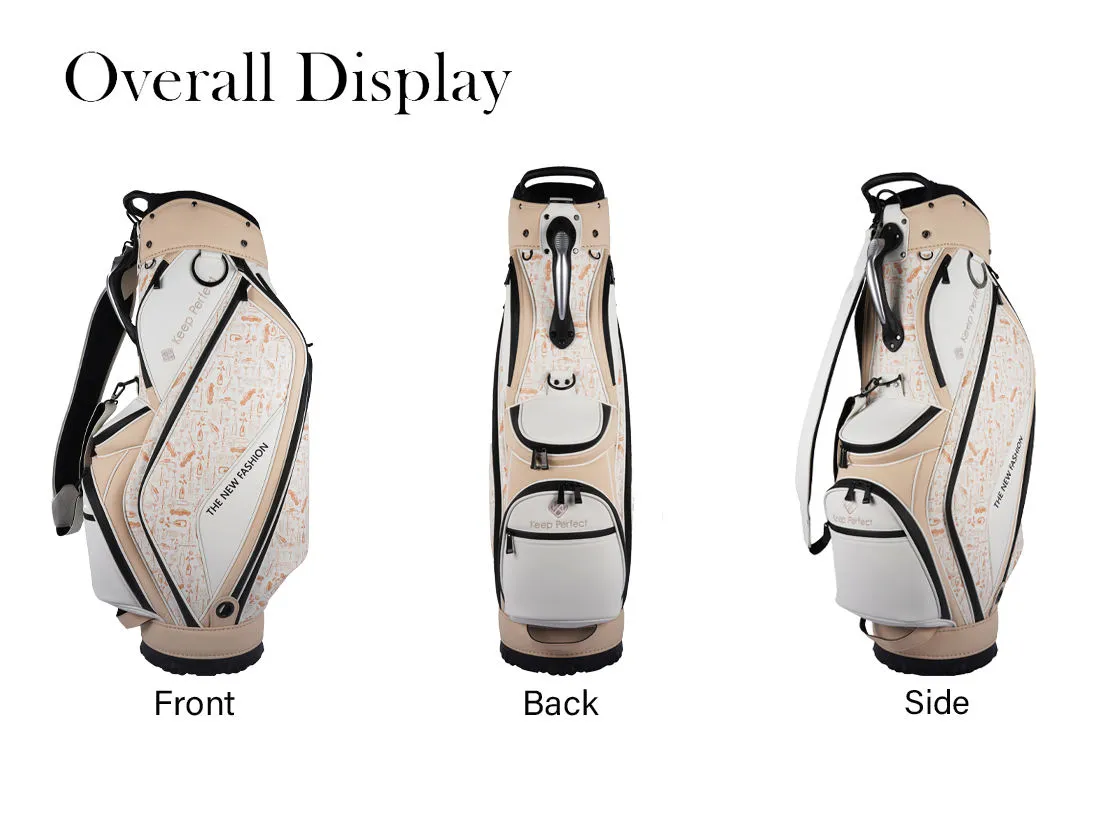
While leather has some natural water resistance due to the tight fiber structure and natural oils, prolonged exposure to moisture can cause staining, warping, mold growth, and deterioration of the leather fibers. Implementing effective waterproofing measures is essential for golf bags that regularly face morning dew, rain showers, and humid conditions on the course. The goal is not to make the leather completely impervious to water, which would require a synthetic coating that fundamentally alters the natural feel and appearance, but to significantly enhance its resistance to moisture penetration while maintaining the breathability that makes leather a superior material.
Leather Waterproofing Products and Proper Application
Several product categories offer effective waterproofing for leather golf bags. Wax-based products such as beeswax blends create a durable water-repellent barrier that also nourishes the leather simultaneously, making them excellent choices for golf bag applications. Silicone-based sprays provide excellent water resistance but may slightly alter the leather's hand feel and should be tested on a small area first. Nano-technology waterproofing sprays represent the newest advancement in leather protection, creating an invisible hydrophobic layer at the molecular level without affecting appearance or texture. Apply waterproofing products only after the bag is completely clean and conditioned, as trapping dirt or moisture beneath the waterproofing layer creates problems that worsen over time and become increasingly difficult to address.
Protecting Hardware and Metal Components
Metal hardware on leather golf bags, including zippers, buckles, rivets, and decorative elements, requires separate attention during the waterproofing process. Apply a thin coat of metal protector or clear nail polish to prevent tarnishing and corrosion, particularly on brass and nickel-plated hardware that shows patina quickly. For zipper tracks, use a dedicated zipper lubricant that repels moisture while maintaining smooth operation throughout the zipper's full range of motion. Salt exposure from coastal golf courses accelerates metal corrosion dramatically, so rinse hardware with fresh water after playing near the ocean and dry thoroughly before applying protective products. In marine environments, consider upgrading to stainless steel hardware components where possible for inherently superior corrosion resistance.
Rain Protection Strategies During Active Play
Even with thorough waterproofing treatments, prolonged rain exposure should be avoided when possible to protect both the leather and the equipment inside the bag. Invest in a quality rain cover designed specifically for your bag type, as universal covers often provide incomplete coverage or interfere with the bag's stand mechanism. Many premium golf bags include integrated rain hoods that deploy quickly when weather changes, providing immediate protection for the club heads and bag opening. If caught in unexpected rain during a round, dry the bag thoroughly as soon as possible using a towel to remove surface moisture, then allow it to air dry in a well-ventilated area. Stuffing the pockets with dry newspaper helps absorb interior moisture and maintains the bag's shape during the drying process, addressing two concerns simultaneously.
Seasonal Storage Strategies for Leather Golf Bags
Proper storage during off-seasons or extended periods of non-use is critical for preserving the condition of leather golf bags. Many golfers in northern climates store their bags for four to six months during winter, making storage practices a significant factor in the bag's long-term condition. Improper storage is responsible for more leather bag damage than actual use, with common problems including mold growth, leather desiccation, shape distortion, and hardware corrosion all traceable to inadequate storage preparation and environmental conditions.
Pre-Storage Preparation Checklist
Before placing your leather golf bag into storage, complete a thorough preparation process that addresses every aspect of the bag's condition. Clean the bag completely following the procedures outlined in the cleaning section above, ensuring all surfaces are free of dirt, oils, and residues that could cause damage during months of contact with the leather. Apply a generous conditioning treatment to replenish moisture that will gradually evaporate during storage, using a slightly heavier application than normal to create a moisture reserve. Ensure the bag is completely dry before storing, as any residual moisture creates an environment conducive to mold growth that can cause irreversible damage within weeks. Empty all pockets and compartments, checking thoroughly for forgotten items such as tees, ball markers, or food wrappers that could cause staining, attract pests, or create pressure marks during storage.
Ideal Storage Environment Specifications
Store your leather golf bag in a cool, dry environment with consistent temperature between fifty and seventy degrees Fahrenheit and relative humidity between forty and fifty percent. Avoid storage areas subject to temperature extremes such as garages without climate control, attics, or vehicle trunks where temperature fluctuations cause condensation that damages leather through repeated wet-dry cycles. The storage area should be well-ventilated to prevent musty odors and mold spore proliferation, with air circulation that keeps the environment fresh without creating dusty conditions. Keep the bag away from direct sunlight, which causes fading and leather degradation even through closed windows, as window glass does not block all ultraviolet radiation.
Maintaining Shape and Structure During Storage
To prevent the leather from collapsing and developing permanent creases, stuff the bag with acid-free tissue paper or clean cotton cloth that will not transfer dyes or chemicals to the interior leather surfaces. Avoid using newspaper, as the ink can transfer to interior leather surfaces under pressure and humidity, causing permanent staining. If your bag came with internal support forms or inflatable bag inserts, these are ideal for maintaining shape during storage. Store the bag upright in its natural standing position rather than laying it on its side, which can cause asymmetric pressure on seams and hardware that leads to deformation. For bags with retractable legs, ensure the legs are in the closed position and secure them with a soft fabric strap to prevent spring fatigue from the legs pressing against the bag interior during months of storage.
Common Mistakes That Damage Leather Golf Bags
Despite good intentions, many golf bag owners inadvertently cause damage through common care mistakes that undermine their maintenance efforts. Recognizing and avoiding these pitfalls is just as important as following positive care practices, and often the difference between a bag that thrives and one that deteriorates comes down to avoiding these specific errors.
Over-Conditioning and Product Buildup
More is not always better when it comes to leather conditioning. Excessive application of conditioner leads to product buildup that clogs leather pores, creates a sticky surface that attracts dirt and dust, and can actually accelerate deterioration by preventing the leather from breathing naturally. When product accumulates on the surface, it forms a barrier that prevents subsequent applications from penetrating, creating a cycle where the leather surface appears moisturized while the deeper fibers continue to dry out. Follow recommended application quantities and frequencies precisely. When in doubt, apply less product and add more in subsequent applications rather than risk oversaturation. If your bag develops a waxy buildup, use a leather deglazer or mild saddle soap to strip the excess before starting fresh with a proper conditioning regimen using measured amounts applied at appropriate intervals.
Using Inappropriate Cleaning Products
Household cleaners, baby wipes, alcohol-based products, and abrasive cleaning tools cause significant and often irreversible damage to leather surfaces. Baby wipes often contain alcohol that strips natural oils from leather. All-purpose cleaners may have pH levels that damage the leather fiber structure. Even some products marketed as leather cleaners contain harsh chemicals unsuitable for premium leathers used in golf bags. Always read ingredient labels carefully and choose products specifically formulated for the type of leather in your bag. When switching to a new product, always test on an inconspicuous area before full application to confirm compatibility and prevent widespread damage.
Neglecting Minor Damage Until It Escalates
Small scratches, loose threads, and minor scuffs are inevitable during regular use and should not cause alarm. However, ignoring these minor issues allows them to escalate into significant damage that requires professional repair or results in permanent cosmetic impairment. A small scratch that could be addressed with a brief conditioning session becomes a deep crack when exposed to continued UV and moisture without protection. A loose stitch that could be re-sewn in minutes becomes a torn seam requiring professional repair when the thread completely unravels under continued stress. Address minor damage promptly as part of your regular inspection routine, and you will prevent the vast majority of leather bag problems that golfers experience throughout the bag's service life.
By following these comprehensive leather care guidelines consistently, your premium leather golf bag will not only maintain its structural integrity and functionality but will develop the distinctive patina that makes aged leather so coveted among golf enthusiasts. The small investment of time required for regular maintenance, typically fifteen to thirty minutes per session, pays enormous dividends in the longevity and appearance of your bag, ensuring it remains a source of pride on the course for many years to come. Contact our manufacturing team through our website or WhatsApp at plus 8617750020688 for personalized leather care guidance specific to your bag construction.
Frequently Asked Questions
How often should I condition my leather golf bag?
Condition your leather golf bag every three to four months under normal use. In hot or humid climates, condition every two months. Professional-grade bags used on tour may need monthly conditioning during peak season.
Can I use regular shoe polish on my leather golf bag?
Shoe polish is not recommended for golf bags. It contains solvents that dry out leather over time. Use products specifically formulated for premium leather goods to ensure proper nourishment and protection.
What is the best way to remove stains from leather golf bags?
For water-based stains, blot immediately with a clean microfiber cloth. For oil-based stains, apply leather-specific cleaner and gently work in circular motions. Avoid saturating the leather. For stubborn stains, consult a professional leather restoration specialist.
How long does a quality leather golf bag last with proper care?
A premium leather golf bag with proper maintenance can last fifteen to twenty-five years or more. Full-grain leather bags with regular care often develop a beautiful patina that enhances their character over decades of use.
Should I store my leather golf bag with clubs inside?
Remove clubs for long-term storage. Clubs add weight that distorts the bag shape and metal heads create pressure points on interior leather. Store upright with acid-free tissue paper to maintain shape.
Is coconut oil safe for leather golf bags?
Pure coconut oil is not ideal. It may darken lighter leathers and can become rancid. Dedicated leather conditioners containing beeswax, lanolin, or mink oil provide superior protection without these risks.
How do I protect the zipper areas on my leather bag?
Apply thin conditioner around zipper tracks and use silicone-based zipper lubricant on teeth. Avoid heavy conditioner on metal zippers as it attracts dirt and grit that accelerates wear.
Ready to Start Your Custom Golf Bag Project?
Partner with a BSCI & ISO 9001:2015 certified factory producing 200,000+ premium golf bags annually. MOQ just 100 pieces.
Get a Free Quote Today