Golf Bag Storage Tips 2026: Expert Guide for Every Season and Space
Table of Contents
- Why Proper Golf Bag Storage Matters in 2026
- Home Storage Solutions for Golf Bags
- Off-Season Storage Preparation and Protocols
- Garage and Outdoor Storage Considerations
- Travel and Transport Storage Best Practices
- Storage Strategies for Apartments and Small Spaces
- Maintenance During Storage Periods
- Frequently Asked Questions
Why Proper Golf Bag Storage Matters in 2026
Proper golf bag storage is one of the most overlooked aspects of equipment maintenance, yet it directly determines how long your bag maintains its structural integrity, appearance, and functional performance throughout its useful service life. Whether you are storing your bag between rounds during the active golf season, preparing it for months of off-season dormancy during winter, or managing storage in space-constrained living environments such as apartments or condominiums, the fundamental principles of proper storage apply universally and produce measurable benefits in terms of bag longevity and appearance retention. At our manufacturing facility, where we produce over 200,000 golf bags annually for brands across six continents, we have analyzed warranty claims and customer feedback data extensively, and the patterns are remarkably clear: improper storage ranks consistently among the top three causes of premature golf bag deterioration, alongside uncontrolled sun exposure and moisture damage from wet conditions without proper drying.
The economics of proper storage are compelling when you consider the investment represented by a quality golf bag. A premium golf bag represents a significant financial commitment, with high-end stand bags, cart bags, and tour bags ranging from two hundred to well over a thousand dollars depending on materials, construction quality, and brand positioning. Extending the service life of that investment through proper storage practices yields returns that far exceed the minimal time and effort required for correct storage procedures. Bags stored correctly consistently outlast improperly stored counterparts by factors of two to three times, maintaining their original shape, color vibrancy, and structural integrity through many years of use and storage cycles without showing premature wear or deterioration.
This comprehensive guide covers every storage scenario that golfers encounter in their equipment management routines, from daily between-round storage to extended seasonal preparation, from spacious dedicated golf rooms in large homes to compact apartment closets and creative small-space solutions. Drawing on two decades of manufacturing expertise and data from bags produced for markets across every continent, we provide actionable strategies that work effectively regardless of your living situation, climate conditions, or the specific type of golf bag you own and need to protect during periods of non-use.
Home Storage Solutions for Golf Bags

How you store your golf bag at home between rounds significantly impacts its long-term condition and the rate at which it ages cosmetically and structurally. The ideal home storage solution balances three equally important factors: accessibility for regular use, environmental protection from damage-causing conditions, and space efficiency that does not dominate your living area with golf equipment presence.
Designated Storage Locations
Establish a dedicated storage location for your golf bag that protects it from environmental hazards while keeping it accessible for regular use without requiring extensive setup or retrieval effort. The ideal location is indoors, in a climate-controlled space with consistent temperature and low humidity levels that prevent moisture-related damage. A closet in a bedroom or hallway, a corner of a home office or study, or a dedicated section of a mudroom or entryway all serve as excellent storage locations for golf bags. The key requirements are protection from direct sunlight that causes fading, consistent temperature that prevents material stress, low humidity that inhibits mold growth, and freedom from physical hazards such as heavy foot traffic that could topple the bag or door swings that could impact and damage the exterior surfaces.
Positioning and Orientation Best Practices
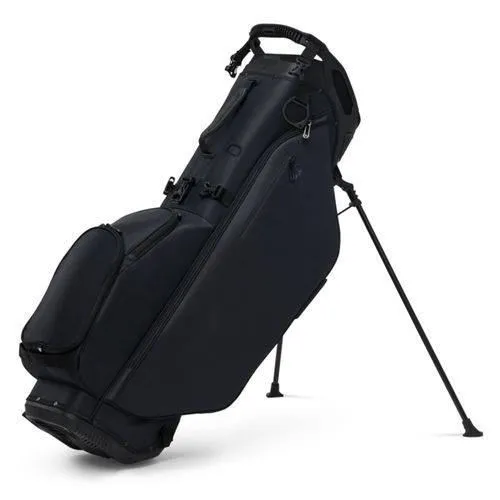
Always store your golf bag in the upright vertical position, which is its natural designed orientation that the manufacturer engineered to support the bag's full weight distribution. Vertical storage distributes weight evenly across the reinforced base, maintains the bag's designed structural shape, and prevents stress on side seams and attachment points that occurs when bags are stored on their sides. For stand bags, ensure the stand legs are fully retracted and locked in the closed position before storage to prevent spring fatigue from constant pressure. If your stand bag has a tendency to lean, position it against a wall or use a bag stand accessory that holds it securely upright. Cart bags should be stored upright on their reinforced bases, which are specifically designed to support the bag's full weight in this orientation indefinitely without deformation.
Environmental Controls for Home Storage Areas
Temperature and humidity control in your designated storage area prevents the most common forms of storage-related damage that golf bags experience. Avoid locations near heating vents, radiators, fireplaces, or exterior walls that experience temperature extremes and condensation during seasonal transitions. Maintain relative humidity below sixty percent to prevent mold and mildew growth that causes permanent staining and fabric deterioration. In naturally humid climates, a small dehumidifier in the storage room or silica gel desiccant packets placed strategically in the bag's pockets provide adequate moisture control at minimal cost. Consistent air circulation around the bag prevents musty odors and stagnant moisture accumulation that creates an environment favorable for biological growth on fabric and leather surfaces.
Off-Season Storage Preparation and Protocols
For golfers in climates with distinct seasonal changes that limit golf play for portions of the year, off-season storage may extend from several weeks to six months or more depending on geographic location. Proper preparation before placing your bag into extended storage is essential to prevent damage that can develop silently during months of inactivity, often becoming apparent only when the bag is removed for the new season and shows irreversible deterioration that could have been prevented with adequate preparation.
Pre-Storage Deep Cleaning Protocol
Before seasonal storage, perform a thorough deep cleaning of the entire bag that addresses every surface and compartment. Empty every pocket and compartment completely, examining each carefully for forgotten items such as tees, ball markers, spare gloves, or food wrappers that could cause staining, attract pests, or create pressure marks against interior fabric during months of storage. Vacuum the interior using a brush attachment to remove grass clippings, sand, seed debris, and other particulate matter that accumulated during the playing season and could abrade fabric surfaces during storage. Clean all exterior surfaces according to the material-specific procedures appropriate for your bag type, whether constructed from leather, nylon, polyester, or hybrid material combinations. Clean zippers thoroughly using a soft brush to remove grit and apply zipper lubricant to ensure smooth operation when the bag is returned to service after the storage period.
Material-Specific Conditioning Before Extended Storage
Apply a generous conditioning treatment appropriate to your bag's specific construction materials before committing it to extended seasonal storage. Leather bags should receive a full conditioning application that replenishes natural oils that will gradually evaporate during months of storage, preventing the drying and cracking that renders leather bags unserviceable. Synthetic fabric bags benefit from a fabric protector spray application that maintains water resistance and UV protection through the storage period. All metal hardware should be wiped with a light oil coating to prevent corrosion that develops even in seemingly dry storage environments. Allow all conditioning and protective treatments to fully absorb and dry completely before proceeding with the final storage preparation steps.
Internal Support and Shape Maintenance
Stuff the main compartment and all accessible pockets with acid-free tissue paper, clean cotton cloth, or specialized bag support forms designed for this purpose. This internal filling prevents the bag from collapsing under its own weight, developing permanent creases along fold lines, or losing its designed structural shape during extended periods of non-use. The internal filling also helps absorb residual moisture that may be present and maintains air circulation within the bag's interior, preventing the stagnant conditions that promote mold growth. Avoid using newspaper as filling material, as the printing ink can transfer to interior fabrics under pressure and humidity, causing permanent staining. For bags with rigid internal frames, divider systems, or structural support elements, the internal filling provides crucial support that prevents these components from shifting or deforming under sustained load over months of storage.
Protective Covering for Storage
Cover the prepared bag with a breathable storage bag, cotton pillowcase, or specially designed golf bag cover that protects from dust accumulation while allowing continuous air circulation. Never use sealed plastic bags or airtight wraps for long-term storage, as they trap moisture that inevitably leads to mold growth and adhesive failure within the sealed environment. A breathable fabric cover provides excellent dust protection while maintaining the continuous air exchange necessary for healthy storage conditions that prevent biological growth and material degradation. If your bag came with an original dust bag or storage sack from the manufacturer, this is typically ideal for the purpose as it was designed specifically for your bag's dimensions and material requirements.
Garage and Outdoor Storage Considerations
While indoor climate-controlled storage is ideal for golf bag preservation, practical realities often require garage or semi-outdoor storage for golf bags in many households. These environments present specific environmental challenges that must be addressed through deliberate protective measures and strategic positioning to prevent damage that would not occur in controlled indoor conditions.
Moisture Management on Concrete Floors
Concrete floors transmit significant moisture through capillary action from the ground below, even when the surface appears completely dry to the touch. This transmitted moisture wicks into golf bag bases upon direct contact, causing material deterioration, mold growth in fabric layers, and rapid metal hardware corrosion. Always elevate your golf bag above the concrete floor using a wall-mounted holder, sturdy shelving unit, or dedicated bag stand that provides at least six inches of clearance. Even this modest elevation dramatically reduces moisture exposure and prevents the most common form of garage storage damage. For added protection in particularly damp garages, place a moisture barrier such as a rubber mat between the bag base and any shelf surface to provide an additional layer of moisture isolation.
Temperature Fluctuation and Chemical Exposure Management
Garages often store chemicals, solvents, fertilizers, automotive fluids, and other household products that release volatile organic compounds into the enclosed air space. These chemical vapors can degrade synthetic fabrics, discolor materials, and break down the adhesives used in golf bag construction over time. Store your golf bag as far from chemical storage areas as physically possible, ideally in a sealed cabinet or covered area that provides a partial air barrier between the bag and the contaminated garage atmosphere. In unheated garages, the natural temperature fluctuations between summer heat and winter cold cause material expansion and contraction cycles that weaken seams, fatigue adhesives, and stress structural components over time. An insulated garage or one with basic climate control significantly reduces these thermal cycling effects and extends bag life considerably.
Wall-Mounted Storage Systems for Garage Applications
Wall-mounted golf bag storage systems provide excellent solutions for garage environments, addressing the moisture, organization, and accessibility concerns simultaneously. These systems elevate the bag off the concrete floor, keep it organized and immediately accessible, and free valuable floor space for other garage functions. Choose systems that support the bag in its upright vertical position and include padding at contact points to prevent scratches and pressure marks on the bag exterior. Install the mounting system at a height that allows easy loading and removal without requiring excessive lifting or awkward positioning that could damage the bag or cause personal injury. Multiple-bag mounts are available for golfers with several bags in rotation, keeping the entire collection organized and protected in a single dedicated area.
Travel and Transport Storage Best Practices
Transporting your golf bag to and from the course, on road trips to distant tournaments, or through air travel creates temporary storage conditions that require specific attention and protective measures. The vibration, temperature changes, and rough handling during transport subject your bag to stresses that differ significantly from stationary storage conditions and can cause unique forms of damage if not properly managed.
Vehicle Transport Storage Guidelines
When transporting golf bags in personal vehicles, secure them firmly to prevent sliding, tipping, or rolling during transit that causes impacts against hard surfaces and other equipment in the vehicle. A bag that tumbles around freely in a trunk or back seat experiences repeated impacts that cause cosmetic damage, broken zippers, and structural stress on seams and attachment points. Use trunk organizers, seat belt restraints, or dedicated bag holders to keep the bag completely secure during transit. In hot climates, never leave golf bags in closed vehicles for extended periods, as interior temperatures can exceed one hundred sixty degrees Fahrenheit in direct sunlight, causing adhesive failure, fabric warping, and damage to any heat-sensitive items stored in pockets including electronics and certain types of golf balls.
Storage Strategies for Apartments and Small Spaces

Not every golfer has access to a dedicated golf room or spacious garage for equipment storage. Apartment dwellers and those with limited storage space can still protect their golf bags effectively with creative solutions that maximize protection while minimizing the physical footprint required for proper storage.
Closet and Corner Solutions for Limited Spaces
A standard bedroom or hallway closet provides adequate storage for one or two golf bags when organized efficiently and thoughtfully. Install a dedicated shelf at the appropriate height for your bag type or use the closet floor with a protective mat underneath to prevent base abrasion. Corner spaces in bedrooms or living areas can accommodate a single bag with minimal visual impact when positioned strategically. Choose a bag cover in a neutral color that complements your interior decor scheme, transforming the golf bag from a conspicuous piece of sports equipment into an unobtrusive presence that does not dominate the living space aesthetically.
Under-Bed and Horizontal Storage Options
For extremely space-constrained environments where vertical storage is not possible, specialized flat golf bag storage containers slide under standard beds, utilizing otherwise wasted space efficiently. These low-profile containers protect the bag from dust and physical damage while keeping it accessible for regular retrieval. Remove clubs before horizontal storage to reduce the overall profile height and minimize stress on bag seams. Some manufacturers now offer specifically designed collapsible golf bags that fold to half their normal volume when not in use, addressing the storage challenge at the product design level rather than requiring aftermarket solutions.
Maintenance During Storage Periods
Even properly stored golf bags benefit significantly from periodic inspection and light maintenance during extended storage periods. These brief check-ins prevent small issues from developing into significant problems that require expensive professional repair and ensure your bag is ready for immediate use when the new season begins without requiring a full restoration process.
Monthly Inspection Checklist for Stored Bags
During extended storage periods exceeding one month, perform a brief but thorough inspection every four to six weeks to catch developing issues early. Check all surfaces for any signs of mold or mildew growth, particularly in humid climates where spores can germinate even in well-prepared storage conditions. Examine all metal hardware including zippers, buckles, and rivets for any indication of surface corrosion that should be addressed immediately. Verify that internal support materials remain in their intended positions and have not shifted under gravity over time. Smell the interior carefully for any musty odors that indicate moisture issues requiring immediate intervention. These brief inspections take less than five minutes per bag but provide crucial early detection of problems that could escalate rapidly if left unaddressed for the full storage duration.
Re-Conditioning During Extended Storage
For storage periods exceeding three months, plan a mid-storage conditioning session to replenish protective elements that have gradually diminished. Remove the bag from its protective cover, inspect all surfaces thoroughly, and apply a light conditioning treatment to leather bags or fabric protector spray to synthetic bags. This mid-storage treatment replenishes protective elements that diminish over time and addresses any moisture that may have accumulated despite preventive measures. Replace desiccant packets that have become saturated and refresh internal stuffing materials that may have compressed, ensuring continued shape support and moisture absorption capacity throughout the remaining storage period.
By implementing these comprehensive storage strategies tailored to your specific living situation and climate conditions, you ensure that your golf bag remains in optimal condition throughout every storage period, ready to perform at its best whenever you tee it up for your next round. Proper storage represents the simplest and most cost-effective form of golf bag maintenance available, requiring minimal investment of time and resources while delivering maximum protection for your valuable golf equipment investment over the long term.
Frequently Asked Questions
Should I store my golf bag horizontally or vertically?
Always store your golf bag vertically in its natural upright position. Horizontal storage puts uneven pressure on seams, distorts the bag shape, and can damage the stand mechanism on stand bags.
How do I prepare my golf bag for winter storage?
Clean thoroughly, apply conditioner or fabric treatment, remove all items, stuff with acid-free tissue, and store in a breathable cover in a climate-controlled area between fifty and seventy degrees Fahrenheit.
Can I store my golf bag in the garage?
Garage storage is possible but requires precautions. Keep the bag off the concrete floor using a wall mount or shelf, protect from temperature extremes, and use a breathable cover to prevent dust accumulation.
How long can I store a golf bag without using it?
With proper preparation and conditions, a quality bag can be stored for six to twelve months without damage. For longer periods, inspect and re-condition every three to four months.
Is it okay to store clubs inside during long-term storage?
For short-term storage, leaving clubs in is acceptable. For long-term seasonal storage, remove clubs to reduce weight stress and prevent metal heads from creating pressure points.
What temperature is best for storing a golf bag?
The ideal storage temperature is fifty to seventy degrees Fahrenheit with relative humidity between forty and fifty percent. Avoid freezing, extreme heat, or rapid temperature cycling.
Ready to Start Your Custom Golf Bag Project?
Partner with a BSCI & ISO 9001:2015 certified factory producing 200,000+ premium golf bags annually. MOQ just 100 pieces.
Get a Free Quote Today