How to Fix a Zipper on a Golf Bag 2026: Complete Repair Guide
Table of Contents
Understanding Golf Bag Zipper Systems in 2026
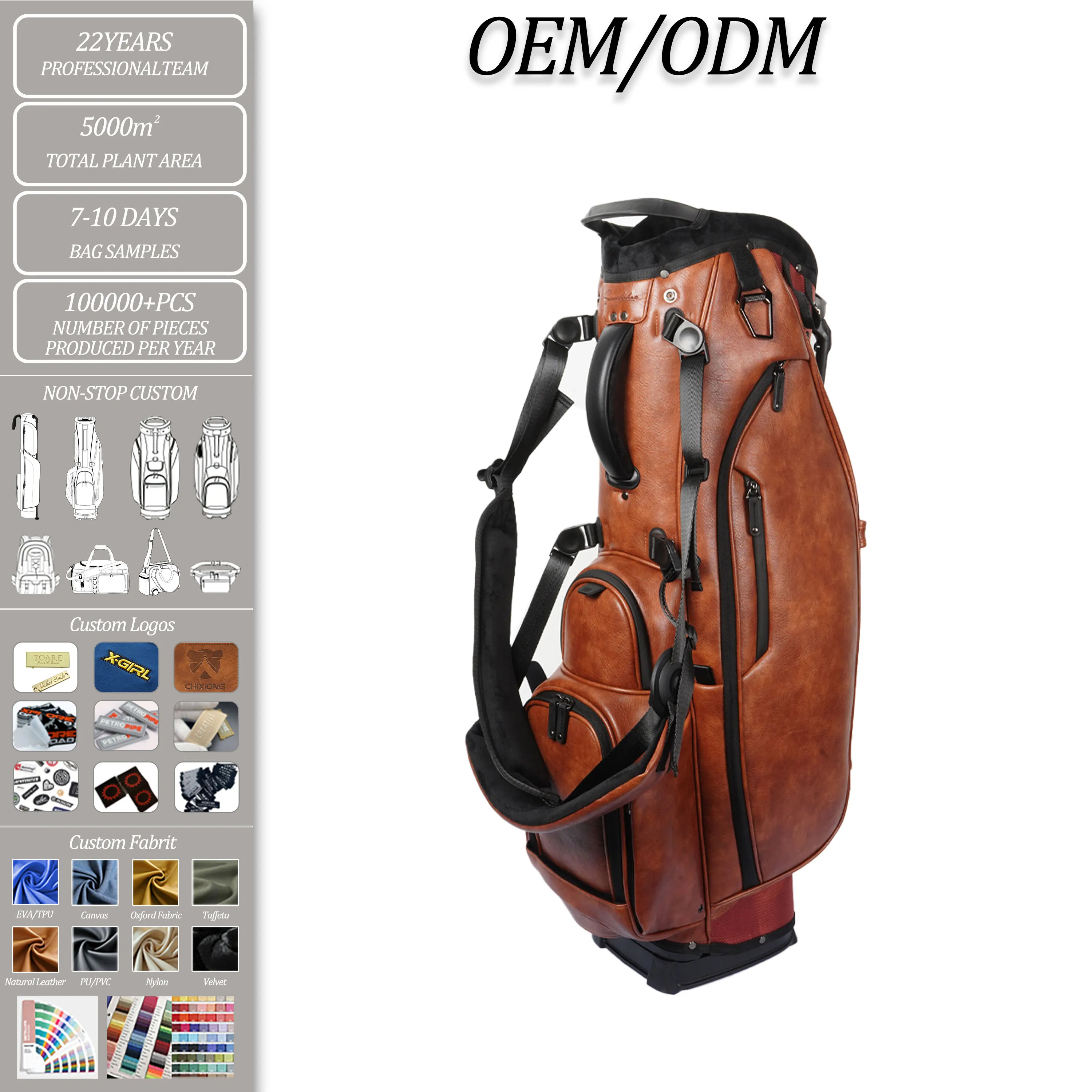
Zippers represent the single most failure-prone component on any golf bag, serving as the primary access point for every pocket, compartment, and storage area while simultaneously enduring the harshest operating conditions that any bag component experiences. From the abrasive environment of golf course sand and grass debris to constant exposure to moisture, temperature extremes, and the mechanical stress of repeated opening and closing throughout every round, zippers face a demanding service environment that inevitably leads to wear and eventual failure if not properly maintained and promptly repaired. In 2026, golf bag manufacturers have made significant advances in zipper technology, incorporating corrosion-resistant materials, self-cleaning track designs, and reinforced construction techniques that extend service life considerably compared to bags from just five years ago. However, even the most advanced zipper systems eventually require maintenance or repair, making knowledge of zipper diagnosis and repair an essential skill for every golfer who wants to maximize the useful life of their equipment investment.
At our manufacturing facility, where we produce over 200,000 golf bags annually across eight dedicated production lines, zipper installation and quality testing represents one of the most critical and closely monitored stages of our production process. Each bag we manufacture incorporates between twelve and twenty individual zippers of varying sizes and configurations, and every single zipper undergoes functional testing before the bag leaves our facility. This extensive experience with zipper systems across hundreds of thousands of production units has given us deep insight into the common failure modes, effective repair techniques, and preventive maintenance strategies that keep golf bag zippers functioning smoothly throughout their service life.
This comprehensive repair guide covers every type of zipper problem commonly encountered on golf bags, from simple slider adjustments to complete zipper replacement, with step-by-step instructions that any golfer with basic mechanical aptitude can follow. Our goal is to empower you to handle zipper repairs yourself in most cases, saving both the cost and inconvenience of professional repair services or premature bag replacement when a simple repair would restore full functionality.
Diagnosing Common Zipper Problems
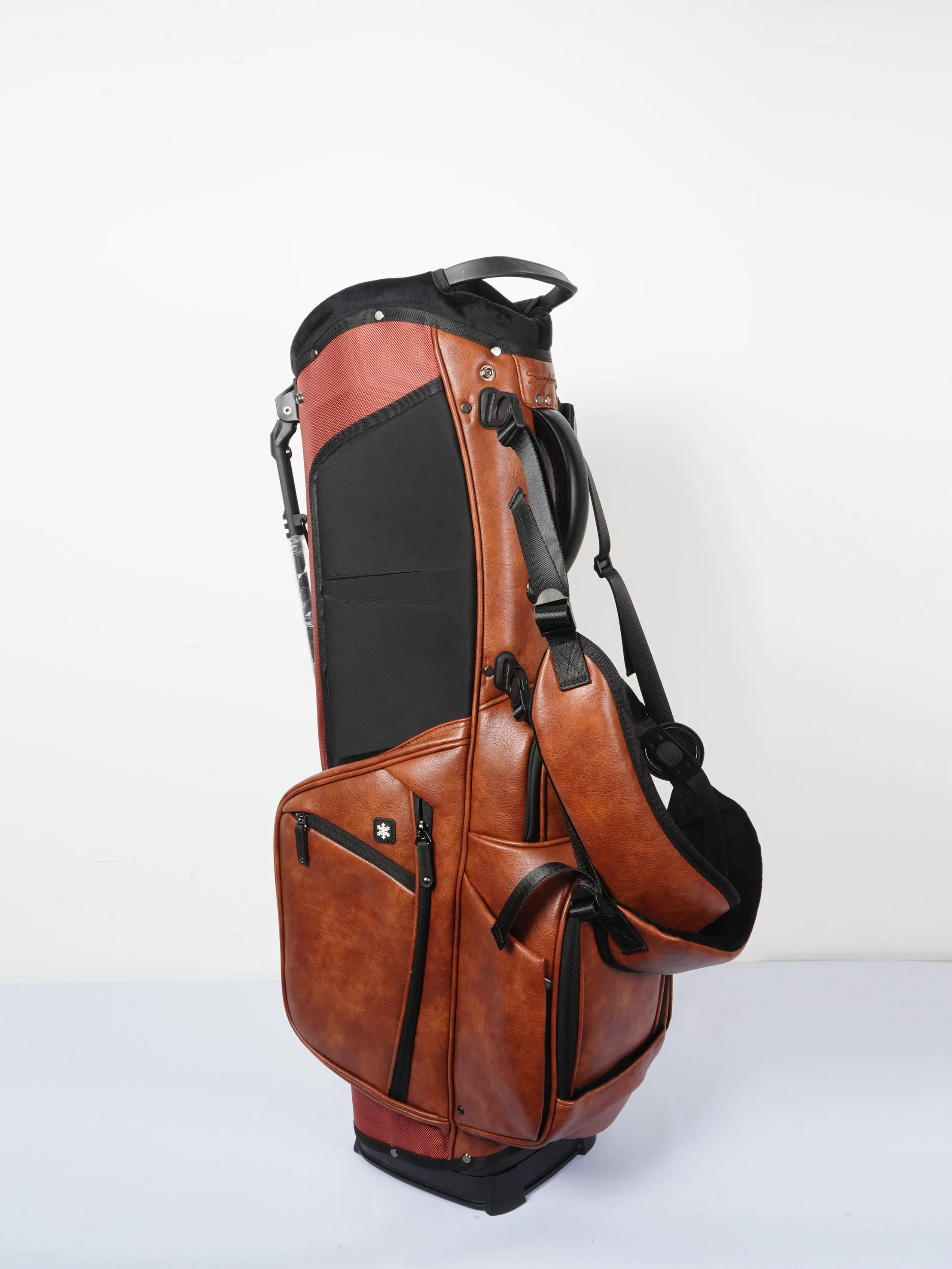
Before attempting any repair, accurately diagnosing the specific type and cause of zipper failure is essential for selecting the correct repair approach. Golf bag zippers fail in predictable patterns that can be categorized into distinct problem types, each requiring a different solution. Attempting the wrong repair technique wastes time and may cause additional damage, making proper diagnosis the critical first step in any zipper repair process.
Slider Malfunction: The Most Common Failure
The zipper slider is the moving component that engages the teeth and joins or separates them as it travels along the track. Slider malfunction is by far the most common zipper problem on golf bags, typically manifesting as the zipper failing to close properly with teeth remaining separated behind the slider, the slider moving with excessive looseness allowing the zipper to separate spontaneously, or the slider becoming extremely difficult to move indicating internal obstruction or deformation. Slider problems are caused by the gradual widening of the slider's internal channel through wear, which reduces the pressure that forces teeth together as they pass through. Dirt and debris accumulation inside the slider channel also prevents proper tooth engagement. These slider problems are almost always repairable without replacing the entire zipper, making slider repair or replacement the most valuable zipper repair skill for golf bag owners to develop.
Track and Tooth Damage
Zipper teeth can become bent, missing, or separated from the fabric tape, creating gaps that prevent the slider from engaging properly. Coil zippers, which use a continuous spiral of nylon or polyester monofilament, can develop sections where the coil separates from the stitching that holds it to the fabric tape. Metal tooth zippers can develop individual bent or missing teeth that create obstructions for the slider. Tooth damage is more serious than slider problems and may require professional repair or complete zipper replacement depending on the extent and location of the damage. However, many tooth problems can be addressed at home with patience and the right techniques described in the following sections.
Separation and Off-Track Issues
Complete zipper separation occurs when the slider exits the tooth track entirely, typically at the bottom stop or at a point where teeth are damaged or missing. This problem is common on golf bags when the zipper is forced past an obstruction, catching a tooth and pulling the slider off the track. Off-track zippers can usually be re-threaded onto the track with careful manipulation, though the process requires patience and understanding of the slider's internal mechanism. Repeated off-track incidents usually indicate an underlying problem such as a worn slider, damaged teeth, or misaligned track that should be addressed to prevent recurrence.
How to Replace a Zipper Slider
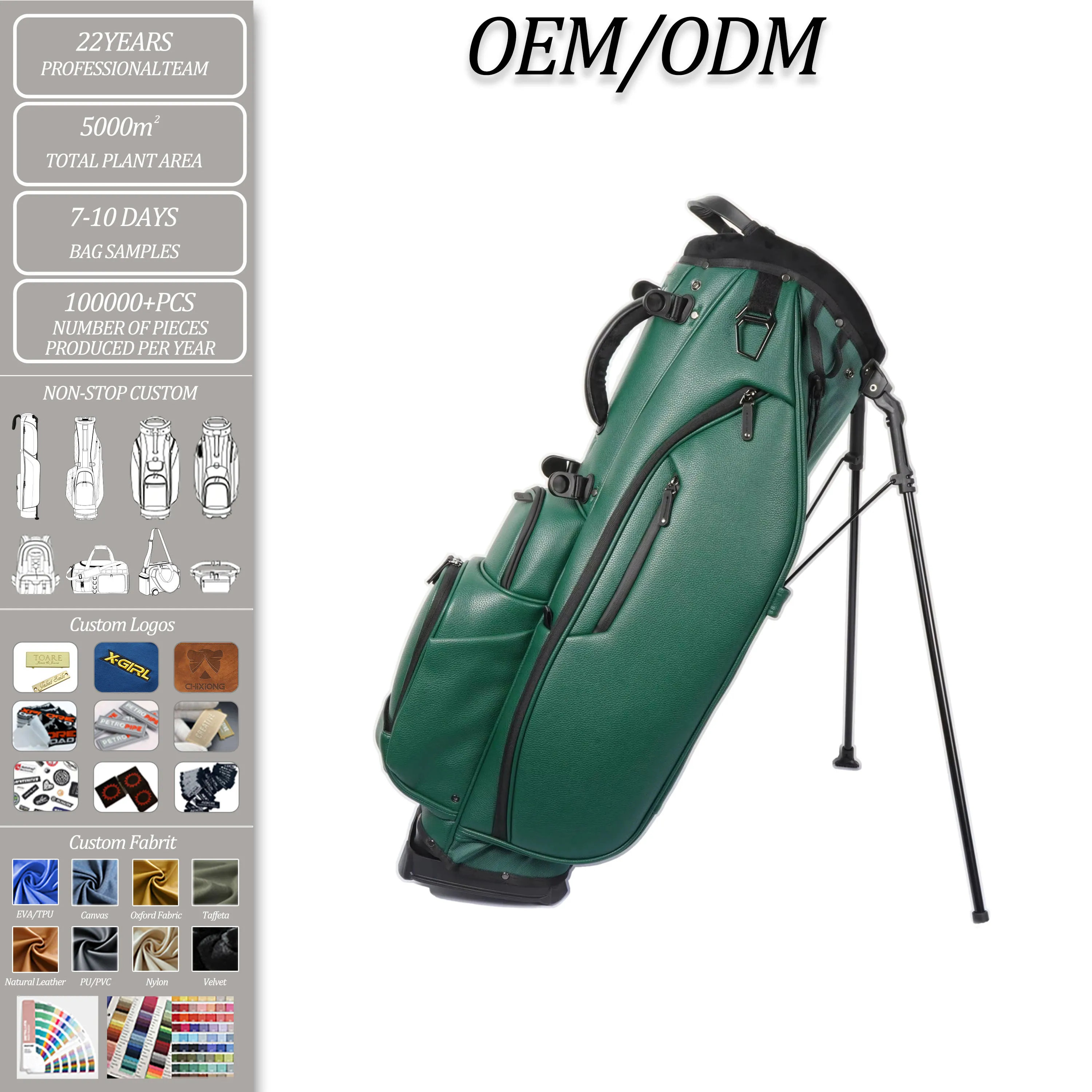
Slider replacement is the most common and generally the most successful zipper repair performed on golf bags. When the slider has worn to the point that it no longer presses the teeth together firmly, replacing it with a new slider of the correct size and type restores full functionality without requiring replacement of the entire zipper assembly. This repair works because the zipper teeth and track remain intact while only the moving engagement component has worn beyond serviceability.
Identifying the Correct Replacement Slider
Before purchasing a replacement slider, you must determine the exact size and type of your golf bag zipper. Golf bags typically use number eight or number ten coil zippers for standard pockets, with number five zippers used for smaller accessory pockets. Check the back of the existing slider for an embossed size number. If the number is worn unreadable, measure the width of the zipper chain (the toothed portion) with calipers or a precise ruler: approximately ten millimeters indicates number eight, twelve millimeters indicates number ten. You must also determine whether your zipper is a coil type (nylon spiral teeth) or tooth type (individual metal or plastic teeth), as sliders are designed for one type and are not interchangeable between types. Most golf bags use coil zippers for their flexibility and smooth operation.
Slider Removal Process
To remove the old slider, first position the slider near the top of the zipper track. If the zipper has a top stop preventing removal, you will need to carefully remove it using needle-nose pliers or a small flathead screwdriver to pry the stop open or cut it away. On many golf bag zippers, the top stop is integrated into the seam where the zipper tape is sewn into the bag. In this case, use a seam ripper to carefully release a few stitches at the top of the zipper, creating enough opening to slide the old slider off the track. Take photographs of the original configuration before disassembly to serve as a reference during reassembly. Once the old slider is removed, inspect the zipper teeth and track carefully for any damage that should be addressed before installing the new slider.
New Slider Installation
Thread the new slider onto the zipper track from the top, ensuring that both sides of the zipper tape enter the slider through the correct channels. The slider has a specific orientation with the pull tab facing outward and the internal pin aligned with the gap between the two rows of teeth. Push the slider gently but firmly onto the track until it engages fully. Test the slider by moving it up and down the track several times, verifying that the teeth engage properly and the zipper closes and opens smoothly. If the slider feels excessively tight, apply a small amount of silicone lubricant to the track and work the slider back and forth to distribute it evenly. Once the slider operates smoothly, replace the top stop or re-sew the seam to prevent the slider from accidentally departing the track during future use.
Repairing Damaged Zipper Teeth
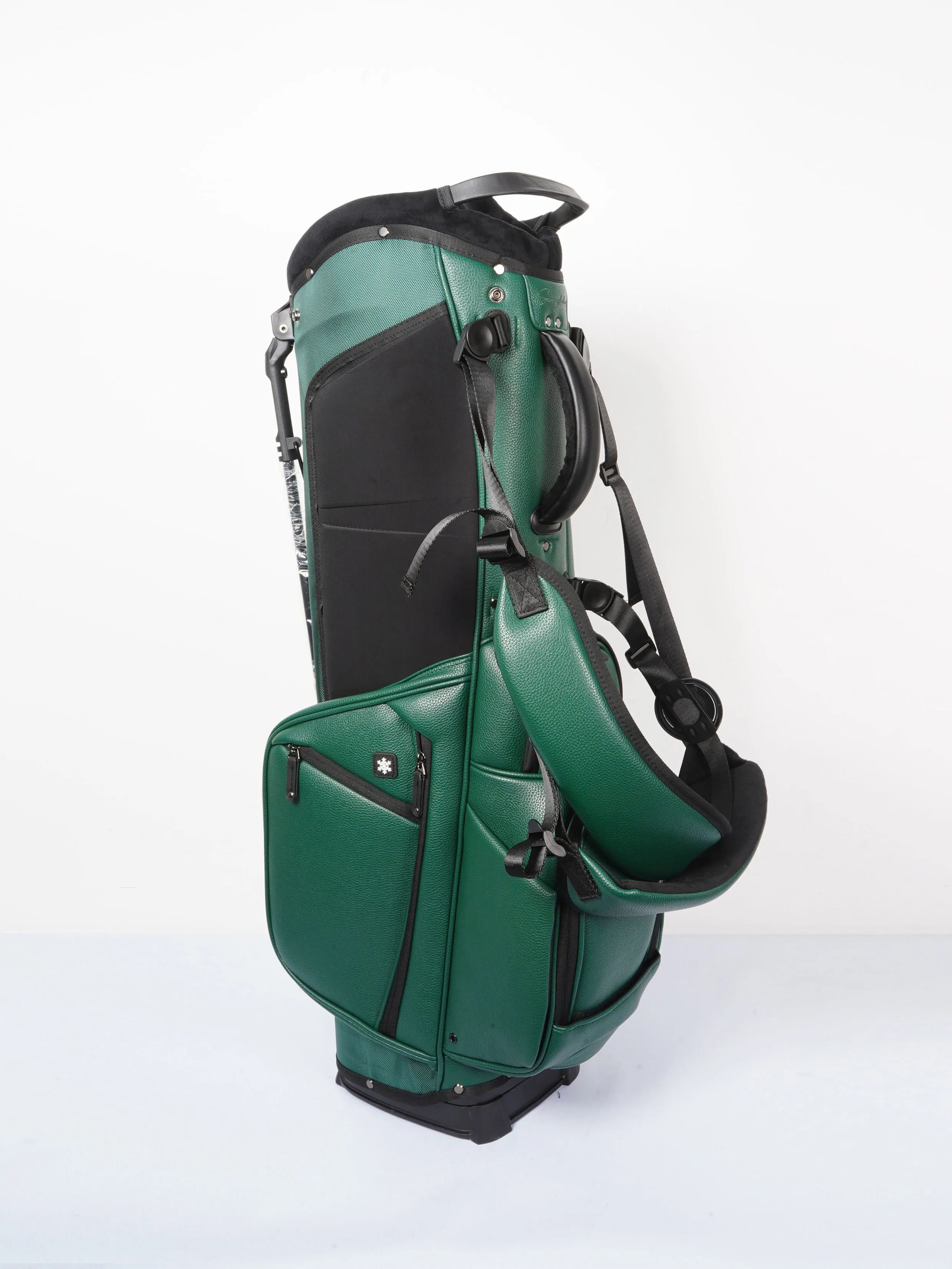
Zipper tooth damage requires more careful repair than slider issues but can often be addressed successfully at home, particularly on coil zippers where the continuous spiral design allows for creative repair approaches that are not possible with individual-tooth metal zippers.
Fixing Bent Teeth on Metal Zippers
Individual bent teeth on metal zippers can often be straightened using needle-nose pliers and careful manipulation. Examine each damaged tooth and gently bend it back to its original position, matching the angle and alignment of adjacent undamaged teeth. Work slowly and make small adjustments, as metal fatigue from repeated bending can cause teeth to break off entirely. After straightening, run the slider over the repaired section carefully to verify smooth operation. If multiple teeth in the same area are severely bent or broken, the repair may not hold, and professional zipper replacement becomes the more reliable solution.
Reattaching Separated Coil on Coil Zippers
On coil zippers, the nylon monofilament coil can separate from the stitching that holds it to the fabric tape, creating a section where teeth do not engage properly. This can often be repaired by re-sewing the coil to the tape using a heavy-duty needle and upholstery thread. Work in short sections, stitching through the coil and tape with tight, closely spaced stitches that replicate the original factory construction. This repair requires patience and a steady hand but can restore full functionality to damaged sections of coil zippers without requiring complete zipper replacement. Apply a small amount of fabric glue to the repaired section after sewing to provide additional bonding security and prevent the repair stitches from loosening during use.
Fixing Separated and Off-Track Zippers
When a zipper slider comes completely off the track, re-threading it requires understanding how the slider's internal mechanism engages the teeth. The slider contains a central pin that separates the two rows of teeth as the slider moves, and a Y-shaped channel that forces the teeth to interlock as they exit the back of the slider. Understanding this mechanism makes the re-threading process logical rather than frustrating.
Re-Threading an Off-Track Slider
Begin by ensuring both sides of the zipper tape are aligned and the teeth are in good condition along the entire track. Insert one side of the zipper tape into the wider end of the slider, then carefully align and insert the second side, ensuring both sides enter through their correct channels on either side of the central pin. Once both sides are threaded through the slider, gently pull the slider forward while holding the two tape sides firmly. The teeth should begin interlocking as they pass through the slider's narrowing channel. If resistance is felt, stop immediately and check for misalignment or obstructions before continuing with force that could cause additional damage.
Replacing Broken Pull Tabs
The pull tab is the interface between your fingers and the entire zipper mechanism, and as such it experiences concentrated force and friction with every operation. Over years of daily use, the attachment hole in the slider can elongate, pull tabs can fracture at stress points, and fabric tabs can fray and separate from their attachment hardware. While pull tab failures are the least structurally significant of all zipper problems, they create immediate operational inconvenience that should be addressed promptly. due to the combination of frequent use, exposure to weather, and the force required to operate stiff or obstructed zippers. While a broken pull tab does not affect the zipper's ability to open and close, it makes operation difficult or impossible without a replacement. Fortunately, pull tab replacement is one of the simplest zipper repairs and can be accomplished in seconds using either manufacturer-specific replacement pulls or improvised solutions.
Replacement Pull Options
The slider has a small hole or loop where the pull tab attaches. Replacement pulls are available in metal, plastic, and fabric varieties, with cord-style pulls being the most popular for golf bags due to their ease of grip even with golf gloves. Simply thread the new pull through the slider hole and secure it according to the pull's attachment mechanism. In a pinch, a small keyring, zip tie, or length of paracord threaded through the slider hole serves as an effective temporary pull tab until a proper replacement can be sourced. Many golfers customize their bag pulls with branded paracord or leather tabs that add personal style while providing excellent functional grip.
Preventive Maintenance to Avoid Zipper Failures
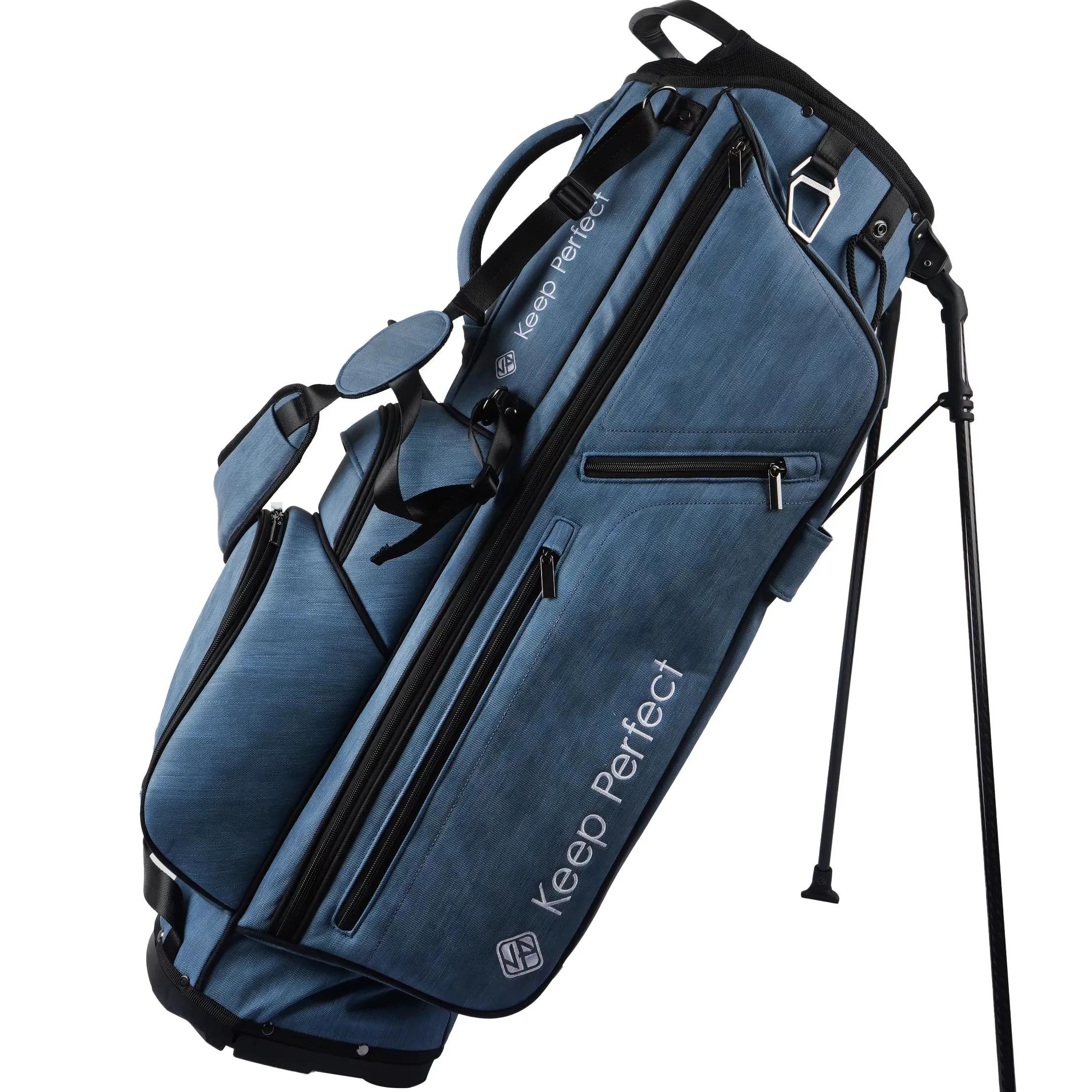
The most effective zipper repair is the one that never becomes necessary. Implementing a simple preventive maintenance routine dramatically reduces the frequency of zipper failures and extends the service life of your golf bag's zipper systems by factors of two to three times compared to bags that receive no zipper maintenance throughout their use.
Regular Cleaning and Lubrication Protocol
Clean zipper tracks every four to six weeks during active use by running a soft-bristle brush along both sides of the track to dislodge accumulated dirt, sand, and grass debris that creates abrasion and obstruction. After cleaning, apply a small amount of silicone-based zipper lubricant to the track by running the lubricant applicator along the teeth on both sides. Work the slider back and forth several times to distribute the lubricant evenly through the slider's internal channel. This simple two-minute maintenance task per zipper prevents the vast majority of slider and track problems by keeping the engagement surfaces clean and properly lubricated.
Operating Best Practices
Never force a zipper that encounters resistance. Stop immediately, identify the obstruction (typically accumulated debris, a fabric edge caught in the track, or a misaligned tooth), clear it carefully, and then continue operation smoothly. Forcing a zipper past an obstruction is the single most common cause of immediate zipper damage on golf bags, bending teeth, breaking sliders, and tearing zipper tape in a single forceful motion that could have been prevented by pausing to address the obstruction. Develop the habit of operating zippers with smooth, controlled pressure rather than quick, forceful yanks that create impact loads on the zipper components.
Seasonal Zipper Maintenance Schedule
Establishing a consistent seasonal maintenance schedule for all golf bag zippers ensures that problems are identified and addressed before they cause functional failures during play. At the beginning of each golf season, perform a comprehensive zipper inspection and maintenance session that addresses every zipper on the bag systematically. Clean all tracks thoroughly with a soft brush, apply fresh silicone lubricant to each zipper, test operation of every zipper through multiple complete cycles, and note any that feel rough or resistant for targeted attention. Repeat this maintenance protocol mid-season after approximately fifty rounds of play, and perform a final inspection before seasonal storage to ensure all zippers are clean, lubricated, and functioning properly before the bag enters dormancy.
Professional golf tour caddies perform zipper maintenance as part of their daily bag preparation routine, a practice that professional equipment managers recommend for all serious golfers who depend on their equipment performing reliably during every round. The two minutes invested in zipper maintenance per bag per session is among the highest-return maintenance activities available, preventing the frustrating and potentially costly zipper failures that disrupt play and require emergency repair or bag replacement under time pressure.
By mastering these zipper repair techniques and implementing preventive maintenance habits, you will keep your golf bag's zippers functioning smoothly throughout their service life and avoid the frustration and cost of premature zipper failure. Contact our manufacturing team for replacement zipper parts and technical guidance through our website or WhatsApp at plus 8617750020688 if you need assistance sourcing parts for bags manufactured in our facility.
Frequently Asked Questions
What causes golf bag zippers to break?
Golf bag zippers fail primarily due to dirt accumulation in tracks, metal fatigue from repeated use, corrosion from moisture exposure, and forced operation when obstructions are present. Golf course environments with sand, grass, and moisture accelerate wear.
Can I replace just the zipper slider without replacing the entire zipper?
Yes, in most cases you can replace just the slider if the zipper teeth and track are intact. Slider replacement is the most common zipper repair and can be completed with basic tools in fifteen to thirty minutes.
What size zipper slider do I need for my golf bag?
Golf bags typically use number eight or number ten coil zippers. Check the back of the existing slider for the size number. If unreadable, measure the zipper chain width: approximately ten millimeters for number eight, twelve millimeters for number ten.
How do I prevent zipper problems on my golf bag?
Clean zipper tracks regularly with a soft brush, apply silicone lubricant monthly, never force a zipper past obstructions, and store the bag in dry conditions to prevent corrosion. These simple habits prevent most zipper failures.
Should I repair or replace a completely broken zipper?
For minor damage to sliders or pulls, repair is cost-effective. For completely broken zippers with damaged teeth across long sections, professional replacement is recommended. Our factory can provide replacement zippers for bags we manufacture.
What tools do I need to fix a golf bag zipper?
Basic zipper repair requires needle-nose pliers, a small flathead screwdriver, silicone lubricant, replacement slider matching your zipper size, and possibly a seam ripper if the zipper end stop needs replacement.
Ready to Start Your Custom Golf Bag Project?
Partner with a BSCI & ISO 9001:2015 certified factory producing 200,000+ premium golf bags annually. MOQ just 100 pieces.
Get a Free Quote Today