Golf Bag Strap Technology: The Complete Comfort Engineering Guide for 2026
Table of Contents
- Introduction: Why Strap Design Matters More Than You Think
- Evolution of Golf Bag Strap Design
- Single Strap vs Dual Strap Systems
- Padding Materials and Ergonomic Design
- Attachment Systems and Load Engineering
- Adjustment Mechanisms and Quick-Release Technology
- Manufacturing Process and Quality Standards
- Frequently Asked Questions
Introduction: Why Strap Design Matters More Than You Think
When golfers evaluate a new bag, they tend to focus on visible features like pocket layout, color scheme, divider configuration, and overall aesthetics. The strap system, by contrast, receives far less attention during the purchasing decision. Yet it is the strap system that determines whether a golfer can comfortably carry their equipment for four to five hours over 18 holes, covering 6 to 8 kilometers of walking. A poorly designed strap can cause shoulder pain, back fatigue, and even long-term musculoskeletal issues, transforming what should be an enjoyable round into an uncomfortable ordeal.
From a manufacturing perspective, the strap system is one of the most critical safety components of a golf bag. It must reliably support the full weight of a loaded bag, typically 12 to 18 kilograms, through thousands of loading and unloading cycles without failure. The attachment points must withstand forces significantly exceeding the static weight due to dynamic loading during walking, where each step generates impact forces of 1.5 to 2 times the static load. In this comprehensive guide, we explore every aspect of golf bag strap technology as it stands in 2026, from the evolution of strap design through the latest materials and engineering innovations.
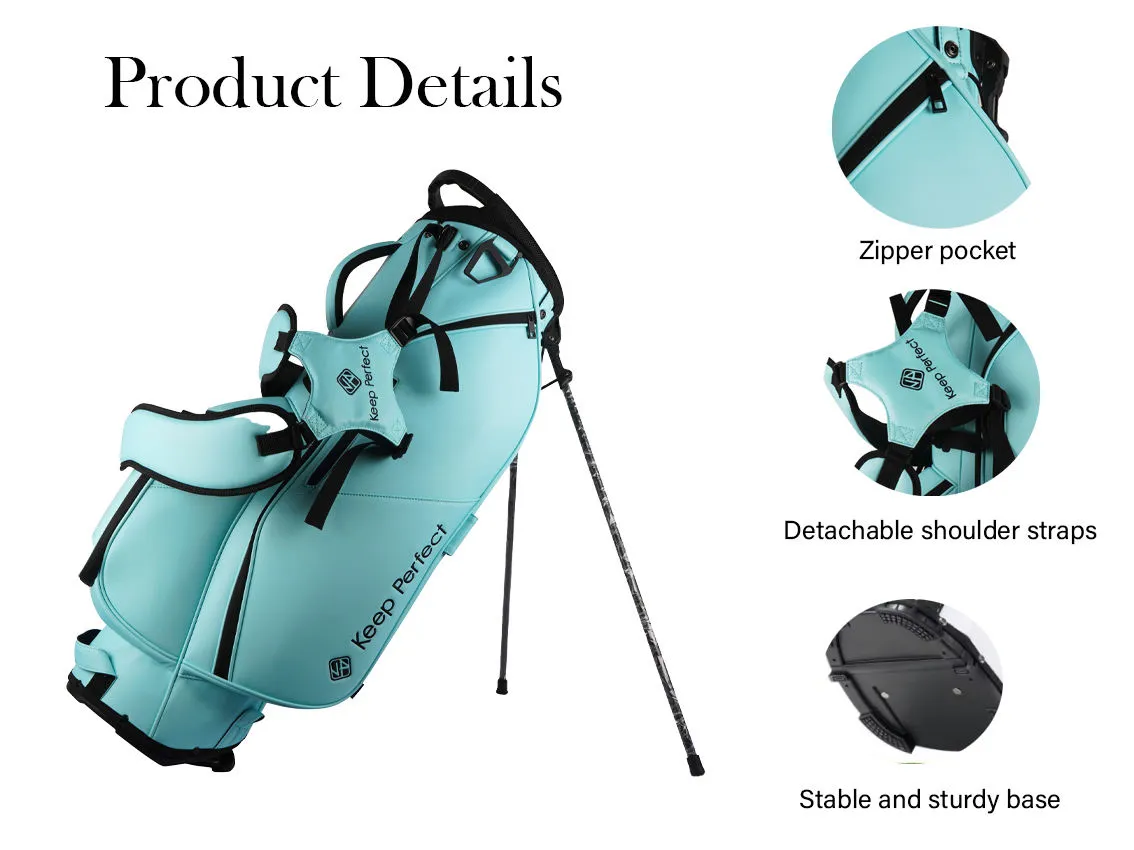
Understanding strap technology is particularly valuable for brand owners developing new products, as the strap system is a key differentiator in a competitive market. Golfers who walk the course develop strong preferences for specific strap configurations and will often remain loyal to brands that deliver superior carrying comfort. Our factory produces both single and dual strap configurations, and we have invested significantly in the ergonomic research and manufacturing expertise needed to create strap systems that set our products apart in terms of comfort and durability.
Evolution of Golf Bag Strap Design
The Early Days: Simple Single Straps
The earliest golf bag straps were rudimentary affairs: simple nylon webbing loops attached to the top of the bag with minimal padding and no adjustment mechanism. These basic straps served the simple purpose of allowing golfers to sling the bag over one shoulder for short walks between holes. However, as golf bags became heavier with the addition of more pockets, accessories, and full-length dividers, the limitations of simple strap designs became increasingly apparent.
The fundamental problem with single-shoulder carrying is uneven weight distribution. Carrying a 15-kilogram bag on one shoulder creates an asymmetric load that forces the spine into lateral flexion, leading to muscle fatigue in the trapezius, levator scapulae, and erector spinae muscle groups. Over the course of an 18-hole round lasting four to five hours, this asymmetric loading can cause significant discomfort and, over time, contribute to postural imbalances and chronic pain.
The Backpack Revolution: Dual Strap Systems
The introduction of dual strap systems in the late 1990s and early 2000s represented a paradigm shift in golf bag carrying comfort. By adopting the backpack-style two-strap configuration that had been proven in the hiking and mountaineering industries, golf bag manufacturers were able to distribute the bag weight more evenly across both shoulders and the upper back. This reduced the peak pressure on any single shoulder by approximately 40 to 50 percent and eliminated the asymmetric spinal loading that plagued single-strap designs.
The dual strap revolution also brought with it a host of associated innovations including sternum straps for load stabilization, adjustable torso length settings to accommodate different body types, and contoured shoulder pads that follow the natural curve of the shoulder. These refinements transformed the golf bag carrying experience from an endurance test into a genuinely comfortable proposition, enabling more golfers to choose walking over riding and reaping the associated health and enjoyment benefits.

The Modern Era: Hybrid and Adaptive Systems
In 2026, the golf bag strap market has evolved to offer a range of configurations that cater to different preferences and use cases. Many premium stand bags feature convertible strap systems that allow the golfer to switch between single and dual configurations depending on the round. A quick-release mechanism enables conversion in seconds, providing the versatility to use the faster single-strap configuration when speed is needed and the more comfortable dual-strap configuration for longer walks.
Single Strap vs Dual Strap Systems: Detailed Comparison
Single Strap Design and Use Cases
Single strap systems consist of one wide strap that crosses the body diagonally from one shoulder to the opposite hip. The strap typically measures 50 to 75 millimeters in width at the shoulder pad to distribute pressure over a wider area. The diagonal orientation helps prevent the strap from slipping off the shoulder during walking, and the single-strap configuration allows for faster bag removal and replacement compared to dual systems.
Single straps are most popular among golfers who use lightweight Sunday bags weighing less than 5 kilograms when loaded. For these ultra-lightweight setups, the simplicity and convenience of a single strap outweighs the comfort advantages of a dual system. Single straps are also preferred by golfers who frequently transition between walking and riding, as the bag can be quickly slid off the shoulder and onto a cart without the hassle of disconnecting multiple strap attachment points.
Dual Strap Design and Engineering
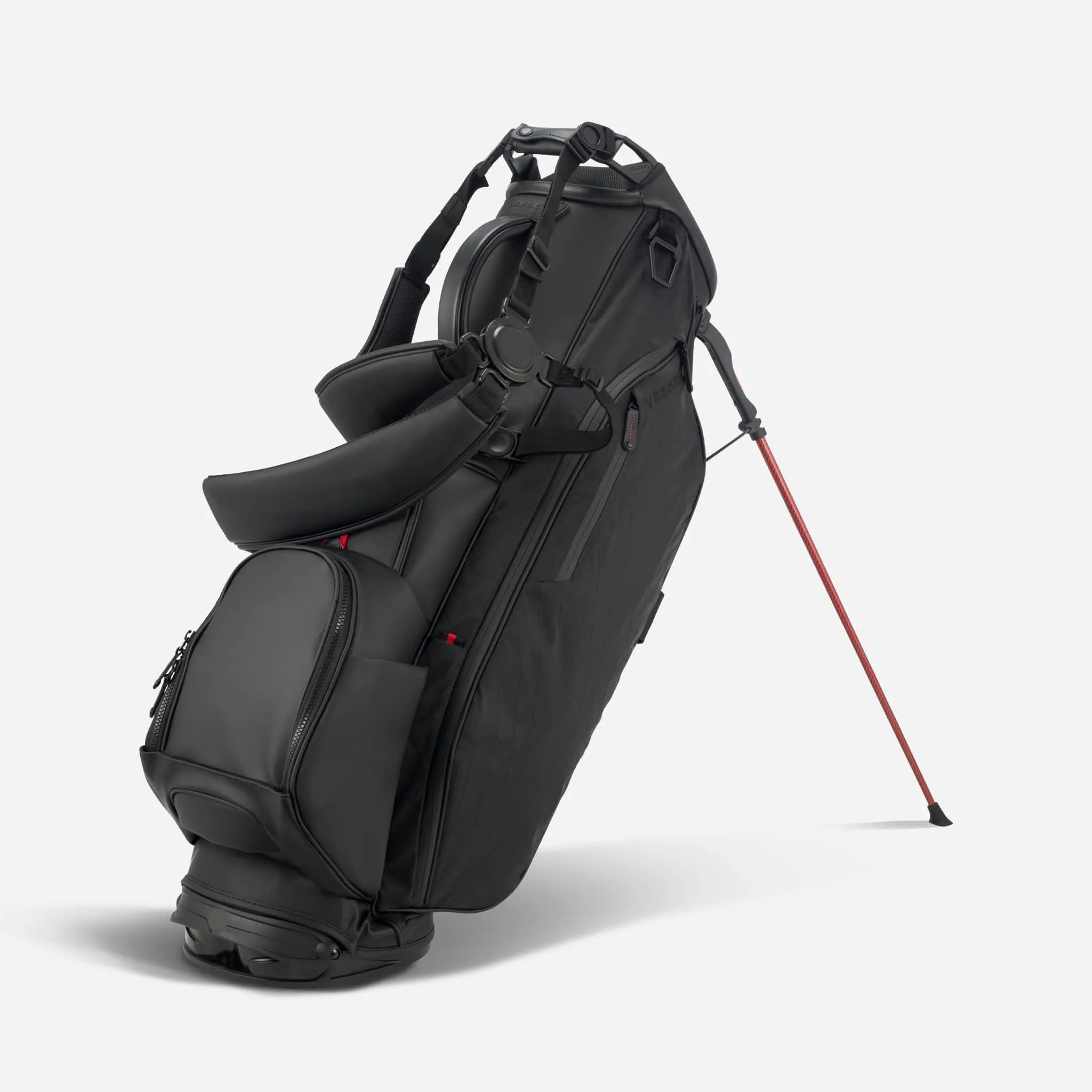
Dual strap systems feature two independent straps that attach to the bag at upper and lower anchor points, creating a four-point connection system. The upper straps connect near the top of the bag where the divider collar is located, while the lower straps attach to the mid-section or lower body of the bag. This four-point geometry creates a stable carrying platform that minimizes bag rotation and sway during walking.
The key engineering challenge in dual strap design is ensuring that both straps share the load equally. If one strap is tighter than the other, all the weight transfers to the shorter strap, creating the same asymmetric loading problem that dual straps are designed to eliminate. To address this, modern dual strap systems incorporate either a load-equalizing cross connector between the straps or a sternum strap that mechanically links the two shoulder straps across the chest, ensuring that load redistribution occurs automatically regardless of individual strap tension settings.
Convertible Strap Systems
The convertible strap system represents the best of both worlds. These systems feature two straps that can be used independently as a single diagonal strap or together as a dual shoulder system. The conversion mechanism typically involves a magnetic or clip-based quick-connect system at the upper attachment point that allows one strap to be repositioned from the dual configuration to the single configuration in approximately five seconds.
From a manufacturing standpoint, convertible strap systems are more complex to produce than either single or dual systems alone. The additional hardware for the quick-connect mechanism adds approximately 30 to 50 grams to the total strap weight and 1.50 to 2.50 USD to the manufacturing cost. However, the versatility they offer commands a premium retail price that more than compensates for the additional cost, making convertible systems increasingly popular in the mid-to-premium stand bag segment.
Padding Materials and Ergonomic Design
Memory Foam Padding
Memory foam (viscoelastic polyurethane foam) has become the gold standard for golf bag strap shoulder pads in 2026. This material, originally developed by NASA for spacecraft cushioning, offers the unique property of conforming to the shape of the wearer's shoulder under pressure and slowly returning to its original shape when the pressure is removed. This conforming behavior distributes the strap load over the maximum possible contact area, reducing peak pressure points that cause discomfort.
We use memory foam with a density of 60 to 80 kilograms per cubic meter for our premium strap padding. The foam is die-cut to match the contoured shape of the shoulder pad and bonded to a base layer of EVA foam that provides structural support. The combined thickness typically ranges from 8 to 15 millimeters, with thicker pads used for heavier bag categories and thinner pads for lightweight models. The memory foam layer accounts for approximately 35 to 50 percent of the cost of the complete shoulder pad assembly.
EVA Foam Support Layer
Beneath the memory foam contact layer, a firmer EVA foam support layer provides the structural backbone of the shoulder pad. Without this support layer, the memory foam would compress fully under heavy loads, bottoming out and creating concentrated pressure points. The EVA foam is selected with a density of 100 to 150 kilograms per cubic meter, significantly firmer than the memory foam above, to prevent excessive compression while still providing some cushioning benefit.
The EVA support layer is also responsible for maintaining the contoured shape of the shoulder pad. We thermoform the EVA layer into a gentle S-curve that follows the natural contour of the shoulder and upper trapezius muscle. This pre-formed contour ensures that the pad sits correctly on the shoulder without requiring the strap to be pulled excessively tight, which would otherwise create additional discomfort.
Breathable Mesh Covers
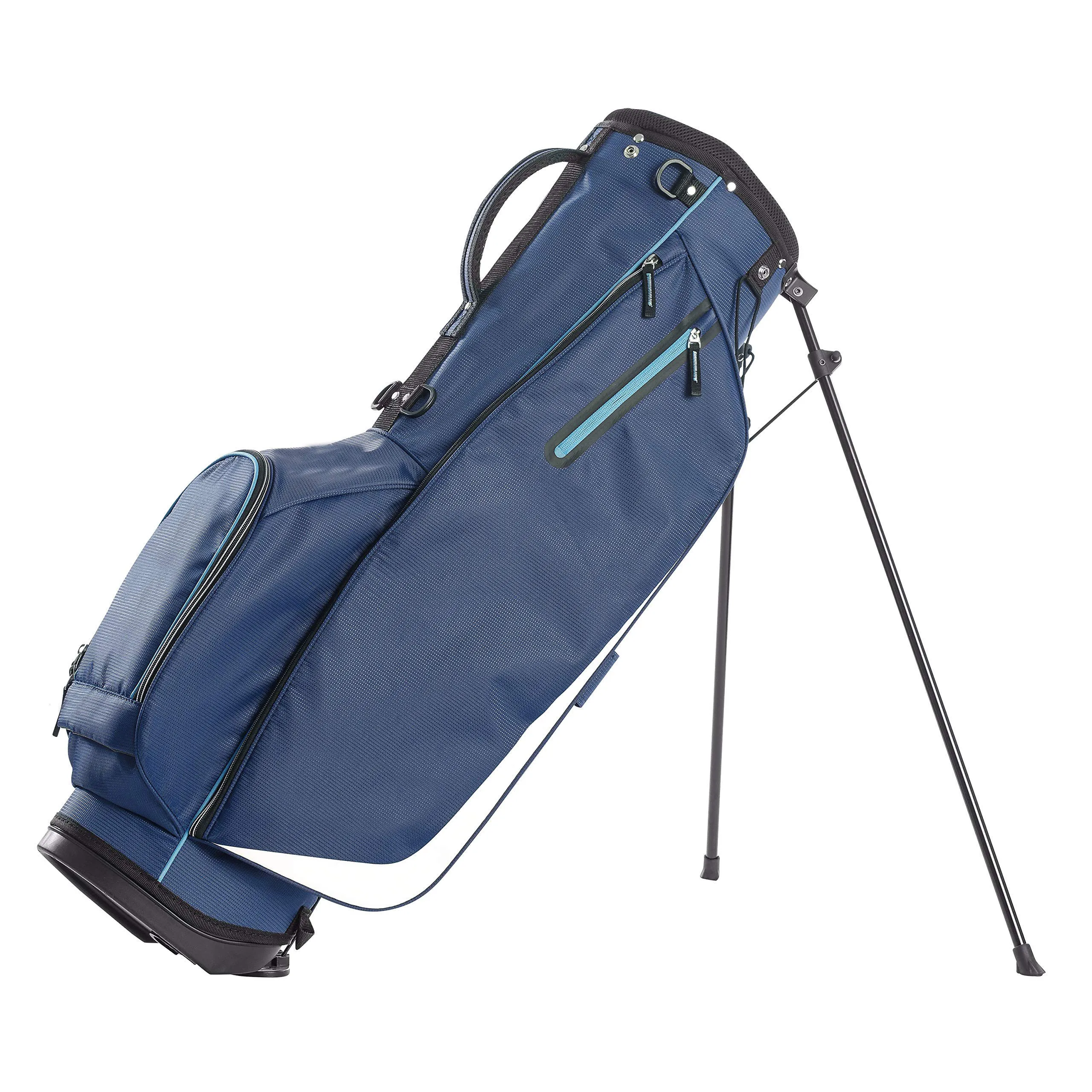
The outer cover of the shoulder pad must balance durability with breathability. In 2026, the dominant material is a three-dimensional spacer mesh fabric that creates an air channel between the pad surface and the golfer's clothing. This air channel promotes airflow and moisture evaporation, preventing the heat and sweat buildup that is common with solid foam or leather covers during warm-weather play.
The mesh fabric is typically constructed from polyester or nylon fibers with a moisture-wicking treatment that draws sweat away from the skin surface. We test all mesh covers for abrasion resistance using a Martindale tester for a minimum of 10,000 cycles, ensuring that the fabric can withstand repeated friction against clothing without developing holes or fraying. The mesh is bonded to the foam padding using a spray adhesive applied in a controlled pattern that maintains foam flexibility while preventing delamination over time.
Attachment Systems and Load Engineering
Bar-Tack Stitching Reinforcement
The most critical structural element of the strap system is the attachment point where the strap webbing connects to the bag body. This junction must withstand the full dynamic load of the bag during carrying, which can reach 300 to 400 Newtons when walking over uneven terrain. Our attachment system uses bar-tack stitching: a dense zigzag stitch pattern that creates a reinforced anchor point far stronger than conventional straight-stitch seams.
Each strap attachment point features a minimum of four bar-tacks, with each bar-tack consisting of 42 to 56 individual stitches in a pattern measuring approximately 20 millimeters long by 3 millimeters wide. The bar-tacks are sewn using bonded nylon thread (Tex 70 weight) that provides tensile strength exceeding 50 Newtons per stitch. The total breaking strength of a properly constructed four-bar-tack attachment point exceeds 1,200 Newtons, providing a safety factor of 3 to 4 times over the maximum expected dynamic load.
Webbing and Load Distribution Plates
The strap webbing itself is manufactured from woven nylon or polyester with a width of 38 to 50 millimeters and a tensile strength rating of 1,000 to 1,500 Newtons. We use flat weave construction for the webbing to provide a smooth surface that slides easily through adjustment buckles while maintaining high tensile strength. The webbing edges are heat-sealed to prevent fraying over the product's lifespan.
Internally, the webbing connects to load distribution plates that spread the attachment force over a wider area of the bag body. These plates are typically constructed from 2-millimeter thick HDPE (high-density polyethylene) or fiberglass-reinforced nylon, and they measure approximately 80 by 50 millimeters. The distribution plates prevent the concentrated force of the bar-tack stitches from pulling through the bag fabric, which would create a catastrophic failure mode. Without distribution plates, the attachment points would need to be reinforced with significantly more stitching, adding weight and complexity.
Adjustment Mechanisms and Quick-Release Technology
Cam-Lock Adjusters
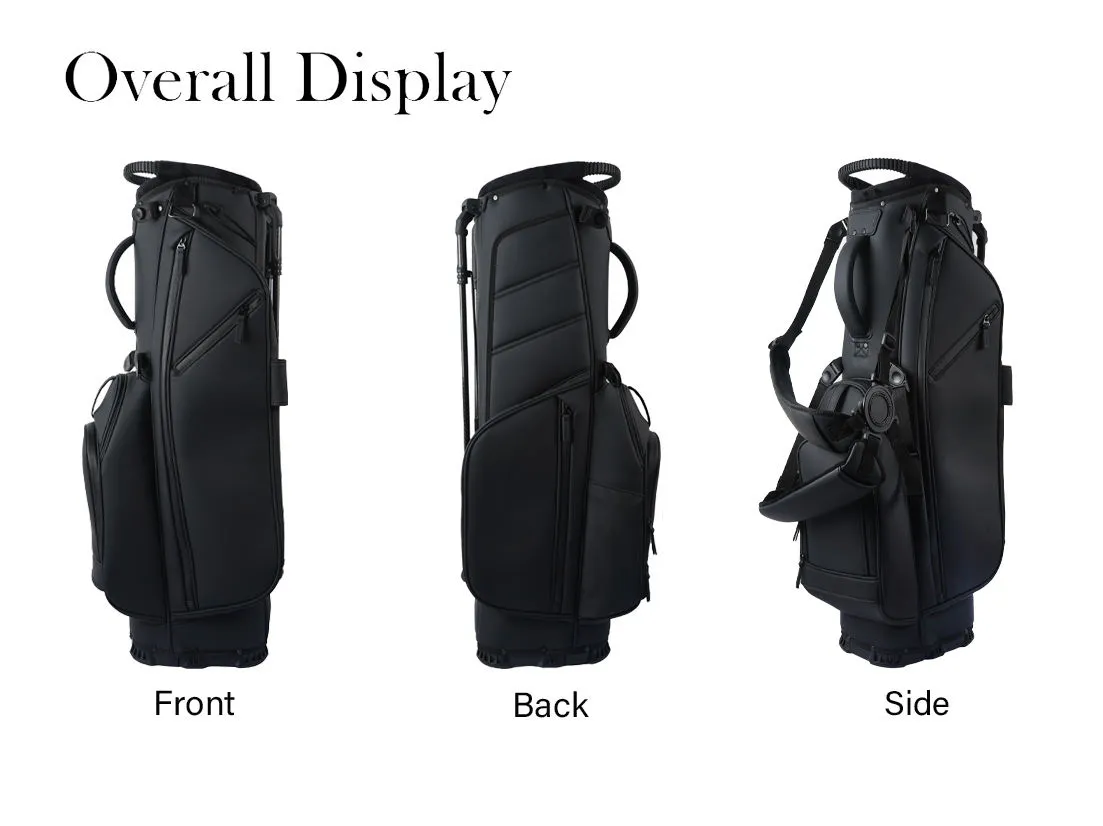
The most common strap adjustment mechanism in 2026 is the cam-lock adjuster, a spring-loaded device that grips the webbing when closed and releases it when the lever is lifted. Cam-lock adjusters allow golfers to quickly adjust strap length without threading the webbing through buckles, and they hold the setting securely without slipping under load. We use cam-lock adjusters manufactured from glass-fiber-reinforced nylon with stainless steel internal gripping teeth that bite into the webbing surface to prevent slippage.
The adjuster must balance two competing requirements: grip strength to prevent slippage under load, and smooth release for easy adjustment. Our adjusters are designed with a progressive cam profile that provides increasing grip force as the load increases, ensuring that the strap stays securely at its set length during carrying while still being easy to release when the bag is unloaded. Each adjuster is tested to hold a minimum of 200 Newtons without slippage in our quality control lab.
Magnetic Quick-Release Systems
The newest innovation in strap adjustment technology is the magnetic quick-release system. These systems use pairs of neodymium magnets embedded in the strap hardware to create a strong but releasable connection. The magnets provide a holding force of approximately 25 to 40 Newtons per pair, which is sufficient for all normal carrying loads but allows the golfer to disconnect the straps with a deliberate pulling motion when the bag needs to be removed quickly.
Magnetic quick-release systems are particularly valuable for convertible strap systems where the golfer needs to reconfigure the straps between single and dual modes. They also provide a safety benefit by allowing the bag to separate from the straps if it becomes snagged on an obstacle, preventing the golfer from being pulled off balance. Our magnetic systems are designed with a rated release force that is well above the maximum expected carrying load but well below the force that could cause injury if the bag needs to be dropped urgently.
Manufacturing Process and Quality Standards
Production Workflow
The manufacturing process for golf bag strap systems involves several distinct stages. Webbing is first cut to length from bulk rolls using automated cutting machines that ensure dimensional consistency across every piece. The cut webbing pieces are then fed through the adjustment hardware and secured with heat seals or stitching to prevent unraveling. Shoulder pad assembly is a separate sub-process where foam layers are cut, shaped, covered with mesh fabric, and bonded together before being attached to the webbing.
Final strap assembly involves sewing the padded sections onto the webbing at precisely positioned locations, installing the bar-tack attachment points, and fitting the quick-release hardware. Each completed strap undergoes individual pull testing on a calibrated load frame to verify that all stitching and hardware connections meet the minimum strength requirements before the strap is approved for installation on a bag.
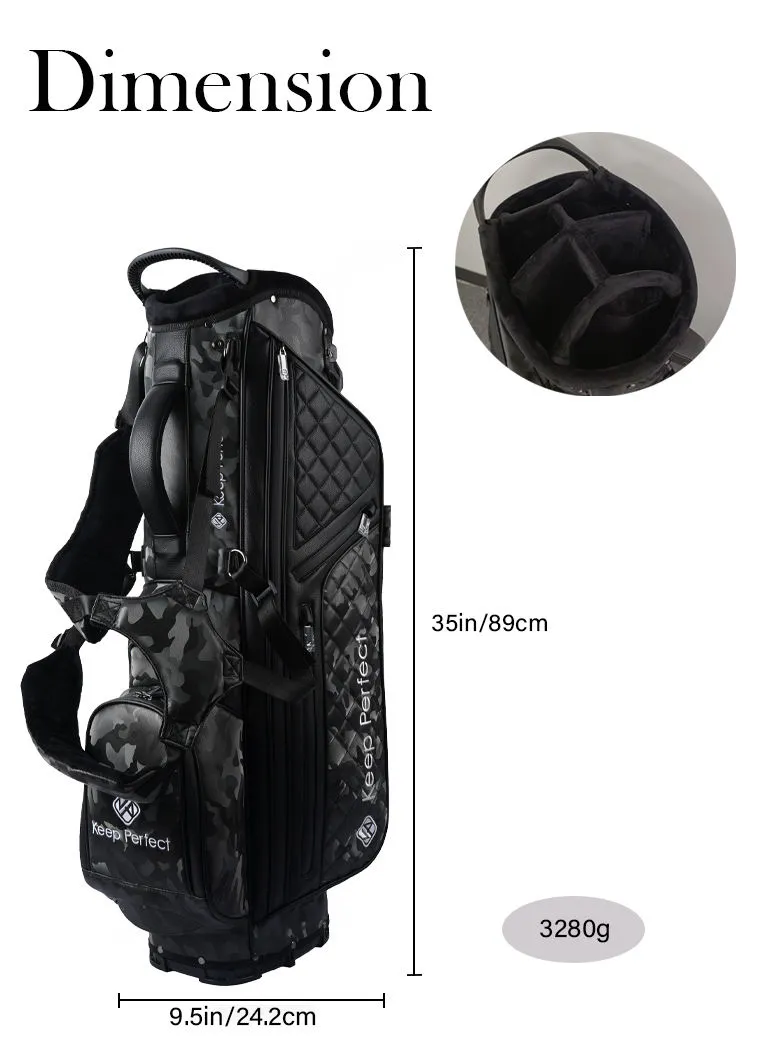
Quality Control Protocols
Our quality control protocols for strap systems are among the most rigorous in the industry. In addition to individual pull testing, we conduct periodic destructive testing where straps are loaded to failure to verify that the breaking strength exceeds specifications by the required safety margin. We also perform accelerated aging tests where straps are subjected to 500 hours of UV exposure followed by load testing, simulating two to three years of outdoor use to verify that UV degradation does not compromise strength below acceptable limits.
Every batch of strap webbing received from our suppliers is tested for tensile strength, elongation at break, and colorfastness before being released to the production floor. Hardware components including buckles, adjusters, and D-rings are sampled from each lot and tested for load capacity, latch engagement force, and cycle durability. This incoming material inspection system ensures that quality issues are caught at the source before they can propagate through the production process.
Frequently Asked Questions
What is the difference between single and dual golf bag straps?
Single straps cross the body diagonally from one shoulder to the opposite hip, distributing weight across the back. Dual straps work like a backpack with one strap per shoulder, distributing weight more evenly across both shoulders and reducing spinal load. Dual straps are preferred for walking golfers carrying heavier bags, while single straps offer faster on-and-off convenience.
How much weight can golf bag straps safely support?
Quality golf bag straps are engineered to safely support loads of 20 to 25 kilograms, well above the typical loaded bag weight of 12 to 18 kilograms. The strap attachment points on the bag frame are tested to withstand pull forces exceeding 500 Newtons, and the strap webbing itself has a tensile strength rating of at least 1,000 Newtons per strap.
What padding materials are used in premium golf bag straps?
Premium golf bag straps use multi-layer padding systems combining memory foam, EVA (ethylene vinyl acetate) foam, and breathable mesh fabric covers. Memory foam conforms to the shoulder contour for even pressure distribution. EVA foam provides structural support and prevents the strap from collapsing under heavy loads. Mesh fabric covers wick moisture and prevent heat buildup during warm-weather play.
How are golf bag straps attached to the bag frame?
Golf bag straps are attached to the bag frame using a combination of bar-tack stitching and reinforced webbing anchors. Each strap typically features four to six bar-tack attachment points, with each bar-tack consisting of 42 to 56 stitches in a dense zigzag pattern. The attachment area is reinforced with internal webbing plates that distribute load over a wider section of the bag body.
Can golf bag straps be replaced if they wear out?
Yes, most golf bag straps are designed to be replaceable. The straps connect to the bag through quick-release buckles or screw-in attachment hardware that allows removal without damaging the bag. Replacement straps are available from most major manufacturers and can be installed at home using basic tools. Some premium brands offer lifetime strap replacement programs.
What causes golf bag straps to fail?
The most common causes of strap failure are stitching abrasion at the shoulder pad edges, UV degradation of the webbing material from prolonged sun exposure, buckle mechanism wear from repeated adjustment, foam compression fatigue in the shoulder pad reducing cushioning over time, and tearing at the attachment point from excessive loading or improper adjustment causing concentrated stress.
Ready to Start Your Custom Golf Bag Project?
Partner with a BSCI & ISO 9001:2015 certified factory producing 200,000+ premium golf bags annually. MOQ just 100 pieces.
Get a Free Quote Today