The Complete Golf Bag Manufacturing Process in 2026: A Step-by-Step Factory Guide
Table of Contents
Introduction: Inside a Modern Golf Bag Factory
The global golf bag market has experienced remarkable growth over the past decade, reaching an estimated value of 1.8 billion USD in 2025 and projected to surpass 2.3 billion USD by 2028. Behind every premium golf bag on the market lies a complex, multi-stage manufacturing process that combines traditional craftsmanship with modern industrial precision. Understanding this process is essential for brand owners, procurement managers, and golf enthusiasts who want to appreciate the engineering and skill that goes into every bag.
At our certified manufacturing facility, we produce over 200,000 golf bags annually across eight dedicated production lines. Each bag passes through more than 40 individual quality checkpoints before it earns the right to leave our factory floor. In this comprehensive guide, we will walk you through every single step of the golf bag manufacturing process as it stands in 2026, from the initial concept sketch to the final container being sealed for international shipment.
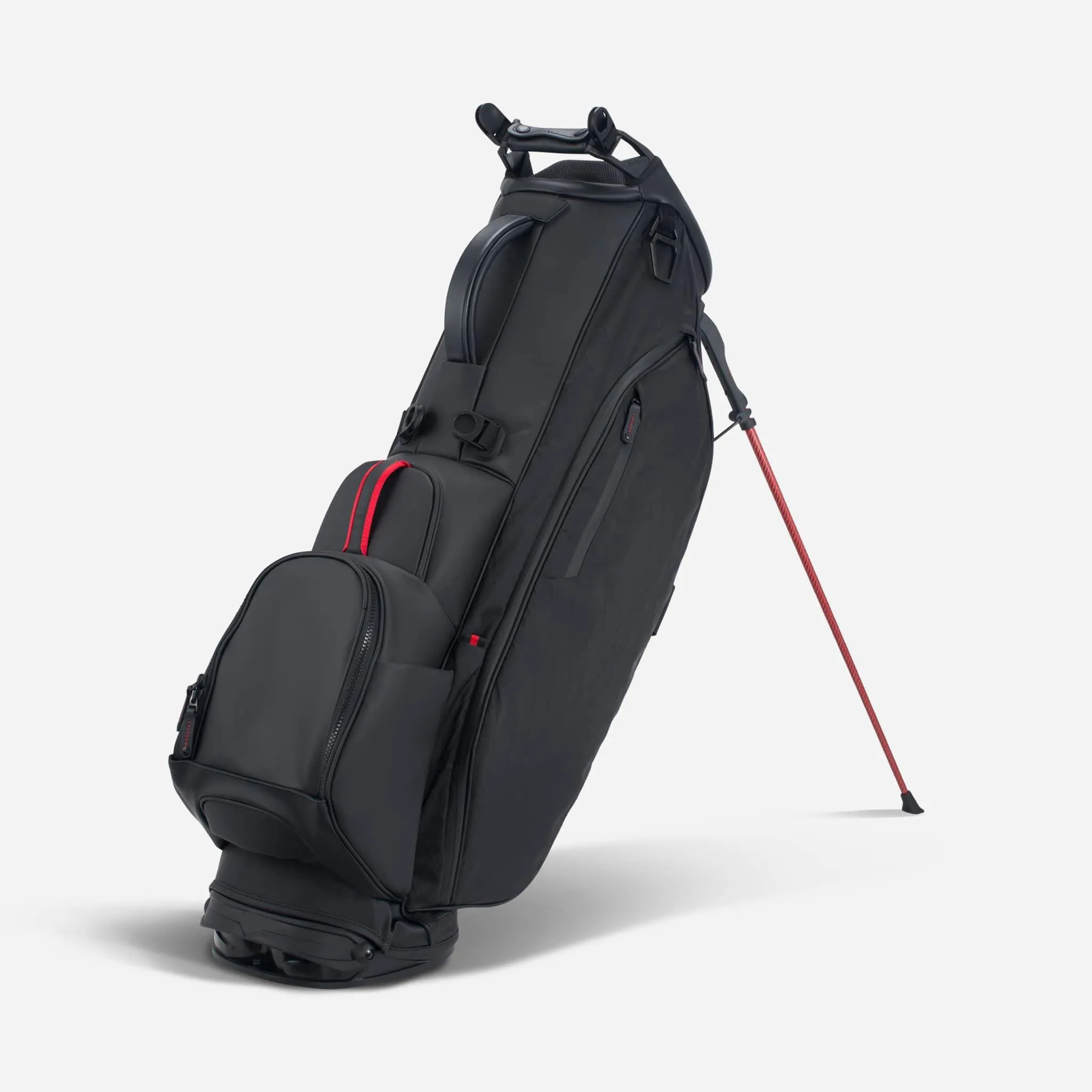
Whether you are a brand owner exploring manufacturing partnerships, a retail buyer evaluating supplier capabilities, or simply a golfer curious about how your favorite bag comes to life, this guide will provide you with an unprecedented look inside the world of professional golf bag manufacturing. We will cover every major stage including design and prototyping, material sourcing, cutting, printing, stitching, assembly, quality control, and final packaging.
Product Design and Development
Concept and Market Research
Every golf bag begins with an idea. Our design team works closely with brand clients to translate their vision into a manufacturable product. This process typically begins with extensive market research that examines current trends in golf bag design, target demographics, and price positioning. In 2026, we are seeing increased demand for sustainable materials, integrated technology pockets for rangefinders and GPS devices, and modular designs that allow golfers to customize their bag configuration.
The concept phase usually takes two to four weeks and involves multiple rounds of feedback between the brand's product team and our design engineers. During this stage, we discuss critical parameters such as bag type (stand bag, cart bag, staff bag, or Sunday bag), number of dividers, pocket configuration, color scheme, branding placement, and target weight. Each of these decisions has significant implications for manufacturing complexity, material costs, and production timelines.
3D Modeling and Prototyping
Once the concept is approved, our engineering team creates detailed 3D models using CAD software. These digital prototypes allow us to visualize every angle, test pocket placements virtually, and identify potential ergonomic issues before any physical materials are cut. The 3D modeling phase typically takes five to seven business days and results in a complete digital specification package that guides every subsequent step of the manufacturing process.
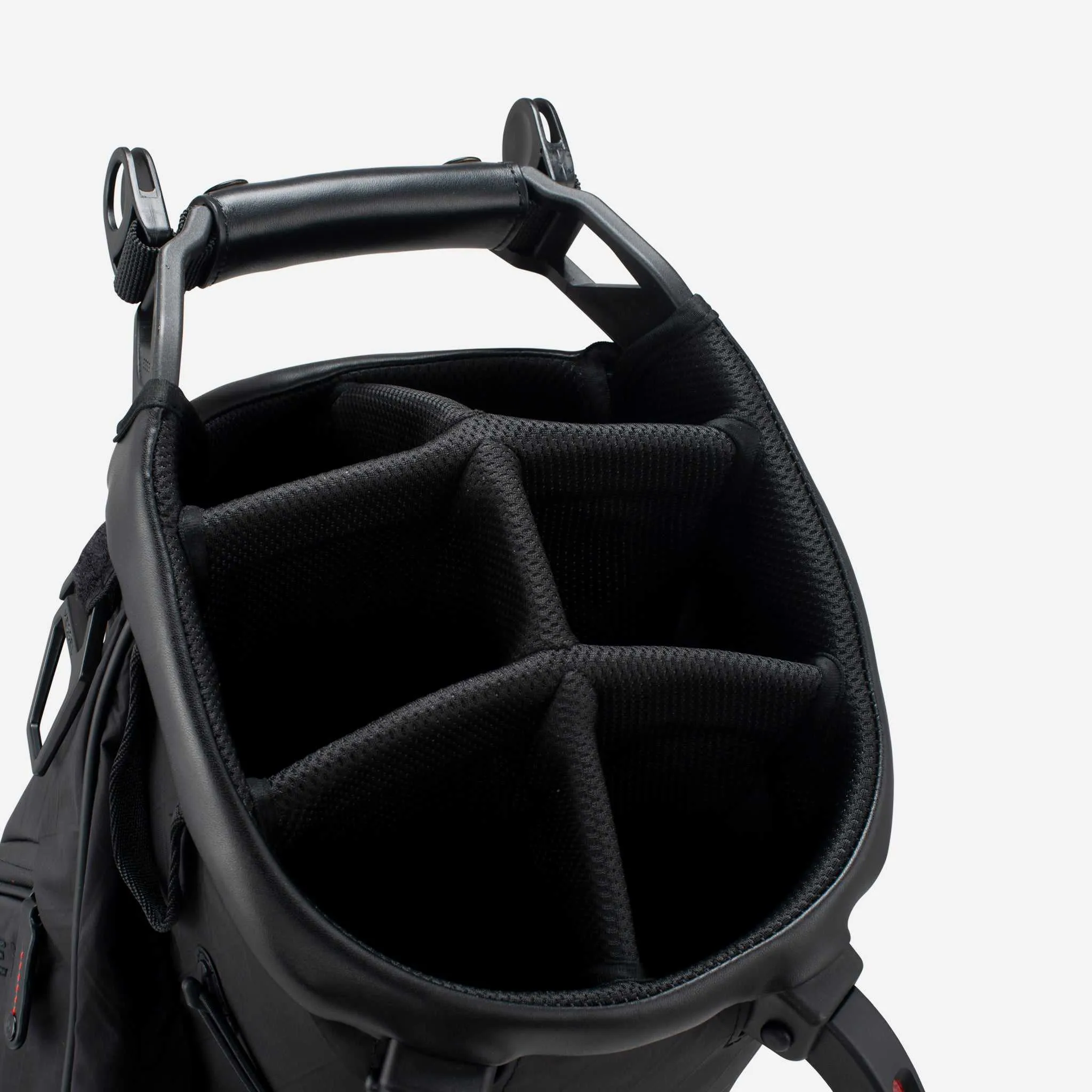
After the digital prototype is finalized, we create a physical first sample. This sample is handcrafted by our senior technicians and serves as the reference standard for all subsequent production. The first sample undergoes rigorous evaluation including fit testing with a complete set of clubs, weight distribution analysis, comfort assessment with loaded straps, and durability preview. Brand clients typically receive the first sample within 15 to 20 working days of design approval.
Material Selection and Sourcing
Outer Shell Materials
The choice of outer shell material is perhaps the single most important decision in golf bag manufacturing, as it directly impacts durability, weight, water resistance, print quality, and cost. In 2026, the most commonly used materials include:
600D Polyester remains the workhorse of the golf bag industry, offering an excellent balance of durability, printability, and cost-effectiveness. With a denier count of 600, this fabric provides sufficient abrasion resistance for regular use while remaining lightweight enough for carry bags. Our standard 600D polyester is treated with a PU coating on the reverse side for basic water resistance.
1200D Polyester is selected for premium bags that require enhanced durability. The higher denier count translates to a thicker, more rugged fabric that resists tears and scuffs significantly better than 600D variants. This material is particularly popular for cart bags and staff bags where weight is less of a concern. The added durability extends the bag's usable life by approximately 40 percent compared to 600D alternatives.
Nylon (420D and 840D) is preferred for lightweight stand bags and Sunday bags where minimizing weight is paramount. Nylon offers superior strength-to-weight ratios compared to polyester, though it comes at a higher material cost. We source our nylon from certified suppliers who provide consistent denier counts and colorfastness ratings across every batch.
Recycled Materials have seen dramatic growth in 2026, with over 35 percent of our orders now specifying recycled polyester made from post-consumer plastic bottles. These GRS-certified materials meet the same performance standards as virgin fabrics while reducing environmental impact by approximately 60 percent in terms of carbon footprint. Brands increasingly market these materials as a key differentiator in the sustainability-conscious golf market.
Hardware and Components
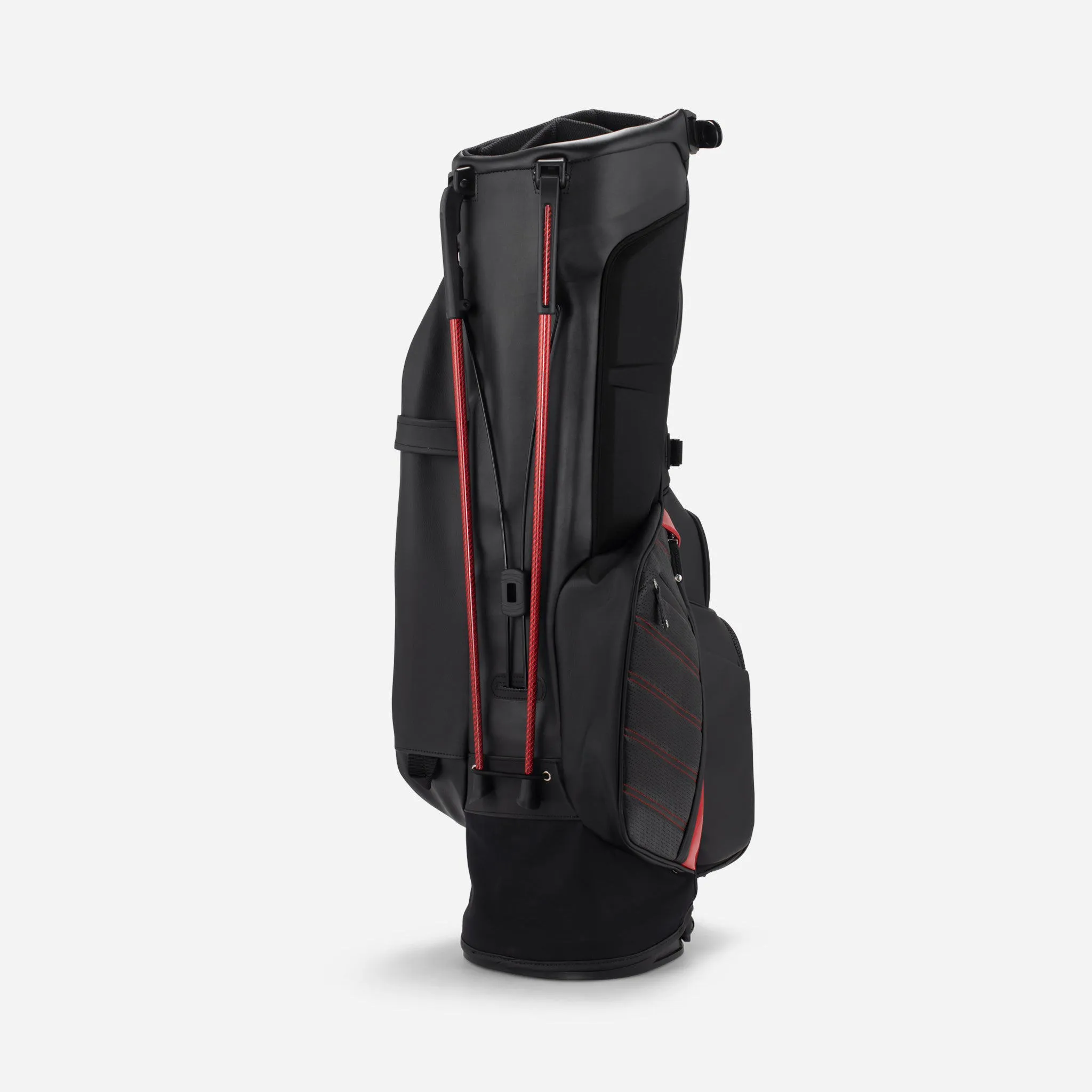
Beyond the fabrics, a golf bag contains dozens of hardware components including zippers, buckles, D-rings, stand mechanisms, base plates, and strap systems. We source zippers from YKK and SBS, the two industry-leading suppliers, ensuring smooth operation rated for a minimum of 10,000 cycles. All metal hardware undergoes salt spray testing to verify corrosion resistance, particularly important for bags used in coastal or humid environments. Our component warehouse maintains buffer stock of all standard hardware items to prevent production delays during peak manufacturing seasons.
Lining and Padding Materials
The interior of a golf bag features multiple layers of specialized materials. Full-length divider systems use either rigid plastic tubes or flexible mesh panels, depending on the design specification. The bag body incorporates EVA foam padding in strategic locations to protect clubs during transport, with foam density ranging from 3mm for lightweight models to 10mm for premium tour bags. Interior linings are typically 210D nylon in standard configurations, though premium bags may feature microfiber or suede-like linings for enhanced club protection.
Pattern Making and Cutting
Digital Pattern Development
Once materials are approved and received, the first production step is creating precise cutting patterns. Our pattern makers use specialized CAD software to nest pattern pieces efficiently across fabric rolls, minimizing waste while ensuring grain direction consistency. A typical golf bag requires between 25 and 45 individual pattern pieces, each of which must be cut with millimeter precision to ensure proper assembly later in the process.
Modern computer-controlled cutting machines have largely replaced manual cutting for production runs. These machines read the digital pattern files and use oscillating blade heads to cut through multiple layers of fabric simultaneously. A single cutting setup can process enough pieces for 50 to 80 bags in one session, dramatically improving both speed and consistency compared to manual methods.
Quality Checks on Cut Pieces
After cutting, every batch of pieces undergoes a quality inspection to verify dimensional accuracy, edge cleanliness, and fabric integrity. Inspectors check that all pieces match the specification measurements within a tolerance of plus or minus 1 millimeter. Any pieces with fabric defects such as weaving irregularities, color variations, or coating imperfections are immediately removed from the batch. This in-process inspection prevents defects from propagating through subsequent assembly stages where they would be far more costly to address.
Printing, Embroidery, and Branding
Screen Printing and Heat Transfer
Brand logos, graphic designs, and decorative elements are applied to cut fabric pieces before assembly. Screen printing remains the most popular method for large-area graphics due to its durability and vibrant color reproduction. For complex multi-color designs, we use separate screens for each color layer, with precise registration marks ensuring perfect alignment.
Heat transfer printing has gained significant market share in 2026, particularly for designs requiring photographic detail or gradient effects. This process uses specialized transfer papers and heat press machines to achieve full-color reproduction on fabric surfaces. While slightly less durable than screen printing for high-abrasion areas, heat transfer offers unmatched design flexibility and is ideal for limited-edition runs or complex artistic patterns.
Embroidery
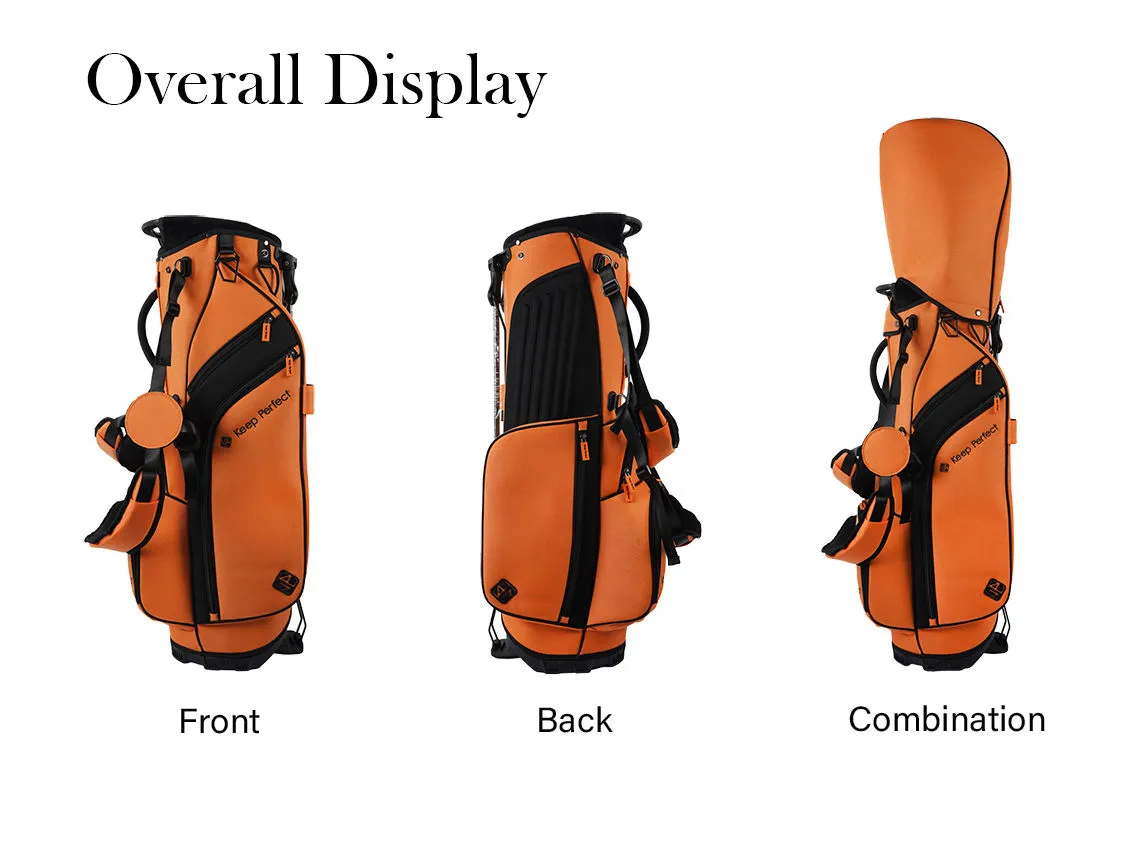
For premium logos and text, embroidery provides an upscale, three-dimensional appearance that printing cannot replicate. Our factory operates 12 multi-head embroidery machines capable of processing up to 100 pieces per day. Each embroidery design is digitized into a stitch file that controls needle positions, thread colors, and stitch density. We use polyester embroidery thread for its superior UV resistance and colorfastness compared to rayon alternatives.
The embroidery process requires careful consideration of stabilizer materials beneath the fabric to prevent puckering or distortion. Our operators select from tear-away, cut-away, or wash-away stabilizers based on the fabric weight and design complexity. After embroidery, excess stabilizer is carefully removed and the pieces are inspected for stitch quality, thread tension, and design alignment.
Stitching and Assembly
Sewing Operations
The assembly phase is where individual fabric pieces come together to form the finished golf bag. This is the most labor-intensive stage of the entire manufacturing process, requiring skilled sewing machine operators who understand the unique demands of golf bag construction. A typical stand bag involves approximately 150 separate sewing operations, including straight seams, bar-tack reinforcement at stress points, zipper installation, and pocket construction.
Our sewing lines are organized in a progressive bundle system where operators specialize in specific operations. One operator might focus exclusively on attaching pockets to side panels, while another handles zipper installation. This specialization improves both speed and consistency, as each operator develops deep expertise in their assigned operations. Critical seams that bear significant loads, such as strap attachment points and base plate connections, receive double or triple needle stitching for enhanced strength.
Divider System Installation
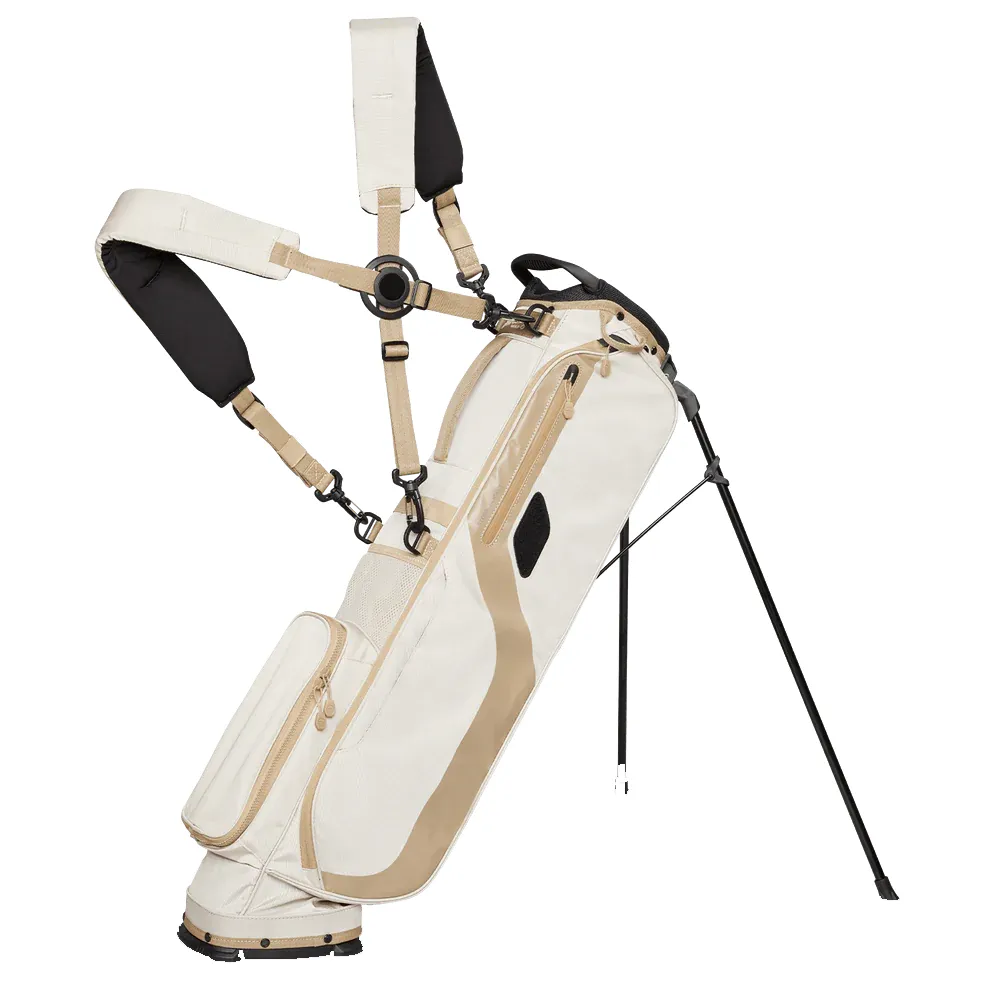
The divider system is installed during the assembly phase and represents one of the most technically demanding operations. For 14-way full-length divider systems, each individual tube must be precisely positioned and secured within the bag body to ensure clubs slide in and out smoothly without catching on adjacent tubes. Our technicians use specialized jigs that hold the divider assembly in perfect alignment while adhesive and mechanical fasteners cure.
For 5-way and 6-way shared divider systems, the installation process is somewhat simpler but still requires careful attention to compartment proportions. Each compartment must be sized appropriately for the types of clubs it will hold, with larger compartments for drivers and fairway woods, and smaller compartments for irons and wedges. The divider top is typically finished with a molded plastic or padded fabric ring that protects club shafts from abrasion.
Strap and Stand Attachment
For stand bags, the stand mechanism attachment is a critical assembly operation that requires precision alignment to ensure the bag stands at the correct angle and deploys reliably. Our technicians install the leg mechanisms, springs, and foot pads using a combination of rivets, screws, and reinforced stitching. Each stand leg is tested for deployment force, retraction smoothness, and load-bearing capacity immediately after installation.
Shoulder straps are attached using bar-tack stitching patterns that distribute load across a wider area of the bag body. We use a minimum of four bar-tack points per strap attachment, each consisting of 42 to 56 individual stitches in a dense zigzag pattern. This construction method ensures that straps can withstand repeated loading with a fully loaded bag weighing 15 kilograms or more without showing signs of separation or fabric tearing.
Quality Control and Testing
In-Process Quality Checks
Quality control is not a single stage at the end of production but rather a continuous process that runs throughout every manufacturing step. Our in-process quality team conducts inspections at seven designated checkpoints along the production line. These checkpoints verify stitch quality, seam alignment, zipper operation, pocket placement accuracy, and overall dimensional conformance at each stage. Any defects identified at an in-process checkpoint are immediately addressed by the responsible operator before the piece moves to the next station.
This distributed quality approach catches approximately 85 percent of potential defects before they reach the final inspection stage, dramatically reducing waste and rework costs. Our quality team maintains detailed records of defect types and frequencies by production line and operator, enabling targeted training interventions that continuously improve overall quality levels.
Final Random Inspection
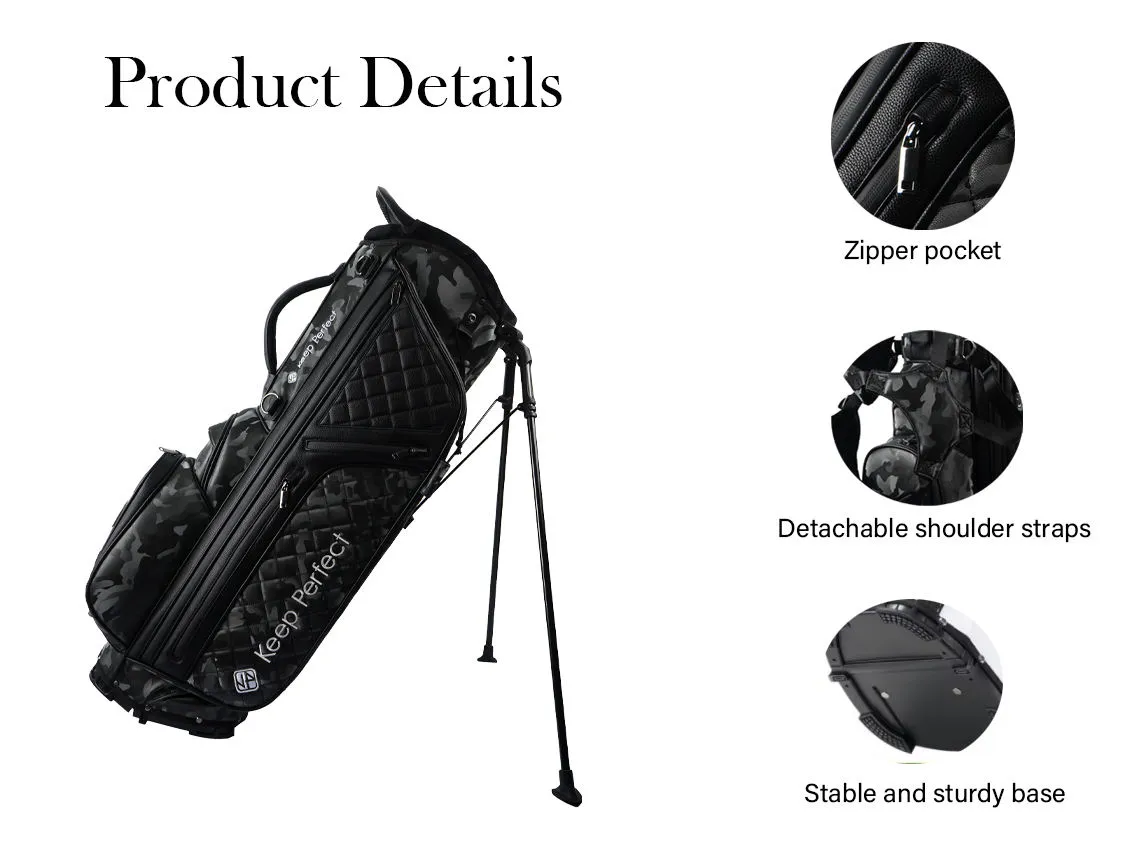
Before any production batch is approved for packaging, our quality team conducts a final random inspection following the internationally recognized AQL (Acceptable Quality Level) 2.5 standard. This involves randomly selecting sample units from the completed batch and subjecting them to a comprehensive 60-point inspection checklist covering appearance, construction, functionality, and labeling requirements.
The inspection includes load testing where the bag is filled with 18 kilograms of weighted test clubs and subjected to lift, carry, and stand cycles to verify structural integrity. Zipper pull tests measure the force required to open and close each zipper, with any zipper requiring more than 15 Newtons of force being flagged for adjustment. Stand mechanism tests verify that the bag deploys and retracts smoothly at least 50 consecutive times without failure.
Waterproof and Durability Testing
For bags specified as water-resistant or waterproof, we conduct spray testing that simulates 30 minutes of moderate rainfall. Bags equipped with sealed seams and waterproof zippers undergo more rigorous submersion testing to verify that interior contents remain completely dry. UV resistance testing exposes fabric samples to simulated sunlight for 200 hours, after which color change is measured using a spectrophotometer to ensure it remains within acceptable delta-E limits.
Abrasion resistance testing uses a Martindale abrasion tester to simulate years of regular use in accelerated conditions. Fabric samples are tested to a minimum of 15,000 cycles without showing significant wear, ensuring that the bag maintains its appearance and structural integrity through the expected lifespan of regular golf use.
Packaging and Shipping
Individual Packaging
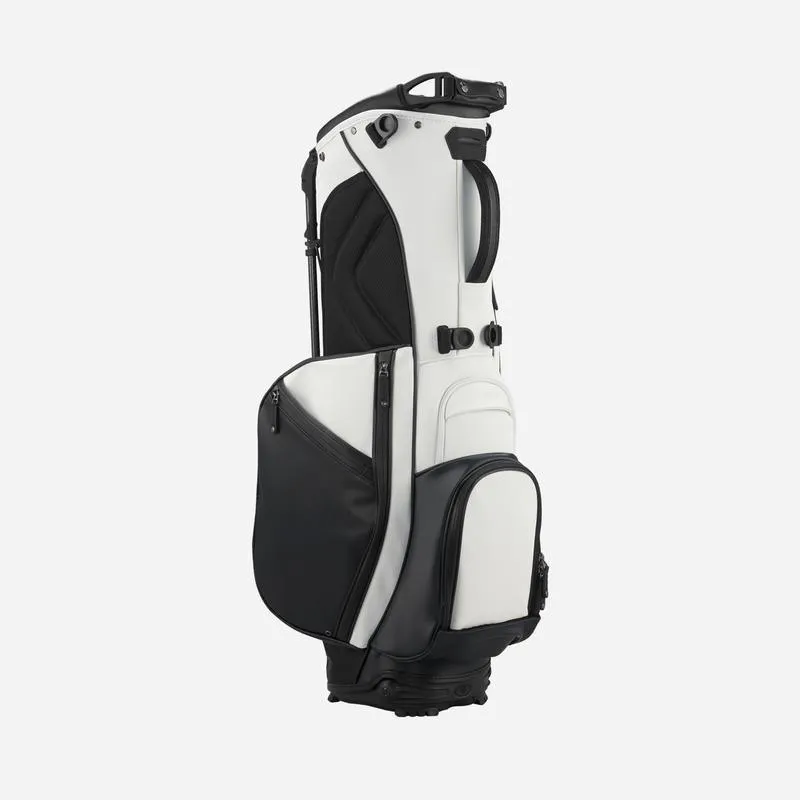
Each finished golf bag is individually wrapped in a protective poly bag to prevent dust and moisture accumulation during transit. Premium bags receive additional protective wrapping around the divider top and base plate to prevent scuffing. Brand-specific hang tags, care instruction cards, and warranty information are attached according to the client's packaging specifications. For retail-ready packaging, bags may be stuffed with recycled paper to maintain their shape and then placed in custom-printed cardboard boxes with foam corner protectors.
Container Loading
Packaged bags are loaded into shipping containers using optimized loading plans that maximize container utilization. A standard 40-foot high-cube container can accommodate approximately 800 to 1,200 golf bags depending on the packaging configuration. Our loading team follows strict protocols to ensure even weight distribution, proper securing of loads to prevent shifting during ocean transit, and moisture control using desiccant packets placed inside the container.
The typical lead time from order confirmation to container loading is 45 to 60 days for standard orders and 60 to 90 days for large orders exceeding 5,000 pieces. We maintain transparent communication with clients throughout the production process, providing weekly progress reports and photographic updates at key milestones. Pre-shipment samples are available for client approval before full container loading is authorized.
Frequently Asked Questions
How long does it take to manufacture a golf bag from start to finish?
The complete manufacturing process for a single golf bag typically takes 3 to 5 working days, depending on the complexity of the design. Simple carry bags can be completed in as few as 2 days, while premium tour bags with extensive custom embroidery and multiple compartments may require up to 7 working days. Mass production runs of 500 units typically require 25 to 35 working days including all quality control stages.
What materials are most commonly used in golf bag manufacturing?
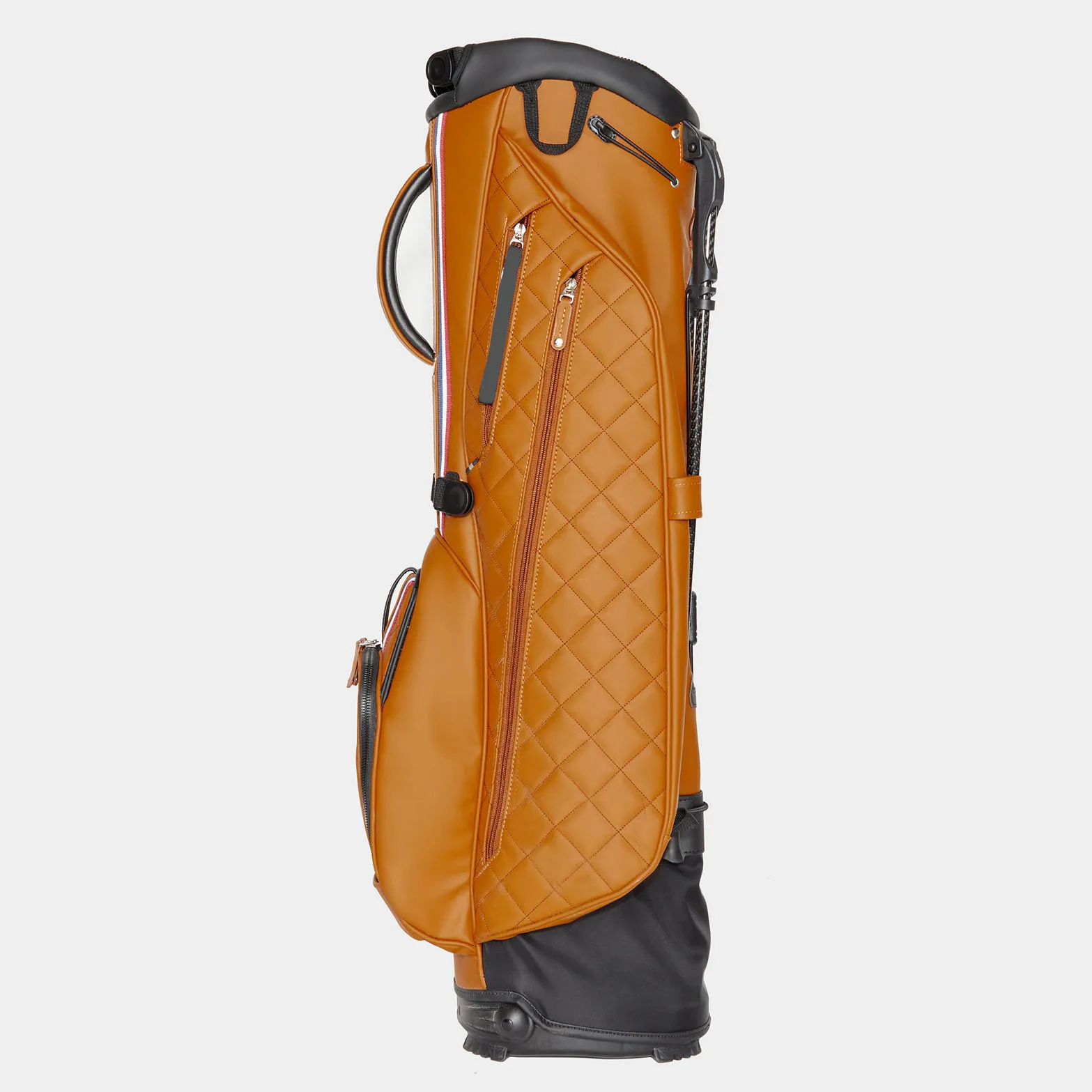
The most common materials include 600D and 1200D polyester for outer shells, nylon for linings, EVA foam for structural support and padding, thermoplastic polyurethane (TPU) for waterproof models, and various plastics or carbon fiber for base plates and divider systems. Leather and synthetic leather are used for premium tour bags.
What is the minimum order quantity for custom golf bag manufacturing?
Most certified golf bag manufacturers require a minimum order quantity of 100 to 300 pieces per design for custom orders. Some specialized factories may accept orders as low as 50 pieces for premium models, while standard models may require 500 pieces minimum for the most competitive pricing.
How do manufacturers ensure golf bag quality during production?
Quality is ensured through multiple inspection stages: incoming material inspection, in-process quality checks at each assembly station, load testing of zippers and straps, waterproof testing for sealed seams, structural integrity tests on stand mechanisms, and final random inspection based on AQL 2.5 standards before shipment.
What certifications should a golf bag manufacturer have?
Key certifications include ISO 9001:2015 for quality management, BSCI for social compliance, SEDEX for ethical trade, OEKO-TEX for material safety, and REACH compliance for European markets. Some buyers also require GRS certification for recycled materials.
Can golf bags be manufactured with eco-friendly materials?
Yes, modern golf bag manufacturing supports various eco-friendly options including recycled polyester made from plastic bottles, organic cotton linings, water-based adhesives, bamboo fiber reinforcements, and biodegradable packaging. Many brands now request GRS-certified recycled materials to meet sustainability targets.
Ready to Start Your Custom Golf Bag Project?
Partner with a BSCI & ISO 9001:2015 certified factory producing 200,000+ premium golf bags annually. MOQ just 100 pieces.
Get a Free Quote Today