Golf Bag Quality Standards: The Definitive 2026 Manufacturing Benchmark Guide
Table of Contents
- Understanding Golf Bag Quality Standards in 2026
- Material Quality Standards: Fabric, Hardware, and Components
- Construction Quality Standards: Stitching, Seams, and Assembly
- Performance Testing Standards and Protocols
- Industry Certifications and Compliance Frameworks
- International Regulatory Requirements for Golf Bags
- Quality Benchmarking: Measuring Against Market Leaders
- Frequently Asked Questions
Understanding Golf Bag Quality Standards in 2026
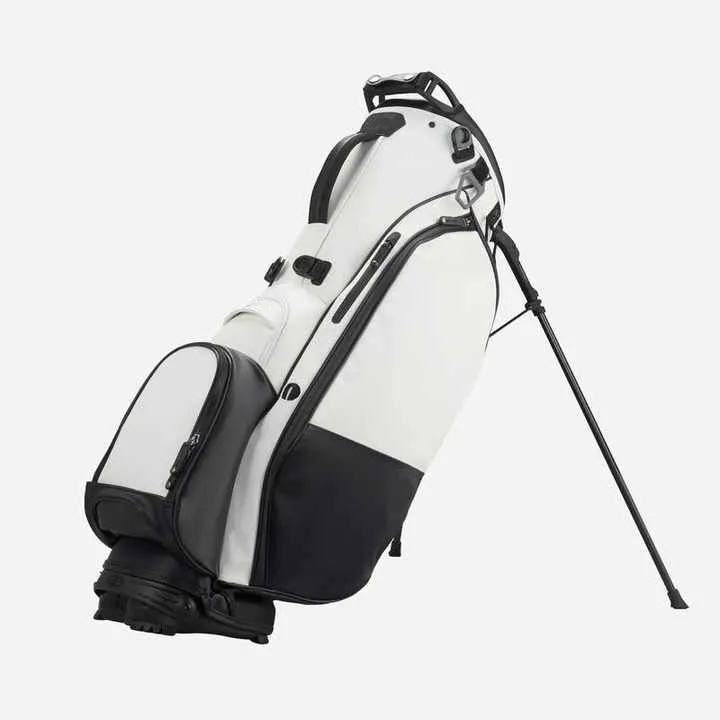
Quality standards define the minimum acceptable level of performance, durability, safety, and appearance that golf bags must achieve before they are approved for market release. In 2026, the landscape of golf bag quality standards encompasses international testing standards, regional regulatory requirements, brand-specific specifications, and industry best practices that collectively establish the quality expectations for products sold across global markets. Understanding and meeting these standards is not optional; it is the fundamental prerequisite for manufacturing golf bags that brands trust, retailers stock, and consumers recommend.
At our BSCI and ISO 9001:2015 certified factory, quality standards are not documents that sit on shelves. They are living frameworks that guide every production decision, from material selection through final inspection. Our quality management system integrates international standards, brand-specific requirements, and our own accumulated expertise into comprehensive specifications that ensure every golf bag we produce meets or exceeds the expectations of its target market. This guide provides a detailed exploration of the quality standards that govern golf bag manufacturing in the current market environment.
The Multi-Layered Standards Framework
Golf bag quality standards operate at multiple levels simultaneously. International standards published by organizations like the International Organization for Standardization establish baseline testing methods and performance thresholds recognized globally. Regional regulations, such as those in the European Union, United States, and Australia, add legal requirements for safety, chemical compliance, and labeling. Individual brands layer their own specifications on top, often exceeding both international and regulatory requirements to differentiate their products in competitive markets. Understanding how these layers interact and overlap is essential for manufacturers seeking to produce golf bags that satisfy all applicable requirements simultaneously.
The complexity of this multi-layered framework creates challenges for manufacturers serving diverse global markets. A golf bag sold in Germany must meet European Union chemical regulations, German product safety requirements, applicable international testing standards, and the specific brand's quality specifications, all simultaneously. Our quality management system is designed to navigate this complexity efficiently, maintaining comprehensive standards databases that track requirements across all markets we serve and ensuring that production specifications automatically incorporate the most stringent applicable requirements for each destination market.
Material Quality Standards: Fabric, Hardware, and Components

Material quality forms the foundation of golf bag quality. No amount of skilled craftsmanship can compensate for substandard materials that fail prematurely, discolor under normal use, or perform inadequately under expected loads. Material quality standards establish minimum performance thresholds for every component that goes into a golf bag, providing objective criteria for material selection, incoming inspection, and supplier quality management.
Fabric and Textile Standards
The primary exterior fabric of a golf bag must meet multiple performance criteria defined by international testing standards. Tensile strength, measured according to ISO 13934-1, establishes the maximum force the fabric can withstand before tearing. For golf bag applications, minimum tensile strength requirements typically range from 200 to 400 Newtons depending on the product category and target market positioning. Abrasion resistance, tested per ISO 17076 or equivalent methods, measures the fabric's ability to withstand surface wear from repeated contact with golf clubs, carts, and environmental elements. Premium golf bags typically require abrasion resistance exceeding 50,000 cycles on standardized test equipment.
Colorfastness standards address the fabric's resistance to fading from light exposure, washing, rubbing, and perspiration contact. ISO 105-B02 defines the standard test method for lightfastness, with premium golf bags requiring ratings of 4 or higher on the five-level blue scale. Colorfastness to rubbing, tested per ISO 105-X12, evaluates whether fabric colors transfer to clothing or other surfaces during contact, with minimum ratings of 4 for dry rubbing and 3 for wet rubbing typically required. These standards ensure that golf bags maintain their visual appearance throughout their expected service life under normal use conditions.
Hardware Component Standards
Hardware components including zippers, buckles, D-rings, and rivets must meet specific performance standards that ensure reliable function throughout the product's expected lifespan. Zipper quality is evaluated according to ASTM D2061 or equivalent standards, testing pull strength, slider retention, chain strength, and cycle durability. For golf bag applications, zippers must typically withstand minimum pull forces of 70 Newtons and complete 500 open-close cycles without functional degradation. Corrosion resistance testing, performed through salt spray exposure per ASTM B117, ensures that metal hardware maintains its finish and function in humid environments.
Plastic components including buckles, clips, and molded fittings must meet impact resistance, tensile strength, and temperature resistance standards. Impact resistance testing per ISO 179 ensures that plastic components do not crack or shatter under impact loads encountered during normal use. Temperature resistance testing verifies that components maintain their mechanical properties across the temperature range from negative twenty to plus sixty degrees Celsius, covering the environmental conditions golf bags encounter from winter storage to summer course use.
Construction Quality Standards: Stitching, Seams, and Assembly

Construction quality standards define how materials must be joined together to create a golf bag that is durable, functional, and aesthetically pleasing. These standards address stitching quality, seam construction, adhesive bonding, and assembly techniques that collectively determine the structural integrity and longevity of the finished product.
Stitching Quality Standards
Stitching is the primary structural joining method in golf bag manufacturing, and stitching quality standards are correspondingly critical. Stitch density, measured as the number of stitches per centimeter of seam length, is a fundamental quality parameter. Industry standards typically require a minimum of three to four stitches per centimeter for structural seams and four to five stitches per centimeter for high-stress areas. Insufficient stitch density reduces seam strength, while excessive density can damage fabric by creating too many needle penetrations in a given area.
Thread quality standards specify the type, weight, and performance characteristics of sewing threads used in golf bag construction. Polyester thread is the industry standard for golf bags due to its excellent strength, UV resistance, and colorfastness properties. Thread tensile strength must exceed the minimum threshold defined for each application, typically ranging from 1,500 to 3,000 Newtons depending on thread weight and seam function. Thread color must match design specifications within established tolerances, and colorfastness must meet the same standards as the fabric to prevent thread discoloration that would create visible quality defects over time.
Seam Construction Standards
Different seam types serve different functions in golf bag construction, and quality standards specify the appropriate seam type for each application. Flat-felled seams provide maximum strength and clean finishing for structural joints. Bound seams protect raw edges from fraying while adding a premium visual element. Bar-tacked reinforcements at stress points distribute loads that would otherwise concentrate at single needle points. Quality standards specify not only the seam type but also the seam allowance width, back-tack length at seam beginnings and endings, and thread trim tolerance after completion.
Seam strength testing, performed per ISO 13935-1, measures the force required to cause seam failure under tension. Minimum seam strength requirements are expressed as a percentage of the fabric's tensile strength, typically requiring seams to withstand at least seventy percent of the fabric's rated strength. This requirement ensures that seams are not the weak link in the product's structural chain, forcing failure into the fabric itself rather than the joining method under overload conditions.
Performance Testing Standards and Protocols

Performance testing validates that finished golf bags meet functional requirements under conditions that simulate real-world use. These tests go beyond material and construction verification to evaluate the integrated performance of the complete product as users will experience it.
Load Bearing and Structural Testing
Golf bags must support the weight of golf clubs, accessories, and personal items without structural failure or excessive deformation. Load bearing testing places progressively increasing weights in the bag, measuring deformation at defined load levels and identifying the failure point. Standards require that golf bags support a minimum load of twenty-five kilograms without permanent deformation and forty kilograms without structural failure, significantly exceeding the typical loaded weight of twelve to fifteen kilograms that bags experience during normal use with a full set of clubs and accessories.
Dynamic load testing simulates the impact loads experienced when bags are set down on carts, dropped on course surfaces, or handled during transport. Drop testing from heights of sixty to one hundred centimeters with loaded bags evaluates the structure's ability to absorb impact energy without damage to the bag or its contents. These tests are conducted at multiple orientations to evaluate structural integrity from all directions of potential impact.
Durability and Lifecycle Testing
Durability testing simulates extended use to identify potential failure modes that might not emerge during shorter test cycles. Zipper cycling tests operate zippers through thousands of open-close sequences to identify potential wear patterns and failure points. Stand mechanism testing cycles the stand through deployment and retraction sequences that simulate years of normal use. Strap adjustment mechanisms are cycled through their full adjustment range repeatedly to verify that adjustment hardware maintains grip and function over time.
Accelerated aging tests expose golf bags to elevated temperatures, humidity, and ultraviolet light levels to simulate years of environmental exposure in a compressed timeframe. These tests reveal potential material degradation, color fading, adhesive failure, and coating deterioration that might occur during the product's expected service life. Results from accelerated aging testing inform material selection decisions and warranty period establishment, ensuring that products perform reliably throughout their marketed lifespan.
Industry Certifications and Compliance Frameworks

Industry certifications provide independent verification that golf bag manufacturers operate quality management systems that meet internationally recognized standards. These certifications serve as trust signals for brand partners, reducing the need for extensive factory audits while providing assurance of systematic quality management practices.
ISO 9001:2015 Quality Management
ISO 9001:2015 represents the international standard for quality management systems, providing a framework for systematic quality management that encompasses everything from customer requirement identification through production process control to corrective action management. Our ISO 9001:2015 certification, maintained through annual surveillance audits by accredited third-party certification bodies, demonstrates that our quality management system meets the standard's requirements for documented processes, performance monitoring, management review, and continuous improvement. The certification provides brand partners with confidence that quality management is not ad hoc but systematic, documented, and subject to independent verification.
BSCI Social Compliance
The Business Social Compliance Initiative certification addresses the social responsibility dimension of manufacturing quality. BSCI standards cover worker rights, workplace safety, environmental management, and ethical business practices. Our BSCI certification, verified through regular audits by accredited assessment organizations, demonstrates our commitment to responsible manufacturing that respects worker rights, maintains safe working conditions, and operates in compliance with applicable labor laws and environmental regulations. For brand partners with corporate social responsibility commitments, BSCI certification simplifies supply chain compliance management by providing independently verified evidence of social responsibility performance.
Material Safety Certifications
Material safety certifications verify that golf bag components comply with chemical safety regulations across global markets. Oeko-Tex Standard 100 certification confirms that textile components meet stringent limits for harmful substances including formaldehyde, heavy metals, and allergenic dyes. REACH compliance documentation demonstrates that materials meet European Union chemical safety requirements for substances of very high concern. California Proposition 65 compliance addresses the specific chemical disclosure requirements of the California market. Maintaining these certifications across our material supply base ensures that our golf bags meet chemical safety requirements in all major destination markets.
International Regulatory Requirements for Golf Bags
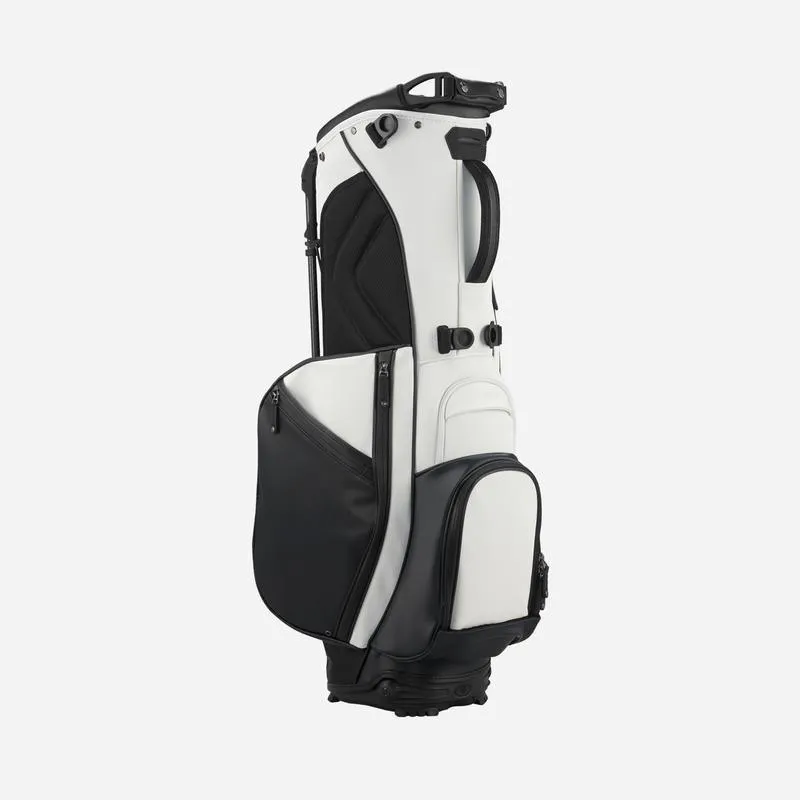
Golf bags sold in international markets must comply with the regulatory requirements of each destination country. While golf bags are not as heavily regulated as products like toys, electronics, or medical devices, several regulatory categories apply to varying degrees across different markets.
Chemical Safety Regulations
Chemical safety regulations represent the most significant regulatory category for golf bags. The European Union's REACH regulation restricts the use of specific chemicals in consumer products, including golf bags. Manufacturers must demonstrate that products do not contain substances of very high concern above established thresholds, and must communicate chemical safety information through the supply chain. Similar regulations exist in other markets including South Korea's K-REACH, Japan's Chemical Substances Control Law, and various US state-level chemical restrictions. Compliance requires comprehensive chemical management systems that track substance composition throughout the material supply chain and verify that all components meet applicable restrictions.
Labeling and Marking Requirements
Different markets impose different labeling requirements on golf bags and their packaging. Country of origin marking, material composition labeling, care instructions, and safety warnings may all be required depending on the destination market. Label content, language, placement, and permanence requirements vary by jurisdiction, requiring careful attention to ensure compliance across multiple markets simultaneously. Our labeling compliance management system maintains current requirements for all markets we serve, ensuring that production labeling automatically incorporates all applicable requirements for each order's destination.
Product Safety Standards
While no golf-bag-specific product safety standards exist in most markets, general product safety regulations require that consumer products do not pose unreasonable risks of injury when used as intended or in reasonably foreseeable ways. This general duty of care applies to golf bags regarding sharp edges, small parts that could present choking hazards, structural integrity under expected loads, and flammability of materials. Compliance with recognized testing standards for material performance, hardware strength, and construction quality provides evidence that the general duty of care has been met, protecting both manufacturers and brand partners from product liability exposure.
Quality Benchmarking: Measuring Against Market Leaders

Quality benchmarking compares manufacturing performance against established market leaders and industry best practices, identifying opportunities for improvement and establishing targets for quality advancement. Effective benchmarking requires objective measurement against defined criteria rather than subjective impressions, creating data-driven improvement roadmaps that prioritize efforts based on measurable performance gaps.
Competitive Product Analysis
Our benchmarking program includes systematic analysis of competitor products purchased from the open market. These products are disassembled, measured, tested, and documented, creating a comprehensive database of competitive quality characteristics. Analysis covers material specifications, construction techniques, hardware selections, feature sets, finishing quality, and packaging approaches. This competitive intelligence informs our quality standard development, ensuring that our specifications reflect current market expectations and anticipate near-term evolution in quality benchmarks.
Benchmarking extends beyond direct competitors to include premium products from adjacent categories that may offer relevant quality insights. Luggage manufacturing techniques for durable zipper installation, backpack ergonomic design principles for strap systems, and outdoor equipment approaches to weather resistance all offer transferable quality lessons that can be adapted to golf bag applications. This cross-category perspective enriches our quality standards with innovations from broader manufacturing excellence.
Internal Performance Tracking
Beyond external benchmarking, internal performance tracking establishes the baseline for continuous improvement. Our quality management system tracks defect rates, return rates, customer complaint patterns, and inspection pass rates over time, creating trend data that reveals improvement opportunities and validates the effectiveness of quality initiatives. Statistical process control methods monitor production quality in real time, detecting quality shifts before they generate defective products and triggering investigation and correction when process performance deviates from established control limits.
Internal benchmarking across production lines identifies best practices that can be shared across the factory. When one production line achieves consistently lower defect rates than others, analysis of that line's practices reveals techniques and approaches that can be adopted by other lines. This internal knowledge transfer, supported by our training programs and quality culture initiatives, drives factory-wide quality improvement that benefits all brand partners regardless of which production line manufactures their products.
Weather Resistance and Water Protection Standards
Golf bags are exposed to diverse weather conditions during normal use, from morning dew on the course to sudden rain showers and humid storage environments. Weather resistance quality standards ensure that golf bags protect their contents under these conditions without degradation of materials or construction. Water resistance testing evaluates both the bag's exterior fabric resistance to water penetration and the effectiveness of sealed seams, waterproof zippers, and integrated rain hoods in keeping contents dry. Standard test methods expose bags to simulated rainfall at defined intensity levels while monitoring interior moisture levels, with minimum performance thresholds defined for each product category and positioning tier.
UV resistance standards address the degradation that occurs from prolonged sun exposure on the golf course and during outdoor storage. Materials must maintain colorfastness, tensile strength, and flexibility after extended ultraviolet exposure, typically tested through accelerated weathering chambers that simulate months of sun exposure in compressed test cycles. Premium golf bags targeting markets with high sun exposure, such as the southern United States, Australia, and the Middle East, may require enhanced UV resistance specifications that exceed standard requirements. Coating and finish durability standards ensure that water-resistant coatings, anti-microbial treatments, and surface finishes maintain their effectiveness throughout the product's expected service life despite regular exposure to weather, handling, and cleaning.
Warranty and After-Sales Quality Considerations
Quality standards directly influence warranty programs and after-sales service requirements. The warranty period offered by a brand reflects its confidence in product quality, and quality standards must be calibrated to support the warranty commitments that brands make to their customers. Our quality standards program works closely with brand partners to align production quality specifications with warranty expectations, ensuring that failure rates during the warranty period remain commercially acceptable while supporting the brand's quality positioning in the market.
Field return analysis provides critical feedback that informs ongoing quality standards refinement. When products fail in the field, root cause analysis of returned items identifies failure modes that may not be captured by standard testing protocols. These field-learned failure modes are incorporated into quality standards through updated test requirements, enhanced inspection criteria, or material specification changes that address the identified weaknesses. This continuous feedback loop between field performance and factory quality standards creates a self-improving quality system that becomes more effective with every production cycle and every marketfeedback.
Frequently Asked Questions
What international quality standards apply to golf bag manufacturing?
Key international standards include ISO 9001:2015 for quality management systems, ISO 13934 for fabric tensile strength testing, ASTM D2061 for zipper performance, ISO 105 series for colorfastness testing, and ISO 13935 for seam strength evaluation. These standards provide standardized testing methods and performance benchmarks recognized globally.
What is the difference between quality standards and quality regulations?
Quality standards are voluntary specifications that define performance benchmarks and testing methods, adopted by manufacturers and brands to ensure product quality. Quality regulations are legally binding requirements imposed by government authorities that products must meet to be sold in specific markets. Golf bags must comply with applicable regulations regardless of whether they meet voluntary quality standards.
How do brand-specific quality standards relate to international standards?
Brand-specific quality standards build upon international standards, adding requirements that reflect the brand's quality positioning and target market expectations. Brand standards are typically more stringent than international baselines, specifying tighter tolerances, additional test requirements, and unique quality attributes that differentiate the brand's products in the marketplace.
What testing equipment is needed for golf bag quality standards compliance?
Essential testing equipment includes tensile testing machines for fabric and seam evaluation, abrasion testing devices, colorfastness testing equipment including lightfastness chambers and crockmeters, zipper testing machines, salt spray chambers for corrosion testing, and drop testing equipment for impact evaluation. Complete testing laboratory investment ranges from fifty thousand to one hundred fifty thousand US dollars.
How often should quality standards be reviewed and updated?
Quality standards should be reviewed at minimum annually, with updates triggered by changes in regulatory requirements, introduction of new materials or construction techniques, customer feedback indicating quality issues, competitive benchmarking revealing performance gaps, or field return analysis identifying previously unrecognized failure modes. Continuous improvement cultures drive more frequent incremental updates between formal annual reviews.
What role does ISO 9001 certification play in golf bag quality?
ISO 9001 certification provides independent verification that a manufacturer operates a documented quality management system with systematic processes for quality planning, control, assurance, and improvement. While the certification does not guarantee specific product quality levels, it demonstrates that quality management is structured, consistent, and subject to ongoing external verification, providing brand partners with confidence in manufacturing reliability.
Ready to Start Your Custom Golf Bag Project?
Partner with a BSCI & ISO 9001:2015 certified factory producing 200,000+ premium golf bags annually. MOQ just 100 pieces.
Get a Free Quote Today