Golf Bag Inspection Checklist: The Complete 2026 Quality Audit Guide
Table of Contents
- The Essential Golf Bag Inspection Framework for 2026
- Pre-Production Inspection: Setting the Foundation for Quality
- In-Process Inspection: Catching Issues at the Source
- Final Random Inspection: The Last Gate Before Shipment
- Defect Classification and Severity Levels
- Statistical Sampling Plans and Acceptance Criteria
- Inspection Documentation and Reporting Standards
- Frequently Asked Questions
The Essential Golf Bag Inspection Framework for 2026
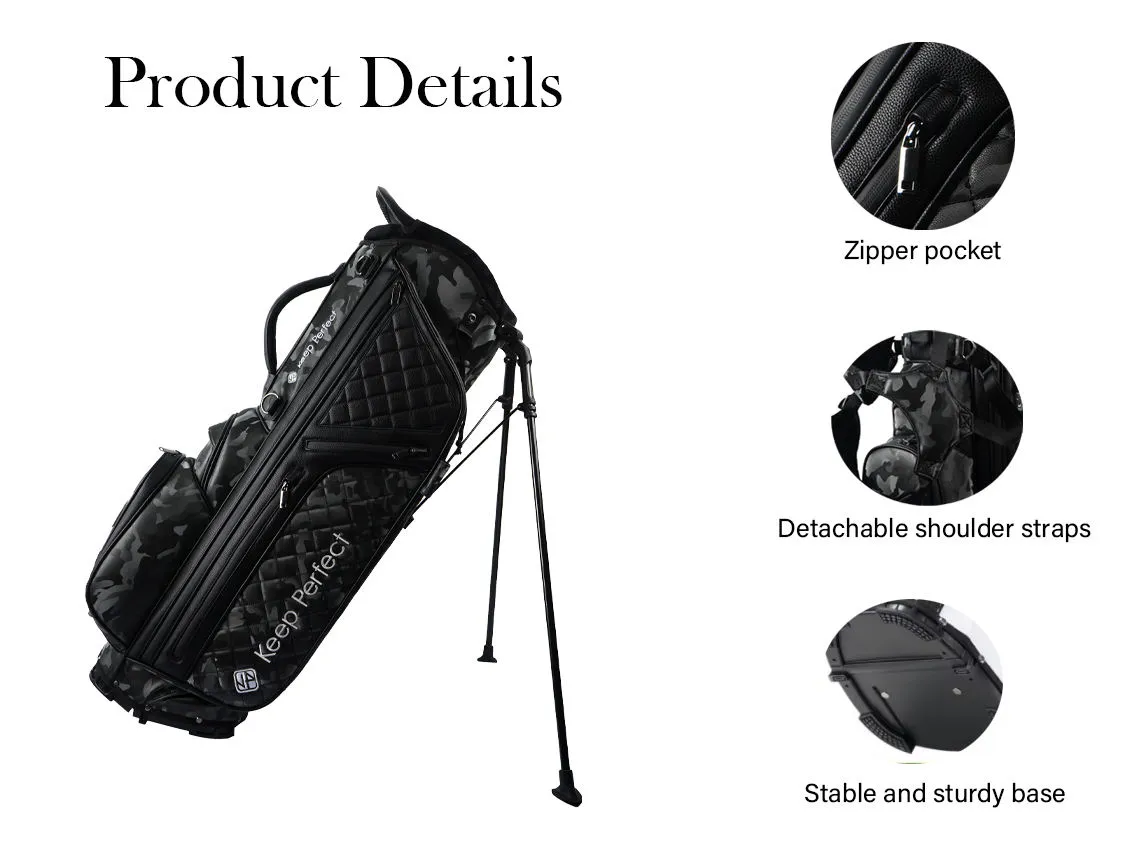
Quality inspection is the backbone of golf bag manufacturing excellence. In 2026, as brands face increasing consumer expectations, stricter regulatory requirements, and more complex global supply chains, the need for systematic, comprehensive inspection frameworks has never been greater. A well-designed golf bag inspection checklist serves as both a quality gate that prevents defective products from reaching customers and a continuous improvement tool that drives manufacturing process optimization over time.
At our BSCI and ISO 9001:2015 certified factory, we have developed our inspection checklist through two decades of manufacturing over 200,000 golf bags annually for brands worldwide. This checklist has been refined through analysis of millions of inspection data points, customer feedback, field return investigations, and evolving market requirements. It represents our current best thinking on what constitutes thorough, effective quality inspection for golf bags across all product categories from premium stand bags to professional tour bags.
This guide shares our complete inspection framework, covering pre-production, in-process, and final random inspection stages. Each stage has distinct objectives, inspection criteria, sampling methods, and documentation requirements that together form a comprehensive quality assurance system. Whether you are a brand owner developing inspection requirements for your manufacturing partners, a quality professional seeking to enhance your audit protocols, or a factory manager benchmarking your inspection practices, this guide provides detailed, actionable guidance based on real-world manufacturing experience.
Understanding Inspection Philosophy
Effective quality inspection is not simply about finding and rejecting defects. It is about creating a system of prevention, detection, and correction that continuously improves manufacturing quality. The most successful inspection programs focus upstream, identifying potential quality issues before they generate defects rather than simply sorting good products from bad ones at the end of the production process. This prevention-oriented philosophy, combined with rigorous detection methods for residual defect identification, creates the comprehensive quality assurance approach that premium golf bag brands require.
Pre-Production Inspection: Setting the Foundation for Quality
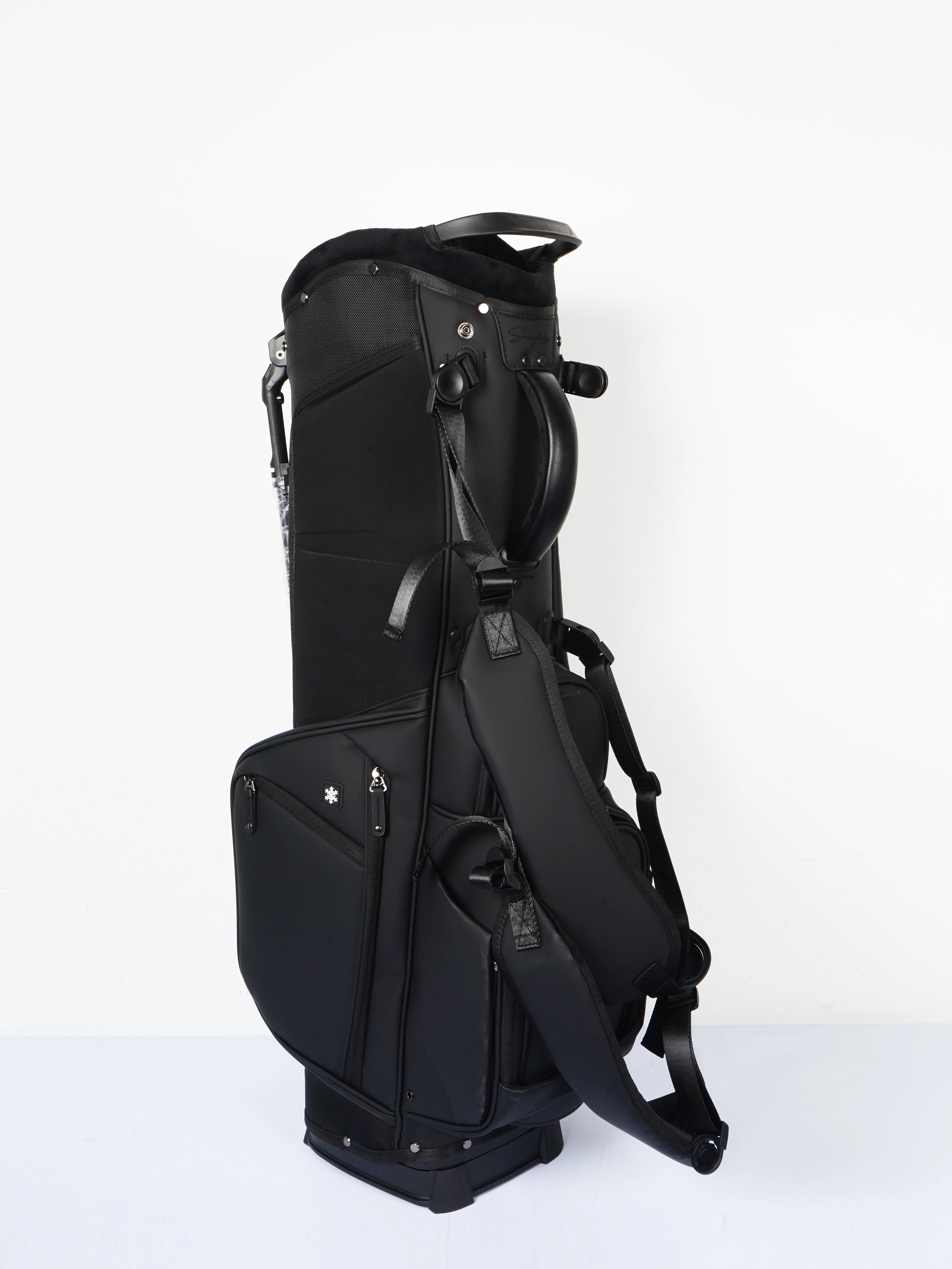
Pre-production inspection occurs before mass production begins, verifying that all inputs are correct and the production setup will produce products that meet specifications. This stage is the most cost-effective point for quality intervention, as issues identified here can be corrected before any production investment has been made.
Material Verification
Every material component intended for production is verified against approved specifications before production release. Fabric materials are checked for correct type, weight, color, width, and finish. Our inspection checklist covers visual examination for weaving defects, printing errors, and coating irregularities, combined with measurement verification against specification tolerances. Color matching uses spectrophotometer measurement against approved color standards, with tolerance thresholds defined by the specific material and brand requirements.
Hardware components including zippers, buckles, D-rings, rivets, and plastic fittings are verified for correct specification, finish quality, and functional performance. Zipper samples from each lot are tested for smooth operation, pull strength, and slider retention. Buckle samples undergo engagement force testing and durability cycling. These incoming material inspections prevent quality issues that would be costly and difficult to correct after materials have been incorporated into finished products.
Production Setup Verification
Beyond materials, pre-production inspection verifies that the production setup is correct. Sewing machines are checked for correct thread type and tension settings, presser foot pressure, and feed dog configuration appropriate for the materials being processed. Cutting equipment is verified for blade sharpness and cutting accuracy. Assembly jigs and fixtures are checked for dimensional accuracy and wear. First article inspection produces a complete bag from the production setup, which is then comprehensively inspected against all quality criteria to validate that the setup will produce conforming products.
Documentation Review
Pre-production inspection includes review of all production documentation including technical specifications, bills of materials, sewing instruction sheets, and quality standards. This documentation review ensures that production teams have accurate, current information and that any questions or discrepancies are resolved before production begins. Our inspection checklist includes specific documentation verification items that confirm the production package is complete, accurate, and approved for production release.
In-Process Inspection: Catching Issues at the Source
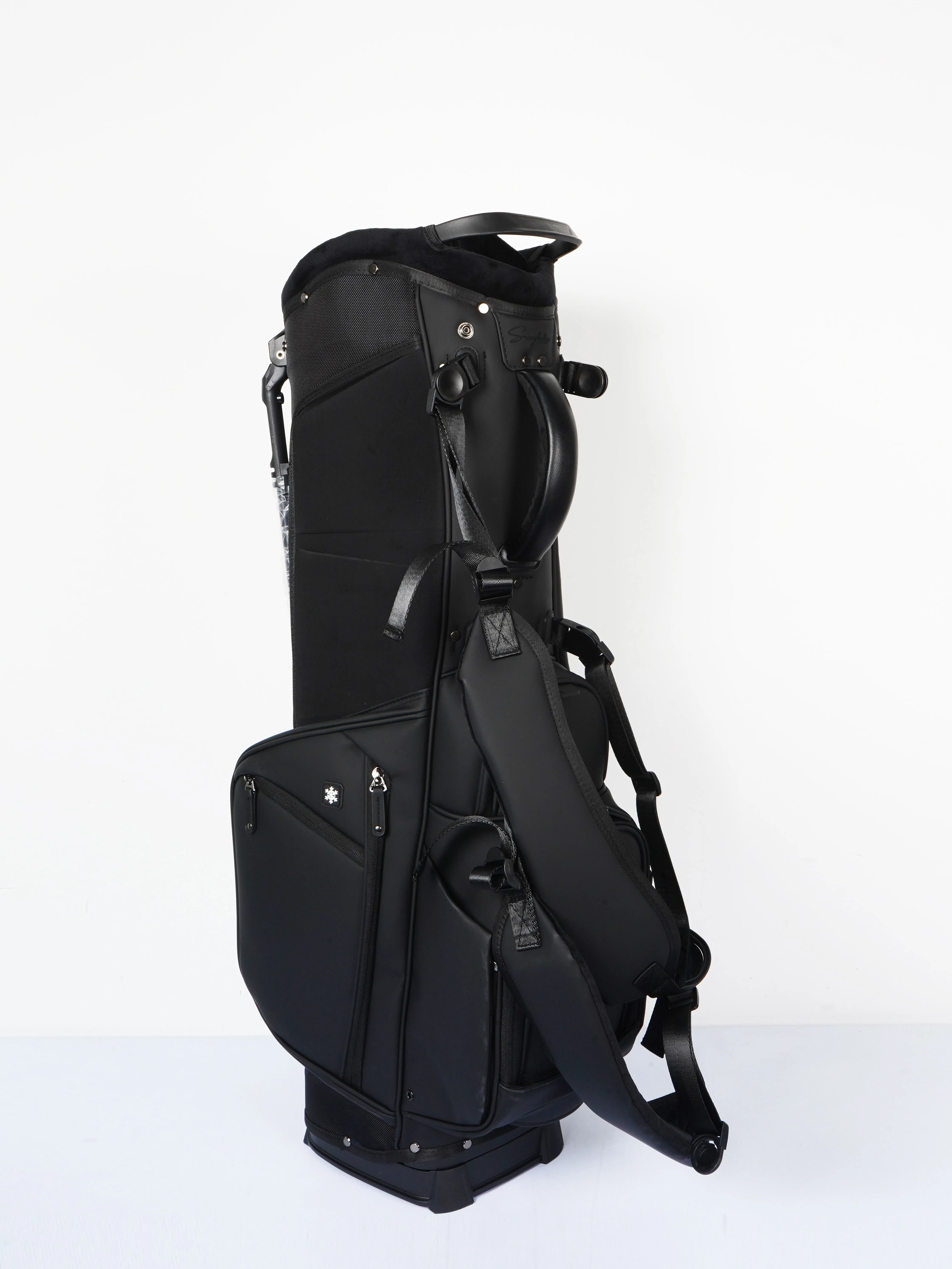
In-process inspection occurs during production, monitoring quality at various stages of manufacturing to detect issues early when correction is still efficient and cost-effective. Unlike final inspection that evaluates completed products, in-process inspection catches quality deviations as they develop, enabling immediate corrective action that prevents the accumulation of defective products.
Stage-Gate Inspection Points
Our production process includes multiple stage-gate inspection points where partially completed bags are evaluated before proceeding to the next production stage. These checkpoints are positioned at critical transitions in the manufacturing process where defects, if undetected, would be concealed by subsequent operations or would require significant rework to correct. Key stage-gate points include post-cutting panel inspection, post-sewing sub-assembly inspection, pre-integration component quality verification, and post-integration pre-finishing assessment.
Each stage-gate inspection point has specific criteria tailored to the quality attributes visible and verifiable at that stage. Post-cutting panel inspection focuses on dimensional accuracy, edge quality, and material defect identification. Post-sewing inspection evaluates stitch quality, seam alignment, and construction accuracy. Pre-integration verification confirms that sub-assemblies meet requirements before they are incorporated into the main bag structure. This staged approach ensures that quality issues are addressed at the earliest possible point, minimizing waste and rework costs.
Patrol Inspection Methodology
In addition to stage-gate inspections, our quality team conducts patrol inspections throughout production areas, monitoring operator work quality in real time. Patrol inspectors move through production lines at regular intervals, examining products at various stages of completion and providing immediate feedback to operators. This continuous monitoring approach detects quality drift that might not be captured at discrete stage-gate points, such as gradual degradation of sewing machine tension or progressive wear of cutting blades.
Patrol inspection also serves as a coaching mechanism, with inspectors providing real-time guidance to operators on quality techniques and standards. This coaching function complements formal training programs by addressing quality issues in the context of actual production work, making the guidance immediately applicable and memorable. Our data shows that areas receiving active patrol inspection support consistently maintain higher quality levels than areas without this engagement.
Final Random Inspection: The Last Gate Before Shipment
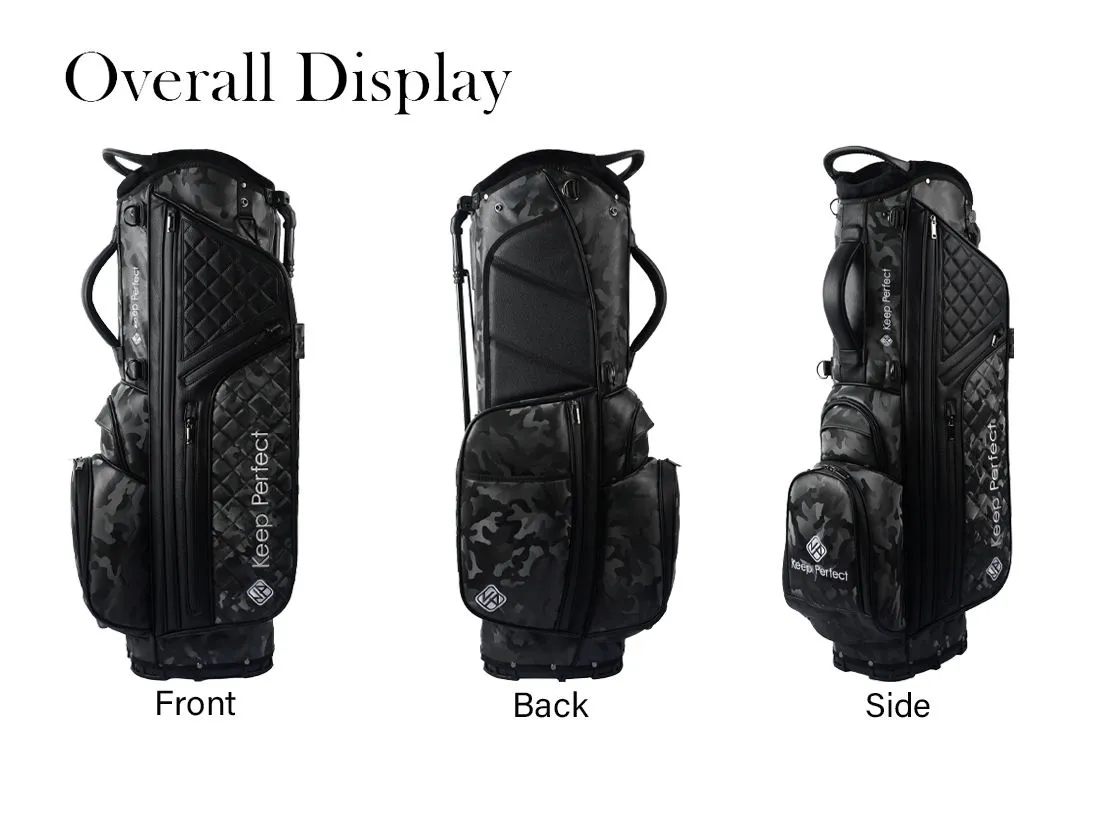
Final random inspection is the last quality gate before golf bags are packaged and shipped. This inspection evaluates a statistically selected sample of finished bags from completed production lots, determining whether the lot meets acceptance criteria for shipment. Final random inspection provides the most comprehensive quality assessment because it evaluates the finished product as the customer will receive it.
Comprehensive Inspection Criteria
Our final random inspection checklist covers every quality attribute of the finished golf bag. Visual appearance criteria assess color consistency, print quality, material finish, embroidery quality, and overall aesthetic presentation. Construction criteria evaluate stitching quality along every seam, including stitch density, thread tension, seam alignment, back-tack security, and decorative stitch execution. Dimensional criteria verify that bag height, width, depth, pocket placement, strap length, and other key measurements fall within specified tolerances.
Functional criteria test the operational performance of every moving component. Zippers are operated through complete open-close cycles to verify smooth tracking. Buckle engagement and release mechanisms are tested for proper function. Stand legs are deployed and retracted multiple times to verify smooth operation and stable locking. Pockets are opened to verify access and interior finishing. Divider systems are checked for tube alignment and smooth club insertion and removal. Each functional test has defined pass criteria that must be met for the bag to receive quality approval.
Weight and Balance Verification
Golf bag weight is a critical quality attribute that affects user satisfaction and brand reputation. Final inspection includes individual weight measurement for every sampled bag, compared against specified weight tolerances. Bags that fall outside weight specifications may indicate material substitution, missing components, or process deviations that require investigation. Weight balance, the distribution of weight across the bag structure, is also evaluated qualitatively by lifting the bag in carrying position to verify that the balance meets ergonomic expectations.
Defect Classification and Severity Levels
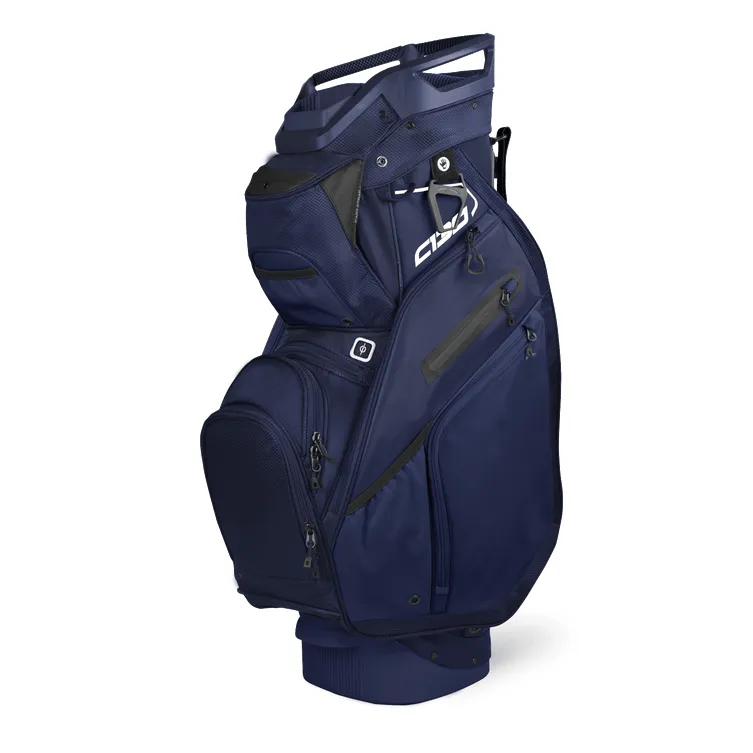
Not all defects are equal. An effective inspection system classifies defects by severity, enabling appropriate acceptance criteria that reflect the real-world impact of different quality issues on end-user satisfaction and brand reputation. Our defect classification system follows industry-standard categories that are widely recognized across the golf bag manufacturing industry.
Critical Defects
Critical defects are those that pose safety risks to the user or render the product completely unusable. Examples include structural failure of load-bearing components, sharp edges or points that could cause injury, toxic material contamination, or complete functional failure of primary features. Critical defects receive zero-tolerance treatment: any critical defect found in the inspection sample results in immediate lot rejection and comprehensive investigation of the production process to identify and eliminate the root cause.
Major Defects
Major defects are quality issues that would likely be noticed by the end consumer and negatively affect their satisfaction with the product, potentially leading to returns, complaints, or brand reputation damage. Examples include visible stitching defects on exterior seams, misaligned logos or printing, zipper malfunction, color mismatch between components, and structural weaknesses that may lead to premature failure. Major defects receive strict acceptance criteria, typically with an acceptable quality level of 1.5 percent or lower depending on brand requirements.
Minor Defects
Minor defects are quality deviations that would likely be noticed only by trained inspectors or discerning consumers who examine the product carefully. These defects do not affect product function or safety but represent departures from the highest quality standards. Examples include slight thread tails remaining after trimming, minor adhesive residue barely visible upon close inspection, and subtle variations in interior finish quality. Minor defects receive more lenient acceptance criteria, typically with an acceptable quality level of 4.0 percent, reflecting the understanding that perfect quality is economically unachievable in mass production.
Statistical Sampling Plans and Acceptance Criteria
Inspecting every single golf bag produced is economically impractical for most production scenarios. Statistical sampling provides a scientifically valid approach to quality inspection that balances inspection cost with risk management, enabling confident acceptance or rejection decisions based on examination of a representative subset of the production lot.
ANSI/ASQ Z1.4 Sampling Standards
Our final random inspection follows the ANSI/ASQ Z1.4 sampling standard, internationally recognized as the benchmark for attribute-based acceptance sampling. The standard provides sample sizes and acceptance numbers based on lot size and selected acceptable quality levels. For typical golf bag production orders of five hundred to three thousand units, the standard specifies sample sizes ranging from thirty-one to one hundred twenty-five units, with acceptance and rejection numbers calculated to provide the agreed level of consumer protection.
We work with brand partners to establish appropriate acceptable quality levels for each defect category. Premium brands targeting discerning golf consumers typically specify tighter acceptable quality levels that provide higher consumer protection, while value-oriented brands may accept wider levels that balance quality with production cost efficiency. Our inspection team is trained to apply brand-specific criteria accurately and consistently.
Switching Rules and Inspection Levels
The sampling standard includes switching rules that adjust inspection rigor based on quality history. Production lots that consistently meet acceptance criteria may qualify for reduced inspection, lowering inspection costs while maintaining quality assurance. Lots that experience repeated failures trigger tightened inspection with larger sample sizes and stricter acceptance criteria. This dynamic adjustment mechanism incentivizes consistent quality performance while providing additional protection when quality performance deteriorates.
Inspection Documentation and Reporting Standards
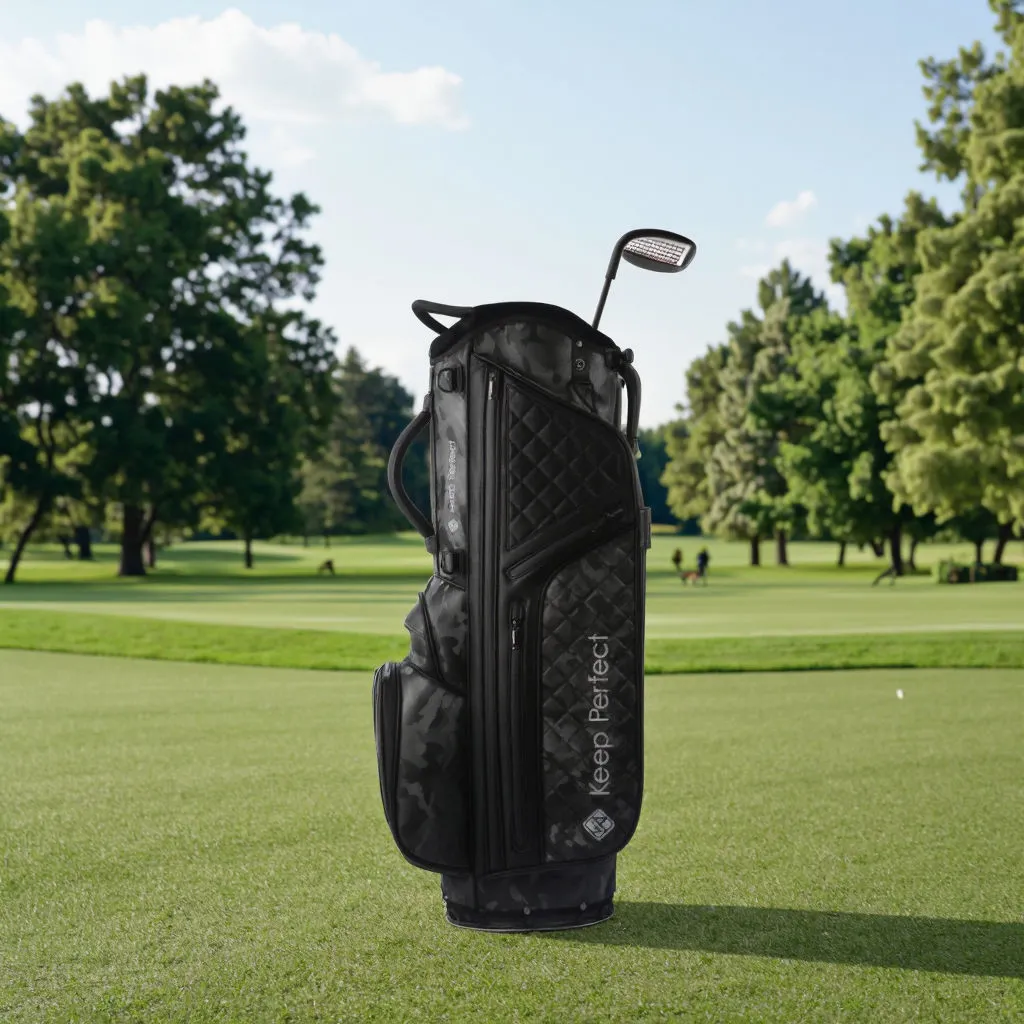
Thorough documentation transforms inspection activities from isolated quality checks into a powerful quality management system that supports traceability, trend analysis, continuous improvement, and brand communication. Our inspection documentation standards ensure that every inspection generates comprehensive records that serve multiple organizational needs.
Inspection Report Components
Each inspection report documents essential information including order identification, production lot details, sample selection methodology, inspection date and inspector identification, quantity inspected, defect findings organized by category and severity, overall pass-fail determination, and photographic evidence supporting the findings. The report format is standardized to enable consistent interpretation by brand partners regardless of which inspector conducted the evaluation or which production line was inspected.
Digital inspection reports are generated within twenty-four hours of inspection completion and transmitted to brand partners through secure file transfer or shared quality management platforms. The reports include high-resolution photographs of any defects found, positioned in context to clearly communicate the defect's location, size, and severity. For passed lots, representative photographs of product quality are included to provide visual confirmation of the inspection findings.
Corrective Action Tracking
When inspections identify defects requiring corrective action, our documentation system generates corrective action requests that track the issue from identification through resolution. Each corrective action request documents the defect finding, root cause analysis, corrective action plan, implementation timeline, verification of effectiveness, and preventive actions to avoid recurrence. This closed-loop corrective action process ensures that quality issues are not merely detected but systematically resolved, with lessons learned incorporated into production processes to prevent future occurrences.
Pocket and Compartment Verification
Modern golf bags feature numerous pockets and compartments designed to organize equipment, accessories, and personal items. Each pocket must be inspected for correct placement, secure attachment, functional zipper or closure operation, and interior finishing quality. Our inspection checklist includes specific verification criteria for every pocket on each bag model, from the primary equipment compartment to specialized pockets for valuables, rangefinders, beverages, and apparel. Pocket depth, width, and access angle are verified against specifications to ensure that intended items fit correctly and can be accessed easily during play.
Velvet-lined valuables pockets, waterproof compartments, and insulated beverage pockets each have specialized inspection criteria beyond basic pocket construction verification. Velvet lining must be smooth and secure without loose threads or adhesive bleed-through. Waterproof compartment seams must be sealed completely, verified through visual inspection and occasionally confirmed through water resistance testing on sampled units. Insulated pockets must contain the specified insulation material at the correct thickness, verified through cross-section examination of cut samples or through thermal performance testing. These specialized pocket inspections ensure that premium features perform as marketed and expected by end consumers.
Ergonomic and Comfort Assessment
Beyond functional and cosmetic inspection, quality assessment includes ergonomic evaluation that considers how the bag feels during actual use. Shoulder strap padding must provide adequate cushioning without being excessively firm or soft. Strap adjustment mechanisms must operate smoothly and maintain their set position under load. Handle grips must be comfortable to hold and securely attached. The bag's balance point when loaded with clubs should feel natural during carrying, without excessive forward or backward lean that would create discomfort during walking. These ergonomic assessments, while somewhat subjective, are critical for customer satisfaction and are incorporated into our inspection protocols through standardized evaluation procedures that minimize inspector-to-inspector variation.
Dual strap systems on stand bags require particular attention to ergonomic quality. The strap harness must distribute weight evenly across both shoulders, with balanced strap length adjustment and symmetrical padding positioning. Hip pad integration with the strap system must provide comfortable load transfer without creating pressure points. Our inspection checklist includes specific dual strap evaluation criteria that verify these ergonomic attributes through standardized assessment procedures performed with the bag loaded to its typical carrying weight.
Color and Aesthetic Consistency
Color consistency across all components of a golf bag is essential for premium quality perception. Our inspection checklist includes detailed color verification criteria that compare every visible component against approved color standards under standardized lighting conditions. Fabric panels, embroidered logos, printed graphics, zipper tape, webbing, buckles, and plastic components must all coordinate correctly within the designed color scheme. Even slight color variations between components that should match create a perception of poor quality that undermines brand positioning regardless of the bag's functional performance.
Color inspection must account for metamerism, where colors appear to match under one lighting condition but differ under another. Our inspection team evaluates color matching under multiple light sources including daylight, warm retail lighting, and cool fluorescent lighting to ensure consistent appearance across different environments where the bag will be viewed and sold. This thorough color verification prevents embarrassing situations where bags appear well-matched in the factory but reveal color discrepancies on retail shelves or on the golf course under different lighting conditions.
Digital Inspection Tools and Mobile Applications
The evolution of inspection technology has introduced digital tools that enhance the accuracy, efficiency, and documentation capabilities of golf bag inspection processes. Mobile inspection applications enable inspectors to record findings directly into digital checklists, attach photographs to specific inspection points, and generate reports automatically upon inspection completion. These applications eliminate the errors and delays associated with paper-based inspection forms while providing real-time data transmission that enables immediate visibility into inspection results. Our factory has deployed mobile inspection applications across all quality checkpoints, creating a fully digital inspection workflow that reduces reporting time from hours to minutes.
Digital measurement tools including electronic calipers, digital angle finders, and laser distance measurers improve measurement accuracy while automatically recording measurements into digital inspection records. This integration eliminates transcription errors and creates complete digital measurement records that support statistical process control analysis and historical trend evaluation. The combination of mobile inspection applications, digital measurement tools, and integrated photography creates a comprehensive digital inspection ecosystem that transforms traditional quality inspection from a manual, paper-based process into a streamlined, data-rich quality management capability.
Comprehensive golf bag inspection checklists serve as the operational foundation for manufacturing quality assurance programs that protect brand reputation, satisfy consumer expectations, and drive continuous improvement across every production cycle. The investment in thorough inspection protocols delivers measurable returns through reduced defect rates, lower warranty costs, and stronger brand partner relationships built on consistent quality performance.
Frequently Asked Questions
How many inspection points should a golf bag quality checklist include?
A comprehensive golf bag quality checklist should include a minimum of fifty to eighty individual inspection points covering materials, construction, dimensions, function, and appearance. The exact number depends on bag complexity, with premium bags featuring more pockets, compartments, and decorative elements requiring more extensive checklists than simpler designs.
What is the standard acceptable quality level for golf bag inspection?
Standard acceptable quality levels for golf bag inspection are typically 1.5 percent for major defects and 4.0 percent for minor defects, following ANSI/ASQ Z1.4 sampling standards. Premium brands often specify tighter levels of 1.0 percent for major defects. Critical defects receive zero tolerance with no acceptable level.
How often should in-process inspections be conducted during production?
In-process inspections should be conducted at minimum at each stage-gate transition point in the production process, typically four to six times per production run. Additionally, patrol inspections should occur at least twice per shift on each production line. High-risk production runs may require more frequent inspection intervals.
What documentation should a factory provide after quality inspection?
After quality inspection, factories should provide comprehensive inspection reports including sample selection details, individual defect findings with photographs, overall disposition determination, corrective action requirements for any failed lots, and trend data comparing current results with historical performance. Reports should be delivered within twenty-four hours of inspection completion.
Can third-party inspection services replace factory QC inspections?
Third-party inspection services complement but do not replace factory quality control inspections. Factory QC provides continuous monitoring throughout production, while third-party inspections typically evaluate a single point in time. The most effective quality programs combine continuous factory QC with periodic third-party verification to provide comprehensive quality assurance.
How do you handle inspection disagreements between factory and buyer?
Inspection disagreements are resolved through predefined escalation procedures. Initial discussions between factory quality managers and buyer quality representatives attempt to reach consensus. If consensus cannot be reached, samples may be submitted to independent third-party laboratories for objective evaluation. Clear acceptance criteria established before production begins minimize the potential for disagreements.
Ready to Start Your Custom Golf Bag Project?
Partner with a BSCI & ISO 9001:2015 certified factory producing 200,000+ premium golf bags annually. MOQ just 100 pieces.
Get a Free Quote Today