Golf Bag QC Photos: Complete Visual Inspection Guide for 2026
Table of Contents
- The Critical Role of QC Photography in Golf Bag Manufacturing
- QC Photo Protocols: Standards and Procedures
- Photo Categories: What to Document at Every Stage
- Common Defects Identified Through QC Photography
- Building a QC Photo Documentation System
- Buyer Requirements: What Brands Expect from QC Photo Reports
- Technology and Tools for Professional QC Photography
- Frequently Asked Questions
The Critical Role of QC Photography in Golf Bag Manufacturing
Quality control photography has become an indispensable element of the golf bag manufacturing process, serving as the primary communication bridge between factories and their brand clients across the globe. In an industry where products are designed in one country, manufactured in another, and sold in markets worldwide, photographic documentation provides objective, verifiable evidence of product quality that transcends language barriers, time zones, and geographic distance. In 2026, QC photo protocols have evolved from informal snapshots into systematic, standardized documentation processes that form the evidentiary backbone of manufacturing quality assurance programs.
At our BSCI and ISO 9001:2015 certified factory, we have refined our QC photography practices over two decades of producing over 200,000 golf bags annually for brands across every major market. This guide shares our comprehensive approach to QC photography, covering the protocols, categories, equipment, documentation systems, and buyer communication practices that ensure our brand partners have complete visibility into product quality at every stage of production. Whether you are a brand owner establishing quality control requirements, a sourcing manager evaluating factory capabilities, or a quality professional seeking to enhance your documentation practices, this guide provides actionable insights drawn from real-world manufacturing experience.
Why Photography Matters More Than Written Reports
Written inspection reports, while valuable, have inherent limitations. Descriptions of defects can be subjective, ambiguous, or misunderstood across language barriers. A written note stating "minor stitching inconsistency" means different things to different inspectors and different buyers. A photograph, however, provides unambiguous visual evidence that all parties can evaluate independently. The defect's size, location, color, and severity are immediately apparent without interpretation. This objectivity makes photographic documentation the gold standard for quality communication in international manufacturing relationships.
Furthermore, photographic records create an auditable trail that supports continuous improvement initiatives. When quality issues arise in the field, historical QC photographs can be reviewed to determine whether the issue originated in production or occurred during transit. When process improvements are implemented, before-and-after photography provides tangible evidence of progress. And when new quality standards are established, photographic examples serve as visual references that are far more effective than textual descriptions for training inspection teams.
QC Photo Protocols: Standards and Procedures
Consistent, professional QC photography requires established protocols that ensure every image serves its intended purpose effectively. Ad hoc photography without standards produces inconsistent results that confuse rather than clarify quality status. Our factory has developed comprehensive photo protocols based on years of refinement and feedback from brand partners across diverse markets and product categories.
Standardized Photography Stations
Professional QC photography begins with controlled environments. Our factory operates dedicated photography stations equipped with consistent lighting, neutral backgrounds, and fixed camera positions that ensure uniform image quality across all inspections. Each station includes calibrated daylight-balanced LED lighting panels that eliminate color distortion, a neutral gray backdrop that provides contrast without introducing color casts, and adjustable mounting fixtures that position the camera at consistent angles relative to the product being photographed.
The standardized environment eliminates variables that can compromise image quality and consistency. Shadows, reflections, color distortion from mixed lighting sources, and inconsistent framing all reduce the effectiveness of QC photographs as quality documentation tools. By controlling these variables, our photography stations produce images that accurately represent product quality regardless of the time of day, weather conditions, or individual photographer taking the images.
Photo Naming and Organization Conventions
Every QC photograph in our system follows a strict naming convention that encodes critical information: order number, production batch, inspection stage, bag position, and defect category if applicable. This systematic naming enables rapid retrieval and cross-referencing of images within our quality management system. When a buyer requests photos from a specific production run, our team can locate and transmit the complete photographic record within hours rather than days.
Organization extends beyond individual file naming to folder structures, database categorization, and archive management. Each production order maintains a dedicated photographic archive organized by inspection stage: incoming materials inspection, in-process production checks, pre-assembly component inspection, post-assembly comprehensive inspection, and pre-shipment final audit. This chronological organization mirrors the production process flow and enables efficient quality traceability from raw materials to finished products.
Photo Categories: What to Document at Every Stage
Comprehensive QC photography covers multiple categories of visual evidence, each serving distinct quality assurance purposes. Understanding what to photograph, when to photograph it, and how to frame each shot for maximum informational value is essential for building an effective photographic documentation system.
Overall Product Photography
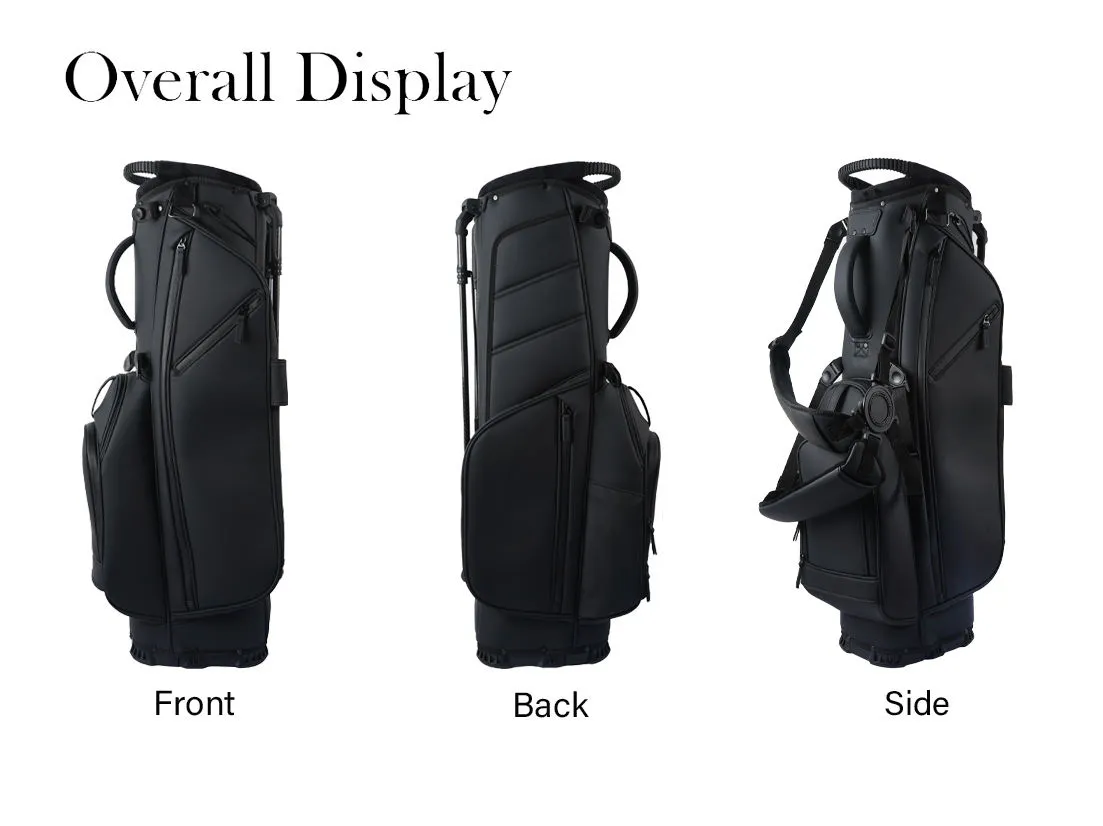
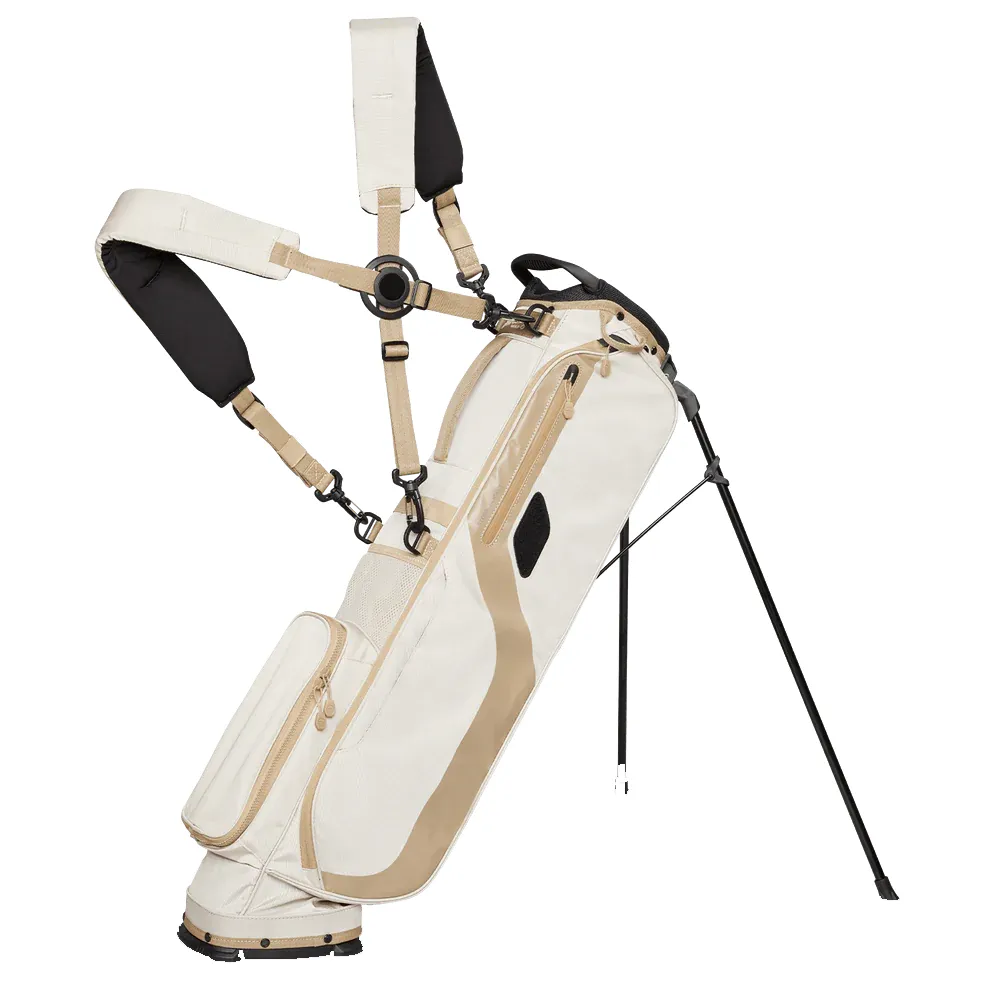
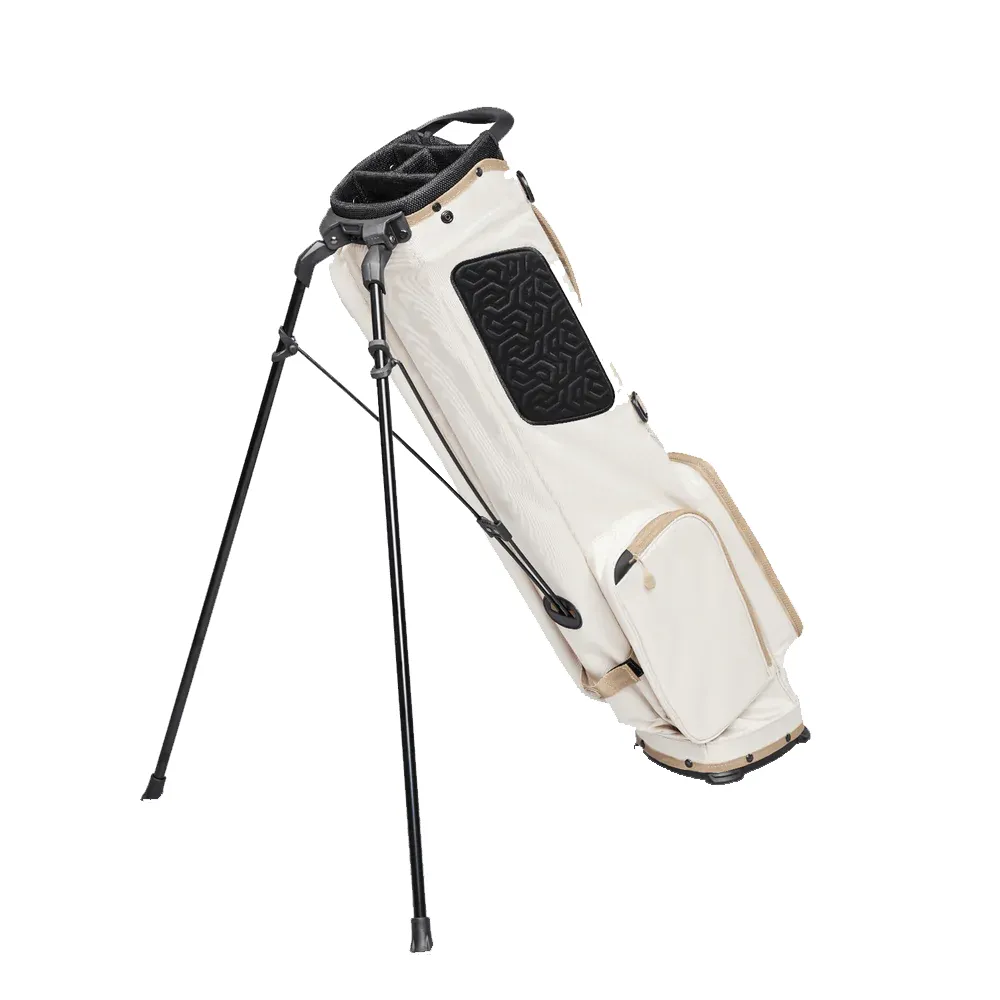
Every golf bag undergoes comprehensive overall photography from multiple angles: front, back, left side, right side, top-down, and bottom view. These six standard angles provide complete visual documentation of the bag's exterior appearance, revealing overall construction quality, symmetry, color consistency, print registration, and surface finish. Additional angles may be captured for bags with unique features, asymmetrical designs, or special construction elements that require documentation from non-standard viewpoints.
Overall photography serves multiple purposes simultaneously. It provides the buyer with a visual record of the finished product's appearance, establishes a baseline for identifying damage that may occur during packaging and shipping, and creates marketing-ready imagery that brands can use for catalogs, websites, and social media content when authorized. Our photography protocols ensure that overall product shots are lit, framed, and processed to professional standards suitable for commercial use.
Detail and Close-Up Photography
Beyond overall documentation, QC photography must capture detailed views of critical quality elements. Stitching quality along all seams receives dedicated close-up photography at regular intervals, documenting thread consistency, stitch density, seam alignment, and back-tack security. Hardware components including zippers, buckles, D-rings, and rivets are photographed individually to document finish quality, attachment security, and functional alignment. Logo application, whether embroidered, printed, or applied as patches, receives macro photography to verify registration, color accuracy, and adhesion quality.
Interior photography documents the divider system, pocket linings, internal organization features, and the quality of internal finishing. These images are particularly important for bags with premium interior features like velvet-lined valuables pockets, waterproof compartment linings, or integrated technology pockets, where construction quality may not be visible from exterior photography alone.
Functional Testing Documentation
QC photography extends beyond static product images to document functional testing activities. Photographs of zipper pull tests, strap load tests, stand mechanism deployment tests, and pocket access demonstrations provide evidence that functional elements perform correctly. These dynamic images complement static quality photography by demonstrating that the bag not only looks correct but performs as designed throughout its intended lifecycle.
Common Defects Identified Through QC Photography
QC photography serves as the primary tool for identifying, classifying, and communicating product defects to brand clients. Understanding the types of defects commonly captured through QC photography helps brands establish appropriate acceptance criteria and tolerance thresholds for their quality standards.
Stitching and Seam Defects
Stitching defects represent the most commonly identified quality issues in golf bag manufacturing. QC photography captures several categories of stitching defects: skipped stitches where the needle fails to form a complete stitch, creating a gap in the seam; uneven stitch density where the number of stitches per centimeter varies along a seam, indicating inconsistent sewing machine speed or operator technique; thread breaks where interrupted thread creates weak points in the seam; and seam pucker where excessive thread tension causes the fabric to gather along the seam line. Each defect type has distinct visual characteristics that QC photography captures clearly for classification and resolution.
Surface and Cosmetic Defects
Cosmetic defects visible on the bag's exterior surfaces are readily identified through QC photography. These include color variation between panels cut from different material batches, printing defects such as misregistration, smudging, or incomplete coverage, material defects including scratches, scuffs, or texture inconsistencies, and adhesive residue visible around attached patches, logos, or decorative elements. High-resolution photography with proper lighting reveals cosmetic defects that may be invisible to the naked eye under normal factory lighting conditions.
Structural and Functional Defects
More serious structural defects that affect product performance are documented through a combination of photography and written descriptions. Misaligned divider tubes, warped frame structures, insecure stand mechanism attachment, and misaligned pocket zippers all represent structural defects that QC photography documents from multiple angles to clearly communicate the nature and severity of the issue. Functional testing photography documents defects discovered during performance testing, such as zipper derailment under load, strap slippage during tension testing, or stand leg instability during deployment cycles.
Building a QC Photo Documentation System
Individual QC photographs gain exponential value when organized into a systematic documentation framework that supports quality analysis, trend identification, traceability, and continuous improvement. A well-designed QC photo documentation system transforms raw images into actionable quality intelligence.
Digital Quality Management Integration
Modern QC photo documentation systems integrate with broader quality management platforms that track inspection results, defect rates, corrective action histories, and supplier performance metrics. Each photograph in the system is linked to its corresponding inspection record, creating a searchable database that connects visual evidence with quantitative quality data. This integration enables quality managers to identify patterns, such as recurring defects on specific bag models, at specific production stages, or associated with particular material batches, supporting targeted corrective actions that address root causes rather than symptoms.
Our digital quality management system catalogs over one million QC photographs annually, organized by order, product model, inspection stage, and defect category. The system supports real-time access from any location, enabling brand partners to review production quality remotely without traveling to the factory. This remote visibility reduces inspection travel costs, accelerates issue resolution, and builds confidence in manufacturing quality through transparent access to production documentation.
Report Generation and Distribution
Beyond individual image storage, the documentation system generates structured QC photo reports that compile relevant images for each production milestone. These reports present photographs in a standardized format alongside inspection data, pass-fail determinations, and corrective action requirements when applicable. Report distribution follows predetermined schedules, with production phase reports transmitted within twenty-four hours of inspection completion, ensuring that brand partners receive timely quality updates that enable rapid decision-making.
Buyer Requirements: What Brands Expect from QC Photo Reports
Different brand clients have different QC photography requirements based on their quality standards, market positioning, regulatory obligations, and internal quality management processes. Understanding these varying requirements enables factories to tailor their photographic documentation to meet each buyer's specific needs efficiently.
Major Retailer Requirements
Large retail chains and major golf brands typically impose the most comprehensive QC photography requirements. These requirements often specify the number of photographs per inspection stage, minimum image resolution, mandatory shooting angles, and specific quality elements that must be documented. Some retailers require photographs of every individual bag produced, while others accept representative sampling based on statistical acceptance criteria. Understanding and meeting these requirements is essential for factories seeking to maintain relationships with major retail partners.
Customization and Flexibility
Smaller brands and emerging labels may have less formalized QC photography requirements but still benefit significantly from comprehensive photographic documentation. Our factory offers flexible QC photography packages that can be customized to match each brand's requirements and budget. Standard packages cover essential documentation, while premium packages include additional angles, higher resolution, specialized lighting setups, and expedited transmission schedules. This flexibility ensures that every brand partner receives appropriate photographic documentation regardless of order volume or quality program sophistication.
Technology and Tools for Professional QC Photography
The technology available for QC photography continues to advance, offering new capabilities for image quality, efficiency, and analytical power. Factories that invest in modern QC photography technology gain competitive advantages in documentation quality, inspection efficiency, and brand client communication.
Camera and Lighting Systems
Professional QC photography requires cameras capable of capturing high-resolution images with accurate color reproduction and sharp detail across the entire frame. Modern mirrorless cameras with high-resolution sensors deliver the image quality needed for detailed QC documentation while offering the speed and connectivity features required for high-volume production environments. Paired with calibrated LED lighting systems that provide consistent, shadow-free illumination, these cameras produce professional-quality images that serve both documentation and communication purposes effectively.
Automation and Artificial Intelligence
Emerging technologies are beginning to transform QC photography from a manual documentation process into an automated quality analysis tool. Computer vision algorithms can analyze QC photographs in real time, automatically identifying defects, classifying their severity, and flagging non-conforming products for further inspection. While these systems are still evolving and require human oversight for final quality determinations, they offer the potential to dramatically increase inspection throughput while maintaining consistent quality standards. Our factory is actively piloting computer vision systems for stitching quality assessment and print registration verification, with promising early results that suggest significant future potential for automated QC photography analysis.
The integration of cloud storage and real-time image transmission capabilities means that QC photographs captured on the factory floor can be available for review by brand partners on the other side of the world within minutes. This real-time visibility transforms the quality communication dynamic from periodic batch reporting to continuous monitoring, enabling faster issue identification and resolution that benefits both factory and brand.
Dimensional Verification Photography
Dimensional accuracy is a critical quality attribute for golf bags, and QC photography plays an essential role in documenting dimensional compliance. Photographs taken with calibrated reference scales positioned adjacent to the measurement area provide visual evidence of dimensional accuracy that complements numerical measurement data. Key dimensional checkpoints captured through QC photography include overall bag height, width, and depth, pocket placement relative to reference points, strap attachment point positions, and divider tube protrusion height. These dimensional photographs are particularly valuable for resolving disputes about whether products meet specification tolerances, providing objective visual evidence that both factory and buyer can evaluate independently.
Advanced dimensional photography techniques include photogrammetry, where multiple photographs taken from precisely known angles are combined to create three-dimensional measurements of the product. While still emerging in golf bag quality control, photogrammetry offers the potential to capture comprehensive dimensional data from photographs alone, reducing the need for physical measurement while providing complete dimensional documentation. Our factory is actively evaluating photogrammetry systems for integration into our QC photography workflow, with pilot programs demonstrating promising accuracy for golf bag dimensional verification.
Packaging and Shipping Documentation
Beyond product quality photography, QC documentation extends to packaging quality verification and shipping preparation documentation. Photographs of packed cartons verify that bags are positioned correctly within shipping containers, that protective materials are properly installed, and that carton sealing meets specifications. Label placement, shipping mark accuracy, and bar code readability are all documented through photography to prevent shipping errors that could result in misdelivered products and dissatisfied customers. Container loading photography records the stowage arrangement, providing evidence for insurance claims if shipping damage occurs and enabling investigation of damage patterns related to container loading practices.
For brands distributing through multiple channels, channel-specific packaging requirements must be verified through QC photography. Retail-bound shipments may require different packaging configurations than direct-to-consumer shipments, with different labeling, protective materials, and carton specifications. QC photography confirms that each shipment receives the correct packaging configuration for its intended distribution channel, preventing costly repacking requirements at destination warehouses and ensuring that products arrive in the condition expected for their sales channel.
Building a Culture of Photographic Documentation
Effective QC photography requires more than equipment and procedures; it requires a culture where every team member understands the value of visual documentation and takes responsibility for capturing quality evidence at every stage. Our factory has invested in training programs that develop QC photography skills across the production team, not just among dedicated quality staff. Production operators learn to capture reference photographs of their work at key stages, creating a distributed quality documentation network that provides comprehensive coverage beyond what dedicated QC photographers alone can achieve. This cultural investment in photographic documentation ensures that quality evidence is captured consistently, completely, and promptly throughout every production cycle.
The integration of mobile devices into QC photography workflows has democratized quality documentation, enabling any team member with a smartphone to capture and upload quality photographs to the central quality management system in real time. Mobile applications designed for factory environments provide guided photography workflows that ensure consistent framing, lighting, and naming conventions regardless of the photographer. These applications also enable real-time quality alerts, where uploaded photographs are immediately reviewed by quality engineers who can identify emerging issues before they generate significant production waste.
Continuous Improvement Through Photographic Analysis
The systematic accumulation of QC photographs creates a valuable data resource for continuous improvement analysis. When photographs are organized by defect category, production stage, and time period, statistical analysis reveals patterns that guide targeted quality improvement initiatives. For example, if stitching defect photographs cluster around specific production stages or particular bag models, management can direct training resources and process adjustments to address those specific issues. This data-driven approach to quality improvement, powered by visual evidence, produces more reliable and measurable results than anecdotal observation alone.
Comparative photographic analysis, where images from different production periods are reviewed side by side, provides powerful visual evidence of quality improvement progress. When process changes are implemented, before-and-after photography demonstrates their impact clearly and convincingly. This visual evidence is invaluable for communicating improvement results to brand partners, justifying investments in quality infrastructure, and motivating production teams by showing the tangible results of their quality improvement efforts. Our factory maintains a visual quality improvement gallery that documents major quality achievements through photographic evidence, creating both an educational resource and a source of team pride.
Professional QC photography continues to evolve as an essential discipline within golf bag manufacturing quality assurance programs. Brands that invest in comprehensive photographic documentation protocols gain significant advantages in quality communication, issue resolution, and continuous improvement that directly impact customer satisfaction and brand reputation in the competitive golf equipment marketplace.
Frequently Asked Questions
How many QC photos are typically taken for a single golf bag?
A comprehensive QC inspection typically captures between fifteen and thirty photographs per golf bag, covering six overall angles, multiple close-up detail shots of stitching and hardware, interior documentation, functional testing images, and packaging verification photos. The exact number depends on buyer requirements and bag complexity.
What resolution should QC photos be for buyer submissions?
QC photos submitted to buyers should have a minimum resolution of three thousand pixels on the longest side, with twenty-four-bit color depth and sRGB color space. This resolution ensures that details are visible when images are zoomed for close inspection while maintaining manageable file sizes for transmission and storage.
How should QC photos be organized and transmitted to buyers?
QC photos should be organized by inspection stage and uploaded to a shared cloud platform or transmitted via dedicated file transfer services. Files should follow a standardized naming convention encoding order number, batch, stage, and sequence. Complete photo reports should be transmitted within twenty-four hours of inspection completion.
Can QC photography replace on-site buyer inspections?
QC photography significantly reduces the need for on-site buyer inspections by providing comprehensive visual documentation of product quality. However, it does not completely replace physical inspection for critical quality attributes like tactile feel, material hand, and functional performance that require physical interaction to evaluate properly.
What equipment is needed for professional QC photography?
Professional QC photography requires a high-resolution camera, calibrated LED lighting system, neutral background setup, stable camera mounting fixture, and adequate workspace for product positioning. Total equipment investment ranges from two thousand to five thousand US dollars for a professional-grade setup suitable for golf bag inspection.
How do factories handle confidentiality of QC photos?
Factories must maintain strict confidentiality of QC photos, which may contain proprietary design information. Access controls, non-disclosure agreements, secure transmission protocols, and defined image retention and destruction policies all protect brand intellectual property embedded in QC photographic documentation.
Ready to Start Your Custom Golf Bag Project?
Partner with a BSCI & ISO 9001:2015 certified factory producing 200,000+ premium golf bags annually. MOQ just 100 pieces.
Get a Free Quote Today