Golf Bag Manufacturing Videos: Factory Tour and Production Process in 2026
Table of Contents
- Why Golf Bag Manufacturing Videos Matter in 2026
- The Complete Production Process: From Design to Finished Product
- Material Cutting and Preparation: Precision at Scale
- Assembly Lines: Where Craftsmanship Meets Efficiency
- Quality Control Testing: Ensuring Every Bag Meets Standards
- The Human Element: Skilled Craftsmanship in Modern Manufacturing
- Frequently Asked Questions
Why Golf Bag Manufacturing Videos Matter in 2026
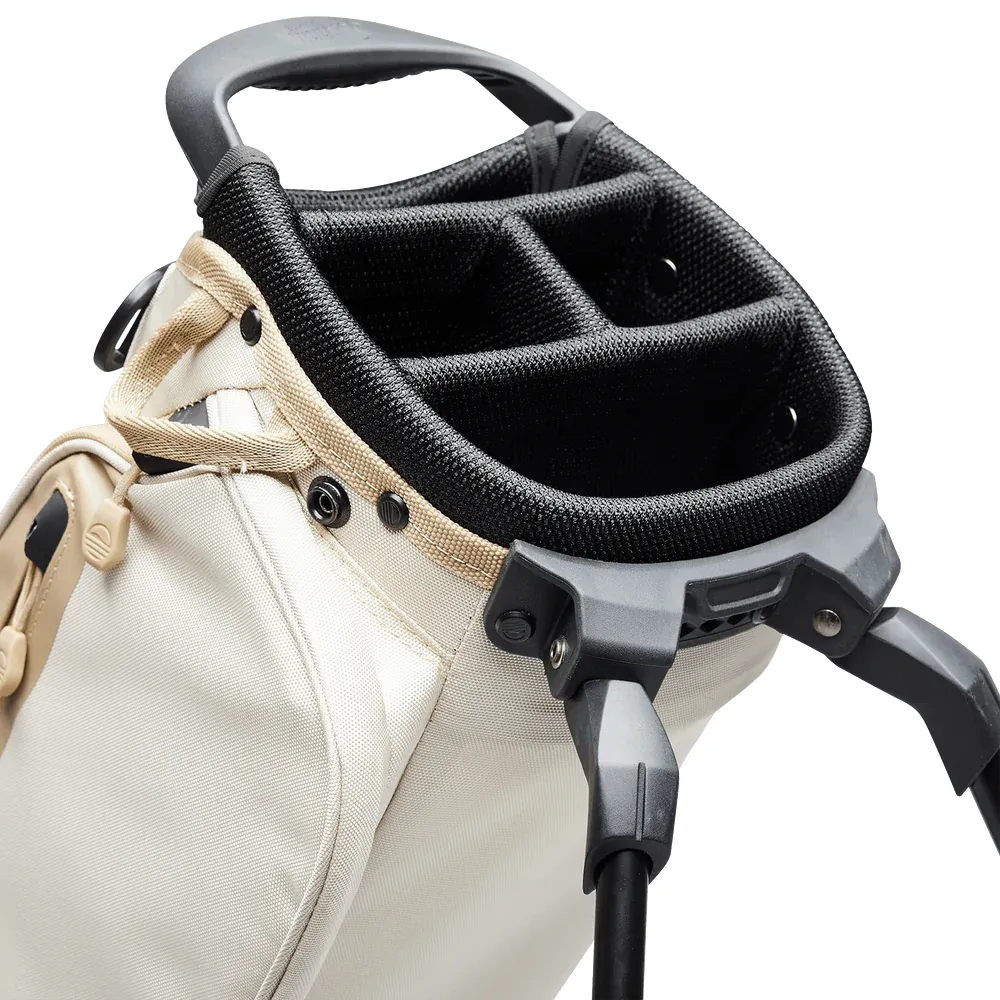
Video content has become the most powerful communication tool for golf bag manufacturers seeking to build trust with brand partners, educate potential clients about manufacturing capabilities, and differentiate their operations in an increasingly competitive global marketplace. In 2026, factory tour videos, production process documentation, and manufacturing craftsmanship films serve purposes that extend far beyond marketing, functioning as due diligence tools for sourcing decisions, training resources for quality assurance programs, and transparency demonstrations that satisfy growing demands for supply chain visibility.
At our BSCI and ISO 9001:2015 certified factory producing over 200,000 golf bags annually, we have invested significantly in video documentation of our manufacturing processes. These videos serve multiple audiences: brand partners evaluating our capabilities before placing orders, quality teams conducting remote factory audits, marketing teams creating product launch content, and training departments developing onboarding programs for new production staff. This guide explores the complete scope of golf bag manufacturing as captured through our video documentation, providing insights into every stage of the production process from raw material preparation to final quality inspection and packaging.
The Role of Video in Modern Manufacturing Communication
Traditional factory audits require brand representatives to travel to manufacturing facilities, incurring significant time and cost. While in-person audits remain valuable for comprehensive evaluation, video documentation provides a powerful complement that enables continuous monitoring between physical audits, supports remote evaluation for brands with limited travel budgets, and creates permanent records of factory conditions and processes that can be reviewed at any time. For international sourcing relationships spanning multiple time zones and continents, video content bridges the communication gap more effectively than any other medium.
The production of manufacturing videos requires careful planning to ensure that content serves its intended purposes while protecting proprietary processes and respecting the privacy of production staff. Our video documentation program follows established protocols that balance transparency with security, showcasing manufacturing capabilities and quality practices while safeguarding competitive advantages and intellectual property.
The Complete Production Process: From Design to Finished Product

The journey from design concept to finished golf bag encompasses numerous manufacturing stages, each requiring specialized equipment, skilled operators, and rigorous quality checkpoints. Our video documentation captures this journey in detail, providing brand partners with comprehensive visibility into every step of the production process.
Design Translation and Pattern Development
The production process begins when brand design specifications are translated into manufacturing patterns and technical documentation. Our design engineering team reviews brand-provided designs for manufacturability, identifying potential production challenges and recommending modifications that maintain design intent while optimizing production efficiency. This collaborative review process is documented in our video library, showing how design files are converted into physical patterns, material specifications are finalized, and production bills of materials are generated.
Pattern development represents a critical phase where design intentions are converted into precise templates for material cutting. Our video documentation shows the pattern development process using computer-aided design software, where designers create digital patterns that account for material stretch, seam allowances, and three-dimensional bag geometry. These digital patterns are then used to program automated cutting equipment, ensuring that every panel cut matches the design specification with sub-millimeter accuracy.
Material Sourcing and Incoming Inspection
Material sourcing and incoming inspection form the foundation of product quality. Our video library documents the incoming inspection process where raw materials including fabrics, zippers, buckles, webbing, foam, and hardware components are checked against specifications before entering production. Every material lot undergoes dimensional verification, color matching against approved standards, weight and thickness measurement, and performance testing for critical attributes like tensile strength, abrasion resistance, and colorfastness.
Material Cutting and Preparation: Precision at Scale
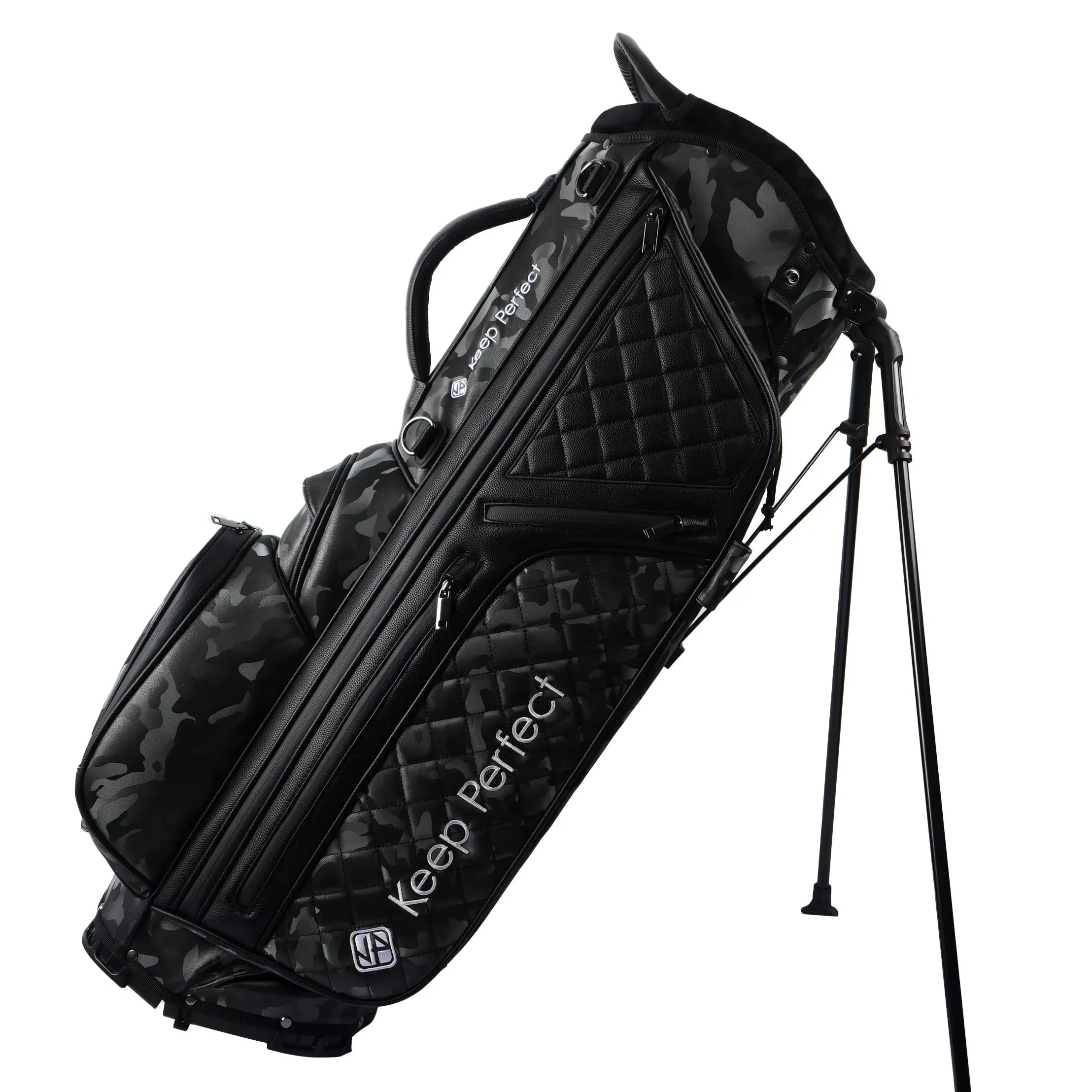
Material cutting represents one of the most critical production stages, where precision directly impacts the quality and consistency of the finished golf bag. Our factory employs both automated and manual cutting techniques, selected based on material type, order volume, and precision requirements.
Automated Cutting Systems
Our automated cutting systems use computer-controlled blade paths programmed from digital patterns to cut fabric panels with exceptional precision and repeatability. These systems handle high-volume production runs efficiently, producing thousands of identical panels with consistent accuracy. Our video documentation shows the automated cutting process in action, from material spreading and layering through cutting, bundling, and labeling. The speed and precision of automated cutting systems enable us to maintain tight quality tolerances even during high-volume production periods.
Automated cutting also minimizes material waste through intelligent nesting algorithms that optimize panel layout on the fabric sheet. This material efficiency reduces production costs and environmental impact while maintaining the dimensional accuracy essential for proper bag assembly. Our video documentation includes time-lapse sequences showing the nesting optimization process and the resulting material utilization rates.
Manual Cutting for Complex Components
Certain components require manual cutting by skilled operators who can navigate complex shapes, match pattern directions, and handle delicate materials that automated systems may damage. Decorative panels, leather accents, custom-shaped pockets, and prototype components all benefit from the judgment and dexterity of experienced cutting technicians. Our video documentation captures these skilled operations, highlighting the craftsmanship that complements automated production capabilities.
Component Preparation and Kitting
After cutting, panels and components are organized into production kits that contain all materials needed for a specific bag model or production batch. This kitting process ensures that sewing operators receive complete material sets, preventing production delays from missing components and enabling efficient workflow management. Our kitting process is documented in video format, showing how components are sorted, counted, verified against bills of materials, and organized for distribution to production lines.
Assembly Lines: Where Craftsmanship Meets Efficiency

Golf bag assembly is the most complex and labor-intensive stage of production, requiring skilled sewing operators, specialized equipment, and coordinated workflow management. Our eight dedicated production lines operate simultaneously, each configured for specific product types or production requirements, enabling flexible capacity allocation across our diverse product portfolio.
Sewing Operations and Techniques
The sewing stage transforms flat material panels into three-dimensional bag structures through a series of precise stitching operations. Our video documentation captures the full range of sewing techniques used in golf bag production: flat seaming for structural joints, bound edges for premium finishes, bar-tacking at stress points for reinforcement, zipper installation with precise alignment, and pocket construction with clean interior finishing. Each technique requires trained operators who understand the relationship between machine settings, thread tension, presser foot pressure, and material behavior.
Our sewing operators average eight to twelve years of experience in golf bag production, bringing accumulated skill that automated systems cannot replicate. The human judgment involved in handling material stretch, navigating complex intersections of multiple layers, and maintaining consistent stitch quality through long production runs represents a competitive advantage that defines our manufacturing quality. Video documentation showcases this craftsmanship in detail, providing brand partners with confidence in the human skills behind every bag we produce.
Sub-Assembly and Integration
Modern golf bags incorporate numerous sub-assemblies that are built separately and then integrated into the main bag structure. Divider systems, stand mechanisms, base plates, shoulder strap assemblies, and handle grips all undergo sub-assembly operations before integration. Our video documentation shows these sub-assembly processes, revealing the complexity hidden within seemingly simple bag structures and the precision required to ensure that all components function correctly together after integration.
Quality Control Testing: Ensuring Every Bag Meets Standards
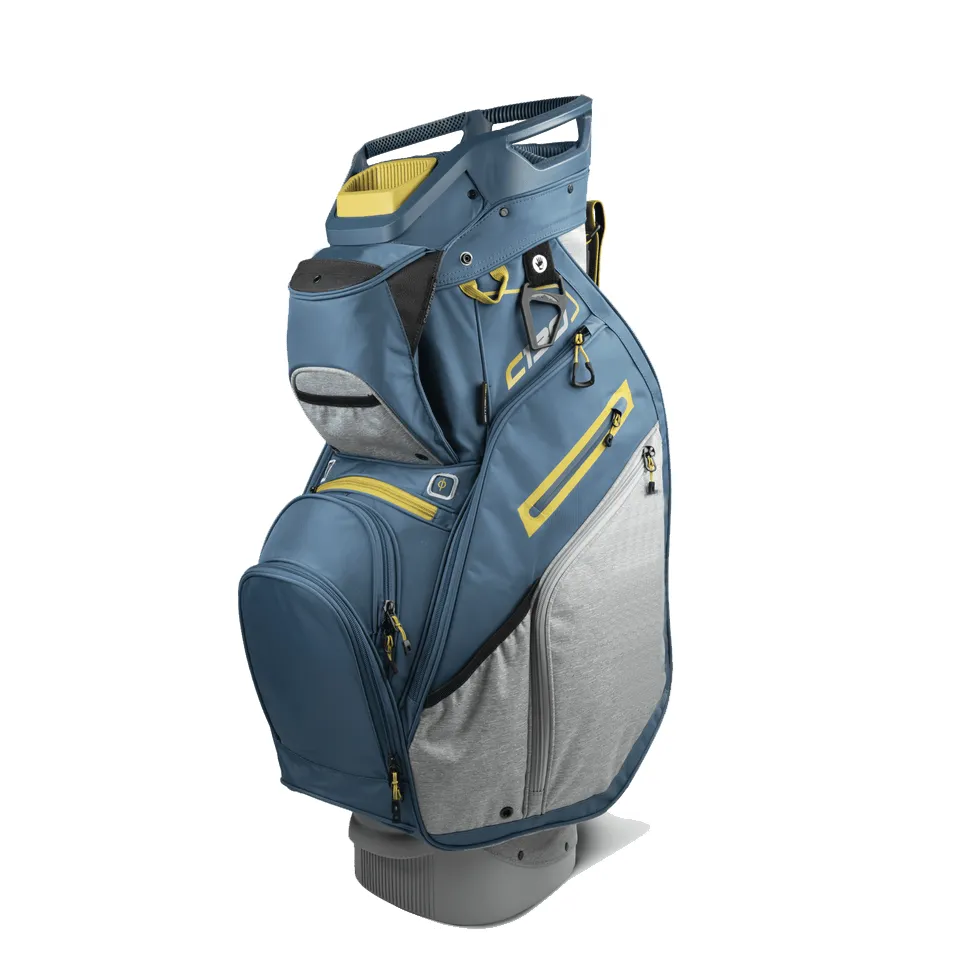
Quality control testing represents the final gate before golf bags proceed to packaging and shipment. Our comprehensive testing protocol evaluates both cosmetic quality and functional performance, ensuring that every bag meets the standards established by our brand partners and the expectations of end consumers.
Cosmetic Inspection Protocols
Cosmetic inspection evaluates the visual appearance of finished golf bags against established acceptance criteria. Inspectors examine every surface for color consistency, print quality, stitching integrity, material defects, and overall construction symmetry. Our video documentation follows inspectors through the complete cosmetic evaluation process, showing the systematic approach used to ensure that no surface area escapes scrutiny. Inspection lighting, magnification tools, and reference standards all contribute to consistent evaluation quality across the inspection team.
Functional Performance Testing
Beyond cosmetic quality, every golf bag undergoes functional performance testing that validates the operational performance of all moving parts and load-bearing structures. Stand mechanisms are cycled through deployment and retraction sequences to verify smooth operation and stability. Zippers are operated through full open-close cycles under load to confirm smooth tracking and resistance to derailment. Shoulder straps are tension-tested to verify secure attachment and comfortable adjustment range. Our video documentation captures these testing procedures, demonstrating the rigor applied to every bag before it receives quality approval.
Statistical Sampling and Acceptance Criteria
For production orders, quality control follows statistical sampling plans based on internationally recognized standards. Sample sizes are calculated based on order quantity and acceptable quality levels, with sampling results determining whether production lots pass inspection, require sorting, or fail and trigger corrective action. Our video documentation explains the statistical methodology, showing how sample selections are made, how results are evaluated against criteria, and how disposition decisions are documented and communicated to brand partners.
The Human Element: Skilled Craftsmanship in Modern Manufacturing
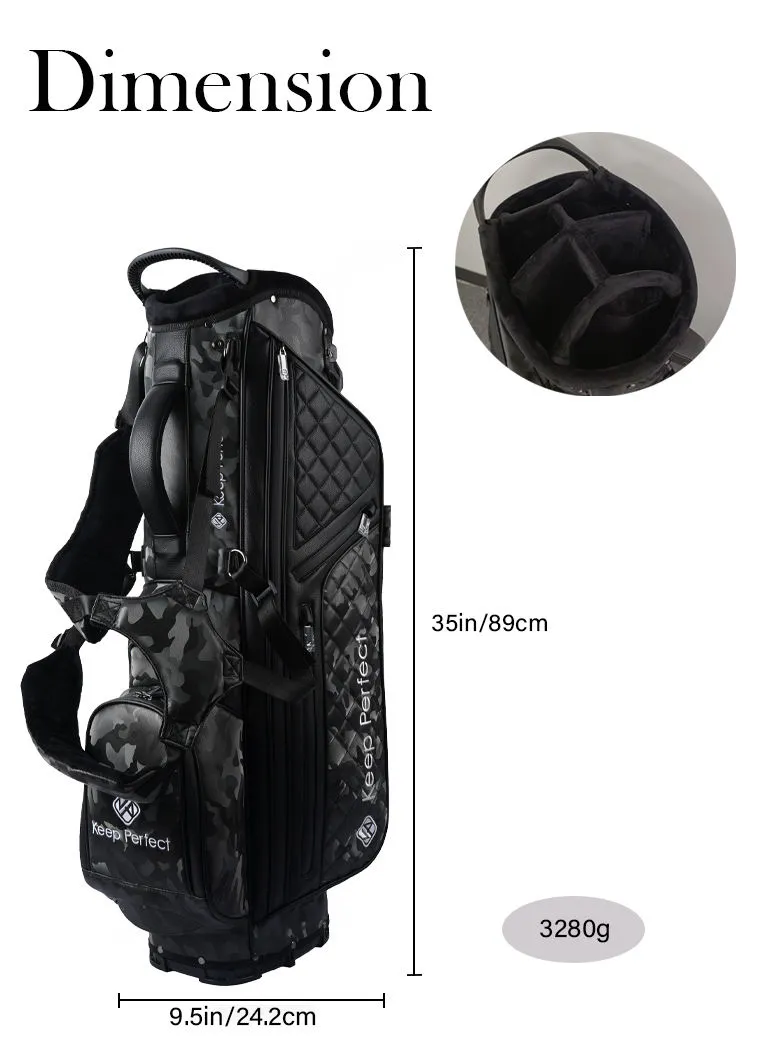
Despite the increasing sophistication of automated manufacturing equipment, golf bag production remains fundamentally a human craft. The quality of a finished golf bag depends on the skills, attention, and pride of the individuals who cut, sew, assemble, and inspect it. Our factory employs over two hundred craftsmen and women, many of whom have dedicated their entire careers to golf bag manufacturing, accumulating decades of experience that is reflected in every stitch and seam.
Training and Skill Development
Our training programs develop sewing operators from entry-level beginners into skilled craftsmen capable of handling the most complex golf bag construction challenges. The training curriculum covers machine operation, material handling, quality standards, and production efficiency, with progressive skill assessments that advance operators through defined competency levels. Our video documentation includes training sequences that reveal the depth and rigor of our skill development programs, demonstrating our commitment to building and maintaining a world-class production workforce.
The average tenure of our production staff exceeds seven years, far above industry norms, reflecting our investment in worker development, fair compensation, and positive working conditions. This workforce stability translates directly into product quality, as experienced operators produce fewer defects, work more efficiently, and maintain the institutional knowledge that enables continuous improvement. Brand partners who tour our facility consistently remark on the skill and engagement of our production team, recognizing it as a fundamental differentiator in manufacturing quality.
Quality Culture and Personal Accountability
Beyond technical skills, our manufacturing quality depends on a culture of personal accountability where every team member takes ownership of the quality of their work. Operators inspect their own work continuously during production, identifying and correcting issues before they propagate to subsequent stages. This self-inspection culture, reinforced through recognition programs, clear quality standards, and open communication channels, creates multiple layers of quality assurance that complement formal inspection processes. Our video documentation captures this quality culture in action, showing operators taking pride in their work, collaborating with colleagues to resolve quality challenges, and contributing ideas for process improvement.
The intersection of human craftsmanship and manufacturing technology represents the sweet spot of modern golf bag production. Automated equipment handles repetitive tasks with precision and consistency, freeing skilled operators to focus on the complex judgments and dexterous operations that require human capabilities. This synergy between technology and craftsmanship defines our manufacturing philosophy and delivers the quality standards that premium golf bag brands require.
Finishing Operations and Final Details
The final assembly stages include finishing operations that transform assembled bags into market-ready products. Our video documentation captures these finishing operations in detail, including final pressing and shaping to restore the bag's intended form after assembly, decorative element application such as branded labels, serial number tags, and authentication features, and final surface treatment including protective spray application for leather components and conditioning for premium material finishes. These finishing touches may seem minor individually but collectively contribute significantly to the premium perception that distinguishes quality golf bags from commodity alternatives.
Video documentation of finishing operations serves an educational purpose for brand partners, demonstrating the attention to detail that justifies premium positioning and price points. The careful hand-finishing, the precision of decorative element placement, and the quality of surface treatments are all visible in our production videos, providing tangible evidence of the craftsmanship investment that goes into every bag we produce. For brands developing marketing content, these finishing operation videos provide compelling behind-the-scenes footage that communicates quality and authenticity to end consumers.
Production Planning and Capacity Management
Beyond the physical production process, our video documentation covers production planning and capacity management systems that ensure efficient resource allocation and reliable delivery schedules. Production planning videos show how orders are prioritized, materials are allocated, and production schedules are optimized to balance delivery requirements with manufacturing efficiency. Capacity management footage demonstrates how our eight production lines are configured and reconfigured to accommodate diverse product types and order volumes, providing brand partners with visibility into the operational flexibility that supports their supply chain requirements.
These operational videos are particularly valuable for brand partners making sourcing decisions, as they reveal the management systems and operational discipline that underlie production output. A factory may have impressive equipment and skilled workers, but without effective planning and management, delivery reliability suffers and quality consistency becomes unpredictable. Our production planning videos demonstrate the systematic approach that enables us to maintain ninety-eight percent on-time delivery performance across over 200,000 bags annually, providing brand partners with the confidence that their orders will be completed and delivered on schedule.
Environmental Management and Sustainability Practices
Modern factory documentation must address environmental management practices alongside production quality. Our video library includes content covering our environmental management systems, waste reduction programs, energy efficiency initiatives, and sustainable manufacturing practices. These videos respond to growing demand from brand partners and their investors for transparent visibility into the environmental impact of manufacturing operations. Footage of our solar panel installations, water recycling systems, material waste reduction programs, and energy-efficient equipment demonstrates our commitment to sustainable manufacturing that aligns with the environmental values of our brand partners and their consumers.
Sustainability documentation through video provides an immediacy and authenticity that written reports cannot match. Seeing solar panels generating power for production equipment, watching water recycling systems treat and reuse process water, and observing waste sorting programs in action creates credible evidence of environmental commitment that resonates with environmentally conscious brand partners and end consumers. These environmental videos serve dual purposes, supporting both the brand sustainability reporting requirements and the factory's own continuous improvement efforts by making environmental performance visible and accountable.
Video Content Distribution and Access Management
Factory video content must be distributed strategically to serve its intended purposes while protecting proprietary information and respecting competitive boundaries. Our video distribution system provides tiered access levels that control which content is available to which audiences. General factory overview videos are available to all prospective clients and serve as introductory marketing content. Detailed production process videos are shared with qualified brand partners under non-disclosure agreements. Brand-specific content featuring proprietary designs is accessible only to the owning brand under strict confidentiality protocols. This tiered approach ensures that video content serves its communication purposes while maintaining appropriate information security boundaries.
Video hosting and delivery platforms must provide reliable streaming performance across global networks while maintaining access controls and preventing unauthorized distribution. Our video platform supports adaptive streaming that adjusts quality based on the viewer's network conditions, ensuring smooth playback regardless of whether the viewer is accessing content from a high-bandwidth office network in North America or a limited-bandwidth connection in a developing market. Viewing analytics track which content is accessed most frequently, providing insights into brand partner interests that inform future video production priorities and content development strategies.
Supplier and Material Sourcing Documentation
Quality in golf bag manufacturing begins with material sourcing, and video documentation of supplier operations provides brand partners with visibility into the complete supply chain. Our video library includes footage of material supplier facilities, incoming material inspection processes, and material testing procedures. These videos demonstrate that quality management extends beyond our factory walls to encompass the entire material supply chain, providing brand partners with assurance that every component meets specified standards from the point of origin. Supplier video documentation is particularly important for brands with supply chain transparency requirements or those seeking to communicate ethical sourcing practices to their consumers.
Material testing laboratory videos showcase the equipment and procedures used to verify incoming material quality before production release. Spectrophotometer color matching, tensile strength testing machines, abrasion resistance equipment, and chemical composition analyzers are all featured in our material testing video content. These videos provide technical depth that supports engineering-level discussions with brand partners about material specifications, performance requirements, and testing methodologies. For brand quality teams developing their own incoming inspection programs, these videos serve as educational references that illustrate industry-standard material testing approaches and equipment capabilities.
The strategic value of manufacturing video documentation extends well beyond immediate communication needs. As artificial intelligence and machine learning technologies continue to advance, factory video archives represent untapped data resources that can be analyzed by computer vision systems to identify production patterns, efficiency opportunities, and quality trends that would be invisible to human observation alone. Forward-looking factories are already organizing their video archives with these future analytical applications in mind, ensuring that the documentation investments made today continue to generate value as technology capabilities expand in coming years.
Investing in comprehensive factory video documentation represents a strategic commitment to transparency, communication excellence, and brand partnership development that yields dividends across every aspect of the manufacturing relationship from initial client acquisition through long-term production partnerships.
Frequently Asked Questions
Can I visit the factory for an in-person tour and video walkthrough?
Yes, brand partners and prospective clients are welcome to visit our factory for comprehensive in-person tours. We accommodate factory visits year-round and provide detailed walkthroughs of every production area. Visits can be arranged through our contact page or by reaching out via WhatsApp at plus 8617750020688. We recommend scheduling visits at least two weeks in advance to ensure appropriate staff availability and production area preparation.
What production stages are documented in your factory videos?
Our factory video documentation covers every major production stage including design translation and pattern development, material incoming inspection, automated and manual cutting operations, sewing and assembly processes, sub-assembly construction, quality control testing, final inspection, and packaging. Each stage has dedicated video content that can be shared with authorized brand partners.
How do you protect proprietary designs in factory videos?
Factory videos are produced under strict confidentiality protocols. Proprietary designs belonging to specific brand partners are never featured in general factory videos without explicit written authorization. Videos shared with prospective clients focus on manufacturing capabilities and processes rather than specific product designs. All video content is classified by security level and access is controlled accordingly.
Can factory videos be used for brand marketing purposes?
Yes, we support brand partners in using factory video content for marketing purposes under agreed licensing terms. Our professional video production team can create customized content specifically produced for brand marketing use, including factory tour footage, craftsmanship highlights, and quality assurance process documentation. Usage rights and licensing terms are established through written agreements.
How current is your factory video documentation?
Our factory video documentation is updated quarterly to reflect production process improvements, equipment upgrades, facility expansions, and quality program enhancements. Brand partners requesting video content receive the most current versions available. For specific projects, we can produce updated video content on demand to showcase current production conditions relevant to specific orders or product lines.
Ready to Start Your Custom Golf Bag Project?
Partner with a BSCI & ISO 9001:2015 certified factory producing 200,000+ premium golf bags annually. MOQ just 100 pieces.
Get a Free Quote Today