Golf Bag Packaging Design: The Complete 2026 Brand Guide
Table of Contents
- Why Golf Bag Packaging Design Matters in 2026
- Packaging Materials: From Corrugated Cardboard to Sustainable Alternatives
- Structural Engineering: Protection Meets Presentation
- Brand Identity Integration on Every Surface
- The Unboxing Experience: Turning First Impressions into Loyalty
- Sustainable Packaging: Regulations, Materials, and Consumer Demand
- Cost Optimization Without Compromising Quality
- Frequently Asked Questions
Why Golf Bag Packaging Design Matters in 2026
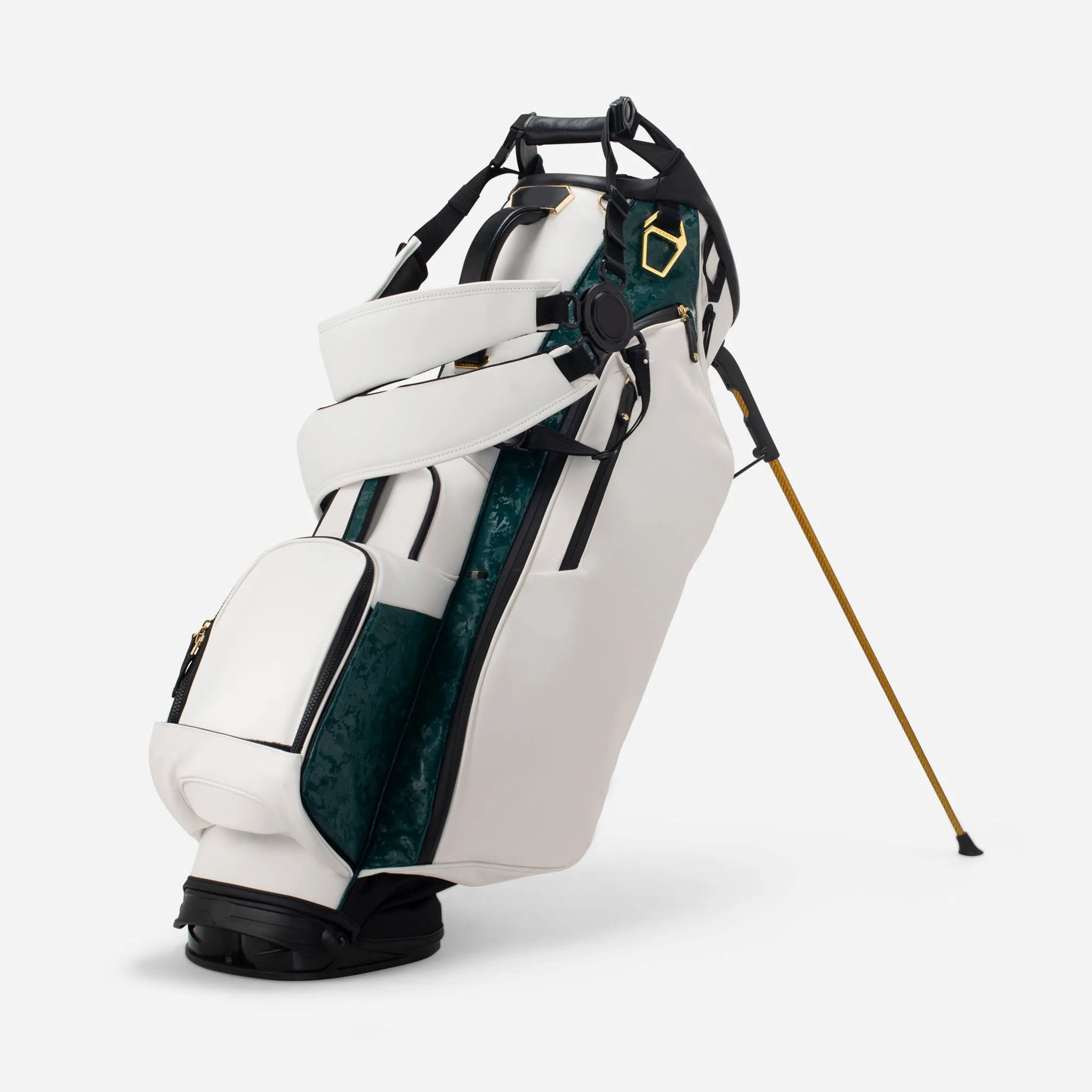
The golf bag industry has undergone a dramatic transformation in recent years, and packaging design has emerged as one of the most critical differentiators between brands competing for consumer attention and wholesale buyer approval. In 2026, golf bag packaging is no longer an afterthought reserved for the final stage of production. It has become a strategic tool that communicates brand values, protects premium products during global logistics chains, and creates memorable unboxing experiences that drive customer loyalty and social media engagement.
At our BSCI and ISO 9001:2015 certified factory, we produce over 200,000 golf bags annually for brands across North America, Europe, Asia, and the Middle East. Through this volume, we have accumulated deep expertise in packaging design that balances structural protection, visual branding, regulatory compliance, environmental responsibility, and cost efficiency. This comprehensive guide distills that knowledge into actionable insights for brand owners, product managers, and purchasing teams developing golf bag packaging strategies for the current market landscape.
The stakes have never been higher. Global e-commerce now accounts for a significant and growing share of golf bag sales, meaning packaging must survive the rigors of parcel delivery while still arriving in pristine condition. Simultaneously, retail environments demand packaging that stands out on crowded shelves and communicates quality within seconds. Sustainability regulations in the European Union, California, and other major markets are reshaping material choices. And consumer expectations, influenced by premium brands across all product categories, continue to rise. This guide addresses each of these challenges systematically.
The Evolution of Golf Bag Packaging
Historically, golf bag packaging served a purely functional purpose: protect the product during transit from factory to warehouse to retail shelf. Plain brown corrugated boxes with minimal printing were the industry standard. The bag itself was the selling point, and packaging was viewed as a cost center to be minimized. This mindset has shifted fundamentally. Today, packaging is recognized as a brand touchpoint, a marketing channel, and a critical component of the overall product experience. Premium golf bag brands now invest significantly in custom packaging solutions that reinforce brand positioning and create differentiation in an increasingly competitive market.
The evolution has been driven by several converging forces. The rise of direct-to-consumer sales models means packaging must create a compelling first impression without the benefit of retail staff or in-store displays. Social media platforms have turned unboxing into a content category, with consumers sharing packaging experiences online. Environmental awareness has made packaging materials a purchasing factor, particularly among younger demographics. And the globalization of supply chains has raised the bar for protective performance, as bags now travel longer distances through more complex logistics networks than ever before.
Packaging Materials: From Corrugated Cardboard to Sustainable Alternatives
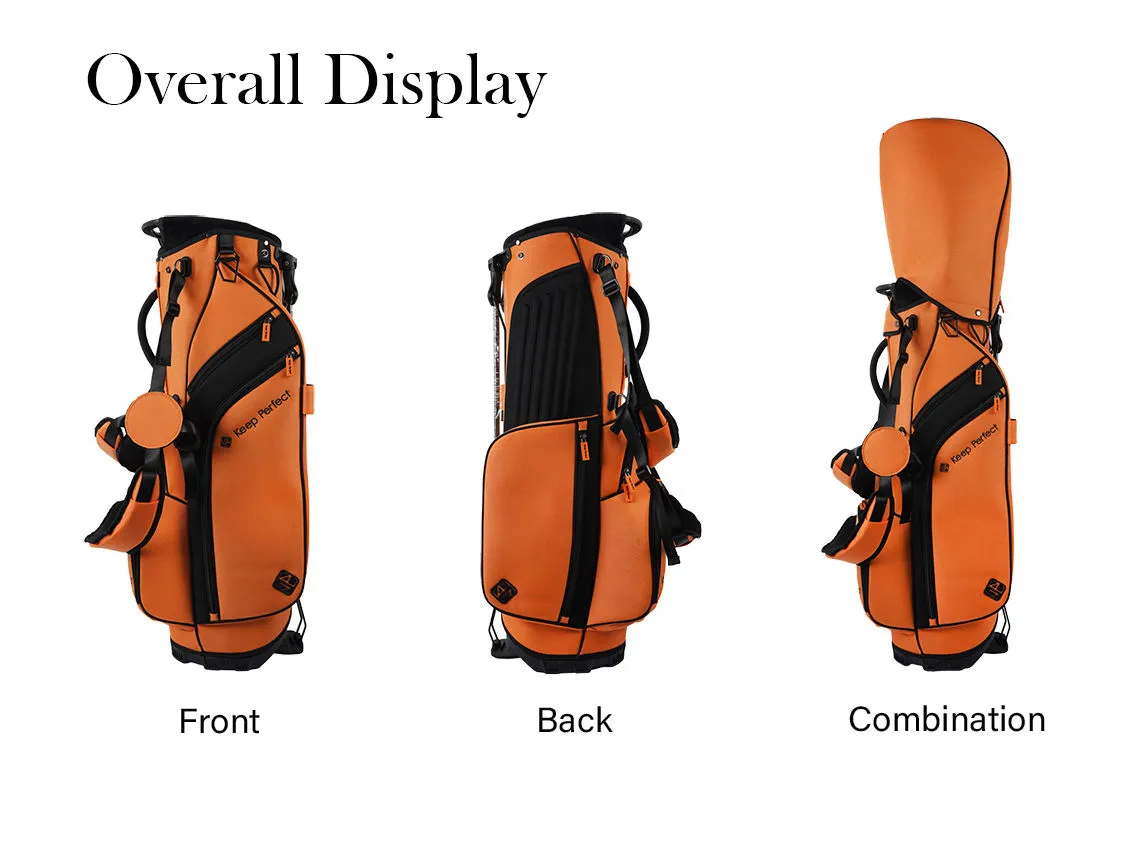
Selecting the right packaging materials is the foundational decision that influences protection, cost, weight, printability, recyclability, and consumer perception. For golf bags, which are relatively large and heavy products with protruding components like shoulder straps, stand legs, and club dividers, material selection requires careful engineering analysis combined with an understanding of brand positioning and target market expectations.
Corrugated Cardboard: The Industry Workhorse
Corrugated cardboard remains the dominant material for golf bag packaging, accounting for approximately eighty-five percent of all golf bag shipments worldwide. The material's popularity stems from its excellent strength-to-weight ratio, cost efficiency, printability, and universal recyclability. For golf bags, manufacturers typically specify double-wall corrugated board with a flute configuration that balances compression strength and cushioning performance. The outer liner accepts high-quality flexographic or lithographic printing for brand graphics, while the inner structure provides the rigidity needed to prevent box collapse during stacking in containers and warehouses.
The specification details matter considerably. Wall thickness, edge crush test values, burst strength, and moisture resistance all affect how well the packaging protects the golf bag throughout the supply chain. We recommend minimum specifications based on bag weight and destination market logistics infrastructure. Bags shipping to markets with less developed logistics networks may require higher specifications than those distributing through mature channels with controlled handling environments.
Alternative and Emerging Materials
The packaging materials landscape is diversifying rapidly. Molded pulp inserts made from recycled paper or agricultural fibers are replacing expanded polystyrene foam for internal bracing and protection. These molded pulp solutions offer comparable protective performance while being fully recyclable and compostable, addressing growing consumer and regulatory pressure to eliminate expanded polystyrene from packaging streams. Our factory has transitioned to molded pulp for most product lines, with the exception of ultra-premium tour bags that still benefit from custom foam solutions.
Biodegradable films and wraps are emerging as alternatives to traditional polyethylene bags used for dust protection during shipping. Starch-based films, cellulose wraps, and wax-coated paper barriers all offer viable alternatives that maintain product protection while reducing environmental impact. The performance gap between conventional and biodegradable protective films has narrowed significantly, making the transition increasingly practical for brands seeking to improve their environmental credentials without sacrificing product safety.
Internal Protection Systems
Beyond the outer shipping container, internal protection systems play a critical role in preventing damage to golf bags during transit. These systems include head and foot protectors made from molded pulp or corrugated inserts, stand leg stabilizers that prevent movement, strap management clips, and divider covers that protect the interior club management system. Each component must be engineered to fit precisely, preventing the bag from shifting within the carton while remaining easy for consumers to remove and dispose of responsibly.
The design of internal protection systems requires detailed knowledge of the bag's geometry, weight distribution, and vulnerable points. Our engineering team creates custom protection specifications for each bag model, validated through drop testing, vibration testing, and compression testing that simulates real-world logistics conditions. This systematic approach ensures that packaging designs protect products effectively regardless of the distribution channel or destination market.
Structural Engineering: Protection Meets Presentation
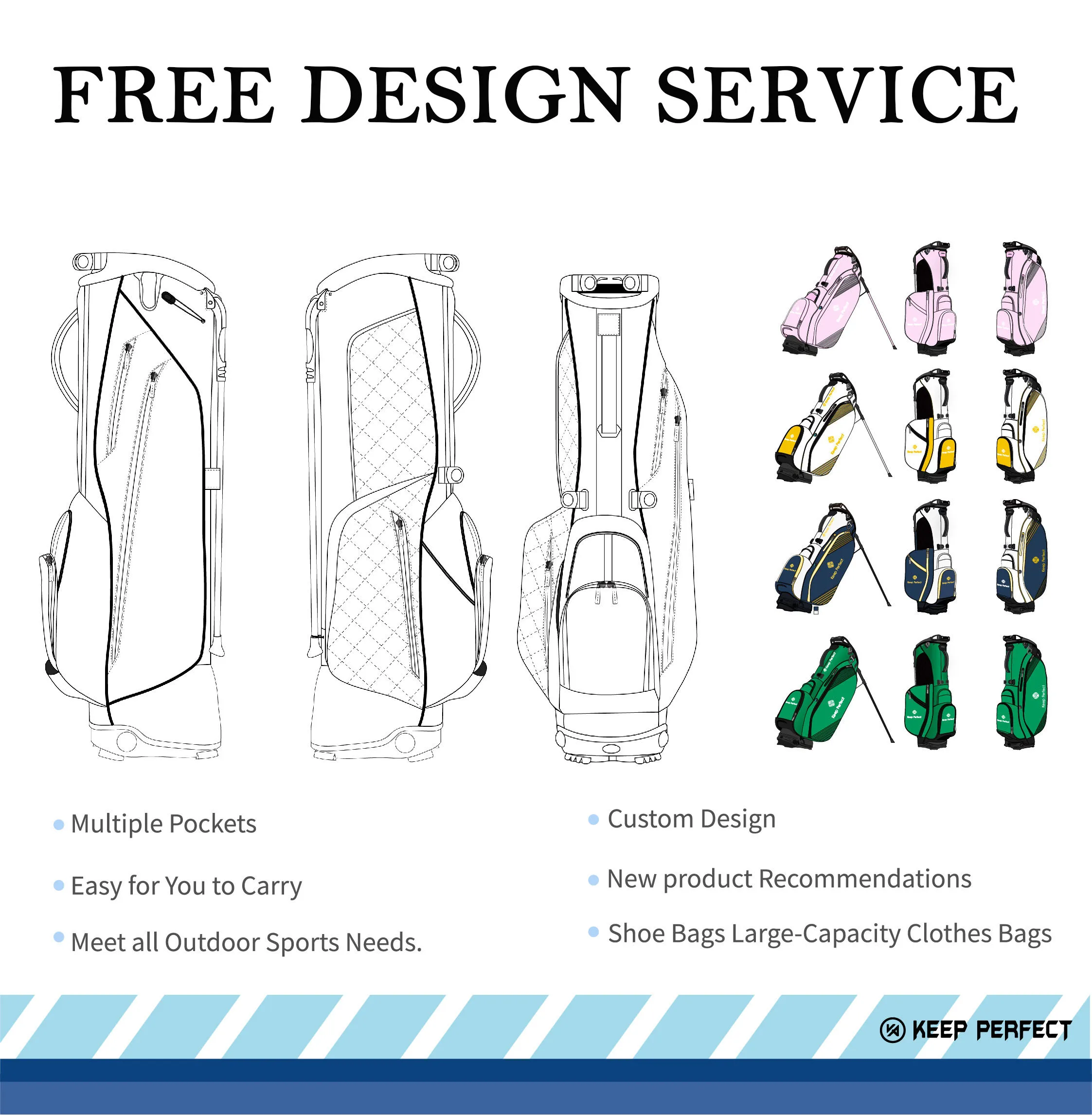
Golf bag packaging must satisfy two sometimes competing objectives: providing maximum structural protection during the supply chain and presenting an attractive, professional appearance that reinforces brand positioning at the point of sale or during the unboxing experience. Achieving both objectives requires structural engineering expertise combined with graphic design sensibility.
Box Design and Load-Bearing Engineering
The structural design of a golf bag shipping carton begins with precise dimensional analysis. The box must accommodate the bag's dimensions, including protruding elements like stand legs, shoulder strap buckles, and oversized pockets, while minimizing void space that allows movement during transit. Our packaging engineers use computer-aided design software to create box dimensions that achieve a snug fit, reducing the need for excessive void fill materials and improving both protection and material efficiency.
Load-bearing capacity is another critical engineering consideration. Golf bags typically weigh between two and five kilograms, but cartons are stacked on pallets that may reach heights of two meters or more in shipping containers. The bottom carton in a stack must support the cumulative weight of all cartons above it without collapsing or deforming. We specify corrugated board grades and flute configurations based on stack height calculations, accounting for dynamic forces during ocean freight and the potential for reduced strength in high-humidity environments.
Window Boxes and Retail-Ready Designs
For brands selling through specialty golf retailers, window box designs that allow customers to see and touch the product without opening the packaging offer significant merchandising advantages. These designs require careful structural engineering to maintain box rigidity despite the large cutout, typically using reinforced frames and clear polyethylene terephthalate windows. The additional complexity adds cost but can significantly improve sell-through rates in retail environments where tactile engagement drives purchase decisions.
Retail-ready packaging designs go further by incorporating features that facilitate shelf display, such as integrated hang tabs, fold-out panels, or convertible designs that transform from shipping carton to display fixture. These solutions reduce handling costs for retailers while maximizing brand visibility on the sales floor. Our design team collaborates with brand partners to develop retail-ready packaging concepts that align with distribution strategies and merchandising requirements.
Brand Identity Integration on Every Surface
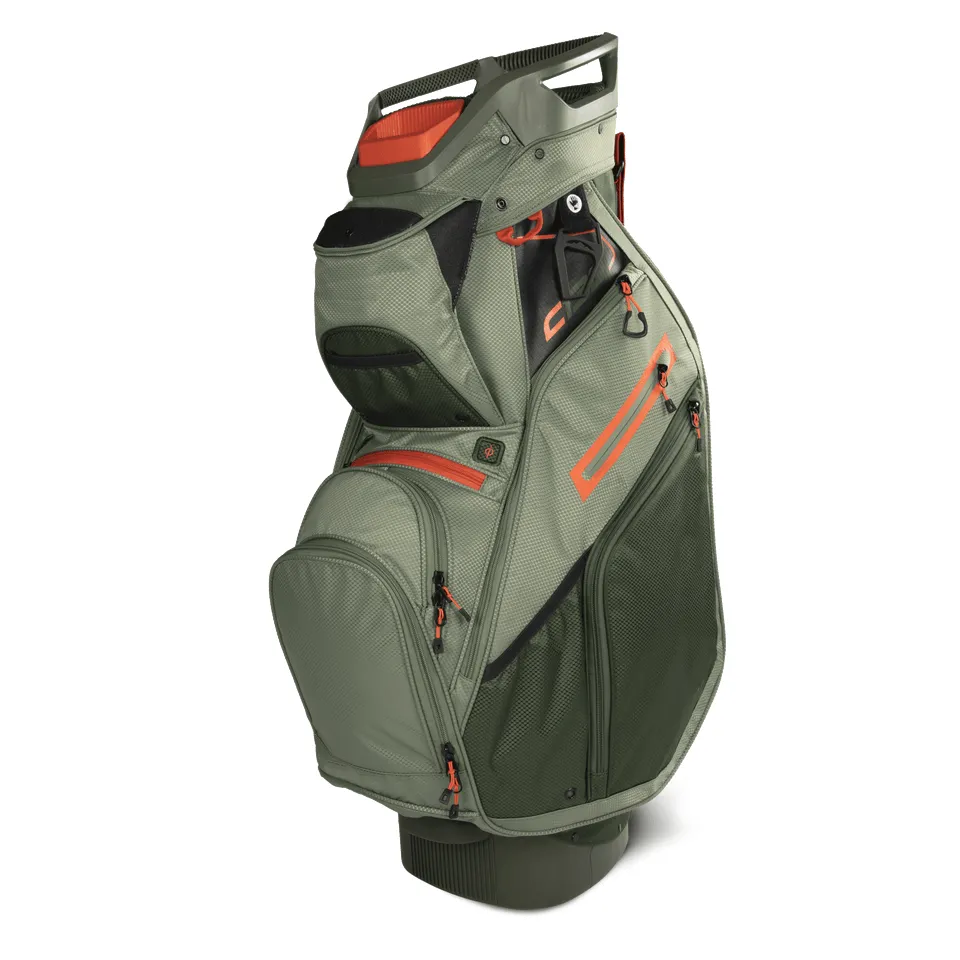
Packaging surfaces represent valuable real estate for brand communication. Every face of a golf bag carton offers an opportunity to reinforce brand identity, communicate product features, and create visual differentiation from competitors. Effective brand integration requires a strategic approach that balances information density with visual clarity, ensuring that key messages reach the target audience effectively.
Primary Panel Strategy
The primary panel, typically the largest face of the carton visible on retail shelves or in product photography, demands the most careful design attention. This panel should feature the brand logo prominently, the product name and model designation, a compelling product image or graphic element, and a concise value proposition. The visual hierarchy must guide the viewer's eye from brand identification to product recognition to purchase motivation within seconds. Our design guidelines recommend a three-element maximum for the primary panel to maintain visual impact and readability from a distance.
Color strategy plays a crucial role in brand recognition. Consistent use of brand colors across packaging, product, and marketing materials creates a cohesive brand experience that consumers learn to recognize instantly. For premium golf bag brands, deep blacks, rich greens, and metallic accents communicate quality and sophistication. Performance-oriented brands often favor bold, high-contrast color combinations that convey energy and technical capability. The packaging color palette should align with the product design and broader brand identity system.
Secondary Panel Communication
The secondary panels of golf bag packaging provide space for more detailed product information, feature callouts, brand storytelling, and technical specifications. These panels serve different audiences depending on the sales channel. In retail environments, secondary panels help sales staff communicate product benefits to customers. For e-commerce shipments, secondary panels are the first thing the end consumer sees, making them critical for creating a positive unboxing impression. We recommend designing secondary panels with the end consumer in mind, incorporating product photography, feature icons, and brand narrative elements that create an engaging first impression.
Typography selection deserves careful consideration. The typeface used for product descriptions, feature lists, and brand messaging on packaging should complement the brand's visual identity while maintaining readability at various sizes. Sans-serif typefaces dominate the golf bag packaging landscape for their clean, modern appearance and legibility, though some premium brands use serif typefaces to communicate heritage and tradition. Consistency in typographic treatment across the entire packaging design creates a professional, cohesive appearance.
The Unboxing Experience: Turning First Impressions into Loyalty
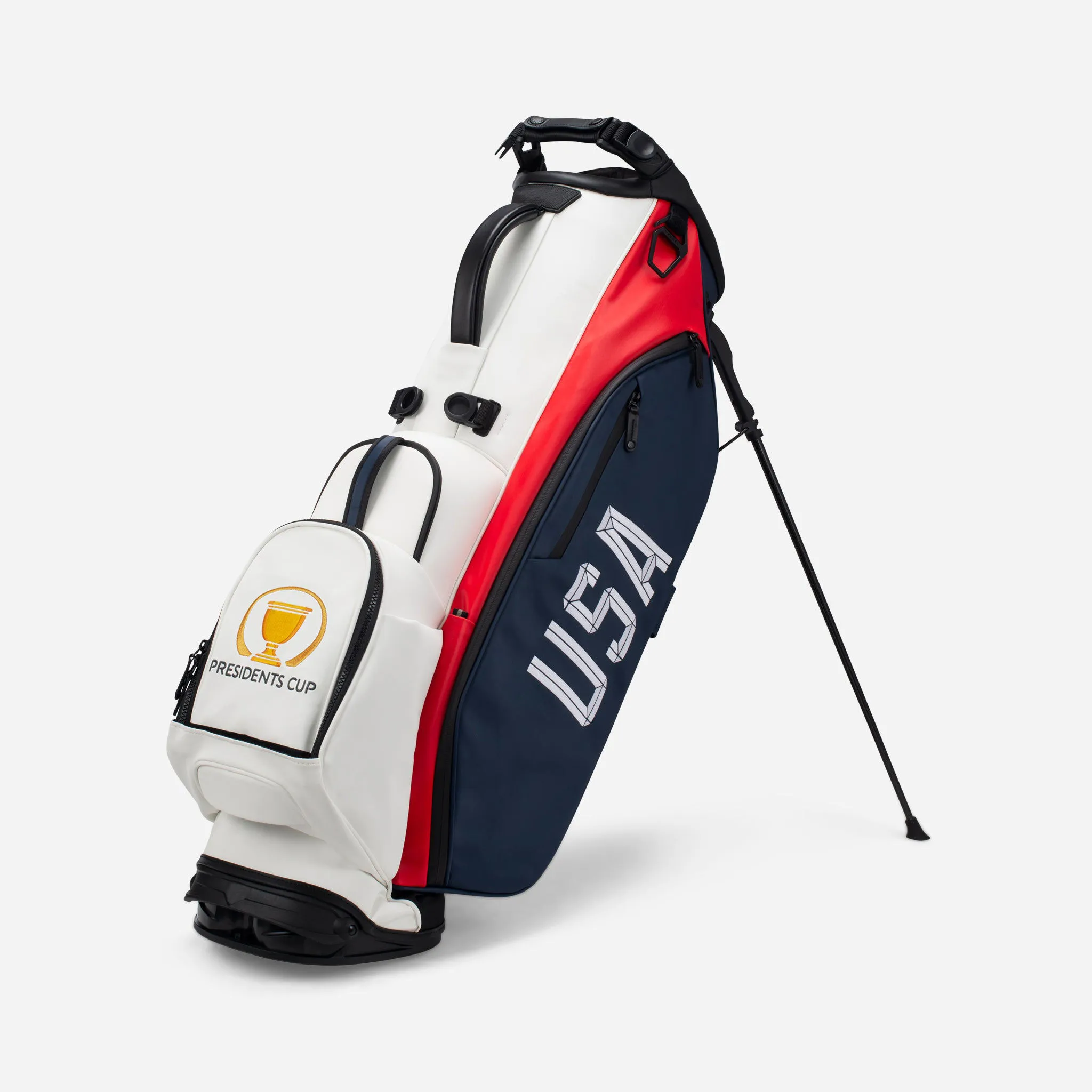
The unboxing experience has become a defining moment in the customer journey for golf bag purchases. Whether the bag arrives at a retail store, a professional golfer's home, or a direct-to-consumer customer's doorstep, the packaging creates the first physical impression of the brand. A thoughtfully designed unboxing experience can generate positive word-of-mouth, social media content, and repeat purchase behavior, while a poor experience can undermine even excellent product quality.
Sequencing the Reveal
Effective unboxing design choreographs the sequence of interactions between the customer and the product. The outer shipping carton creates anticipation. Opening it reveals the bag wrapped in protective materials that should feel purposeful and premium rather than wasteful. Removing the protective layers exposes the bag, ideally positioned in the carton to create an immediate visual impact. Accessories like headcovers, rain hoods, or matching towels may be positioned in dedicated compartments, creating a sense of discovery and added value.
This sequencing requires deliberate design decisions at every stage. The placement of tissue paper, the orientation of the bag within the carton, the arrangement of accessory packets, and the sequence of protective layer removal all contribute to the overall experience. Our packaging design process includes unboxing choreography mapping, where we document every touchpoint from carton opening to product removal, identifying opportunities to enhance the experience and eliminate friction points.
Including Brand Storytelling Elements
Premium golf bag packaging increasingly incorporates elements that extend the brand experience beyond the physical product. Insert cards telling the brand story, care instruction booklets with branded design, warranty registration cards with personalized messages, and even small accessories like branded bag tags or grip towels all contribute to a memorable unboxing experience. These elements are relatively inexpensive to produce but can significantly elevate the perceived value of the purchase and strengthen the emotional connection between the customer and the brand.
For brands targeting the professional and tour market, unboxing elements take on additional significance. Tour professionals and their caddies expect a level of presentation that matches the premium nature of the product. Custom crating, individualized labeling, and exclusive packaging treatments for tour-issued bags all contribute to the perception of quality and attention to detail that tour-level brands must deliver.
Sustainable Packaging: Regulations, Materials, and Consumer Demand
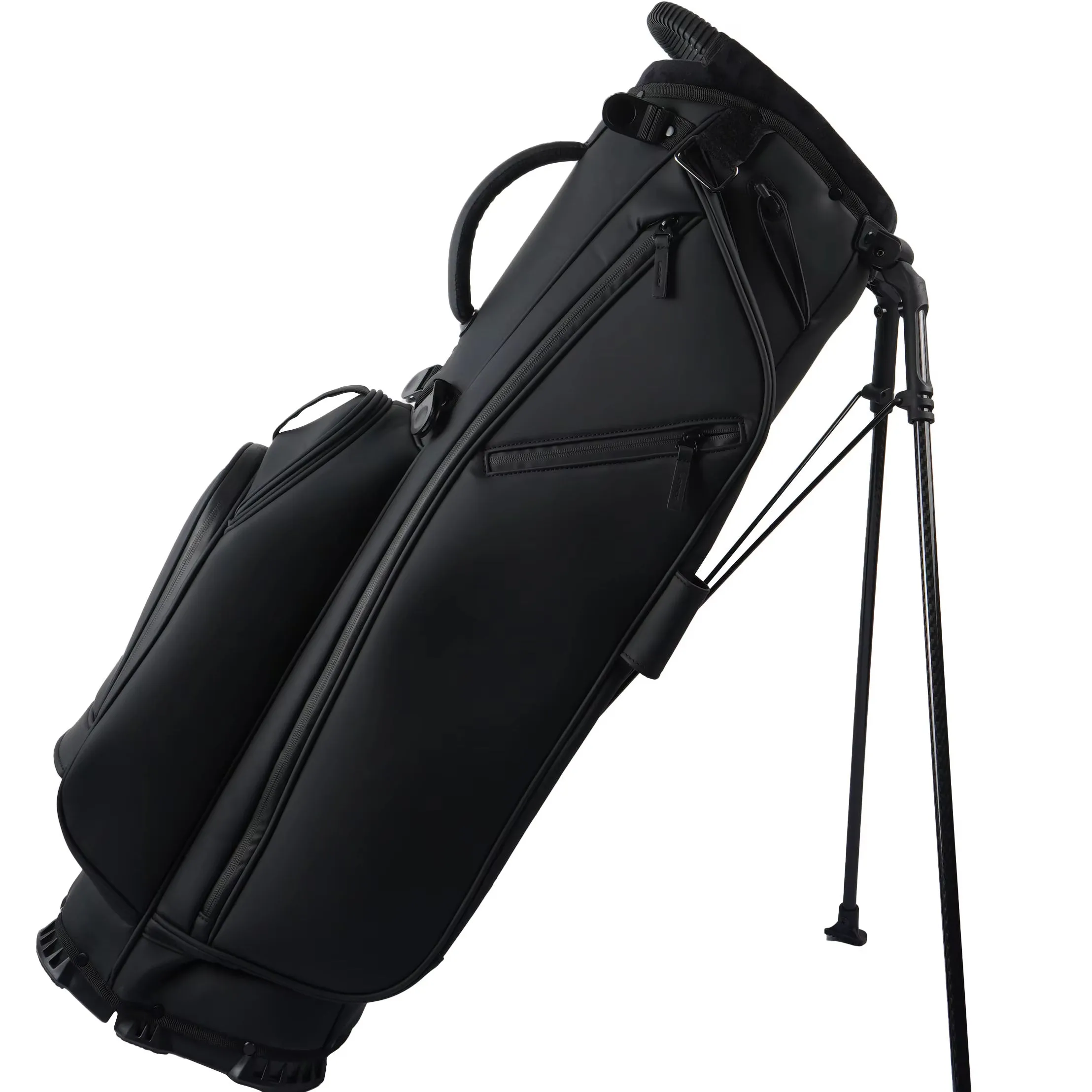
Sustainability has moved from a nice-to-have to a regulatory and commercial imperative in golf bag packaging. The European Union's Packaging and Packaging Waste Regulation, California's SB 343 truth-in-recycling law, and similar legislation worldwide are establishing strict requirements for packaging recyclability, material restrictions, and labeling accuracy. Brands that fail to adapt face regulatory penalties, restricted market access, and increasing consumer skepticism.
Regulatory Landscape in 2026
The regulatory environment for packaging continues to tighten globally. Key requirements include mandatory recyclability assessments, restrictions on certain materials and colorants, extended producer responsibility fees based on packaging composition, and labeling requirements that communicate proper disposal methods to consumers. Brands shipping golf bags to multiple international markets must navigate a complex web of overlapping regulations, making it essential to design packaging that meets the most stringent requirements across all target markets.
Our compliance team monitors regulatory developments across all major markets and works with brand partners to ensure packaging designs meet current and anticipated requirements. This proactive approach prevents costly redesigns and market access disruptions while positioning brands ahead of the regulatory curve. We recommend designing packaging to meet European Union standards as a baseline, since these are typically the most comprehensive globally, and then adding market-specific requirements as needed.
Material Innovation and Circularity
The shift toward sustainable packaging materials is accelerating. Recycled-content corrugated board is now widely available with post-consumer recycled content exceeding eighty percent. Water-based inks and coatings have largely replaced solvent-based alternatives, reducing volatile organic compound emissions during printing. Adhesive-free box construction techniques, using interlocking tabs and fold patterns instead of glue, simplify recycling by eliminating contamination from adhesive residues.
Circular economy principles are influencing packaging design philosophy. Instead of viewing packaging as single-use waste, forward-thinking brands are designing for reuse, recycling, or composting. Golf bag packaging made entirely from paper-based materials can be recycled in standard paper streams without special processing. Compostable protective films and wraps break down in industrial composting facilities without leaving microplastic residues. These design choices reduce environmental impact while meeting consumer expectations for responsible packaging.
Cost Optimization Without Compromising Quality
Packaging cost represents a significant component of total product cost for golf bags, typically ranging from three to eight percent of the factory gate price depending on complexity, materials, and order volume. Optimizing packaging costs without compromising protection or brand presentation requires a systematic approach that considers the entire packaging system rather than individual components.
Total Cost of Ownership Analysis
Effective packaging cost management begins with understanding the total cost of ownership, which includes not just the direct cost of materials and printing but also the indirect costs associated with packaging failures. Damaged products resulting from inadequate packaging generate return shipping costs, replacement costs, customer service expenses, and brand reputation damage that can far exceed the savings from cheaper packaging materials. Conversely, over-engineered packaging that exceeds protection requirements adds material and shipping costs without proportional benefit.
Our packaging cost optimization process starts with damage rate analysis. By tracking damage rates across different packaging designs, distribution channels, and destination markets, we identify the minimum protection specification that achieves acceptable damage rates for each scenario. This data-driven approach allows us to recommend packaging specifications that optimize the balance between packaging cost and damage cost, delivering the lowest total cost of ownership.
Volume Leverage and Standardization
Order volume significantly impacts packaging unit costs. Printing setup costs, tooling charges, and minimum order quantities for custom materials create economies of scale that benefit larger orders. For brands producing multiple bag models, standardizing on common box sizes and internal protection components across models can consolidate volume and reduce per-unit costs. Our factory produces packaging for over 200,000 bags annually, providing significant volume leverage in material procurement and printing costs that we pass through to our brand partners.
Standardization extends beyond sizing to include material specifications, printing processes, and construction methods. By establishing standard packaging platforms that can be customized through variable printing rather than structural changes, brands achieve the efficiency of standardization while maintaining the visual differentiation needed for product line segmentation. This approach is particularly effective for brands with extensive product portfolios spanning multiple price points and distribution channels.
Regional Packaging Preferences and Market-Specific Design
Different geographic markets exhibit distinct preferences for golf bag packaging that reflect cultural values, retail environments, and logistics realities. North American retailers tend to favor large window boxes that allow customers to interact with the product visually and physically through the transparent panel. European retailers, operating in typically smaller retail spaces, prefer more compact packaging with high-quality printed graphics that communicate brand value without requiring display of the physical product. Asian markets often emphasize premium unboxing experiences with multi-layer packaging that creates a sense of occasion and luxury. Middle Eastern markets may require packaging with specific design considerations for cultural sensitivity in imagery and color choices.
Understanding these regional preferences is essential for brands operating across multiple markets. A one-size-fits-all packaging approach may be cost-efficient from a production standpoint but fails to optimize the packaging for each market's retail environment and consumer expectations. Our factory produces market-specific packaging configurations for brands serving diverse geographies, leveraging our experience shipping to over forty countries to recommend packaging designs that resonate with local preferences while maintaining global brand consistency. This market-specific approach to packaging design represents a sophisticated capability that distinguishes experienced manufacturing partners from commodity producers.
Digital Integration in Modern Packaging
The convergence of physical packaging and digital experiences represents a frontier in golf bag packaging design. QR codes printed on packaging that link to product registration, care videos, warranty activation, and brand storytelling content transform passive packaging into interactive brand experiences. Near-field communication chips embedded in packaging can trigger automatic product registration when the customer's phone is near the box, creating a seamless onboarding experience that captures customer data while delivering value through instant access to digital content. These digital integrations are still emerging in the golf bag category but represent significant opportunities for brands seeking to differentiate their packaging and build deeper customer relationships beyond the initial purchase.
Frequently Asked Questions
What is the typical cost of golf bag packaging per unit?
Golf bag packaging costs typically range from two to eight US dollars per unit depending on materials, printing complexity, order volume, and destination market requirements. Double-wall corrugated cartons with custom printing represent the largest cost component, while internal protection systems and branded inserts add to the total.
How long does it take to develop custom golf bag packaging?
Custom golf bag packaging development typically requires four to eight weeks from initial design concept to production-ready specifications. This timeline includes structural design, graphic design, prototype creation, testing, approval, and printing plate production. Rush development is possible in three to four weeks with expedited processes.
What packaging materials are most sustainable for golf bags?
The most sustainable packaging materials for golf bags include high-recycled-content corrugated cardboard, molded pulp inserts made from recycled paper, water-based inks, and biodegradable protective films. Fully paper-based packaging systems that eliminate plastics offer the best recyclability and consumer perception.
How do I design packaging for e-commerce golf bag sales?
E-commerce golf bag packaging requires heavier-duty specifications than retail packaging to withstand parcel delivery handling. Design for drop protection from one-meter heights, specify double-wall corrugated construction, include comprehensive internal protection systems, and consider the unboxing experience since the customer opens the shipping carton directly.
What certifications should golf bag packaging materials have?
Key certifications for golf bag packaging materials include Forest Stewardship Council certification for paper-based materials, compliance with Regulation 1935/2004 for food-contact-safe materials if applicable, recyclability certifications from recognized bodies, and chain-of-custody certifications for recycled content claims. Market-specific requirements vary by destination country.
Can packaging be designed to work for both retail and e-commerce?
Yes, hybrid packaging designs can serve dual retail and e-commerce functions. These designs feature attractive retail-ready graphics on primary panels while incorporating the structural protection needed for direct-to-consumer shipping. Hybrid designs reduce total packaging costs by eliminating the need for separate retail and e-commerce packaging configurations.
Ready to Start Your Custom Golf Bag Project?
Partner with a BSCI & ISO 9001:2015 certified factory producing 200,000+ premium golf bags annually. MOQ just 100 pieces.
Get a Free Quote TodayRegional Packaging Preferences and Market-Specific Design
Different geographic markets exhibit distinct preferences for golf bag packaging that reflect cultural values, retail environments, and logistics realities. North American retailers tend to favor large window boxes that allow customers to interact with the product visually and physically through the transparent panel. European retailers, operating in typically smaller retail spaces, prefer more compact packaging with high-quality printed graphics that communicate brand value without requiring display of the physical product. Asian markets often emphasize premium unboxing experiences with multi-layer packaging that creates a sense of occasion and luxury. Middle Eastern markets may require packaging with specific design considerations for cultural sensitivity in imagery and color choices.
Understanding these regional preferences is essential for brands operating across multiple markets. A one-size-fits-all packaging approach may be cost-efficient from a production standpoint but fails to optimize the packaging for each market's retail environment and consumer expectations. Our factory produces market-specific packaging configurations for brands serving diverse geographies, leveraging our experience shipping to over forty countries to recommend packaging designs that resonate with local preferences while maintaining global brand consistency. This market-specific approach to packaging design represents a sophisticated capability that distinguishes experienced manufacturing partners from commodity producers.
Digital Integration in Modern Packaging
The convergence of physical packaging and digital experiences represents a frontier in golf bag packaging design. QR codes printed on packaging that link to product registration, care videos, warranty activation, and brand storytelling content transform passive packaging into interactive brand experiences. Near-field communication chips embedded in packaging can trigger automatic product registration when the customer's phone is near the box, creating a seamless onboarding experience that captures customer data while delivering value through instant access to digital content. These digital integrations are still emerging in the golf bag category but represent significant opportunities for brands seeking to differentiate their packaging and build deeper customer relationships beyond the initial purchase.