Cart Bag vs Stand Bag: Complete Comparison Guide for Golf Brands (2026)
Table of Contents
- Introduction: The Cart Bag vs Stand Bag Decision
- Fundamental Design Differences
- 10-Dimension Head-to-Head Comparison
- Manufacturing Process Differences
- Global Market Data and Sales Trends
- How to Decide Which Type Your Brand Should Focus On
- Consumer Behavior and Preferences
- Future Trends and Hybrid Solutions
- Frequently Asked Questions
Introduction: The Cart Bag vs Stand Bag Decision
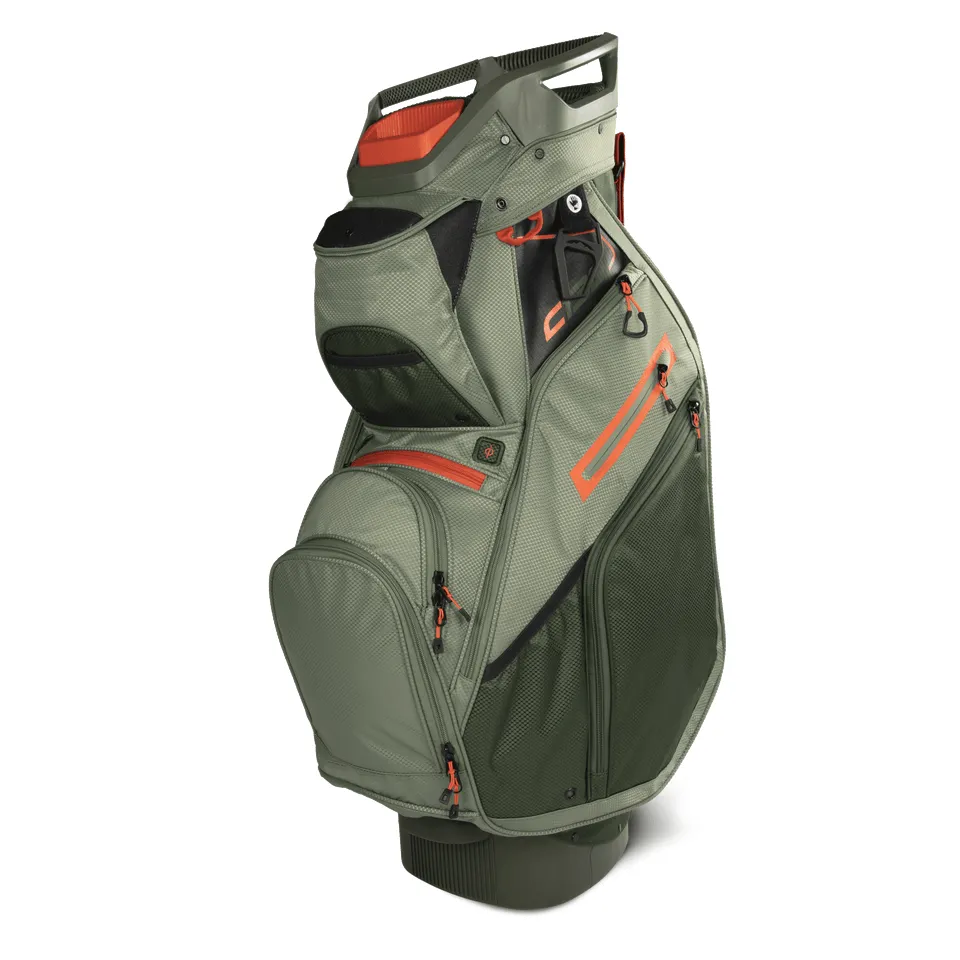
The debate between cart bags and stand bags represents one of the most fundamental product decisions that golf bag brands face. These two categories are not simply variations on a common theme; they are engineered for fundamentally different use cases, require distinct manufacturing approaches, appeal to different consumer segments, and occupy different positions in brand portfolio strategy. For golf bag brands, whether established players expanding their product lines or newcomers entering the market, understanding the nuanced differences between cart bags and stand bags is essential for making informed product development decisions, allocating manufacturing resources efficiently, and building product portfolios that maximize market coverage and profitability.
As a certified manufacturer producing over 200,000 golf bags annually across both cart and stand bag categories, we possess a unique vantage point on this comparison. Our production data reveals that cart bag and stand bag manufacturing differ not just in dimensions and materials, but in fundamental production philosophy. Cart bags prioritize maximum storage, organization, and weather protection with weight as a secondary concern. Stand bags prioritize the inverse: minimum weight with sufficient storage and protection. These competing design imperatives cascade through every aspect of manufacturing, from pattern design and material selection to assembly processes and quality control protocols. This comprehensive guide draws on our manufacturing expertise, market intelligence, and direct feedback from over 150 OEM brand partners to provide the definitive comparison resource for golf industry professionals.
The stakes of this decision extend well beyond product specifications. Your choice between cart bags and stand bags, or more precisely the balance you strike between these categories in your product portfolio, directly impacts your brand positioning, manufacturing cost structure, distribution strategy, retail relationships, and ultimately your profitability in the competitive golf bag market. The global golf bag market, valued at approximately $1.8 billion in 2025, offers significant opportunity in both categories, but the growth trajectories, margin structures, and competitive dynamics differ substantially. This guide provides the data-driven insights needed to navigate these decisions with confidence.
Fundamental Design Differences

Core Architecture and Structural Design
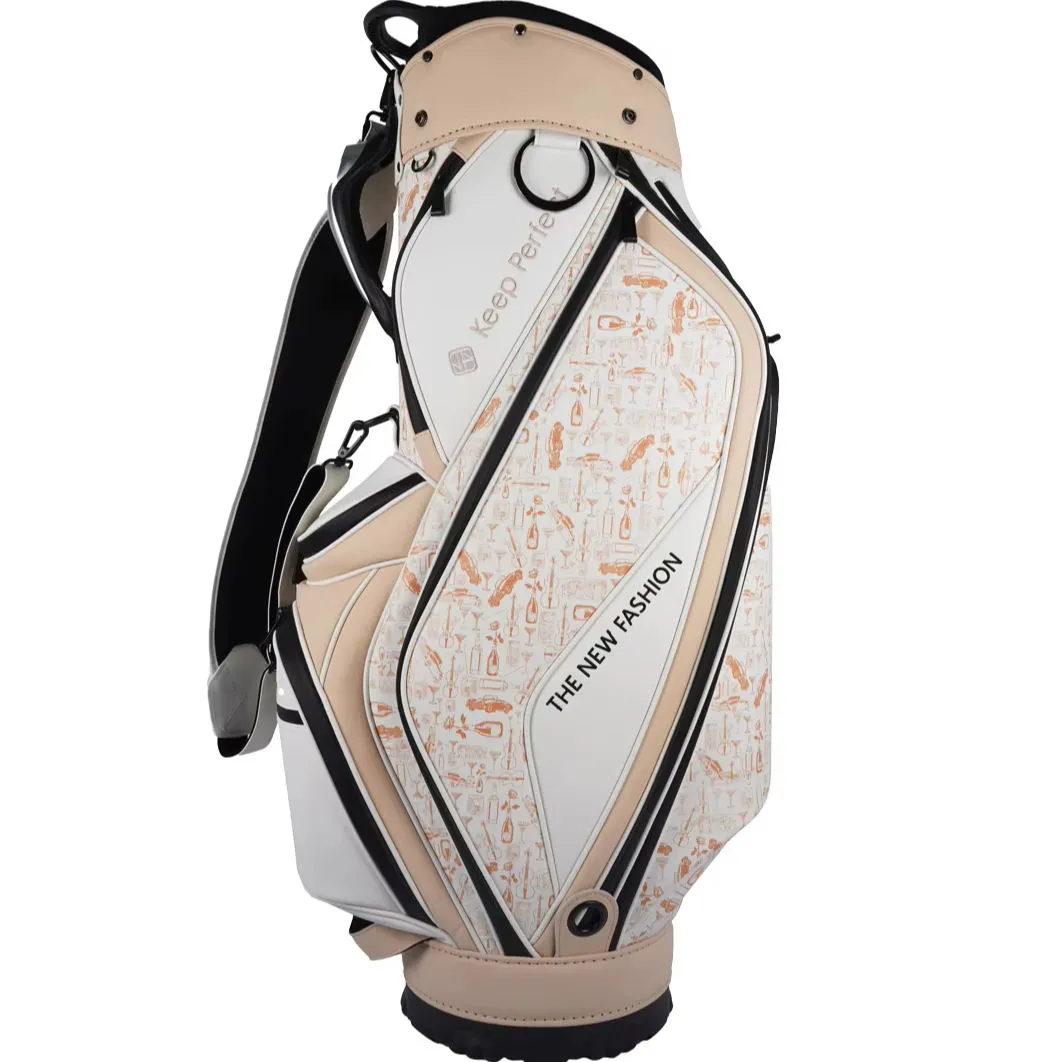
Cart bags and stand bags differ fundamentally in their structural architecture. A cart bag is essentially a large-capacity storage cylinder with a reinforced base designed to sit securely on a golf cart or push cart platform. The structural integrity comes from the base plate, typically a rigid molded polymer or reinforced cardboard panel, and the cylindrical body construction that maintains shape through internal divider systems and dense fabric walls. Cart bags feature a larger base diameter, typically 10 to 12 inches, which provides a stable platform on cart surfaces and accommodates larger divider systems. The absence of stand mechanisms allows designers to maximize the internal volume available for storage and club management.
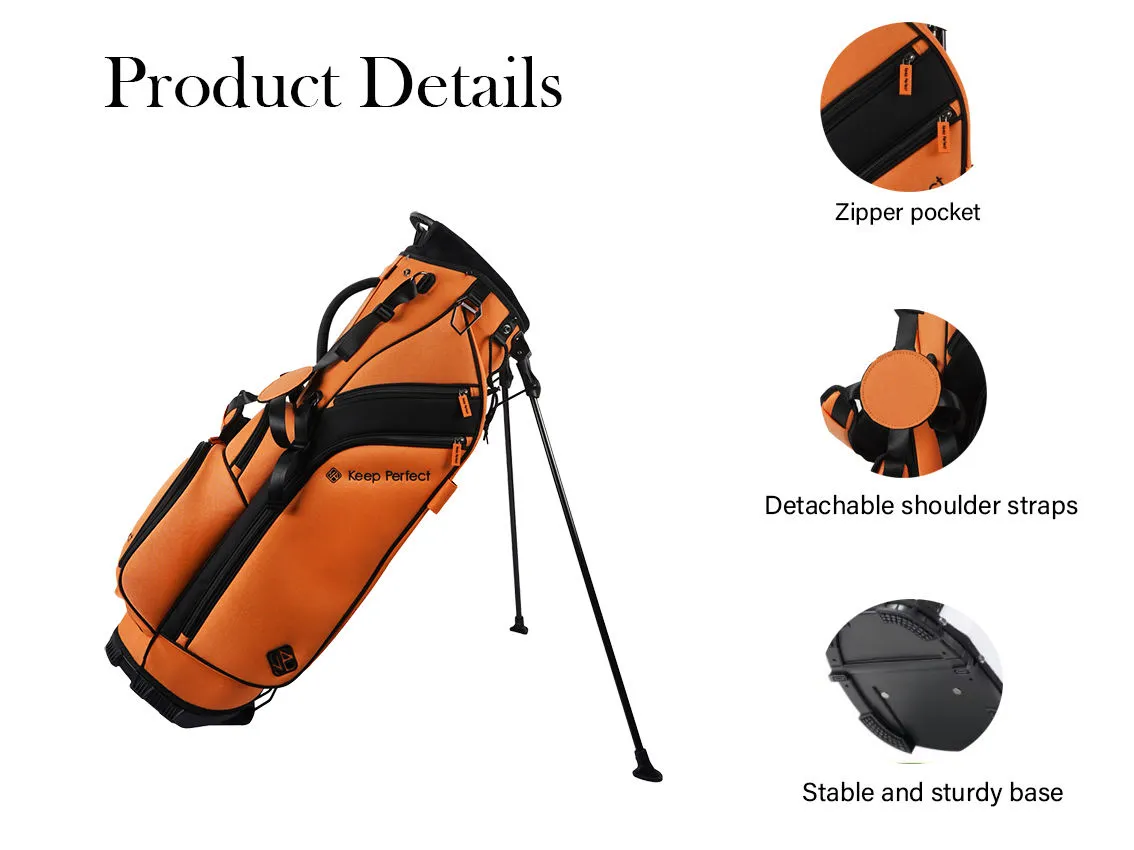
Stand bags, in contrast, must solve a more complex engineering challenge: creating a structure that is simultaneously lightweight enough to carry comfortably, rigid enough to maintain its shape when loaded with clubs, and equipped with a retractable leg system that deploys reliably in diverse terrain conditions. The structural integrity of a stand bag comes from a combination of lighter internal framing, strategically placed reinforcement panels, and the tension created by the strap system when the bag is being carried. The base diameter is typically 8 to 10 inches, designed to be compact enough for comfortable carrying while providing adequate stability when the stand legs are deployed. This fundamental design challenge means that stand bags require more sophisticated engineering and more precision in manufacturing to achieve the balance of competing requirements.
Weight Distribution Philosophy
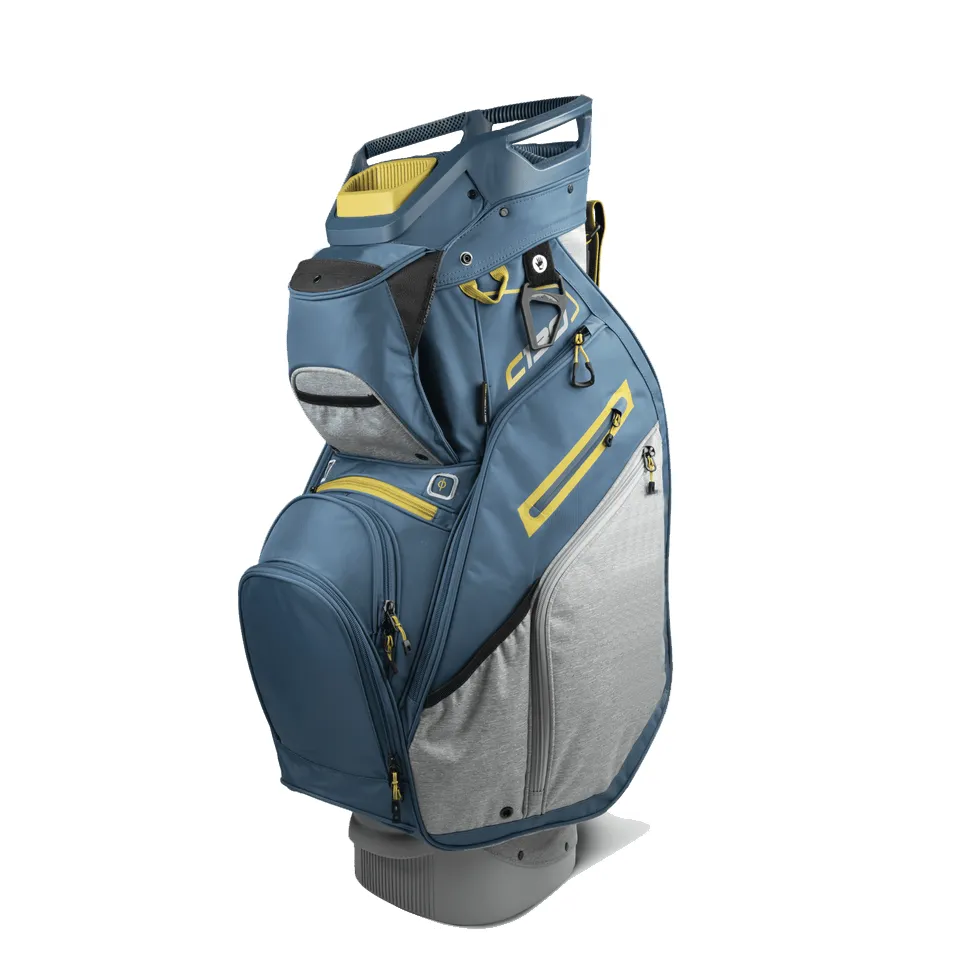
Weight management represents the single most significant difference between cart and stand bag design. Cart bags embrace additional weight as a pathway to more features, more storage, and more protection. The design philosophy assumes the bag will ride on a cart, so every gram of additional material translates directly into enhanced functionality without a user-facing penalty. This enables cart bags to incorporate 600-denier fabrics throughout, full-length 14-way divider systems, nine to fourteen pockets, reinforced base plates, and integrated rain hoods without concern for total weight. The typical cart bag weighs between 5 and 8 pounds empty, with premium models reaching 9 pounds.
Stand bag design treats every gram as an enemy to be eliminated. The design philosophy demands that manufacturers justify every material addition against its weight cost. This drives innovation in materials science, including lightweight high-strength fabrics, minimal-frame structural designs, and hybrid divider systems that provide adequate club separation without the full weight of 14-way configurations. The typical stand bag weighs between 3 and 6 pounds, with ultralight models achieving under 3 pounds. This weight constraint creates a design environment where engineering creativity is at its highest, and where manufacturing precision matters most because there is no excess material to absorb quality variations.
10-Dimension Head-to-Head Comparison
| Dimension | Cart Bag | Stand Bag | Advantage |
|---|---|---|---|
| Average Weight | 5 to 8 lbs | 3 to 6 lbs | Stand Bag |
| Storage Pockets | 9 to 14 | 4 to 8 | Cart Bag |
| Divider Options | 14-way standard | 4-way to 14-way | Cart Bag |
| Apparel Pocket | Full-length, oversized | Standard or compact | Cart Bag |
| Self-Standing | No (cart-dependent) | Yes (integrated legs) | Stand Bag |
| Walking Comfort | Not designed for carry | Ergonomic strap system | Stand Bag |
| Cart Compatibility | Optimized for carts | Compatible but not optimized | Cart Bag |
| Weather Protection | Superior (larger rain hoods) | Adequate (compact hoods) | Cart Bag |
| Manufacturing Cost | $35 to $85 | $28 to $65 | Stand Bag |
| Average Retail Price | $200 to $450 | $100 to $350 | Cart Bag (margin) |
Weight and Portability
The weight differential between cart bags and stand bags averages 2 to 3 pounds, a seemingly modest difference that translates into dramatically different user experiences. When carrying a stand bag for 18 holes, a typical walk covering 4 to 5 miles, the bag is lifted and set down approximately 40 times, in addition to continuous carry between shots. Every pound of bag weight multiplies across these repetitions to create cumulative fatigue. Stand bag manufacturers invest heavily in ergonomic strap systems, load-distribution engineering, and weight-saving materials because each gram saved translates directly into golfer comfort. Cart bags, freed from this constraint, allocate their weight budget to larger pockets, heavier fabrics, and more robust construction that extends product lifespan under the less demanding conditions of cart-based transport.
Storage Capacity and Organization
Cart bags offer substantially more storage than stand bags, typically providing 40 to 60 percent more pocket volume. A premium cart bag may feature fourteen pockets including a full-length oversized apparel pocket, a dedicated shoe pocket, insulated beverage cooler, velour-lined valuables compartment, rangefinder pocket with magnetic closure, multiple ball pockets, a dedicated umbrella holder, and specialized accessory pockets. Stand bags, constrained by weight targets, typically offer four to eight pockets focused on essentials: a valuables pocket, one or two ball pockets, an apparel pocket, a water bottle sleeve, and a rangefinder or GPS pocket. For brands, this difference translates into distinct product positioning opportunities: cart bags as comprehensive equipment management solutions, and stand bags as streamlined carry solutions for focused rounds.
Club Protection and Divider Systems
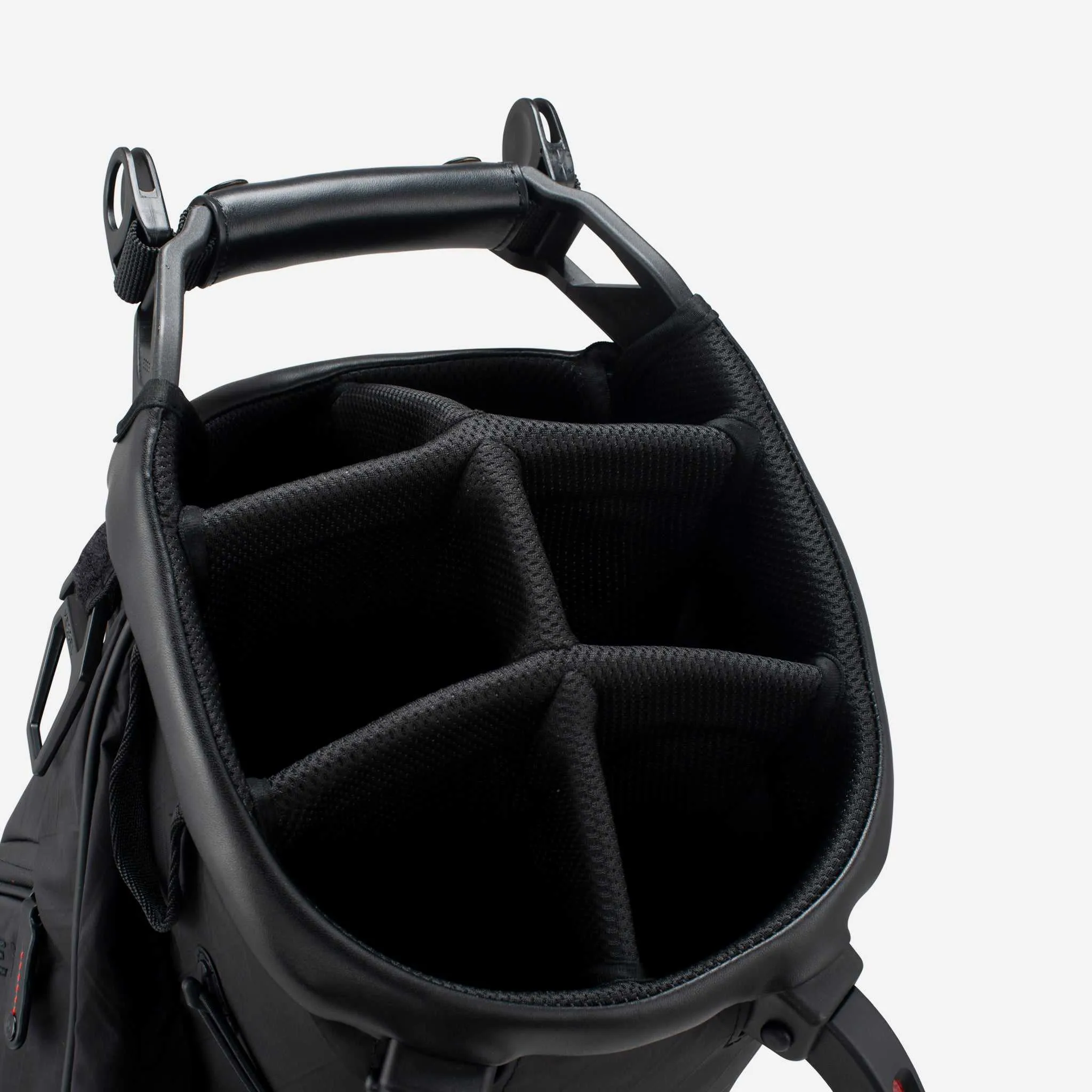
Both categories offer excellent club protection, but the implementation differs. Cart bags almost universally feature 14-way full-length divider systems with individual tubes for each club, providing maximum isolation and protection. The additional weight of 14-way dividers is irrelevant in cart bag design, and the larger diameter cart bag top accommodates the system comfortably. Stand bags offer a broader range of divider options, from open-top designs with no dividers at the ultralight extreme, through 4-way and 5-way shared compartment systems in the mainstream range, to 14-way full-length dividers in premium models. The choice of divider system in stand bags represents a direct trade-off between club protection and weight, and brands must carefully position their stand bag offerings along this spectrum based on target customer preferences and price points.
Manufacturing Process Differences
Pattern Design and Cutting
The pattern design process differs significantly between cart bags and stand bags. Cart bags require larger pattern pieces due to their greater circumference and height, resulting in 25 to 40 percent more fabric consumption per unit. The cutting process for cart bags involves fewer complex curves and more straightforward cylindrical construction, reducing cutting time but increasing material cost. Stand bag patterns incorporate more complex shapes to minimize weight, including tapered profiles, contoured pockets, and strategically placed reinforcement panels. The cutting process for stand bags requires greater precision and more pattern pieces per bag, increasing cutting labor time while reducing material costs. Our production data shows that cart bag cutting averages 12 minutes per unit while stand bag cutting averages 15 minutes per unit, but cart bags consume $3 to $5 more in fabric costs.
Assembly and Sewing Operations
The assembly process reveals the most significant manufacturing difference between the two categories. Cart bag assembly involves constructing larger pocket assemblies, installing larger divider systems, and attaching more zippers and hardware components. A typical cart bag requires 45 to 60 minutes of assembly labor across 120 to 180 individual sewing operations. Stand bag assembly, while involving fewer total operations due to fewer pockets and smaller construction, requires additional labor for stand mechanism installation and testing. A typical stand bag requires 35 to 50 minutes of assembly labor across 90 to 140 sewing operations, plus 5 to 8 minutes for stand mechanism installation and functional testing. The net effect is that cart bags require approximately 20 to 30 percent more labor time than stand bags, directly impacting manufacturing costs.
Stand Mechanism: A Unique Manufacturing Challenge
The stand mechanism is unique to stand bags and represents a significant manufacturing consideration. The mechanism consists of two retractable legs, typically made from aluminum alloy or carbon fiber, connected to the bag body through a hinge assembly with torsion springs. Manufacturing the stand mechanism involves metal stamping or extrusion for the leg components, spring winding and heat treatment for the torsion springs, and precision assembly of the hinge mechanism. The quality of the stand mechanism directly impacts user satisfaction, with common failure modes including spring fatigue, hinge loosening, and foot pad wear. Testing protocols for stand mechanisms typically include 5,000 to 10,000 deployment cycles, leg strength testing under lateral loads, and stability testing on angled surfaces. The stand mechanism adds $3 to $9 in component costs and requires specialized assembly stations in the production line, representing a significant manufacturing investment not required for cart bag production.
Global Market Data and Sales Trends
Market Share by Bag Type
Based on our production data across 150 OEM brand partners, combined with industry association reports and retail sell-through data, the global golf bag market breaks down as follows: stand bags command approximately 42 percent market share, cart bags hold 35 percent, tour staff bags account for 8 percent, carry or Sunday bags represent 10 percent, and travel bags complete the remaining 5 percent. This distribution has shifted meaningfully over the past five years, with stand bags gaining 6 percentage points of share at the expense of cart bags, which declined from 41 percent. This trend reflects the broader walking golf movement and the growing health consciousness among golf consumers worldwide.
Regional Market Variations
Market preferences vary significantly by region, creating opportunities for brands with international distribution. In North America, cart bags maintain stronger market share at approximately 40 percent compared to 38 percent for stand bags, reflecting the dominance of golf cart usage at American courses. In Europe and Japan, stand bags dominate with 52 percent and 48 percent market share respectively, driven by stronger walking golf culture and course designs that favor walking. In emerging markets across Southeast Asia and the Middle East, cart bags hold 45 percent share due to the premium resort course culture. For brands with international ambitions, understanding these regional preferences is essential for product portfolio optimization and inventory planning. A brand selling primarily in North America may want to lean toward cart bags, while a brand focused on European markets should prioritize stand bag development.
Price Segment Distribution
The average retail price for cart bags exceeds that of stand bags by approximately 25 to 35 percent, reflecting the higher material costs and more complex construction of cart bags. The average cart bag retails between $200 and $350, with premium models reaching $450 and above. Stand bags average between $120 and $280, with premium tour-quality models reaching $350 to $400. In terms of unit volume, stand bags outsell cart bags approximately 1.2 to 1, but in terms of revenue, the categories are nearly equal because cart bags generate more revenue per unit sold. For brands optimizing their product portfolio, this dynamic means that a balanced approach serving both categories can maximize both unit volume and total revenue.
How to Decide Which Type Your Brand Should Focus On
Brand Identity and Target Customer
Your brand identity and target customer profile should be the primary driver of product type decisions. Brands positioned around performance, fitness, and the walking golf lifestyle naturally align with stand bags. The brand story writes itself: lightweight bags for golfers who choose to walk, who value fitness and the traditional golf experience. Brands positioned around luxury, comfort, and the premium golf experience align naturally with cart bags, which convey a sense of comprehensive preparedness and indulgence. For brands just entering the market, we recommend starting with stand bags because the category offers broader market appeal, lower manufacturing complexity, and the growth tailwind of the walking golf movement. Once established, adding cart bags to the portfolio captures the higher-margin premium segment.
Manufacturing Capability Assessment
Not all golf bag manufacturers are equally capable across both categories. Stand bag manufacturing requires expertise in lightweight construction, stand mechanism engineering and assembly, and ergonomic strap system design. Cart bag manufacturing requires expertise in large-format pattern construction, multi-pocket assembly sequencing, and premium divider system installation. When evaluating manufacturing partners, assess their specific capabilities in each category through sample quality, production line configuration, and client references. Our facility maintains dedicated production lines for each category, with specialized teams trained in the unique requirements of each bag type, ensuring that neither category suffers from diluted manufacturing attention or compromised quality standards.
Revenue and Margin Optimization
The optimal product portfolio balances stand bags and cart bags to maximize both revenue volume and profit margins. Stand bags serve as your volume driver, offering broader market appeal, lower manufacturing costs, and competitive pricing that attracts new customers to your brand. Cart bags serve as your margin contributor, offering higher average selling prices, premium positioning, and the opportunity to upsell existing stand bag customers who are looking for a second bag for cart days or winter golf. The ideal ratio depends on your market geography and customer demographics, but our data suggests a starting point of 60 percent stand bags and 40 percent cart bags for most brands, adjusted based on sell-through performance and regional market conditions.
Seasonal and Geographic Considerations
Demand for cart bags and stand bags follows seasonal patterns that vary by geography. In northern hemisphere markets, stand bag demand peaks in spring and fall when walking weather is optimal, while cart bag demand remains more consistent year-round with slight increases during summer heat when golfers prefer riding. In southern hemisphere markets and warm-weather destinations, the pattern reverses. Brands with seasonal production planning can optimize manufacturing efficiency by producing stand bags in advance of spring and fall peaks, and maintaining steady cart bag production throughout the year. Understanding these patterns enables more accurate demand forecasting, reduced inventory carrying costs, and better alignment of marketing investment with peak selling periods.
Consumer Behavior and Purchasing Patterns
Decision Drivers by Category
Consumers approach cart bag and stand bag purchases with fundamentally different decision frameworks. Stand bag buyers primarily evaluate weight first, then assess whether the bag offers sufficient storage and features for their needs. The purchase journey typically begins with weight comparison, moves to strap comfort evaluation, and concludes with aesthetic preference and brand loyalty. Cart bag buyers prioritize storage capacity and organization first, then evaluate cart compatibility and stability. The purchase journey begins with pocket count and configuration assessment, moves to divider system evaluation, and concludes with construction quality and aesthetic preferences. Understanding these different decision frameworks helps brands optimize product descriptions, retail displays, and marketing content for each category.
Multi-Bag Ownership
An often-overlooked market dynamic is that many serious golfers own multiple bags. Our consumer research indicates that 28 percent of golfers who have purchased a bag in the past two years own at least one stand bag and one cart bag, using each for different playing conditions. This creates a significant cross-sell opportunity for brands that offer both categories. A golfer who purchased a stand bag last season may be interested in a cart bag for winter rounds or for courses where walking is impractical. Brands that develop design continuity between their stand and cart bag offerings, using common design languages, color palettes, and branding elements, can effectively drive multi-bag ownership and increase customer lifetime value.
Future Trends and Hybrid Solutions
The Rise of Hybrid Bags
The most exciting development in the golf bag market is the emergence of hybrid bags that blur the traditional boundaries between cart and stand categories. These products combine the storage capacity and organization of cart bags with the portability of stand bags, typically weighing 5 to 7 pounds with 8-way to 14-way dividers and seven to ten pockets. Hybrid bags address the needs of golfers who want one bag that performs well in all conditions, whether carrying, using a push cart, or riding. The manufacturing challenge lies in combining the lightweight engineering of stand bags with the storage optimization of cart bags, requiring innovative material selection and structural design. Our engineering team has developed several hybrid bag concepts for OEM partners, and the category is growing at approximately 25 percent annually.
Technology and Smart Features
Both cart and stand bags are incorporating technology features at increasing rates. Integrated GPS device mounts, USB charging ports, Bluetooth tracking, LED lighting, and temperature-controlled pockets are transitioning from novelty features to expected amenities in premium bags. Cart bags, with their larger size and higher price tolerance, are the natural first platform for technology integration. However, as component sizes shrink and costs decrease, these features will migrate to stand bags within the next two to three years. Brands that establish technology integration capabilities now will be well-positioned for this transition, regardless of which bag type dominates their portfolio.
Ready to Start Your Custom Golf Bag Project?
Partner with a BSCI & ISO 9001:2015 certified factory producing 200,000+ premium golf bags annually across both cart and stand bag categories. MOQ just 100 pieces.
Get a Free Quote TodayFrequently Asked Questions
What is the main difference between a cart bag and a stand bag?
Cart bags are designed primarily for use on golf carts, featuring larger storage capacity, more pockets, and heavier construction. Stand bags include integrated retractable legs and are designed to be carried, prioritizing lightweight construction and ergonomic strap systems.
Which type of golf bag sells more globally?
Stand bags account for approximately 42 percent of global golf bag sales, while cart bags represent about 35 percent. Stand bags have been gaining market share as walking golf continues to grow in popularity worldwide.
Can a stand bag be used on a golf cart?
Yes, most stand bags can be used on golf carts, although their smaller base may not sit as securely as a cart bag. Some stand bags feature cart-compatible bases with anti-twist technology for improved stability on cart surfaces.
How much heavier is a cart bag compared to a stand bag?
Cart bags typically weigh between 5 and 8 pounds, while stand bags range from 3 to 6 pounds. The average cart bag weighs approximately 1.5 to 2.5 pounds more than a comparable stand bag.
What should my brand focus on for new product development?
Market data suggests stand bags offer stronger growth potential due to the walking golf trend, while cart bags deliver higher average unit margins. The optimal strategy is developing both categories with stand bags as volume drivers and cart bags as margin contributors.
Are cart bags more expensive to manufacture?
Cart bags generally cost 15 to 30 percent more to manufacture than stand bags at equivalent quality levels, due to larger material consumption, more pockets, and additional zippers and hardware. However, higher retail prices offset the increased costs.
What divider system works best for each bag type?
Cart bags are ideal for 14-way full-length divider systems since weight is not a concern. Stand bags work well with 4-way to 7-way divider systems that balance club protection with weight savings.