Waterproof Golf Bag Technology: Materials, Manufacturing & Standards (2026)
Table of Contents
- Introduction: The Engineering Challenge of Waterproof Golf Bags
- Waterproof vs. Water-Resistant vs. Submersible: Defining the Terms
- TPU Coating Technology: The Foundation of Waterproof Fabrics
- Waterproof Zipper Systems: YKK Aquaguard and Beyond
- Heat-Welded Seam Technology: Eliminating Needle Hole Leakage
- IP Ratings and Hydrostatic Head Standards Explained
- Breathable Waterproof Membranes: Gore-Tex and Advanced Solutions
- Waterproof Bag Manufacturing Process: Step by Step
- Quality Control and Testing Methods
- OEM Custom Waterproof Golf Bag Guide
- Frequently Asked Questions
Introduction: The Engineering Challenge of Waterproof Golf Bags

Golf is a sport played outdoors in every weather condition imaginable, from the gentle morning dew that settles on Scottish links at dawn to the torrential downpours that halt play at subtropical courses across the American South and Southeast Asia. For the golfer, rain means wet grips, soaked towels, and the persistent concern that moisture is infiltrating their bag, damaging club shafts, degrading grip tape, and potentially ruining electronics stored in valuables pockets. For the golf bag manufacturer, waterproofing represents one of the most complex engineering challenges in the product category, requiring the integration of multiple specialized material systems, precision manufacturing processes, and rigorous quality control protocols that work together as a comprehensive water exclusion system rather than a collection of individual water-resistant features. The difference between a bag marketed as waterproof and one that actually performs as waterproof in sustained field conditions is vast, and it is determined by manufacturing decisions made at every stage of production, from raw material selection through fabric coating, seam construction, zipper integration, and final assembly testing.
Our factory has developed and refined waterproof golf bag technology over two decades of continuous innovation, producing waterproof bags across our full product range for brands that demand verified waterproof performance rather than marketing claims. We operate dedicated waterproof manufacturing lines equipped with high-frequency welding machines, automated seam sealing equipment, hydrostatic head testing stations, and controlled-environment coating application systems that ensure consistent, repeatable waterproof performance across every production run. Our waterproof bag programs span from water-resistant construction at entry-level price points through fully sealed, membrane-equipped waterproof systems at premium tiers, and this guide draws on our complete technical knowledge to explain every aspect of waterproof golf bag technology in the detail that golfers, brand managers, and industry professionals need to make informed decisions. The following sections examine waterproof terminology, coating technologies, zipper systems, seam construction methods, testing standards, breathable membranes, manufacturing processes, and quality control protocols that collectively define what separates a genuinely waterproof golf bag from one that merely claims to be.
Waterproof vs. Water-Resistant vs. Submersible: Defining the Terms
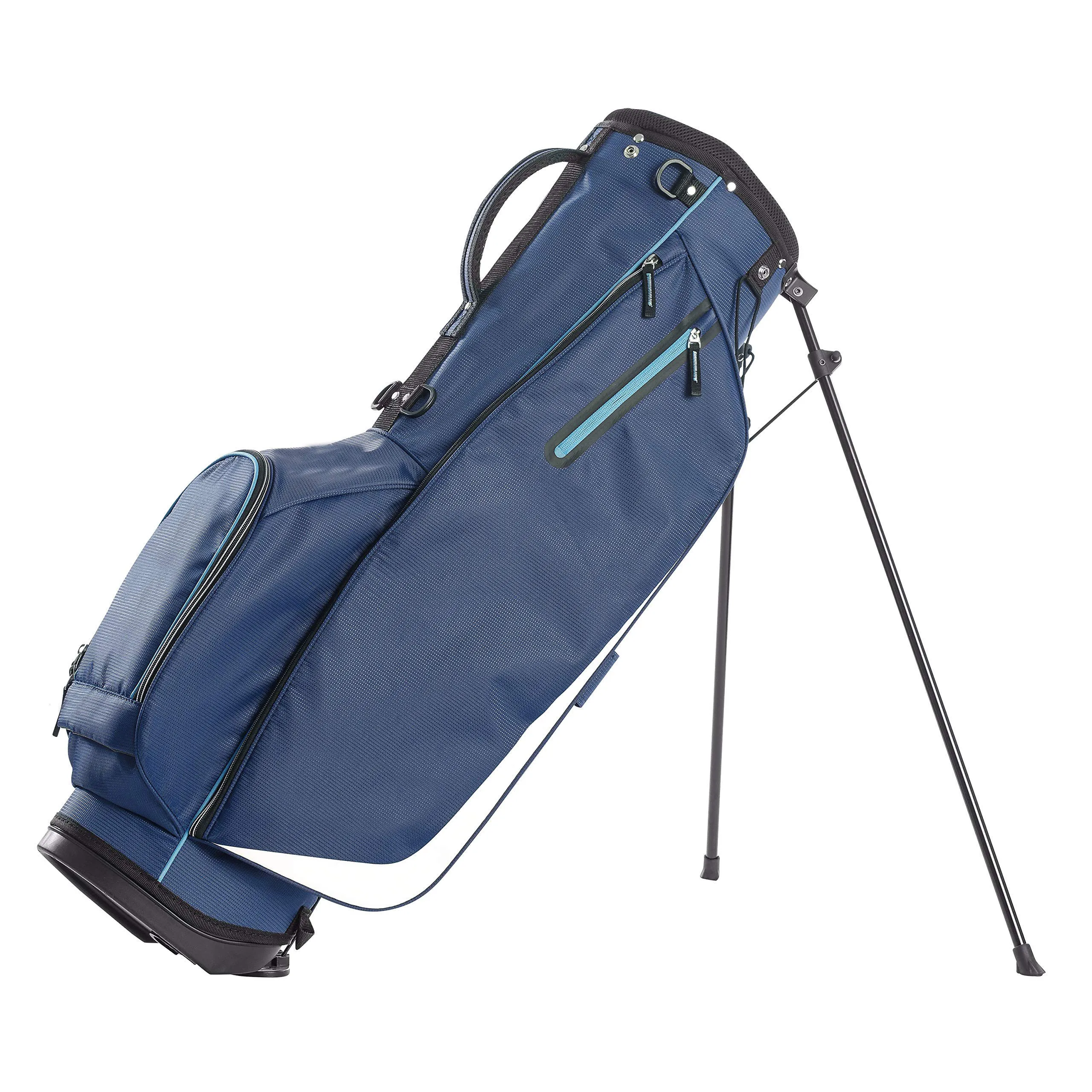
The golf bag industry uses waterproof-related terminology inconsistently, creating confusion among consumers and enabling marketing claims that may not reflect actual performance. Establishing precise definitions for these terms provides the foundation for understanding the technology that follows and enables accurate evaluation of product claims across brands and price points.
Water-Resistant: Shedding Light Moisture
Water-resistant golf bags feature exterior fabrics treated with a durable water repellent (DWR) coating that causes water to bead up and roll off the fabric surface rather than being absorbed into the textile fibers. This treatment provides effective protection against light moisture exposure including morning dew, brief drizzle, and incidental splashes, but it does not prevent water penetration during sustained rainfall or when water pressure builds against the fabric surface over time. Water-resistant fabrics are rated using the hydrostatic head test, with water-resistant bags typically achieving ratings between 500 and 2,000 millimeters, meaning the fabric can support a column of water that high before penetration occurs. In practical terms, a water-resistant bag protects contents effectively during 15 to 30 minutes of light rain but will begin leaking during sustained moderate to heavy rainfall. Most standard golf bags at the entry and mid-level price points are water-resistant rather than waterproof, and this level of protection is adequate for golfers who typically check weather forecasts and carry a basic rain cover for unexpected precipitation.
Waterproof: Comprehensive Water Exclusion
Waterproof golf bags incorporate multiple integrated systems that work together to prevent water entry under sustained exposure conditions. Beyond water-resistant exterior fabrics with DWR treatment, waterproof bags add interior waterproof coatings or membranes on the fabric reverse side, sealed or welded seams that eliminate needle-hole leakage pathways, waterproof or water-resistant zippers with sealed construction, and strategically placed drain grommets that allow any incidental water entry to escape rather than accumulating. Waterproof bags are rated at 5,000mm hydrostatic head or higher, with premium models achieving 10,000mm or above, indicating the ability to withstand substantial water pressure without penetration. In practical performance terms, a properly constructed waterproof golf bag protects its contents through hours of sustained moderate to heavy rainfall, keeping clubs, grips, electronics, and personal items completely dry even when the bag exterior is thoroughly saturated. The manufacturing cost premium for genuine waterproof construction over basic water-resistant treatment ranges from 8 to 25 dollars per bag depending on the specific technology combination employed, representing a meaningful but justifiable investment for golfers who play in wet climates or frequently encounter unexpected rain.
Submersible: Beyond Rainfall Protection
Submersible golf bags represent the extreme upper tier of water protection, designed to keep contents dry even when partially or fully submerged in water for defined time periods. These bags use fully sealed construction with welded seams, waterproof roll-top closures instead of zippers, and buoyant materials that allow the bag to float if dropped in water. Submersible bags are rated to specific depths and durations, such as maintaining dryness at 1 meter depth for 30 minutes, and they serve specialized markets including fishing golfers, boating enthusiasts, and professionals who transport equipment in marine environments. The manufacturing complexity and material costs of submersible construction make these bags significantly more expensive than standard waterproof models, and they represent a niche product category rather than a mainstream offering. Our factory produces submersible golf bags for specialized brand programs upon request, using fully welded TPU fabric construction with waterproof roll-top closures and welded accessory pocket systems that achieve verified submersion protection.

TPU Coating Technology: The Foundation of Waterproof Fabrics
Thermoplastic polyurethane (TPU) coating represents the most widely used and effective waterproof treatment for golf bag fabrics, creating a flexible, durable, and fully impermeable membrane on the interior surface of the base fabric that blocks water penetration while maintaining the textile's handling characteristics and flexibility. Understanding TPU coating technology, its application methods, performance characteristics, and quality parameters provides essential knowledge for evaluating waterproof bag construction and specifying appropriate materials for OEM programs.
TPU Chemistry and Performance Properties
TPU is a class of thermoplastic elastomers characterized by their unique combination of rubber-like flexibility and plastic-like durability. The molecular structure of TPU consists of alternating hard and soft segments that create a material exhibiting excellent abrasion resistance, high tensile strength, exceptional low-temperature flexibility, and outstanding resistance to oils, greases, and many solvents. For golf bag waterproofing, TPU is formulated into a coating compound that can be applied to fabric substrates as a thin, continuous film that creates an impermeable barrier against liquid water. The key performance properties of TPU coatings for golf bags include hydrostatic head ratings of 5,000 to 15,000 millimeters depending on coating thickness and application quality, flexibility retention across a temperature range from negative 30 degrees Celsius to positive 70 degrees Celsius without cracking or becoming brittle, excellent adhesion to nylon and polyester fabric substrates that prevents delamination during flexing and abrasion, and resistance to hydrolysis that prevents coating degradation from prolonged moisture exposure. The specific TPU formulation used for golf bag coatings balances waterproof performance with flexibility, ensuring that the coated fabric maintains the draping and handling characteristics necessary for bag construction rather than becoming stiff and board-like.
Coating Application Methods
TPU coatings are applied to golf bag fabrics through several manufacturing processes, each with distinct quality and cost implications. Knife-over-roll coating uses a precision blade to spread a uniform layer of TPU compound across the fabric surface as it passes between a coating roller and the blade, achieving consistent thickness control within plus or minus 0.005 millimeters. This method produces the most consistent, highest-quality coatings and is used for premium waterproof programs where performance uniformity is critical. Reverse roll coating applies the TPU compound through a series of precision rollers that transfer measured amounts onto the fabric surface, achieving good thickness control at higher production speeds and lower cost than knife-over-roll. This method serves mid-range programs where consistent performance is required but the absolute tightest thickness tolerances are not essential. Transfer coating involves applying TPU to a release paper, partially curing it, then bonding it to the fabric substrate under heat and pressure before removing the release paper. This method produces exceptionally smooth, uniform coating surfaces ideal for laminated membrane applications. Our factory employs all three coating methods across our production lines, selecting the appropriate technique for each program based on performance requirements, volume, and cost targets.
Coating Thickness and Performance Correlation
The thickness of the TPU coating directly determines its hydrostatic head rating and therefore its waterproof performance level. At 0.015 millimeters (15 microns) thickness, TPU coatings typically achieve hydrostatic head ratings of 5,000 to 7,000 millimeters, providing reliable waterproof protection for standard golf use conditions. Increasing thickness to 0.020 millimeters raises performance to 8,000 to 10,000 millimeters, suitable for premium waterproof bags designed for wet climate markets. At 0.025 to 0.030 millimeters, coatings achieve 10,000 to 15,000 millimeters and above, delivering maximum waterproof performance for the most demanding applications. The trade-off for increased thickness is added weight, typically 15 to 30 grams per square meter of fabric per 0.005 millimeter increment, and slightly reduced fabric flexibility. Our engineering team works with brand clients to specify the optimal coating thickness that delivers the required waterproof performance at the lowest possible weight penalty, balancing protection against portability for each product category.
Waterproof Zipper Systems: YKK Aquaguard and Beyond
Zippers represent the most vulnerable water entry point on any golf bag, as the interlocking teeth structure inherently creates pathways for water penetration even when the zipper is fully closed. Waterproof zipper technology addresses this fundamental challenge through specialized construction methods that dramatically reduce water penetration while maintaining the opening and closing functionality that golfers require for pocket access.
YKK Aquaguard: The Industry Standard
YKK Aquaguard zippers have established themselves as the global industry standard for water-resistant zipper performance in golf bags and outdoor equipment. The Aquaguard design incorporates a polyurethane-coated tape that covers the zipper teeth from the exterior side, creating a smooth, water-shedding surface that replaces the exposed teeth of standard zippers with a sealed barrier. When the zipper is closed, the Aquaguard tape creates a continuous surface that blocks approximately 90 to 95 percent of water that would otherwise penetrate through standard zipper teeth. The remaining 5 to 10 percent water penetration occurs through the zipper slider mechanism and the small gaps where the zipper tape meets the bag fabric. Aquaguard zippers are available in coil and vislon (tooth) configurations across multiple size ranges (3, 5, 8, and 10), with color-matched tape options that integrate seamlessly with bag fabric colors. The cost premium over standard YKK zippers is approximately 0.30 to 0.80 dollars per zipper depending on size and configuration, representing excellent value for the water protection improvement they deliver.
YKK AquaSeal: Fully Welded Waterproof Zippers
For applications requiring maximum waterproof performance, YKK AquaSeal zippers employ a welded construction that bonds the zipper tape directly to the bag fabric using heat-sealing technology, eliminating the stitch line that would otherwise create water pathways around the zipper perimeter. The AquaSeal design also incorporates a more aggressive sealing profile on the teeth side that achieves near-complete water exclusion when properly installed. AquaSeal zippers are the preferred choice for premium waterproof bags and submersible applications where maximum water protection at the zipper opening is essential. The installation process requires specialized welding equipment and operator training, adding approximately 0.50 to 1.00 dollars per zipper in labor cost compared to standard sewn-in installation. Our factory is certified for AquaSeal installation and operates dedicated welding stations for waterproof zipper integration across our waterproof product lines.
Alternative Waterproof Zipper Solutions
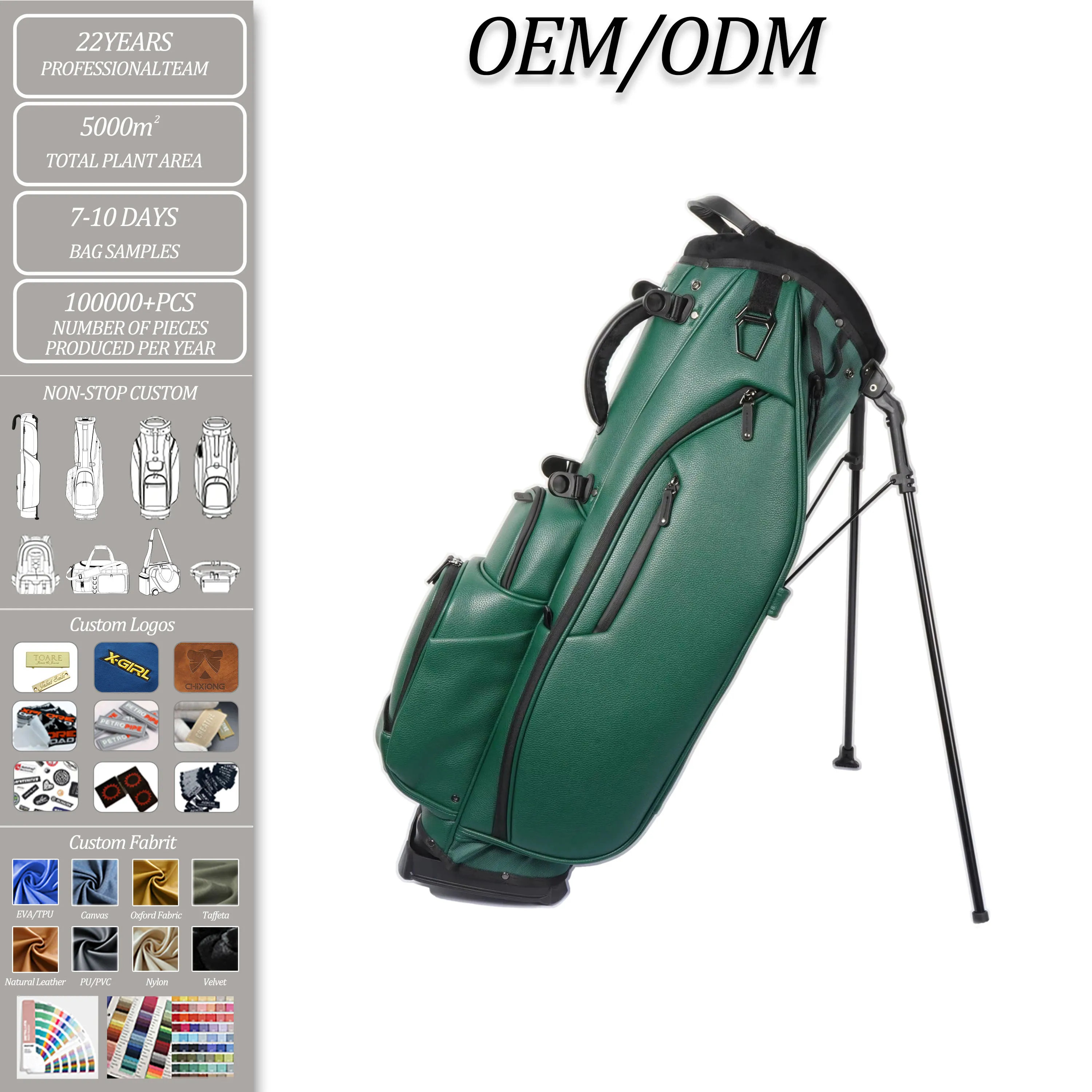
Beyond the YKK ecosystem, several alternative waterproof zipper solutions serve specific market segments and cost requirements. SBS waterproof zippers from China provide comparable water-resistant performance to Aquaguard at approximately 40 to 60 percent of the cost, serving value-oriented programs where water resistance rather than full waterproof performance is the target. Roll-top closure systems eliminate zippers entirely by using a fold-and-clip closure method that creates a waterproof seal through fabric overlap and compression, though at the cost of convenient access speed. Magnetic flap closures with waterproof membrane backing provide quick access while maintaining water resistance through overlapping sealed flaps that redirect water away from the underlying pocket opening. Our design team evaluates each zipper solution against the specific performance requirements, cost targets, and user experience goals of each program to recommend the optimal approach.
Heat-Welded Seam Technology: Eliminating Needle Hole Leakage
The seams where fabric panels join represent the second most critical water entry point after zippers, and traditional sewn seam construction creates thousands of tiny needle holes along every stitch line that provide direct pathways for water penetration. Heat-welded seam technology eliminates this vulnerability entirely by joining fabric panels through thermal fusion rather than mechanical stitching, creating continuous, waterproof bonds without any puncture penetrations.
High-Frequency Welding Process
High-frequency (HF) welding, also known as radio-frequency (RF) welding, uses electromagnetic energy at frequencies of 27.12 MHz to heat and fuse thermoplastic fabric panels together at their overlapping edges. The process involves placing the fabric panels between two metal dies connected to a high-frequency generator, which creates oscillating electromagnetic fields that cause the polar molecules in the TPU coating to vibrate rapidly, generating heat through molecular friction. This localized heating melts the TPU layers at the joint interface, fusing them into a single continuous membrane that forms a permanently sealed, waterproof bond. The welding cycle takes between 2 and 8 seconds per joint depending on fabric thickness and joint length, with cooling time of an additional 2 to 5 seconds before the joint achieves full strength. HF welding produces joints that are equal to or stronger than the parent fabric, with waterproof performance that matches the coated fabric itself rather than creating a weaker secondary seam. The primary limitation of HF welding is that it requires both fabric panels to contain thermoplastic materials that respond to electromagnetic heating, restricting its use to TPU-coated, PVC-coated, or similarly treated fabrics rather than untreated textiles.
Ultrasonic Welding Alternative
Ultrasonic seam welding uses high-frequency mechanical vibrations (typically 20 to 40 kHz) rather than electromagnetic energy to generate the friction heat that fuses fabric panels together. An ultrasonic horn vibrates at high frequency while pressed against the fabric joint, creating friction heat at the interface between overlapping fabric panels that melts and fuses thermoplastic coatings. Ultrasonic welding offers advantages including faster processing speed, lower equipment cost, and the ability to weld some material combinations that do not respond effectively to HF energy. The waterproof performance of ultrasonic welded seams equals that of HF welded seams when properly calibrated for the specific fabric system, and our factory operates both HF and ultrasonic welding equipment to accommodate the widest possible range of fabric constructions and brand specifications.
Seam Sealing Tape for Stitched Construction
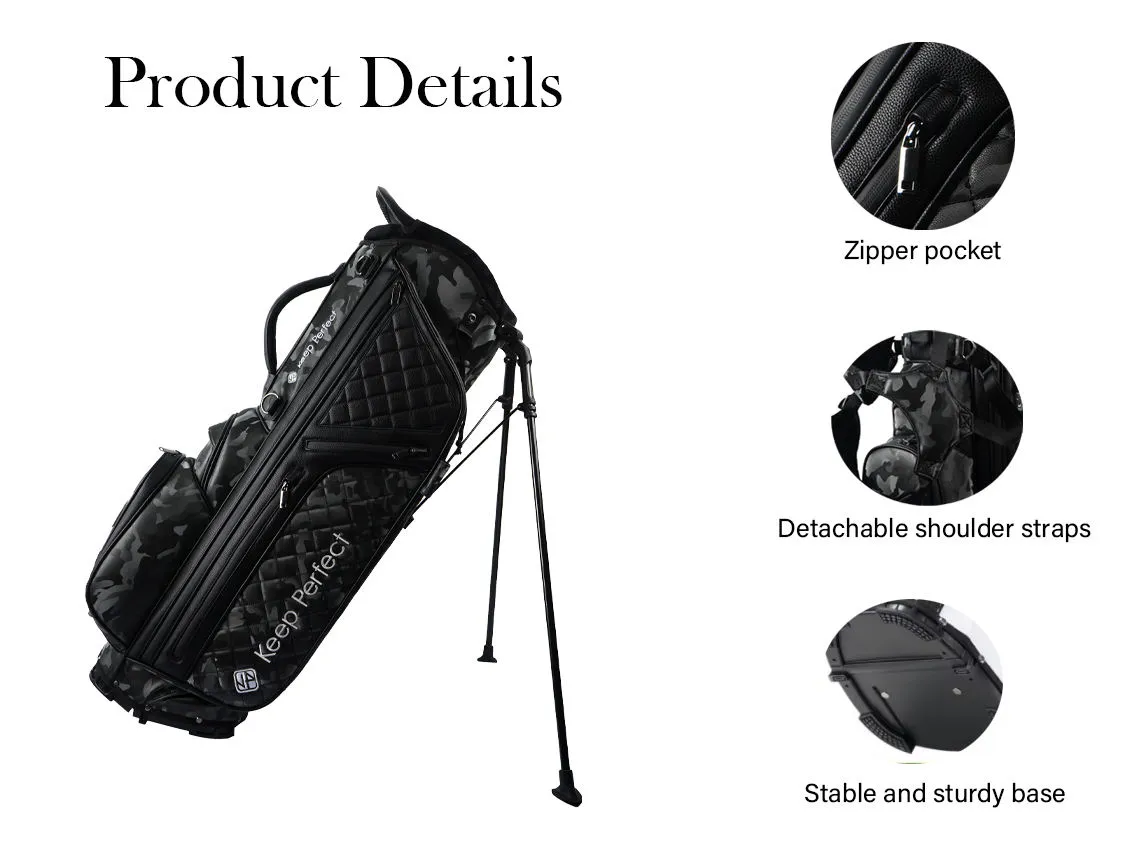
For bags that combine sewn construction with waterproof requirements, seam sealing tape provides an effective secondary waterproofing layer applied over stitched seam lines. The tape, typically a thermoplastic polyurethane film between 15 and 25 millimeters wide, is heat-activated and bonded over the interior side of every stitched seam using a hot air applicator that melts the tape adhesive and bonds it to the surrounding fabric coating, covering the needle holes with a continuous waterproof barrier. This process must be applied to every stitched seam in the bag, adding significant labor time (typically 20 to 40 minutes per bag) and material cost (approximately 1.50 to 3.00 dollars per bag in tape material and application labor). Seam sealing tape is the most common approach for creating waterproof performance in bags that use conventional stitching for structural integrity while adding waterproof protection through the tape barrier. Our factory applies seam sealing tape systematically across all waterproof programs that use stitched construction, with quality control inspection of every seam to verify complete tape coverage and adhesion.
IP Ratings and Hydrostatic Head Standards Explained
Waterproof performance claims require standardized testing methods and rating systems to provide meaningful, comparable measurements across products and manufacturers. The golf bag industry primarily uses hydrostatic head ratings for fabric waterproof performance, while IP (Ingress Protection) ratings from the electronics industry provide a reference framework for overall system water protection that some golf bag brands adopt for marketing purposes.
Hydrostatic Head Testing and Ratings
The hydrostatic head test, standardized under ISO 811 and AATCC 127, measures the water pressure a fabric can withstand before water penetrates through the material. The test involves clamping a fabric sample over a tube and filling the tube with water, gradually increasing the height of the water column until three drops of water appear on the underside of the fabric. The height of the water column in millimeters at that point is the fabric's hydrostatic head rating. Ratings below 1,000mm indicate water-resistant performance suitable for light moisture exposure. Ratings between 1,000 and 5,000mm provide reliable water resistance for moderate rain conditions. Ratings between 5,000 and 10,000mm indicate genuine waterproof performance suitable for sustained rainfall. Ratings above 10,000mm deliver premium waterproof protection for the most demanding conditions. Our factory tests every waterproof fabric lot upon receipt from coating suppliers, verifying hydrostatic head performance against specifications before releasing the material for production use.
IP Rating Reference for Golf Bags
The IP (Ingress Protection) rating system, defined by IEC 60529, classifies the degree of protection provided by enclosures against solid objects and water ingress. While originally designed for electronic devices, the water protection portion of IP ratings (the second digit) provides a useful reference framework for golf bag waterproof performance. IPX1 indicates protection from vertically dripping water, equivalent to very light condensation. IPX2 indicates protection from dripping water when tilted up to 15 degrees. IPX3 indicates protection from sprayed water at angles up to 60 degrees, comparable to light rain. IPX4 indicates protection from water splashes from any direction, equivalent to moderate rain from multiple angles. IPX5 indicates protection from water jets from any direction, equivalent to heavy rain or hose spray. IPX6 indicates protection from powerful water jets, and IPX7 indicates protection from temporary immersion. For golf bags, IPX4 represents the practical target for waterproof performance, indicating protection from rain approaching from any angle during normal carrying or cart-mounted positions. IPX5 and above represents premium waterproof performance that exceeds typical golf weather conditions.
Breathable Waterproof Membranes: Gore-Tex and Advanced Solutions
The ultimate challenge in waterproof golf bag design is not simply blocking water entry but doing so while allowing moisture vapor to escape from the bag interior, preventing the buildup of humidity that causes mildew, odor, and gradual equipment degradation. Breathable waterproof membrane technology addresses this challenge through microporous or hydrophilic structures that block liquid water while permitting water vapor transmission, creating a one-way moisture management system that keeps bag interiors dry from both directions.
Gore-Tex Membrane Technology
Gore-Tex, manufactured by W.L. Gore and Associates, remains the gold standard for breathable waterproof membrane technology, using expanded polytetrafluoroethylene (ePTFE) that contains approximately 9 billion micropores per square inch. Each pore is approximately 20,000 times smaller than a water droplet but 700 times larger than a water vapor molecule, creating a membrane that blocks liquid water completely while allowing vapor to pass freely. When integrated into golf bag construction as a lamination layer between the exterior fabric and interior lining, Gore-Tex membrane provides waterproof performance rated at 28,000mm hydrostatic head with breathability of 15,000 grams per square meter per 24 hours, far exceeding the minimum requirements for effective golf bag moisture management. The cost premium for genuine Gore-Tex membrane integration is substantial, typically adding 15 to 30 dollars per bag in material costs, which positions Gore-Tex waterproof bags at the premium end of the market. Our factory is qualified to work with Gore-Tex membrane materials and has produced Gore-Tex equipped golf bags for premium brand programs that require verified breathable waterproof performance.
Alternative Breathable Membrane Solutions
Several alternative breathable waterproof membrane systems offer comparable performance to Gore-Tex at lower cost points, expanding the accessible market for breathable waterproof golf bags. Polyurethane hydrophilic membranes use non-porous chemistry to transport moisture vapor through the membrane via molecular diffusion, achieving waterproof ratings of 10,000 to 20,000mm with breathability of 5,000 to 10,000 grams per square meter per 24 hours. These membranes are less expensive than ePTFE alternatives and can be applied through coating or lamination processes compatible with standard bag manufacturing equipment. Polyester-based breathable coatings provide moderate waterproof and breathability performance at the lowest cost point, suitable for programs where some moisture management is desired but premium membrane performance is not essential. Our material development team evaluates new membrane technologies continuously and maintains qualified supply chains across multiple breathable membrane options, enabling brand clients to select the optimal balance of performance and cost for their specific market positioning.
Breathability Impact on Bag Interior Environment
The practical benefit of breathable waterproof construction becomes apparent when comparing bag interior conditions over time. In a non-breathable waterproof bag, moisture that enters through opening the bag, condensation from temperature changes, or residual dampness from wet clubs becomes trapped inside, creating a humid environment that promotes mildew growth on grips, leather accessories, and fabric linings. Golfers who store their bags in closed positions between rounds, particularly in warm climates, find that non-breathable bags develop musty odors and visible mildew within weeks. Breathable waterproof bags allow this trapped moisture to escape through the membrane while continuing to block external water entry, maintaining a drier interior environment that protects equipment and prevents odor formation. For golf bags used in humid climates or stored in enclosed spaces between rounds, breathable waterproof construction provides meaningful long-term protection benefits beyond the immediate rain protection that standard waterproof bags deliver.
Waterproof Bag Manufacturing Process: Step by Step
Manufacturing waterproof golf bags requires a fundamentally different production approach than standard bags, with additional process steps, specialized equipment, and rigorous quality checkpoints that ensure every bag leaving the factory delivers verified waterproof performance. Understanding this process helps brand clients appreciate the complexity and cost of waterproof construction while enabling consumers to evaluate the credibility of waterproof claims from different manufacturers.
Fabric Preparation and Coating Verification
Every production lot of waterproof fabric arrives at our factory with coating certificates from the coating supplier specifying the applied coating type, thickness, and hydrostatic head rating. Before releasing fabric for production, our quality control team conducts independent hydrostatic head testing on multiple samples from each roll, verifying that the coating meets or exceeds the specified performance level. Fabric that fails to meet the minimum rating is rejected and returned to the supplier, preventing substandard material from entering the production process. Approved fabric is stored in a controlled environment that prevents moisture absorption or contamination before cutting and assembly.
Precision Cutting and Component Preparation
Waterproof fabric cutting follows the same precision patterns used for standard bags, with additional care taken to maintain coating integrity during handling. Cutting blades must be sharp and precisely calibrated to prevent dragging or lifting the TPU coating from the fabric substrate at cut edges. Component preparation includes cutting seam sealing tape to appropriate lengths, preparing waterproof zipper assemblies with welded or sealed end caps, and pre-forming any welded structural components that require specialized tooling.
Assembly with Waterproof Integrity
The assembly phase follows a modified sequence that prioritizes waterproof seam and joint integrity. Sewn seams are stitched with sealed stitching techniques that minimize needle hole size, followed immediately by seam sealing tape application using hot air activation. Welded seams are produced using HF or ultrasonic welding equipment with parameters calibrated for the specific fabric system, with every weld inspected for complete fusion and uniform bond width. Waterproof zippers are installed with sealed perimeter construction that prevents water bypass around the zipper edges. Each assembly step includes visual and tactile inspection of waterproof elements before the next component conceals the work area, ensuring defects are caught and corrected at the earliest possible stage.
Quality Control and Testing Methods
Waterproof golf bag quality control extends far beyond the visual inspection used for standard bags, incorporating specific water testing protocols that verify functional performance before shipment. Our waterproof QC program includes multiple testing stages that provide comprehensive assurance of waterproof integrity across every production unit.
Hydrostatic Head Fabric Testing
As described in the coating verification section, every fabric roll undergoes independent hydrostatic head testing before production release. Testing frequency is one sample per 500 linear meters of fabric, with test results documented in our quality management system and included in the production file for each brand program. This incoming material testing provides the first checkpoint in ensuring waterproof fabric performance throughout production.
Seam Integrity Testing
Sealed and welded seams undergo peel strength testing to verify bond integrity, with test samples pulled apart using calibrated force gauges to measure the force required to separate the bonded joint. Minimum peel strength requirements ensure that seam bonds maintain integrity under the stress of normal use including loading and unloading clubs, strap tension, and cart mounting. Additionally, first-article samples from each production run undergo water spray testing where the assembled bag is sprayed with water at controlled pressure and angles while inspectors examine the interior for any water penetration through seams, zipper installations, or fabric defects.
Final Water Penetration Testing
The final quality gate for waterproof bags is a comprehensive water penetration test performed on a statistical sample from every production lot. The test involves placing absorbent paper inside the bag, sealing all pockets and openings, and subjecting the bag exterior to simulated rain conditions at controlled intensity and duration. After the test period, the absorbent paper is examined for any water spots indicating penetration, and bags showing any evidence of water entry are rejected and investigated for root cause. This final test provides confidence that every waterproof bag delivered to brand clients performs as specified under real-world rain conditions.
OEM Custom Waterproof Golf Bag Guide
For brand clients developing waterproof golf bag programs, understanding the full range of OEM customization possibilities enables informed specification decisions that balance waterproof performance, cost targets, brand identity, and market positioning.
Waterproof Performance Tier Specification
We offer waterproof bag programs at three performance tiers that correspond to different market segments and price points. The water-resistant tier uses DWR-treated exterior fabrics with seam-sealed critical seams, achieving performance suitable for 30 to 60 minutes of moderate rain at a cost premium of 5 to 8 dollars over standard construction. The waterproof tier uses TPU-coated fabrics with fully sealed seams and waterproof zippers, achieving 5,000 to 10,000mm hydrostatic head ratings at a cost premium of 10 to 18 dollars. The premium waterproof tier adds breathable membrane integration, welded seam construction, and fully sealed zipper systems, achieving 10,000mm plus ratings with breathability at a cost premium of 20 to 35 dollars. Brand clients select the performance tier that aligns with their target market and price positioning, and our engineering team develops detailed specifications for each tier that optimize performance-to-cost ratios for the intended application.
Custom Waterproof Branding and Differentiation
Waterproof bags offer unique branding opportunities through custom seam sealing tape colors, branded waterproof zipper pulls, logo-embossed welded panels, and custom membrane branding that communicates waterproof performance credentials to consumers. Our design team collaborates with brand clients to develop waterproof programs that incorporate distinctive brand elements while maintaining the functional integrity of the waterproof construction system. Contact us through our contact page or WhatsApp at +8617750020688 to explore waterproof golf bag customization options for your brand program.
Ready to Start Your Custom Golf Bag Project?
Partner with a BSCI & ISO 9001:2015 certified factory producing 200,000+ premium golf bags annually. MOQ just 100 pieces.
Get a Free Quote TodayFrequently Asked Questions
What is the difference between waterproof and water-resistant golf bags?
Water-resistant golf bags shed light rain and moisture through DWR coatings and water-repellent fabrics but will eventually allow water penetration during sustained rainfall. Waterproof golf bags use sealed seams, waterproof membranes, and waterproof zippers to prevent water entry completely, even during prolonged heavy downpours. Water-resistant bags are rated at 1,000 to 3,000mm hydrostatic head, while waterproof bags exceed 5,000mm.
What is TPU coating and how does it waterproof golf bags?
TPU (thermoplastic polyurethane) coating is a flexible, durable waterproof membrane applied to the interior surface of golf bag fabrics. It creates an impermeable barrier that prevents water molecules from passing through the fabric while maintaining flexibility across temperature ranges from negative 20 to positive 60 degrees Celsius. TPU coatings range from 0.015 to 0.030 millimeters thick and provide hydrostatic head ratings of 5,000 to 10,000mm.
Are YKK Aquaguard zippers truly waterproof?
YKK Aquaguard zippers are water-resistant rather than fully waterproof, reducing water penetration by approximately 90 to 95 percent compared to standard zippers. They feature a polyurethane-coated tape that seals the zipper teeth from external moisture. For fully waterproof applications, YKK offers the AquaSeal line with welded construction that achieves near-complete water exclusion.
What IP rating should a waterproof golf bag have?
Golf bags do not use standard IP ratings as they are not electronic devices, but the equivalent waterproof performance would target IPX4 or higher for splash protection. For fully waterproof bags, the fabric and seam construction should achieve a minimum 5,000mm hydrostatic head rating, with premium waterproof bags exceeding 10,000mm for maximum protection.
How are heat-welded seams different from stitched seams?
Heat-welded seams use high-frequency or ultrasonic energy to fuse fabric panels together without needle holes, creating a continuous waterproof bond. Stitched seams require additional seam sealing tape applied over the stitch line to achieve waterproof performance. Heat-welded seams are stronger, more consistent, and inherently waterproof but require specialized equipment.
Can waterproof golf bags be customized for OEM brands?
Yes, waterproof golf bags offer extensive OEM customization including custom fabric selection, proprietary waterproof membrane integration, branded waterproof zipper pulls, custom seam sealing tape colors, and differentiated waterproof performance specifications. Our factory produces waterproof bags across our full product range with MOQ starting at 200 pieces per style.
Does waterproof treatment affect bag breathability?
Standard waterproof coatings reduce breathability by creating an impermeable barrier that traps moisture vapor inside. Advanced breathable waterproof membranes like Gore-Tex use microporous structures with pores small enough to block liquid water but large enough to allow water vapor to escape, achieving waterproofness of 10,000mm plus with breathability of 5,000 grams per square meter per 24 hours.