Golf Travel Bag Essentials: Protection, Convenience & Airline Compliance (2026)
Table of Contents
- Introduction: Why Travel Bags Deserve Serious Attention
- Travel Bag Types: Hard Case vs. Soft Case vs. Hybrid
- Airline Size and Weight Requirements Compared
- Protection Technologies That Actually Make a Difference
- TSA Certification and Lock Systems
- Internal Organization and Storage Systems
- Custom OEM Travel Bag Manufacturing Guide
- Price Segment Analysis and Value Recommendations
- Frequently Asked Questions
Introduction: Why Travel Bags Deserve Serious Attention
There is a particular kind of anxiety that every traveling golfer knows intimately: the moment your golf bag disappears onto the conveyor belt at the airline check-in counter, destined for the cargo hold where baggage handlers, conveyor systems, and the general chaos of air transport will subject your most prized sporting equipment to forces and conditions far beyond anything encountered on the golf course. A premium set of golf clubs represents a significant investment, often totaling 1,500 to 3,000 dollars or more for a quality set of irons, woods, wedges, and putter, and the thought of those clubs arriving at your destination bent, dented, or scratched is enough to make even seasoned travelers wince. This is precisely why golf travel bags are not merely an accessory purchase but a critical investment in protecting the tools of your game, and choosing the right one requires careful consideration of protection technology, airline compliance, durability, and practical convenience features that collectively determine whether your clubs arrive ready to play or require an expensive emergency visit to the nearest pro shop.
From our perspective as a manufacturer producing over 200,000 golf bags annually, travel bags represent one of the most technically demanding categories in our product lineup. The engineering requirements are substantially more complex than standard golf bags: materials must withstand impacts, abrasion, temperature extremes, and compression forces that standard bags never encounter, while simultaneously managing airline size restrictions, weight limitations for fee avoidance, and the practical needs of golfers who must pack and unpack efficiently in hotel rooms and resort pro shops. Our factory has invested heavily in travel bag engineering, developing proprietary protection systems that combine high-density foam architectures, reinforced structural frames, and advanced external shell materials to deliver protection levels that meet or exceed the demands of even the most rigorous air travel environments. We supply custom travel bag programs for brands across North America, Europe, and Asia, and the insights in this guide reflect two decades of continuous improvement informed by real-world performance data from millions of miles of actual airline transport.
This comprehensive guide addresses every critical dimension of golf travel bag selection and specification, from the fundamental hard case versus soft case decision to the specific airline regulations that govern acceptable dimensions and fees across major carriers worldwide. We examine protection technologies in detail, explain the TSA certification requirements that affect North American travel, and provide brand clients with actionable OEM manufacturing guidance for developing competitive travel bag programs. Whether you are a golfer preparing for your first flying experience with clubs or a brand manager developing your next travel bag line, this guide delivers the expertise needed to make confident, well-informed decisions.
Travel Bag Types: Hard Case vs. Soft Case vs. Hybrid
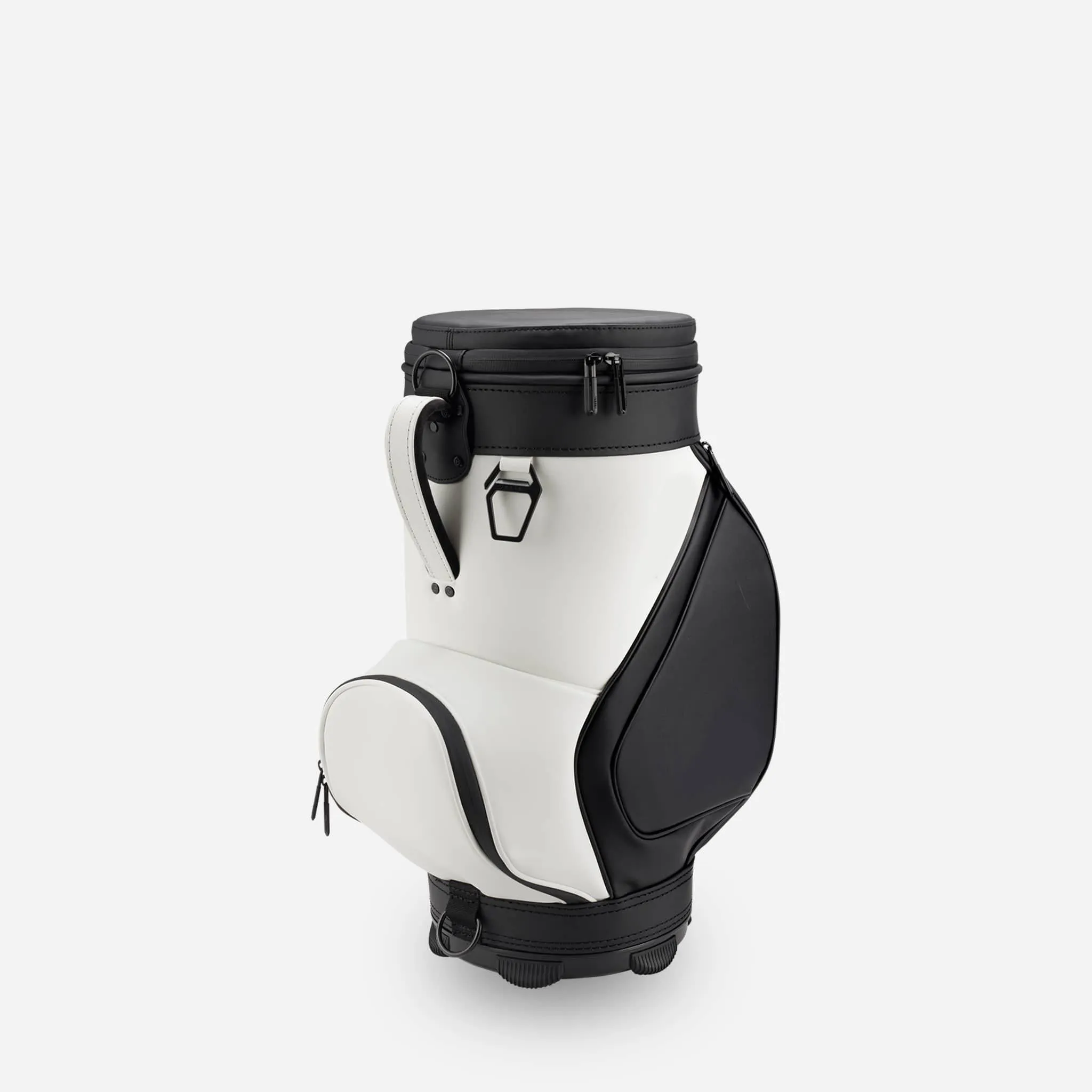
The golf travel bag market divides into three distinct construction categories, each offering different balances of protection, weight, convenience, and price. Understanding the fundamental differences between these categories is the essential first step in selecting the right travel solution for your specific needs and travel patterns.
Hard Shell Cases: Maximum Impact Protection
Hard shell travel cases feature rigid outer shells constructed from molded ABS plastic, polycarbonate, or composite materials that provide an impenetrable barrier against impact damage, crushing forces, and puncture hazards encountered during baggage handling. The rigid shell absorbs and distributes impact energy across its surface area, preventing concentrated forces from reaching the clubs inside. Premium hard cases use ABS shells with thickness ranging from 3 to 5 millimeters on the top and side panels, reinforced with internal rib structures that increase rigidity without adding excessive weight. The shell halves connect through heavy-duty latches or hinge systems with integrated lock points that secure the case during transport. Interior protection combines high-density polyethylene foam cut to cradle the bag and clubs in a custom-fitted cushion that prevents movement and absorbs residual shock that penetrates the outer shell. Hard cases typically weigh between 12 and 18 pounds empty, and their rigid construction makes them less convenient for storage when not in use, though many models feature split-shell designs that nest together for compact off-season storage. The premium protection of hard cases makes them the preferred choice for golfers traveling with expensive club sets, professionals transporting tournament equipment, and anyone who flies frequently enough that the durability investment amortizes quickly across dozens of trips.
Soft Cases: Versatile and Budget-Friendly
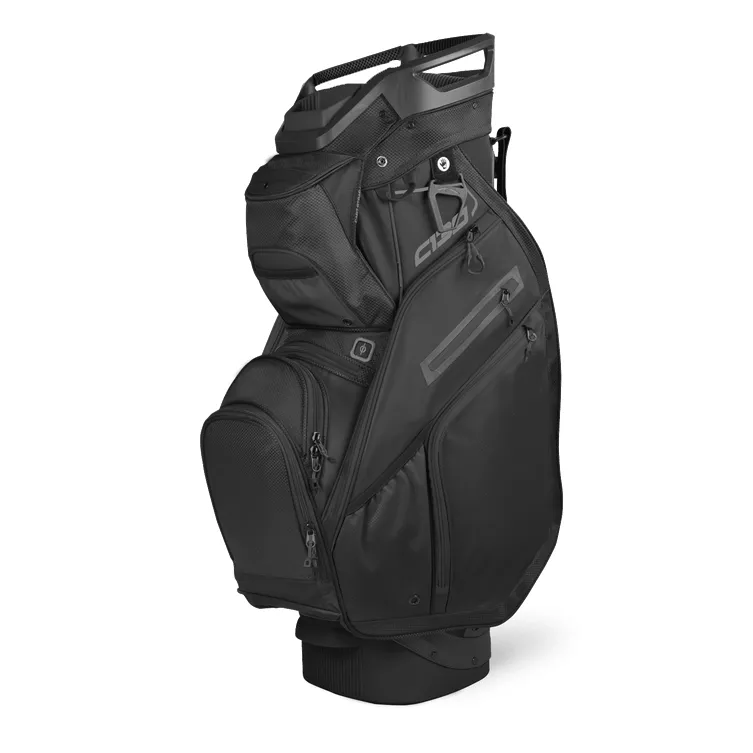
Soft-sided travel cases construct their protective envelope from heavy-duty fabrics, typically 600D to 1680D ballistic nylon or polyester with internal foam padding layers that provide cushioning against moderate impacts. The flexible construction makes soft cases significantly lighter than hard cases, typically weighing between 7 and 11 pounds empty, which translates directly to airline weight savings that can reduce or eliminate overweight baggage fees. Soft cases offer substantially more exterior storage through zippered pockets that accommodate shoes, gloves, rain gear, and other travel accessories, effectively consolidating gear into a single checked item. The flexible sides allow soft cases to compress slightly when the interior is not fully loaded, making them easier to fit into vehicle trunks and storage spaces. Internal protection in quality soft cases relies on thick foam padding at critical impact points, particularly the top section where club heads reside, reinforced sidewalls with semi-rigid plastic inserts that provide some crush resistance, and a padded bottom panel that absorbs impacts from the case being set down on hard surfaces. While soft cases do not match the absolute protection level of hard shells against direct impacts, they provide more than adequate protection for golfers whose club sets are insured or whose travel frequency does not justify the premium investment in hard case construction.
Hybrid Cases: The Best of Both Worlds
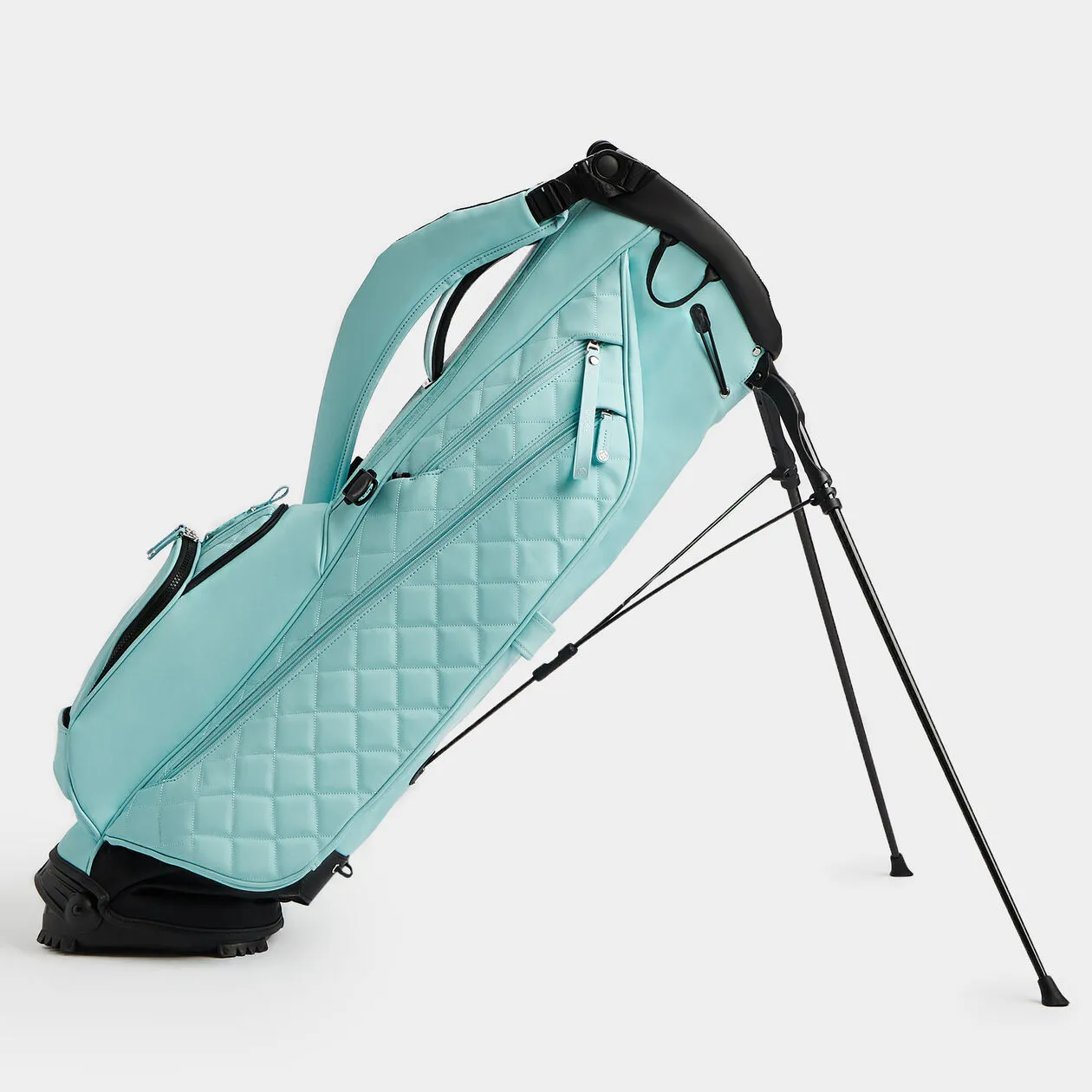
Hybrid travel cases have emerged as the fastest-growing segment in the market, combining rigid shell construction on the top and high-impact zones with flexible fabric panels on the sides and non-critical surfaces. This approach concentrates protection where clubs are most vulnerable, the club head area at the top of the case, while saving weight and adding storage flexibility on the sides where protection requirements are lower. A typical hybrid case features a molded ABS top panel that extends approximately one-third of the case length to protect club heads and the upper shaft section, with the remaining two-thirds constructed from heavy-duty padded fabric that provides flexibility and storage while still offering meaningful side-impact protection through internal foam layers. Hybrid cases typically weigh between 9 and 14 pounds, positioning them between pure hard and soft options in the weight spectrum. The practical advantages include easier loading and unloading compared to hard cases due to the flexible side panels that allow the case to expand and conform to the bag shape, plus better maneuverability through airport terminals thanks to the reduced overall weight. For golfers who travel four to eight times per year and want better protection than a basic soft case without the weight and storage limitations of a full hard case, hybrid designs represent the optimal balance point.
Airline Size and Weight Requirements Compared
Airline regulations govern every dimension of golf travel, from maximum acceptable bag size to weight limits and fee structures that vary significantly between carriers. Understanding these requirements before purchasing a travel case prevents costly surprises at the check-in counter and ensures your chosen case complies with the airlines you fly most frequently.
| Airline | Max Linear Inches | Weight Limit | Golf Bag Fee | Oversize Fee | Policy Notes |
|---|---|---|---|---|---|
| Delta Air Lines | 115 | 50 lbs | $35 | $200 | Counts as standard checked bag |
| United Airlines | 115 | 50 lbs | $35 | $200 | Golf bags within free checked allowance |
| American Airlines | 115 | 50 lbs | $35 | $200 | Counts as standard checked bag |
| Southwest Airlines | 115 | 50 lbs | Free | $75 | 2 free checked bags included |
| British Airways | 115 | 51 lbs (23kg) | Included | Varies | Included in baggage allowance |
| Lufthansa | 115 | 51 lbs (23kg) | Included | Varies | Sporting equipment category |
| Emirates | 115 | 51 lbs (23kg) | Included | Varies | Weight concept baggage allowance |
| Air Canada | 115 | 50 lbs | $35 CAD | $100 CAD | Golf bag as checked baggage |
The standard airline threshold for golf bags is 115 linear inches (length plus width plus height), with weight limits typically set at 50 pounds for domestic United States carriers and 23 kilograms (approximately 51 pounds) for international carriers. A typical golf travel case loaded with a bag and clubs weighs between 25 and 40 pounds, leaving comfortable margin under standard limits for most golfers. However, those traveling with heavy tour staff bags, multiple dozen golf balls, shoes, and accessories should weigh their packed case before traveling to avoid overweight fees that can range from 75 to 200 dollars per occurrence. The dimensional limits are more generous than they initially appear, as most golf travel cases measure between 52 and 56 inches in length with widths and depths of 12 to 15 inches each, resulting in linear dimensions well under the 115-inch threshold when packed properly.
International carriers generally include golf bags within standard checked baggage allowances, making them effectively free for passengers with included checked bags on their ticket class. Low-cost carriers and basic economy tickets may charge separate sporting equipment fees that vary significantly, so checking the specific airline's sporting equipment policy before booking is essential. Some airlines require advance notification for golf bags, particularly on smaller aircraft where cargo hold dimensions may restrict acceptance of oversized items. Booking early and confirming golf bag acceptance with the airline eliminates potential last-minute complications that could force expensive shipping alternatives.
Protection Technologies That Actually Make a Difference
Beyond the fundamental case type selection, specific protection technologies and design features determine how effectively a travel bag shields clubs from the rigors of air transport. Understanding these technologies and specifying them correctly is essential for both consumers protecting their investment and OEM clients developing competitive products.
High-Density Foam Architectures
The internal foam system is the first and most critical line of defense against impact damage. Quality travel cases use multi-density foam architectures that combine soft, conforming foam layers against the club surfaces with high-density structural foam that absorbs and distributes impact energy. The most effective systems use closed-cell polyethylene foam with densities ranging from 2 to 6 pounds per cubic foot, arranged in strategic zones that correspond to the vulnerable areas of the clubs: dense 5 to 6 pound foam around the club head compartment, medium 3 to 4 pound foam along shaft lengths, and softer 2 to 3 pound foam as a conforming comfort layer against finishes and grips. Our factory uses computer-modeled foam cutting patterns that create custom-fit cradles for different bag profiles, ensuring the bag does not shift within the case during handling. The foam density and thickness directly impact protection performance, with premium cases using 2 to 3 inches of high-density foam at impact points and budget cases limited to 0.5 to 1 inch of lower-density material. The manufacturing cost differential is typically 3 to 8 dollars per case, a small investment that prevents thousands of dollars in potential club damage.
Reinforced Base Plates and Structural Frames
The bottom of a travel case endures repeated impacts from being set down on hard surfaces, dragged across conveyor belts, and occasionally dropped by baggage handling equipment. Reinforced base plates constructed from high-impact ABS or glass-fiber-reinforced nylon provide a rigid platform that prevents bottom impacts from transmitting forces upward into the clubs. Quality base plates are 4 to 6 millimeters thick with ribbed reinforcement patterns that increase stiffness without adding excessive weight, and they integrate molded feet or skid pads that elevate the case slightly off the ground surface and provide abrasion resistance during dragging operations. Some premium cases incorporate full internal frame structures, typically aluminum or composite tubes running along the case length, that create a rigid cage around the clubs and prevent the case from flexing or collapsing under compression loads during stacking in cargo holds.
Stiff Arm Protection Systems
The stiff arm is a telescoping rod that extends from the bottom of the travel case to a point above the club heads, creating a structural barrier that absorbs vertical impacts before they reach the clubs. When baggage handlers drop a travel case on its end, the stiff arm takes the full impact force, preventing it from transferring through to the delicate club heads and shaft connections at the top of the bag. Quality stiff arms are constructed from aircraft-grade aluminum with adjustable height settings that accommodate different bag and club length combinations, and they feature padded tips that prevent damage to the case interior when fully extended. While some travel cases include integrated stiff arms as a standard feature, others accommodate aftermarket stiff arm purchase separately. For golfers traveling with expensive graphite shaft clubs or oversized driver heads, a stiff arm provides the single highest return on protection investment and should be considered mandatory equipment rather than optional.
TSA Certification and Lock Systems
For golfers traveling within or through the United States, TSA regulations directly affect travel bag security and inspection procedures. Understanding these requirements and incorporating compliant lock systems ensures your bag remains secure while avoiding damage from forced inspection entry.
Understanding TSA Inspection Requirements
The Transportation Security Administration reserves the right to inspect any checked baggage, including golf travel cases, as part of their security screening process. When a travel case triggers additional screening through X-ray imaging or other detection methods, TSA officers must open the case for physical inspection. If the case is secured with a non-TSA-approved lock, officers are authorized to cut the lock to gain access, leaving the case unsecured for the remainder of its journey. TSA-approved locks feature a special mechanism that allows authorized officers to open them using a universal master key system, perform the inspection, and re-lock the case without damaging the lock or the case. This system protects both the traveler's security needs and the integrity of the luggage throughout the screening process.
Lock Types and Security Features
Travel case lock systems range from basic built-in combination locks to sophisticated integrated security systems. Built-in TSA locks molded into the case latching mechanism provide the most convenient operation, requiring no separate key management while securing all access points simultaneously. Separate TSA-approved padlocks offer flexibility and can be transferred between different cases, but they represent an additional component that can be lost or forgotten. Cable lock systems thread through zipper pulls and secure to a central locking point, providing adequate security against casual tampering while allowing TSA access. Premium travel cases from our factory incorporate recessed TSA-approved combination locks flush with the case surface to prevent snagging and damage during handling, with custom combination settings and optional logo branding on the lock face for brand programs. The manufacturing cost of integrated TSA lock systems adds approximately 1.50 to 4.00 dollars per case, but the security and compliance benefits make this investment essential for any travel case program targeting the North American market.
Internal Organization and Storage Systems
Beyond club protection, the internal organization system determines how efficiently a golfer can pack, access, and manage their equipment during travel. Well-designed travel bags include thoughtful compartment layouts and accessory management features that transform the packing process from a frustrating chore into a streamlined routine.
Club Head Protection Zones
The club head area is the most vulnerable section during travel, and effective travel cases create dedicated protection zones that immobilize and cushion club heads independently from shaft and grip areas. Interior club head straps or Velcro closures secure the bag within the case and prevent club heads from shifting during transport. Some designs include separate padded sleeves or bags for individual wood and putter heads, providing an additional layer of protection for premium clubs with expensive finishes that scratch easily. The top section of quality cases uses the thickest, highest-density foam to create a protective cap that absorbs impacts from the case being handled in any orientation.
Accessory Compartment Design
Travel cases with exterior zippered compartments transform from single-purpose club carriers into comprehensive travel solutions that consolidate shoes, gloves, rain gear, and personal items into a single checked bag. Effective compartment designs include ventilated shoe pockets that separate footwear from clean clothing, waterproof-lined pockets for wet weather gear, mesh organization pockets for small accessories like tees, ball markers, and batteries, and dedicated valuables pockets with RFID-blocking material for passport and wallet security during international travel. The number, size, and placement of accessory compartments directly impacts case utility and should be specified based on target user needs: frequent international travelers benefit from comprehensive organization systems with passport management, while domestic weekend travelers may prefer simpler designs with fewer compartments and lower weight.
Custom OEM Travel Bag Manufacturing Guide
For golf bag brands developing custom travel bag programs, understanding the manufacturing landscape enables informed decisions about design specifications, material selection, cost optimization, and quality standards that differentiate your products in the market.
Material Selection for Travel Cases
Travel case exterior materials must withstand significantly harsher conditions than standard golf bag fabrics. The recommended minimum specification for soft case exteriors is 1680D ballistic nylon with PVC backing and DWR treatment, providing exceptional abrasion resistance, tear strength, and water repellency. For hard shell components, ABS injection molding with UV-stable color pigmentation delivers consistent appearance and impact resistance across production volumes. Hybrid cases combine these material systems strategically, using hard shell panels at high-impact zones and ballistic nylon elsewhere. Our factory sources materials from certified suppliers with full traceability documentation, and we can accommodate custom fabric colors, patterns, and specifications for brand programs with minimum orders of 300 pieces per color variation.
Production Process and Quality Control
Travel case manufacturing involves additional process steps beyond standard golf bag production, including foam cutting and lamination, rigid component molding and integration, heavy-duty zipper installation with reinforcement, and structural testing of load-bearing elements. Our quality control program for travel cases includes specific test protocols that simulate airline handling conditions: drop tests from 1.2 meters onto concrete surfaces at six orientations, compression testing to 200 kilograms to simulate cargo hold stacking, zipper cycle testing through 5,000 open-close operations, and wheel durability testing through 50 kilometers of rolling on mixed surfaces. Each travel case undergoes a 47-point inspection before approval for shipment, ensuring that every zipper, latch, handle, wheel, foam panel, and stitch meets our quality standards. Brand clients receive comprehensive quality documentation including material certificates, test reports, and production photography for their records.
Customization Options for Brand Programs
Travel bags offer extensive brand customization opportunities that extend beyond the standard logo embroidery available on golf bags. Custom molded hard shell panels with embossed brand logos create striking visual differentiation, while full-custom interior linings with printed brand patterns transform the unboxing experience. Branded wheel covers, handle wraps, zipper pulls, and luggage tags create a cohesive brand presentation across every touchpoint. Our design team works with brand clients to develop travel bag programs that balance protection engineering, airline compliance, brand identity, and cost optimization, delivering products that perform at the highest levels while presenting a distinctive and premium brand experience. Contact us through our contact page or WhatsApp at +8617750020688 to begin developing your custom travel bag program.
Price Segment Analysis and Value Recommendations
| Price Range | Case Type | Protection Level | Key Features | Best For |
|---|---|---|---|---|
| $80 - $150 | Basic soft case | Moderate | Padded nylon, basic pockets, no wheels | Occasional travelers, car trips |
| $150 - $250 | Premium soft case | Good | Ballistic nylon, inline wheels, accessory pockets | Regular domestic flyers |
| $250 - $400 | Hybrid case | Very Good | Hard shell top, padded fabric sides, TSA locks | Frequent flyers, premium clubs |
| $350 - $550 | Premium hybrid | Excellent | Full wheels, stiff arm, max storage | Weekly travelers, tour players |
| $400 - $700 | Hard case | Maximum | ABS shell, custom foam, integrated locks | Most expensive sets, international travel |
| $600 - $1,200+ | Premium hard case | Ultimate | Carbon fiber, GPS tracking, premium wheels | Professional tour, luxury brands |
The golf travel bag market offers meaningful quality differentiation across every price segment, and investing appropriately for your travel frequency and club value ensures optimal protection without overspending. Golfers who fly fewer than four times per year find excellent value in the 150 to 250 dollar premium soft case range, while those flying monthly or more benefit significantly from the 250 to 400 dollar hybrid category that delivers substantially better protection without hard case weight penalties. The investment in quality travel protection pays for itself many times over when compared to the cost of even a single damaged club shaft or cracked club head, making it one of the most straightforward value propositions in the golf equipment ecosystem.
Ready to Start Your Custom Golf Bag Project?
Partner with a BSCI & ISO 9001:2015 certified factory producing 200,000+ premium golf bags annually. MOQ just 100 pieces.
Get a Free Quote TodayFrequently Asked Questions
What size golf travel bag is allowed by airlines?
Most airlines accept golf travel bags with maximum linear dimensions of 115 inches (length plus width plus height) and weight limits between 50 and 70 pounds. Airlines typically treat golf bags as oversized sporting equipment with specific fee structures rather than standard baggage size restrictions.
Are hard cases better than soft cases for golf travel?
Hard cases provide superior protection against impact damage, crushing, and rough handling, making them ideal for frequent flyers and expensive club sets. Soft cases offer better value, lighter weight for airline fee savings, more exterior storage for accessories, and easier storage at home. Hybrid cases combine hard shell tops with soft sides for balanced protection and convenience.
Do I need a TSA-approved lock for my golf travel bag?
Yes, TSA-approved locks are essential for golf travel bags in the United States. The Transportation Security Administration may inspect golf bags during screening, and non-approved locks may be cut off. TSA-approved locks feature a special mechanism that allows security officers to open them with a master key for inspection without damaging the lock.
How much does it cost to fly with golf clubs?
Flying with golf clubs typically costs between 35 and 150 dollars each way depending on the airline and whether the bag counts as checked or oversized baggage. Some airlines include golf bags in standard checked baggage allowance, while others charge oversize fees. International flights may incur additional fees depending on the carrier and route.
What is the best way to protect golf clubs during air travel?
The best protection strategy combines a quality travel case with internal club stabilization using a stiff arm, wrapping iron heads with towels or headcovers, removing adjustable driver heads when possible, and positioning the bag so club heads rest in the padded top section. Adding a stiff arm that extends above club heads creates a structural barrier that absorbs impact forces.
Can golf travel bags be customized for brand programs?
Yes, golf travel bags are excellent candidates for brand customization with options including custom exterior fabrics and colors, embroidered brand logos, custom interior lining with branding, personalized compartment layouts, branded accessory kits, and custom mold hard shell components. MOQ typically starts at 200 to 500 pieces.
How long do golf travel bags last?
Quality golf travel bags last between 5 and 15 years depending on travel frequency, handling conditions, and maintenance. Hard cases typically last 10 to 15 years due to rigid construction, while soft cases last 5 to 10 years with regular use. Zippers, wheels, and handles are the most common wear points that determine functional lifespan.