Golf Bag Guide for Beginners: What New Golfers Need to Know (2026)
Table of Contents
- Introduction: Choosing Your First Golf Bag
- Complete Breakdown of Golf Bag Types
- How to Choose the Right Bag for Your Game
- Key Features Every Beginner Should Understand
- Golf Bag Pricing Guide: What to Expect at Every Budget
- Common Beginner Mistakes to Avoid
- Golf Bag Care and Maintenance Basics
- Frequently Asked Questions
Introduction: Choosing Your First Golf Bag

Stepping onto the first tee for the very first time is an experience that stays with every golfer for a lifetime. The anticipation, the excitement, and yes, the slight nervousness of preparing to hit that opening drive all combine into a moment that defines why this sport has captivated millions of players around the world. Yet behind that exciting first swing lies an entire world of equipment decisions that can feel overwhelming to newcomers, and perhaps none of those decisions is more immediately practical than selecting the right golf bag. Unlike clubs or golf balls, which receive the vast majority of marketing attention and beginner education, the golf bag serves as the essential platform upon which your entire on-course experience is built, organized, and executed round after round.
From a manufacturing perspective, we have produced over 200,000 golf bags annually since 2004 in our 15,000 square meter facility, and we have witnessed firsthand how the right bag transforms a beginner's relationship with the game. A well-chosen golf bag does far more than simply carry clubs from one hole to the next. It keeps your equipment organized and protected, provides convenient storage for accessories, balls, tees, and personal items, and reduces physical strain so you can focus entirely on developing your swing and enjoying the round. Conversely, a poorly chosen bag, one that is too heavy, lacks adequate storage, or fails to match your playing style, can turn every round into a frustrating exercise in equipment management rather than skill development.
This comprehensive guide has been written specifically for beginners who find themselves standing in a pro shop or browsing online, confronted by dozens of golf bags in every size, shape, color, and price point imaginable. Our goal is to demystify every aspect of golf bag selection by drawing on two decades of manufacturing expertise, direct feedback from thousands of retail customers, and a deep understanding of what new golfers actually need versus what marketing campaigns might suggest. Whether you plan to walk every course, ride in a cart, or split your time between both, this guide will equip you with the knowledge to make a confident, informed decision that serves you well for years to come.
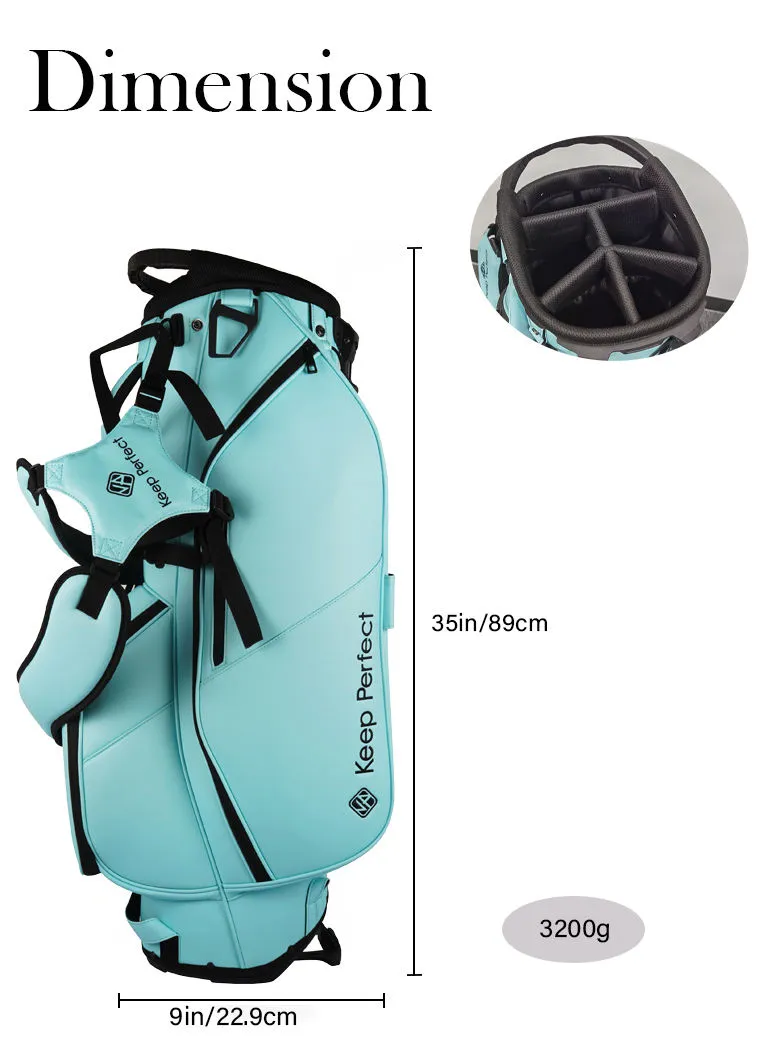
Complete Breakdown of Golf Bag Types
Understanding the five primary categories of golf bags is the essential first step in narrowing your selection. Each type has evolved to serve specific playing preferences, physical requirements, and course conditions, and each carries distinct advantages and trade-offs that matter significantly for new golfers entering the sport.
Stand Bags: The Versatile All-Rounder
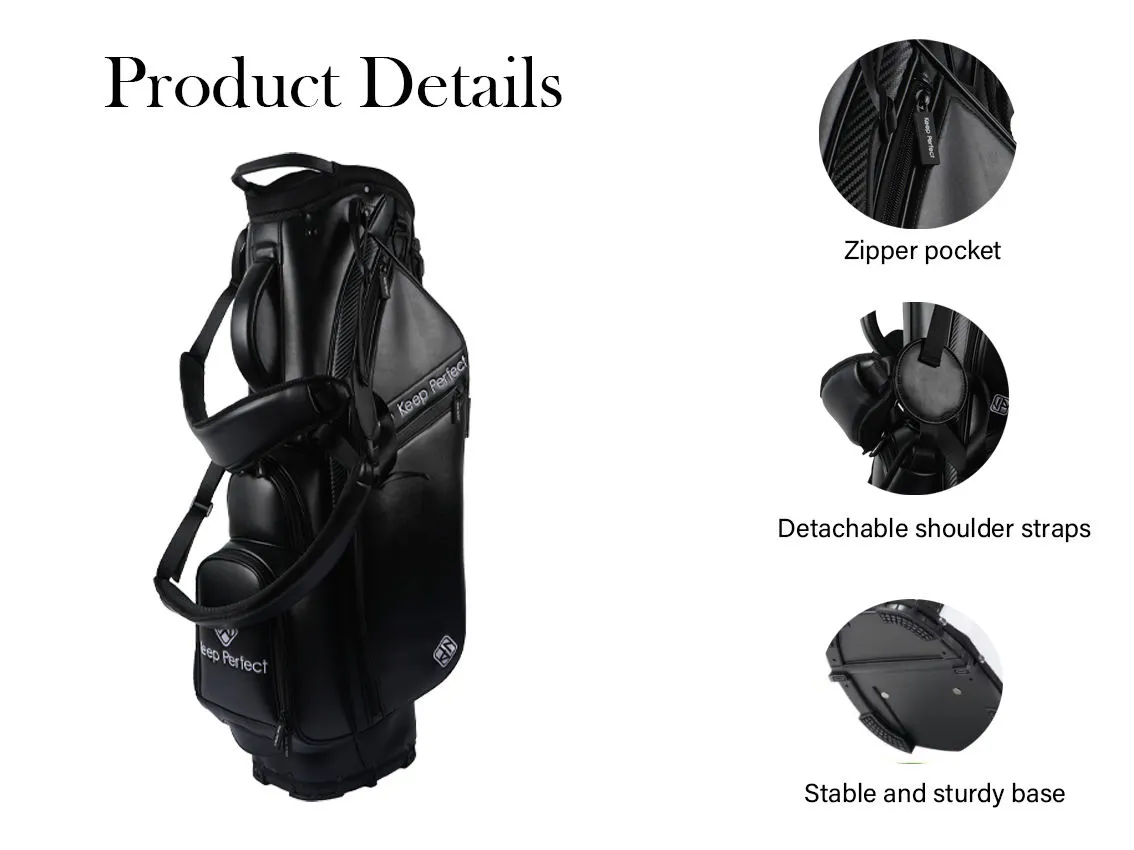
Stand bags represent the single most popular category among recreational golfers worldwide, and for good reason. These bags feature two retractable legs that fold out from the base, allowing the bag to stand upright on any surface without external support. This seemingly simple innovation provides tremendous practical value on the course, as you can set the bag down anywhere, access any club without the bag tipping over, and move between shots without needing to find a flat surface or lean the bag against something. Modern stand bags typically weigh between 3 and 5 pounds empty, making them manageable for carrying while still offering ample storage for a full round of essentials. The divider systems in quality stand bags range from 5-way shared compartments to full 14-way individual tubes, and most include at least four to six zippered pockets for organized storage of balls, tees, gloves, rain gear, beverages, and personal items. For beginners who anticipate walking some courses and riding in carts at others, a stand bag offers the most versatile solution because it performs competently in both scenarios.
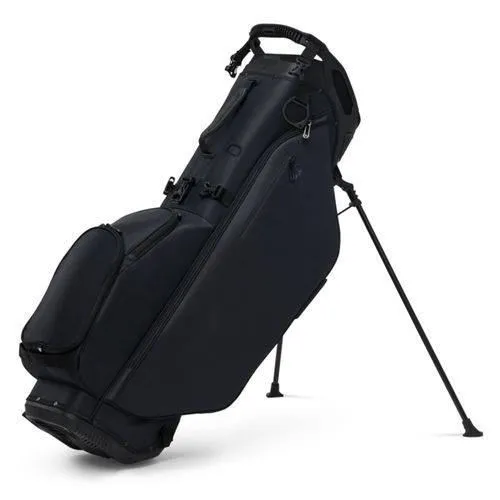
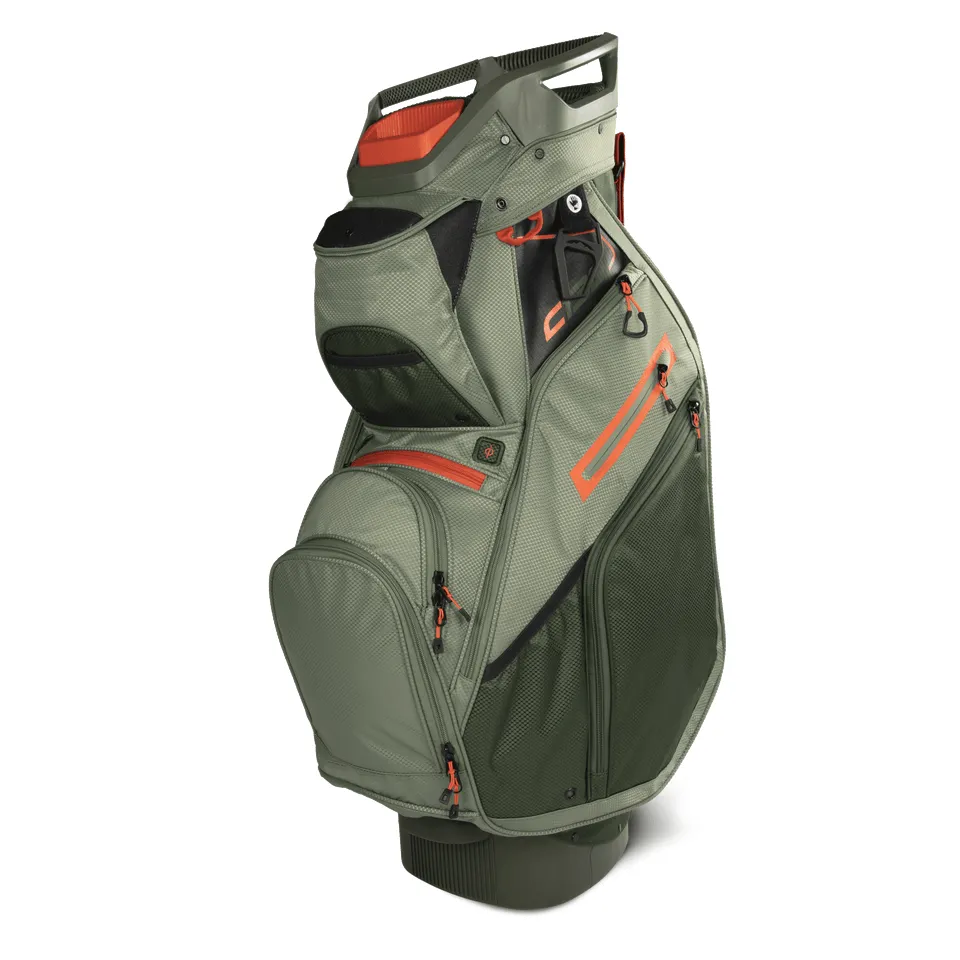
Cart Bags: The Storage Champion
Cart bags are purpose-built for golfers who primarily ride in motorized golf carts. Because they never need to be carried, cart bags can prioritize storage capacity and organization over weight reduction, resulting in bags that typically weigh between 5 and 8 pounds but offer dramatically more pocket space and features than stand bags. A quality cart bag might include nine or more pockets, including oversized apparel pockets, insulated cooler pockets, dedicated rangefinder pockets with magnetic closures, full-length valuables liners, and external putter wells. The 14-way full-length divider system is standard in most cart bags, providing maximum club protection and organization. Cart bags also typically feature a non-slip base with a cart strap pass-through designed to secure the bag firmly to riding carts, preventing rotation and making club access seamless throughout the round. For beginners who plan to ride exclusively, particularly at courses where walking is not common or practical, a cart bag delivers the storage and organizational benefits that make every round more convenient and enjoyable.
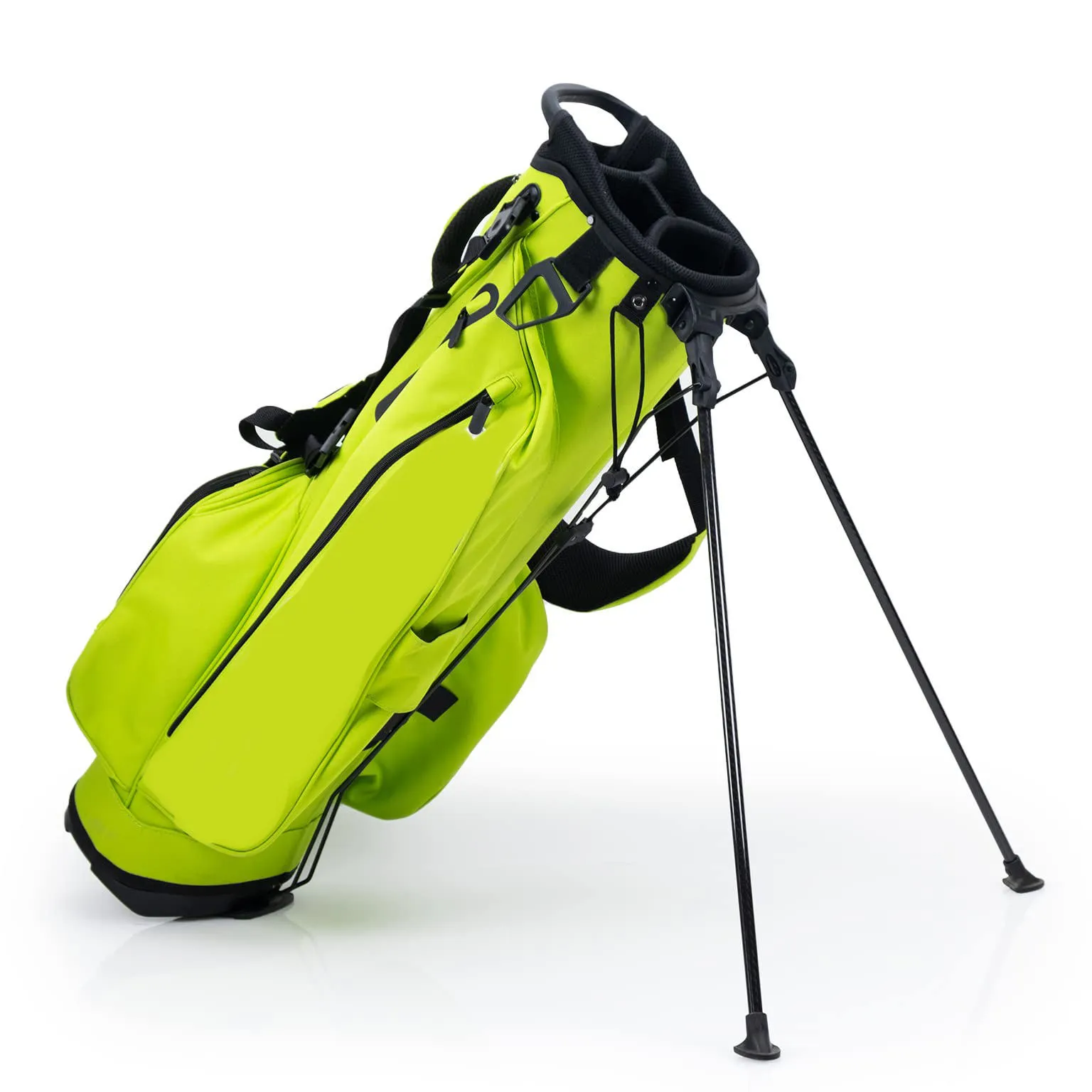
Carry Bags and Sunday Bags: The Minimalist Option
Carry bags, also known as Sunday bags, represent the lightest and most minimalist category of golf bags. Designed for golfers who want to walk the course carrying only essential clubs, these bags typically weigh between 1.5 and 3 pounds and hold between 6 and 10 clubs rather than a full set of 14. Sunday bags usually feature a single strap or lightweight dual straps, minimal pocket space, and simplified divider systems with two to four compartments. The appeal for beginners lies in the combination of extreme lightweight portability and lower price point, typically ranging from 50 to 150 dollars. Walking the course with a lightweight carry bag builds fitness, reduces fatigue, and allows new golfers to focus on fundamentals without the complexity of managing a full equipment load. Many golf instructors actually recommend that beginners start with a carry bag to develop good walking habits and course management skills before upgrading to a larger bag as their game and commitment level grow.
Tour Staff Bags: Professional Grade
Tour staff bags are the large, imposing bags you see professional golfers carrying on television, typically weighing 10 to 12 pounds or more when loaded. These bags feature premium construction with luxurious materials like full-grain leather or high-denier nylon, extensive embroidery and branding space, maximum storage capacity, and full 14-way divider systems with individual fleece-lined tubes for premium club protection. While beginners generally should not purchase tour staff bags due to their substantial weight and premium pricing of 400 to 800 dollars or more, understanding this category helps provide context for the full market and illustrates the ceiling of bag design and construction quality. Some beginners who are committed to the game and primarily ride in carts may be drawn to the professional aesthetics of staff bags, but the weight penalty when loading and unloading from carts should be carefully considered before making this choice.
Hybrid Bags: The Emerging Category
Hybrid bags represent the newest evolution in golf bag design, combining elements of stand bags and cart bags to create versatile options that perform well across multiple carrying scenarios. These bags typically feature retractable legs like a stand bag but with slightly larger profiles and more storage pockets that approach cart bag levels of organization. Weight typically falls in the 4 to 6 pound range, and many hybrid bags include convertible strap systems that allow switching between carry mode and cart mode seamlessly. For beginners who are uncertain about their long-term playing style preferences or who want a single bag that performs adequately whether walking or riding, hybrid bags offer a compelling middle ground that eliminates the need for an early upgrade as preferences become clearer.
How to Choose the Right Bag for Your Game
Selecting the ideal golf bag as a beginner involves evaluating several personal factors rather than simply choosing the most popular or expensive option. Your playing frequency, physical fitness, typical course conditions, and budget all play crucial roles in determining which bag type delivers the best experience and value for your specific situation.
Assessing Your Playing Frequency and Commitment
The honest assessment of how often you expect to play golf directly influences the appropriate bag investment. Golfers who anticipate playing once a week or more should invest in a quality mid-range stand bag or cart bag in the 200 to 350 dollar range, as the per-round cost amortizes quickly and the durability of better construction justifies the investment. Those who plan to play two or three times per month might find that a solid entry-level bag in the 100 to 200 dollar range meets their needs perfectly while leaving budget available for lessons and practice rounds. Beginners who are uncertain about their commitment level should absolutely avoid overspending initially; a well-reviewed budget bag under 100 dollars provides everything needed to learn and enjoy the game, and upgrading later once commitment is established is a far more prudent approach than purchasing an expensive bag that may go unused.
Physical Considerations and Fitness Level
Golf is a lifetime sport enjoyed by players of all ages and fitness levels, and your physical condition should directly inform your bag selection. Younger, active golfers who enjoy walking will find that a lightweight stand bag or carry bag enhances the experience and builds the fitness foundation that supports longer rounds without fatigue. Golfers with back, shoulder, or knee concerns should either choose the lightest possible stand bag or commit to a cart bag used exclusively with motorized carts, eliminating carrying weight entirely. The average stand bag loaded with 14 clubs, balls, water, and accessories weighs between 15 and 22 pounds on your back, and while most healthy adults can manage this weight for 18 holes, those with existing physical limitations should prioritize weight reduction by either choosing a lighter bag or carrying fewer clubs.
Course Conditions and Climate
The typical conditions you will encounter on your home course significantly affect bag selection. Courses with hilly terrain, soft ground after rain, or long distances between holes favor lighter bags with comfortable strap systems and reliable stand mechanisms. Courses that provide cart paths and riding carts as the standard mode of transport make cart bags the logical choice for their superior organization and storage. Golfers in regions with frequent rain should prioritize bags with waterproof linings, water-resistant zippers, and included rain hoods that protect club grips and equipment during wet rounds. Those playing in hot, dry climates benefit from bags with insulated cooler pockets that keep beverages cold throughout the round and lighter-colored exteriors that absorb less heat from direct sunlight.
Key Features Every Beginner Should Understand
Beyond the fundamental bag type, several specific features warrant careful evaluation before making a purchase decision. Understanding what these features do and why they matter helps beginners avoid paying for unnecessary extras while ensuring they do not overlook critical functionality.
Divider Systems: Organization and Protection
The divider system is the internal framework that separates your clubs within the bag, and its design directly impacts both club protection and ease of access. Full 14-way dividers provide an individual tube for every club, offering maximum protection against club-to-cl contact damage and making it easy to identify and grab any specific club without disturbing others. Five-way or six-way shared dividers group clubs into compartments, reducing weight and cost but allowing some club contact that can cause shaft scratches and grip wear over time. For beginners, a mid-range divider system with five to eight compartments typically provides the best balance of organization, protection, and weight savings. You do not need 14 individual dividers as a beginner, but completely unstructured bags with no dividers at all lead to frustrating club tangling that slows down play and damages equipment.
Pocket Configuration and Storage
Modern golf bags feature between three and twelve pockets of varying sizes and purposes, and understanding which pockets matter most helps beginners evaluate bag utility. Essential pockets include a full-length apparel pocket large enough for a rain jacket or extra layer, a velour-lined valuables pocket for keys, wallet, and phone, a dedicated ball pocket with easy access for quick retrieval during play, and at least one large general-purpose pocket for gloves, tees, markers, and miscellaneous accessories. Premium bags add specialized pockets such as insulated cooler compartments, magnetic rangefinder pockets, and waterproof-lined electronics pockets. Beginners should prioritize bags that offer at least four to five well-positioned pockets with quality zippers that open and close smoothly, as cheap zippers are among the most common failure points in budget bags.
Strap Systems and Comfort
If you plan to carry your bag at any point, the strap system is arguably the single most important comfort feature. Dual straps modeled after hiking backpack harnesses distribute weight across both shoulders and the upper back, reducing fatigue and strain compared to single-strap configurations. Look for straps with adequate padding at least one inch thick at the shoulder contact points, adjustable sternum straps that prevent shoulder slipping, and breathable mesh backing that reduces sweat buildup during warm weather rounds. The strap attachment system should also allow easy tucking or removal when the bag is placed on a cart, as dangling straps catch on cart components and create frustration. Many quality stand bags feature rotating strap systems that pivot out of the way when the bag is mounted on a cart and tuck close to the bag during carrying.
Water Resistance and Weather Protection
Unexpected rain happens to every golfer, and your bag's ability to protect equipment from moisture damage is a critical consideration. Look for bags with waterproof or water-resistant linings in key pockets, particularly the valuables pocket and any electronics storage areas. Many bags include an integrated rain hood that deploys over the club heads and top of the bag to prevent water from running down into the club tubes and soaking grip tape. The quality of exterior fabrics also matters; bags constructed with water-resistant nylon or polyester with a durable water repellent (DWR) coating shed light rain effectively and dry quickly. While fully waterproof bags exist at premium price points, water-resistant construction at the mid-range level provides adequate protection for most golfers who check weather forecasts and carry a rain jacket.
Golf Bag Pricing Guide: What to Expect at Every Budget
Golf bags span an enormous price range, and understanding what each price tier delivers helps beginners set appropriate expectations and make value-driven purchasing decisions. The correlation between price and quality is real but not linear, and smart shopping at any budget level can yield excellent results.
| Price Range | Bag Type | Materials | Dividers | Pockets | Weight | Best For |
|---|---|---|---|---|---|---|
| $50 - $100 | Carry/Sunday | Basic polyester | 2-4 way | 2-3 | 1.5-3 lbs | Casual beginners, 6-10 clubs |
| $100 - $200 | Stand bag | Nylon/poly blend | 4-5 way | 4-5 | 3-4 lbs | Regular beginners, walking focus |
| $200 - $350 | Premium stand | Ripstop nylon | 5-14 way | 6-8 | 4-5 lbs | Committed beginners, all-round use |
| $250 - $450 | Cart bag | Premium nylon | 14-way | 8-10 | 5-7 lbs | Cart golfers, maximum storage |
| $350 - $600 | Premium hybrid | Advanced synthetics | 14-way | 8-12 | 4-6 lbs | Serious amateurs, premium features |
| $400 - $800+ | Tour staff | Leather/premium | 14-way | 10+ | 10-12 lbs | Low handicap, professional image |
At the entry level of 50 to 100 dollars, beginners gain a functional bag that carries clubs and provides basic storage. These bags use simpler construction methods and less expensive materials, but they perform their core function adequately for beginners who are still developing their game. The 100 to 200 dollar range represents the sweet spot for most beginners, offering quality construction, reliable zippers and hardware, comfortable strap systems, and enough pockets and organization to support a full round without frustration. Above 200 dollars, bags incorporate premium materials like ripstop nylon, advanced divider systems, waterproof technologies, and design refinements that become increasingly noticeable with daily use but may not be essential for someone playing only a few rounds per month.
Common Beginner Mistakes to Avoid
After two decades of manufacturing golf bags and observing how beginners interact with their equipment, we have identified several recurring mistakes that new golfers make during their first bag purchase. Avoiding these errors saves money, reduces frustration, and ensures your bag purchase supports rather than hinders your development as a golfer.
Buying Too Much Bag Too Soon
Perhaps the most common mistake is purchasing a premium, feature-laden bag before understanding personal playing preferences. A beginner who buys a 500 dollar tour staff bag with maximum storage and then discovers they prefer walking lightweight courses faces an expensive lesson. Start modestly and upgrade deliberately once you understand how and where you actually play. The golf bag market moves slowly enough that last year's models remain excellent options at significant discounts, and buying previous-year inventory is a smart strategy for budget-conscious beginners who still want quality construction.
Ignoring Weight Until It Matters
Bags feel manageable in the pro shop when empty and unloaded, but adding 14 clubs, a dozen balls, water bottles, rain gear, and accessories quickly adds 10 to 15 pounds to the total carried weight. A stand bag that weighs 4.5 pounds empty might feel fine in the store but becomes burdensome on the back nine of a hilly course in summer heat. Always evaluate bags with the understanding that the loaded weight is what truly matters, and for walking golfers, every ounce counts over the course of a four-hour round covering five or more miles of terrain.
Overlooking Zipper and Hardware Quality
Zippers, buckles, strap adjusters, and stand mechanism legs are the mechanical components that endure thousands of cycles of opening, closing, adjusting, and deploying throughout a bag's lifespan. Budget bags that save costs by using inferior zippers and hardware create failure points that render otherwise functional bags frustrating or unusable. When evaluating bags, physically test every zipper to ensure smooth operation, check that buckle components feel solid and secure, and verify that the stand mechanism deploys and retracts smoothly without catching or sticking. Quality YKK zippers on a slightly more expensive bag deliver far better long-term value than cheaper alternatives that fail after a single season.

Neglecting to Check Cart Compatibility
Beginners who plan to use push carts should verify that their chosen stand bag is compatible with their specific push cart model, as some bag bases and pocket configurations interfere with push cart mounting mechanisms. Similarly, stand bags designed primarily for carrying may not include the cart strap pass-through channels needed for secure mounting on riding carts. A few minutes of checking compatibility before purchasing prevents the frustration of discovering your new bag does not work properly with your existing equipment.
Golf Bag Care and Maintenance Basics
Proper maintenance extends the useful life of any golf bag significantly, and establishing good care habits from day one protects your investment and keeps your bag performing at its best throughout its lifespan. Fortunately, golf bag maintenance is straightforward and requires only a few minutes of attention after each round or periodically during the off-season.
Regular Cleaning Routine
After each round, remove any debris, grass clippings, or sand from pockets and the bag interior. Empty all pockets periodically and wipe interior surfaces with a damp cloth to remove accumulated dirt and moisture that can lead to mildew formation. The bag exterior can be cleaned with mild soap and water using a soft brush or cloth; avoid harsh chemical cleaners that can damage water-resistant coatings and discolor fabrics. Allow the bag to air dry completely before storage, particularly if it has been exposed to rain or morning dew, as trapped moisture accelerates deterioration of fabrics, zippers, and internal lining materials.
Seasonal Storage Best Practices
During off-season storage, keep your golf bag in a cool, dry location away from direct sunlight, which degrades fabrics and fades colors over extended periods. Store the bag with all pockets open or partially unzipped to allow air circulation and prevent musty odors from developing. Remove all clubs and insert crumpled paper or breathable fabric bags into the club tubes to help maintain their shape during extended storage. For bags with leather accents or trim, applying a leather conditioner before storage prevents drying and cracking during months of non-use. A simple dust cover or breathable bag cover protects the exterior from dust accumulation while allowing moisture to escape.
Early Problem Detection
Periodically inspect your bag for early signs of wear that can be addressed before they become serious problems. Check zipper teeth for damage or misalignment that can be corrected with zipper lubricant. Examine stitching at stress points like strap attachments and pocket seams for loose threads that can be resewn before the seam fails entirely. Inspect the stand mechanism legs for smooth operation and tighten any loose screws or fasteners. Addressing minor issues promptly through simple maintenance prevents them from escalating into failures that require professional repair or premature bag replacement.
Ready to Start Your Custom Golf Bag Project?
Partner with a BSCI & ISO 9001:2015 certified factory producing 200,000+ premium golf bags annually. MOQ just 100 pieces.
Get a Free Quote TodayFrequently Asked Questions
What type of golf bag should a beginner buy?
Beginners who plan to walk the course should start with a stand bag weighing 3 to 5 pounds, which offers the best balance of portability and functionality. Those who prefer riding in a cart should consider a cart bag for its superior storage and organization. Budget-conscious beginners can start with a basic carry bag under 100 dollars.
How much should a beginner spend on a golf bag?
Beginners should budget between 100 and 300 dollars for their first golf bag. This range provides quality construction, adequate features, and durability without overspending. Entry-level bags under 100 dollars work for casual players, while serious beginners benefit from mid-range options between 200 and 300 dollars.
What is the difference between a stand bag and a cart bag?
Stand bags feature retractable legs that allow the bag to stand upright on the course and are designed for carrying or use on push carts, typically weighing 3 to 5 pounds. Cart bags are heavier at 5 to 8 pounds, offer more storage pockets, and are designed specifically for use on motorized golf carts without a carry strap system.
How many clubs can a golf bag hold?
Standard golf bags are designed to hold 14 clubs, which is the maximum allowed under the Rules of Golf. Most bags can physically accommodate 14 clubs, though some lightweight carry bags are optimized for 10 to 12 clubs to reduce weight for walking golfers.
What features should I look for in a beginner golf bag?
Key features for beginners include a comfortable dual strap system, at least 4 to 6 storage pockets, a waterproof or water-resistant lining, a dedicated putter well, a valuables pocket, and a compatible umbrella holder. Divider systems with 5 to 14 sections help organize clubs and prevent tangling.
How long does a golf bag last?
A quality golf bag typically lasts 5 to 10 years with regular use and proper care. Higher-end bags with premium materials and construction can last 10 to 15 years. Factors affecting lifespan include frequency of use, storage conditions, exposure to weather, and maintenance habits.
Is a Sunday bag good for beginners?
Sunday bags or carry bags are excellent for beginners who want to walk the course and carry fewer clubs. They are lightweight at 2 to 3 pounds, inexpensive, and help new golfers focus on fundamentals. However, they lack the storage capacity and club protection of full-size bags.