Golf Bag Pricing Tiers: Complete Market Segment Guide 2026
Table of Contents
- Introduction: Understanding Golf Bag Market Segmentation
- Entry-Level Tier: The Value Segment
- Mid-Range Tier: The Performance Sweet Spot
- Premium Tier: Quality and Brand Prestige
- Luxury and Tour Tier: The Pinnacle
- Cross-Tier Feature Comparison
- Pricing Strategy for New Brands
- Manufacturing Implications by Tier
- Frequently Asked Questions
Introduction: Understanding Golf Bag Market Segmentation
The golf bag market is not a monolithic landscape where all products compete on equal footing. Instead, it operates as a clearly stratified ecosystem with distinct pricing tiers, each serving different customer segments, distribution channels, and brand positioning strategies. Understanding these pricing tiers is essential for any brand entering the golf bag market because the tier you choose to compete in determines your material specifications, manufacturing partner requirements, distribution strategy, marketing investment, and ultimately your profitability profile.
As a certified manufacturer producing over 200,000 golf bags annually across all pricing tiers, we have unique visibility into the cost structures, quality requirements, and market dynamics of each segment. We manufacture entry-level promotional bags retailing at 49 dollars alongside luxury tour staff bags retailing at 900 dollars or more. This cross-tier manufacturing experience provides the comprehensive perspective needed to help brands understand where they should position their products for maximum success.
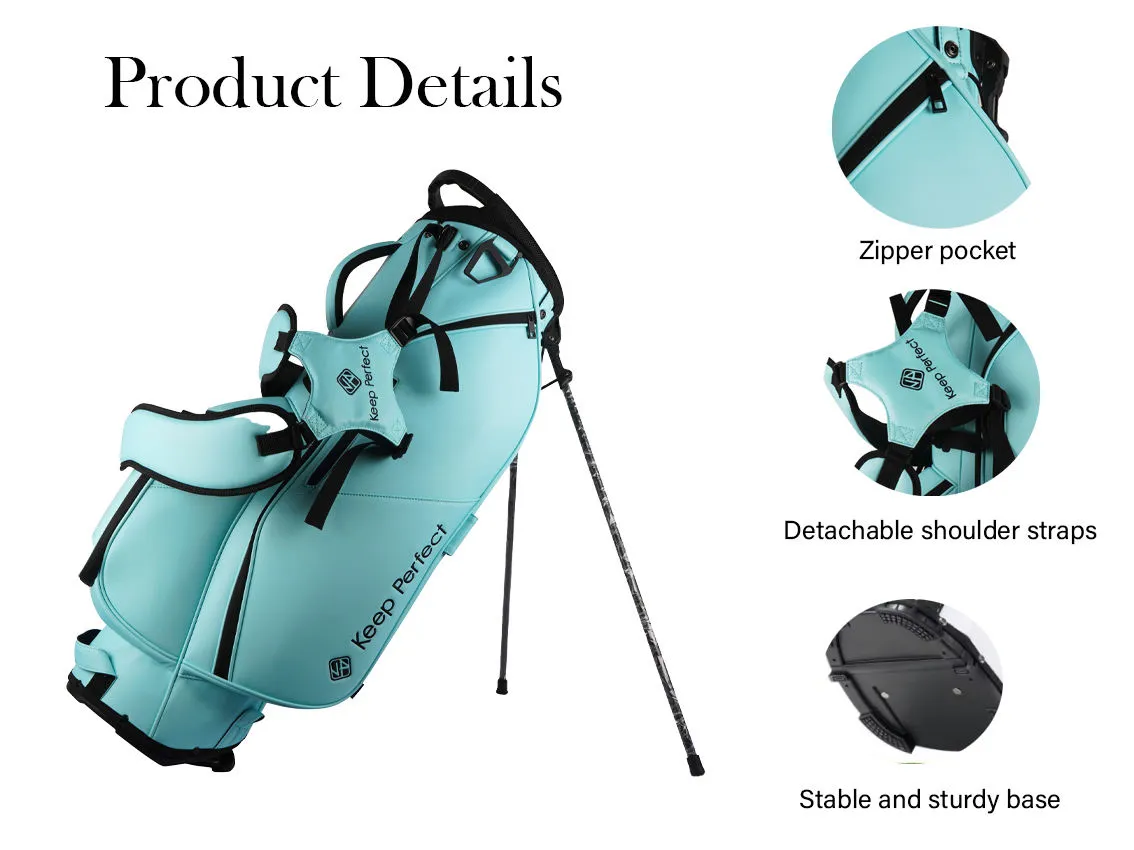
This guide systematically examines each pricing tier from entry-level through luxury, detailing the retail price ranges, manufacturing costs, feature expectations, material specifications, target customer profiles, and competitive dynamics of each segment. We then compare tiers directly to illuminate the specific differences that justify price premiums, and provide strategic guidance for new brands determining which tier offers the optimal entry point for their specific resources, capabilities, and market ambitions.
Whether you are launching a direct-to-consumer brand on Amazon, developing products for big-box retail distribution, building a premium brand for pro shop channels, or creating luxury products for tour-level players, understanding the pricing tier dynamics outlined in this guide will inform every subsequent decision in your product development and go-to-market strategy.
Entry-Level Tier: The Value Segment
Price Range and Market Position
The entry-level golf bag tier encompasses products retailing between 50 and 150 dollars, serving price-sensitive golfers who prioritize affordability over premium features and brand prestige. This segment represents approximately 25 to 30 percent of total golf bag market volume, with the majority of sales occurring through mass-market retail channels including big-box sporting goods stores, online marketplaces, and value-oriented e-commerce platforms. The average buyer in this segment purchases a golf bag every 4 to 6 years and makes purchasing decisions primarily on price and basic functionality.
Manufacturing costs for entry-level golf bags typically range from 12 to 25 dollars per unit including materials, labor, and basic packaging. This cost range supports retail pricing that achieves the 45 to 55 percent gross margins necessary for brand profitability while remaining accessible to the value-conscious golfer. The tight cost constraints of this tier demand careful material selection, efficient design engineering, and manufacturing processes optimized for cost efficiency.
Materials and Construction
Entry-level golf bags predominantly use 600D polyester or 420D nylon as the main body fabric, providing adequate durability at minimal cost. Standard SBS zippers are specified throughout, with 4 to 6 zippers per bag representing the minimum functional configuration. The divider system typically uses a 5-way shared configuration with lightweight mesh or fabric dividers rather than full-length rigid tubes. Base plates are molded from standard plastics without reinforcement ribs or premium finishing.
Construction methods prioritize simplicity and speed over refinement. Fewer panels, simpler seam constructions, and minimal internal reinforcement reduce labor costs while producing functional products. Stitch densities follow minimum standards, and quality control inspections focus on critical structural points rather than comprehensive cosmetic examination. These manufacturing approaches deliver acceptable quality at the price points the segment demands, though the products show visible quality differences when compared directly with higher-tier alternatives.
Feature Set and Customer Expectations
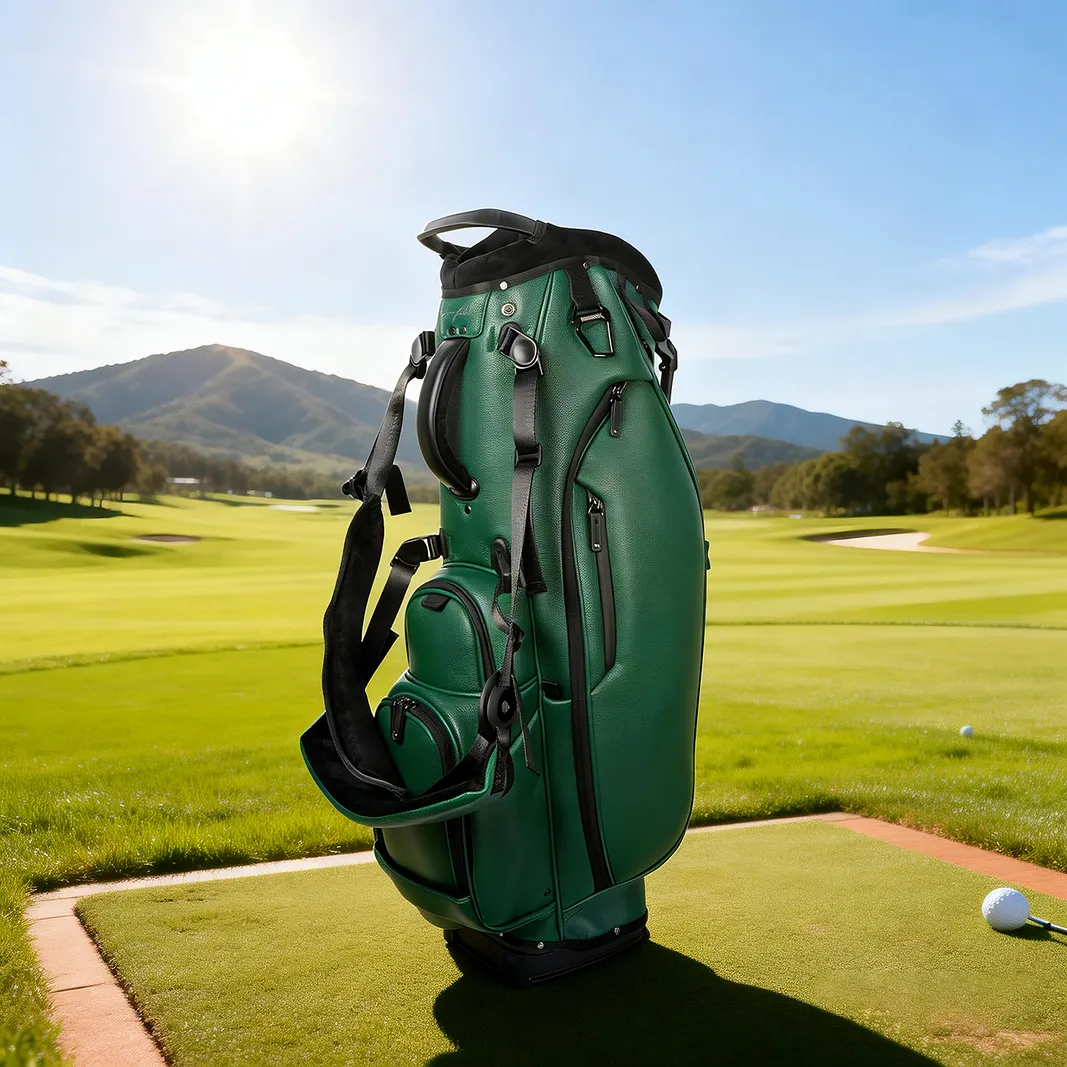
Entry-level golf bags provide the essential functions of club transport and basic storage. A typical entry-level stand bag includes a dual strap system with minimal padding, 2 to 3 pockets including one velour-lined valuables pocket, a 5-way divider system, a basic stand mechanism, and an overall weight of 2.0 to 2.8 kilograms. Cart bags in this tier feature a 5-way divider, 3 to 4 pockets, and basic construction without premium features like waterproof zippers, insulated pockets, or full-length dividers.
Customer expectations in this tier are calibrated to the price point. Buyers expect the bag to hold 14 clubs securely, provide adequate storage for golf essentials, and maintain structural integrity for 2 to 3 seasons of regular use. They do not expect premium materials, sophisticated organization systems, or tour-level aesthetics. Meeting these calibrated expectations reliably is the key to success in the entry-level tier.
Mid-Range Tier: The Performance Sweet Spot
Price Range and Market Significance
The mid-range tier, spanning retail prices from 150 to 350 dollars, represents the largest volume segment in the golf bag market, accounting for approximately 40 to 45 percent of total market sales. This tier serves the broad majority of recreational golfers who play 1 to 3 rounds per week and invest in quality equipment that balances performance, durability, and value. Mid-range buyers research products carefully, read reviews, compare features across brands, and are willing to pay meaningful premiums for features they perceive as delivering genuine performance benefits.
Manufacturing costs for mid-range golf bags range from 25 to 55 dollars per unit, supporting retail margins of 50 to 60 percent for brands selling direct-to-consumer and 45 to 50 percent for brands selling through wholesale channels. The broader feature set and higher material quality of mid-range products require more sophisticated manufacturing capabilities than entry-level, but remain well within the capabilities of established golf bag factories.
Materials and Construction Upgrades
Mid-range golf bags step up to 1200D nylon or high-quality 900D polyester as main body fabrics, delivering noticeably improved durability and aesthetic quality compared to entry-level materials. YKK zippers become standard in this tier, providing smoother operation and longer service life. The divider system upgrades to either a 14-way lightweight divider or an enhanced 5-way system with rigid full-length tubes. Base plates incorporate reinforcement ribs and rubberized contact surfaces for improved stability on cart surfaces.
Construction quality in mid-range bags shows visible improvement through tighter stitch consistency, cleaner seam finishing, reinforced stress points at strap attachment locations, and more precise panel alignment. Internal construction includes dedicated putter wells, organized pocket interiors with dividers for small items, and improved club head protection through padded tube tops. These quality improvements are immediately apparent to consumers comparing products across price tiers.
Feature Expectations
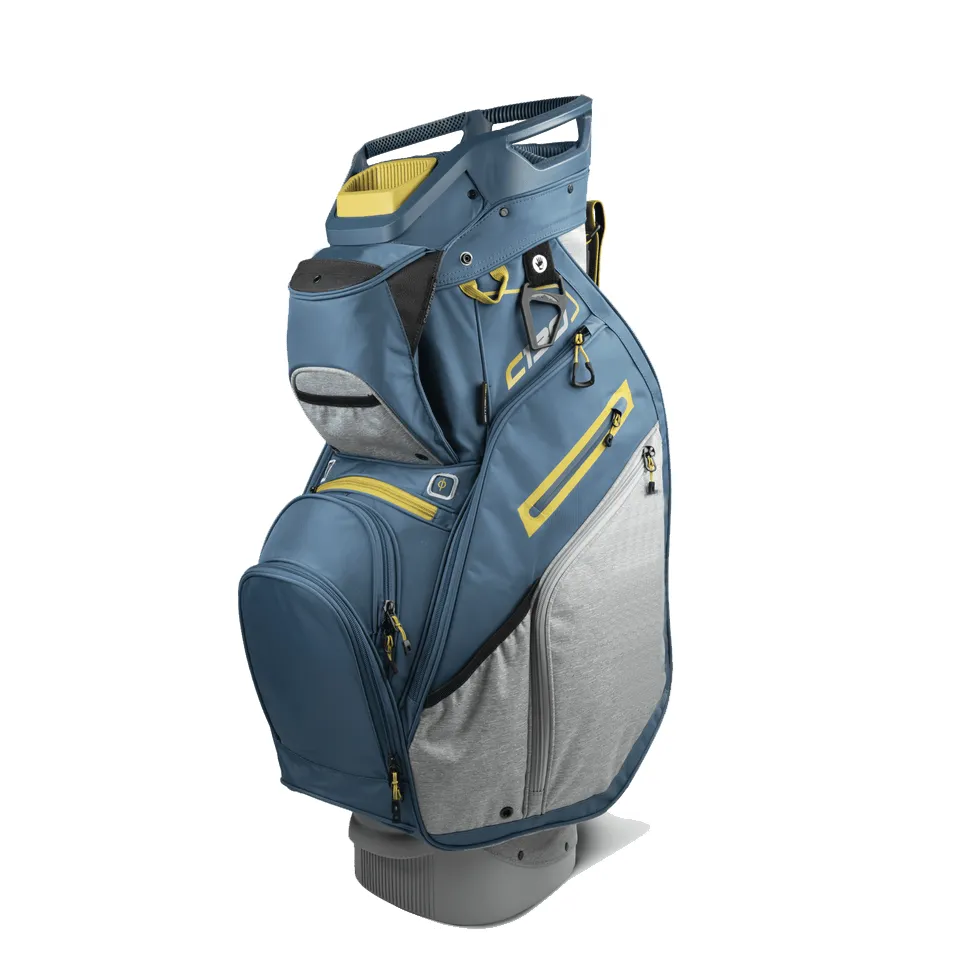
Mid-range golf buyers expect a comprehensive feature set that supports their regular playing habits. Stand bags in this tier typically include padded dual strap systems with breathability features, 4 to 6 pockets including dedicated rangefinder pockets and insulated beverage pockets, 14-way divider systems or premium 5-way configurations, integrated handle for lifting, stand mechanisms with wide-foot stability, and overall weight between 1.8 and 2.5 kilograms. Cart bags feature 6 to 8 pockets, full-length 14-way dividers, dedicated putter wells, and integrated putter clips.
Water resistance becomes an expected feature in the mid-range tier, though most products achieve water resistance rather than full waterproofing through coated fabrics and water-resistant zippers on critical pockets. The aesthetic quality of mid-range bags should convey a premium appearance through clean design lines, coordinated color schemes, and quality branding execution. This tier is where brand identity becomes a meaningful purchase factor alongside functional performance.
Premium Tier: Quality and Brand Prestige
Price Positioning and Target Customer
The premium tier encompasses golf bags retailing between 350 and 600 dollars, targeting dedicated golfers who play 2 or more rounds weekly and view their equipment as an expression of personal standards and taste. These buyers are brand-conscious, value craftsmanship and material quality, and are willing to invest significantly in products that deliver superior performance and aesthetics. Premium tier products are primarily sold through pro shops, specialty golf retailers, and premium e-commerce channels where knowledgeable sales staff can communicate product value effectively.
Manufacturing costs for premium golf bags range from 55 to 100 dollars per unit, reflecting the premium materials, complex constructions, and rigorous quality control standards that distinguish this tier. The higher manufacturing cost supports retail margins of 55 to 65 percent for direct-to-consumer brands and 50 to 55 percent for wholesale brands. Success in this tier requires not just manufacturing quality but genuine brand equity and storytelling that justifies premium pricing in the customer's mind.
Material Excellence and Construction Precision
Premium golf bags specify the highest-performing mainstream materials including 1680D ballistic nylon, Cordura fabrics, and water-resistant or waterproof textile constructions. Full YKK zipper specification extends to include waterproof Aquaguard zippers on critical pockets. Hardware is upgraded to anodized aluminum or stainless steel finishes that resist corrosion and maintain appearance over extended use. Interior linings feature premium microfiber or velour that protects club shafts and provides a luxury tactile experience.
Construction precision in premium bags reaches a qualitatively different level. Stitch-per-inch counts increase by 15 to 20 percent compared to mid-range. All stress points receive bar-tack reinforcement. Seam construction incorporates bound edges and French seam techniques for clean interior finishing. Structural reinforcement panels are integrated into high-stress areas without adding visible bulk. The overall result is a product that feels substantially more substantial and refined when handled in person compared to mid-range alternatives.
Performance Features
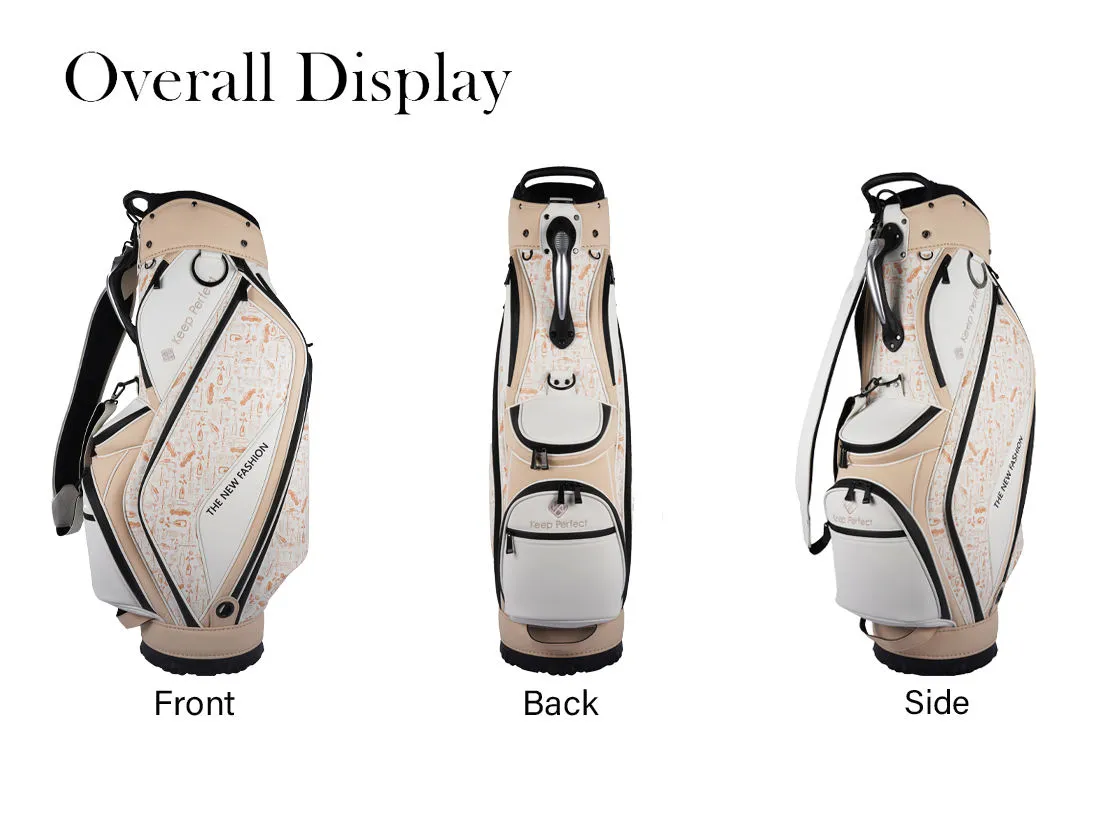
Premium golf bags deliver comprehensive performance features that serious golfers demand. Stand bags include ergonomically engineered strap systems with memory foam padding and load-distribution technology, 6 to 8 pockets with organized interiors, full waterproof construction or highly water-resistant fabrication, 14-way full-length divider systems with individual club tubes, lightweight yet rigid structural frames, and premium stand mechanisms that function reliably across thousands of deployments. Cart bags in this tier feature magnetic rangefinder pockets, integrated cooler compartments, and sophisticated organization systems with specialized pockets for every golf essential.
Luxury and Tour Tier: The Pinnacle
Exclusivity and Premium Materials
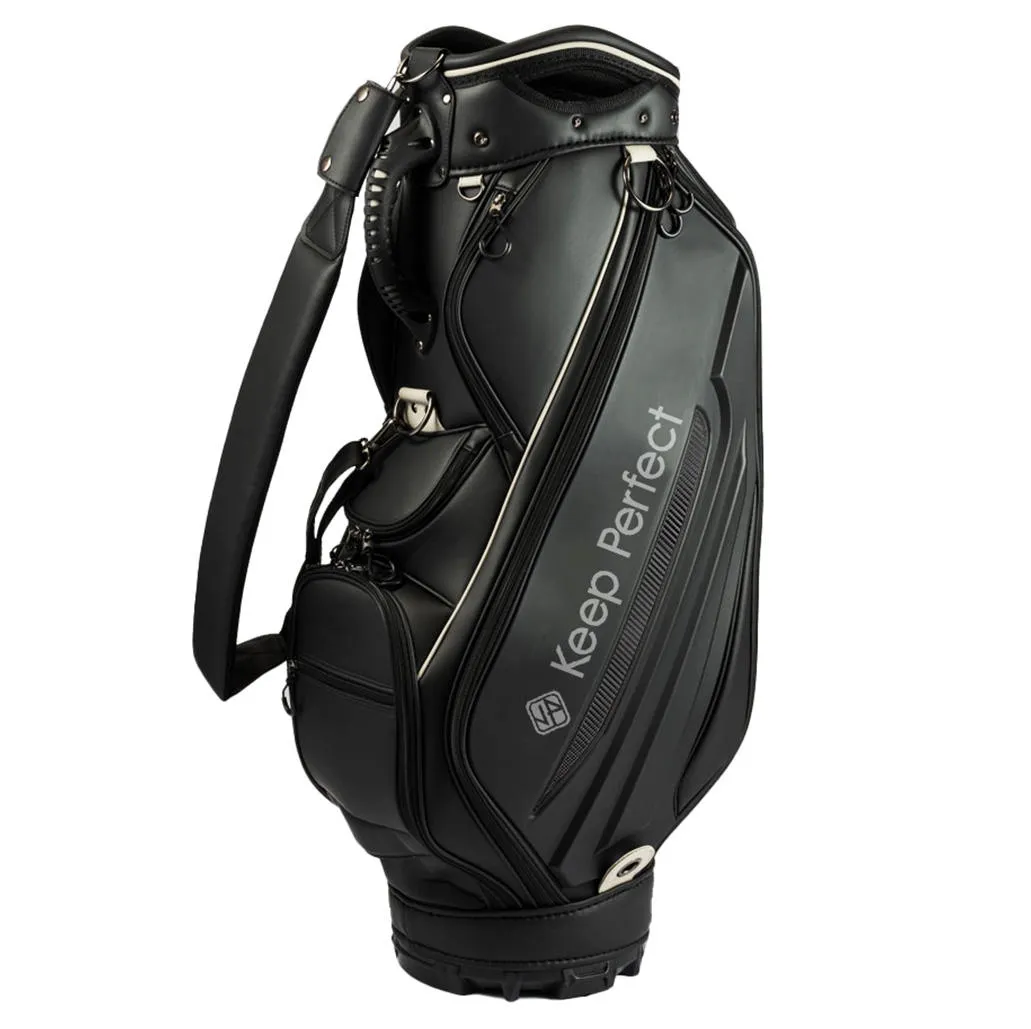
The luxury tier encompasses golf bags retailing above 600 dollars, extending to 1,200 dollars or beyond for limited editions and exotic material constructions. This segment represents approximately 5 to 8 percent of market volume but generates disproportionate profitability and brand prestige. Luxury buyers are brand loyalists, often committed to specific premium manufacturers or seeking exclusive products that signal status and discernment. Many luxury buyers are low-handicap or professional golfers who demand the absolute best materials and construction their money can purchase.
Manufacturing costs for luxury golf bags range from 100 to 200 dollars or more per unit, with the ceiling determined primarily by material selection. Genuine leather panels, carbon fiber structural elements, hand-finished metal hardware, and custom-molded components made from exotic materials all contribute to the elevated costs. Production volumes for luxury bags are significantly lower than other tiers, typically 50 to 200 pieces per style, which increases per-unit fixed costs substantially.
Craftsmanship and Attention to Detail
Luxury golf bag production demands the highest levels of craftsmanship available in the manufacturing base. Our most experienced craftsmen, each with 10 or more years of specialized bag construction experience, are assigned exclusively to luxury production lines. Every stitch is examined, every edge is finished, every hardware attachment is precisely aligned and tested. Quality control inspection rates for luxury products are three to four times higher than standard production, with 100 percent inspection of every construction element rather than the statistical sampling used for volume production.
The attention to detail in luxury bags extends to invisible elements that most consumers never consciously notice but contribute to the overall impression of quality. Internal seam finishing, reinforcement placement, foam density consistency, zipper glide smoothness, magnetic closure strength, and stand mechanism tension are all calibrated to deliver a premium experience that justifies the investment through every interaction with the product over years of use.
Market Dynamics and Brand Strategy
The luxury golf bag market operates under different competitive dynamics than volume tiers. Price sensitivity is minimal, and purchase decisions are driven by brand heritage, material exclusivity, tour player endorsements, and perceived craftsmanship quality. Limited edition releases, collaboration collections with professional golfers, and bespoke custom programs all command premium pricing well above standard luxury tier products. Brands operating in this space invest heavily in brand storytelling, exclusive retail presentations, and relationship marketing to cultivate the aspirational brand image that justifies luxury positioning.
Cross-Tier Feature Comparison
Materials Comparison Across Tiers
Understanding how materials differ across pricing tiers illuminates the physical basis for price differentiation. Entry-level bags use 600D polyester fabric weighing approximately 280 grams per square meter, costing 1.50 to 2.50 dollars per meter. Mid-range bags upgrade to 1200D nylon at 420 grams per square meter, costing 3.50 to 6.00 dollars per meter. Premium bags specify 1680D ballistic nylon at 580 grams per square meter, costing 7.00 to 12.00 dollars per meter. Luxury bags may incorporate Cordura fabrics, genuine leather, or specialty textiles costing 15 to 40 dollars per meter or more.
These material differences translate directly into durability performance. Entry-level fabrics typically withstand 2 to 3 seasons of regular use before showing significant wear. Mid-range fabrics maintain appearance and integrity for 4 to 6 seasons. Premium fabrics provide 7 to 10 seasons of service. Luxury materials, particularly those incorporating leather or exotic textiles with proper care, can maintain excellent condition for a decade or more, justifying the investment through extended service life.
Component Quality Progression
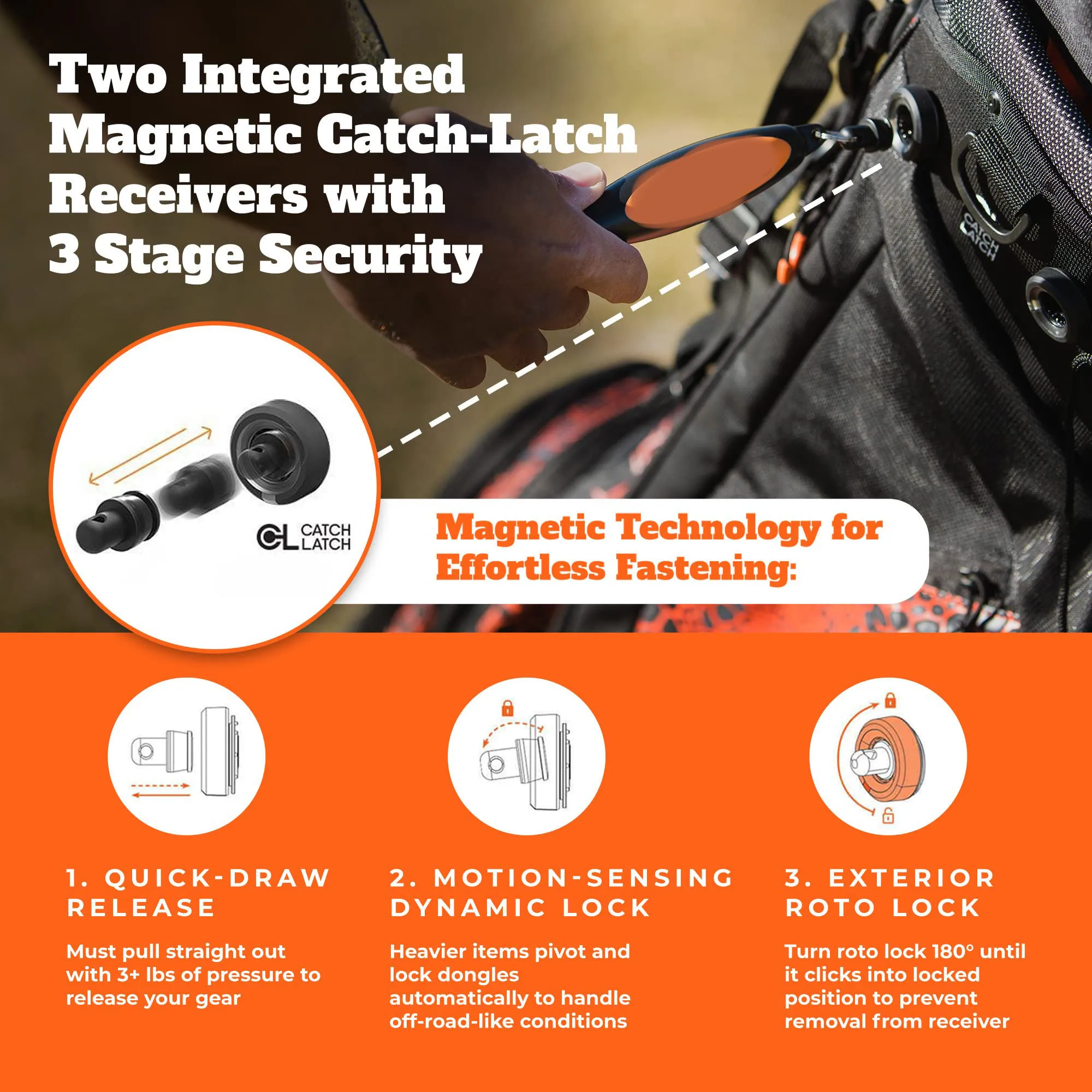
The quality progression extends across every component category. Zipper specification moves from standard SBS in entry-level bags through basic YKK in mid-range, premium YKK with Aquaguard in premium tier, and custom-finished YKK in luxury products. Strap systems evolve from basic webbing with thin foam padding to ergonomically designed dual straps with memory foam, breathable mesh, and load-distribution technology. Divider systems progress from lightweight mesh 5-way configurations through rigid 5-way systems, lightweight 14-way systems, and finally full-length rigid 14-way systems with individual tube protection and velour lining.
Warranty and Service Level Differences
Warranty coverage expands significantly across pricing tiers. Entry-level products typically carry 1-year limited warranties covering manufacturing defects only. Mid-range products offer 2 to 3-year warranties covering materials and workmanship. Premium products provide 3 to 5-year comprehensive warranties. Luxury products often include lifetime warranties or limited lifetime guarantees that cover structural integrity for the product's entire service life. These warranty differences reflect the manufacturers' confidence in product durability and provide consumers with purchase confidence proportional to their investment.
Pricing Strategy for New Brands
Choosing Your Entry Tier
New golf bag brands face a critical strategic decision about which pricing tier to enter. Entry-level offers the largest addressable market volume but the thinnest margins and most intense price competition from established brands with manufacturing scale advantages. Mid-range provides the optimal balance of market volume, achievable margins, and differentiation opportunity, making it the recommended entry point for most new brands with adequate capital. Premium positioning offers attractive margins but requires significant brand-building investment and credible quality credentials before consumers will pay premium prices for an unknown brand.
The optimal tier choice depends on multiple factors including available startup capital, brand positioning capabilities, target distribution channels, founder's industry connections, and competitive differentiation strategy. Brands with strong design capabilities and compelling brand stories may succeed entering at premium level directly, while brands focused on volume and market share should target mid-range for their initial product line.
Multi-Tier Portfolio Strategy
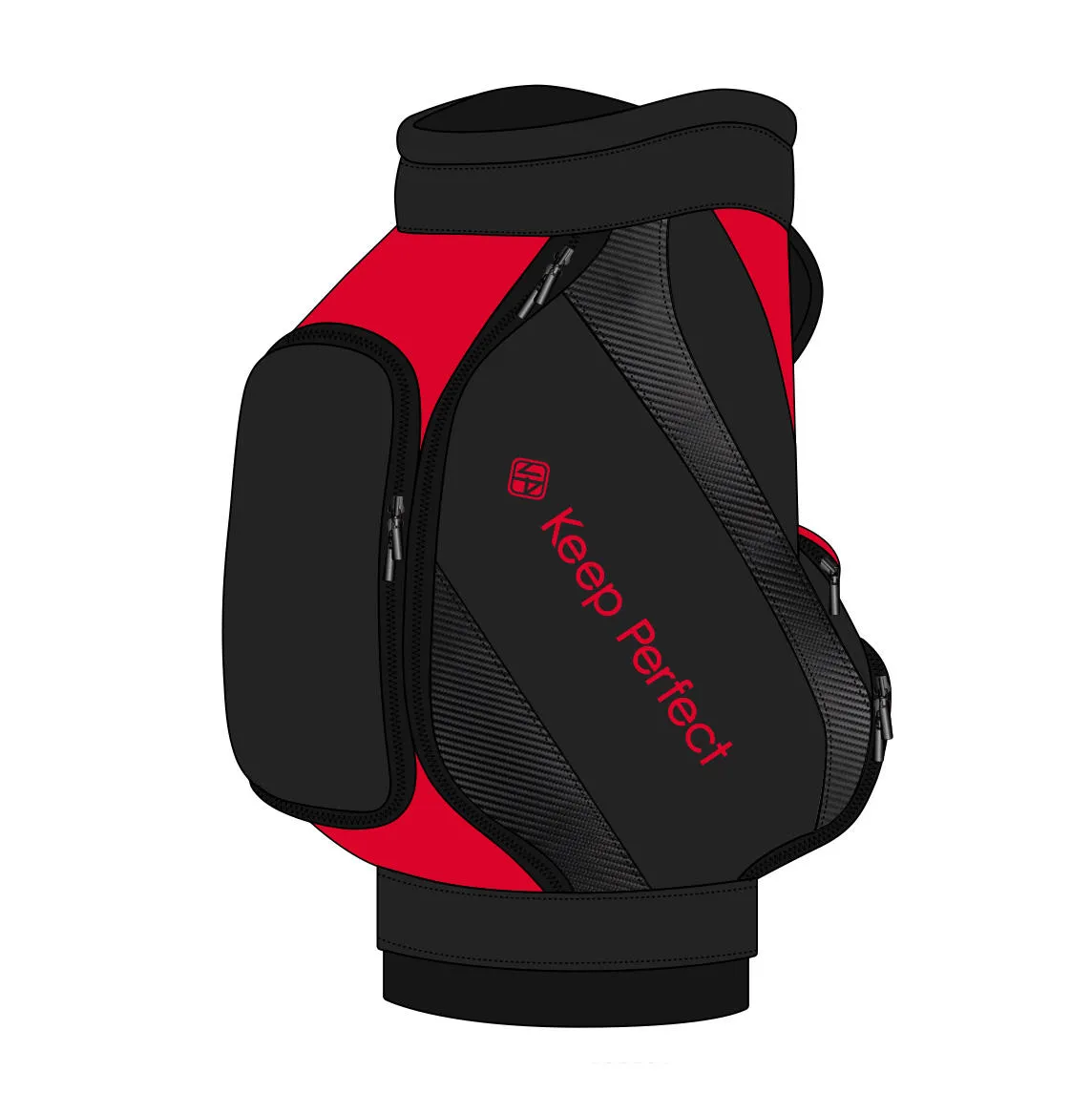
Established brands often develop product portfolios spanning multiple tiers to capture different market segments and price points. A typical multi-tier strategy includes an entry-level product line at 89 to 149 dollars for market acquisition, a mid-range core line at 199 to 299 dollars as the primary revenue driver, and a premium flagship line at 399 to 549 dollars for brand image and margin enhancement. This tiered approach maximizes total addressable market while maintaining clear quality differentiation between tiers through distinct material specifications and feature sets.
Developing a multi-tier portfolio requires careful attention to tier separation. Each tier must offer meaningfully different quality and features that justify the price premium, while maintaining consistent brand identity across all tiers. Cannibalization between tiers occurs when the quality difference between adjacent tiers is too small to justify the price gap. Our factory supports multi-tier development by offering distinct manufacturing processes and material specifications optimized for each price point.
Manufacturing Implications by Tier
Production Line Requirements
Different pricing tiers require different manufacturing approaches and production line configurations. Entry-level production prioritizes throughput efficiency, with streamlined processes, standardized components, and statistical quality control. Mid-range production balances efficiency with enhanced quality protocols including more detailed inspection checkpoints. Premium production emphasizes craftsmanship with experienced operators, comprehensive inspection, and slower production speeds that prioritize quality over quantity. Luxury production operates essentially as boutique manufacturing with hand-finishing, 100 percent inspection, and extensive quality documentation.
Our facility's 8 production lines are configured to handle all tiers simultaneously, with dedicated lines for premium and luxury production separate from high-volume entry and mid-range lines. This separation ensures that the production culture, operator skill levels, and quality protocols for each tier are optimized for that tier's specific requirements rather than applying a one-size-fits-all approach that satisfies no tier perfectly.
Quality Control Standards by Tier
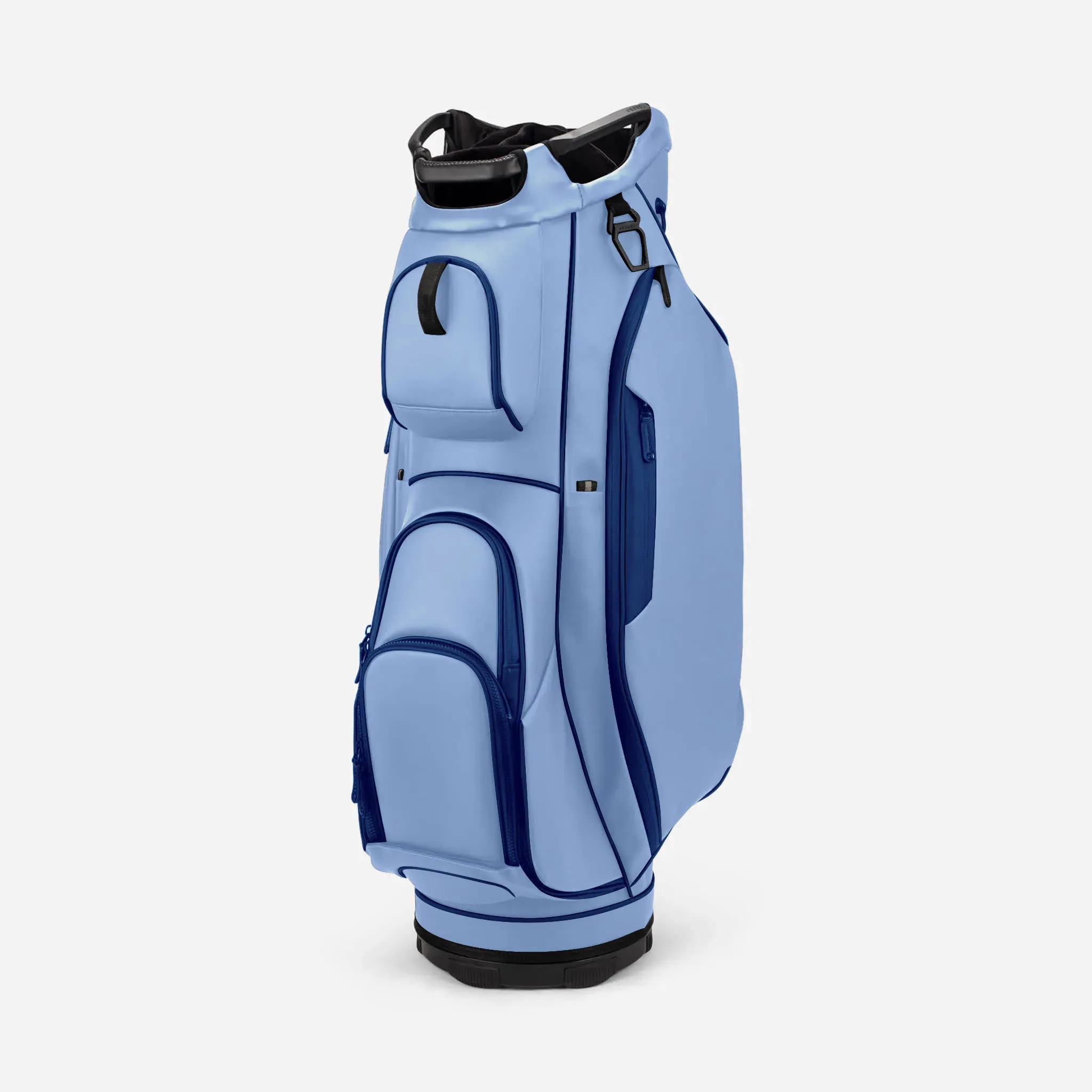
Quality control rigor increases proportionally with pricing tier. Entry-level products follow standard AQL 2.5 inspection protocols with statistical sampling. Mid-range products implement AQL 1.5 with expanded inspection coverage. Premium products follow AQL 1.0 with near-comprehensive inspection. Luxury products undergo 100 percent inspection of every production unit across all quality criteria with zero-defect acceptance standards. These escalating quality standards directly affect production costs but are essential for maintaining the quality reputation that supports premium price positioning.
Understanding the relationship between pricing tiers and manufacturing requirements enables brands to make informed decisions about their product positioning strategy. Each tier offers distinct market opportunities with corresponding manufacturing implications. Our team provides comprehensive guidance on tier-appropriate specifications, helping brands achieve the quality level their target tier demands without over-specifying and unnecessarily inflating manufacturing costs. Contact us through our contact page or WhatsApp at +8617750020688 to discuss the right tier strategy for your brand.
Choosing the right pricing tier is one of the most consequential decisions a golf bag brand will make, as it shapes everything from product development to marketing to long-term brand equity. The analysis in this guide provides the framework for making that decision based on market data, manufacturing realities, and strategic positioning principles rather than guesswork. Whether you target entry-level volume, mid-range balance, premium positioning, or luxury exclusivity, success requires deep understanding of your chosen tier's requirements and relentless commitment to meeting those requirements consistently across every product you deliver to market.
Our factory has supported brands at every tier from startup entry-level launches to luxury tour brand production, giving us the comprehensive perspective needed to advise brands on optimal tier positioning and execution. With 200,000+ bags of annual production capacity, BSCI and ISO 9001:2015 certifications, and 20 years of manufacturing expertise, we are equipped to support your brand's tier strategy with the manufacturing excellence and quality consistency your market position demands.
Frequently Asked Questions
What are the main pricing tiers for golf bags?
Golf bags fall into four main pricing tiers: entry-level (50 to 150 dollars retail), mid-range (150 to 350 dollars), premium (350 to 600 dollars), and luxury or tour-level (600 to 1,200 dollars or more). Each tier has distinct material quality, feature sets, and target customer profiles.
What manufacturing cost corresponds to each pricing tier?
Entry-level bags cost 12 to 25 dollars to manufacture, mid-range bags cost 25 to 55 dollars, premium bags cost 55 to 100 dollars, and luxury bags cost 100 to 200 dollars or more. These costs include materials, labor, and basic packaging but exclude development amortization and shipping.
What features differentiate premium golf bags from entry-level?
Premium golf bags feature 14-way full-length dividers, premium YKK zippers, waterproof construction, molded base plates, padded dual strap systems, velour-lined valuables pockets, and rigid structural reinforcement. Entry-level bags typically use 5-way shared dividers, standard zippers, basic fabric, and simplified constructions.
Which pricing tier has the highest profit margins?
Premium and luxury tiers typically achieve the highest absolute profit margins of 55 to 75 percent because customers in these segments are less price-sensitive and willing to pay significant premiums for quality, brand prestige, and performance features.
Can a new brand launch in the premium tier directly?
Yes, new brands can launch directly in the premium tier if they have strong brand positioning, professional design capabilities, and manufacturing partnerships with factories experienced in premium production. However, building consumer trust at premium price points typically requires significant marketing investment and credible brand storytelling.
How do material costs vary across pricing tiers?
Material costs range from 5 to 10 dollars for entry-level bags using 600D polyester, 15 to 35 dollars for mid-range bags using 1200D nylon, 35 to 70 dollars for premium bags using 1680D ballistic nylon or Cordura, and 70 to 150 dollars for luxury bags incorporating leather, carbon fiber, or exotic materials.
What is the largest volume pricing tier in the golf bag market?
The mid-range tier between 150 and 350 dollars retail represents the largest volume segment, accounting for approximately 40 to 45 percent of total golf bag sales. Entry-level represents 25 to 30 percent, premium 18 to 22 percent, and luxury 5 to 8 percent of market volume.
Ready to Start Your Custom Golf Bag Project?
Partner with a BSCI & ISO 9001:2015 certified factory producing 200,000+ premium golf bags annually. MOQ just 100 pieces.
Get a Free Quote Today