OEM vs ODM Golf Bags: Complete Manufacturing Guide 2026
Table of Contents
- Introduction: Understanding OEM and ODM in Golf Bag Manufacturing
- Defining OEM and ODM for Golf Bags
- Head-to-Head Comparison: OEM vs ODM
- Cost Structure Analysis
- Intellectual Property and Design Ownership
- Lead Times and Production Timelines
- How to Choose the Right Model for Your Brand
- Frequently Asked Questions
Introduction: Understanding OEM and ODM in Golf Bag Manufacturing
Every golf bag brand entering the market or expanding its product line faces a fundamental manufacturing decision that will shape the entire trajectory of the business. Should you commission an Original Equipment Manufacturer to build your unique designs from scratch, or should you partner with an Original Design Manufacturer who provides ready-made designs that you simply brand with your logo? This choice affects your startup costs, time to market, product differentiation, intellectual property portfolio, and long-term brand equity in profound ways that most new golf bag entrepreneurs underestimate.
The global golf bag manufacturing industry has evolved significantly over the past two decades, with factories in China, Vietnam, and increasingly other Asian nations developing sophisticated capabilities in both OEM and ODM production models. At our facility, which has produced over 200,000 golf bags annually since 2004, we serve clients across both models and have accumulated deep insights into the advantages, limitations, and strategic considerations of each approach. This comprehensive guide draws on that experience to help you make an informed decision.
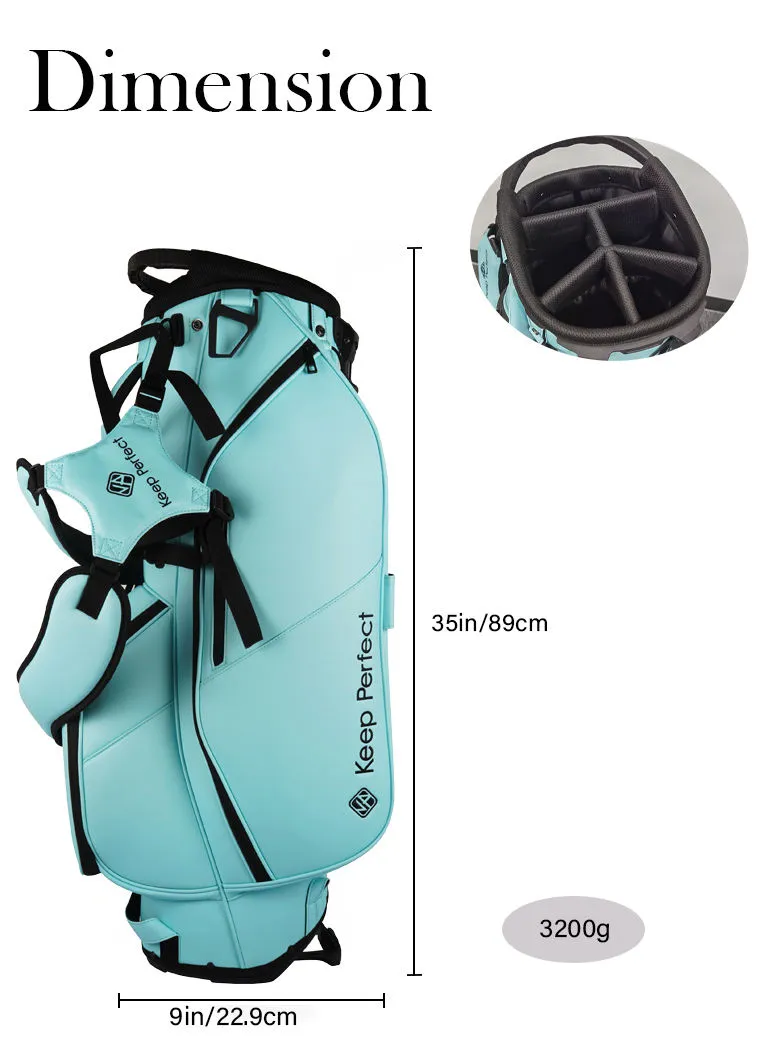
The distinction between OEM and ODM extends far beyond a simple manufacturing arrangement. It represents fundamentally different approaches to building a golf bag brand, each with distinct implications for capital requirements, design capability, competitive positioning, and scalability. Understanding these implications clearly before committing to a production partner will save you considerable time, money, and strategic missteps as your brand develops.
This guide examines every dimension of the OEM versus ODM decision for golf bags, from basic definitions through detailed cost analysis, intellectual property considerations, lead time implications, quality control dynamics, and strategic brand-building advice. Whether you are launching your first golf bag line or expanding an established brand into new product categories, this analysis will provide the framework you need to select the manufacturing model that best serves your specific situation and goals.
Defining OEM and ODM for Golf Bags
What Is OEM Golf Bag Manufacturing?
Original Equipment Manufacturing in the golf bag context means the factory produces bags strictly according to the brand owner's design specifications, technical drawings, material selections, and quality standards. The factory contributes manufacturing expertise, production capacity, and process efficiency, but the creative and technical design work originates entirely from the brand or its hired design consultants. Think of OEM as hiring a highly skilled construction team to build a house from your architect's blueprints. Every dimension, every pocket placement, every material choice, every stitch pattern is dictated by the brand.
In practice, OEM golf bag manufacturing involves the brand providing comprehensive tech packs that specify every element of the bag construction. These tech packs include detailed technical drawings with precise dimensions, material specifications calling out exact fabric types and denier counts, bill of materials listing every component from zippers to buckles to rivets, color standards referencing Pantone codes or custom dye formulas, logo artwork files in vector format with precise placement instructions, and packaging specifications for retail presentation. The factory's role is to translate these specifications into physical products consistently, efficiently, and within the agreed quality parameters.
What Is ODM Golf Bag Manufacturing?
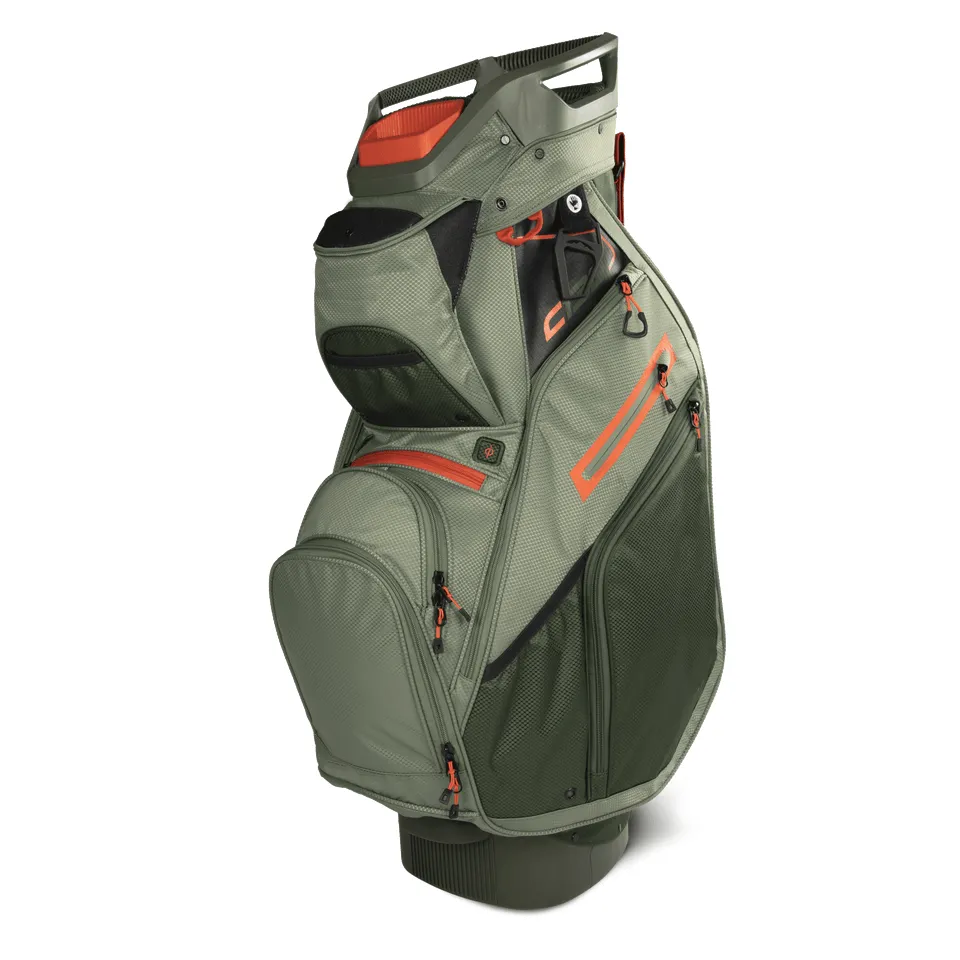
Original Design Manufacturing means the factory creates the bag designs themselves, developing complete product lines that they then offer to multiple brand clients. The brand selects from the factory's existing design catalog, customizes certain elements like colors, logos, and sometimes minor features, and launches the product under their own brand name. The factory owns the underlying design intellectual property and can sell essentially the same bag design to competing brands with different branding applied. Think of ODM as buying a condominium in a development where the builder designed the floor plan and you simply choose the paint colors and fixtures.
ODM programs typically offer a range of base models spanning different bag categories including stand bags, cart bags, and tour staff bags. Each base model comes with established patterns, proven construction methods, and tested material combinations that the factory has refined through previous production runs. Brands then customize within defined parameters, selecting colorways, logo methods, and occasionally requesting minor modifications like adding or removing pockets or changing divider configurations within the constraints of the existing design platform.
Key Structural Differences Between OEM and ODM
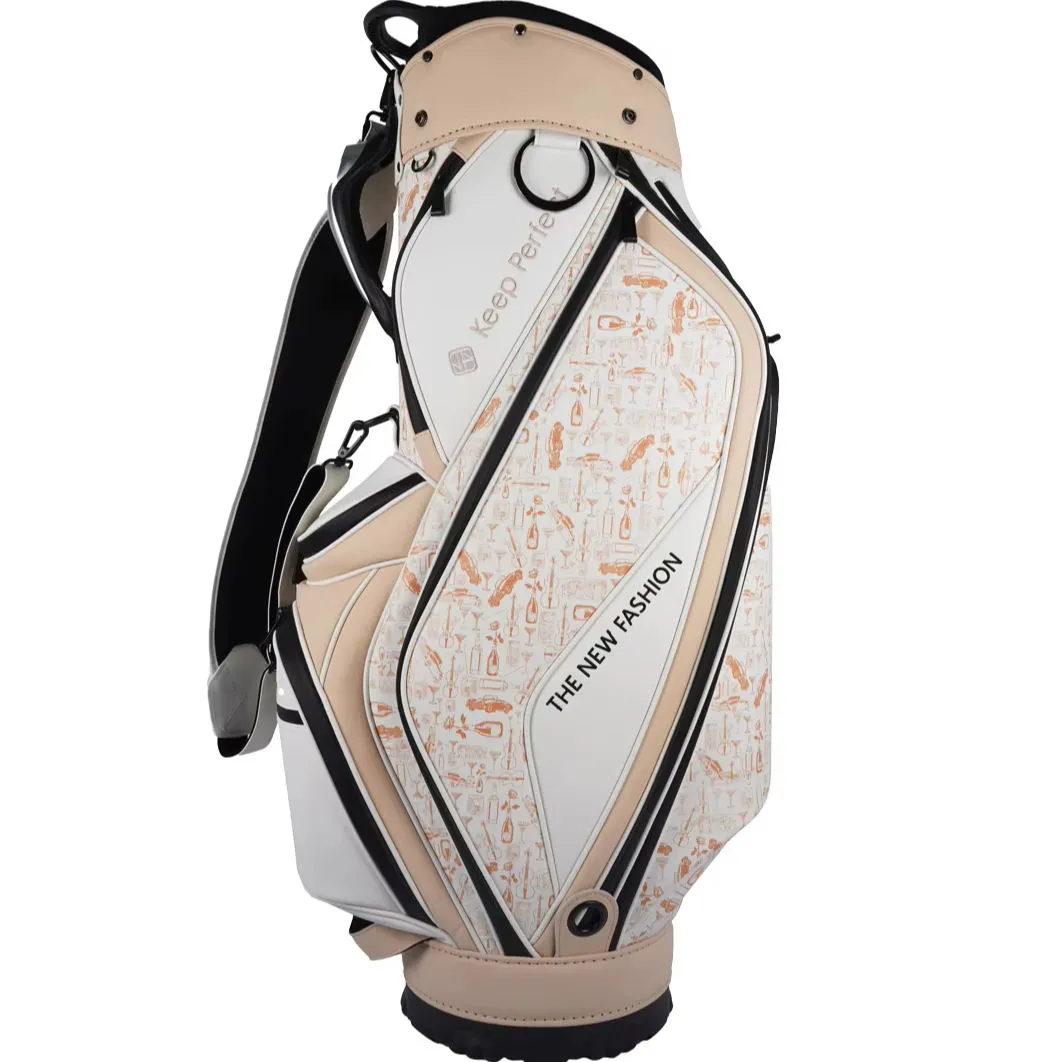
The fundamental structural difference lies in who creates and owns the design intellectual property. In OEM, the brand owns everything and the factory is a production service provider. In ODM, the factory owns the design platform and the brand is essentially licensing and customizing an existing product. This single difference cascades into every other aspect of the business relationship, from cost structures and lead times to competitive dynamics and long-term strategic value.
Another critical structural difference involves the development process itself. OEM projects begin with concept development, move through multiple design iterations, require custom tooling development, and typically involve extensive sampling before production begins. ODM projects skip most of this development phase because the designs already exist and have been production-proven, dramatically shortening the path from concept to market. For brands with limited development resources or those needing to launch quickly, this time advantage of ODM can be decisive.
Head-to-Head Comparison: OEM vs ODM
Design Control and Customization Depth
OEM manufacturing provides unlimited design freedom. Every aspect of the golf bag can be specified to the brand's exact requirements, from the overall silhouette and proportion to the internal pocket configuration, divider system type, strap attachment method, base design, and every aesthetic detail. This complete design control enables brands to create truly differentiated products that reflect their unique brand identity and meet specific performance requirements identified through their market research.
ODM manufacturing offers customization within boundaries. Brands can select colors, apply logos, and sometimes modify certain elements within the factory's design framework. However, the fundamental bag architecture, overall shape, structural approach, and core feature set are predetermined by the factory's design team. The depth of customization varies significantly between ODM factories, with some offering extensive modification options and others restricting changes to cosmetic elements only.
Minimum Order Quantities and Flexibility
OEM programs typically require higher minimum order quantities because custom tooling, unique materials, and specialized components must be sourced and amortized across the production run. Our factory typically sets OEM MOQ at 300 to 500 pieces per colorway, though this varies based on the complexity of the design and the number of custom components required. Some simpler OEM projects can achieve MOQs as low as 100 pieces when standard materials and components can be utilized.
ODM programs generally offer lower MOQs because the factory has already developed the patterns, sourced standard materials, and created the tooling across multiple client orders. MOQs for ODM programs typically range from 50 to 200 pieces per colorway, making this model more accessible for startups and smaller brands testing market response before committing to larger production investments.
Quality Control Considerations
Both OEM and ODM manufacturing can achieve excellent quality when managed properly. However, the quality control dynamics differ meaningfully. In OEM production, the brand must specify quality standards comprehensively because the factory is building something entirely new. This means the brand needs robust quality specifications, inspection protocols, and acceptance criteria documented in advance. The first production run of an OEM design invariably reveals construction challenges that were not anticipated in the design phase, requiring iterative quality improvements.
In ODM production, the quality profile is more predictable because the design has already been manufactured and refined through previous production runs. The factory knows the construction challenges, has optimized the assembly sequences, and has established quality checkpoints specific to that design. This maturity typically translates into more consistent quality from the first production order, reducing the risk of quality-related surprises that can delay launches and damage brand reputation.
Scalability and Long-Term Implications
OEM designs create a proprietary product portfolio that belongs exclusively to the brand. As the brand grows, this exclusive product portfolio becomes a valuable competitive asset that cannot be replicated by competitors using the same factory. This exclusivity supports premium pricing, brand loyalty, and market differentiation that strengthens over time. The design investment made during the development phase continues generating value throughout the product's commercial life and beyond.
ODM products face an inherent scalability limitation because competitors can offer the same fundamental product. As your brand grows and attracts market attention, competing brands using the same ODM factory can launch visually similar products, potentially eroding your differentiation. While color and branding differences provide some protection, knowledgeable consumers and retail buyers may recognize the common design platform, reducing the perceived uniqueness of your products.
Cost Structure Analysis
OEM Cost Breakdown
The cost structure of OEM golf bag manufacturing includes several components that do not appear in ODM programs. Design and development costs typically range from 2,000 to 8,000 dollars per bag style, depending on complexity, covering industrial design, technical design, pattern making, and multiple sampling rounds. Custom tooling for unique components like proprietary buckles, custom-molded base plates, or branded zipper pulls can add 500 to 3,000 dollars per component. Material sourcing for custom fabrics and components often carries minimum purchase quantities that increase per-unit costs for smaller production runs.
The per-unit production cost for OEM golf bags varies widely based on materials, construction complexity, and order quantity. Entry-level OEM stand bags typically cost 18 to 35 dollars per unit at MOQ quantities, while premium OEM cart bags can range from 45 to 85 dollars per unit. Tour-level OEM staff bags with premium materials and complex construction can exceed 120 dollars per unit. These costs decrease as order quantities increase, with significant per-unit savings achievable at 1,000-piece order volumes and above.
ODM Cost Breakdown
ODM programs eliminate most design development costs because the factory has already amortized these expenses across multiple clients. Brands typically pay a nominal sampling fee of 50 to 200 dollars per model to produce samples with their branding, and may incur small tooling charges for custom logo molds or branded hardware. The per-unit production cost for ODM bags is typically 20 to 40 percent lower than equivalent OEM bags because the factory's production processes are optimized for the existing design and material costs are spread across larger aggregate volumes.
For context, an ODM stand bag that costs 15 to 25 dollars per unit at MOQ quantities would cost 22 to 40 dollars as an equivalent OEM design. At cart bag level, ODM pricing of 35 to 60 dollars per unit compares to 50 to 90 dollars for OEM equivalents. These savings are most significant for brands launching their first product line where capital conservation is critical and every dollar of margin helps establish competitive retail pricing.
Total Cost of Ownership Comparison
When comparing OEM and ODM costs comprehensively, brands must consider the total cost of ownership rather than just per-unit production costs. OEM programs require substantial upfront investment in design, development, and tooling that must be recouped through product sales. A typical OEM program for a single bag style requires 5,000 to 15,000 dollars in development investment before the first production unit is completed. This investment creates proprietary assets that generate long-term value, but it significantly increases the breakeven point for the product.
ODM programs require minimal upfront investment, typically under 1,000 dollars for sampling and branding setup, making the breakeven point much lower. However, the long-term strategic value of the investment differs fundamentally. OEM investment builds proprietary design assets that strengthen competitive positioning over time, while ODM spending generates no proprietary assets because the underlying design belongs to the factory. The appropriate choice depends on the brand's financial capacity, growth timeline, and strategic priorities.
Intellectual Property and Design Ownership
IP Ownership in OEM Relationships
In a properly structured OEM relationship, the brand retains complete ownership of all design intellectual property. This includes the overall bag design, unique design elements, custom patterns, proprietary component designs, and any innovations developed during the product creation process. However, achieving clean IP ownership requires explicit contractual provisions. Manufacturing contracts must clearly state that all designs, patterns, tooling, and specifications created for the brand remain the brand's exclusive property, and that the factory cannot produce identical or substantially similar products for other clients.
Many brands make the critical mistake of assuming IP ownership is automatic in OEM relationships without documenting it explicitly in contracts. This assumption can lead to devastating situations where a factory produces similar products for competing brands, claiming the design elements are industry standard. Our factory provides clear IP ownership agreements with all OEM clients, ensuring complete transparency about design ownership and confidentiality protections.
IP Considerations in ODM Relationships
In ODM relationships, the factory retains design ownership and grants the brand rights to use the design with their branding applied. This means multiple brands can sell essentially the same bag design simultaneously, each with different logos and colorways. The brand has no legal basis to prevent competitors from offering the same design because the factory owns the underlying intellectual property. For brands building long-term equity based on unique product design, this limitation represents a significant strategic constraint.
Some ODM factories offer semi-exclusive arrangements where they agree not to sell a particular design to direct competitors within a defined geographic market or distribution channel for a specified period. These arrangements provide temporary protection but do not address the fundamental limitation that the design is not proprietary. Brands should carefully evaluate the terms and limitations of any ODM IP arrangement before committing to significant marketing investment behind non-proprietary products.
Protecting Your Design Investment
Brands investing in OEM designs should consider pursuing design patents or trade dress protection for truly innovative design elements. Design patents in the United States cost approximately 1,500 to 3,000 dollars including attorney fees and provide 15 years of protection against copying. While the patent process takes 18 to 24 months, the protection it provides can be invaluable for genuinely innovative designs that competitors might attempt to replicate. The combination of contractual IP protections, design patents, and active market monitoring creates a comprehensive IP defense strategy for OEM product portfolios.
Lead Times and Production Timelines
OEM Development Timeline
A complete OEM golf bag development program typically requires 4 to 8 months from initial concept to production-ready samples. The design phase takes 4 to 8 weeks, followed by 2 to 4 weeks for initial sampling, 2 to 4 weeks for sample review and revision, and potentially additional rounds of sampling until the design is finalized. Custom tooling development for unique components adds another 4 to 8 weeks. Material sourcing for custom fabrics may require 6 to 10 weeks for development and approval. The total timeline from concept to first production run typically spans 6 to 12 months.
This extended timeline is the price of complete design freedom and proprietary product development. Brands must plan their product launch calendars accordingly, initiating OEM development programs at least 9 to 12 months before their target market introduction date. The silver lining is that once the development phase is complete, repeat production orders follow standard manufacturing lead times of 45 to 75 days, similar to ODM programs.
ODM Speed-to-Market Advantage
ODM programs can deliver market-ready products in 4 to 8 weeks because the design already exists and production processes are established. The brand selects models from the factory's catalog, approves color and branding samples, and proceeds directly to production. This dramatic time advantage makes ODM particularly attractive for brands responding to market opportunities, launching initial product lines quickly, or adding supplementary products to existing ranges where speed matters more than uniqueness.
The speed advantage of ODM extends beyond initial development. Production modifications, reorders, and color additions can be executed faster because patterns, materials, and processes are already established and maintained by the factory for ongoing production across multiple clients. This operational efficiency translates into greater supply chain responsiveness, which can be critical for brands managing seasonal demand fluctuations or unexpected market opportunities.
Hybrid Approaches: Combining OEM and ODM
Many successful golf bag brands employ a hybrid strategy, using OEM for their flagship products that define brand identity and ODM for supplementary products, seasonal variations, or entry-level offerings. This approach balances the need for distinctive core products with the efficiency and speed advantages of ODM for supporting product lines. A brand might develop a signature cart bag through full OEM while using ODM for their travel bag range or accessory products.
How to Choose the Right Model for Your Brand
Assess Your Design Capabilities
The first factor in choosing between OEM and ODM is honestly assessing your brand's design capabilities. Do you have access to experienced golf bag designers who understand the technical requirements of bag construction? Have you invested in the design tools and prototyping capabilities needed to develop production-ready specifications? If you lack internal design capability, you will need to either hire external designers (adding significant cost to OEM programs) or leverage the factory's design capabilities through ODM.
Some brands bridge this gap by hiring freelance industrial designers with golf bag experience to create initial concepts, then working with the OEM factory to refine these concepts for production. This approach provides design direction while leveraging the factory's manufacturing expertise, though it still requires more investment and time than ODM programs.
Evaluate Your Budget and Risk Tolerance
Budget constraints strongly influence the OEM versus ODM decision. Brands with development budgets exceeding 20,000 to 30,000 dollars can comfortably pursue OEM programs that create proprietary designs. Brands with tighter budgets, particularly startups launching their first product line, may find ODM programs more appropriate because they minimize upfront investment and reduce the financial risk associated with untested product designs. The lower breakeven point of ODM products means brands can test market response before committing to the larger investment required for proprietary designs.
Consider Your Competitive Strategy
Your competitive positioning should heavily influence the manufacturing model choice. Brands targeting premium market segments where uniqueness and craftsmanship are primary purchase drivers almost always benefit from OEM manufacturing that creates exclusive products. Brands competing on value and accessibility may find ODM provides adequate differentiation at the price points their target customers expect. Understanding how your target customers evaluate and select golf bags will illuminate whether proprietary design investment is warranted.
Think About Long-Term Brand Building
Brands with long-term vision and commitment to building lasting brand equity should prioritize OEM manufacturing because it creates the proprietary product portfolio that becomes synonymous with the brand identity. Iconic golf bag brands are recognized by their distinctive designs, and this recognition can only be built through exclusive design ownership. While ODM programs serve important strategic purposes, they should be viewed as tactical solutions rather than the foundation of a long-term brand building strategy.
Our Recommendation: A Phased Approach
For most new golf bag brands, we recommend a phased approach that begins with ODM products to establish market presence, generate initial revenue, and learn about customer preferences. Once the brand has achieved product-market fit and generated sufficient revenue, transition flagship products to OEM designs that create true competitive differentiation. This approach minimizes initial risk while building toward a proprietary product portfolio that supports premium positioning and long-term brand equity.
Our factory supports this phased approach seamlessly, offering extensive ODM catalogs for initial launches while providing full OEM development capabilities when brands are ready to invest in proprietary designs. With 8 production lines and 200+ skilled craftsmen, we have the flexibility to support brands at every stage of their development journey. Contact us through our contact page or WhatsApp at +8617750020688 to discuss the right approach for your specific situation.
The golf bag market in 2026 continues to reward brands that offer genuine product innovation and distinctive design. While ODM programs provide an accessible entry point, the brands that achieve lasting success and premium positioning are those that invest in proprietary OEM designs that create unique value for their customers. Understanding the trade-offs between these two manufacturing models is the first step toward making the right decision for your brand's specific circumstances, ambitions, and resources.
For brands operating across multiple product categories, the hybrid approach combining OEM for flagship products and ODM for supplementary lines offers an optimal balance of differentiation and efficiency. Our team has extensive experience supporting brands across both models and can provide guidance on structuring a product development program that maximizes your competitive position within your available resources. Whether you choose OEM, ODM, or a combination of both, our BSCI and ISO 9001:2015 certified facility delivers the manufacturing excellence your brand deserves.
Quality assurance, transparent communication, and responsive project management are hallmarks of our manufacturing partnerships regardless of whether you choose OEM or ODM. Our 15,000 square meter facility houses dedicated development teams, advanced production equipment, and comprehensive quality control systems that ensure every bag meets the standards your brand promises to customers. We invite you to explore our capabilities further and discuss how we can support your golf bag manufacturing needs.
Frequently Asked Questions
What is the difference between OEM and ODM golf bags?
OEM golf bags are manufactured to the brand owner's exact design specifications, with the factory acting purely as a production partner. ODM golf bags are designed by the factory and then branded with the customer's logo, meaning the factory owns the original design intellectual property.
Which is cheaper, OEM or ODM golf bags?
ODM golf bags are typically 20 to 40 percent cheaper than OEM bags because design costs, tooling development, and sampling iterations are absorbed across multiple brand clients. OEM bags require the brand to fund all design development, prototyping, and tooling exclusively.
Can I customize an ODM golf bag design?
Most ODM programs allow limited customization including logo placement, color selection, and minor hardware changes. However, the fundamental bag shape, pocket configuration, and structural design remain as the factory designed them.
Is OEM better for building a unique brand?
Yes, OEM manufacturing is strongly preferred for brands seeking unique product differentiation because every design element is created exclusively for your brand, preventing competitors from offering identical or very similar products.
What is the typical MOQ for OEM golf bags?
OEM golf bag MOQ typically ranges from 100 to 500 pieces per colorway depending on the factory. Custom tooling and design development costs are usually amortized across the first production run, making larger orders more cost-effective per unit.
Who owns the design IP in OEM manufacturing?
In OEM manufacturing, the brand owner retains full intellectual property ownership of all designs, specifications, and tooling created for their products. Contracts should explicitly state IP ownership to prevent disputes.
Can a factory do both OEM and ODM?
Yes, most established golf bag factories including our facility offer both OEM and ODM services. This allows brands to choose the appropriate model based on their design capabilities, budget, and market positioning strategy.
Ready to Start Your Custom Golf Bag Project?
Partner with a BSCI & ISO 9001:2015 certified factory producing 200,000+ premium golf bags annually. MOQ just 100 pieces.
Get a Free Quote Today