Golf Bag Materials Guide 2026: Nylon, Polyester, Leather & Performance Fabrics
Table of Contents
- Introduction: Why Material Selection Defines Golf Bag Quality
- Nylon Materials: The Industry Standard for Performance
- Polyester Fabrics: Cost-Effective Versatility
- Leather and Synthetic Leather: Premium Positioning
- Canvas and Cotton: Heritage and Lifestyle Appeal
- Performance Fabrics: The Technical Frontier
- Manufacturing Processes and Material Handling
- Material Selection Framework for OEM Brands
- Frequently Asked Questions
Introduction: Why Material Selection Defines Golf Bag Quality
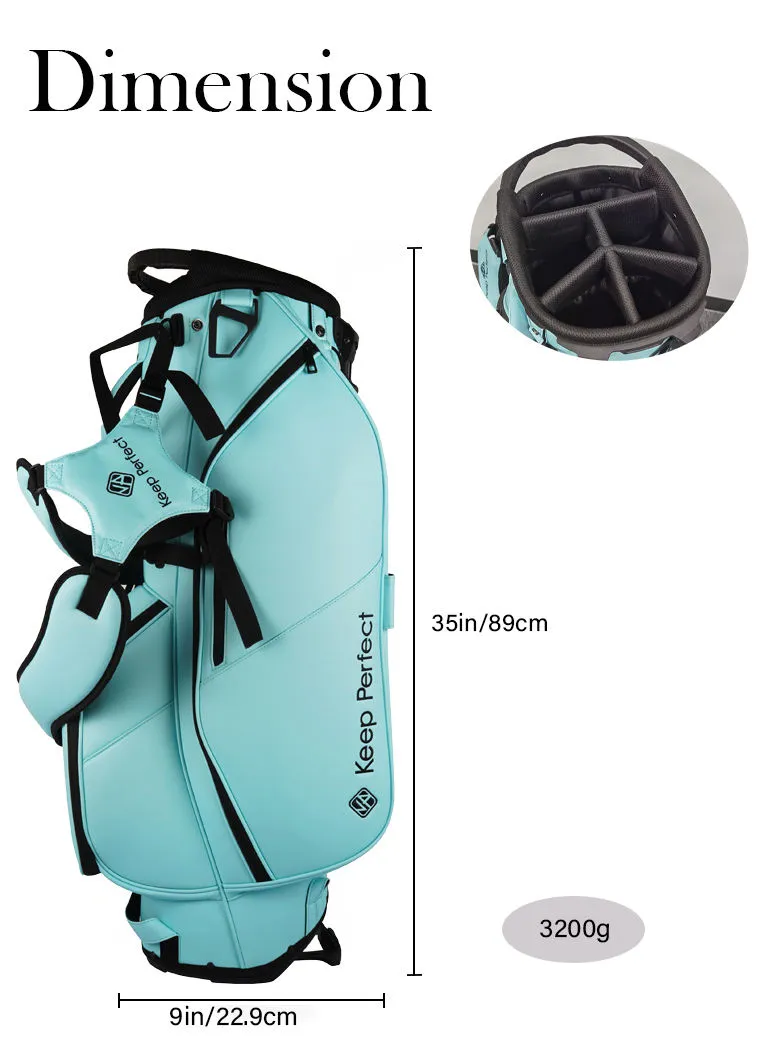
The material selection process for golf bags is one of the most consequential decisions in product development, influencing everything from durability and weather resistance to weight, cost, and brand positioning. For OEM brands and golf bag manufacturers, understanding the technical properties, manufacturing implications, and market perception of different materials is essential for creating products that satisfy target customer expectations while maintaining competitive pricing.
The global golf bag market, valued at approximately USD 1.8 billion in 2024, encompasses a diverse range of material constructions spanning from budget polyester day bags to premium full-leather tour bags. Each material category carries distinct performance characteristics, production requirements, and cost structures that directly impact the competitiveness and profitability of the final product. As sustainability concerns intensify and material science advances, the range of available options continues to expand, giving brands more choices than ever before.
At our BSCI and ISO 9001:2015 certified manufacturing facility, we process over 15 different base materials annually across our 8 production lines, producing more than 200,000 golf bags for brands ranging from mass-market retailers to premium tour-level companies. This guide draws on two decades of material expertise to provide the most comprehensive resource available for golf bag material selection, covering the technical specifications, manufacturing considerations, and market positioning implications of every major material category used in golf bag construction today.
Whether you are a brand manager developing a new product line, a purchasing specialist evaluating material options, or a golf enthusiast curious about the fabrics that protect your equipment, this guide delivers actionable insights backed by real manufacturing data. We examine each material not only for its inherent properties but also for how those properties translate into finished product performance on the golf course, in the retail environment, and across the product lifecycle.
Nylon Materials: The Industry Standard for Performance
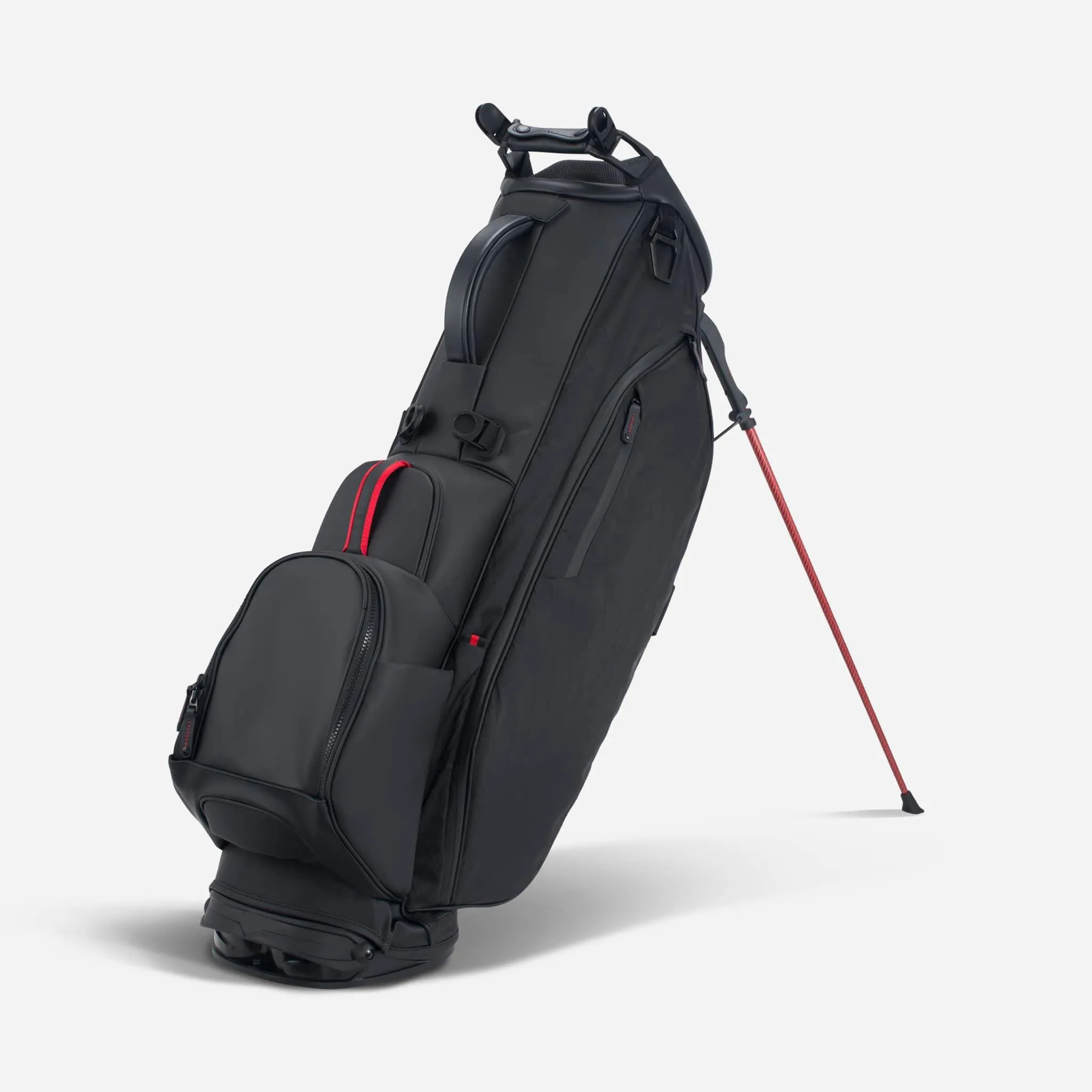
Nylon Denier and Construction Types
Nylon has dominated the golf bag material landscape since the sport's equipment evolution in the 1980s, and for compelling reasons. The synthetic polyamide fiber delivers an exceptional combination of tensile strength, abrasion resistance, and lightweight performance that aligns perfectly with golf bag requirements. Available in denier counts ranging from 210D for lightweight applications to 1680D for heavy-duty tour bags, nylon fabrics span the full spectrum of durability and weight requirements.
The most common nylon constructions in golf bag manufacturing include 210D ripstop nylon for ultra-lightweight stand bags weighing under 1.5 kilograms, 420D nylon for mid-range carry bags and Sunday bags, 600D nylon for premium stand bags and entry-level cart bags, 840D nylon for mid-range cart bags, and 1680D ballistic nylon for premium cart bags and tour bags. Each denier grade represents a specific filament thickness that directly influences weight, strength, and hand feel.
Ripstop nylon deserves particular attention as a specialized construction that incorporates reinforcement threads at regular intervals in a crosshatch pattern. This technique limits tear propagation, meaning that if the fabric is punctured or snagged, the tear cannot extend beyond the ripstop grid boundaries. For golf bags that may encounter rough terrain, branches, or sharp club head edges, ripstop construction provides meaningful durability improvement with only a 10 to 15 percent weight increase over plain weave equivalents.
Nylon Coating and Treatment Technologies
Raw nylon fabric requires coating or lamination to achieve the water resistance, UV stability, and color consistency demanded by golf bag applications. The most common coating systems include polyurethane (PU) coatings, polyvinyl chloride (PVC) coatings, and thermoplastic polyurethane (TPU) membranes. PU coatings remain the industry standard, offering an optimal balance of flexibility, waterproofing, and environmental compliance. A typical 2-layer PU coating system applies a base coat of 50 to 80 micrometers followed by a top coat that delivers a hydrostatic head rating of 1,000 to 3,000 millimeters.
Advanced treatment technologies have significantly expanded nylon's performance envelope in recent years. Durable water repellent (DWR) finishes based on fluorocarbon chemistry provide surface water beading that prevents fabric saturation in light rain. The industry is transitioning toward C6 fluorocarbon formulations that maintain water repellency while eliminating the PFOA concerns associated with older C8 chemistry. Our factory implemented C6 DWR across all nylon products in 2023, maintaining water contact angles above 120 degrees for the product's expected service life.
Nylon's dyeability is another significant advantage. The fiber accepts acid dyes with exceptional vibrancy and colorfastness, achieving lightfastness ratings of 6 to 7 on the Blue Wool Scale and wash fastness ratings of 4 to 5 on the ISO gray scale. This makes nylon particularly suitable for branded golf bags requiring specific Pantone color matching, as the material can reliably achieve Delta-E values below 1.0 against color standards, ensuring batch-to-batch color consistency that premium brands demand.
Cost and Market Positioning
Standard nylon fabrics for golf bag applications range from USD 1.50 to USD 4.50 per meter depending on denier, construction type, and coating system. This positions nylon as a mid-range material that delivers strong value at volume price points. The 420D to 600D nylon segment represents the sweet spot for mid-market golf bags, offering sufficient durability for regular use while maintaining material costs that support retail pricing in the USD 150 to USD 350 range.
Polyester Fabrics: Cost-Effective Versatility
Polyester vs Nylon: Understanding the Trade-Offs
Polyester has gained significant market share in golf bag manufacturing over the past decade, driven by its lower cost, superior UV resistance, and the increasing availability of high-quality recycled polyester (rPET) alternatives. While polyester offers approximately 25 to 30 percent lower tensile strength than nylon at equivalent denier, its superior resistance to ultraviolet degradation makes it particularly attractive for golf bags that spend extended periods in direct sunlight on course racks, in retail displays, or on golf cart staging areas.
The moisture management characteristics of polyester also favor specific golf bag applications. Polyester absorbs only 0.4 percent of its weight in water compared to nylon's 4.5 percent absorption rate, meaning polyester fabrics dry significantly faster after exposure to rain or morning dew. This rapid-drying characteristic reduces the risk of mildew and odor development in bags stored in humid environments or in closed car trunks between rounds. For brands targeting golfers in tropical or coastal climates, polyester's moisture resistance provides a meaningful functional advantage.
Polyester Construction Variants
Polyester golf bag fabrics span a similar denier range to nylon, with 300D, 420D, 600D, and 900D being the most common specifications. The 600D polyester Oxford weave is particularly popular for mid-range golf bags, offering a recognizable textured surface that consumers associate with quality while maintaining attractive price positioning. Polyester Oxford weaves also exhibit superior dimensional stability compared to nylon, meaning the fabric stretches less under load and maintains its shape more effectively over the bag's service life.
Melamine-coated polyester represents another important variant in golf bag applications. The melamine resin coating provides a leather-like surface texture with excellent abrasion resistance and a subtle sheen that elevates the visual appearance of the finished bag. This material is frequently used for pocket panels, base plates, and accent areas where a premium look is desired without the cost of genuine leather or high-end synthetic leather alternatives.
Sustainability and Recycled Polyester
Recycled polyester derived from post-consumer PET bottles has emerged as the leading sustainable material option in golf bag manufacturing. The rPET fiber maintains 90 to 95 percent of the mechanical properties of virgin polyester while reducing carbon dioxide emissions by 30 to 50 percent and diverting plastic waste from landfills. Our factory produces rPET golf bags in volumes exceeding 30,000 units annually for European and North American brands that have committed to sustainable material sourcing.
The rPET supply chain has matured significantly, with certifications from Textile Exchange (Recycled Claim Standard and Global Recycled Standard) providing verifiable chain-of-custody documentation that brands can communicate to consumers. The cost premium for rPET over virgin polyester has narrowed to approximately 5 to 15 percent, making it increasingly viable for mainstream product lines rather than being confined to premium sustainability-focused collections.
Leather and Synthetic Leather: Premium Positioning
Full-Grain and Top-Grain Leather
Genuine leather remains the pinnacle of golf bag materials, commanding premium pricing and conveying heritage, craftsmanship, and exclusivity. Full-grain leather, which uses the complete hide with natural grain intact, represents the highest quality tier. It develops a distinctive patina over time that enhances rather than diminishes its visual appeal, creating a sense of character and ownership that synthetic materials cannot replicate. A full-grain leather tour bag can command retail prices exceeding USD 1,500 and maintain functional beauty for 15 to 20 years with proper care.
Top-grain leather, sanded to remove surface imperfections and finished with a protective coating, offers a more consistent appearance at a lower cost than full-grain. It remains highly regarded in premium golf bag applications, particularly for accent panels, handles, and strap overlays where a luxury hand feel is desired. The leatherworking skills required for premium golf bag production are highly specialized, involving skiving, edge painting, saddle stitching, and heat embossing techniques that our craftsmen have perfected over decades of production experience.
Synthetic Leather and PU Leather Alternatives
Modern synthetic leathers have closed the visual and tactile gap with genuine leather to a remarkable degree. High-quality polyurethane leathers, particularly those using microfiber base fabrics, deliver a hand feel that is difficult to distinguish from top-grain leather in blind touch tests. These materials offer significant advantages for golf bag manufacturing: they are lighter than genuine leather (reducing finished bag weight by 200 to 400 grams), more consistent in thickness and stretch characteristics, easier to clean and maintain, and available at 20 to 40 percent of the cost of genuine leather.
The synthetic leather market for golf bags has been transformed by the development of plant-based and bio-based alternatives. Materials incorporating corn-derived polyols, mushroom-based mycelium substrates, and apple waste composites are entering the market with increasingly credible performance profiles. While these next-generation materials currently represent less than 5 percent of golf bag production volume, their growth trajectory suggests they will become significant material options within the next three to five years, particularly for brands targeting environmentally conscious consumers.
Leather Application Techniques in Golf Bag Manufacturing
Working with leather in golf bag production requires specialized equipment, techniques, and quality control protocols that distinguish it sharply from synthetic fabric processing. Cutting operations use steel-rule dies or CNC oscillating blade cutters rather than the laser or hot-knife systems used for nylon and polyester. Stitching requires heavier needle sizes (typically size 22 to 24) and specialized leather thread, often waxed polyester or bonded nylon, to withstand the higher friction forces during sewing.
Canvas and Cotton: Heritage and Lifestyle Appeal
Waxed Cotton and Heritage Canvas
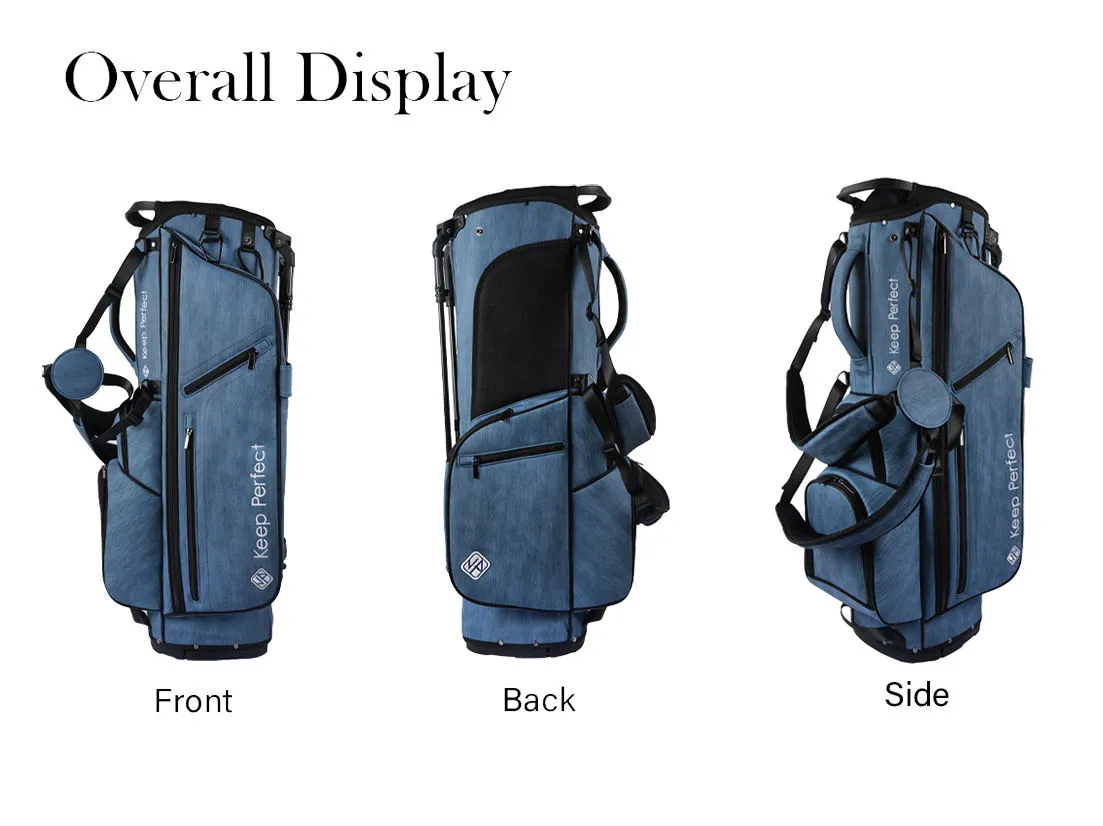
Canvas and cotton materials occupy a distinctive niche in the golf bag market, appealing to golfers who value heritage aesthetics, natural material hand feel, and the distinctive character that develops as cotton fabrics age. Waxed cotton canvas, treated with beeswax or paraffin-based compounds, offers water resistance, a rich tactile surface, and the ability to develop unique crease patterns and patina that make each bag genuinely one of a kind over time.
The weight penalty of canvas is its primary limitation for golf bag applications. A 12-ounce cotton canvas weighs approximately 400 grams per square meter, compared to 150 to 200 grams per square meter for coated nylon in equivalent durability ranges. This makes canvas golf bags typically 500 to 800 grams heavier than comparable nylon bags, a difference that is noticeable for carry bags but acceptable for cart bags and lifestyle-oriented products where weight is less critical.
Technical Cotton Blends
Modern cotton blend fabrics address many of the performance limitations of pure cotton by combining cotton with synthetic fibers. Cotton-polyester blends at 65/35 or 50/50 ratios maintain the natural hand feel and aesthetic of cotton while gaining the UV resistance, dimensional stability, and reduced moisture absorption of polyester. These blended fabrics are increasingly popular for golf bags positioned at the intersection of performance and lifestyle, offering a natural material story without the maintenance requirements of pure cotton.
Performance Fabrics: The Technical Frontier
Ultra-High Molecular Weight Polyethylene
Ultra-high molecular weight polyethylene fibers, known commercially as Dyneema or Spectra, represent the cutting edge of golf bag material technology. These fibers offer the highest strength-to-weight ratio of any commercially available material, with tensile strength 15 times greater than steel at equivalent weight. While currently limited to premium products due to material costs of USD 15 to USD 25 per meter, UHMWPE fabrics enable golf bag constructions that are 40 to 50 percent lighter than equivalent nylon bags while exceeding their tear and abrasion resistance.
Carbon Fiber Composite Panels
Carbon fiber reinforced polymer panels are emerging as structural elements in premium golf bag designs. Rather than replacing traditional fabrics entirely, carbon fiber is used strategically in high-stress areas such as base plates, frame structures, and load-bearing panels where its exceptional stiffness-to-weight ratio delivers measurable performance benefits. A carbon fiber base plate can reduce weight by 30 to 40 percent compared to injection-molded ABS while simultaneously improving rigidity and impact resistance.
Smart Textiles and Integrated Technologies
The integration of electronic functionality into golf bag textiles represents an emerging frontier. Conductive yarns woven into fabric panels can create touchscreen-compatible surfaces, allow integrated LED lighting systems, or enable club tracking sensors to be embedded directly into divider walls. While still in early commercial stages, smart textile integration is being developed by several major golf brands, with initial products expected to reach market within the next two to three years.
Manufacturing Processes and Material Handling

Material Storage and Conditioning
Proper material handling begins long before the first cut. Nylon and polyester fabrics must be stored in climate-controlled environments maintained at 18 to 25 degrees Celsius and 40 to 60 percent relative humidity. Temperature and humidity excursions can affect fabric dimensional stability, coating adhesion, and dye lot consistency. Our 15,000 square meter facility maintains dedicated material storage areas with continuous environmental monitoring and automated climate control systems that ensure consistent material properties from receipt through production.
Cutting Technology and Material Optimization
Modern golf bag manufacturing employs multiple cutting technologies selected based on material type and production requirements. Laser cutting systems deliver exceptional precision for nylon and polyester fabrics, achieving dimensional accuracy of plus or minus 0.5 millimeters while simultaneously sealing cut edges to prevent fraying. CNC oscillating blade cutters handle leather, synthetic leather, and multi-layer sandwich constructions without the thermal effects that laser cutting produces. Steel-rule die cutting remains in use for high-volume components where tooling amortization justifies the initial die investment.
Quality Control by Material Type
Each material category requires specific quality control protocols tailored to its unique properties. Nylon fabrics undergo testing for tensile strength, tear resistance, coating adhesion, hydrostatic head rating, colorfastness, and dimensional stability. Leather inspection focuses on grain consistency, thickness uniformity, surface defects, and color matching. Polyester fabrics are evaluated for UV resistance, shrinkage, and coating integrity. Our quality control laboratory maintains testing equipment calibrated to ISO and AATCC standards, with incoming material inspection covering 100 percent of fabric rolls for critical properties.
Material Selection Framework for OEM Brands
Market Segmentation and Material Mapping
Effective material selection begins with clear market positioning. Budget golf bags targeting the USD 50 to USD 150 retail range typically use 210D to 420D polyester or nylon with basic PU coatings. Mid-market bags in the USD 150 to USD 350 range employ 600D nylon or polyester with advanced coatings and selective synthetic leather accents. Premium bags priced USD 350 to USD 700 feature 840D to 1680D nylon or high-quality synthetic leather with premium hardware and finishes. Ultra-premium bags exceeding USD 700 incorporate full-grain leather, UHMWPE composites, or other exotic materials.
Total Cost of Ownership Analysis
Smart material selection considers the total cost of ownership rather than just per-meter fabric price. A more expensive material that reduces waste during cutting, requires fewer sewing operations, or eliminates secondary finishing steps may deliver lower total manufacturing cost than a cheaper material that demands more labor-intensive processing. Our engineering team provides comprehensive cost modeling that accounts for material yield, labor time, tooling requirements, and quality yield rates to identify the true economic optimum for each product specification.
Sustainability Roadmap Integration
Sustainability is no longer optional in golf bag material selection. Leading brands are developing multi-year sustainability roadmaps that progressively increase the use of recycled, bio-based, and low-impact materials. Our factory supports these initiatives with certified rPET, recycled nylon, organic cotton, and plant-based synthetic leather options. We provide lifecycle assessment data and environmental impact documentation that enables brands to quantify and communicate the sustainability benefits of their material choices.
The evolution of golf bag materials reflects the broader transformation of the golf industry toward lighter, more durable, more sustainable products. From the early days of simple canvas bags to today's sophisticated multi-material constructions incorporating advanced composites and smart textiles, material innovation has been the primary driver of golf bag performance improvement. For brands committed to delivering exceptional products, understanding and leveraging the full range of material options available is not merely advantageous but essential. Our team brings two decades of material expertise to every project, helping brands navigate the complex landscape of golf bag materials to find the optimal solution for their market positioning, performance requirements, and sustainability objectives.
Frequently Asked Questions
What is the most durable material for golf bags?
Ballistic nylon at 1050 denier offers the highest abrasion resistance among common golf bag materials, exceeding 50,000 cycles on the Taber abrasion test. For ultimate durability in premium bags, full-grain leather outperforms all synthetics when properly maintained, with service lives exceeding 15 years.
Is polyester or nylon better for golf bags?
Nylon offers approximately 30 percent higher tensile strength and better abrasion resistance than polyester of equivalent denier, making it superior for high-wear areas. However, polyester provides better UV resistance, is 15 to 20 percent less expensive, and dries faster, making it ideal for bags used in sunny, humid climates.
How much does material choice affect golf bag cost?
Material selection typically represents 25 to 40 percent of total manufacturing cost. Switching from standard 420D nylon to 1680D ballistic nylon increases material costs by 60 to 80 percent, while premium full-grain leather can increase material costs by 300 to 500 percent compared to synthetic alternatives.
What is the best waterproof material for golf bags?
The most effective waterproof solution combines a 10,000mm hydrostatic head nylon face fabric with a TPU membrane lamination and DWR surface treatment. This three-layer system maintains waterproofness for over 200 wash cycles while adding only 80 to 120 grams per square meter to the base fabric weight.
Can golf bag materials be recycled?
Yes, several golf bag materials are recyclable. Polyester and nylon can be mechanically or chemically recycled, with recycled PET polyester now available in 300D to 600D constructions. Our factory offers rPET and recycled nylon options that reduce carbon footprint by 30 to 50 percent compared to virgin materials.
What materials do professional tour bags use?
Professional tour bags predominantly use 1680D ballistic nylon or polyester for the main body, with full-grain leather or synthetic leather accents on handles, straps, and pocket panels. The base plate typically uses injection-molded ABS or carbon fiber composite for rigidity and weight management.
Ready to Start Your Custom Golf Bag Project?
Partner with a BSCI & ISO 9001:2015 certified factory producing 200,000+ premium golf bags annually. MOQ just 100 pieces.
Get a Free Quote Today