Golf Bag Color Forecast 2026: Trend Analysis, Pantone Predictions & Market Data
Table of Contents
- Introduction: Setting the Stage for 2026 Golf Bag Colors
- Forecast Methodology: How Golf Bag Color Trends Are Predicted
- Spring/Summer 2026 Color Forecast
- Fall/Winter 2026 Color Forecast
- Regional Color Forecast Variations
- Material-Specific Color Trends
- Women's Golf Bag Color Forecast 2026
- Implementation Guide for OEM Brands
- Frequently Asked Questions
Introduction: Setting the Stage for 2026 Golf Bag Colors
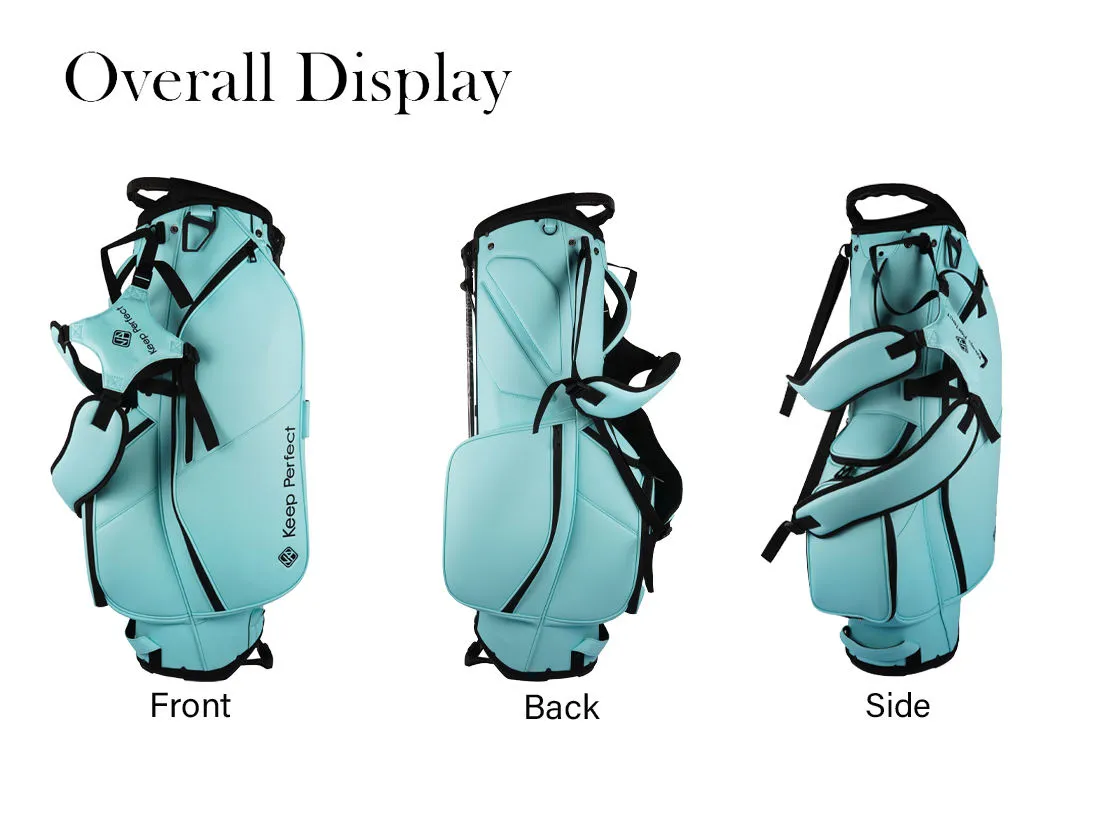
The golf bag color landscape for 2026 represents a fascinating convergence of cultural currents, material innovations, demographic shifts, and the enduring tension between tradition and progress that defines the sport of golf. As the golf industry welcomes record numbers of new players from diverse backgrounds, the color vocabulary of golf equipment is expanding in ways that would have been unimaginable a decade ago, even as foundational colors like black, navy, and white maintain their dominant market positions.
Color forecasting for golf bags is a discipline that sits at the intersection of fashion trend analysis, sporting goods market research, material science, and manufacturing pragmatism. Unlike the fashion industry where color trends can shift dramatically from season to season, golf bag color evolution operates on a longer timeline that respects the durability expectations of golf equipment consumers while gradually incorporating influences from adjacent categories including outdoor recreation, athletic footwear, and lifestyle accessories.
Our manufacturing facility, producing over 200,000 golf bags annually for brands across every market segment, occupies a uniquely informed position to analyze and forecast golf bag color trends. We observe the color choices of hundreds of brand clients, track production order volumes by color in real time, monitor raw material availability and dye chemistry developments, and maintain direct relationships with the fiber and fabric suppliers whose innovations ultimately determine what colors are technically and economically feasible for golf bag production.
This comprehensive 2026 color forecast draws on production data from over 50 brand partners across North America, Europe, and Asia-Pacific, analysis of 200,000-plus unit annual production volumes, color laboratory development records, and insights from fiber suppliers and dye manufacturers to provide the most data-driven and practically grounded golf bag color forecast available anywhere. Whether you are a brand manager planning seasonal collections, a retail buyer curating floor presentations, or a golf enthusiast curious about where the aesthetic is headed, this forecast delivers actionable intelligence backed by real manufacturing data.
Forecast Methodology: How Golf Bag Color Trends Are Predicted
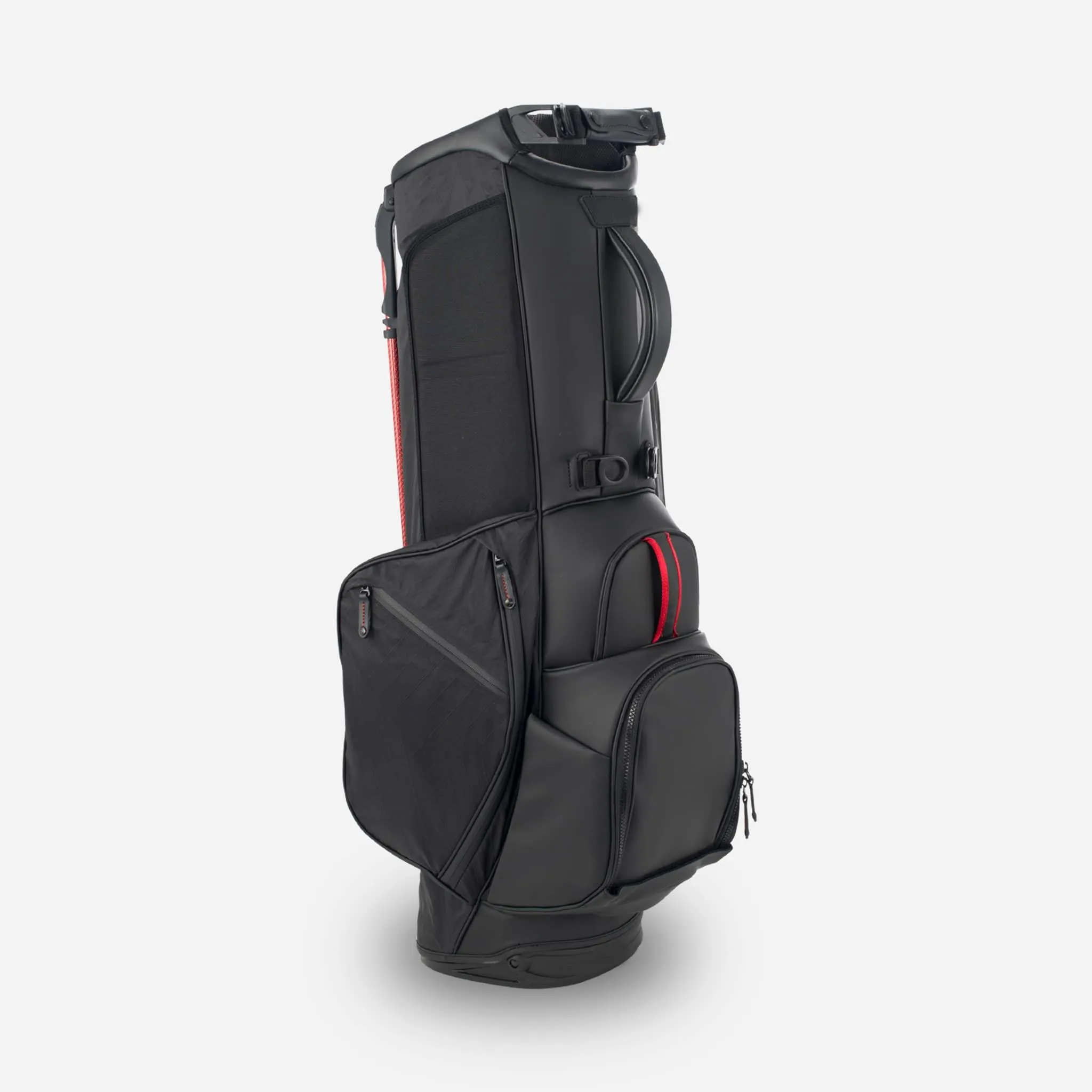
Data Sources and Analytical Framework
Effective golf bag color forecasting relies on a multi-source analytical framework that triangulates signals from cultural trends, consumer behavior data, material innovation developments, and historical sales patterns. Our forecasting process begins 18 months before the target selling season with a comprehensive scan of macro trends in fashion, automotive design, interior design, and outdoor recreation that typically precede golf equipment color adoption by one to two years.
The second analytical layer examines golf-specific data including sales-by-color analytics from our production records, trade show observations from PGA Show, GolfEx, and other industry events, feedback from brand partners about retail sell-through performance by color, and social media analysis of golf equipment discussions on platforms including Instagram, TikTok, and YouTube. This golf-specific data is weighted more heavily than general trend signals, as the sport's conservative aesthetic traditions create a filtering effect that modifies or delays the adoption of trends from adjacent categories.
The Role of Material Innovation in Color Forecasting
Material innovation is an underappreciated but critical driver of golf bag color trends. New fiber technologies, dye chemistries, and finishing processes directly expand or constrain the color palette available to designers. The development of C6 fluorocarbon DWR treatments that do not yellow over time, for example, has made white golf bags more commercially viable by addressing the historical concern that white bags discolor after exposure to UV light and environmental contaminants. Similarly, the maturation of digital textile printing technology has enabled complex multi-color patterns and gradient effects that were economically impossible with traditional screen printing methods.
Spring/Summer 2026 Color Forecast
Core Colors for Spring/Summer 2026
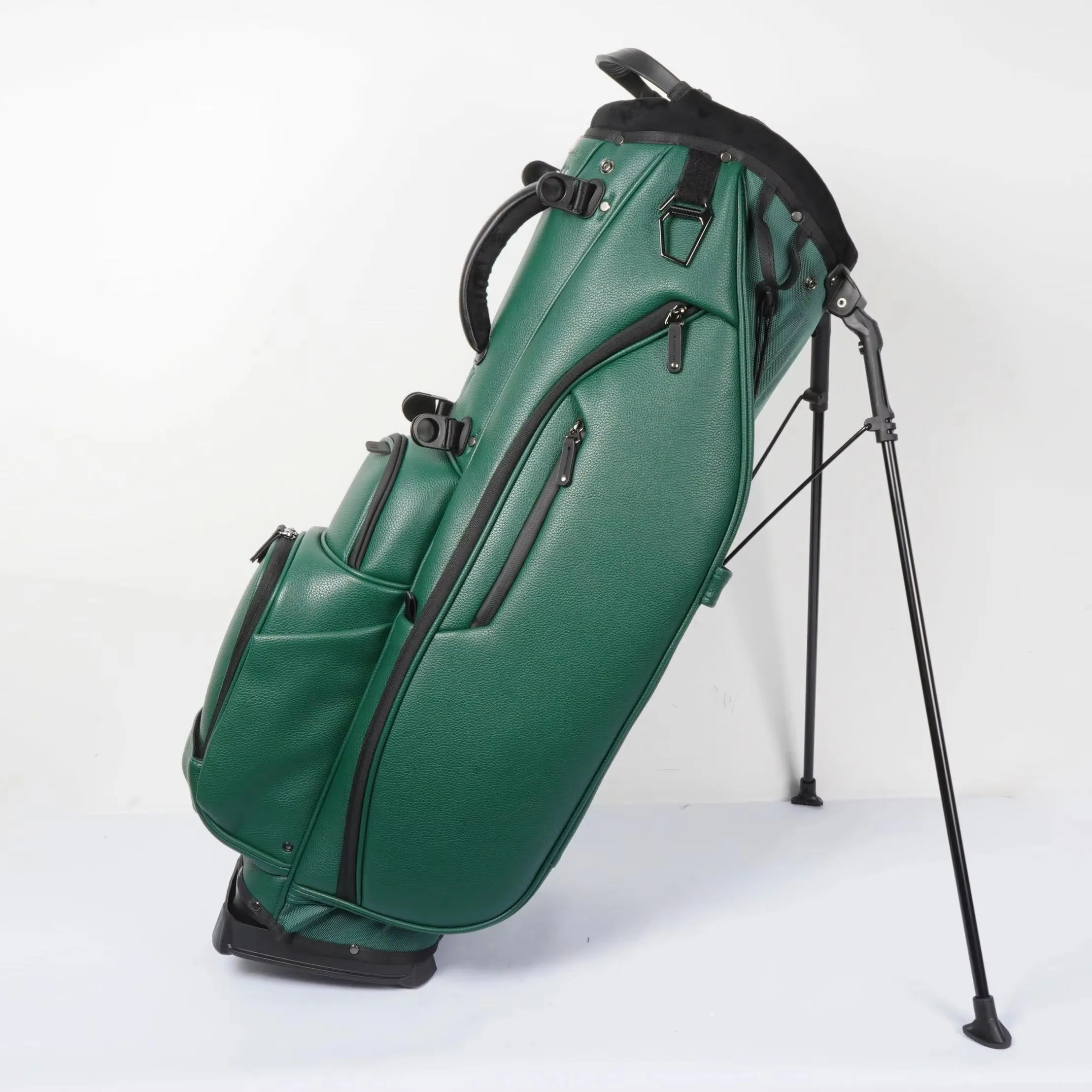
The spring and summer 2026 season for golf bags centers on a biophilic palette that draws direct inspiration from the natural environments where golf is played. Moss green, the anchor color of the season, represents the deep greens of fairway turf and forest surroundings, connecting the bag aesthetically to the course itself. This color, closest to Pantone 18-0316 TCPG, is forecast to capture 8 to 10 percent of spring/summer sell-in, a significant increase from the 4 to 5 percent that green variants typically achieve in previous seasons.
Sage, a softer and more muted green-gray, offers a more conservative interpretation of the biophilic trend that bridges the gap between traditional neutral preferences and the growing demand for nature-inspired color. Positioned near Pantone 15-6315 TCPG, sage appeals to golfers who want to embrace the trend without departing dramatically from the neutral palette that has long dominated the category. We expect sage to perform particularly well in the premium stand bag segment where earthy, understated aesthetics align with the product's price positioning and target demographic.
Accent Colors and Pattern Trends
Beyond the core palette, spring/summer 2026 accent colors introduce controlled doses of vibrancy that add energy and personality without overwhelming the restrained aesthetic that defines the season. Terracotta, a warm earthy red-orange, provides the strongest accent option, offering warmth and visual interest that contrasts effectively with the cool greens and blues in the core palette. This color performs particularly well as a zipper accent, pocket panel, or strap overlay rather than as a full-body color.
Pattern trends for spring/summer 2026 emphasize tonal variation rather than high-contrast graphics. Subtle tone-on-tone camo patterns in adjacent greens and earth tones, micro-gradient effects that shift between closely related hues, and textured surfaces that create visual interest through light and shadow rather than color contrast represent the dominant pattern direction. These subtler approaches to pattern creation align with the overall aesthetic of quiet sophistication that defines the 2026 forecast.
Fall/Winter 2026 Color Forecast
Core Colors for Fall/Winter 2026
The fall/winter 2026 palette deepens and warms relative to the spring/summer season, introducing richer jewel tones and darker earth colors that reflect the changing light and landscape of the cooler months. Warm graphite replaces cool gray as the dominant neutral, with undertones that shift from blue-gray to green-gray, creating a more inviting and less clinical interpretation of the gray family. This color, positioned near Pantone 19-3908 TCPG, is expected to capture a significant share of the premium cart bag segment.
Burgundy, a deep red with brown undertones, emerges as a key accent color for fall/winter, offering the richness and depth appropriate to the season while avoiding the high-saturation reds that have dominated previous years. The burgundy direction draws inspiration from heritage tweed fabrics, aged leather, and autumn landscape colors, positioning golf bags within a broader heritage aesthetic that resonates strongly with the 35 to 55 demographic that drives premium equipment purchases.
Seasonal Transitions and Year-Round Colors
An important trend for fall/winter 2026 is the blurring of seasonal color boundaries, with an increasing share of the product line designed as year-round staples rather than season-specific offerings. This approach, driven by both sustainability considerations and inventory management efficiency, favors versatile colors that work across seasons: dark navy, charcoal, deep olive, and warm taupe all function effectively in any season and any geographic market.
Regional Color Forecast Variations
North America: Conservatism with Controlled Innovation
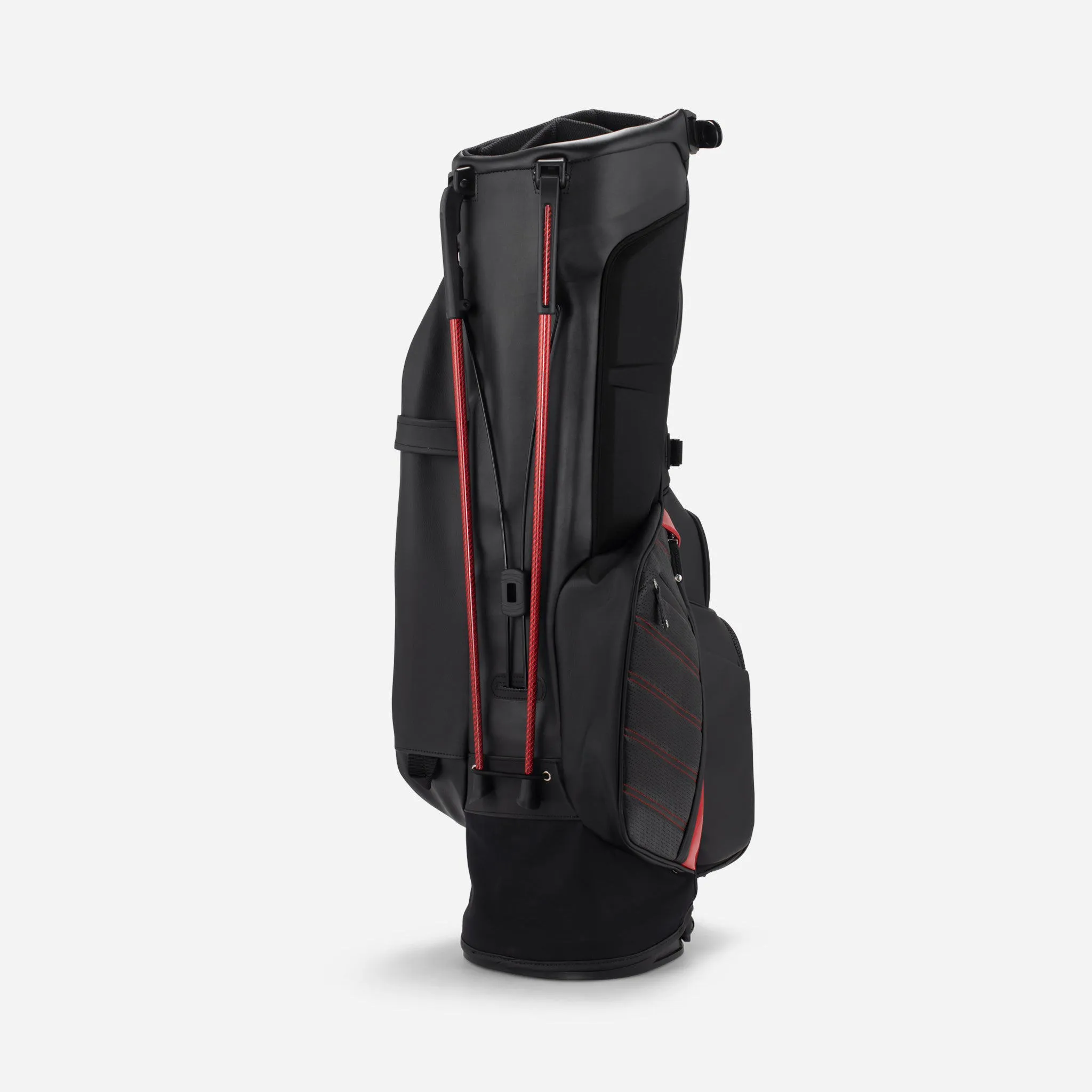
The North American golf bag market, the world's largest by volume, maintains its characteristic preference for conservative core colors while showing increasing openness to trend-inspired accents. Black and navy are expected to retain their combined 45 percent share of the North American market, with the growth occurring in sage, warm graphite, and burgundy as accent alternatives to traditional white and red. The key insight for North American buyers is that trend colors perform best when offered as accent options within established product silhouettes rather than as complete color rethinks of proven best-sellers.
Europe: Sophistication and Sustainability
European golf bag color preferences for 2026 reflect the continent's leadership in sustainability-driven design and sophisticated aesthetic sensibilities. The demand for undyed and naturally colored golf bags is strongest in European markets, with Scandinavian buyers particularly drawn to bags that showcase the natural color of recycled polyester fibers in their characteristic off-white or light beige. This natural aesthetic extends to a preference for muted, desaturated colors with minimal chemical processing, a direction that aligns perfectly with the biophilic palette but interprets it through a distinctly European lens.
Asia-Pacific: Bold Expression and Premium Positioning
The Asia-Pacific market presents the most dynamic color landscape for 2026, with South Korea and Japan leading the way in sophisticated color adoption and China demonstrating growing interest in premium color positioning. South Korean golfers continue to push boundaries with clean white bags, pastel accents, and metallic hardware finishes, while Japanese buyers favor deep, saturated colors with exceptional material quality. Forest teal, a rich blue-green that bridges the biophilic trend with Asian aesthetic preferences, is expected to perform particularly well in Japan.
Material-Specific Color Trends
Nylon Color Possibilities for 2026
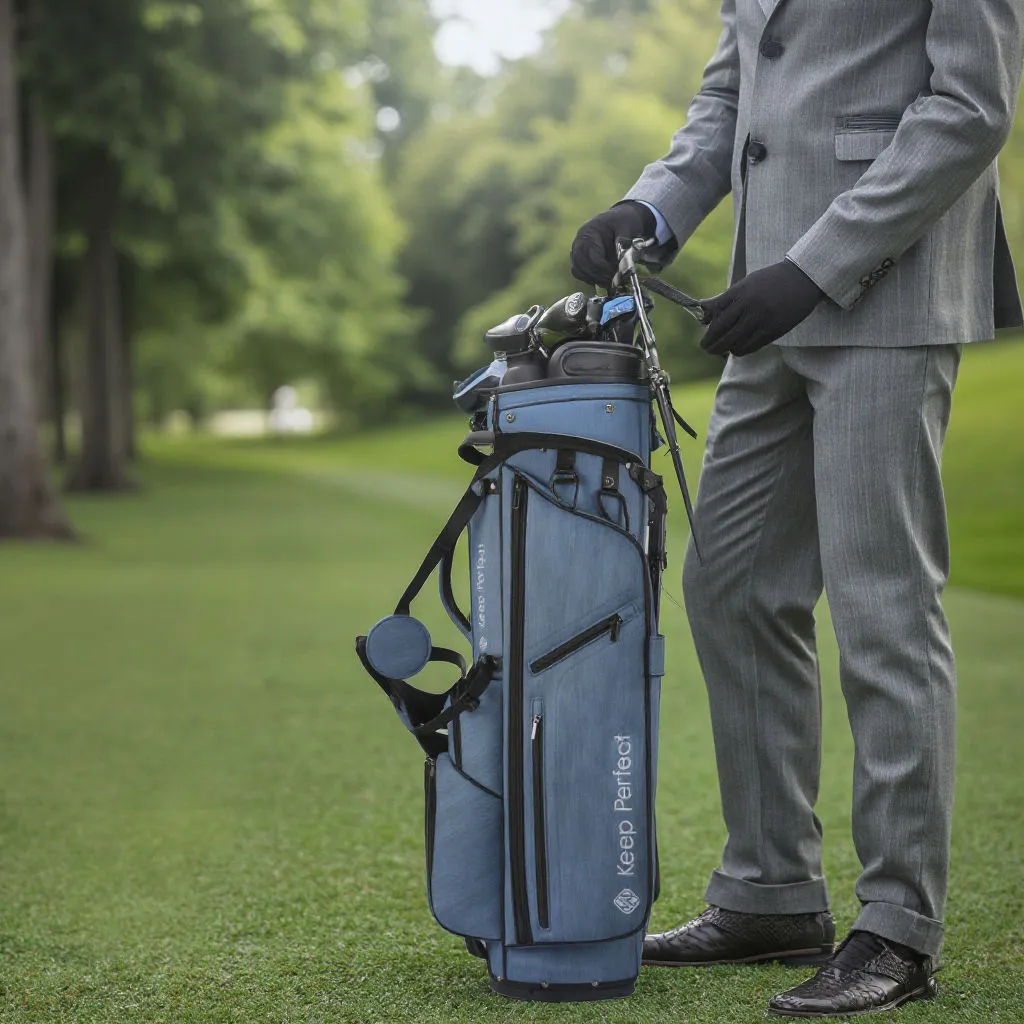
Nylon remains the most versatile substrate for golf bag color applications in 2026, accepting acid dyes with exceptional vibrancy and achieving lightfastness ratings of 6 to 7 on the Blue Wool Scale. The material's dyeability enables the rich, saturated greens, blues, and earth tones that define the 2026 palette with a depth and clarity that polyester cannot fully match. Matte finish nylon, achieved through textured yarn or delustered fiber selections, enhances the sophisticated aesthetic by eliminating the synthetic sheen that can undermine the natural, organic quality that biophilic colors aim to convey.
Synthetic Leather Color Developments
Synthetic leather color technology has advanced significantly, with 2026 offerings including water-based PU systems that achieve color depth and hand feel rivaling genuine leather while meeting increasingly stringent environmental compliance requirements. The color trend for synthetic leather in golf bags moves toward richer, more naturalistic tones that mimic the patina of aged leather rather than the uniform perfection that characterized earlier generations. Burnished effects, antique finishes, and slightly irregular color distribution are deliberately engineered to create the appearance of naturally aged leather, adding perceived value and heritage character to the finished product.
Women's Golf Bag Color Forecast 2026
Breaking Free from Gendered Color Stereotypes
The most significant development in women's golf bag color for 2026 is the definitive move beyond the pink-and-purple palette that has historically dominated the category. Today's female golfers, particularly the rapidly growing millennial and Gen Z segment, demand color options that reflect personal style and sophistication rather than gendered assumptions. The 2026 women's color forecast prioritizes botanical-inspired hues like sage, dusty rose, soft lavender, and warm terracotta, along with confident neutrals like warm graphite, camel, and ivory that work across skin tones and personal style preferences.
Size and Proportion Color Strategies
Color strategy for women's golf bags also considers the typically smaller scale of products designed for female golfers. Dark, saturated colors on compact bag silhouettes can create a heavy, blocky visual impression, while lighter and medium-toned colors enhance the sleek, athletic aesthetic that appeals to the target market. Our design team recommends that women's golf bag collections for 2026 feature at least 60 percent of offerings in light to medium value colors, reserving dark tones for accent panels and hardware integration rather than as dominant body colors.
Implementation Guide for OEM Brands
Translating Forecast Intelligence into Product Decisions
Color forecast intelligence only creates value when effectively translated into product development decisions. The implementation process begins with a gap analysis comparing the brand's current color offering against the forecast palette, identifying opportunities to introduce trend-aligned colors and potential areas where existing offerings have drifted out of alignment with market preferences. This analysis should consider both the core product line and seasonal limited editions, with different implementation strategies for each.
For core product colors, the implementation timeline is typically 9 to 12 months, encompassing lab dip development, bulk fabric sourcing, production trials, and distribution. Seasonal accent colors can be implemented more rapidly, within 6 to 9 months, particularly if they are applied to interchangeable components like pocket panels, straps, and zipper pulls rather than requiring complete body fabric changes. Our production planning team works with brand partners to optimize the implementation timeline, balancing trend responsiveness with the quality control requirements that ensure every unit meets color standards.
Risk Management in Color Selection
Not every color forecast will materialize exactly as predicted, and prudent brands build flexibility into their color plans to adapt to market feedback. Our recommendation is to structure seasonal color plans with a 70/20/10 allocation: 70 percent of units in proven core colors that represent known demand, 20 percent in forecast-aligned colors that represent the brand's interpretation of current trends, and 10 percent in bold or experimental colors that test market appetite for new directions. This balanced approach enables brands to participate in trend conversations while protecting the volume foundation that sustains the business.
The golf bag color forecast for 2026 reflects a market in healthy transition, embracing new aesthetic directions inspired by nature, sustainability, and demographic evolution while maintaining respect for the sport's traditions and the functional requirements that define golf equipment. The biophilic palette, anchored by moss green, sage, and warm earth tones, creates a cohesive color story that speaks to the growing number of golfers who see the sport as a connection to nature and the outdoors rather than merely a competitive challenge. For brands that navigate this transition thoughtfully, balancing innovation with the proven demand that sustains the business, 2026 offers a rich landscape of color opportunities that can differentiate products, strengthen brand identity, and connect with the evolving preferences of a diverse and growing golf community. Our team stands ready to support your color development efforts with our comprehensive lab capabilities, 40 standard stock colors, and expertise accumulated across 200,000-plus bags of annual production.
Frequently Asked Questions
How far in advance are golf bag color trends forecast?
Golf bag color trends are typically forecast 12 to 18 months before the selling season. This lead time accounts for fiber sourcing, fabric development, lab dip approvals, production scheduling, and distribution to retail channels. Our factory begins development of seasonal color collections 18 months in advance, working with brands from initial concept through production approval.
What are the key golf bag colors for 2026?
The key golf bag colors for 2026 include moss green, sage, terracotta, dusty blue, warm graphite, soft lavender, sand, burgundy, and forest teal. These colors reflect the broader trend toward biophilic palettes inspired by natural landscapes, with earth tones forming the core and jewel tones providing accent interest. Classic black and navy remain foundational at approximately 40 percent of total market volume.
How do golf bag color trends differ from fashion trends?
Golf bag color trends lag general fashion trends by 6 to 12 months and filter them through the sport's conservative aesthetic traditions. While fashion may embrace neon yellow or electric pink, golf translates these into more muted interpretations like sage or dusty rose. The longer product lifecycle of golf bags also favors colors with proven longevity over fleeting trend colors.
What impact does sustainability have on golf bag color trends?
Sustainability significantly influences color trends in two ways. First, recycled and natural fibers have inherent color limitations that favor earthy, undyed, and low-impact dye palettes. Second, consumer preference for products perceived as environmentally responsible drives demand for colors associated with nature, organic materials, and minimal processing, accelerating the shift toward biophilic color stories.
How do Pantone color of the year selections affect golf bags?
Pantone's Color of the Year influences golf bag color trends indirectly by shaping the broader design conversation. Retail buyers and brand designers internalize the Pantone direction and adapt it for golf-specific applications. The effect typically appears in accent colors and limited-edition offerings 12 to 18 months after the Pantone announcement, with core product colors remaining relatively stable.
Can manufacturers produce custom colors outside the seasonal forecast?
Yes, experienced manufacturers can produce any custom color regardless of seasonal forecasts. Our factory stocks 40 standard colors and can develop unlimited custom colors with a 7 to 10 business day lab dip turnaround. Custom colors are particularly popular for team bags, corporate programs, and tour player specifications that operate outside the seasonal trend cycle.
Ready to Start Your Custom Golf Bag Project?
Partner with a BSCI & ISO 9001:2015 certified factory producing 200,000+ premium golf bags annually. MOQ just 100 pieces.
Get a Free Quote Today