Golf Bag Embroidery Guide 2026: Techniques, Digitizing, Thread Selection & Quality Control
Table of Contents
- Introduction: Embroidery as the Gold Standard of Golf Bag Branding
- The Art and Science of Embroidery Digitizing
- Thread Selection: Material, Weight, and Color
- Stitch Techniques and Application Methods
- Placement Strategy and Design Considerations
- Embroidery on Different Golf Bag Materials
- Quality Control and Production Excellence
- Ordering Guide for Brand Clients
- Frequently Asked Questions
Introduction: Embroidery as the Gold Standard of Golf Bag Branding
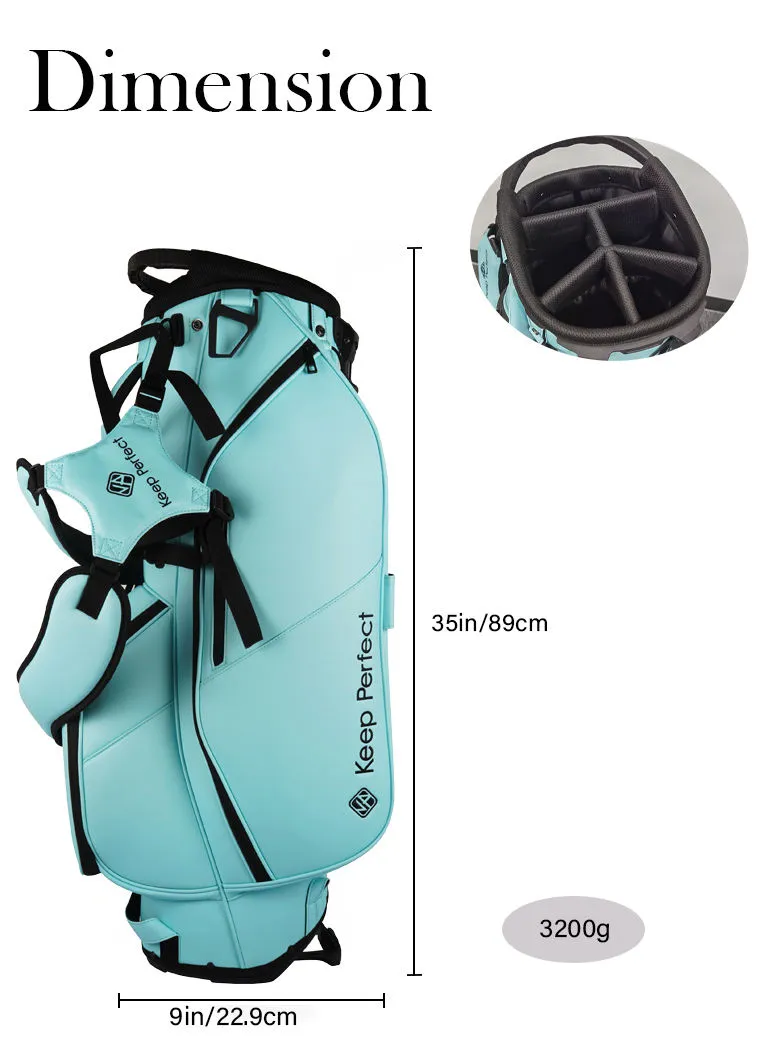
Embroidery stands as the undisputed gold standard for golf bag branding, a position it has maintained since the sport's earliest days of equipment personalization. The raised texture of stitched thread, the lustrous play of light across satin stitch fills, and the unmistakable impression of quality that only physical thread work can convey make embroidery the preferred choice for brands that want their golf bags to communicate premium value at first glance. In an era of digital printing and heat transfer technologies, embroidery remains irreplaceable for the tactile depth and permanence it brings to golf bag surfaces.
The technical demands of golf bag embroidery distinguish it sharply from garment embroidery, requiring specialized equipment, materials, and expertise that not all embroidery shops possess. Golf bags present unique challenges including curved and angled panel surfaces, variable fabric thicknesses ranging from thin mesh to multi-layer laminated constructions, and the need for durability that withstands continuous outdoor exposure to UV radiation, rain, temperature extremes, and mechanical abrasion. These requirements demand an embroidery partner who understands the intersection of textile science, machine engineering, and design optimization.
Our manufacturing facility operates over 30 computerized embroidery heads across multiple machines from leading manufacturers including Tajima and Barudan, producing embroidered golf bags in volumes exceeding 120,000 units annually. This scale of operation, combined with two decades of experience across diverse brand requirements and material constructions, has given us deep expertise in every aspect of golf bag embroidery, from digitizing strategy to thread chemistry to quality control protocols. This guide represents our most comprehensive treatment of golf bag embroidery, designed to educate brand partners, purchasing specialists, and quality professionals about the art, science, and business of embroidered golf bag branding.
The Art and Science of Embroidery Digitizing
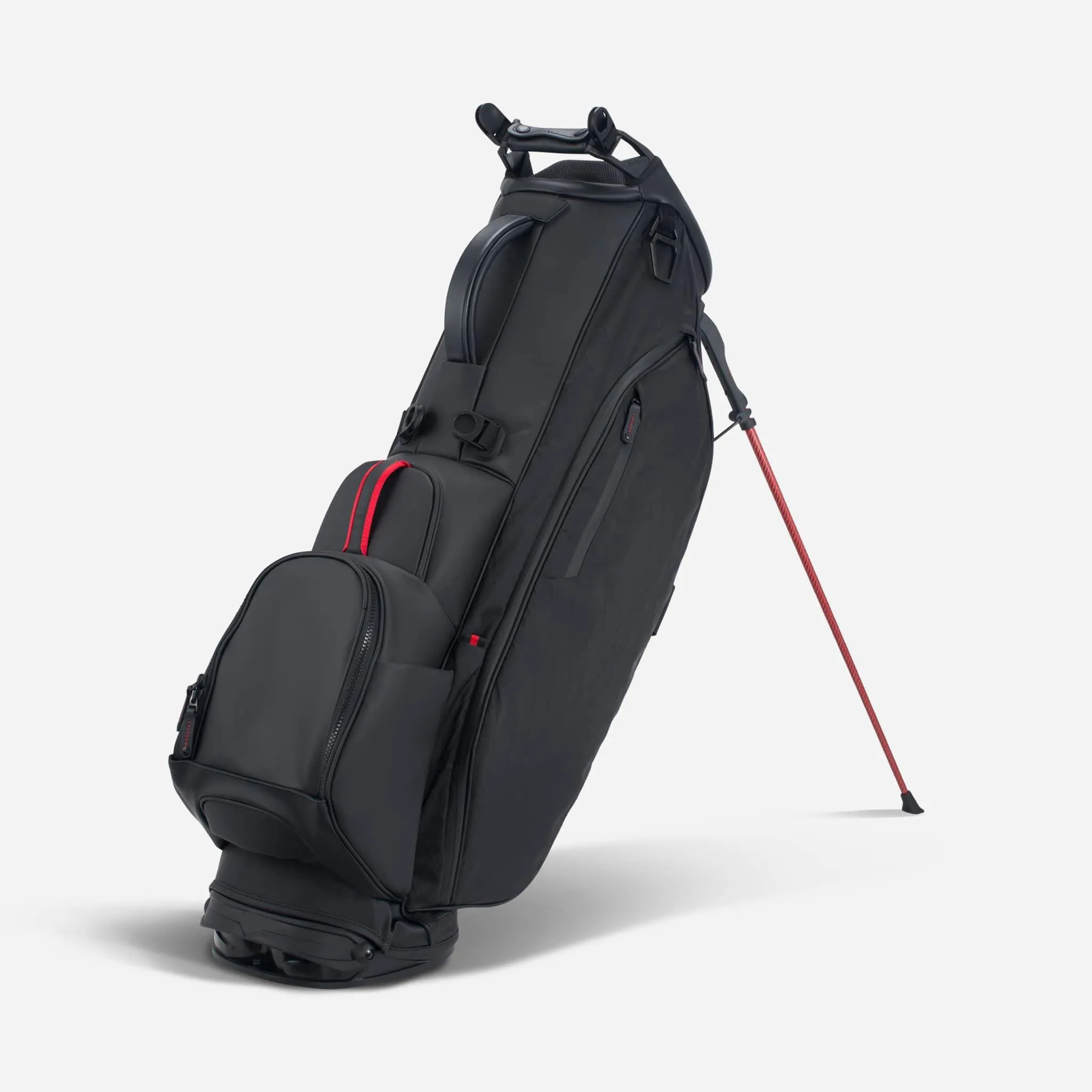
Understanding the Digitizing Process
Embroidery digitizing is the foundational step that determines the quality of every stitch produced on the golf bag. The digitizer translates the brand's visual design into a series of machine instructions specifying stitch type (satin, fill, or running), stitch direction, stitch length, thread color change sequence, jump stitch positions, and trim points. Unlike a digital image file that is rendered identically regardless of the output device, the same logo design will produce dramatically different embroidery results depending on the quality of the digitizing, because the digitizer makes hundreds of decisions that affect how the physical thread is deposited on the fabric.
The digitizing process for golf bag logos involves several critical decisions that do not arise in garment embroidery. The first is underlay strategy, where a preliminary layer of stitches is sewn before the visible top stitches to stabilize the fabric, create a foundation for thread coverage, and establish the design's dimensional profile. On golf bag fabrics, which often feature PU coatings that resist needle penetration, underlay stitch density and direction must be carefully calibrated to prevent coating delamination while providing sufficient stabilization.
Pull Compensation and Design Adaptation
Fabric pull, the tendency of embroidery stitches to compress and distort the base material as thread tension pulls the fabric toward the stitch line, is a critical consideration in golf bag digitizing. The magnitude and direction of pull varies significantly between materials: coated nylon fabrics exhibit minimal pull due to their stable weave structure, while stretch mesh panels can distort dramatically under embroidery tension. The digitizer must apply pull compensation, intentionally enlarging design elements by calculated amounts to offset the compression that occurs during stitching, ensuring that the finished embroidery matches the intended design dimensions.
Golf Bag-Specific Digitizing Challenges
Golf bag panels present surface characteristics that require specialized digitizing approaches. Curved pocket panels, for example, require the digitizer to account for the way a flat design will deform when stitched onto a three-dimensional surface. Seams, zippers, and hardware features adjacent to embroidery areas create uneven surfaces that the press foot must navigate, requiring strategic placement of design elements to avoid these obstacles. Our digitizing team has developed proprietary techniques for managing these challenges, accumulated across thousands of golf bag projects spanning every major bag type and material construction.
Thread Selection: Material, Weight, and Color
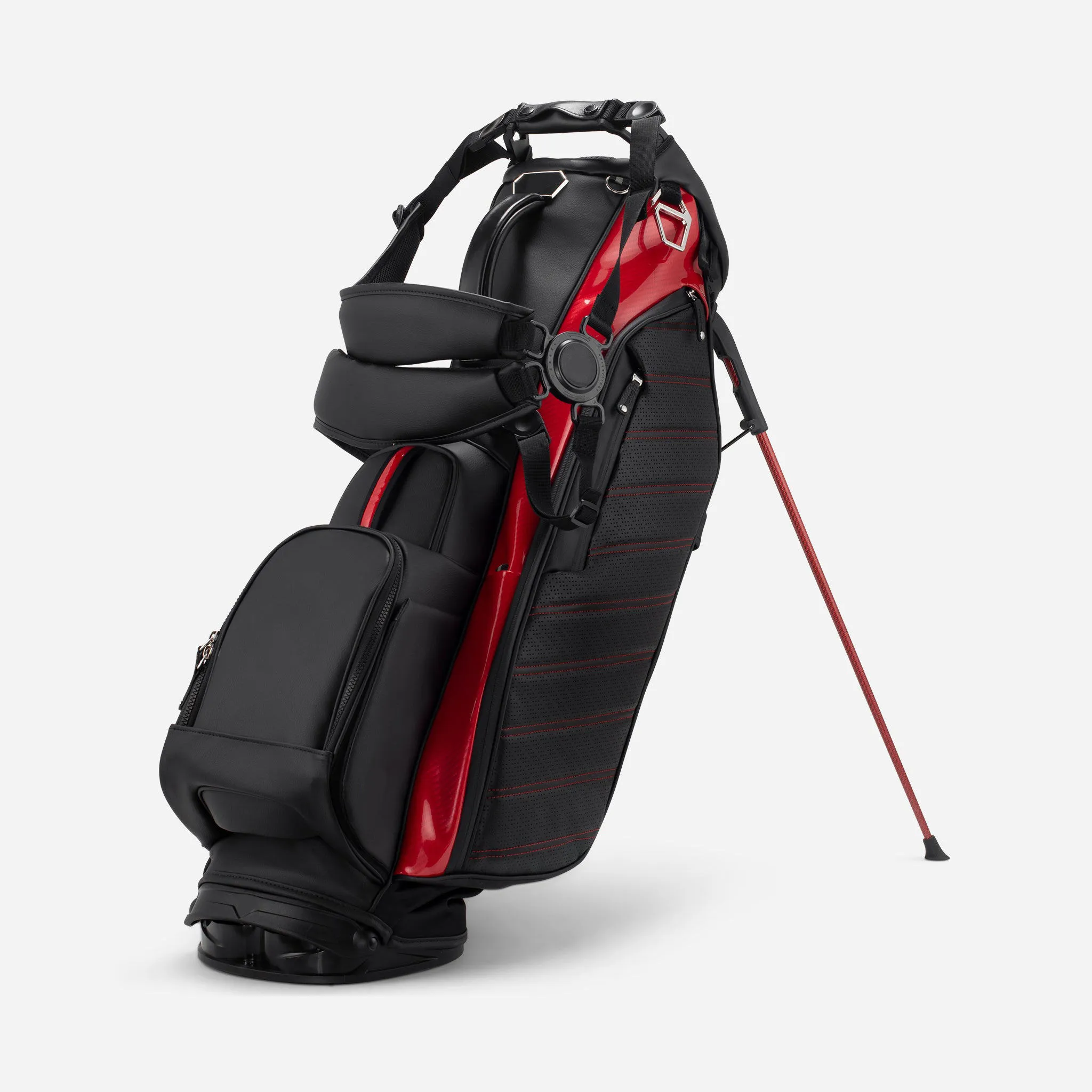
Polyester Thread: The Performance Standard
Polyester embroidery thread dominates golf bag production for compelling technical reasons. The fiber's inherent UV resistance provides lightfastness ratings of 6 to 7 on the Blue Wool Scale, meaning embroidered logos maintain their color integrity through years of continuous outdoor exposure. Polyester thread's high tensile strength, typically exceeding 400 grams for 40-weight thread, ensures resistance to breakage during both the embroidery process and the bag's service life. The fiber's low moisture absorption of 0.4 percent prevents the dimensional changes and mildew growth that plague natural fiber threads in humid environments.
The color range available in polyester embroidery thread has expanded dramatically, with major manufacturers offering 400 to 500 stock colors including Pantone-matched options. For brand-specific colors not available in stock, custom-dyed polyester thread can be produced in minimum quantities of 5 to 10 kilograms per color, sufficient for approximately 2,000 to 5,000 logo applications depending on stitch count. Our factory maintains 200 polyester thread colors in stock, covering 95 percent of brand color requirements without custom dyeing.
Rayon Thread: The Lustrous Alternative
Rayon embroidery thread offers a distinctive visual characteristic that differentiates it from polyester: a higher luster that creates a more pronounced sheen and light reflection across the embroidered surface. This visual quality makes rayon the preferred choice for premium tour bags and luxury golf accessories where maximum visual impact is desired. The thread's smooth filament structure produces a satin-like surface that catches and reflects light in ways that create a sense of depth and dimension.
Stitch Techniques and Application Methods
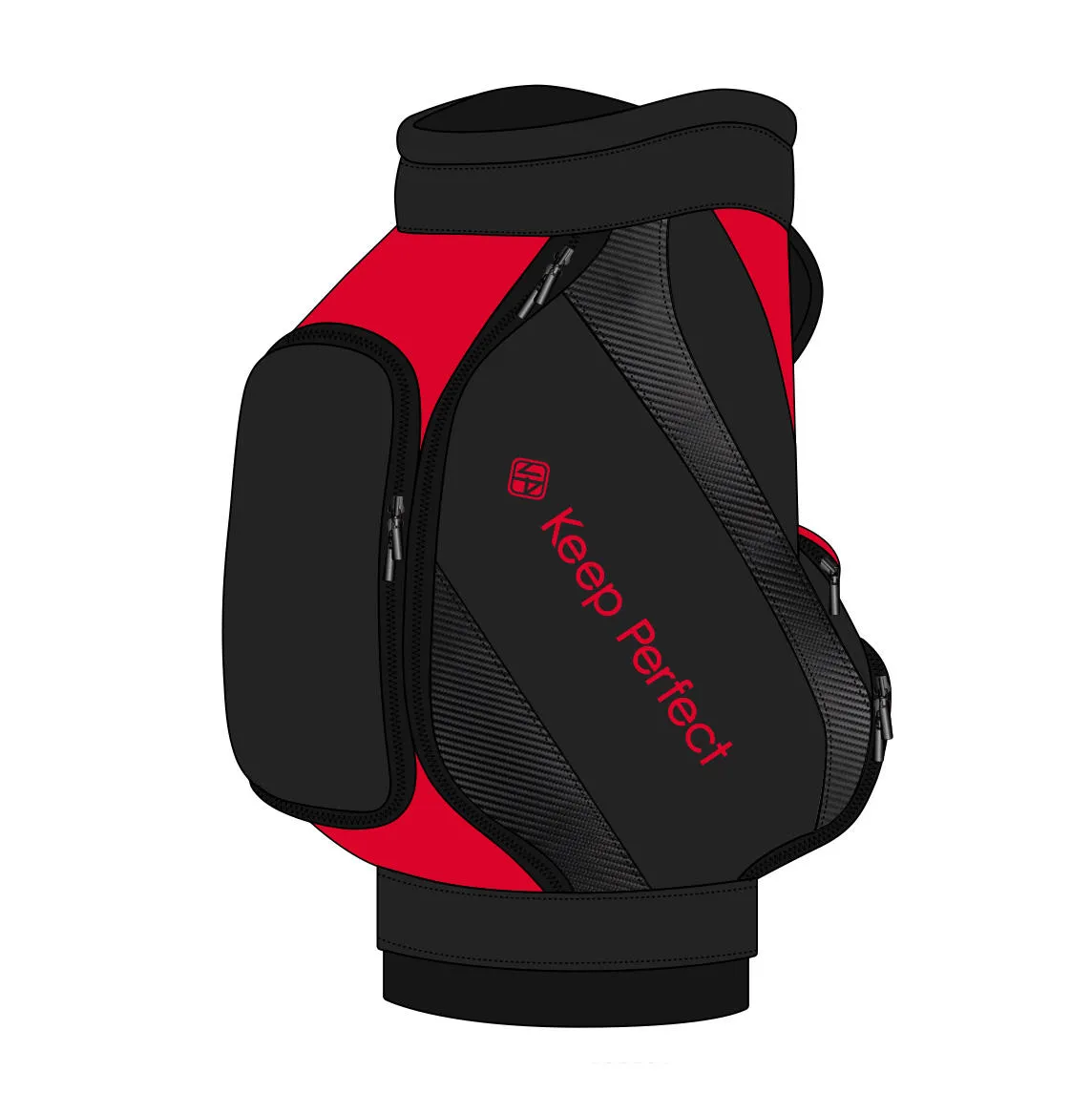
Satin Stitch: The Border and Detail Workhorse
Satin stitch, characterized by closely spaced parallel stitches that create a smooth, lustrous surface, is the fundamental technique for borders, outlines, and narrow fill areas in golf bag embroidery. The stitch's ability to produce crisp, well-defined edges with excellent light reflection makes it ideal for letterforms, logo outlines, and decorative borders. Standard satin stitch width ranges from 1mm to 8mm, with the optimal width for golf bag applications falling between 2mm and 5mm for borders and 1mm to 3mm for letter outlines.
Tatami Fill: Coverage for Large Areas
Tatami fill stitch, also known as complex fill or area fill, covers large design areas with a repeating pattern of parallel stitch rows that interlock to create uniform coverage. The technique's name derives from the Japanese floor mat pattern that the stitch resembles when viewed closely. For golf bag logos with large fill areas such as background panels or bold letterforms, tatami fill provides efficient coverage with good thread economy and dimensional stability.
Three-Dimensional Puff Embroidery
Three-dimensional puff embroidery has emerged as a distinctive technique in golf bag branding, particularly for brands targeting younger demographics seeking bold, streetwear-inspired aesthetics. The process involves placing a layer of polyurethane foam over the fabric before stitching, with the needle and thread penetrating both foam and fabric to create raised, dimensional design elements that stand 2 to 4 millimeters above the base surface. The foam remains within the stitched area, providing the distinctive puffy appearance, while excess foam is removed after stitching through tearing or heat dissolution.
Placement Strategy and Design Considerations
Primary Logo Placement: Front Pocket Panel
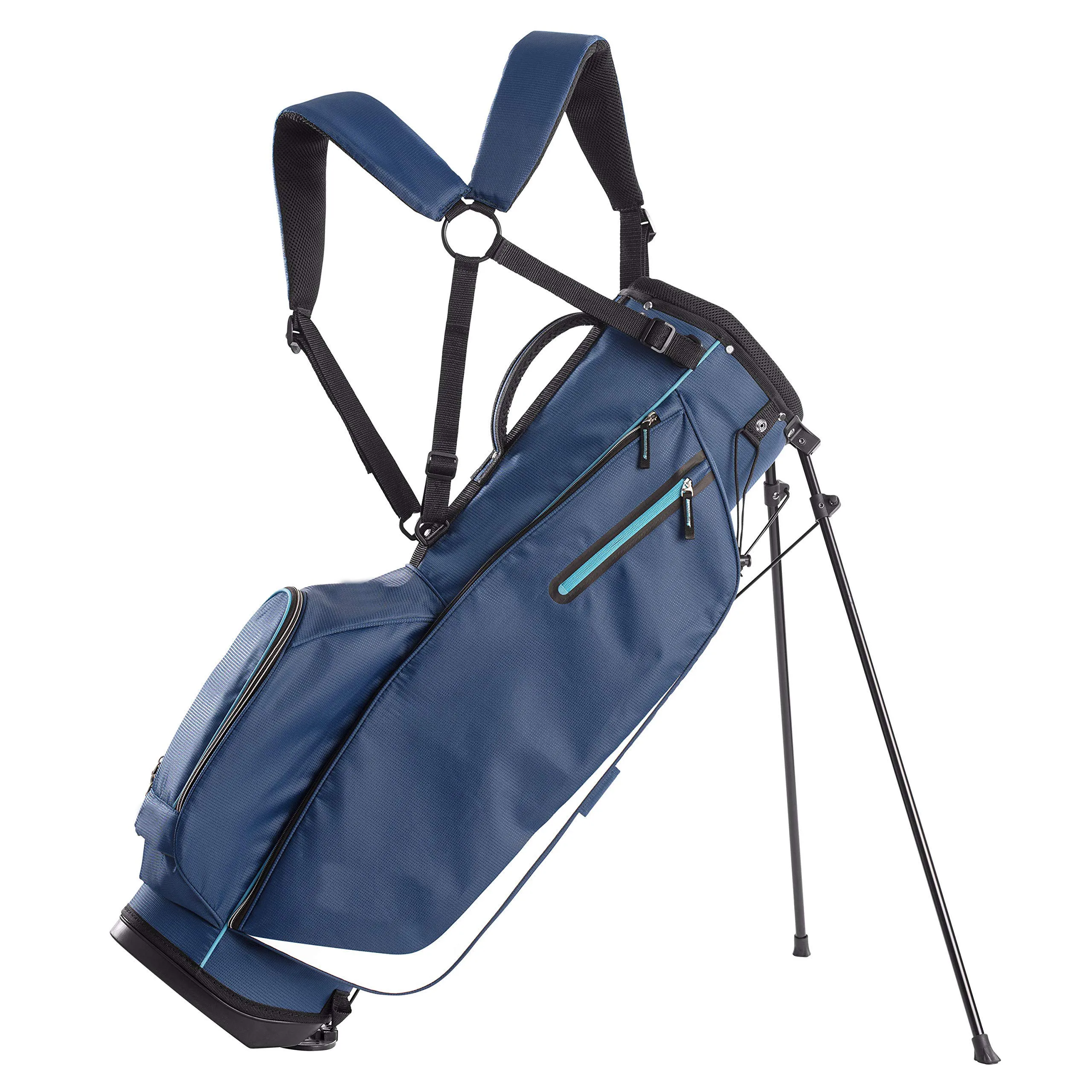
The front pocket panel remains the premier placement for embroidered golf bag logos, offering the largest flat embroidery surface with maximum visibility during play and retail display. For stand bags, the front pocket panel typically accommodates logos between 70mm and 110mm in width, positioned in the upper-center area with a minimum 15mm margin from pocket edges and zipper tracks. Cart bags, with their larger panels, can support logos up to 130mm in width while maintaining proportional balance with the bag's overall scale.
Secondary Placements and Personalization
Beyond the primary logo placement, golf bags offer multiple secondary embroidery locations that serve complementary branding and personalization functions. The ball pocket, typically positioned on the lower front of the bag, accommodates small logos or personalization monograms between 40mm and 60mm in width. The valuables pocket on the upper front provides another placement option for secondary logos or brand marks. Side pockets and strap padding areas offer additional branding real estate, particularly for tour bags that receive extensive visibility in professional play broadcasts.
Embroidery on Different Golf Bag Materials
Nylon Fabrics: The Primary Embroidery Surface
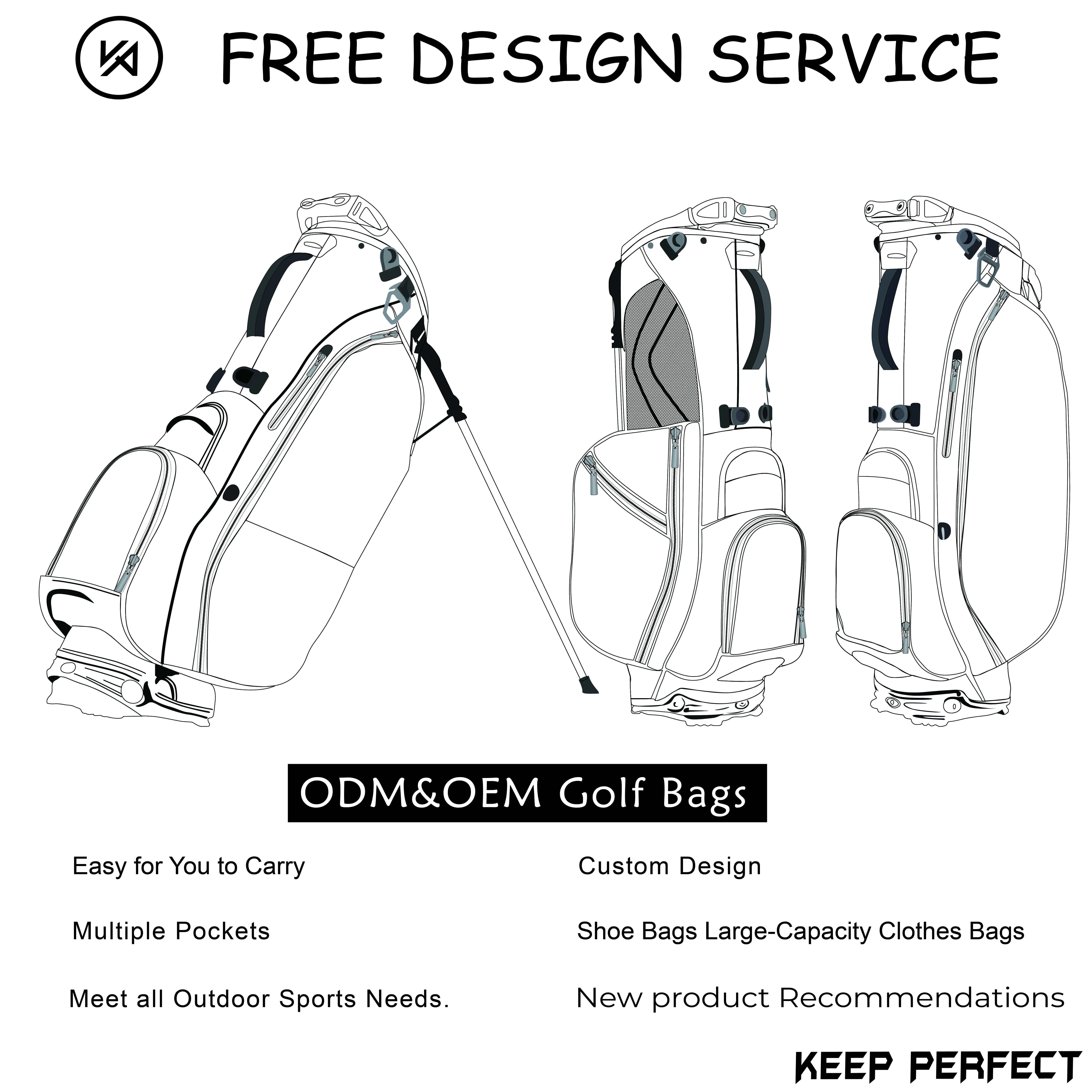
Coated nylon fabrics, used for the majority of golf bag production, present both advantages and challenges for embroidery. The smooth, stable surface of woven nylon provides excellent stitch registration and allows for precise detail reproduction. However, the PU or PVC coating applied to the fabric surface can create complications including coating delamination around needle holes, visible needle marks in the coating, and increased needle heating during high-speed stitching.
Leather and Synthetic Leather Embroidery
Embroidery on genuine leather and synthetic leather golf bag panels requires specialized techniques that account for the material's unique properties. Leather's fibrous structure provides excellent stitch hold, allowing for dense embroidery without the puckering issues common in woven fabrics. However, the material's thickness and rigidity require heavier needles, slower machine speeds, and specialized press feet that can navigate the material's variable surface without skipping stitches.
Quality Control and Production Excellence
In-Process Quality Checks
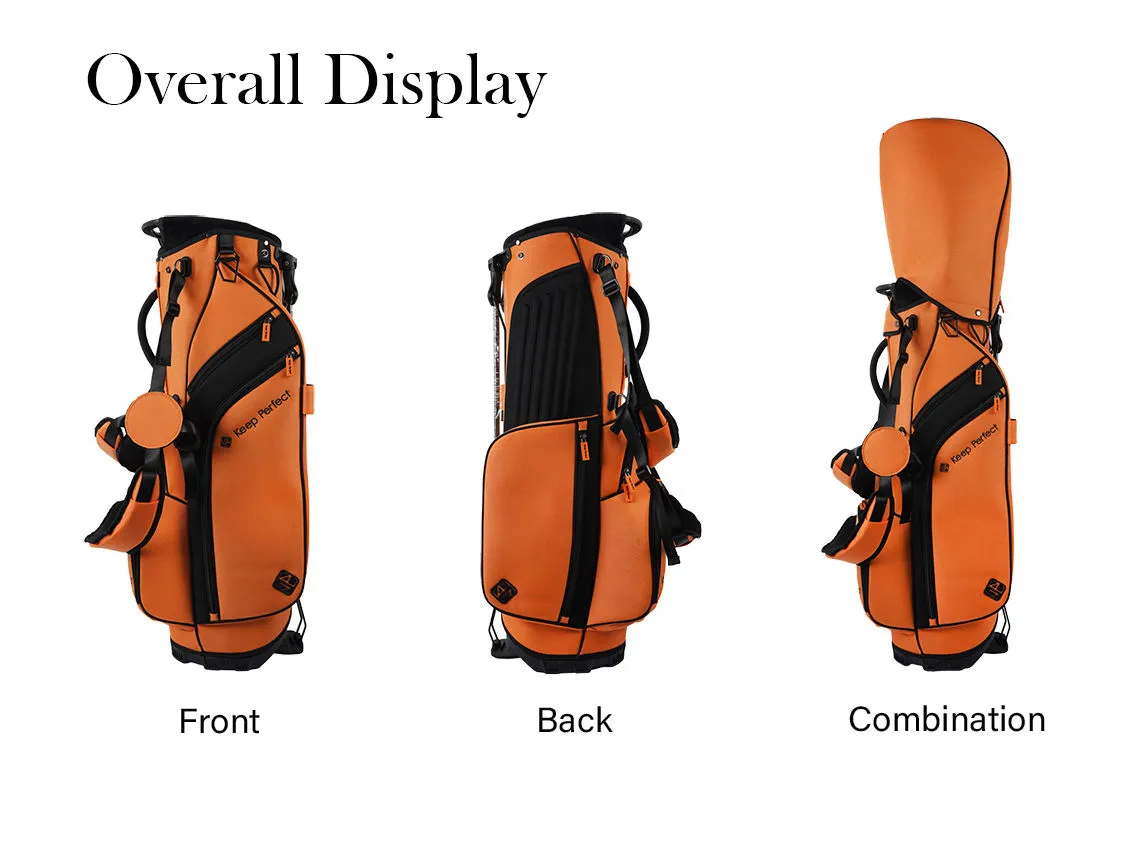
Our quality control system implements four critical inspection points for every embroidered golf bag. The first check occurs before stitching begins, verifying that the correct digitized file is loaded, thread colors match the approved Pantone references, the correct stabilizer has been applied, and the panel is properly positioned in the embroidery hoop. The second check occurs after the first color group is completed, verifying registration accuracy, thread tension, and stitch quality before subsequent colors are added.
Final Inspection Criteria
The final embroidery inspection evaluates the completed design against a comprehensive checklist of quality criteria. Design registration accuracy must be within 0.5mm of the digitized file specifications. Thread tension must be consistent across all colors with no visible loops, puckering, or thread nesting on either face or back of the embroidery. Color matching to approved standards must be within visual tolerance under both D65 daylight and TL84 store lighting conditions. The finished embroidery must lie flat against the fabric with no bubbling, wrinkling, or dimensional distortion.
Ordering Guide for Brand Clients
Preparing Your Logo for Embroidery Production
Brand clients preparing logos for golf bag embroidery production should follow a structured preparation process to ensure optimal results. Begin by providing the logo in vector format (AI, EPS, or SVG) at actual production size. Include Pantone color specifications for every thread color required, referencing the Pantone TCX system for fabric matching. Specify the intended application size and placement location on the bag model, as these parameters directly influence digitizing strategy.
Timeline and Cost Considerations
The standard timeline for golf bag embroidery production from design submission to finished product spans 4 to 6 weeks. This includes digitizing and sample production (5 to 7 business days), sample approval and any revision rounds (3 to 5 business days per round), production tooling setup (2 to 3 business days), and full production execution (variable based on order quantity and stitch complexity). Expedited timelines are available for established designs with compressed production schedules, typically adding 15 to 25 percent to production costs.
Golf bag embroidery represents the convergence of artistic design, textile engineering, and precision manufacturing that defines premium golf equipment branding. The tactile quality of stitched thread, the durability that outlasts the bag fabric itself, and the unmistakable impression of craftsmanship that embroidery conveys make it an investment that delivers returns in brand perception, product differentiation, and customer loyalty. Our factory's commitment to embroidery excellence, supported by over 30 computerized embroidery heads, experienced digitizers, comprehensive thread inventory, and rigorous quality control protocols, ensures that every embroidered golf bag we produce meets the exacting standards that premium brands and discerning golfers demand. Contact us via WhatsApp at plus 8617750020688 or email at service@junyuanbags.com to discuss your embroidery requirements and discover how our expertise can elevate your brand's golf bag products.
Frequently Asked Questions
What is embroidery digitizing and why is it important for golf bags?
Embroidery digitizing is the process of converting a logo or design into a digital stitch file that instructs the embroidery machine on needle positions, stitch types, thread colors, and sewing sequence. For golf bags, proper digitizing is critical because the diverse fabric constructions, curved panel surfaces, and varying thicknesses require specialized stitch parameters that differ significantly from standard garment embroidery. Poor digitizing causes puckering, thread breaks, design distortion, and registration errors that compromise the premium appearance expected of quality golf bags.
What type of thread is best for golf bag embroidery?
Polyester embroidery thread is the best choice for most golf bag applications, offering excellent UV resistance (lightfastness rating of 6 to 7), high tensile strength (exceeding 400 grams for 40-weight thread), superior colorfastness through multiple wash cycles, and competitive pricing. Rayon thread offers a more lustrous sheen preferred for premium tour bags but sacrifices some UV durability. For maximum durability in harsh outdoor conditions, solution-dyed polyester thread provides lightfastness ratings of 7 to 8, making it ideal for tour bags exposed to continuous sunlight.
How many stitches does a typical golf bag logo require?
A typical golf bag embroidered logo requires between 3,000 and 15,000 stitches depending on size, complexity, and fill density. A simple monogram or text-only design at 60mm width may require only 2,000 to 3,000 stitches, while a complex multi-color logo at 100mm width with full fill can require 12,000 to 15,000 stitches. Stitch count directly impacts production time and cost, with machines operating at 1,000 to 1,200 stitches per minute per head, meaning a 10,000-stitch design takes approximately 8 to 10 minutes to embroider.
Can embroidery be done on waterproof golf bag fabric?
Yes, embroidery can be performed on waterproof golf bag fabric with proper technique considerations. The needle penetrations created during stitching compromise the waterproof membrane at the embroidery location, but this is managed by applying a waterproof sealant or TPU patch to the back of the embroidered area after completion. Some manufacturers use a needle-free approach for critical waterproof zones, applying embroidered patches that are then heat-sealed to the bag surface rather than stitched through the waterproof membrane.
What is the minimum order quantity for custom embroidered golf bags?
Custom embroidered golf bag programs typically require minimum orders of 100 to 300 pieces per color per design to justify the digitizing and setup investment. The digitizing cost of USD 50 to USD 200 per design is amortized across the production run, making smaller quantities less cost-effective on a per-unit basis. Our factory offers digitizing services with complimentary revision rounds and can produce sample embroidered pieces for approval before committing to full production.
How long does embroidered golf bag logos last?
High-quality embroidery on golf bags using UV-resistant polyester thread typically lasts 8 to 15 years of regular use before visible fading or thread degradation occurs. The embroidery usually outlasts the bag fabric itself, as the thread is more resistant to UV degradation than the coated nylon or polyester fabric panels. Proper care, including avoiding prolonged direct sunlight exposure when not in use and periodic gentle cleaning, can extend the visual life of embroidery to exceed 15 years.
What is the difference between flat embroidery and 3D puff embroidery for golf bags?
Flat embroidery creates a smooth, level design where stitches lie flat against the fabric surface, producing clean lines and precise detail ideal for text, logos with fine features, and designs on thin fabrics. Three-dimensional puff embroidery uses a foam underlay that the stitches cover, creating a raised, puffy effect that adds texture and visual dimension. Puff embroidery works best for bold, simple designs with thick elements and limited fine detail, creating a distinctive streetwear-inspired aesthetic popular with younger golf demographics.
Ready to Start Your Custom Golf Bag Project?
Partner with a BSCI & ISO 9001:2015 certified factory producing 200,000+ premium golf bags annually. MOQ just 100 pieces.
Get a Free Quote Today