Golf Bag Color Matching Guide 2026: Brand Identity, Pantone Systems & Market Appeal
Table of Contents
- Introduction: The Strategic Importance of Color in Golf Bag Design
- Pantone and Color Matching Systems for Golf Bags
- Color Psychology and Consumer Behavior in Golf
- Brand Identity and Color Architecture
- Regional and Demographic Color Preferences
- Manufacturing Color Consistency and Quality Control
- Emerging Color Technologies and Application Methods
- Color Development Framework for OEM Brands
- Frequently Asked Questions
Introduction: The Strategic Importance of Color in Golf Bag Design
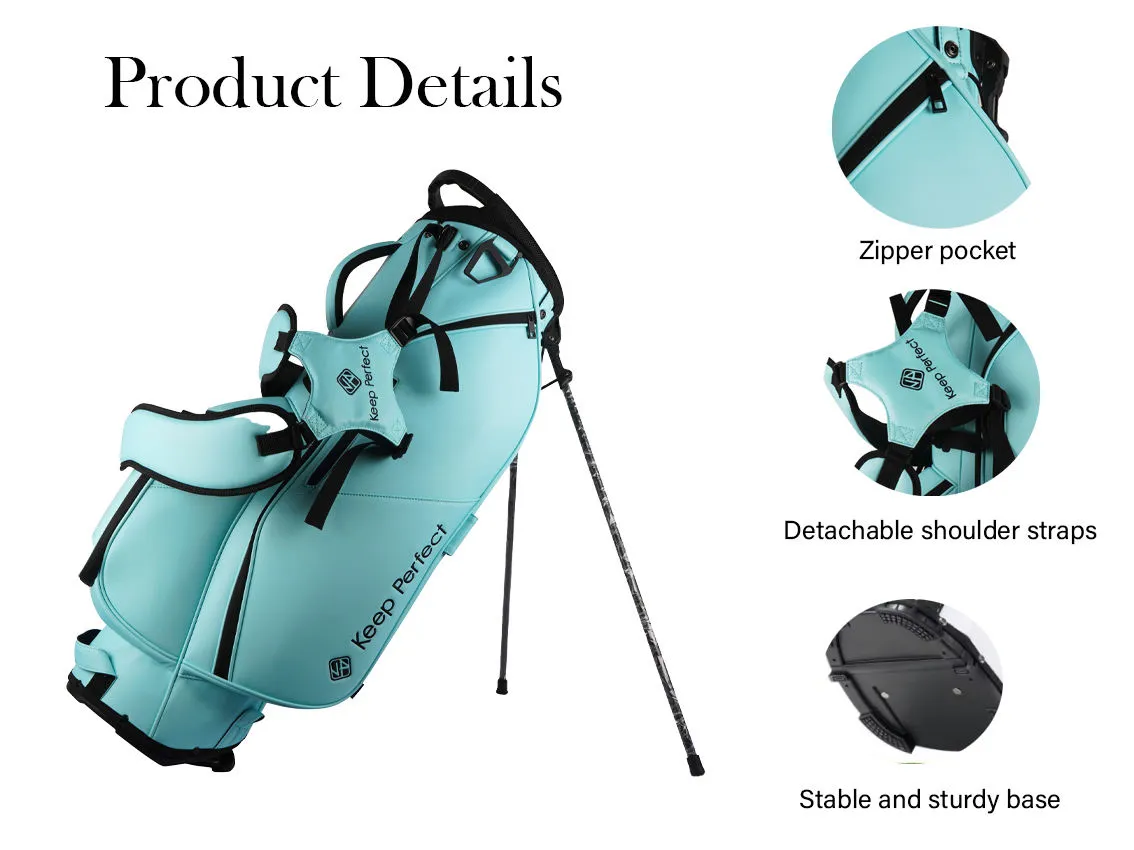
Color is the single most influential visual attribute in golf bag purchasing decisions, accounting for an estimated 60 to 70 percent of the initial impression that consumers form when evaluating products on retail shelves or browsing online catalogs. For golf bag brands and OEM manufacturers, mastering the art and science of color matching is not merely an aesthetic exercise but a strategic business imperative that directly impacts brand recognition, consumer appeal, margin performance, and production efficiency.
The golf bag industry operates at the intersection of sporting goods performance requirements and fashion-driven color cycles, creating a uniquely complex color management challenge. Unlike purely functional industrial products where color serves only identification purposes, golf bags must simultaneously satisfy performance demands for UV resistance, colorfastness, and long-term appearance retention while meeting consumer expectations for contemporary style, brand authenticity, and personal expression. This dual mandate requires color professionals who understand both the technical science of textile coloration and the nuanced art of market-driven color trends.
At our certified manufacturing facility producing over 200,000 golf bags annually, we maintain one of the industry's most comprehensive color management systems, encompassing 40 standard stock colors, the capability to develop unlimited custom colors, and the quality control infrastructure to ensure every production unit matches the approved color standard within precise tolerance limits. This guide shares two decades of color expertise accumulated through partnerships with brands spanning mass-market retail, premium specialty, and luxury tour categories, providing the most detailed resource available on golf bag color matching for industry professionals and informed consumers alike.
The evolution of color in golf bags reflects broader cultural shifts in the sport itself. Traditional golf aesthetics favored conservative palettes of black, white, navy, and forest green. The sport's democratization and the influx of younger players have dramatically expanded the color vocabulary, with bold accent colors, gradient effects, and unconventional combinations gaining mainstream acceptance. Yet even as the boundaries of acceptable color expand, the fundamentals of effective color matching remain grounded in the same scientific principles of color measurement, material interaction, and perceptual consistency that have governed textile coloration for centuries.
Understanding golf bag color matching requires appreciating the entire lifecycle from color conception to finished product. The process begins with market research and trend forecasting, proceeds through color specification and lab dip development, moves into bulk dyeing and fabric production, encompasses cutting, sewing, and assembly, and concludes with quality control inspection and ongoing production monitoring. Each stage presents opportunities for color variation that must be controlled through systematic processes, trained personnel, and appropriate measurement technology.
Pantone and Color Matching Systems for Golf Bags
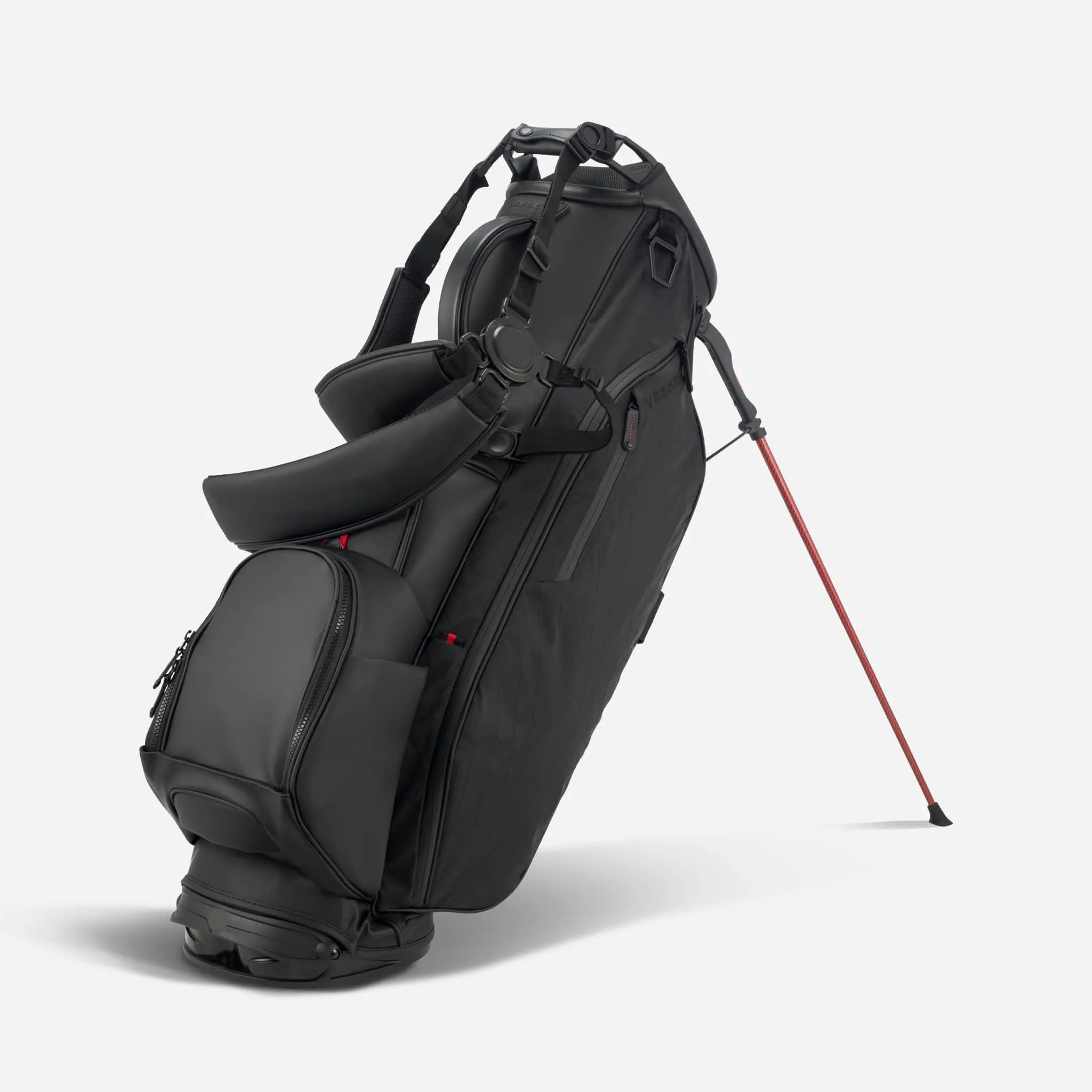
The Pantone Matching System in Golf Bag Production
The Pantone Matching System (PMS) serves as the universal language of color communication in the golf bag industry, providing standardized reference codes that enable brands, designers, and manufacturers to specify and reproduce colors with remarkable consistency regardless of geographic location or production facility. The system encompasses over 2,100 solid coated colors and 2,100 solid uncoated colors, providing sufficient range to meet virtually any brand's color requirements.
When a golf bag brand specifies a color using a Pantone code, such as Pantone 289 C for a deep navy or Pantone 186 C for a vivid red, the manufacturer translates this reference into specific dye or pigment formulations calibrated to achieve that color on the particular substrate material being used. This translation process, known as lab dip development, is both a scientific procedure requiring precise measurement equipment and an artisanal skill that depends on the colorist's experience and judgment. Our laboratory maintains a team of four experienced colorists capable of matching any Pantone reference on nylon, polyester, canvas, leather, and synthetic leather substrates, typically achieving approval within two to three lab dip iterations.
Beyond Pantone: Alternative Color Systems
While Pantone dominates brand communication in the golf bag industry, alternative color systems play important roles in specific contexts. The RAL system, widely used in European markets and for hardware color matching, provides 213 standard colors in the RAL Classic range with an additional 230 colors in the RAL Design system. The Natural Color System (NCS), prevalent in Scandinavian design contexts, organizes colors according to how they are perceived by the human eye rather than by their spectral properties, providing an intuitive framework for designers working in lifestyle-oriented golf brand categories.
Digital color communication systems are increasingly supplementing physical color standards in golf bag development. Spectrophotometric data files that capture the complete spectral reflectance curve of a color standard can be transmitted electronically and used to calculate dye formulations without creating physical lab dips first. This digital-first approach reduces color development lead times from 10 to 14 days to 3 to 5 days for standard materials, accelerating the product development cycle for brands operating on compressed seasonal calendars.
Color Psychology and Consumer Behavior in Golf
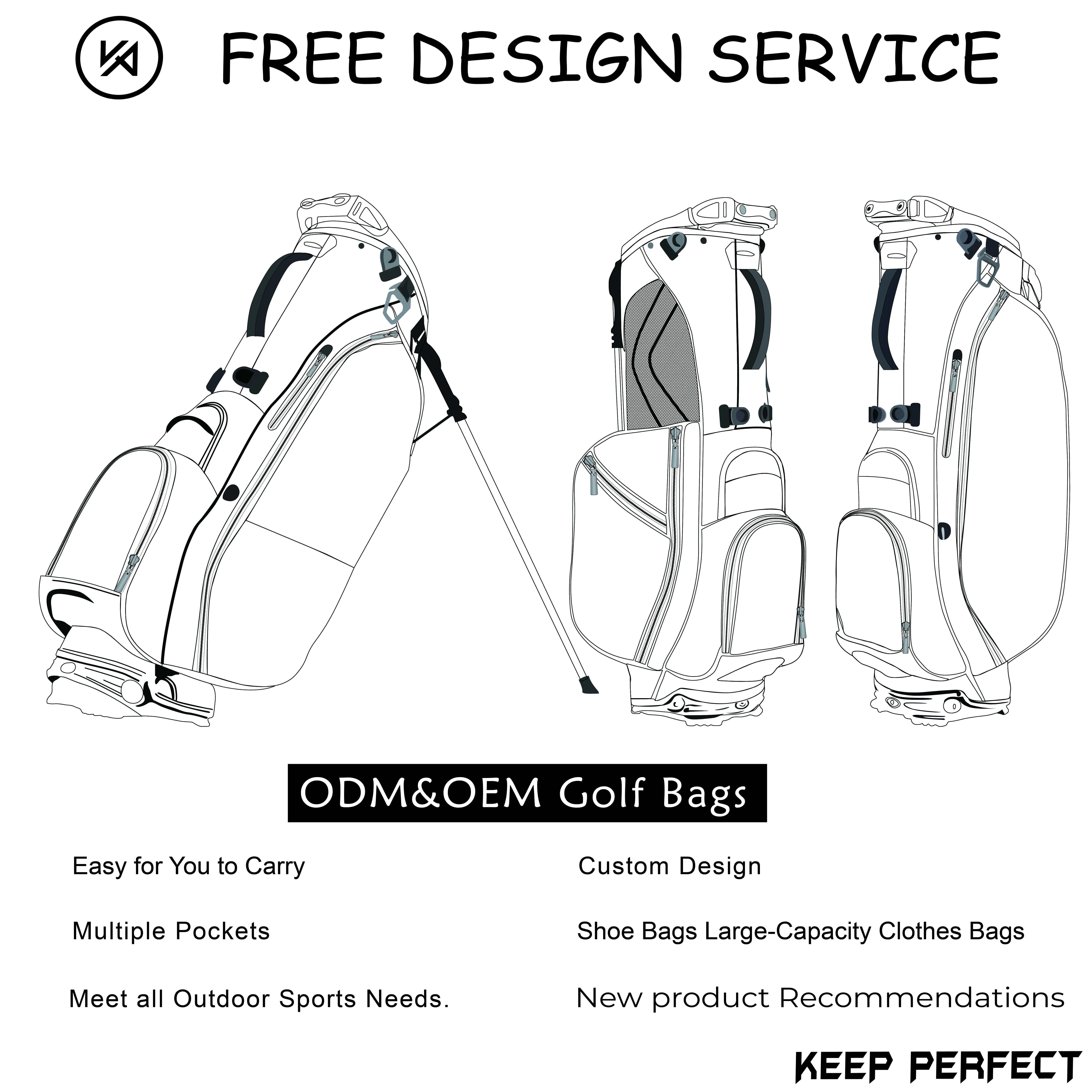
How Color Influences Golf Bag Purchase Decisions
Color psychology research consistently demonstrates that color is the primary factor in initial product evaluation, with consumers forming subconscious judgments about products within 90 seconds of first viewing, and 62 to 90 percent of that assessment based on color alone. In the golf bag category, these dynamics play out with particular intensity because the golf bag is simultaneously a functional equipment piece and a personal style statement carried in a highly visible social context.
Black golf bags communicate sophistication, authority, and versatility, explaining their persistent dominance at 28 percent of global market share. Navy blue projects tradition, reliability, and professionalism, resonating particularly strongly with the 35 to 55 age demographic that represents the core golf equipment purchasing segment. White conveys cleanliness, premium positioning, and aspiration, though its practical maintenance requirements limit its share among recreational golfers. Red and its warm variants signal energy, confidence, and competitive spirit, making them popular choices for brands targeting younger demographics and tour-level positioning.
Demographic Color Preferences in Golf
Age, gender, geographic location, and playing frequency all influence golf bag color preferences in measurable and sometimes counterintuitive ways. Millennial and Gen Z golfers, who represent the fastest-growing participation segment, show significantly higher acceptance of bold colors, unconventional combinations, and limited-edition colorways compared to older demographics. Research conducted by major golf retailers indicates that golfers under 35 are three times more likely to choose a golf bag in a non-traditional color compared to golfers over 50.
The women's golf market, growing at 12 to 15 percent annually, has historically been underserved by color offerings limited to pink and purple pastels. Contemporary female golfers demand sophisticated color palettes that reflect personal style without resorting to gender stereotypes. Successful brands targeting women golfers now offer jewel tones, sophisticated neutrals, botanical-inspired greens, and contemporary color combinations that appeal to style-conscious players who happen to play golf rather than golf-specific aesthetics designed in isolation.
Brand Identity and Color Architecture
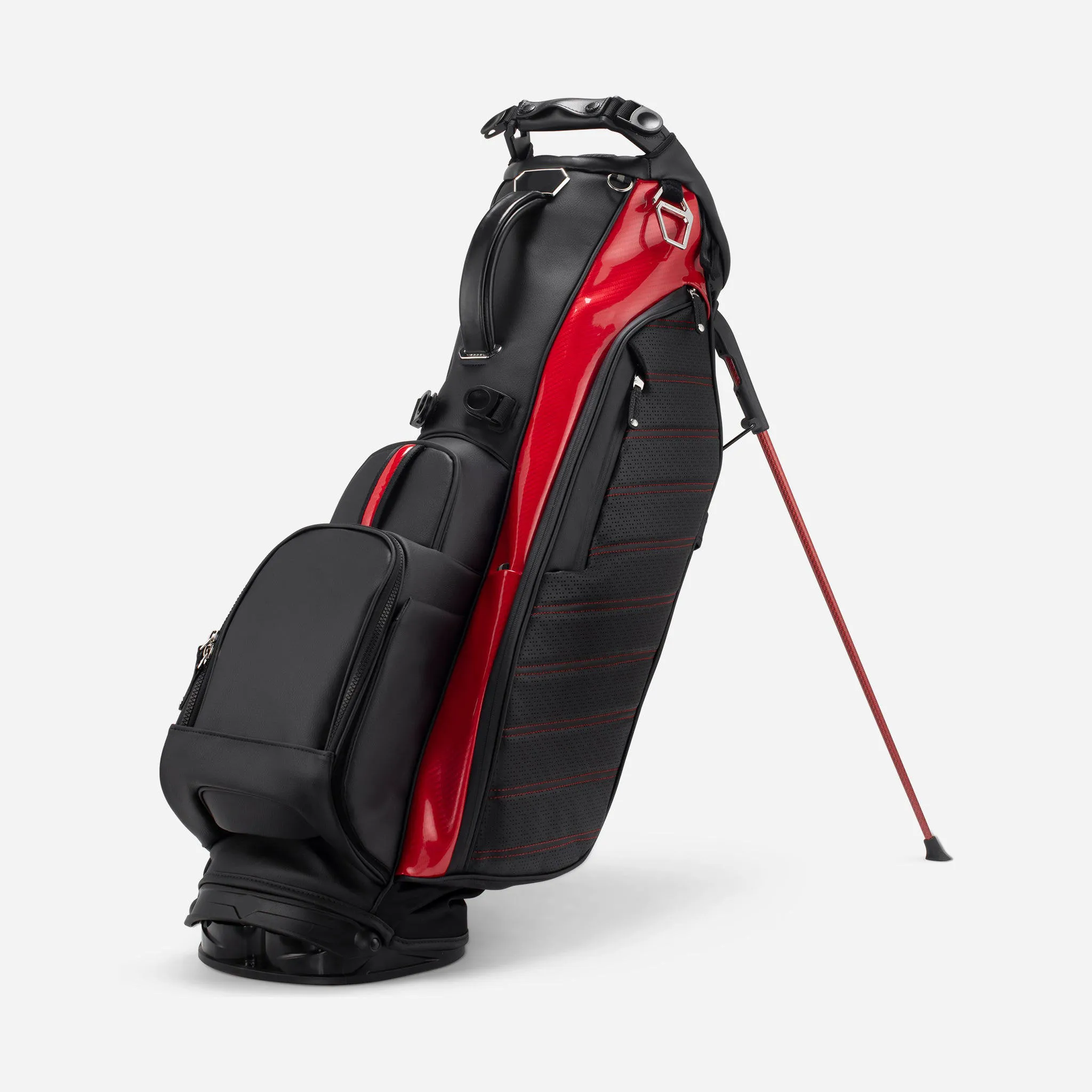
Developing a Cohesive Color Architecture
For golf bag brands, color architecture encompasses the systematic organization of colors across product lines, seasons, and categories to create a coherent brand identity that consumers can recognize and trust. A well-designed color architecture typically includes core colors that appear consistently across all products and seasons, seasonal accent colors that reflect current trends and create freshness, and limited-edition or collaboration colors that generate excitement and drive premium pricing.
The most successful golf bag brands maintain a color architecture that balances consistency with novelty. Core colors representing 60 to 70 percent of the product line provide brand recognition and reduce inventory risk by offering proven sellers in every season. Seasonal colors representing 20 to 30 percent introduce trend relevance and encourage replacement purchases. Limited editions representing 5 to 10 percent create exclusivity, drive social media engagement, and establish the brand as fashion-forward within the golf community.
Color Licensing and Brand Compliance
When manufacturing golf bags for licensed brands, color compliance takes on additional complexity. Major golf brands maintain detailed brand guidelines that specify not only the precise Pantone codes for brand colors but also acceptable color combinations, proportion rules for how colors may be used across different bag components, and minimum contrast requirements between adjacent color areas to maintain brand visual identity.
Regional and Demographic Color Preferences
North American Market Color Preferences
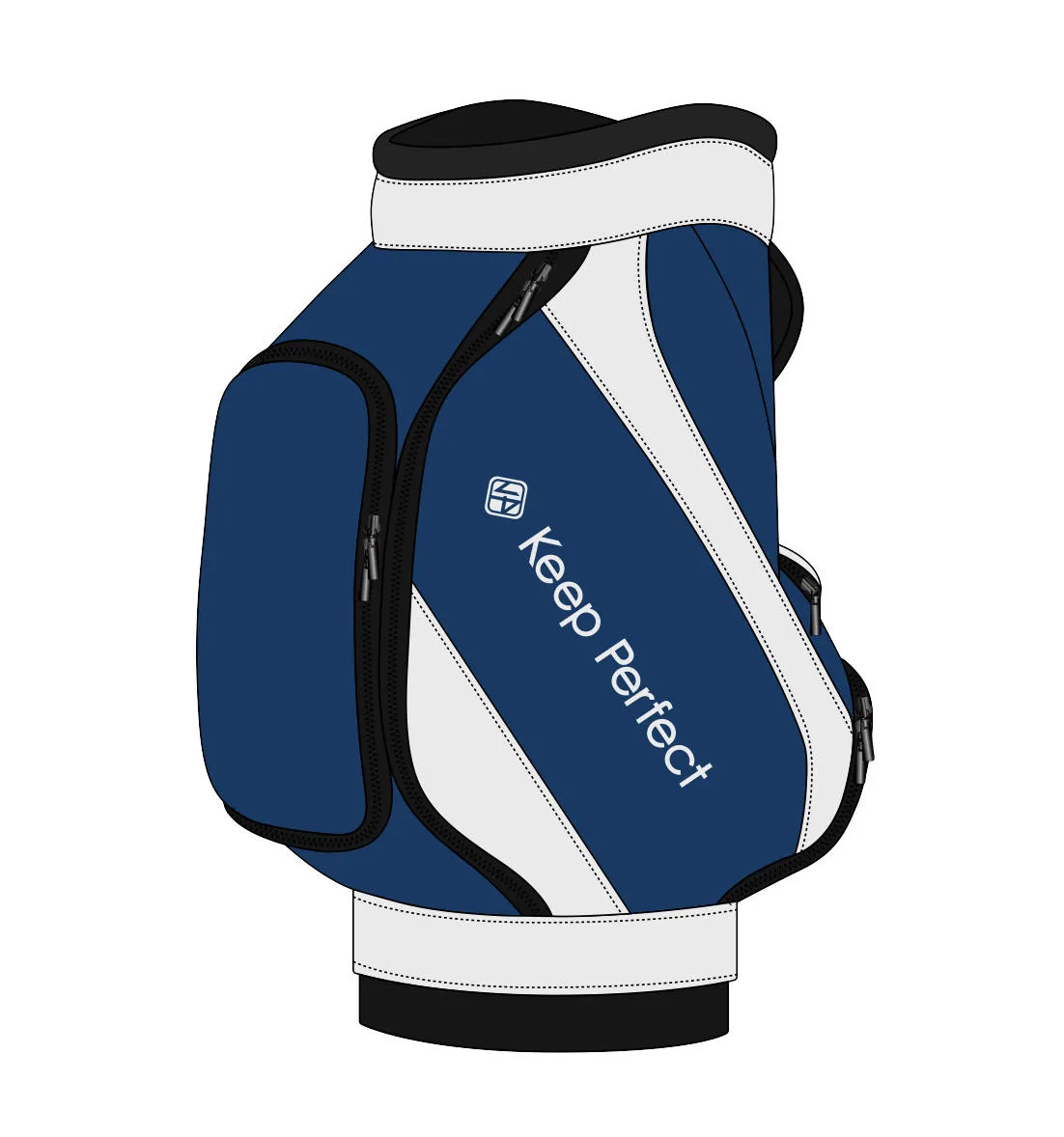
The North American golf bag market, representing approximately 45 percent of global volume, demonstrates a strong preference for conservative core colors with seasonal accent offerings. Black, navy, and gray collectively account for over 55 percent of bags sold in the United States, with red, royal blue, and white filling the secondary tier. However, regional variation within North America is significant: Southwest markets show higher acceptance of earth tones and warm colors, Northeast markets gravitate toward traditional collegiate colors, and West Coast markets demonstrate greater openness to contemporary and unconventional color combinations.
European Market Dynamics
European golf bag color preferences show greater sophistication in color selection and higher acceptance of nuanced color stories compared to North American markets. Scandinavian buyers demonstrate strong preference for muted tones, sage greens, soft grays, and nature-inspired palettes that reflect the region's design heritage. Southern European markets, particularly Italy and Spain, embrace bolder color statements including vivid reds, bright whites, and high-contrast combinations that reflect Mediterranean aesthetic traditions.
Asia-Pacific Growth and Color Trends
The Asia-Pacific region represents the fastest-growing golf bag market, with South Korea, Japan, China, and Southeast Asia driving demand. Color preferences in this region are distinctive and merit specific consideration. South Korean golfers, who represent one of the world's most fashion-conscious golf demographics, show strong preference for clean white bags, pastel accents, and minimalist designs with metallic hardware accents. Japanese buyers favor refined color combinations with exceptional material quality and attention to detail in finishing.
Manufacturing Color Consistency and Quality Control
The Color Approval Workflow
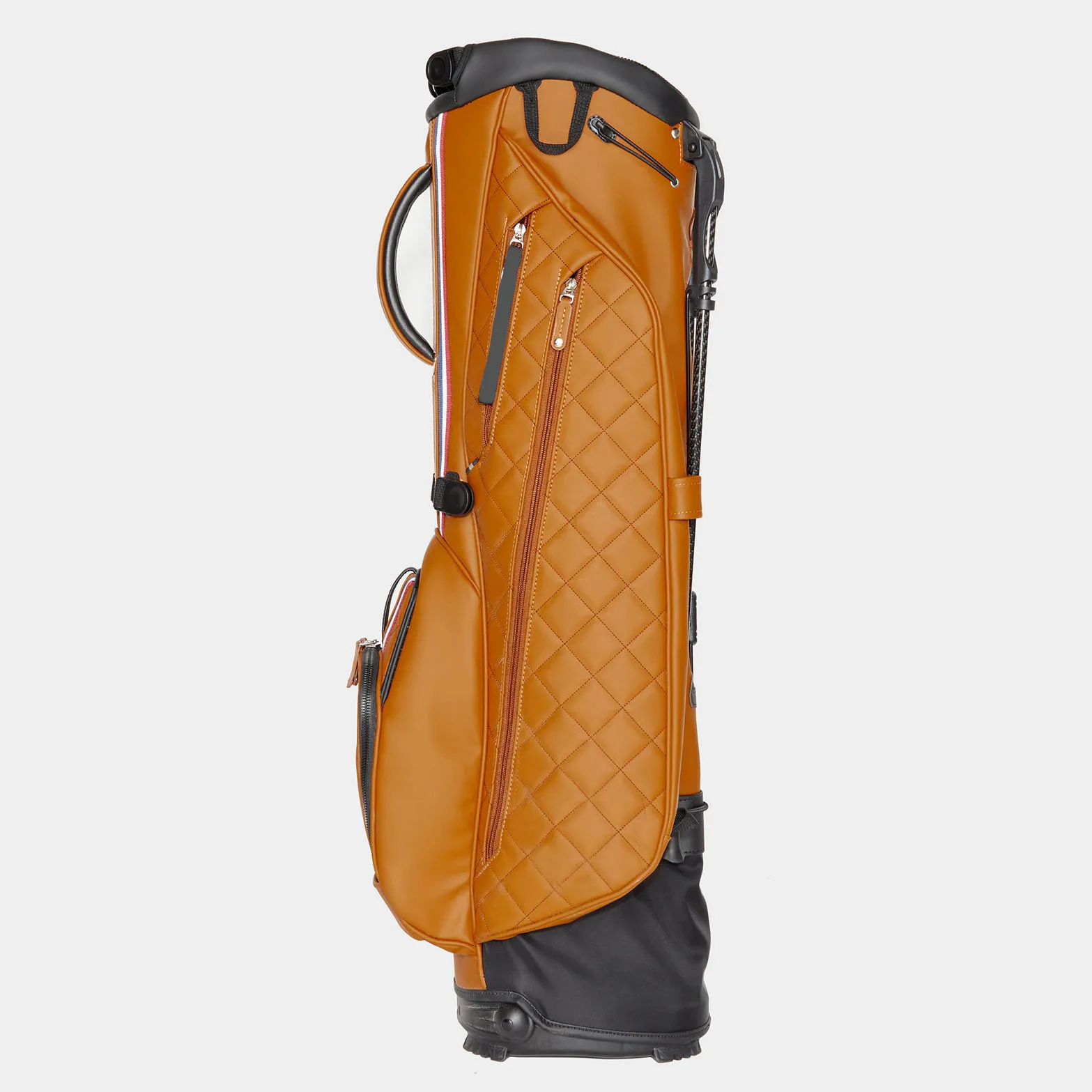
Color approval in golf bag manufacturing follows a structured workflow designed to ensure that the final production units match the brand's color expectations within scientifically defined tolerance limits. The process begins with the brand providing color standards in the form of Pantone codes, physical fabric swatches, or spectrophotometric data files. The manufacturer's color laboratory develops lab dip samples, small fabric pieces dyed to the target color, which are submitted to the brand for review and approval.
Once lab dips are approved, bulk fabric production begins with the first batch compared against the approved lab dip standard rather than the original Pantone reference, since the lab dip represents the approved production standard. This approach, known as the "approved standard" system, prevents a common source of production disputes where the lab dip and bulk fabric may both be within tolerance of the Pantone reference but differ from each other. Our quality control protocols specify that bulk fabric must be within Delta-E 1.0 of the approved lab dip standard when measured under D65 illumination using a CIE L*a*b* color space calculation.
Color Measurement Technology
Modern golf bag manufacturing relies on spectrophotometric measurement rather than subjective visual assessment for critical color quality decisions. Bench-top spectrophotometers measure the complete spectral reflectance curve of a fabric sample across the visible spectrum from 380 to 700 nanometers, calculating color coordinates in the CIE L*a*b* system that quantify lightness, red-green position, and blue-yellow position. The difference between two colors is expressed as Delta-E, where values below 1.0 represent differences that are generally imperceptible to the human eye, and values above 2.0 represent clearly visible differences.
Emerging Color Technologies and Application Methods
Digital Textile Printing
Digital textile printing technology has transformed the color possibilities available to golf bag brands, enabling photorealistic imagery, unlimited color gradients, and short-run customization without the traditional constraints of screen printing. While dye-sublimation printing on polyester fabrics remains the dominant digital printing method for golf bags, new generation direct-to-fabric printers can apply pigment inks to nylon and blended fabrics without the heat transfer step, expanding the range of printable materials.
Thermochromic and Photochromic Color Effects
Advanced color technologies are creating exciting possibilities for golf bag differentiation. Thermochromic pigments that change color at specific temperature thresholds and photochromic pigments that shift hue under ultraviolet light exposure are being explored by innovative brands seeking to create interactive, conversation-starting products. While the durability and washfastness of these effects still present challenges for outdoor sporting goods applications, ongoing development is progressively improving their suitability for golf bag use.
Color Development Framework for OEM Brands
Strategic Color Planning
Effective golf bag color development begins with strategic planning that aligns color decisions with brand positioning, market research, and production realities. The process starts by defining the role of color within the brand architecture: is color primarily a brand identifier, a trend expression tool, a segmentation mechanism, or some combination of these objectives? The answer determines the investment level in custom color development, the breadth of the color palette, and the frequency of color refreshes.
Brands operating at the premium end of the market typically maintain narrower, more curated color palettes of 6 to 10 colors per season, emphasizing depth and sophistication over breadth. Mass-market brands may offer 15 to 25 color options to maximize the probability that every potential customer finds a preferred color. Our experience producing for both segments suggests that the optimal approach focuses on 3 to 5 core colors with 3 to 5 seasonal accents, striking a balance between variety and manageability.
Color Validation and Production Ramp-Up
Once color selections are finalized, the validation phase ensures that production quantities will consistently match the approved standards. This involves bulk dye lot verification, incoming fabric inspection, in-process color checks during cutting and assembly, and final product inspection. Our quality control system implements color checks at four critical control points: incoming fabric inspection, post-cutting panel verification, pre-assembly component check, and final product audit, ensuring that any color deviation is detected and corrected before it propagates through the production process.
Color excellence in golf bag manufacturing demands the integration of scientific measurement, artistic sensibility, market intelligence, and production discipline. Brands that invest in systematic color management processes, leverage modern measurement technology, and maintain collaborative relationships with experienced manufacturing partners consistently deliver products that meet consumer color expectations, strengthen brand identity, and minimize the cost impact of color-related quality issues. Our factory's commitment to color excellence, supported by advanced spectrophotometric equipment, experienced colorists, and systematic quality control protocols, ensures that every golf bag we produce reflects the brand's color vision with precision and consistency.
Frequently Asked Questions
How does Pantone color matching work for golf bags?
Pantone color matching for golf bags involves specifying target colors using the Pantone Matching System (PMS) codes, creating lab dip samples dyed to those standards, and verifying production fabric against approved standards using spectrophotometric measurement. The acceptable tolerance is typically Delta-E of 1.0 or less under D65 standard lighting conditions, ensuring visual consistency across production batches.
What are the most popular golf bag colors?
The most popular golf bag colors globally are black (28 percent market share), navy blue (18 percent), white (12 percent), gray (10 percent), and red (8 percent). These core colors account for approximately 76 percent of all golf bags sold. Seasonal accent colors and brand-specific colorways make up the remaining 24 percent of the market.
How do you ensure color consistency across different materials?
Color consistency across different materials requires understanding that the same Pantone reference will appear different on nylon versus polyester versus leather due to fiber absorption characteristics. Manufacturers achieve visual matching by creating material-specific color formulas rather than attempting to use identical dye recipes. Spectrophotometric measurement under multiple light sources ensures metamerism is controlled.
What is the cost impact of custom colors in golf bag production?
Custom colors typically add 8 to 15 percent to fabric costs for small production runs under 500 units due to minimum dye lot quantities. For larger runs exceeding 2,000 units, the cost premium narrows to 3 to 5 percent. Our factory stocks 40 standard colors with zero surcharge and offers custom color development with lab dip approval in 7 to 10 business days.
How does color affect golf bag durability and fading?
Color significantly affects durability perception and fading resistance. Darker colors absorb more UV energy and may fade more noticeably over time, while lighter colors show soil and staining more readily. Solution-dyed fabrics, where colorant is incorporated during fiber extrusion, provide the best fade resistance with lightfastness ratings of 7 to 8 on the Blue Wool Scale, compared to 5 to 6 for piece-dyed fabrics.
Can golf bag colors be matched to existing brand guidelines?
Yes, experienced golf bag manufacturers can match colors precisely to existing brand guidelines provided in Pantone, RAL, or proprietary color standards. The process involves creating lab dip samples, submitting for brand approval, and maintaining production lots within Delta-E 1.0 tolerance. Digital color communication systems enable accurate color approval without physical sample shipping.
Ready to Start Your Custom Golf Bag Project?
Partner with a BSCI & ISO 9001:2015 certified factory producing 200,000+ premium golf bags annually. MOQ just 100 pieces.
Get a Free Quote Today