Golf Bag Freight Costs in 2026: Complete Shipping Cost Guide for Importers
Table of Contents
- Overview of Golf Bag Freight Costs in 2026
- Ocean Freight: The Backbone of Golf Bag Shipping
- Air Freight Options and When to Use Them
- Dimensional Weight and Packaging Optimization
- Container Loading Strategies for Maximum Efficiency
- Understanding Surcharges and Hidden Fees
- Proven Cost-Reduction Strategies for Importers
- Frequently Asked Questions
Overview of Golf Bag Freight Costs in 2026
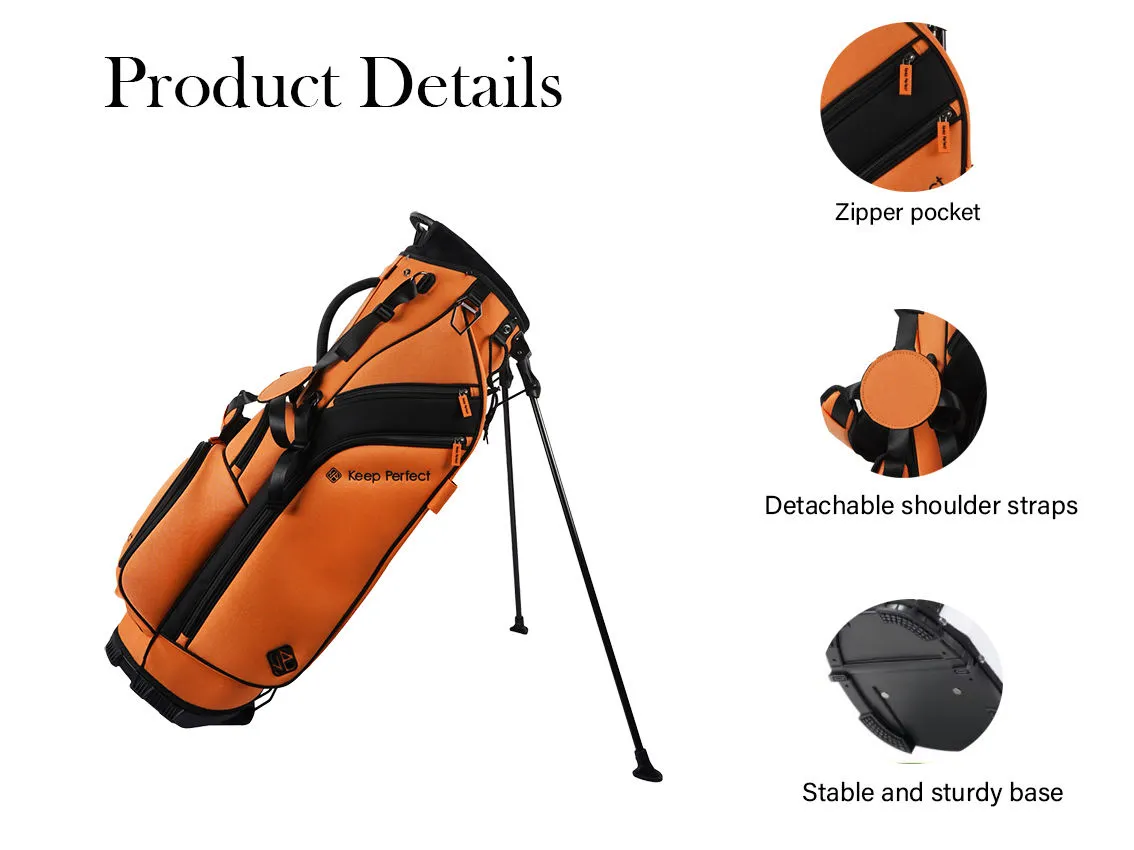
The global golf bag market continues to expand, with international trade volumes reaching new heights as brands source from specialized manufacturing hubs in China, Vietnam, and Southeast Asia. For importers, distributors, and brand owners in the golf equipment industry, understanding freight costs is essential for maintaining healthy profit margins and competitive pricing strategies. In 2026, shipping rates have stabilized following the volatility of the 2021 to 2023 period, but significant regional variations and seasonal fluctuations remain critical factors that every golf bag importer must navigate.
Freight costs for golf bags represent a significant portion of the total landed cost, typically accounting for 8 to 15 percent of the final unit cost depending on order volume, shipping method, and destination. For a standard golf stand bag manufactured at an FOB cost of $18 to $35, freight can add $2 to $8 per unit for ocean freight or $18 to $48 per unit for air freight. These figures make freight cost optimization a primary concern for importers seeking to maintain competitive retail pricing while preserving acceptable margin structures.
This comprehensive guide examines every aspect of golf bag freight costs in 2026, from ocean freight rates and air freight pricing to dimensional weight calculations, container loading optimization, surcharge breakdowns, and proven cost-reduction strategies. Whether you are a first-time importer placing your initial order or an established brand managing annual shipping volumes exceeding one million dollars, this guide provides the detailed information and practical insights needed to make informed shipping decisions that protect your bottom line.
The golf bag industry presents unique freight challenges due to the product's dimensional characteristics. Golf bags are inherently bulky relative to their weight, with standard export cartons measuring approximately 95cm by 30cm by 25cm. This means that shipping containers reach their volumetric capacity long before reaching weight limits, making dimensional weight the primary cost driver. Understanding this dynamic and learning to optimize packaging dimensions can yield savings of 15 to 25 percent on total freight expenditure, making it one of the most impactful cost-reduction levers available to importers.
Ocean Freight: The Backbone of Golf Bag Shipping

Ocean freight remains the dominant shipping method for golf bags, handling approximately 85 to 90 percent of all international golf bag trade by volume. The economics are compelling: ocean freight offers the lowest per-unit cost for high-volume shipments, making it the default choice for production orders, seasonal replenishments, and large-scale distribution center stocking. In 2026, ocean freight rates from major Chinese manufacturing ports to key global markets have reached a relatively stable plateau, though importers must remain vigilant about seasonal peaks and geopolitical disruptions.
Current Ocean Freight Rates by Destination (2026)
Shipping rates vary significantly by destination, carrier, and season. The following table presents representative rate ranges for a 40-foot high cube container (40HQ) from Xiamen or Shenzhen ports to major golf markets worldwide. These rates reflect Q1 2026 pricing and include base ocean freight but exclude surcharges:
| Destination | Transit Time | Rate Range (40HQ) | Cost Per Bag (1,500 units) |
|---|---|---|---|
| US West Coast (LA/LB) | 14-18 days | $2,800 - $4,500 | $1.87 - $3.00 |
| US East Coast (NY/Savannah) | 28-35 days | $3,800 - $5,800 | $2.53 - $3.87 |
| Northern Europe (Hamburg/Rotterdam) | 25-30 days | $2,600 - $4,200 | $1.73 - $2.80 |
| Mediterranean (Barcelona/Genoa) | 22-28 days | $2,400 - $3,800 | $1.60 - $2.53 |
| Australia (Sydney/Melbourne) | 18-25 days | $2,200 - $3,600 | $1.47 - $2.40 |
| Japan (Tokyo/Osaka) | 8-12 days | $1,200 - $2,000 | $0.80 - $1.33 |
| Southeast Asia (Bangkok/Jakarta) | 7-12 days | $800 - $1,500 | $0.53 - $1.00 |
| Middle East (Dubai/Jeddah) | 18-22 days | $2,000 - $3,200 | $1.33 - $2.13 |
These rates demonstrate the significant cost advantage of ocean freight for golf bag shipments. At the volumes typical for golf bag orders (1,000 to 2,000 bags per 40HQ container), per-unit ocean freight costs range from $0.53 for nearby Asian destinations to $3.87 for US East Coast delivery. These costs represent a small fraction of the total product cost, making ocean freight the economically rational default choice for all but the most time-sensitive shipments.
Full Container Load vs. Less Than Container Load
The choice between FCL and LCL shipping has a dramatic impact on per-unit freight costs for golf bags. Full container load shipping provides exclusive use of an entire container, offering the lowest per-unit cost, faster transit times (no consolidation delays), reduced handling damage risk, and simplified customs clearance. For orders exceeding 500 golf bags, FCL is almost always the superior option.
Less than container load shipping allows smaller orders to be consolidated with other shippers' cargo. While LCL provides flexibility for smaller orders, the per-unit cost is typically 40 to 60 percent higher than FCL due to consolidation fees, deconsolidation charges at the destination, additional handling, and longer transit times. For a 200-bag order to the US West Coast, LCL costs might range from $4.50 to $7.00 per bag compared to $2.50 to $3.50 per bag for FCL. However, for orders under 300 bags, LCL may still be more economical than paying for an entire container.
Strategic importers often consolidate multiple smaller orders into a single FCL shipment to capture the cost savings. This approach requires coordination with the factory and careful inventory planning but can yield substantial savings. Our factory regularly assists customers with order consolidation, combining different bag models, colors, and specifications into a single container to achieve FCL pricing even when individual SKU quantities are relatively modest.
Air Freight Options and When to Use Them
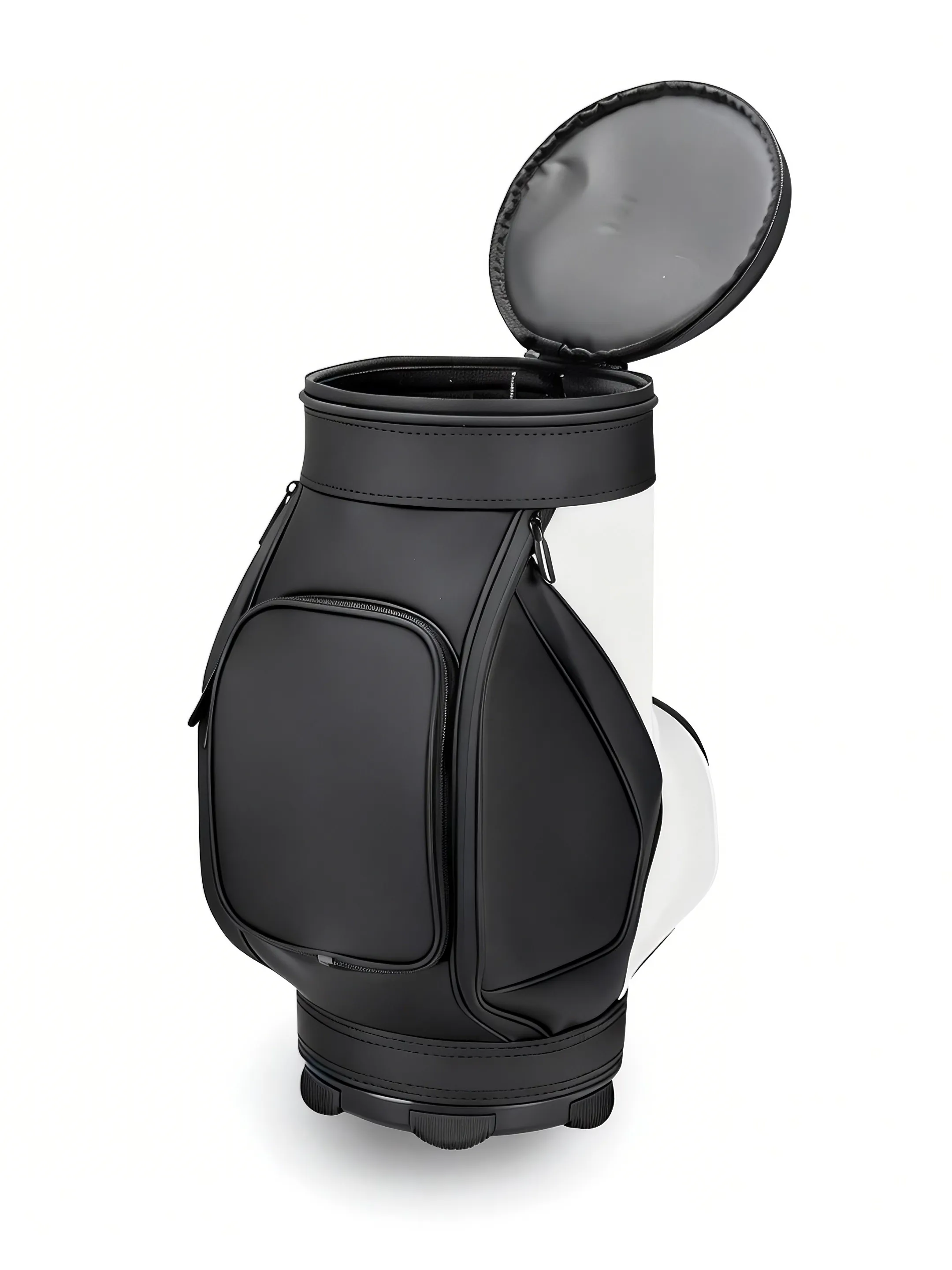
While ocean freight handles the vast majority of golf bag shipments, air freight serves critical roles in specific scenarios. Understanding when air freight makes economic sense requires careful analysis of the cost-benefit trade-off, considering not just the shipping cost differential but also the value of faster time-to-market, reduced inventory carrying costs, and the ability to respond to unexpected demand surges.
Air freight rates for golf bags in 2026 typically range from $4.50 to $8.00 per kilogram, with the final cost determined by the greater of actual weight or dimensional weight. Given that a standard golf stand bag weighs 3 to 5 kilograms but has a dimensional weight of 12 to 15 kilograms, air freight charges are calculated on dimensional weight. This means the effective air freight cost per bag ranges from $54 to $120, representing a 20 to 40-fold premium over ocean freight.
When Air Freight Makes Sense for Golf Bags
Despite the significant cost premium, air freight is justified in several scenarios that golf bag importers regularly encounter. Sample shipments for product development, trade show displays, and buyer approval samples typically involve small quantities where the speed advantage of air freight far outweighs the cost differential. A single sample bag shipped by air arrives in 3 to 5 days versus 30 to 45 days by ocean, enabling faster product development cycles and quicker response to retail buyer requests.
Emergency replenishment of fast-selling products represents another scenario where air freight can be economically justified. If a popular golf bag model sells through inventory faster than anticipated during peak season, the margin lost from stockouts can exceed the additional air freight cost. In such cases, shipping a portion of the replenishment order by air while the balance ships by ocean provides an optimal balance of speed and cost.
New product launches and limited-edition releases also benefit from air freight when timing is critical. Getting the first batch of a new product to market quickly can generate buzz, secure early media coverage, and capture sales from eager customers who are unwilling to wait for ocean freight delivery. The marketing and sales impact of early availability often justifies the freight cost premium for initial launch quantities.
Express Courier Services for Small Shipments
For shipments under 100 kilograms, international express courier services such as DHL, FedEx, and UPS offer door-to-door delivery with integrated customs clearance. While per-kilogram rates are higher than standard air freight (typically $8 to $15 per kilogram), the all-inclusive nature of express services eliminates the need for separate customs brokerage arrangements and reduces administrative overhead. For sample shipments and small urgent orders, express courier services often provide the best combination of speed, convenience, and total cost.
Dimensional Weight and Packaging Optimization
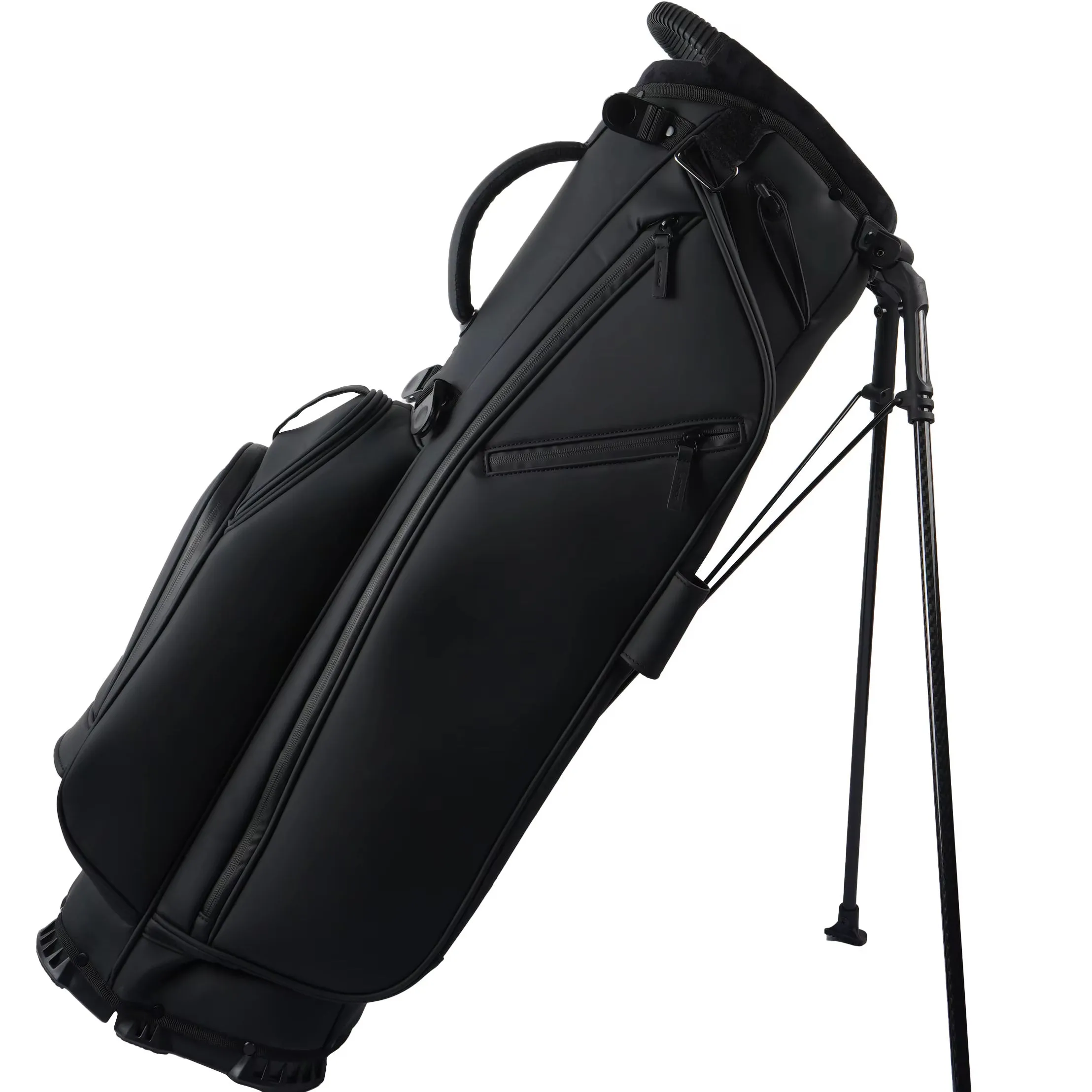
Dimensional weight, also known as volumetric weight, is the single most important concept for golf bag importers to understand because it directly determines shipping costs. Unlike dense products where actual weight governs freight charges, golf bags are volumetrically large relative to their mass, making dimensional weight the primary cost driver for both air and ocean freight.
The dimensional weight formula divides the volumetric dimensions in centimeters by a carrier-specific divisor. For air freight, the standard divisor is 5000 (or 6000 for some carriers), while ocean freight LCL calculations typically use 1000 (one cubic meter equals one revenue ton). For a standard golf stand bag export carton measuring 95cm x 30cm x 25cm, the dimensional weight calculations are as follows: air freight dimensional weight equals 95 times 30 times 25 divided by 5000, which equals 14.25 kilograms, while the actual weight of the bag in its carton is approximately 4 to 6 kilograms. Since carriers charge based on the greater value, every golf bag is charged at its 14.25 kilogram dimensional weight, more than doubling the effective shipping cost compared to actual weight.
Packaging Optimization Strategies
Reducing carton dimensions by even small amounts yields significant freight savings across large shipment volumes. Our engineering team has developed packaging configurations that reduce standard golf bag carton dimensions by 10 to 15 percent through strategic repositioning of accessories, use of vacuum-compressed protective padding, and nested packaging for multi-bag cartons. These optimizations reduce dimensional weight by 1.5 to 2.5 kilograms per carton, translating to savings of $0.50 to $1.50 per bag on ocean freight and $8 to $18 per bag on air freight.
For ocean FCL shipments, packaging optimization focuses on maximizing the number of units per container rather than reducing individual carton dimensions. A standard 40-foot high cube container with internal dimensions of 12.03m x 2.35m x 2.69m offers 76.3 cubic meters of usable space. By optimizing carton orientation and implementing tight-packing configurations, experienced factories can fit 1,500 to 1,800 standard golf stand bags or 800 to 1,000 oversized cart bags into a single container, significantly reducing per-unit freight costs.
Custom packaging design is another powerful optimization tool. For brand clients placing regular orders, investing in custom-designed cartons that precisely fit the bag's contours reduces wasted space and protective material requirements. While custom carton tooling involves an upfront cost of $500 to $1,500 per size, the per-unit savings accumulate rapidly across production runs of 1,000 or more bags, typically achieving payback within the first two to three orders.
Container Loading Strategies for Maximum Efficiency
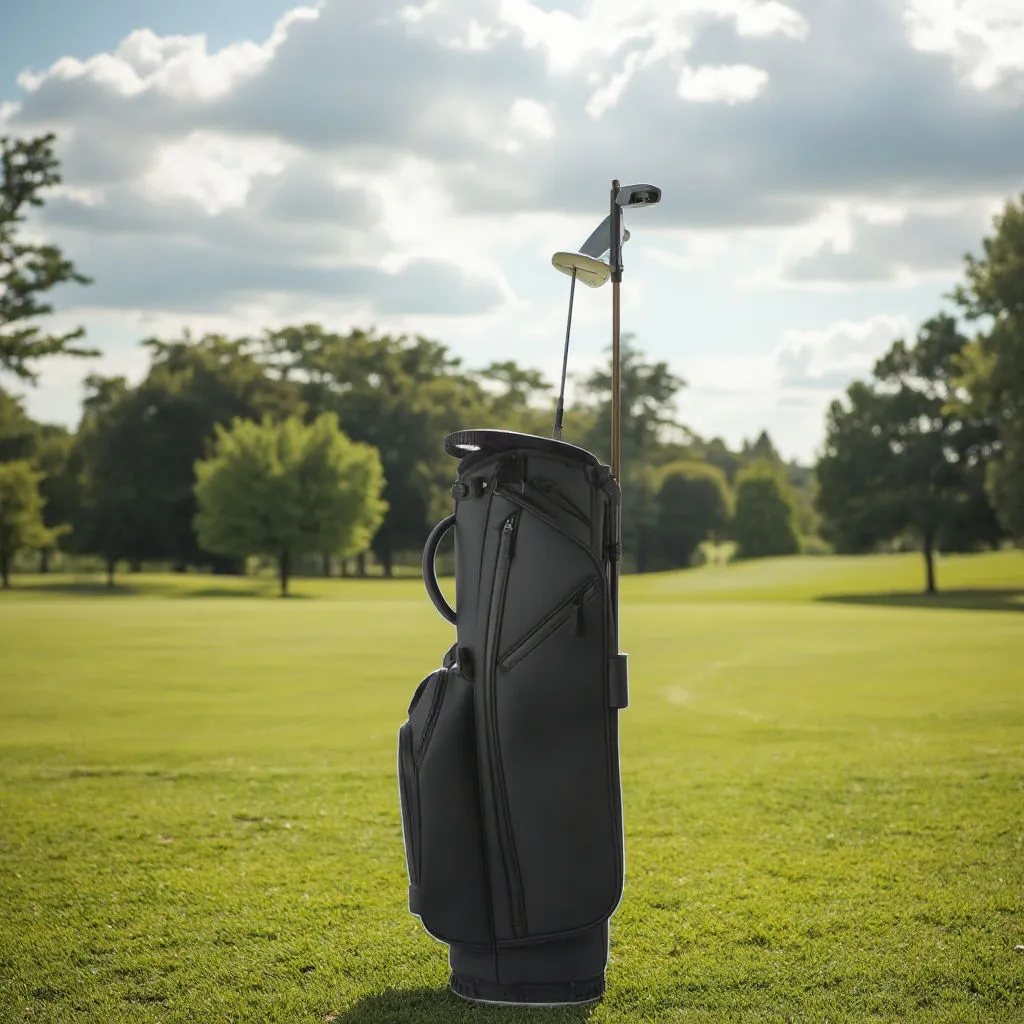
Efficient container loading is both an art and a science, requiring detailed knowledge of carton dimensions, container specifications, and loading patterns that maximize space utilization. For golf bag importers, understanding these strategies enables more accurate cost projections and more productive conversations with factory shipping teams.
The loading capacity of a 40-foot high cube container varies significantly based on golf bag type and packaging configuration. Stand bags, with their narrower profile, achieve the highest unit counts per container. Cart bags, with their wider bodies and larger head openings, require more space per unit. Travel covers and oversized touring bags present the greatest dimensional challenges. The following table shows typical loading capacities for different bag types:
| Bag Type | Units Per 40HQ | CBM Per Unit | Optimal Packing Method |
|---|---|---|---|
| Stand Bags | 1,500 - 1,800 | 0.042 - 0.051 | Alternating orientation |
| Cart Bags | 800 - 1,000 | 0.076 - 0.095 | Upright stacking |
| Tour/Staff Bags | 500 - 700 | 0.109 - 0.153 | Single layer with dividers |
| Travel Covers | 1,200 - 1,500 | 0.051 - 0.064 | Compressed flat packing |
| Sunday/Carry Bags | 1,800 - 2,200 | 0.035 - 0.042 | Nested multi-bag cartons |
Loading Best Practices
Professional container loading goes beyond simply filling space. Proper weight distribution ensures safe transport and prevents cargo shifting during ocean transit. Heavy items should be positioned low and centered, with lighter cartons filling upper spaces. Strategic use of dunnage, air bags, and bracing materials prevents movement during the vessel's rolling and pitching motions, protecting goods from damage that could result in insurance claims and delivery delays.
Documentation and labeling play a crucial role in efficient loading and unloading. Each carton should be clearly marked with its contents, quantity, destination, and handling instructions. Loading plans should be documented with photographs at each stage, providing evidence for insurance purposes and enabling rapid identification of specific cartons during deconsolidation. Our factory provides comprehensive loading documentation as part of our standard export service, including loading supervision reports, container seal numbers, and photographic records.
Understanding Surcharges and Hidden Fees
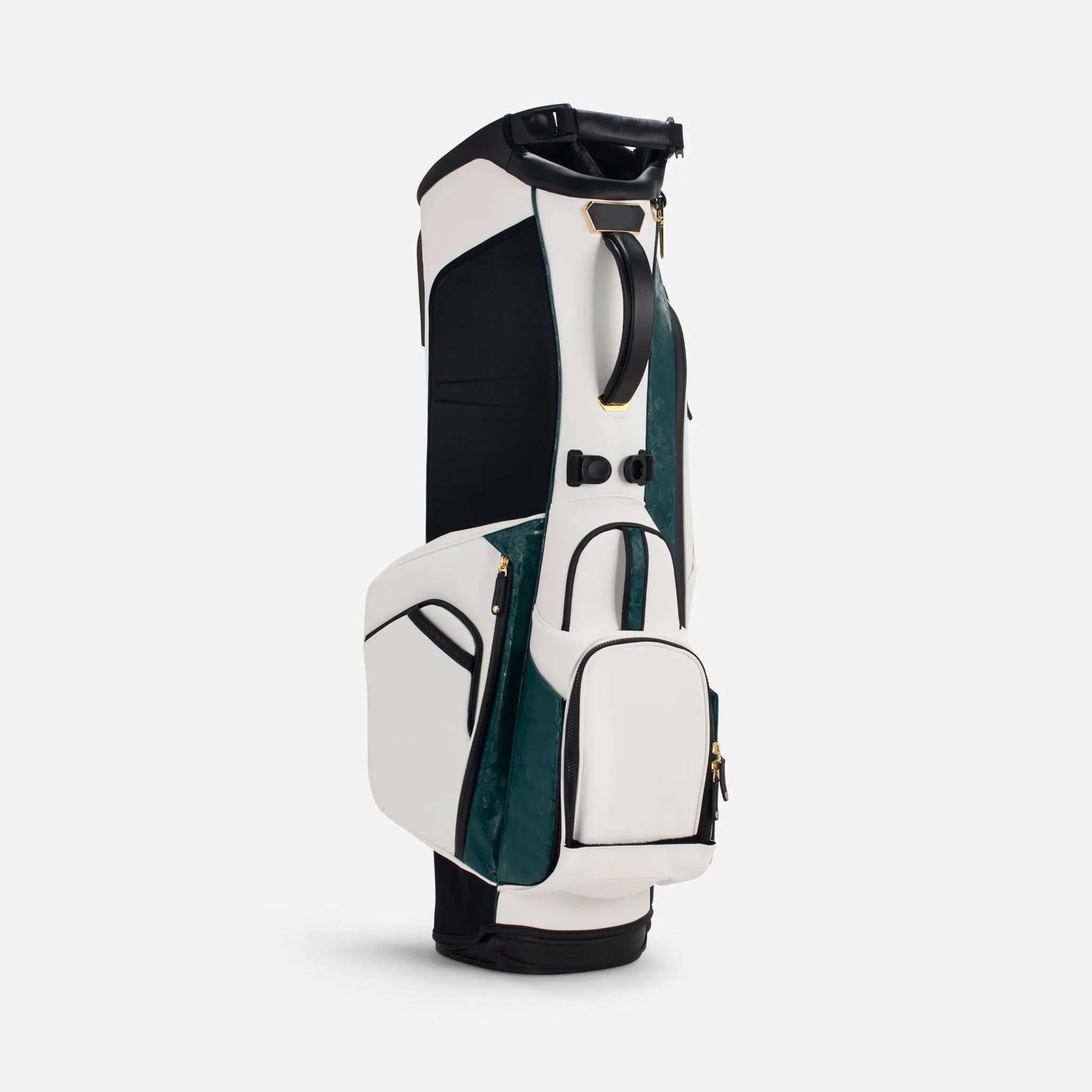
The base ocean freight rate quoted by shipping lines represents only a portion of the total freight cost. A complex web of surcharges, accessorial fees, and destination charges can add 15 to 30 percent to the base rate, catching unwary importers off guard. Understanding these charges in advance enables accurate total cost calculations and prevents unpleasant surprises when freight invoices arrive.
Common Ocean Freight Surcharges
The bunker adjustment factor, or BAF, reflects fluctuating fuel costs and is typically calculated as a percentage of base freight or a fixed amount per container. In 2026, BAF rates range from $150 to $400 per 40-foot container depending on the trade lane. The currency adjustment factor, or CAF, compensates carriers for exchange rate fluctuations between the US dollar and local currencies, typically adding 3 to 8 percent to the base rate. The low sulphur fuel surcharge, or LSS, has become standard since international maritime regulations mandated reduced sulphur content in marine fuels, adding $100 to $250 per container.
Terminal handling charges apply at both the origin and destination ports. Origin THC covers the cost of moving containers from the factory through port terminals and onto the vessel, while destination THC covers the reverse process at the import port. These charges vary significantly by port, ranging from $150 to $400 per container at each end. Port congestion surcharges may apply during peak seasons or when port capacity is constrained, adding $200 to $600 per container at congested ports.
Destination-Side Charges
Beyond the ocean freight charges, importers face a series of costs at the destination that collectively can equal or exceed the ocean freight itself. Customs brokerage fees typically range from $150 to $350 per shipment. Merchandise processing fees, chassis usage fees, and pier pass charges add another $50 to $200 per container. Inland transportation from the port to the warehouse or distribution center depends on distance but typically ranges from $300 to $1,500 per container for domestic US delivery.
Warehousing and demurrage charges represent a significant risk if goods are not cleared and moved promptly. Most ports offer only three to five free days for container pickup after discharge. Beyond this free period, demurrage charges of $100 to $300 per container per day accumulate rapidly. For importers without established customs brokerage relationships or warehouse receiving schedules, these charges can quickly escalate, turning a cost-effective shipment into an expensive lesson in supply chain management.
Proven Cost-Reduction Strategies for Importers
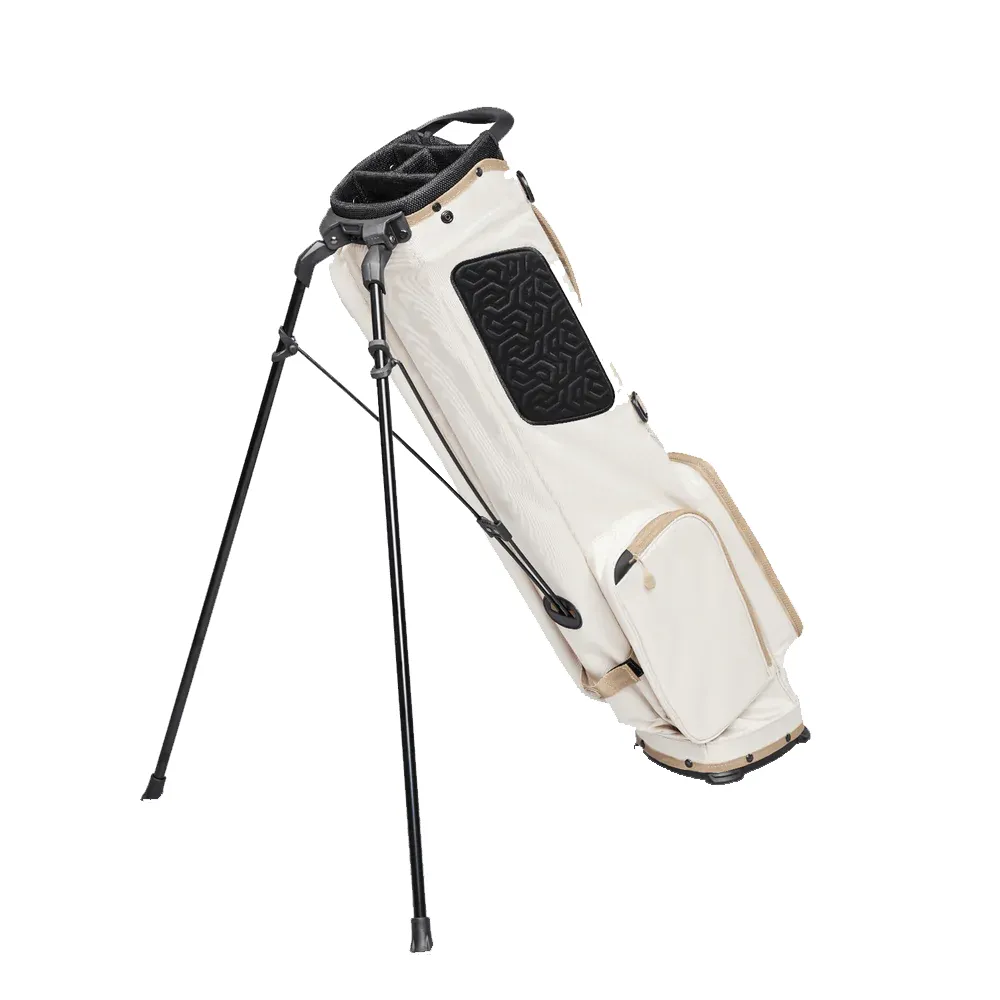
Experienced golf bag importers employ a range of strategies to minimize freight costs while maintaining reliable delivery schedules. These strategies require upfront planning and relationship investment but deliver substantial savings over time, often reducing total freight expenditure by 20 to 35 percent compared to ad hoc shipping approaches.
Volume Consolidation and Annual Contracts
Shipping lines and freight forwarders offer significant discounts for importers committing to regular volume. Annual service contracts with guaranteed monthly or quarterly volumes typically secure rates 10 to 20 percent below spot market pricing. For golf bag importers with predictable seasonal demand patterns, locking in annual rates provides both cost savings and budget certainty, eliminating exposure to seasonal rate spikes that commonly occur in the third quarter ahead of the holiday shipping peak.
Consolidating shipments across multiple SKUs and even multiple product categories further maximizes container utilization and per-unit cost efficiency. Importers carrying complementary product lines such as golf clubs, accessories, or apparel can coordinate shipments to fill containers more efficiently, reducing the per-unit freight cost for every product category in the consolidated shipment.
Strategic Timing and Route Optimization
Shipping during off-peak periods yields meaningful cost savings. For golf bag importers serving the Northern Hemisphere market, the optimal shipping window falls between October and February, when consumer demand is low and carrier capacity is plentiful. Rates during this period can be 15 to 25 percent below peak season pricing. Planning production schedules to enable off-peak shipping requires coordination between the factory, the importer's inventory management team, and the freight forwarder, but the savings justify the additional planning effort.
Route optimization also plays a role in cost reduction. While the most direct shipping route is often assumed to be the cheapest, transshipment via hub ports can sometimes offer lower rates due to carrier competition on specific trade lanes. Working with experienced freight forwarders who understand the dynamics of multiple routing options enables importers to identify cost-effective alternatives that sacrifice a few days of transit time for significant cost savings.
Factory Partnership and Incoterm Selection
The choice of Incoterm significantly impacts freight cost responsibility and visibility. FOB (Free On Board) terms place freight cost responsibility on the importer while allowing the factory to manage export documentation and origin-side logistics. This arrangement gives importers control over carrier selection and rate negotiation. EXW (Ex Works) terms offer maximum control but require the importer to manage all logistics from the factory door, which may be cost-effective for importers with established logistics networks in the manufacturing country.
Working with experienced export factories that understand international shipping requirements reduces costs by preventing common errors such as incorrect HS code declarations, inadequate packaging for ocean transit, and documentation discrepancies that cause customs delays. Our factory maintains dedicated shipping and documentation teams that handle export logistics for customers in over 40 countries, ensuring smooth, cost-efficient freight processing from our factory floor to your warehouse door.
Frequently Asked Questions
How much does it cost to ship golf bags from China to the USA?
Ocean freight for golf bags from China to the US West Coast typically costs $2,800 to $4,500 per 40-foot container in 2026, translating to approximately $1.40 to $3.00 per bag based on a 1,500-bag container load. Air freight costs $4.50 to $8.00 per kilogram, adding $18 to $48 per bag depending on weight.
What is the dimensional weight of a golf bag shipment?
A standard golf stand bag in its export carton measures approximately 95cm x 30cm x 25cm, yielding a dimensional weight of 14.25kg using the standard divisor of 5000. Since actual weight is typically 3 to 5kg, carriers charge based on dimensional weight, significantly impacting total freight costs.
How can importers reduce golf bag shipping costs?
Importers can reduce shipping costs through container load consolidation, optimizing carton dimensions for container space efficiency, negotiating annual volume contracts with carriers, choosing sea freight over air for non-urgent orders, and working with factories experienced in export packaging optimization.
What is the cheapest way to import golf bags from China?
Full container load ocean freight is the cheapest method, with cost per unit dropping 40 to 60 percent compared to less-than-container load. A 40-foot high cube container holds 1,200 to 1,800 golf bags depending on packaging, making FCL the most economical choice for orders exceeding 500 bags.
How long does golf bag shipping take from China to major markets?
Ocean freight transit times in 2026 are: US West Coast 14 to 18 days, US East Coast 28 to 35 days, Northern Europe 25 to 30 days, Mediterranean 22 to 28 days, Australia 18 to 25 days. Including production lead time of 35 to 45 days, total delivery takes 60 to 90 days for ocean freight.
What are the surcharges and hidden fees in golf bag freight?
Beyond base freight rates, golf bag importers should budget for bunker adjustment factor, currency adjustment factor, terminal handling charges, documentation fees, customs clearance fees, inland transportation, and warehouse handling charges. These can add $300 to $800 per container to the total shipping cost.
Ready to Start Your Custom Golf Bag Project?
Partner with a BSCI & ISO 9001:2015 certified factory producing 200,000+ premium golf bags annually. MOQ just 100 pieces.
Get a Free Quote Today