Golf Bag Warranty Guide: Complete Coverage and Claims Handbook 2026
Table of Contents
- Introduction: Why Golf Bag Warranties Matter
- Understanding Golf Bag Warranty Types
- What Golf Bag Warranties Actually Cover
- Common Exclusions and Void Conditions
- How to File a Successful Warranty Claim
- Warranty Expectations by Pricing Tier
- What Makes a Strong Brand Warranty Program
- The Manufacturer Perspective on Warranty
- Frequently Asked Questions
Introduction: Why Golf Bag Warranties Matter
A golf bag is one of the most enduring pieces of equipment in a golfer's arsenal, expected to withstand the rigors of weekly play, weather exposure, constant loading and unloading of clubs, and the physical demands of being carried, stood, carted, and transported over years of service. Given this demanding usage profile, the warranty that accompanies a golf bag purchase represents far more than a marketing footnote. It is a critical indicator of product quality confidence, a financial safety net protecting your investment, and a direct reflection of the brand's commitment to standing behind their products.
Yet surprisingly few golfers understand what their golf bag warranty actually covers, how to make a claim effectively, or what reasonable expectations should be based on the product's pricing tier and intended use. This knowledge gap leads to frustration when legitimate claims are misunderstood, when excluded scenarios are incorrectly assumed to be covered, or when consumers fail to document their purchases in ways that enable warranty protection. This comprehensive guide eliminates that confusion by providing a complete education on golf bag warranty programs from every angle.
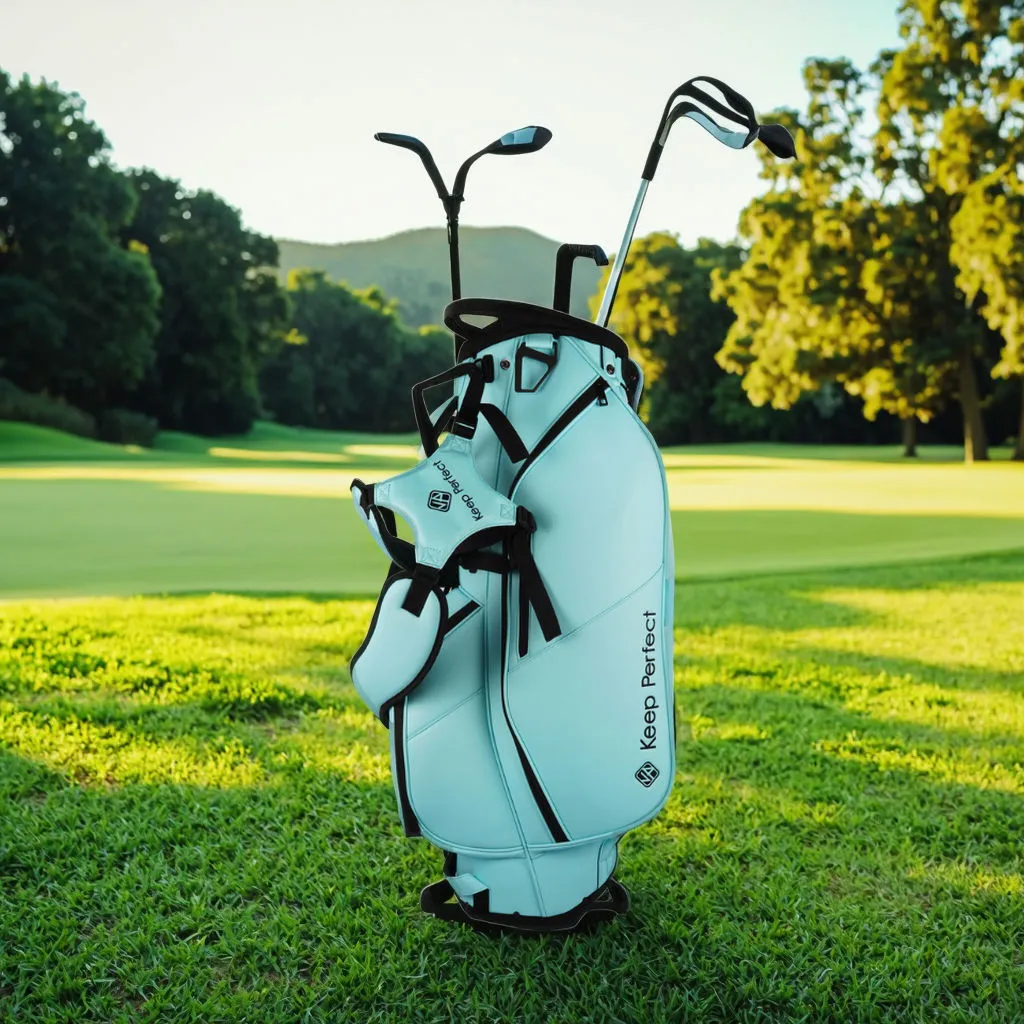
As a certified manufacturer producing over 200,000 golf bags annually for brands across all pricing tiers, we have deep insight into both the consumer and brand perspectives on warranty programs. We manufacture products covered by warranties ranging from 1-year limited to limited lifetime, and we support our brand clients in evaluating warranty claims, determining root causes of product failures, and executing appropriate resolutions. This behind-the-scenes perspective on warranty operations provides unique authority in explaining how golf bag warranties actually function in practice.
This guide covers every dimension of golf bag warranties including the types of warranty programs in the market, what is and is not covered, how pricing tiers correlate with warranty coverage, the step-by-step process for filing claims effectively, common reasons claims are denied, and what brands should consider when designing warranty programs. Whether you are a consumer seeking to understand your rights, a brand developing your warranty policy, or a retailer advising customers on warranty options, this guide provides the comprehensive information you need.
Understanding Golf Bag Warranty Types
Limited Warranty: The Industry Standard
The limited warranty is by far the most common warranty type in the golf bag industry, used by over 90 percent of brands across all pricing tiers. A limited warranty specifies exactly what defects are covered, for how long, and under what conditions. The word limited is key because these warranties explicitly exclude many potential failure scenarios and impose conditions that must be met for coverage to apply. Typical limitations include specific time periods, original purchaser requirements, authorized retailer purchase conditions, and exclusions for particular damage types.
Limited warranties for golf bags typically specify coverage for defects in materials and workmanship under normal use conditions for a defined period. The coverage language generally protects against manufacturing failures that occur during intended use, such as seam separation under normal loading, zipper failure during regular operation, or structural frame cracks during normal carrying. The specificity of these terms means that coverage is not universal but applies only to failures meeting the defined criteria of manufacturing defect under normal use conditions.
Lifetime Warranty: Premium Brand Promise
A small number of premium golf bag brands offer lifetime warranties that promise to repair or replace defective products for the entire useful life of the product. These warranties are powerful marketing tools that communicate extreme confidence in product durability, but they come with important qualifications. Lifetime typically means the reasonable useful life of the product rather than the owner's lifetime, and it remains subject to normal use conditions and specific exclusions. Products subjected to abuse, airline damage, or use beyond intended purpose remain excluded even under lifetime warranty programs.
Lifetime warranty programs represent a significant financial commitment for brands because they create open-ended liability for product performance that extends potentially decades into the future. Brands offering lifetime warranties typically have extensive manufacturing quality control systems and long production histories demonstrating the durability that makes lifetime coverage financially sustainable. Our factory works with several premium brands offering lifetime warranties, and their quality control specifications are correspondingly more rigorous than brands with time-limited warranty programs.
Extended Warranty Programs
Some brands and retailers offer extended warranty programs that provide additional coverage beyond the standard warranty period, typically for an additional fee. These programs function similarly to insurance policies, covering accidental damage, cosmetic damage, and other scenarios excluded from standard manufacturer warranties. Extended warranties typically cost 10 to 20 percent of the product's retail price and extend coverage by 1 to 3 years beyond the standard period. For premium golf bags costing 400 dollars or more, extended warranties can provide valuable peace of mind for golfers who travel frequently or use their bags intensively.
Satisfaction Guarantee Programs
Distinct from formal warranties, some premium brands offer satisfaction guarantee programs that allow returns or exchanges within a specified period regardless of reason. These programs, typically offering 30 to 90-day satisfaction periods, address a different consumer need than warranties by allowing buyers to evaluate whether a product meets their personal preferences and requirements. Satisfaction guarantees do not replace warranties but complement them by addressing the initial purchase decision phase when consumers are still evaluating product fit.
What Golf Bag Warranties Actually Cover
Structural Integrity Defects
The most clearly covered warranty scenarios involve structural integrity failures that occur under normal use within the warranty period. Frame cracks in cart bags or stand bags that develop during regular play indicate either material defects or structural design failures that are manufacturing responsibilities. Base plate fractures that occur without impact damage similarly indicate manufacturing quality issues covered by warranty. These structural failures represent the most straightforward warranty claims because they clearly indicate manufacturing defects rather than user-caused damage.
Strap attachment failures provide another common warranty coverage scenario. When shoulder strap D-rings, Chicago screws, or webbing attachment points detach during normal carrying use within the warranty period, this indicates insufficient reinforcement or defective attachment methods that are the manufacturer's responsibility. Our factory specifically tests strap attachment points to 50 kilograms of pull force during quality control to prevent warranty claims of this type, and we recommend all brand clients verify their factory's attachment point testing protocols.
Component Failures Under Normal Use
Component failures that occur during normal use are typically warranty-covered when they result from defective components rather than excessive force or misuse. Zipper failures where the slider separates from the track or the zipper teeth separate during normal pocket operation indicate defective zippers warrant replacement. Stand mechanism failures where the legs deploy or retract improperly without impact damage indicate mechanical defects covered under warranty. Buckle breakage during normal strap adjustment similarly indicates component defects covered by the manufacturer's warranty obligations.
Material Defects
Material defects that manifest as premature fabric deterioration, coating delamination, or color fading beyond normal expectations represent valid warranty claims. When main body fabric develops holes or tears in areas not subjected to abrasion within the first year or two of use, this indicates material quality failures that manufacturers should address. Coating delamination where the waterproof coating peels away from the base fabric under normal conditions indicates adhesive quality problems warranting warranty remediation.
It is important to distinguish genuine material defects from normal wear patterns. Fabric abrasion on areas that consistently contact golf clubs, cart surfaces, or the ground during stand deployment represents expected wear rather than material defects. Warranty programs correctly exclude this normal wear while covering genuine material failures that occur prematurely relative to the product's expected service life. Understanding this distinction helps both consumers and brands evaluate warranty claims fairly.
Common Exclusions and Void Conditions
Airline and Travel Damage
Airline damage is the most commonly misunderstood warranty exclusion. When golf bags are damaged during air transport through baggage handling systems, the damage is categorically excluded from manufacturer warranty coverage. Airlines are responsible for baggage handling damage, and most airlines carry insurance programs that cover damaged sporting equipment. Manufacturers consider airline damage as external force damage rather than product failure, making it the consumer's responsibility to file claims with the airline's baggage service office.
This exclusion frustrates many consumers who purchased premium bags expecting comprehensive protection, but it is standard across virtually all golf bag warranty programs. The practical solution for golfers who travel frequently by air is to invest in a high-quality travel cover, purchase airline baggage insurance, or use credit cards that provide baggage damage protection. Some premium golf bag brands offer airline damage replacement programs as a customer goodwill gesture, but these are discretionary programs rather than warranty obligations.
Normal Wear and Cosmetic Deterioration
Normal wear and cosmetic deterioration are universally excluded from golf bag warranties. Scuffing on the base from cart contact, fabric fading from sun exposure, gradual softening of handle grips, minor fraying at pocket edges, and cosmetic scratches on hardware all represent expected aging that occurs with regular use. These cosmetic changes do not impair the bag's functional performance and are considered part of the product's normal lifecycle rather than defects warranting warranty attention.
The line between normal wear and premature deterioration can sometimes be subjective. A brand's warranty team must evaluate whether fabric fading after one season indicates normal sun exposure or a UV-resistance defect in the material. Whether seam fraying at a pocket edge after six months represents normal wear or a stitching quality failure. These evaluations require judgment and experience, and reasonable people may disagree on borderline cases. Brands with strong customer service orientations tend to resolve borderline claims in the customer's favor as a relationship investment.
Unauthorized Modifications and Repairs
Any unauthorized modification or repair voids the warranty immediately and completely. Attempting to repair a broken strap with aftermarket hardware, adding non-factory pockets or attachments, applying heat transfer modifications, or having a local repair shop alter the bag's construction all constitute unauthorized modifications that void warranty coverage. This exclusion protects manufacturers from liability for failures caused by third-party interventions that may compromise structural integrity or introduce stress concentrations not accounted for in the original design.
Misuse and Abnormal Use Conditions
Using a golf bag for purposes beyond its intended design clearly voids warranty coverage. Loading a stand bag with excessive weight beyond its design capacity, using a golf bag to transport non-golf items that damage interior linings, exposing the bag to chemicals, solvents, or extreme heat sources, or storing the bag in conditions that promote mold or material degradation all constitute misuse that voids warranty protection. Brands design products for specific use parameters, and failures resulting from use beyond those parameters are the consumer's responsibility.
How to File a Successful Warranty Claim
Document Your Purchase
The foundation of any successful warranty claim is clear documentation of your purchase. Keep your original purchase receipt, order confirmation email, or credit card statement showing the date of purchase, retailer name, product model, and price paid. This documentation establishes that you are the original purchaser, that the product was purchased from an authorized retailer, and that the claim falls within the warranty period. Without proof of purchase, brands typically cannot process warranty claims regardless of the legitimacy of the defect.
Photograph the product immediately upon purchase, including the warranty card, model information tag, and any serial numbers or date codes. Store these images digitally where they can be accessed if needed for a future claim. Some brands include QR codes on warranty cards that register your product automatically, creating a digital record independent of your physical receipt. Take advantage of these registration systems when available because they provide backup documentation if original receipts are lost.
Document the Defect Thoroughly
When a defect becomes apparent, document it thoroughly with clear photographs from multiple angles showing the specific failure point and surrounding context. Include photos that demonstrate the defect occurred during normal use, such as the overall condition of the bag showing it has been maintained properly. Write a clear, factual description of what happened, when you first noticed the issue, and how the defect impairs the bag's functionality. Avoid emotional language or assumptions about cause, sticking to observable facts.
Submit Your Claim Through Official Channels
Contact the brand's customer service department through their official warranty claim channel, which may be an online form, dedicated email address, or telephone line. Provide your purchase documentation, defect photographs, and clear written description as requested. Most brands acknowledge claim receipt within 2 to 3 business days and provide a complete evaluation within 5 to 10 business days. During this evaluation period, the brand's warranty team assesses whether the defect falls within warranty coverage based on the documentation provided.
Be patient and professional throughout the claim process. Warranty teams evaluate hundreds of claims monthly and must apply consistent standards to each case. Claims submitted with complete documentation, factual descriptions, and professional communication receive faster, more favorable evaluations than claims submitted with incomplete information, emotional complaints, or threatening language. The goal is to demonstrate clearly that your defect falls within warranty coverage parameters while making the evaluation team's job as straightforward as possible.
Understanding Resolution Options
Successful warranty claims are typically resolved through one of three options. Repair involves the brand repairing the specific defect at their expense, either at their facility or through an authorized repair center. Replacement provides a new or refurbished product of the same model or equivalent value. Credit offers a prorated credit toward purchase of a replacement product, typically used when the exact model is discontinued or when the product is outside warranty period but the brand offers goodwill consideration. The resolution method depends on the nature of the defect, product availability, and brand policy.
Warranty Expectations by Pricing Tier
Entry-Level Warranty Coverage
Entry-level golf bags retailing below 150 dollars typically carry 1-year limited warranties covering manufacturing defects in materials and workmanship. These warranties provide basic protection during the first year of use, which is when most manufacturing defects become apparent. Coverage is generally limited to structural failures and major component defects, with cosmetic issues and minor complaints evaluated on a case-by-case basis. Resolution typically involves replacement rather than repair due to the low product cost making repair economically impractical.
Mid-Range and Premium Warranty Expectations
Mid-range products between 150 and 350 dollars typically offer 2 to 3-year warranties with broader coverage than entry-level products. Premium bags between 350 and 600 dollars extend coverage to 3 to 5 years with more comprehensive terms and faster claim resolution processes. Both tiers typically offer repair-first resolution approaches that attempt to restore the product to full functionality before considering replacement, reflecting the higher product values that make repair economically viable.
Luxury and Tour-Level Warranty Programs
Luxury golf bags above 600 dollars typically include limited lifetime warranties or extended 5 to 10-year coverage with white-glove claim service. These premium warranty programs include expedited evaluation, complimentary shipping both directions for warranty service, loaner products during extended repairs, and personalized customer service contact rather than generic support channels. The warranty experience for luxury products matches the premium positioning of the products themselves, with every customer touchpoint reinforcing the brand's commitment to excellence.
What Makes a Strong Brand Warranty Program
Transparency and Clarity
The strongest warranty programs communicate their terms clearly and transparently without legal jargon designed to confuse consumers. Coverage terms should be stated in plain language with specific examples of covered and excluded scenarios. Warranty period should be prominently displayed on product pages and packaging. The claim process should be clearly documented with step-by-step instructions, expected timelines, and contact information readily available. Brands that invest in warranty clarity build consumer trust and reduce customer service burden by setting accurate expectations upfront.
Fair Claims Evaluation
A warranty program's true quality is revealed in how it handles claims, particularly borderline cases where coverage interpretation requires judgment. Strong brands evaluate claims fairly, resolving reasonable cases in the customer's favor even when technical exclusions could arguably apply. This approach treats warranty service as a brand-building investment rather than a cost center to be minimized. The long-term customer loyalty generated by fair warranty resolution far exceeds the cost of occasional generous claim handling.
Proactive Warranty Communication
Leading brands go beyond reactive warranty service by proactively communicating warranty information throughout the customer lifecycle. Registration reminders after purchase, warranty period notifications as expiration approaches, care instructions that help prevent warranty-eligible failures, and educational content about product maintenance all demonstrate the brand's commitment to product longevity. This proactive approach reduces warranty claim frequency by helping customers use and maintain products properly, while simultaneously building the customer relationship that generates repeat purchases and brand advocacy.
The Manufacturer Perspective on Warranty
Warranty as Quality Feedback System
For golf bag manufacturers, warranty claims serve as an invaluable quality feedback system that identifies recurring issues requiring design or production corrections. When our factory receives warranty claims reporting similar failures across multiple bags from the same production batch, we initiate root cause analysis to identify whether the issue stems from material quality, assembly methods, or design limitations. This warranty intelligence drives continuous quality improvement that benefits subsequent production runs and reduces future warranty claim frequency.
Our quality team tracks warranty claim rates by product category, material type, and production batch to identify patterns invisible during normal quality control inspection. Some defects, like accelerated zipper wear or gradual seam weakening, only become apparent months after products reach consumers. Warranty data reveals these long-tail quality issues that would otherwise persist undetected. Brands that share warranty data transparently with their manufacturing partners enable faster quality improvement cycles that benefit all parties.
Designing for Warranty Performance
Experienced manufacturers design products with warranty performance as a core engineering requirement. This means specifying material quality margins that exceed minimum functional requirements, reinforcing stress points beyond what appears necessary for normal use, and conducting accelerated life cycle testing that simulates years of use in compressed timeframes. Our factory's design review process for OEM clients specifically evaluates warranty risk for every design element, recommending reinforcements or material upgrades where warranty claim probability exceeds acceptable thresholds.
The cost of designing for warranty performance is modest compared to the cost of warranty claims. Adding bar-tack reinforcement at strap attachment points adds approximately 0.15 dollars in labor cost per bag but reduces strap attachment warranty claims by over 80 percent. Upgrading from standard to premium zippers adds 2 to 4 dollars per bag but reduces zipper-related warranty claims by over 60 percent. These preventive investments deliver substantial returns through reduced warranty costs, preserved brand reputation, and increased customer satisfaction and loyalty.
Understanding golf bag warranties benefits every stakeholder in the golf bag ecosystem. Consumers who understand their warranty rights and claim processes can make informed purchase decisions and protect their investments effectively. Brands that design strong warranty programs build customer trust and differentiate themselves in competitive markets. Manufacturers who use warranty data as quality intelligence continuously improve their products and processes. The golf bag industry's warranty practices continue evolving toward greater consumer protection and transparency, benefiting all participants in the market.
Our factory is committed to supporting our brand partners in developing warranty programs that balance consumer protection with operational sustainability. We provide comprehensive quality data, root cause analysis support, and design-for-warranty guidance to help brands minimize warranty claim frequency while maximizing customer confidence. Whether you are a brand developing warranty terms or a consumer evaluating warranty coverage, we encourage you to use this guide as a reference for understanding the full scope of golf bag warranty programs. Contact us through our contact page or WhatsApp at +8617750020688 for warranty-related manufacturing guidance.
Frequently Asked Questions
How long is a typical golf bag warranty?
Golf bag warranties range from 1 year for entry-level products to lifetime coverage for luxury brands. The industry average for mid-range bags is 2 to 3 years, while premium brands typically offer 3 to 5 year warranties. Tour-level and luxury bags may include limited lifetime coverage.
What does a golf bag warranty typically cover?
Standard golf bag warranties cover manufacturing defects in materials and workmanship including zipper failure under normal use, seam separation, strap detachment, buckle breakage, stand mechanism failure, and structural frame cracks. Warranties do not cover normal wear, airline damage, abuse, or modifications.
Does a golf bag warranty cover airline damage?
No, airline damage is almost never covered under manufacturer warranty. Airlines are responsible for damage during air transport and most carry travel insurance programs. Manufacturers consider airline damage as external force damage rather than manufacturing defects, making it the consumer's responsibility to file claims with the airline.
What voids a golf bag warranty?
Common warranty voiding actions include unauthorized repairs or modifications, using the bag for non-golf purposes, exposure to chemicals or solvents, damage from airline or motor vehicle transport, normal wear and tear, improper storage causing mold or material degradation, and failure to follow care instructions.
How do I file a golf bag warranty claim?
To file a warranty claim, contact the brand's customer service with your proof of purchase, a description of the defect, clear photos showing the issue, and the product's model number. Most brands evaluate claims within 5 to 10 business days and communicate their resolution including repair, replacement, or denial with explanation.
Are golf bag warranties transferable to second owners?
Most golf bag warranties are not transferable and apply only to the original purchaser who can provide proof of purchase from an authorized retailer. Some premium brands offer limited transferable warranties that provide reduced coverage periods for second-hand purchases, but this is not industry standard.
What is the difference between warranty and guarantee?
A warranty is a written promise specifying what the manufacturer will repair or replace within a defined period under specific conditions. A guarantee is typically a broader, less formal promise of satisfaction that may include satisfaction-based returns. Warranties have specific terms and conditions while guarantees are generally more consumer-friendly.
Ready to Start Your Custom Golf Bag Project?
Partner with a BSCI & ISO 9001:2015 certified factory producing 200,000+ premium golf bags annually. MOQ just 100 pieces.
Get a Free Quote Today