Golf Bag Reviews USA Market 2026: Top Trends, Types, and Buying Insights
Table of Contents
- Introduction: The USA Golf Bag Market in 2026
- Cart Bag Dominance: Why Americans Love Full-Feature Bags
- Stand Bags: The Walking Golf Movement in America
- Tour Bags: Professional Inspiration and Aspirational Purchasing
- Hybrid and Sunday Bags: The New Categories Reshaping the Market
- Price Segmentation: What American Golfers Actually Spend
- Consumer Preferences and Purchase Decision Factors
- Manufacturing and Quality: What Behind the Reviews
- Market Outlook and Key Takeaways for 2026
Introduction: The USA Golf Bag Market in 2026
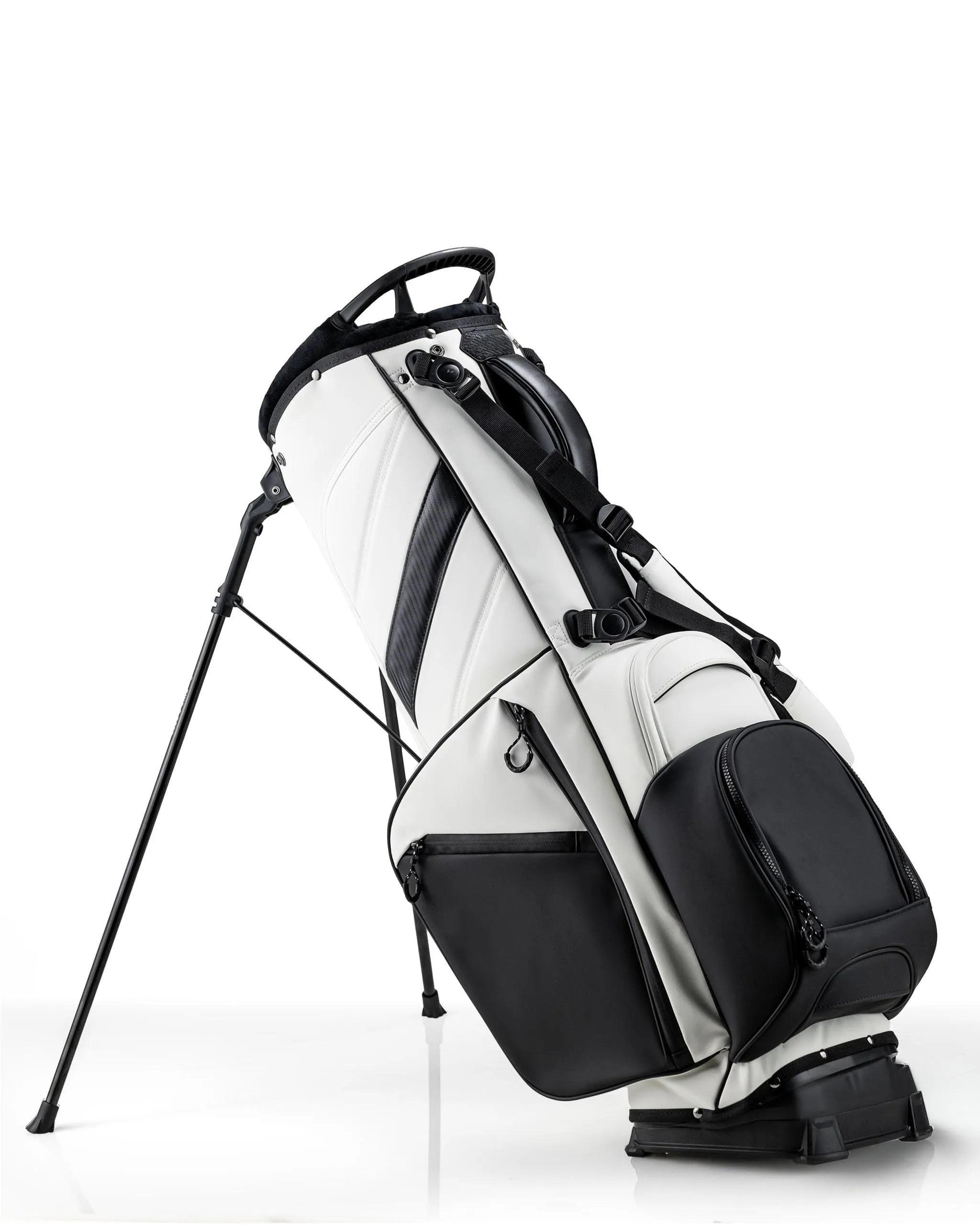
The United States represents the world's largest single-country golf bag market, with annual retail sales exceeding 2.1 billion US dollars in 2025 and continuing upward momentum into 2026. With approximately 25 million active golfers, over 16,000 golf courses, and a deeply entrenched golf culture that spans from public municipal courses to exclusive private clubs, America's golf bag market sets global benchmarks for product innovation, marketing approaches, and consumer expectations. Understanding the USA market is essential for any golf bag manufacturer, brand, or retailer seeking to compete at the highest levels of the industry.
The American golf bag market in 2026 is characterized by several defining trends: the continued dominance of cart bags reflecting America's riding golf culture, a growing walking golf movement that is revitalizing the stand bag and hybrid categories, increasing consumer sophistication that demands better quality and features at every price point, and a sustainability wave that is beginning to influence purchasing decisions alongside traditional considerations of performance, price, and brand loyalty. This comprehensive market review examines each major bag category, pricing dynamics, consumer preferences, and the manufacturing realities that shape the products American golfers encounter in stores and online.
As a BSCI and ISO 9001:2015 certified manufacturer producing over 200,000 golf bags annually with significant USA market exposure through brand partnerships, we offer a unique perspective that combines factory-floor manufacturing knowledge with market-level trend awareness. Our analysis draws on production data, brand partner insights, and consumer feedback to provide the most comprehensive manufacturing-informed review of the USA golf bag market available.
Cart Bag Dominance: Why Americans Love Full-Feature Bags
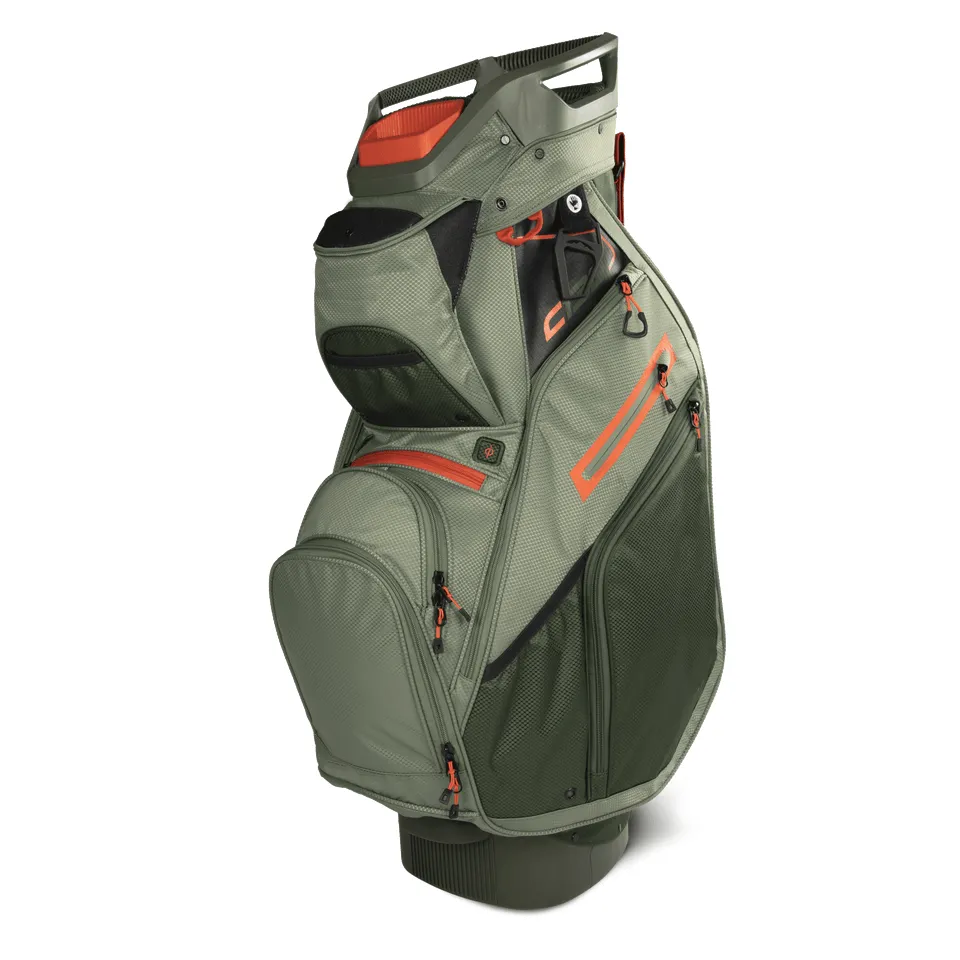
Cart bags command approximately 55 percent of the USA golf bag market by unit volume, and an even larger share by revenue given their higher average selling price. This dominance is a direct reflection of American golf culture: approximately 75 percent of rounds played in the United States utilize motorized golf carts, making the cart bag the natural choice for the majority of American golfers. Unlike walking-oriented bags where weight is a critical constraint, cart bags can maximize storage, organization, and feature density without penalty.
The modern American cart bag in 2026 is a marvel of organizational engineering. Premium models feature 14-way full-length dividers that provide individual club isolation, preventing shaft tangling and clubhead damage. Storage solutions include 10 to 14 individual pockets: full-length clothing pockets with waterproof linings, insulated cooler pockets that maintain beverage temperature for 4 to 6 hours, fleece-lined valuables pockets for phones and electronics, dedicated rangefinder pockets with magnetic closures, umbrella holders, and accessory clips for towels and ball markers. The best cart bags manage to incorporate all this functionality while maintaining a clean exterior profile that avoids the cluttered appearance of bags with poorly designed storage layouts.
Weight in cart bags is less constrained than in other categories, with premium models typically ranging from 5 to 7 pounds empty. However, the 2026 market shows a trend toward lighter cart bags that reduce total loaded weight without sacrificing storage. Advanced frame designs using carbon fiber or aluminum composites, combined with high-strength lightweight fabrics, are enabling cart bags that offer the same organizational capacity as traditional models while saving 20 to 30 percent in base weight. This weight reduction matters for golfers who occasionally walk, for course staff moving bags between carts and storage areas, and for shipping logistics.
The price range for cart bags in the USA market spans from approximately 100 dollars for basic models at mass retail to over 700 dollars for premium tour-oriented designs. The mid-range segment from 200 to 400 dollars represents the largest volume, offering features like 14-way dividers, water-resistant construction, and comprehensive storage at accessible price points. Our manufacturing experience shows that this price range demands the most careful balance between feature inclusion and cost control, requiring thoughtful material selection and efficient production methods to deliver perceived value that exceeds price expectations.
Stand Bags: The Walking Golf Movement in America
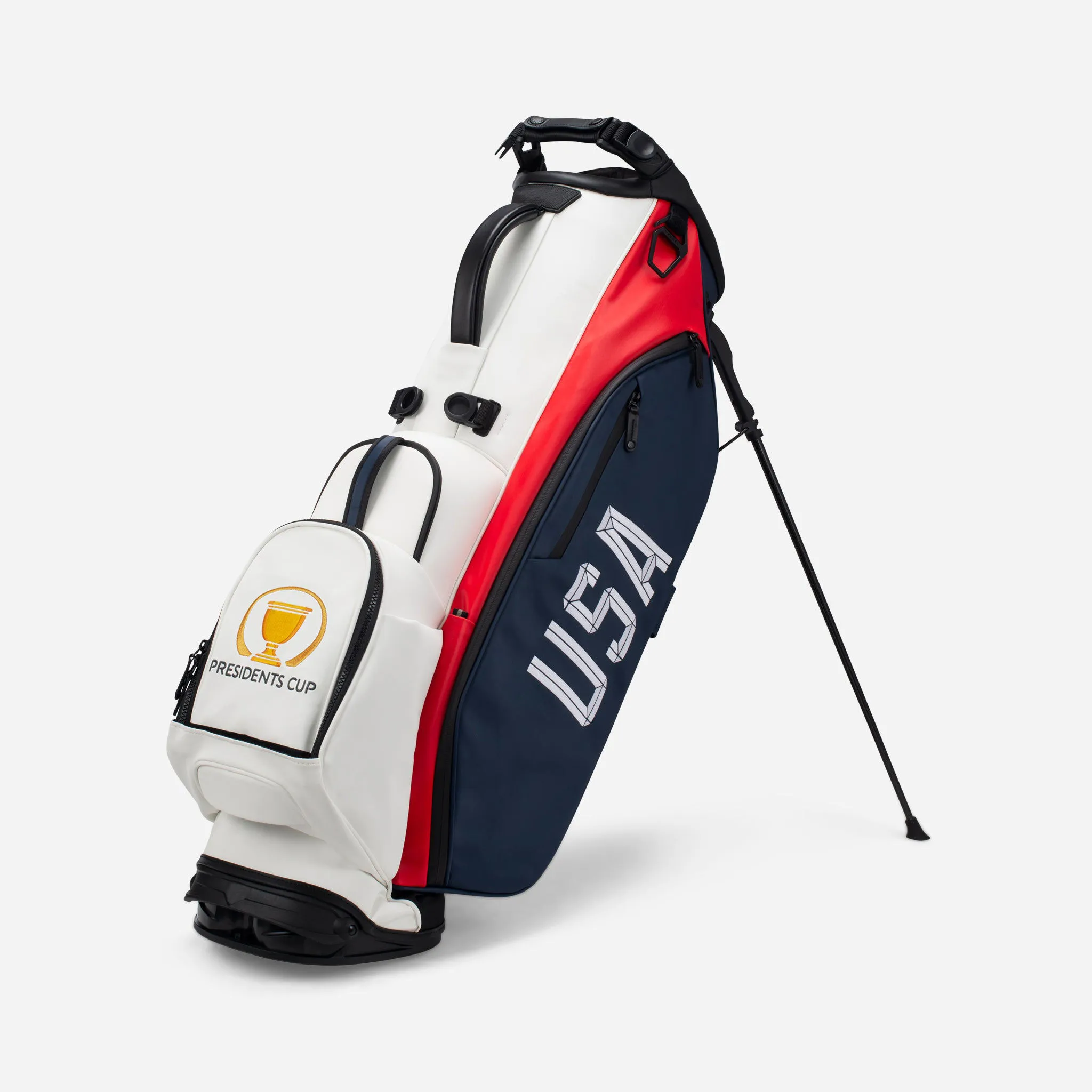
America's relationship with walking golf has evolved significantly. Historically, walking was associated with public municipal courses and budget-conscious play, while cart riding dominated private clubs and resort courses. However, the past five years have seen a renaissance in American walking golf, driven by health consciousness, a desire for more authentic golf experiences, and the influence of professional golf's walking culture. This shift has revitalized the stand bag category, which now represents approximately 30 percent of USA market unit sales and is growing at 8 percent annually, outpacing the cart bag segment.
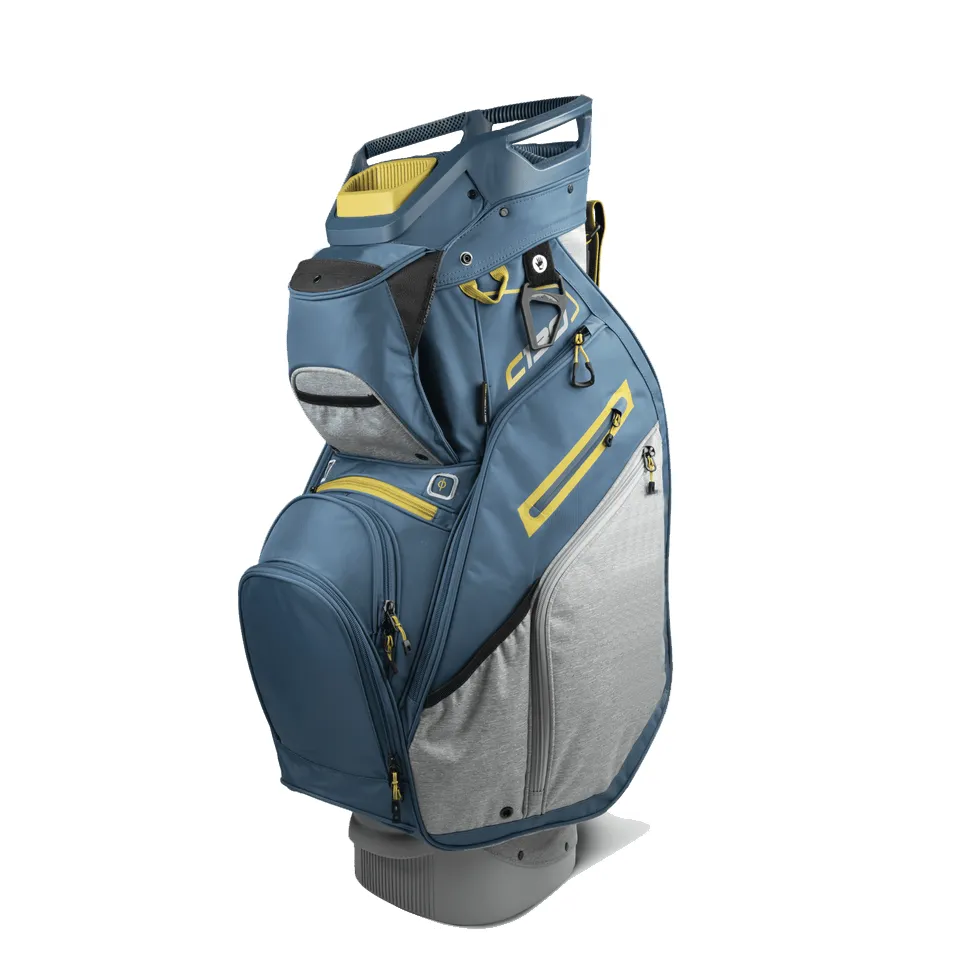
The modern American stand bag has evolved well beyond the basic designs of previous decades. Premium stand bags in 2026 feature ergonomic dual strap systems designed by backpack manufacturers, lightweight but rigid frames that maintain stability on uneven terrain, waterproof construction that protects equipment in sudden downpours, and organizational features that rival cart bags despite weight constraints of 2.5 to 4.5 pounds. The best stand bags achieve a level of comfort and functionality that makes walking 18 holes enjoyable rather than punitive, directly contributing to the growth of walking golf participation.
Key innovations in the stand bag category include integrated push cart compatibility designs that allow bags to mount securely on push carts without strap interference, removable strap systems that convert the bag from carry mode to cart mode in seconds, and advanced leg mechanisms that deploy smoothly and resist failure. The stand mechanism itself, typically a dual-leg design that deploys when the bag is set down, has been refined through extensive use testing to achieve deployment reliability exceeding 99.5 percent across the product life of the bag.
Price segmentation in stand bags ranges from 80 dollars for basic recreational models to over 500 dollars for premium tour-level carry bags. The sweet spot for American consumers falls between 180 and 350 dollars, where bags offer a compelling combination of lightweight construction, quality materials, functional features, and reliable warranty coverage. Our production data indicates that stand bags in this price range generate the highest customer satisfaction scores and lowest return rates, suggesting this segment offers optimal value for both consumers and the brands that serve them.
Tour Bags: Professional Inspiration and Aspirational Purchasing
Tour bags, also known as staff bags or Sunday tour bags, occupy a unique position in the USA market. While their actual usage is limited to professional golfers, caddies, and serious amateur competitors, their influence on consumer purchasing decisions far exceeds their unit volume. When American golfers see their favorite tour professionals carrying a distinctive staff bag on television, the aspirational appeal drives purchases that position tour bags as the premium tier of the market, with typical retail prices ranging from 400 to over 1,000 dollars.
The modern tour bag balances the sport's traditions with contemporary performance requirements. Premium tour bags feature full-grain leather or high-quality synthetic leather construction, full 14-way divider systems, extensive branding real estate for sponsor logos, and substantial storage capacity despite their larger dimensions. Weight typically ranges from 8 to 12 pounds, reflecting the use of premium materials and the expectation that caddies will carry or transport the bag. The aesthetic impact of a tour bag on the course is significant: these bags project professionalism, success, and commitment to the sport.
Manufacturing tour bags requires the highest level of craftsmanship in golf bag production. Our dedicated tour bag production line uses premium materials including full-grain leather, reinforced stitching at all stress points, and meticulous attention to visual perfection. Each tour bag undergoes individual quality inspection by our most experienced quality control specialists. The production time per unit is approximately three times that of a standard cart bag, reflecting the complexity and precision required. Our tour bag production serves multiple American brand partners and demonstrates our capability at the highest end of golf bag manufacturing.
Hybrid and Sunday Bags: The New Categories Reshaping the Market
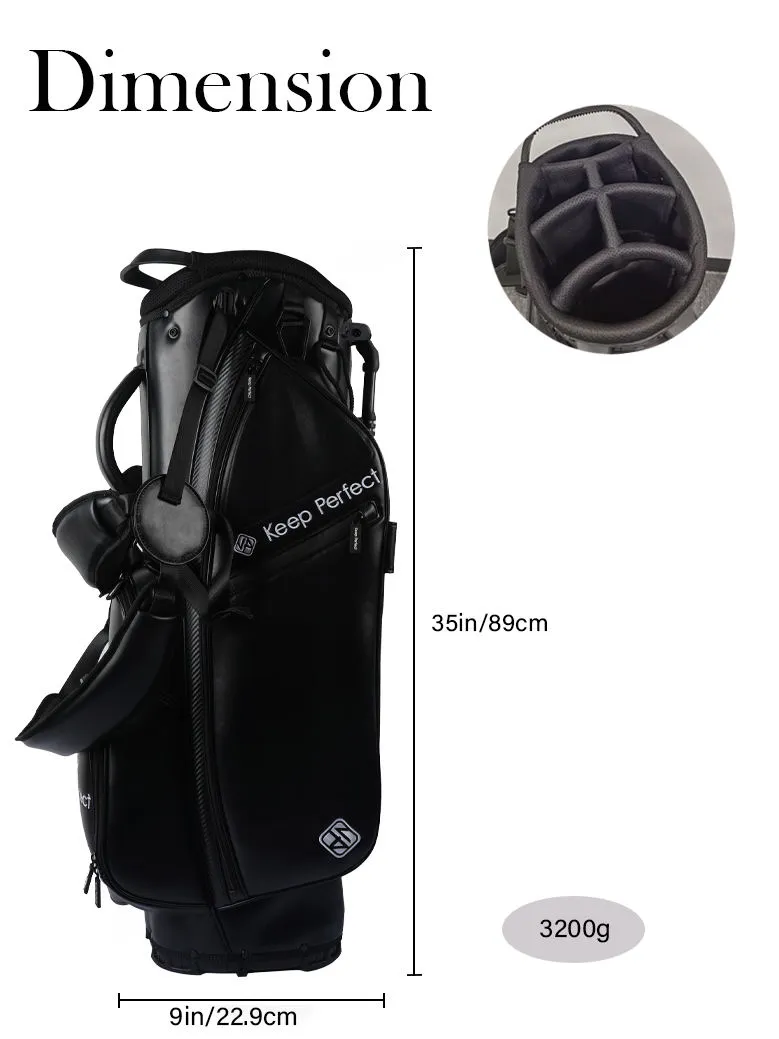
The fastest-growing segments in the USA golf bag market are hybrid bags and Sunday bags, two categories that did not exist in meaningful form a decade ago but now represent approximately 15 percent of total market unit sales. These bags address the needs of golfers who find traditional stand bags too limiting in storage and cart bags too heavy and bulky for carrying.
Hybrid bags combine elements of both categories: they feature retractable stand legs and carrying straps like stand bags, but offer organizational features and storage capacity approaching cart bags. Typical weight ranges from 3.5 to 5 pounds, positioning them between full stand bags and cart bags. The hybrid concept appeals particularly to American golfers who split their time between cart riding and walking, or who play at courses where both options are available and they want a single bag that performs well in either mode.
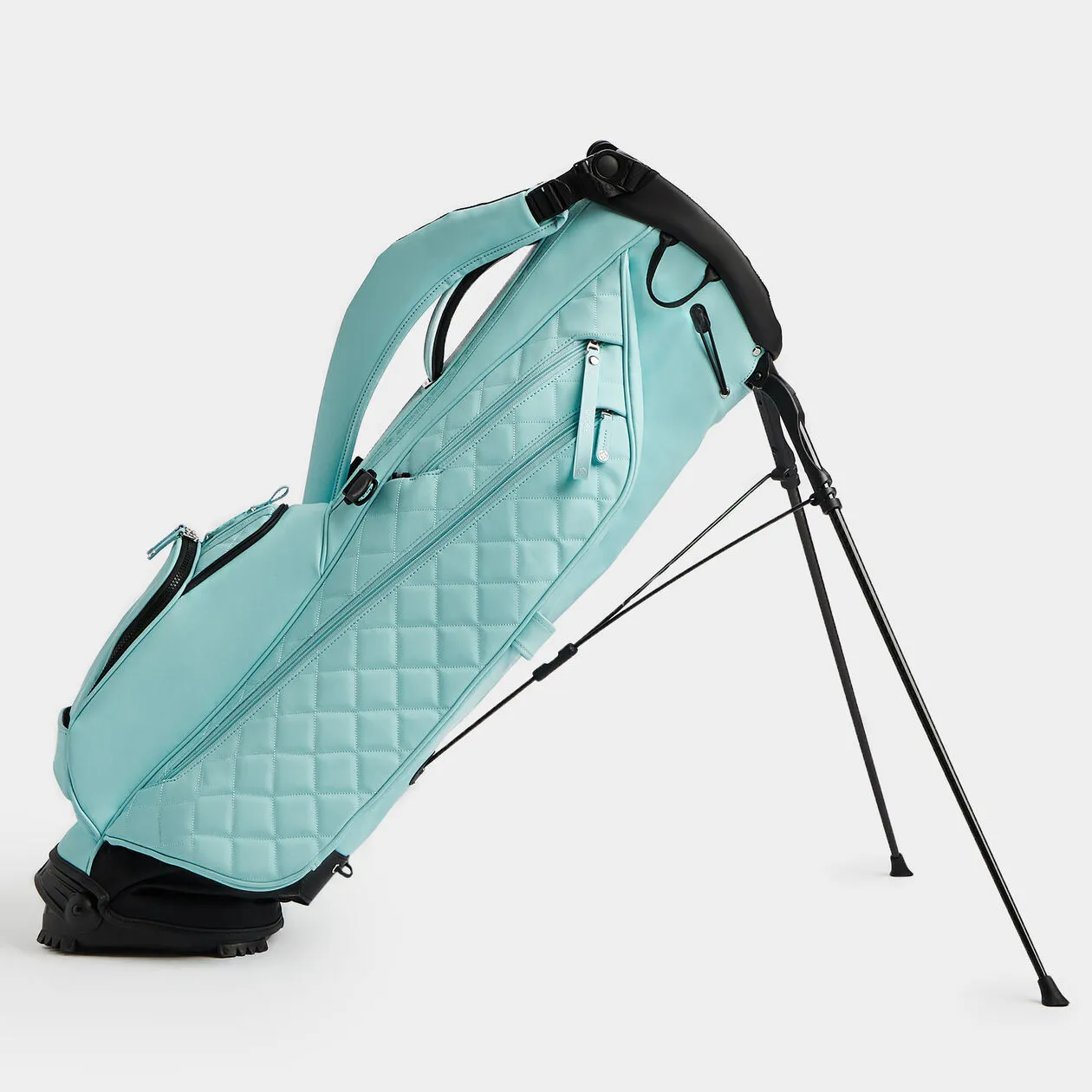
Sunday bags represent the minimalist end of the spectrum: lightweight carry bags, typically weighing under 2 pounds, with a single compartment, 4 to 6 way divider, and minimal external pockets. Named after the traditional Sunday round when golfers might carry fewer clubs for a more relaxed experience, these bags have found a market among American golfers who play short par-3 courses, practice rounds, or who simply prefer the minimalist experience of carrying only their most essential clubs. The Sunday bag's simplicity and portability resonate with younger golfers entering the sport who are drawn to golf's more accessible, less equipment-intensive image.
Our hybrid bag production has grown by 35 percent year-over-year in response to USA brand partner demand, and our Sunday bag line, launched in 2023, has become one of our fastest-growing product categories. These bags represent an opportunity for brands to attract golfers who might otherwise find traditional bag categories mismatched to their playing style, expanding the addressable market for golf bag products.
Price Segmentation: What American Golfers Actually Spend
Understanding the USA golf bag market requires a clear view of price segmentation and what consumers receive at each level. The market breaks into four primary tiers, each serving different consumer needs and expectations.
The entry-level tier, spanning 80 to 150 dollars, represents approximately 25 percent of unit sales but a smaller share of revenue. Bags at this price point use standard 600D polyester fabrics, basic 5-way dividers, simple strap systems, and minimal weather protection. They serve the recreational golfer who prioritizes value and may replace their bag every 2 to 3 years. Manufacturing these bags efficiently requires high-volume production methods and careful cost management while maintaining minimum quality standards that prevent premature failure.
The mid-range tier, from 150 to 350 dollars, commands approximately 45 percent of unit sales and represents the market's center of gravity. Bags here offer meaningful upgrades: 600D to 900D fabrics, 10 to 14-way dividers, padded dual straps, waterproof pockets, and improved hardware quality. This is where brand differentiation becomes most important, as consumers at this price level are evaluating multiple options and making considered purchase decisions. Our factory produces the majority of our USA-market volume in this tier, where our quality and efficiency capabilities deliver strong value propositions.
The premium tier, 350 to 600 dollars, accounts for approximately 20 percent of units but a larger share of revenue. These bags feature premium materials including synthetic leathers, high-denier ballistic fabrics, advanced divider systems with full-length separators, and comprehensive warranty programs. Consumers in this segment are experienced golfers with clear preferences who expect their bag to perform flawlessly for 5 or more years.
The luxury and tour tier, above 600 dollars, represents about 10 percent of units but contributes disproportionately to brand prestige and margin. Full-grain leather construction, tour-proven designs, extensive customization options, and the prestige of professional tour association justify these prices. Our luxury production capabilities serve this segment for brand partners who compete at the premium end of the market.
Consumer Preferences and Purchase Decision Factors
American golf bag purchase decisions are influenced by a complex interplay of factors that manufacturers and brands must understand to develop successful products. Our customer feedback data, combined with broader market research, reveals a consistent hierarchy of consumer priorities.
Durability and build quality rank as the top purchase factor, cited by 78 percent of American golf bag buyers. This priority reflects the reality that golf bags are substantial investments subjected to regular physical stress: dragged onto carts, set down repeatedly, bumped against other equipment, and exposed to weather extremes. Bags that fail prematurely generate negative reviews, warranty claims, and brand damage that far exceeds the cost of building durability into the product from the outset.
Organizational storage capacity is the second most important factor at 72 percent, reflecting American golfers' desire to carry comprehensive equipment and accessories with dedicated spaces for each item. Club protection through divider systems ranks third at 65 percent, followed by strap comfort at 58 percent, water resistance at 52 percent, and weight at 48 percent. Interestingly, brand reputation ranks seventh at 43 percent, indicating that American consumers will consider newer or lesser-known brands if the product delivers on the functional attributes they value most.
The growing importance of online reviews and social media influence has changed how American golfers evaluate bags before purchase. In 2026, approximately 62 percent of golf bag buyers read at least three online reviews before making a purchase decision, and 34 percent watch YouTube video reviews. This information environment rewards products that deliver genuine quality and penalize those that rely on marketing claims unsupported by actual performance. Our manufacturing focus on consistent quality across every unit produced reflects this market reality: in an era of transparent product evaluation, there is no hiding poor construction.
Manufacturing and Quality: What Behind the Reviews
Behind every golf bag review lies a manufacturing story that determines whether a product delivers on its promises or disappoints. Understanding the manufacturing factors that drive quality helps consumers make informed purchase decisions and helps brands select manufacturing partners capable of meeting their quality standards.
The foundation of golf bag quality begins with material selection. Fabric denier, coating type, zipper quality, buckle materials, thread grade, and foam density all contribute to a bag's performance and longevity. Our factory sources materials from vetted suppliers with documented quality specifications, conducting incoming material inspections that verify fabric weight, tensile strength, colorfastness, and coating integrity before releasing materials to production. This incoming quality control prevents material-level defects from propagating through the production process.
Construction quality separates good golf bags from great ones. Stitch density, seam allowances, reinforcement at stress points, adhesive application precision, and assembly sequence all affect durability and performance. Our factory's 8 production lines employ over 200 skilled craftsmen trained in golf bag-specific construction techniques, with quality checkpoints at each major assembly stage. Our defect detection rate of 99.7 percent at final inspection reflects the cumulative effect of process-level quality management throughout production.
Our BSCI social compliance certification ensures that the human element of golf bag manufacturing meets international labor standards. American consumers increasingly care about the conditions under which their products are made, and brands that partner with certified factories can communicate this responsibility to their customers. Combined with our ISO 9001:2015 quality management system, these certifications provide the compliance foundation that major American brands require from their manufacturing partners.
Market Outlook and Key Takeaways for 2026
The USA golf bag market enters 2026 with strong fundamentals and clear growth momentum. Golf participation continues to expand, particularly among younger demographics and female golfers, driving demand for bags that appeal to diverse preferences and playing styles. The walking golf movement will continue to elevate the stand bag and hybrid categories, while cart bags remain the volume leader for the foreseeable future. Sustainability will become an increasingly important differentiator as American consumers join their European and Asian counterparts in prioritizing environmentally responsible products.
For brands seeking to succeed in the USA market, the keys are clear: deliver genuine quality that withstands real-world use, offer features that address actual golfer needs rather than artificial complexity, price products to deliver clear value at each tier, and build manufacturing partnerships with certified factories that maintain consistent quality across production volumes. Our factory stands ready to support these goals with manufacturing capabilities spanning all bag categories, quality management systems that meet the most demanding brand requirements, and the responsiveness and flexibility needed to compete in America's dynamic golf market.
Contact us via WhatsApp at +8617750020688 to discuss how our manufacturing expertise and USA market experience can support your golf bag brand's growth objectives in the world's largest and most competitive golf market.
Frequently Asked Questions
What is the best-selling golf bag type in the USA?
Cart bags remain the best-selling golf bag type in the United States, accounting for approximately 55 percent of total unit sales in 2025. This dominance reflects the American golf culture where approximately 75 percent of rounds are played using motorized golf carts. Stand bags represent the second-largest category at 30 percent, with hybrid bags and Sunday/carry bags comprising the remaining 15 percent.
How much do American golfers typically spend on golf bags?
American golfers spend an average of 285 dollars on a golf bag, with significant variation by segment. Entry-level bags range from 80 to 150 dollars, mid-range bags from 150 to 350 dollars, premium bags from 350 to 600 dollars, and tour-quality or luxury bags exceed 600 dollars. The mid-range segment represents the largest volume at approximately 45 percent of total sales.
What features matter most to American golf bag buyers?
According to consumer surveys, American golf bag buyers prioritize the following features in order of importance: durability and build quality (cited by 78 percent), organizational storage capacity (72 percent), club protection through divider systems (65 percent), comfort of strap systems (58 percent), water resistance (52 percent), weight (48 percent), and brand reputation (43 percent). Aesthetics and color selection rank seventh at 38 percent.
Are expensive golf bags worth the investment for average golfers?
For golfers who play more than 30 rounds per year, investing in a mid-to-premium range bag (300 to 500 dollars) typically provides better long-term value through superior durability, enhanced features, and better warranty coverage. Bags in this range typically last 5 to 8 years compared to 2 to 3 years for entry-level options, resulting in lower annual cost of ownership despite higher initial investment.
What are the emerging trends in the USA golf bag market for 2026?
Key trends include the growing popularity of lightweight cart bags that reduce overall carry weight, increased adoption of sustainable and recycled materials, smart bag features including GPS holders and USB charging ports, customization options allowing personalized color and embroidery choices, and the rapid growth of hybrid bags that appeal to golfers transitioning between cart and carry play styles.
How do American golf bag preferences differ from other markets?
American golf bag preferences differ primarily in the emphasis on cart-oriented designs with maximum storage, larger overall dimensions, and more vibrant color options compared to European or Asian preferences. American golfers prioritize organizational complexity (more pockets and dividers), integrated cooling features, and cart-compatible base designs, reflecting the cart-dominant playing culture.
Ready to Start Your Custom Golf Bag Project?
Partner with a BSCI & ISO 9001:2015 certified factory producing 200,000+ premium golf bags annually. MOQ just 100 pieces.
Get a Free Quote Today