Golf Bag Asia Market 2026: Growth, Trends, and Manufacturing Insights
Table of Contents
- Introduction: Asia Rapid Ascent in the Global Golf Bag Market
- China: From Manufacturing Base to Consumer Market Powerhouse
- Japan: Precision Quality and the Most Discerning Golfers
- South Korea: Golf Culture Boom Driving Equipment Demand
- Southeast Asia: Emerging Markets and Resort Golf Growth
- Regional Design Preferences and Cultural Considerations
- Manufacturing Dynamics: Asia as the Global Production Hub
- Digital Commerce and the Transformation of Golf Bag Retail
- Market Forecast and Strategic Opportunities for 2026
Introduction: Asia Rapid Ascent in the Global Golf Bag Market
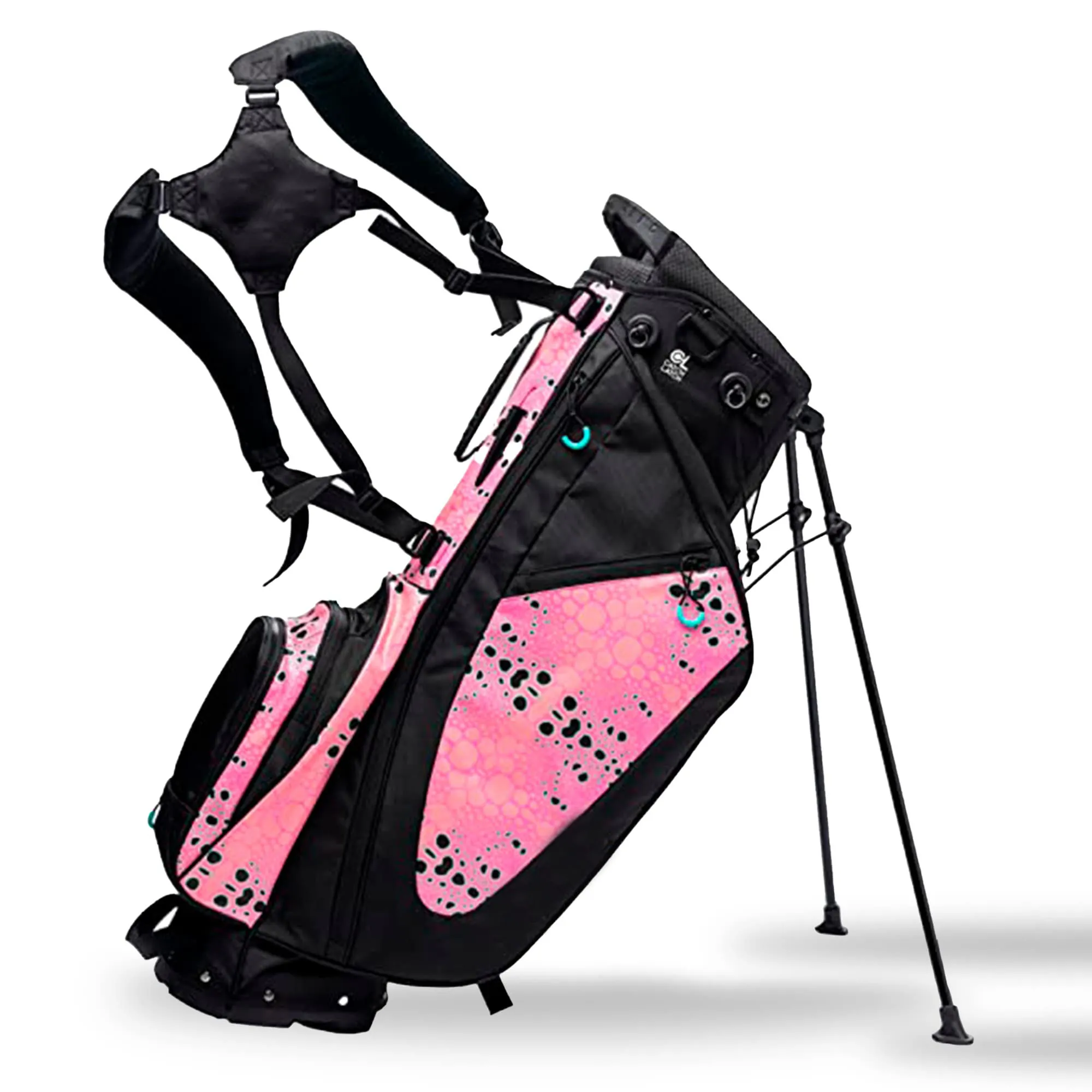
Asia has transformed from a primarily manufacturing-focused region into the world most dynamic and fastest-growing golf bag consumer market. With rising disposable incomes, expanding golf course development, and a cultural shift that positions golf as both a business networking tool and a lifestyle pursuit, Asian countries are reshaping global demand patterns for golf bags across every category from premium tour bags to lightweight carry bags. The Asian golf bag market, valued at approximately 2.4 billion US dollars in 2026, represents about 31 percent of global golf bag sales and is growing at nearly double the global average rate of expansion seen in established Western markets.
The region significance extends far beyond consumer demand alone. Asia remains the world dominant golf bag manufacturing hub, with China, Vietnam, Indonesia, and India collectively producing over 90 percent of all golf bags sold globally across all markets. This dual role as both production center and growth market creates a unique ecosystem where manufacturing expertise, consumer insight, and supply chain infrastructure converge in ways that have no parallel in other regions. For brands and buyers seeking to understand or enter the golf bag market, Asia is not just a market to consider but the market that defines the industry structure and competitive dynamics.
This comprehensive analysis examines the key Asian golf bag markets, their distinctive characteristics, growth drivers, and the manufacturing dynamics that make Asia the epicenter of global golf bag production. Drawing on our experience as a BSCI and ISO 9001:2015 certified manufacturer producing over 200,000 golf bags annually with significant Asian market exposure through brand partnerships across multiple countries, we provide insights that bridge the gap between factory floor realities and market-level strategic trends. Our perspective is informed by direct production experience across all bag categories and deep engagement with the specific quality expectations, design preferences, and business practices of Asian brand partners.
China: From Manufacturing Base to Consumer Market Powerhouse
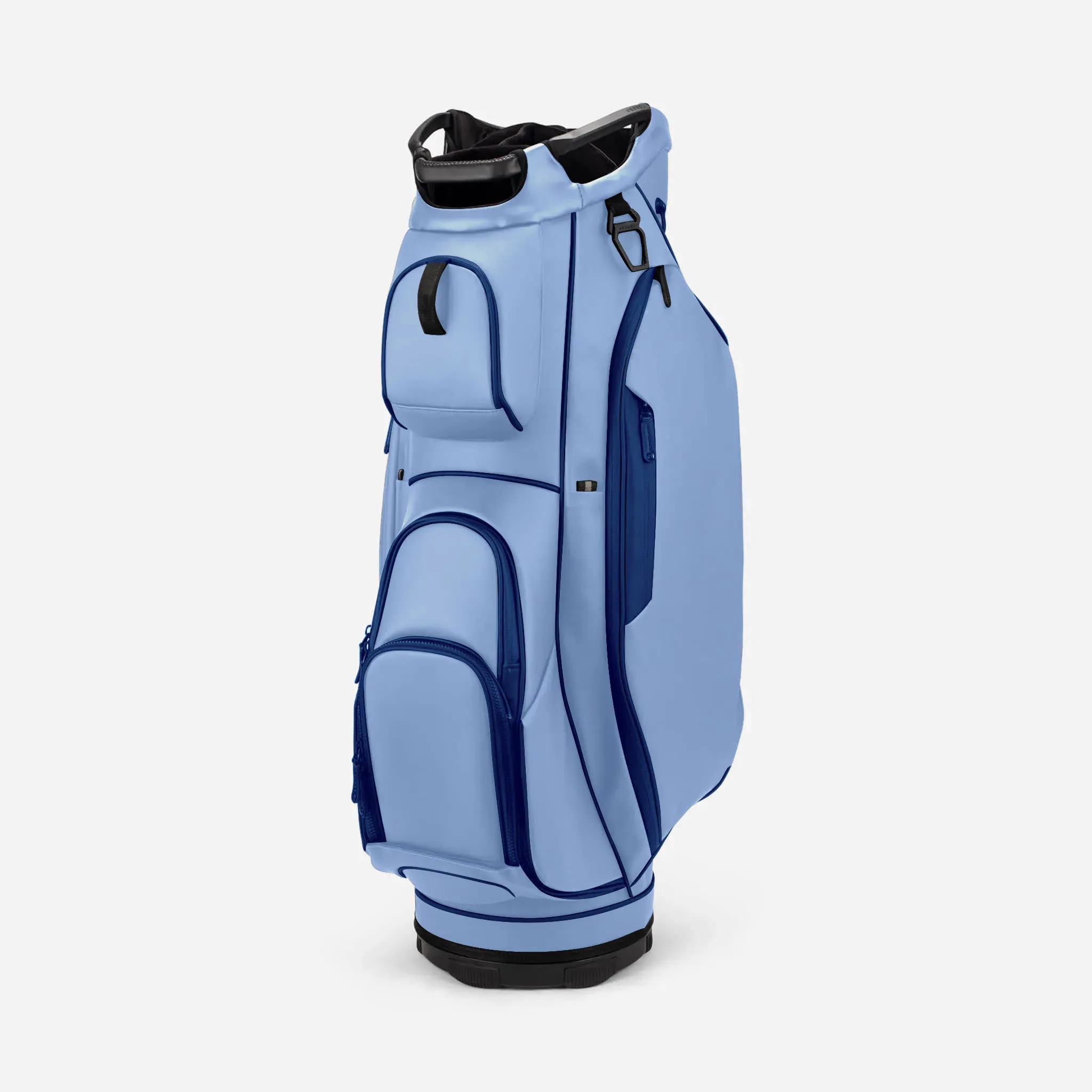
China relationship with the golf bag industry has evolved dramatically over the past two decades, reflecting the country broader economic transformation. Once primarily a contract manufacturing destination for Western and Japanese brands seeking cost-efficient production, China has developed a robust domestic golf culture that now drives significant internal demand for quality golf equipment including bags. With an estimated 1.2 million active golfers and over 500 golf courses nationwide, China domestic golf bag market reached approximately 850 million US dollars in 2025, growing at 9.2 percent annually as the sport continues to attract new participants from the expanding urban middle class.
The Chinese golf bag consumer presents a unique profile that differs meaningfully from other Asian markets. Unlike Japan focus on pure playing performance or Korea emphasis on brand prestige, Chinese consumers tend to value versatility, brand recognition, and visible quality markers that communicate taste and success. Golf bags in China serve multiple functions beyond simple equipment carrying: on-course utility for organized play, status signaling in business networking contexts where golf is increasingly popular, and social media presence as part of a curated lifestyle image. This multi-functional demand creates opportunities for bags that combine practical performance with distinctive visual design and recognizable branding elements that photograph well and communicate quality at a glance.
Domestic Chinese golf bag brands have matured significantly over the past five years, moving from purely price-driven competition toward quality and design differentiation that challenges established international brands. This maturation of domestic competition has raised consumer expectations across the entire market, benefiting manufacturers who can deliver genuine quality at competitive prices. Brands have invested in quality improvements and brand building that requires manufacturing partners capable of meeting increasingly sophisticated specifications while maintaining the cost structures needed for the Chinese price-sensitive market environment.
Our factory experience in the Chinese market illustrates this evolution clearly. Ten years ago, our domestic Chinese production accounted for less than 5 percent of total output. Today, Chinese brand partnerships and domestic market production represent 22 percent of our annual volume, with growth continuing as domestic brands invest in premium product lines and quality improvements. The technical requirements for Chinese market products have converged closely with export standards, with Chinese brand partners increasingly specifying the same material grades, construction standards, and quality control protocols as their Japanese and European counterparts. This convergence means that manufacturing capabilities developed for export markets directly benefit domestic Chinese brand production, creating a virtuous cycle of quality improvement across all market segments.
Japan: Precision Quality and the Most Discerning Golfers

Japan represents the most mature and quality-demanding golf bag market in Asia, and arguably in the entire world. With approximately 9.5 million golfers including casual participants, over 2,200 golf courses ranging from prestigious private clubs to accessible public facilities, and a deep cultural tradition of craftsmanship appreciation that permeates consumer expectations across all product categories, Japan sets the global benchmark for golf bag quality, detail, and refinement. The Japanese golf bag market, valued at approximately 620 million US dollars, grows at a modest but steady 3.5 percent annually, reflecting market maturity offset by consistent premiumization as golfers trade up to higher-quality equipment over time.
Japanese golfers expectations for golf bags are extraordinarily exacting by any international standard. Stitch spacing must be consistent to within plus or minus 1 millimeter across every visible seam. Zipper pulls must operate smoothly through 10,000 cycles without degradation in function. Fabric colors must precisely match Pantone reference standards with a Delta E tolerance of less than 1.0, which represents the threshold of visible color difference to the human eye. Logo embroidery must achieve a minimum stitch density of 800 stitches per square centimeter for crisp, clean presentation. These specifications, while demanding, reflect a consumer market where product perfection is expected as a baseline requirement rather than a premium differentiator.
The Japanese market also shows distinctive design preferences that reflect local golf culture and physical considerations. Compact proportions are favored, reflecting the generally smaller stature of Japanese golfers and the premium placed on efficient storage and manageable weight for caddie-assisted play. Color palettes trend toward sophisticated neutrals including charcoal, navy, deep forest green, and black, with selective use of accent colors in linings or subtle piping details. Full-coverage rain hoods, integrated umbrella holders, and dedicated valuables pockets with soft linings are considered essential features rather than optional extras. Many Japanese golfers use caddie services, which influences bag design with features optimized for caddie handling including specific lift point reinforcement, clear numbering systems for club identification, and balanced weight distribution for comfortable carrying.
Manufacturing for the Japanese market requires production capabilities that exceed standard commercial specifications in measurable ways. Our factory maintains a dedicated Japanese-market production protocol that includes triple-inspection quality control at multiple stages including operator self-check, line supervisor inspection, and final quality control audit by dedicated QC staff. Each bag receives individual packaging in branded dust bags with protective inserts, and pre-shipment sampling follows AQL Level II with an acceptable quality level of 1.0, significantly more stringent than the standard AQL of 2.5 applied to other markets. This elevated quality standard requires additional inspection time and more rigorous production discipline, but has become an essential competitive capability for serving the Japanese brand partner segment.
South Korea: Golf Culture Boom Driving Equipment Demand
South Korea has emerged as Asia most dynamic golf market with extraordinary growth in participation and equipment spending. The country now has approximately 5.8 million golfers, representing over 11 percent of the total population, with new golfers joining at a rate that outpaces every other Asian market. Screen golf facilities, offering indoor simulated golf experiences in accessible urban locations, have served as a powerful gateway introducing millions of Koreans to the sport before they transition to outdoor courses. The Korean golf bag market has reached approximately 380 million US dollars, growing at 12 percent annually, which represents the fastest growth rate among all major Asian markets.
Korean golf culture places strong emphasis on brand identity and visible luxury in a way that distinctly shapes bag purchasing behavior. Golf bags in Korea function as fashion accessories and social signifiers as much as functional sporting equipment. Premium brands with strong visual identities and clear luxury positioning perform exceptionally well in the Korean market, and Korean consumers show remarkable willingness to pay significant premiums for bags that project status and refined taste on the course. This brand-consciousness creates opportunities for manufacturers who can deliver premium quality and distinctive design execution, though it also demands investment in brand development capabilities that complement manufacturing excellence.
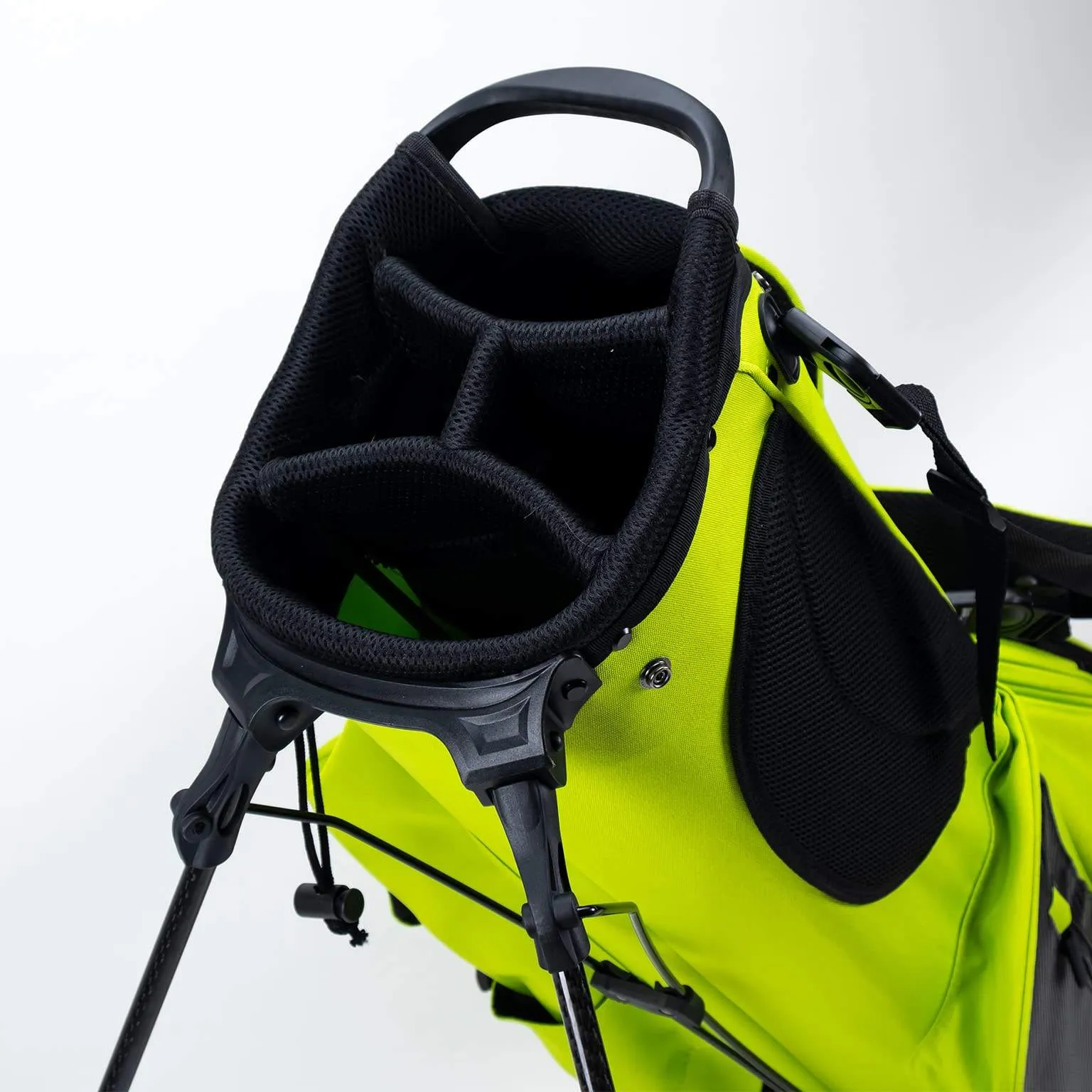
The Korean market also shows a notable and commercially significant trend toward bag specialization. Korean golfers, who frequently play rounds in single-day outing format traveling to resort courses outside the Seoul metropolitan area, tend to own multiple bags serving different purposes. A primary cart bag for resort play, a lightweight stand bag for regular weekday rounds, and a compact travel bag for overseas golf trips to Southeast Asia or other international destinations. This multi-bag ownership pattern drives significantly higher per-capita consumption of golf bags compared to markets where golfers typically own a single bag, and creates demand for differentiated product lines within a single brand portfolio that manufacturers must support with versatile production capabilities.
Southeast Asia: Emerging Markets and Resort Golf Growth
Southeast Asia represents the most diverse and rapidly evolving golf bag sub-market within the broader Asian region. Countries including Thailand, Vietnam, Indonesia, Malaysia, and the Philippines are experiencing golf course development fueled by tourism investment and growing domestic demand, with new resort courses driving equipment demand from both international visitors and rapidly expanding domestic golf communities. The combined Southeast Asian golf bag market reaches approximately 550 million US dollars in 2026, with growth concentrated in Vietnam where course development is accelerating and Thailand where established tourism infrastructure supports consistent demand.
Thailand, with over 300 golf courses and a well-established international reputation as a premier golf tourism destination, represents the most mature Southeast Asian market for golf equipment. The country attracts over 500,000 international golf tourists annually, creating unique demand patterns that blend resort retail sales to visiting golfers, domestic player purchases, and golf academy equipment procurement for training facilities. Vietnam, with golf course development accelerating from approximately 50 courses in 2020 to over 85 in 2026, represents the fastest-growing market in the sub-region driven by both substantial foreign direct investment in resort development and rising domestic middle-class participation in golf as a recreational activity and business networking venue.
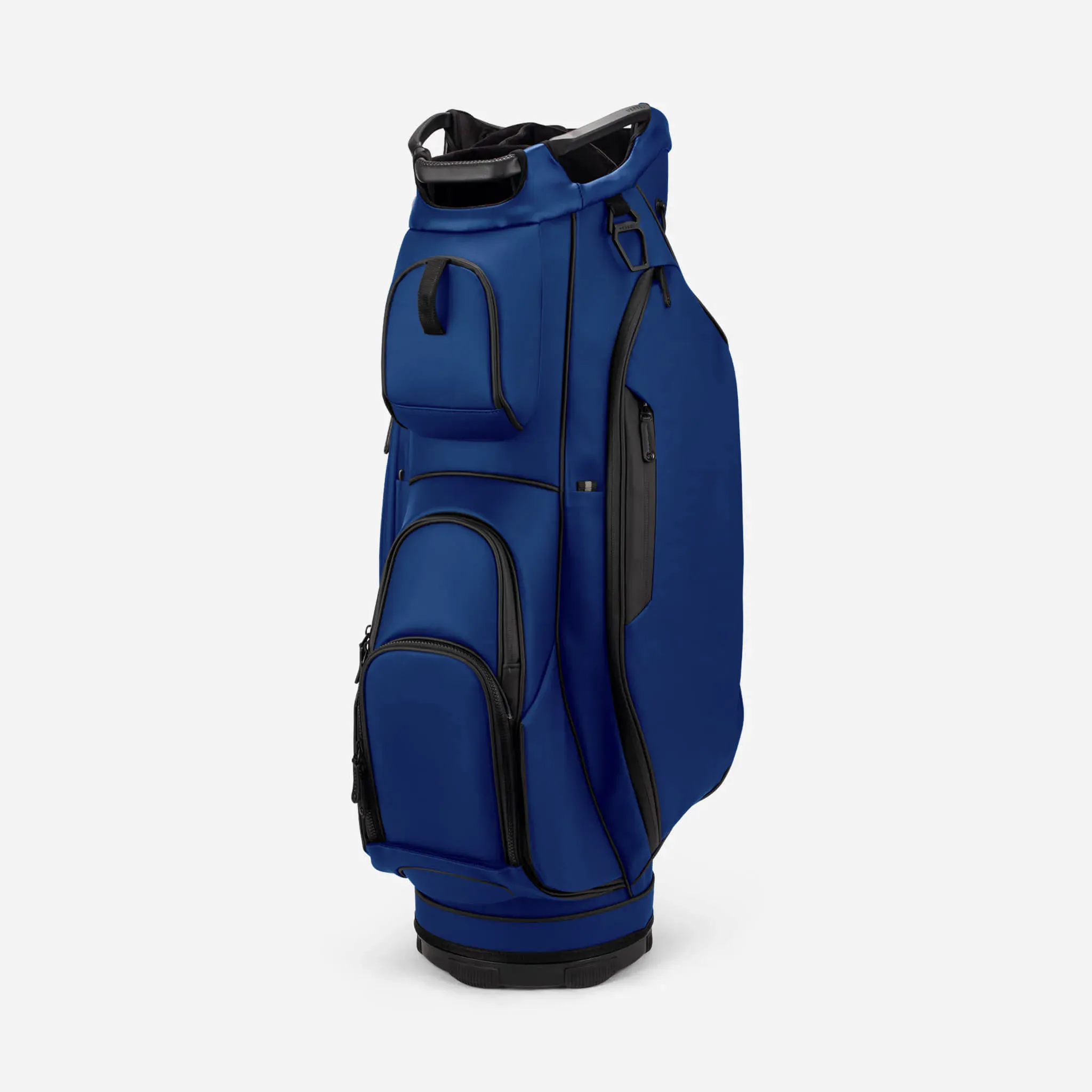
The Southeast Asian market is price-sensitive but decidedly not quality-blind. Consumers in this region seek value-oriented products that deliver reliable performance at accessible price points appropriate for local purchasing power. Our entry-level and mid-range product lines featuring durable 600D polyester construction, basic rain hoods, and functional organizational layouts at competitive price points have found strong reception across Southeast Asian markets. The key success factor in this market is delivering perceived value through construction quality and material specifications that appear and perform like premium products while remaining accessible at mid-range price points that reflect local economic conditions and consumer spending patterns.
Regional Design Preferences and Cultural Considerations
Understanding Asian golf bag design preferences requires attention to cultural nuances that extend well beyond surface-level aesthetic considerations. Across Asian markets broadly, organizational precision is highly valued by consumers and influences purchasing decisions significantly. Dividers that keep clubs neatly separated in individual tubes, pockets with clear organizational logic and intuitive access patterns, and features that demonstrate thoughtful engineering receive strong positive feedback from Asian consumers. This contrasts with some Western preferences where generous pocket capacity without specific organizational structure is more commonly accepted as adequate.
Climate considerations significantly influence design requirements across Asian markets in ways that differ from European or North American conditions. Asia tropical and subtropical climates demand exceptional moisture management in golf bag construction. Water-resistant fabrics with high hydrostatic head ratings, rust-resistant hardware using stainless steel or anodized aluminum zippers and fittings, mold-resistant interior linings treated with antimicrobial compounds, and UV-stable exterior materials that resist fading under intense tropical sunlight are all essential requirements. Our products destined for Southeast Asian markets undergo enhanced anti-mold treatment protocols including silver-ion antimicrobial lining treatments that effectively prevent fungal growth in humid conditions where bags may be stored in non-climate-controlled environments for extended periods between rounds.
Size proportions also vary meaningfully by market within the Asian region. Japanese and Korean consumers prefer more compact bag profiles that match average body dimensions and the cultural premium placed on portability and efficient use of space. Chinese and Southeast Asian consumers show greater acceptance of standard Western sizing in bag dimensions. This variation requires manufacturers serving multiple Asian markets to offer multiple size configurations within product lines, adding some complexity to production planning and inventory management but reflecting the market diversity that characterizes Asia as a region and must be accommodated by manufacturers seeking to serve it effectively.
Manufacturing Dynamics: Asia as the Global Production Hub
Asia dominance in golf bag manufacturing is built on a powerful combination of factors that have accumulated over decades of industry development. Established supply chain infrastructure provides access to all necessary materials, components, and production equipment within compact geographic clusters. Skilled labor forces with generations of textile and bag manufacturing experience deliver consistent quality at competitive costs. Material sourcing proximity to major fiber and fabric production centers reduces transportation costs and lead times. And decades of manufacturing expertise accumulation have created deep institutional knowledge of golf bag construction techniques, quality standards, and production optimization methods that cannot be quickly replicated in other regions.
The competitive dynamics among Asian manufacturing nations are evolving in ways that create both opportunities and challenges for established producers. China advantages of supply chain completeness and manufacturing scale at speed are increasingly complemented rather than replaced by Vietnam cost competitiveness for labor-intensive production stages and Indonesia growing technical capabilities as their workforce gains experience. This multi-polar manufacturing landscape benefits global brands by providing sourcing flexibility and competitive pricing pressure, while requiring individual manufacturers to continuously invest in efficiency improvement, quality system enhancement, and service differentiation to maintain their market positions against competitors in neighboring countries.
Our factory competitive strategy focuses on quality consistency across all product categories, manufacturing flexibility that allows efficient production of diverse bag types across multiple brand portfolios, and responsive communication that enables collaborative product development with brand partners. With 8 production lines capable of producing the full range of golf bag types from Sunday carry bags through premium tour staff bags, our facility offers brand partners the ability to develop diverse product portfolios through a single manufacturing relationship that simplifies coordination and ensures consistent quality standards across categories. Our BSCI social compliance certification and ISO 9001:2015 quality management system provide the compliance foundation that major global brands require from their manufacturing partners regardless of the specific markets they serve.
Digital Commerce and the Transformation of Golf Bag Retail
Asia leads the world in e-commerce adoption and digital retail innovation, and the golf bag market is no exception. Online sales of golf bags across Asian markets have grown to represent approximately 35 percent of total market volume, with particularly high online penetration in China and South Korea where digital commerce infrastructure is exceptionally well-developed and consumers are comfortable purchasing sporting equipment online. This shift toward digital retail has significant implications for golf bag manufacturers and brands, as online purchasing behavior differs from traditional retail in important ways that influence product design, presentation, and quality expectations.
Online golf bag purchases require products to communicate quality through photography, video, and written descriptions rather than through direct physical inspection. This means that construction details, material quality, and functional features must be clearly visible and accurately represented in product imagery. Bags that photograph well with clean lines, visible quality construction, and distinctive design elements tend to perform better in online retail environments. Additionally, online purchasing increases the importance of accurate sizing information, detailed feature descriptions, and genuine customer reviews, as buyers rely heavily on these information sources when they cannot physically handle the product before purchase.
The rise of social commerce platforms including live-stream shopping in China and influencer-driven product discovery in South Korea and Southeast Asia has created new channels for golf bag brands to reach consumers directly. These digital channels reward products with compelling visual presentation and authentic quality stories, creating opportunities for manufacturers who invest in quality construction and sustainable practices to communicate those values directly to end consumers. Our factory supports brand partners in these digital retail efforts by providing detailed product specification data, high-resolution construction photography, and sustainability documentation that can be incorporated into online product presentations and marketing materials.
Market Forecast and Strategic Opportunities for 2026
The Asian golf bag market growth trajectory remains strong, supported by powerful demographic tailwinds including an expanding middle class with disposable income for leisure activities, continued infrastructure development with new golf courses opening across Southeast Asia and secondary Chinese cities, cultural trends positioning golf as an accessible lifestyle activity among young professionals rather than an exclusive pursuit, and technological innovation enabling better materials and manufacturing techniques that improve product quality while reducing costs. We project the Asian market will reach 3.2 billion US dollars by 2028, representing a compound annual growth rate of 8.5 percent from the 2025 baseline, significantly outperforming the global industry average.
Strategic opportunities for brands and manufacturers targeting Asian markets include developing market-specific product lines that address each country distinctive preferences and price sensitivity rather than treating Asia as a monolithic market. Investing in sustainable production capabilities that align with growing environmental consciousness among younger Asian golfers who are increasingly aware of and concerned about environmental issues. Leveraging digital commerce platforms that have transformed retail across Asia and provide direct access to consumers without traditional distribution overhead. Building manufacturing partnerships that combine consistent quality, regulatory compliance, and responsive communication to support the rapid product development cycles that competitive Asian markets demand from their supply chains.
The manufacturers and brands that succeed in Asia will be those that treat the region not as a single market but as a diverse collection of distinct consumer cultures each requiring tailored approaches to product development, pricing, marketing, and distribution. Our factory commitment to serving this diverse market is reflected in our investment across multiple production capabilities, quality standards that meet the most demanding requirements, and cultural understanding developed through years of collaboration with brand partners across the region. Contact us via WhatsApp at +8617750020688 to explore manufacturing partnerships that address the specific requirements of Asian golf bag markets, leveraging our experience supplying brands across Japan, South Korea, China, Southeast Asia, and beyond.
Frequently Asked Questions
How big is the Asian golf bag market in 2026?
The Asian golf bag market is valued at approximately 2.4 billion US dollars in 2026, representing about 31 percent of global golf bag sales. China alone accounts for roughly 850 million dollars, with Japan at 620 million, South Korea at 380 million, and Southeast Asia contributing approximately 550 million dollars in combined market value.
What are the key differences between Asian and Western golf bag preferences?
Asian golfers generally prefer lighter, more compact bags with meticulous organizational features. Japanese consumers demand exceptional build quality and attention to detail, while Korean golfers show strong preference for premium branded products with visible luxury elements. Chinese consumers are rapidly developing preferences that blend domestic brand loyalty with appreciation for international design standards.
Which Asian countries manufacture the most golf bags?
China remains the dominant golf bag manufacturing nation, producing approximately 65 percent of the world total golf bag output. Vietnam has emerged as the second-largest producer at approximately 15 percent of global output, followed by Indonesia at 8 percent and India at 4 percent. These four countries collectively account for over 90 percent of all golf bags manufactured globally.
What growth rate is the Asian golf bag market experiencing?
The Asian golf bag market is growing at a compound annual growth rate of 8.5 percent, significantly outpacing the global average of 4.2 percent. South Korea leads the region with 12 percent annual growth, followed by China at 9.2 percent, Southeast Asia at 8.8 percent, and Japan at a steady 3.5 percent reflecting its mature market status.
How do Asian golf bag quality standards compare to other regions?
Japanese quality standards for golf bags are widely regarded as the most stringent globally, with defect tolerance rates as low as 0.3 percent compared to 1.0 to 1.5 percent typical in Western markets. Korean and Chinese brands have progressively adopted Japanese-level quality expectations, driving manufacturers across Asia to elevate their quality control systems.
What impact does golf tourism have on Asian golf bag sales?
Golf tourism is a significant driver of golf bag sales in Southeast Asia, particularly in Thailand, Vietnam, and Indonesia. International golf tourists spend approximately 2.3 times more on golf equipment per trip than domestic golfers, and many purchase golf bags as souvenirs or to avoid transporting their own bags, creating a unique retail segment at resort pro shops.
Ready to Start Your Custom Golf Bag Project?
Partner with a BSCI & ISO 9001:2015 certified factory producing 200,000+ premium golf bags annually. MOQ just 100 pieces.
Get a Free Quote Today