European Golf Bag Trends 2026: Styles, Materials, and Market Insights
Table of Contents
- Introduction: Europe's Evolving Golf Bag Landscape in 2026
- Scandinavian Minimalism: Less Is More in Golf Bag Design
- Italian Luxury: Where Heritage Meets Modern Craftsmanship
- British Heritage: Classic Aesthetics with Contemporary Performance
- The European Sustainability Mandate: Regulatory and Consumer Drivers
- Hybrid and Lightweight Bags: The Walking Golf Revolution
- Color Trends and Material Preferences Across European Markets
- Manufacturing Partnerships: How European Brands Source Production
- Market Outlook and Forecast for European Golf Bags
Introduction: Europe's Evolving Golf Bag Landscape in 2026
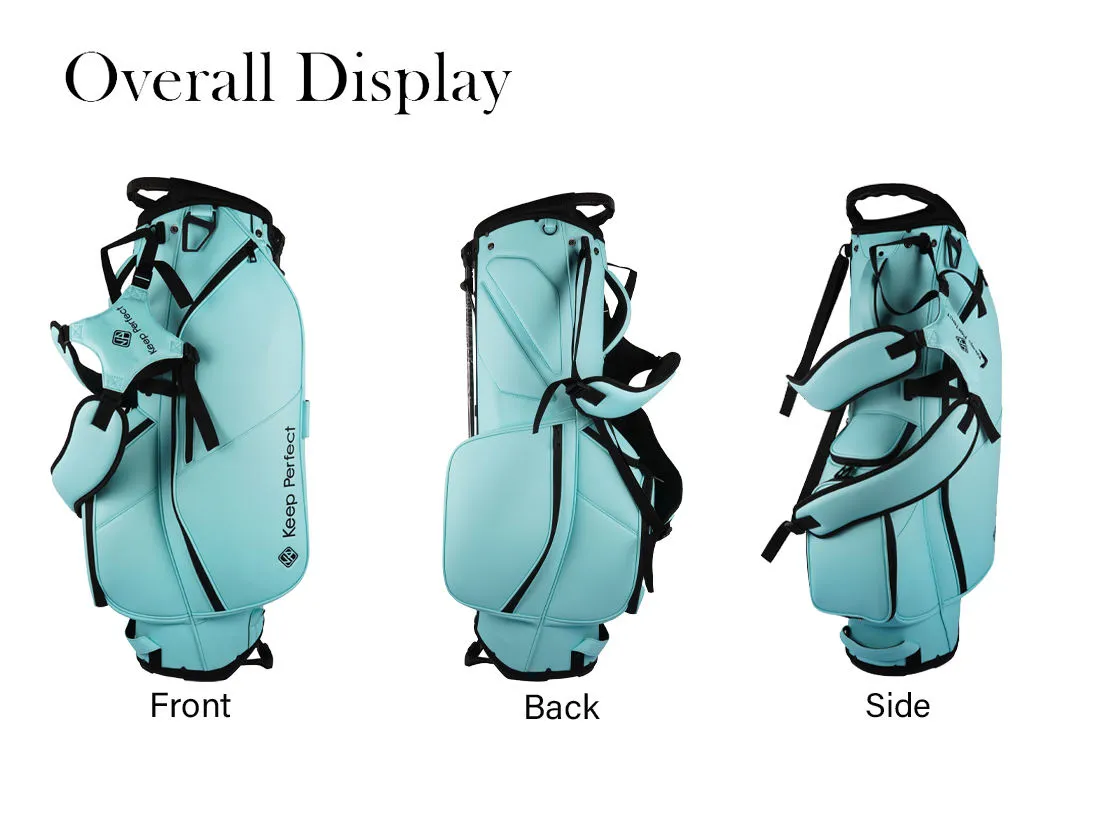
Europe has long been recognized as one of the world's most discerning and influential golf markets, home to iconic courses from St Andrews to Valderrama, and a golf culture that emphasizes tradition, craftsmanship, and environmental stewardship. In 2026, the European golf bag market reflects these values through distinctive design preferences, sustainability mandates, and a growing emphasis on walking golf that sets it apart from other major markets. The European golf bag market, valued at approximately 1.8 billion euros in 2025, is projected to reach 2.3 billion euros by 2028, driven by increasing golf participation in Southern and Eastern Europe and a premiumization trend across established markets.
Unlike the North American market, where cart bags dominate due to the prevalence of riding golf, European golf culture overwhelmingly favors walking. Across the continent, approximately 68 percent of rounds are played on foot, compared to just 25 percent in the United States. This fundamental difference shapes every aspect of golf bag design for the European market: weight, ergonomics, strap systems, and overall size are optimized for carrying or pushing, creating a product landscape that differs markedly from American preferences.
As a manufacturer that supplies golf bags to European brand partners across more than 15 countries, we have developed deep insights into regional preferences, regulatory requirements, and emerging trends. This comprehensive analysis draws on our production data, brand partner feedback, and market research to provide the most detailed overview of European golf bag trends available from a manufacturing perspective.
Scandinavian Minimalism: Less Is More in Golf Bag Design
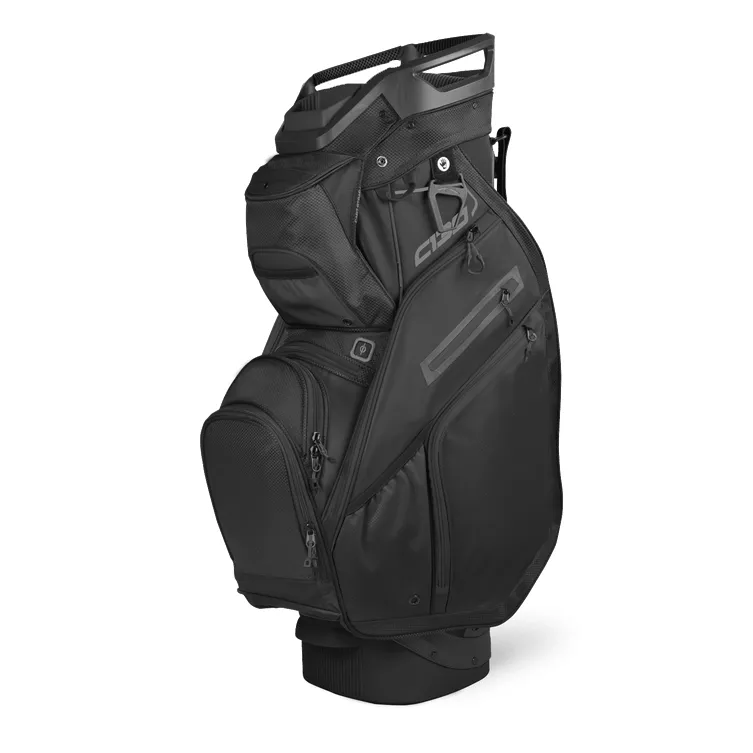
The Scandinavian design philosophy, characterized by clean lines, functional simplicity, and muted natural color palettes, has become the dominant aesthetic influence in European golf bag design. Swedish, Norwegian, and Danish golfers particularly favor bags that embody restraint and purpose, avoiding the bold graphics and excessive branding common in other markets. This aesthetic preference extends to material choices: matte finishes over glossy surfaces, tonal color schemes that blend forest greens, slate grays, navy blues, and warm tans, and subtle branding executed through embroidered logos rather than printed graphics.
The Scandinavian influence has spread well beyond the Nordic countries, shaping design language across the broader European market. Brands headquartered in Germany, the Netherlands, and the United Kingdom have all adopted Scandinavian-inspired design cues in their 2026 product lines. This trend is not merely cosmetic; it reflects a broader cultural emphasis on functional design where every element serves a clear purpose. Storage pockets are integrated seamlessly into the bag's profile rather than added as afterthoughts, strap systems are engineered for comfort without visual bulk, and base designs prioritize stability on push carts without excessive footprint.
From a manufacturing perspective, Scandinavian-inspired designs present both opportunities and challenges. The emphasis on clean aesthetics demands higher construction precision, as visible stitching must be straight and consistent, fabric patterns must align at seams, and adhesive applications must be invisible from the exterior. Our production team has developed specialized quality control protocols for Scandinavian-style bags that include visual inspection at 12 critical points where construction quality is most visible. The result is a product that appears simple on the surface but reveals its quality through careful examination of construction details.
Italian Luxury: Where Heritage Meets Modern Craftsmanship
At the opposite end of the design spectrum from Scandinavian minimalism sits the Italian luxury tradition, represented by brands that treat golf bags as extensions of high-end fashion and leather goods craftsmanship. Italian-inspired golf bags feature full-grain vegetable-tanned leather accents, polished metal hardware in gold or rose gold finishes, intricate embossing patterns, and color palettes drawn from Italian fashion sensibilities: deep burgundy, cognac, forest green, and classic black.
The Italian luxury segment commands premium pricing, with bags in this category typically retailing between 600 and 1,500 euros. Despite the higher price point, this segment has shown remarkable resilience and growth, with European luxury golf bag sales increasing by 14 percent in 2025 compared to the previous year. The growth is driven not only by established luxury brands expanding their golf offerings but also by emerging designers entering the market with fresh perspectives on golf bag aesthetics.
Manufacturing luxury golf bags requires capabilities that differ significantly from high-volume production. Our facility maintains a dedicated luxury production cell staffed by our most experienced craftsmen, capable of working with premium materials including full-grain leather, suede, and exotic material alternatives. This cell operates with lower throughput but higher attention to detail, with individual bags receiving up to four times the construction time of standard production models. The investment in luxury manufacturing capability allows us to serve the growing premium segment while maintaining the quality standards that luxury brand partners demand.
British Heritage: Classic Aesthetics with Contemporary Performance
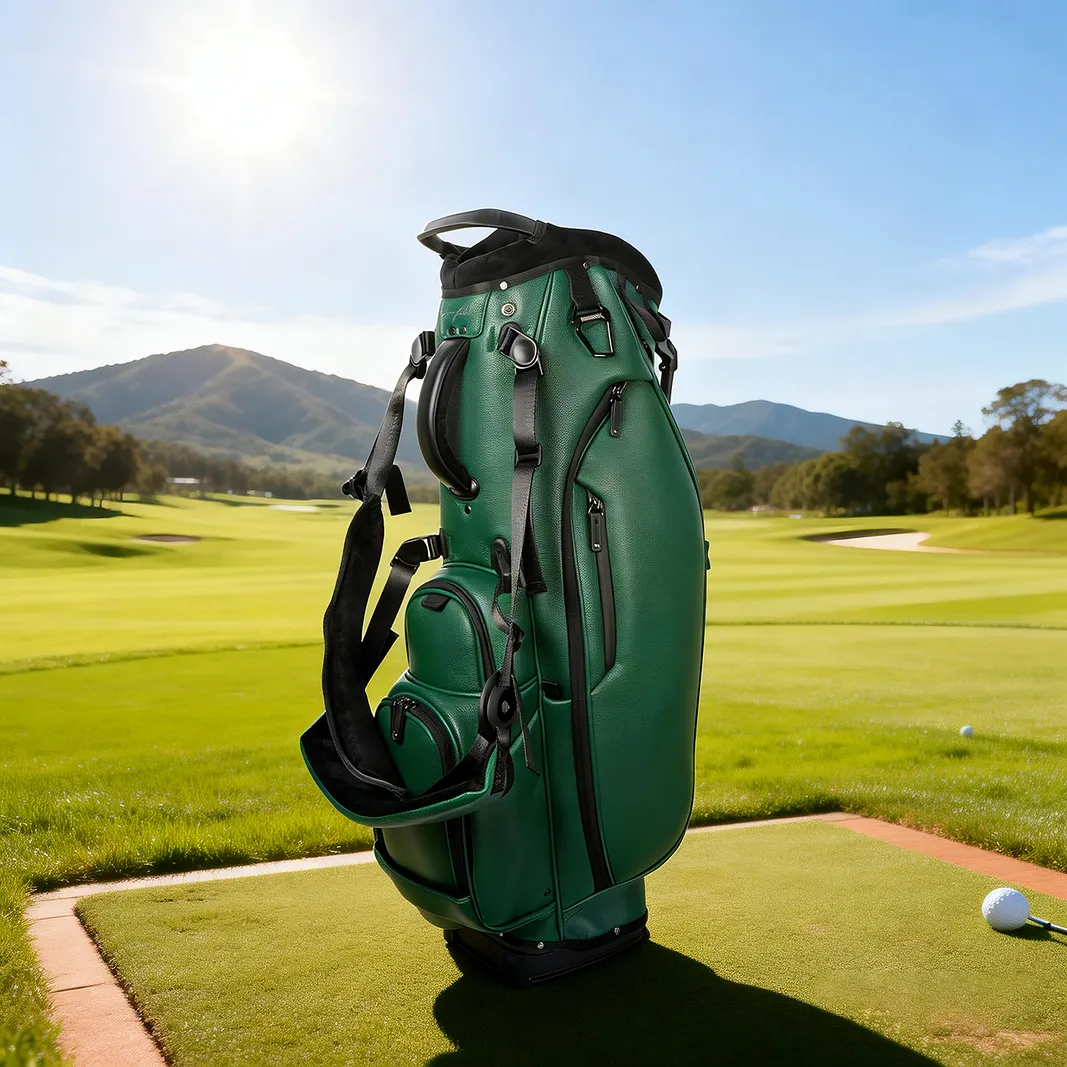
The British golf bag market occupies a distinctive middle ground between Scandinavian minimalism and Italian luxury, characterized by classic designs that honor the sport's traditions while incorporating modern performance features. British golfers, who represent the largest golf-playing population in Europe at approximately 2.1 million, show strong loyalty to heritage brands and traditional design elements: tartan or argyle lining patterns, rich forest green and royal blue colorways, and leather pull handles that echo the sport's Scottish origins.
However, British consumers also demand practical performance. The UK's variable weather conditions require golf bags with exceptional water resistance, and British golfers are among the most discerning evaluators of waterproof performance. Bags featuring taped seam construction, waterproof zippers, and integrated rain hoods are particularly valued. Our British brand partners consistently specify higher waterproofing standards than those required for Continental European markets, driving us to develop enhanced water resistance protocols for UK-market products that include heat-sealed seam tape on all stitch lines and YKK AquaGuard zippers on every exterior pocket.
The European Sustainability Mandate: Regulatory and Consumer Drivers
Europe leads the world in environmental regulation affecting consumer goods, and golf bags are no exception. The EU Ecodesign for Sustainable Products Regulation (ESPR), with phased implementation beginning in 2027, will require digital product passports for all textile products sold in the European Union. These passports must contain comprehensive information about material composition, recycled content, chemical treatments, and end-of-life recycling instructions. For golf bag manufacturers serving the European market, compliance requires significant investment in supply chain transparency and product documentation systems.
Beyond regulatory requirements, European consumers themselves are powerful sustainability drivers. Surveys conducted by the European Golf Association indicate that 73 percent of European golfers consider environmental sustainability when making equipment purchases, and 41 percent say they would pay a premium of 10 to 20 percent for a golf bag made from sustainable materials. This consumer willingness to support sustainable products has accelerated the adoption of recycled fabrics, water-based adhesives, and eco-friendly packaging across the European golf bag market.
Our factory's sustainability initiatives, including our Global Recycled Standard certification, transition to water-based adhesives, and solar-powered production, have been specifically driven by requirements and preferences of our European brand partners. These investments have not only secured our position as a preferred manufacturing partner for European brands but have also improved our competitiveness across all markets as sustainability expectations rise globally.
Hybrid and Lightweight Bags: The Walking Golf Revolution
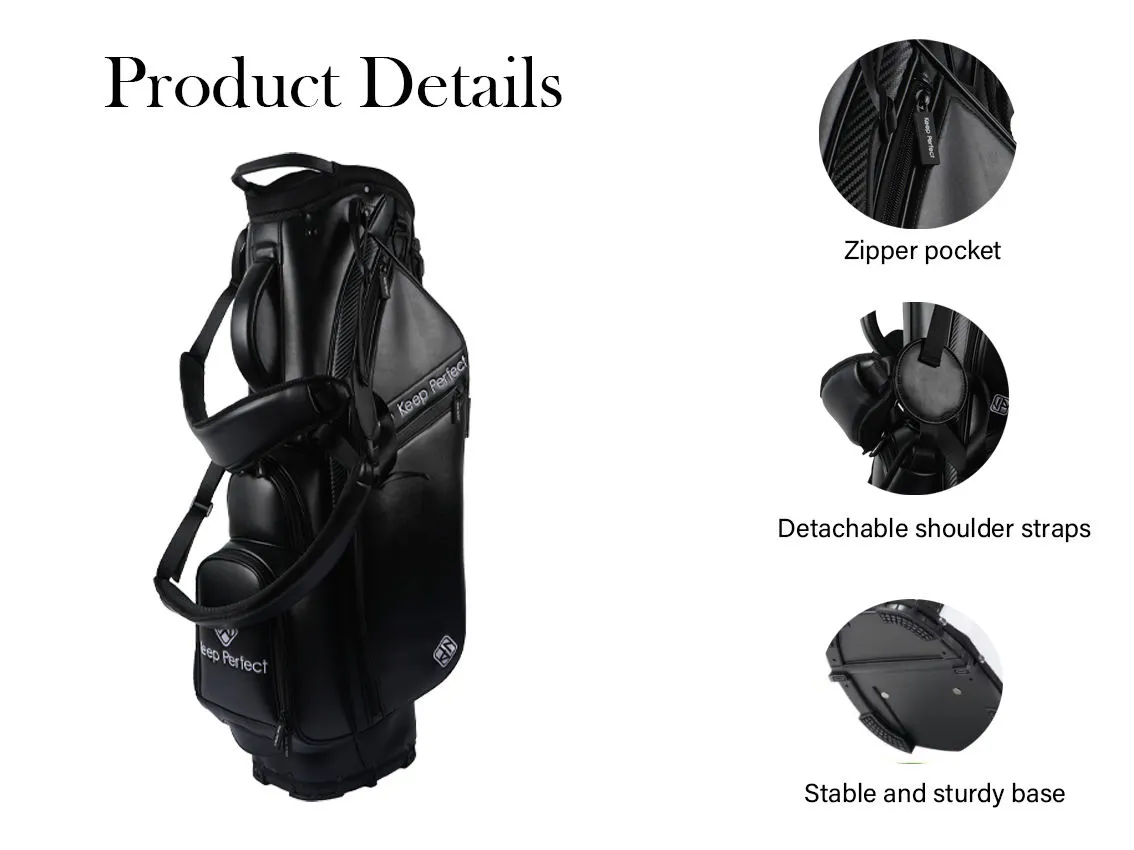
Europe's walking golf culture has fueled explosive growth in the hybrid and lightweight bag categories. Hybrid bags, which combine the carrying comfort of stand bags with the organizational features of cart bags, have emerged as the fastest-growing segment in European golf bag sales, with unit volume increasing 23 percent year-over-year in 2025. These versatile bags typically weigh between 1.8 and 2.4 kilograms, feature retractable stand legs, dual strap systems optimized for walking, and enough storage capacity for a full round while maintaining a slim profile that fits easily on push carts.
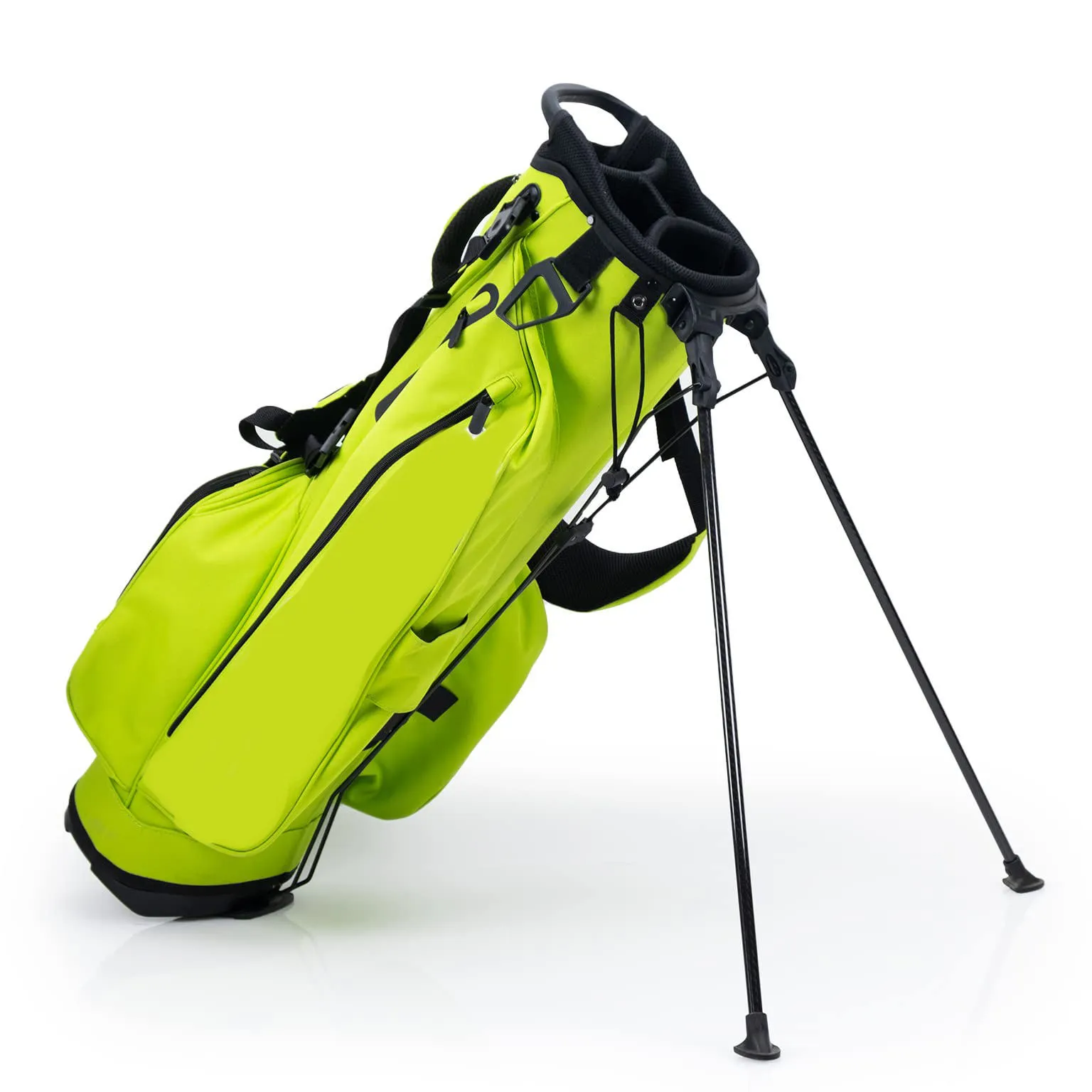
The Sunday bag category, representing the most minimalist end of the spectrum, has also seen significant growth. Weighing under 1.2 kilograms and typically featuring a single compartment with 4 to 6 way divider, Sunday bags appeal to golfers who prioritize the pure walking experience and carry only essential clubs. This category has benefited from the broader wellness and minimalism trends in European consumer culture, with golfers viewing the lighter carry experience as both physically and mentally beneficial.
Our hybrid and lightweight bag production has expanded from two dedicated production lines to four in response to European demand, and we project that hybrid bags will represent over 45 percent of our total European shipments by the end of 2026. The engineering challenge in this category lies in balancing weight reduction with structural integrity, as European golfers expect their lightweight bags to withstand daily use across multiple seasons without degradation.
Color Trends and Material Preferences Across European Markets
Color preferences in European golf bags vary by region but share an overall tendency toward more subdued, nature-inspired tones compared to other markets. In Northern Europe (Scandinavia, UK, Ireland), the dominant palette centers on muted greens, grays, and navy blues that reflect the region's natural landscape. Southern European markets (Italy, Spain, Portugal) show greater acceptance of warmer tones: cognac, burgundy, olive green, and occasional pops of Mediterranean blue. Central European markets (Germany, Switzerland, Austria) split between the Northern and Southern preferences, with black remaining the single most popular color across all of Europe at approximately 35 percent of unit sales.
Material preferences reflect both aesthetic and functional considerations. Recycled polyester has gained acceptance as the primary fabric across all European markets, with no perceptible stigma attached to recycled content as there was five years ago. European consumers are among the most receptive to innovative sustainable materials, with strong interest in fabrics made from ocean-bound plastic waste, coffee ground fiber, and plant-based leather alternatives. Our European shipments of bags made with recycled content fabrics grew from 28 percent of total European volume in 2023 to 54 percent in 2025, reflecting both brand demand and consumer acceptance.
Manufacturing Partnerships: How European Brands Source Production
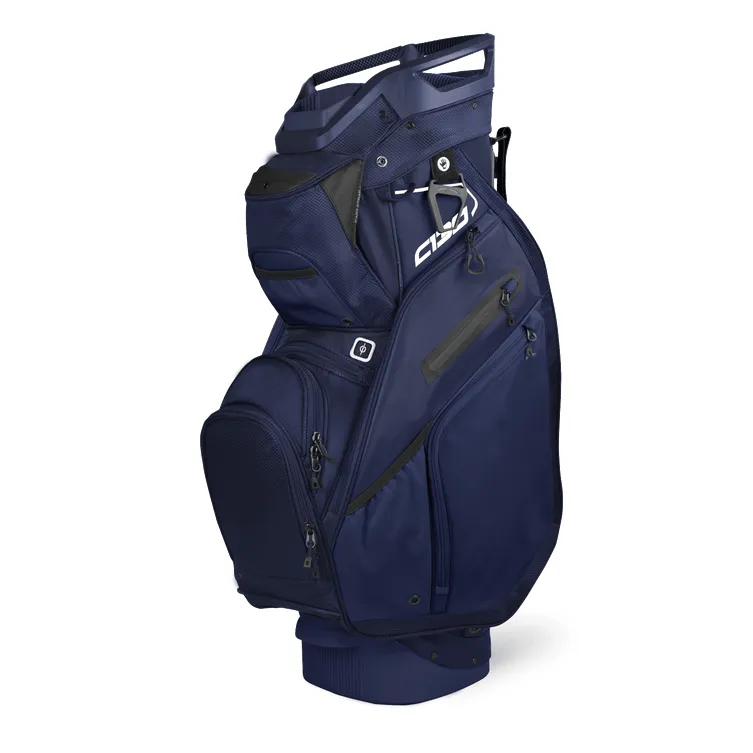
The European golf bag market relies heavily on Asian manufacturing partnerships, with an estimated 75 to 80 percent of golf bags sold in Europe produced in factories across China, Vietnam, and Indonesia. However, the nature of these partnerships is evolving. European brands increasingly demand greater supply chain transparency, regular social compliance audits, and documented environmental performance from their manufacturing partners. The days of sourcing based solely on price are giving way to a model where quality, compliance, sustainability, and responsiveness are weighted alongside cost.
Our factory's BSCI certification and ISO 9001:2015 quality management system provide the compliance foundation that European brands require. Beyond certifications, European partners expect regular factory visits, transparent cost breakdowns, collaborative product development, and rapid response to market feedback. We have invested in dedicated European account management, with team members who understand regional preferences, speak European languages, and can travel to brand headquarters for in-person collaboration.
The German golf bag market, the second-largest in Continental Europe after the UK, demonstrates characteristics that reflect German engineering culture's emphasis on precision, functionality, and technical innovation. German golfers show strong preference for bags that incorporate technical features such as integrated GPS device holders, rain-resistant construction rated to specific millimeter water column standards, and modular organizational systems that allow golfers to customize pocket configurations based on individual needs. The German market is particularly receptive to bags from brands that can demonstrate technical superiority through measurable performance metrics rather than subjective design appeal.
Swiss and Austrian golf markets, while smaller in absolute terms, show disproportionately high per-capita spending on premium golf equipment. Swiss golfers, in particular, favor ultra-premium bags from niche luxury brands that emphasize handcrafted quality and exclusivity. The Swiss market's appetite for limited-edition collections and bespoke customization options has encouraged brands to develop made-to-order programs that allow customers to select materials, colors, embroidery, and hardware finishes for individually crafted bags. These programs command significant price premiums, often exceeding 1,000 euros for a single bag, while building customer loyalty and brand prestige that extends across the broader product portfolio.
The Iberian Peninsula, encompassing Spain and Portugal, presents a distinct golf bag market shaped by resort golf culture and international golf tourism. Spain alone hosts over 400 golf courses, many concentrated in coastal resort areas like the Costa del Sol, Algarve, and Costa Blanca, where international visitors constitute a significant portion of golfers. This tourism-driven demand creates retail opportunities for golf bag sales to visiting golfers from Northern Europe, the UK, and increasingly from emerging golf markets in Eastern Europe and the Middle East. Bags purchased as travel companions or as holiday mementos tend toward the mid-range price segment, with practical features like integrated TSA-approved travel locks and reinforced base plates for air transport being valued selling points.
Eastern European golf markets, including Poland, the Czech Republic, Hungary, and Romania, represent the region's fastest-growing frontier for golf bag sales. While current market sizes are modest compared to Western Europe, golf participation growth rates in these countries exceed 10 percent annually, driven by new course development, affordable membership models, and increasing exposure to golf through media and tourism. Entry-level and mid-range golf bags dominate these markets, as newer golfers invest in their first dedicated equipment. Our factory's experience with Eastern European brand partners indicates that price sensitivity remains high, but quality expectations are converging with Western European standards as these markets mature.
The influence of professional golf on European bag preferences cannot be overstated. The DP World Tour, formerly the European Tour, provides visibility for brand partners whose bags appear on professional golfers during televised events. European golfers watching tour professionals carry specific bags develop aspirational associations that directly influence retail purchasing behavior. This tour-to-retail pipeline has become increasingly important as social media extends the reach of professional golf imagery beyond traditional broadcast television. Our factory's capability to produce tour-spec bags that match the exact specifications used by professional golfers enables brand partners to leverage tour visibility with authentic product offerings at consumer-accessible price points.
Climate adaptation represents another significant factor in European golf bag design. Northern European courses, subject to frequent rain and cool temperatures, require bags with comprehensive waterproofing: heat-sealed seams, waterproof zippers, integrated rain hoods, and moisture-resistant interior linings. Southern European courses, exposed to intense Mediterranean sunshine and high UV radiation, demand fabrics with superior UV resistance to prevent color fading and material degradation over extended outdoor exposure. Our factory develops market-specific weather protection protocols that address these regional climate differences, ensuring that bags perform optimally in the specific environmental conditions of their intended market.
The German golf bag market, the second-largest in Continental Europe after the United Kingdom, demonstrates characteristics that reflect German engineering culture emphasis on precision, functionality, and technical innovation. German golfers show strong preference for bags that incorporate technical features such as integrated GPS device holders, rain-resistant construction rated to specific millimeter water column standards, and modular organizational systems that allow golfers to customize pocket configurations based on individual playing needs and preferences. The German market is particularly receptive to bags from brands that can demonstrate technical superiority through measurable performance metrics rather than subjective design appeal alone, creating opportunities for manufacturers who can provide detailed specification data and testing results.
Swiss and Austrian golf markets, while smaller in absolute terms, show disproportionately high per-capita spending on premium golf equipment relative to their golfer populations. Swiss golfers in particular favor ultra-premium bags from niche luxury brands that emphasize handcrafted quality, limited production runs, and exclusivity as core brand values. The Swiss market appetite for limited-edition collections and bespoke customization options has encouraged brands to develop made-to-order programs that allow customers to select materials, colors, embroidery patterns, and hardware finishes for individually crafted bags. These programs command significant price premiums often exceeding one thousand euros for a single bag, while building customer loyalty and brand prestige that extends influence across the broader product portfolio.
The Iberian Peninsula encompassing Spain and Portugal presents a distinct golf bag market shaped significantly by resort golf culture and international golf tourism patterns. Spain alone hosts over 400 golf courses, many concentrated in coastal resort areas like the Costa del Sol, the Algarve region, and Costa Blanca, where international visitors constitute a substantial portion of total golfers. This tourism-driven demand creates retail opportunities for golf bag sales to visiting golfers from Northern Europe, the United Kingdom, and increasingly from emerging golf markets in Eastern Europe and the Middle East. Bags purchased as travel companions or as holiday mementos by these visiting golfers tend toward the mid-range price segment, with practical features like integrated travel lock compatibility and reinforced base plates for air transport being valued selling points at resort pro shops.
Eastern European golf markets including Poland, the Czech Republic, Hungary, and Romania represent the fastest-growing frontier for golf bag sales across the entire European continent. While current market sizes are modest compared to Western European established markets, golf participation growth rates in these countries exceed 10 percent annually, driven by new course development investment, affordable membership models designed to attract newcomers, and increasing exposure to golf through media coverage and sports tourism. Entry-level and mid-range golf bags dominate these emerging markets as newer golfers invest in their first dedicated equipment, creating volume opportunities for manufacturers who can deliver reliable quality at accessible price points while building the foundation for future premiumization as these markets mature.
Market Outlook and Forecast for European Golf Bags
The European golf bag market enters 2026 with strong fundamentals. Golf participation continues to grow across Southern and Eastern Europe, offsetting maturity in traditional Northern European markets. The walking golf trend supports higher-margin hybrid and premium carry bag categories. Sustainability regulations create competitive advantages for manufacturers who have already invested in green production capabilities. And the premiumization trend, where golfers invest in fewer but higher-quality bags, supports brand differentiation through design, materials, and craftsmanship.
We project that the European golf bag market will grow at a compound annual rate of 5.8 percent through 2028, with hybrid bags and sustainable product lines driving above-average growth. Brands that successfully combine European design sensibilities with reliable, transparent manufacturing partnerships will capture the strongest share of this growth. Contact us via WhatsApp at +8617750020688 to discuss how our manufacturing capabilities align with the specific requirements of the European golf bag market.
Frequently Asked Questions
What are the dominant golf bag trends in Europe for 2026?
The dominant European golf bag trends in 2026 include minimalist Scandinavian-inspired designs with clean lines and muted colorways, ultra-lightweight hybrid bags supporting the walking golf culture, sustainable materials including recycled ocean plastics and plant-based leathers, and premium Italian-influenced luxury bags featuring full-grain leather and artisan craftsmanship.
How does European golf bag design differ from American preferences?
European golf bags generally favor more subdued color palettes, slimmer profiles, and lighter weights compared to the larger, more feature-rich American designs. European bags emphasize walking ergonomics and minimalist aesthetics, while American cart-oriented bags prioritize maximum storage capacity and organizational features.
What sustainability regulations affect golf bag sales in Europe?
The EU Ecodesign for Sustainable Products Regulation (ESPR), effective 2027, requires digital product passports for textiles, mandatory recycled content minimums, and restrictions on substances of very high concern (SVHCs). The REACH regulation continues to tighten chemical restrictions, while the Corporate Sustainability Reporting Directive (CSRD) requires large brands to disclose supply chain environmental impact.
Which European countries have the strongest golf bag markets?
The United Kingdom leads with approximately 2.1 million golfers and the largest per-capita golf participation in Europe. Germany follows with 640,000 registered golfers, France with 415,000, Sweden with 490,000, and Spain with 280,000. The Nordic countries show the highest per-capita spending on premium golf equipment.
What price range dominates European golf bag sales?
The European market skews toward the mid-to-premium segment, with bags priced between 200 and 500 euros representing the largest volume segment at approximately 42 percent of total market revenue. The premium segment above 500 euros accounts for 28 percent, reflecting European golfers' willingness to invest in quality equipment.
Ready to Start Your Custom Golf Bag Project?
Partner with a BSCI & ISO 9001:2015 certified factory producing 200,000+ premium golf bags annually. MOQ just 100 pieces.
Get a Free Quote Today