Golf Bag Product Insurance and Liability Guide for Brands in 2026
Table of Contents
- Why Product Insurance Is Critical for Golf Bag Brands
- Types of Insurance Coverage Every Golf Bag Brand Needs
- Product Liability Insurance: Your Primary Shield
- Cargo and Marine Insurance for International Shipments
- Quality Documentation as Liability Protection
- Managing Product Recalls and Warranty Claims
- Manufacturer Insurance and Shared Responsibility
- Building a Comprehensive Risk Management Framework
Why Product Insurance Is Critical for Golf Bag Brands
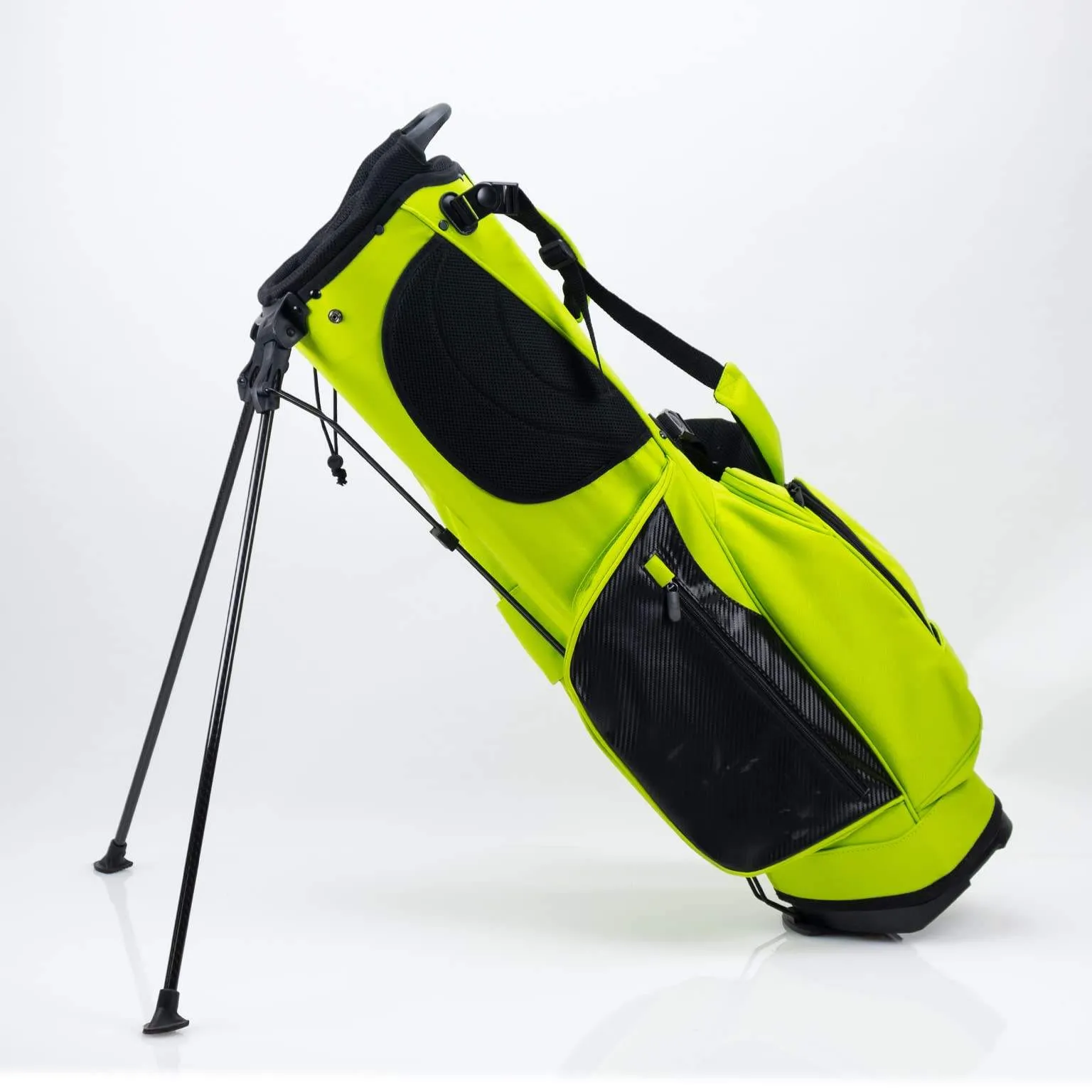
Golf bags occupy a unique position in the product liability landscape. Unlike equipment that directly contacts golf balls, a golf bag serves as the protective housing and transport system for equipment valued at thousands of dollars. A zipper failure during air travel that allows clubs to scatter and damage each other creates a different claim profile than a strap failure causing the bag to fall and injure a golfer. Understanding these diverse risk scenarios is essential for brand owners seeking appropriate insurance coverage.
The financial stakes of product liability in the golf industry are substantial. Professional golfers carry equipment sets frequently exceeding $5,000 in value. A bag failure that damages premium clubs during transport creates a product liability claim potentially reaching tens of thousands of dollars when club replacement costs are included. Even retail consumer claims involving damaged personal equipment or minor personal injuries can generate legal defense costs exceeding the claim value itself. Insurance transforms these unpredictable catastrophic risks into manageable fixed premium costs that protect your brand financial stability.
The Evolving Risk Landscape in 2026
The golf bag industry risk landscape in 2026 reflects broader trends in product liability litigation, consumer protection regulation, and international trade complexity. Litigation costs continue to rise in major markets including the United States, where product liability claims follow established legal frameworks that favor plaintiff access to judicial remedies. Regulatory requirements for product safety documentation and testing have expanded globally, creating new compliance obligations for brands selling across multiple markets. Meanwhile, the increasing use of advanced materials and construction techniques in premium golf bags introduces novel failure modes that insurance underwriters must evaluate when setting coverage terms.
Consequences of Operating Without Insurance
Operating a golf bag brand without adequate insurance coverage represents an existential business risk. A single significant product liability claim can exceed the total revenue of a small brand, forcing bankruptcy if uninsured. Beyond catastrophic claims, routine quality disputes with customers require resources for investigation, communication, and resolution that strain unprepared operations. Insurance provides not only financial protection against claims but also access to insurer resources including legal defense, claims investigation expertise, and risk management guidance that strengthen your overall business operations.
Types of Insurance Coverage Every Golf Bag Brand Needs
A complete insurance program for a golf bag brand encompasses several coverage types, each addressing distinct risk categories in the product lifecycle from manufacturing through delivery to end consumer use. Understanding which policies are essential versus optional allows brand owners to build coverage portfolios that provide adequate protection without over-insuring against remote risks.
Product Liability Insurance
Product liability insurance is the single most important coverage for any golf bag brand. This policy protects against claims alleging that your product caused bodily injury or property damage due to manufacturing defects, design flaws, or inadequate warnings. Coverage includes legal defense costs, settlement payments, and court-awarded damages up to the policy limit. For golf bag brands, product liability insurance responds to scenarios such as strap failure causing injury, bag structural collapse damaging expensive clubs, chemical exposure from non-compliant materials, and fire caused by flammable fabric components.
General Liability Insurance
General liability insurance covers business operations risks unrelated to specific product defects. This includes premises liability if a visitor to your office or warehouse is injured, advertising injury claims alleging copyright or trademark infringement in your marketing materials, and personal injury claims including defamation or invasion of privacy allegations. While not directly product-related, these coverage elements protect the broader business from claims that could financially impact the brand alongside product-specific risks.
Cargo and Marine Insurance
Cargo insurance protects your golf bag inventory against physical loss or damage during transit between the factory and your warehouse. International shipments face numerous perils including container damage, water intrusion, theft, pilferage, and total vessel loss. Cargo insurance covers these risks, typically at a cost of 0.3 to 1.0 percent of the declared shipment value. For golf bag brands importing from overseas manufacturers, cargo insurance is essential because the factory typically bears no responsibility for goods once they leave the factory premises under standard FOB terms.
Additional Coverage Considerations
Depending on your brand structure and distribution channels, additional insurance types may be warranted. Warehouse insurance protects stored inventory against fire, flood, and theft. Cyber liability insurance protects against data breaches if you operate e-commerce channels processing customer payment information. Directors and officers insurance protects company leadership from claims arising from business decisions. Employment practices liability insurance covers workplace-related claims. As your golf bag brand grows and complexity increases, reviewing your insurance portfolio annually with a knowledgeable broker ensures coverage evolves to match your expanding risk profile.
Product Liability Insurance: Your Primary Shield
Product liability insurance deserves detailed examination because it represents the coverage most likely to be activated during your golf bag brand operations and the coverage with the highest potential financial impact. Understanding how product liability policies work, what they cover, how premiums are calculated, and how to maintain coverage that adequately protects your brand enables informed insurance decision-making.
How Product Liability Coverage Works
Product liability policies operate on a claims-made or occurrence basis. Claims-made policies cover claims first made against you during the policy period, regardless of when the incident occurred. Occurrence policies cover incidents that occur during the policy period, regardless of when the claim is filed. For golf bag brands, occurrence-based coverage provides broader protection because product failures may not manifest as claims until months or years after the product reaches consumers. The policy structure affects premium calculation and coverage continuity considerations when switching insurers or policy types.
Policy Limits and Coverage Structure
Product liability policies specify both per-occurrence limits and aggregate annual limits. A typical small golf bag brand might carry a policy with $1 million per occurrence and $2 million annual aggregate limits. These limits represent the maximum the insurer will pay for any single claim and for all claims combined during the policy year respectively. Claims exceeding the per-occurrence limit expose your brand assets to recovery action. Evaluate your exposure based on your product pricing, customer base, distribution channels, and worst-case scenarios to determine appropriate limit levels.
Premium Factors for Golf Bag Brands
Product liability premiums for golf bag brands are influenced by multiple factors. Annual revenue directly impacts premium because higher sales volume creates greater exposure. Product risk classification considers the injury potential of golf bags relative to other consumer products. Claims history demonstrates your risk management effectiveness. Distribution channel matters because products sold through large retail chains that require indemnification typically face higher premiums. Geographic scope affects premium because different markets have different litigation environments. Expect premiums ranging from $1,500 to $5,000 annually for small brands, scaling upward with revenue and risk profile growth.
Cargo and Marine Insurance for International Shipments
For golf bag brands importing products from overseas manufacturers, cargo insurance transforms unpredictable shipping risks into manageable costs. The international shipping journey exposes your golf bags to multiple perils across ocean transit, port handling, customs processing, and inland delivery. Each stage introduces potential for damage that can render products unsaleable before they reach your warehouse.
Understanding Cargo Insurance Coverage Options
Cargo insurance policies are available in two primary forms. Named perils coverage protects against specifically listed risks such as vessel sinking, fire, collision, and theft. All-risk coverage protects against all causes of physical loss or damage except specifically excluded perils, providing broader protection that most golf bag brands should prefer. The cost difference between named perils and all-risk coverage is typically modest relative to the value of goods being protected, making all-risk coverage the prudent choice for golf bag shipments where water damage, crushing, and handling damage are realistic concerns.
Claiming Against Cargo Insurance
When shipping damage occurs, the cargo insurance claim process requires prompt notification to your insurer, thorough documentation of the damage including photographs and packing condition assessment, preservation of damaged goods for inspection, and submission of the original shipping documents including bill of lading, commercial invoice, packing list, and survey report if applicable. The claims process typically takes 30 to 90 days for resolution. Golf bag brands should establish relationships with cargo insurance providers before their first shipment, ensuring that coverage is in place and claims procedures are understood before any potential loss event occurs.
Calculating Appropriate Cargo Coverage Values
Cargo insurance coverage should reflect the full replacement value of your golf bag shipment, not merely the factory invoice price. Include freight costs, customs duties, and anticipated profit margin in the declared value to ensure complete recovery in case of total loss. Under-insuring shipments by declaring only factory cost creates a coinsurance penalty that reduces claim payouts proportionally. Most experienced golf bag importers declare cargo value at 110 percent of the landed cost, providing a margin that covers both the product value and associated business costs if replacement shipment is required.
Quality Documentation as Liability Protection
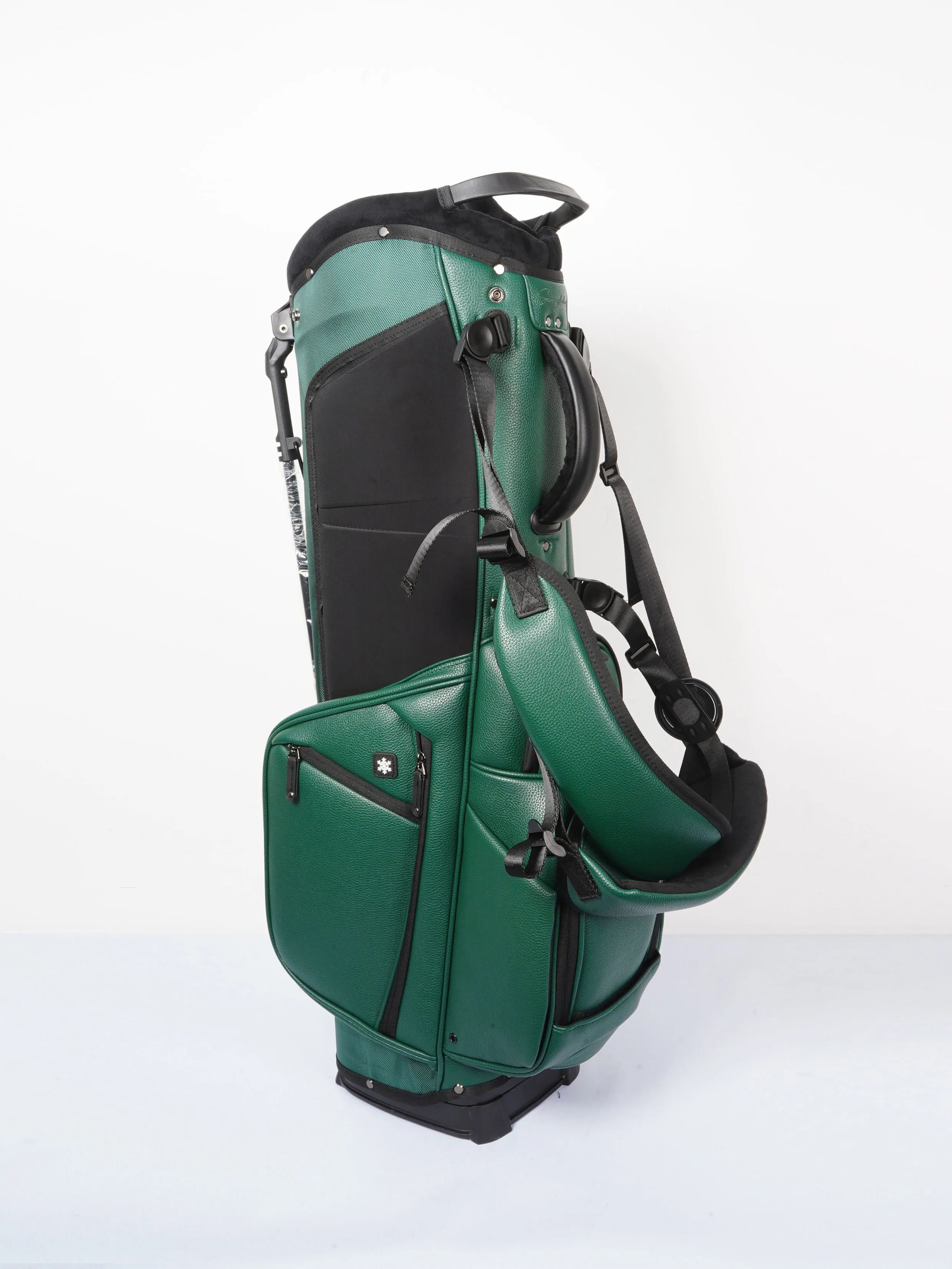
Beyond insurance policies, the most powerful liability protection available to golf bag brands is comprehensive quality documentation that demonstrates systematic due diligence in product safety management. When a product liability claim arises, your quality records become the primary evidence determining whether your brand exercised reasonable care in ensuring product safety. Well-maintained documentation transforms an undefendable position into a demonstrable record of responsible quality management that insurers, courts, and regulatory bodies recognize as evidence of due diligence.
Essential Quality Documentation Categories
Your quality documentation portfolio should encompass multiple categories that collectively demonstrate comprehensive quality management across the entire production lifecycle. Material test reports from accredited laboratories verify that all fabrics, hardware, and components meet applicable safety standards and chemical compliance regulations. Incoming inspection records document that raw materials were checked against specifications before entering production. In-line production records demonstrate continuous quality monitoring during manufacturing. Final inspection records following established sampling protocols verify finished product quality before shipment. Pre-shipment sample approval records confirm that production output matches the approved golden sample standard.
Documentation Best Practices
Maintain quality documentation in an organized, accessible system that enables rapid retrieval when needed for claims defense or regulatory inquiry. Digital documentation systems with version control, timestamp verification, and secure backup provide superior reliability compared to paper records vulnerable to loss or damage. Retain documentation for the entire product warranty period plus applicable statute of limitations in your target markets, which may extend seven to ten years beyond product sale. Train all team members involved in quality management on documentation requirements and conduct periodic audits to ensure completeness and accuracy of records.
Working with Your Manufacturer on Documentation
Your manufacturing partner plays a critical role in generating the quality documentation that protects your brand. Establish clear documentation requirements in your supply agreement, specifying the records your factory must generate and maintain for each production run. These requirements should include material certificates, production inspection reports, quality control checklists, and pre-shipment inspection results. Our facility generates comprehensive quality documentation for every production run, providing our brand partners with the evidence chain they need for regulatory compliance, insurance defense, and customer confidence. This documentation support is included as a standard service with every manufacturing engagement.
Managing Product Recalls and Warranty Claims
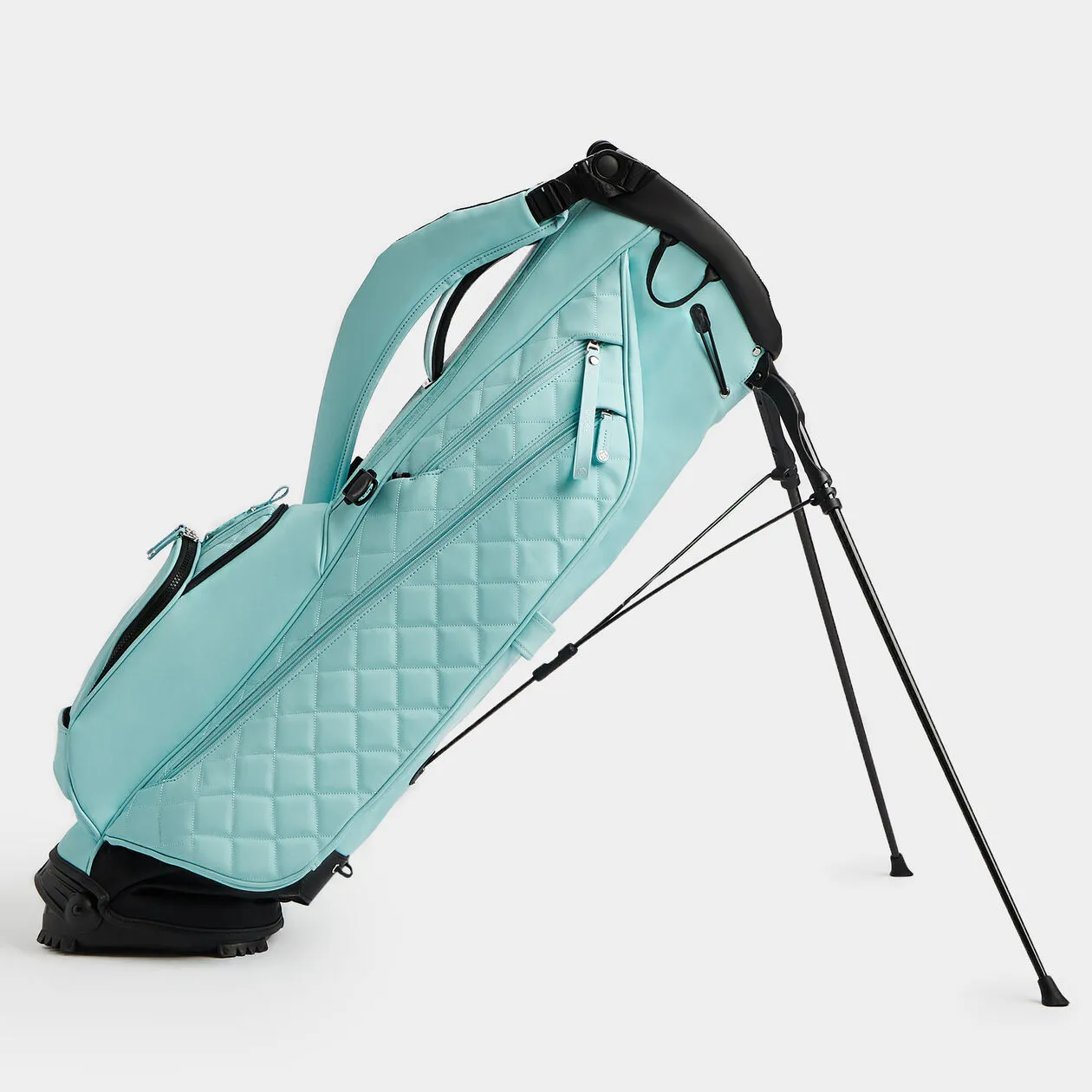
Even with comprehensive quality management, defects may occasionally reach the market. How your brand responds to these situations determines whether a manageable quality issue escalates into a brand-damaging crisis. Product recall procedures and warranty claim management represent critical operational capabilities that every golf bag brand must establish before they are needed.
Product Recall Decision Framework
Not every quality issue requires a product recall. Establish clear criteria distinguishing between isolated warranty claims appropriate for individual resolution and systematic defects requiring broad recall action. Factors influencing the recall decision include the severity of potential harm, the number of affected units, the defect root cause indicating whether the issue is isolated or systemic, and regulatory reporting requirements in your target markets. Consult with your product liability insurer immediately upon identifying a potential recall situation, as most policies require prompt notification and provide guidance on recall procedures that may affect coverage.
Executing a Product Recall
If a recall is warranted, execute the process systematically. Immediately halt further distribution of affected inventory. Notify all distribution channel partners with specific instructions for identifying and quarantining affected products. Issue customer communication explaining the recall reason, affected product identification methods, and return or replacement procedures. Establish logistics for product return, inspection, and disposition. Conduct thorough root cause analysis to identify the defect origin and implement corrective actions preventing recurrence. Document every step of the recall process for regulatory compliance, insurance claims, and future process improvement.
Warranty Claim Management
Individual warranty claims represent the more common quality issue scenario for golf bag brands. Establish a clear warranty policy defining coverage scope, claim procedures, and resolution timelines. Common warranty scenarios for golf bags include zipper failures, strap separation, structural frame damage, and fabric tearing under normal use conditions. Respond to warranty claims promptly with clear communication about resolution options including repair, replacement, or refund. Track warranty claims systematically to identify patterns that may indicate systemic quality issues requiring broader corrective action.
Manufacturer Insurance and Shared Responsibility
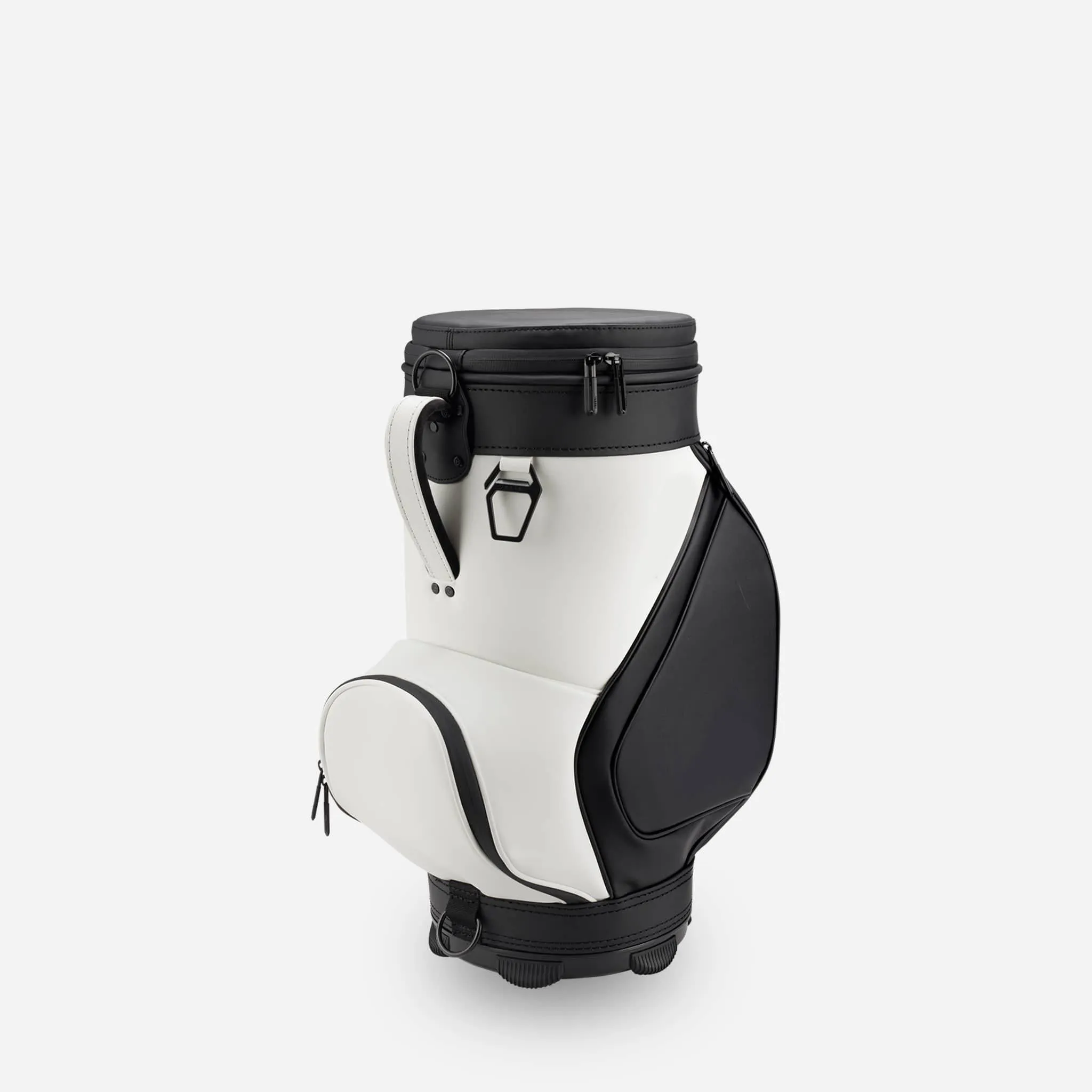
The relationship between golf bag brand and manufacturer creates shared liability exposure that requires coordinated insurance coverage. When a product liability claim arises from a golf bag defect, both the brand owner and the manufacturer may face liability depending on whether the defect originated from brand-specified design or from manufacturing execution. Understanding this shared responsibility framework enables both parties to maintain appropriate coverage and coordinate effectively when claims arise.
Manufacturer Insurance Requirements
When selecting a golf bag manufacturing partner, verify that they carry their own product liability and general liability insurance. Request certificates of insurance documenting coverage amounts and policy validity. Manufacturers with adequate insurance demonstrate both financial maturity and risk management competence that predicts reliable business operations. Our facility maintains comprehensive liability coverage that protects our brand partners by ensuring financial resources exist for claim resolution regardless of how liability is ultimately allocated between brand and manufacturer.
Contractual Liability Allocation
Your manufacturing supply agreement should clearly define how liability is allocated between brand and manufacturer for different defect categories. Manufacturing defects in materials or workmanship typically fall under manufacturer responsibility, while design defects traceable to brand specifications remain brand liability. Some agreements include mutual indemnification clauses where each party holds the other harmless for their respective negligence. Insurance brokers specializing in international manufacturing relationships can advise on appropriate contractual structures that align with your insurance coverage architecture.
Coordinated Claims Response
When a product liability claim involves both brand and manufacturer, coordinate your insurance claims response to avoid coverage gaps or conflicts. Notify both your insurer and the manufacturer insurer promptly. Share relevant quality documentation to support the liability investigation. Avoid admitting fault or making settlement commitments before insurers have evaluated the claim and advised on appropriate response. Our quality documentation practices support this coordinated approach, providing the evidence chain that insurers require to efficiently evaluate and resolve claims involving manufactured golf bag products.
Building a Comprehensive Risk Management Framework
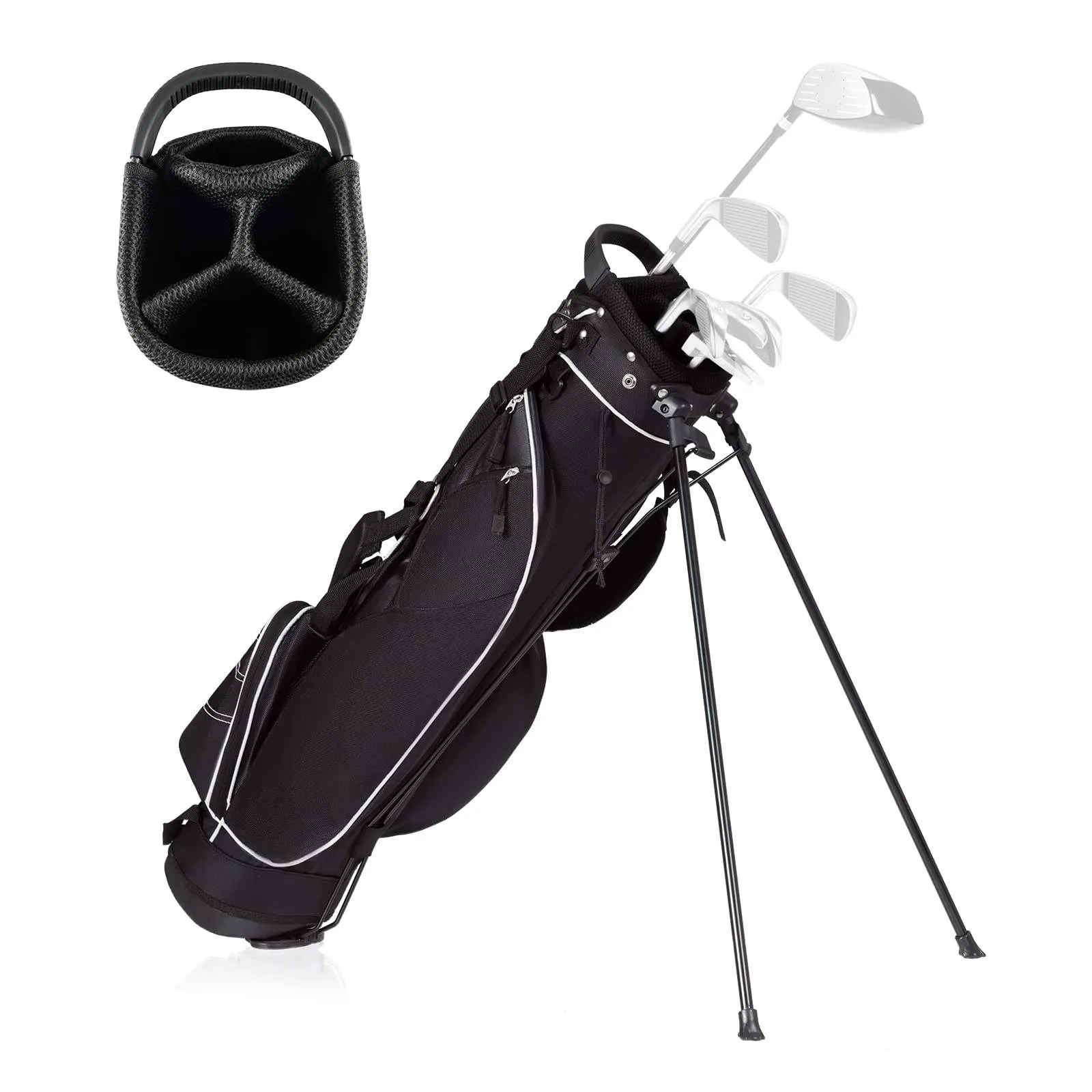
Insurance represents one component of a comprehensive risk management framework that should encompass prevention, protection, and response capabilities. The most resilient golf bag brands build risk management into their operational DNA rather than treating insurance as the sole risk mitigation strategy. This holistic approach reduces claim frequency through better quality management, limits claim severity through documented due diligence, and ensures rapid effective response when claims do materialize.
Prevention Through Quality Management
The first and most effective line of risk defense prevents quality issues from reaching customers. This requires systematic quality management across the entire production lifecycle from material sourcing through final inspection. Partner with manufacturers who maintain certified quality management systems, implement multi-stage inspection protocols, and generate comprehensive documentation. Our factory quality management system, certified under ISO 9001:2015, provides this prevention framework for our brand partners, with incoming material inspection, in-line production monitoring, and final random inspection following AQL standards all contributing to defect prevention before products reach the market.
Protection Through Insurance and Documentation
The second line of defense protects your brand financially when prevention measures are insufficient. Maintain appropriate insurance coverage levels reviewed annually as your brand grows. Generate and retain comprehensive quality documentation demonstrating due diligence. Establish contractual relationships with manufacturing partners that clearly define quality standards and liability allocation. These protective measures ensure that when quality issues occur, your brand has financial resources and legal defense capability to manage the situation without existential financial impact.
Response Through Prepared Procedures
The third line of defense enables effective response when claims materialize despite prevention and protection efforts. Establish documented procedures for warranty claim handling, product recall execution, insurance claim filing, and regulatory notification. Train team members on these procedures through periodic drills and scenario exercises. Maintain relationships with legal counsel experienced in product liability defense and insurance claims management. When issues arise, having prepared procedures and experienced advisors enables swift effective action that limits brand damage and financial exposure.
Navigating the insurance and liability landscape for golf bag brands requires understanding the diverse risk scenarios your products face, selecting appropriate coverage types and limits, maintaining comprehensive quality documentation, and establishing procedures for effective claim response. This comprehensive approach transforms risk management from a reactive burden into a strategic competitive advantage that enables confident brand growth. Our manufacturing partnership supports your risk management objectives through certified quality management systems, comprehensive production documentation, and our own liability insurance coverage that provides additional protection for our brand partners. Contact us via WhatsApp at +8617750020688 or through our website to discuss how our quality management and documentation practices support your brand risk management strategy.
Frequently Asked Questions
What types of insurance do golf bag brands need?
Golf bag brands need product liability insurance covering manufacturing defects, general liability insurance for business operations, cargo insurance for international shipments, and professional liability insurance for design and consulting services. Product liability coverage is the most critical, protecting against claims arising from bag failures that cause injury or damage to golfers equipment.
How much does product liability insurance cost for a golf bag brand?
Product liability insurance for golf bag brands typically costs between $1,500 and $5,000 annually for small brands with less than $1 million in revenue. Premiums scale with revenue volume, product risk profile, and claims history. Brands selling through major retail chains may face higher coverage requirements and corresponding premiums due to retailer indemnification clauses.
Who is liable when a golf bag fails and damages a customer clubs?
Liability for golf bag failures depends on the root cause. Manufacturing defects in materials or workmanship create manufacturer liability covered under product liability insurance. Design defects traceable to the brand specifications create brand liability. Proper documentation of quality control processes, approved specifications, and inspection records determines how liability is allocated between brand and manufacturer.
Does cargo insurance cover golf bags during international shipping?
Yes, cargo insurance specifically covers golf bags during international shipping against risks including water damage, container damage, theft, and total loss. Coverage typically costs 0.3 to 0.5 percent of the declared cargo value. Marine cargo insurance policies can cover all-risk perils or named perils, with all-risk coverage recommended for premium golf bag shipments.
What quality documentation protects against product liability claims?
Essential quality documentation includes material test reports from accredited laboratories, incoming quality control records, in-line production inspection reports, final random inspection reports following AQL standards, pre-shipment sample approval records, and certificate of compliance documentation. These records create an evidence chain demonstrating due diligence in quality management that is critical for liability defense.
How do I handle product recalls for defective golf bags?
Product recall procedures include immediately halting sales of affected inventory, notifying all distribution channels, issuing customer communication about the recall, establishing return and replacement logistics, conducting root cause analysis to prevent recurrence, and filing claims with product liability insurance and potentially manufacturer responsibility claims. Document every step for regulatory compliance and insurance claim support.
Should manufacturers carry their own insurance for golf bag products?
Yes, reputable golf bag manufacturers should carry their own product liability insurance and general liability coverage. This protects both the manufacturer and their brand clients by ensuring financial resources are available for claims regardless of liability determination. Always request certificates of insurance from your manufacturing partner as part of the supplier qualification process.
Ready to Start Your Custom Golf Bag Project?
Partner with a BSCI & ISO 9001:2015 certified factory producing 200,000+ premium golf bags annually. MOQ just 100 pieces.
Get a Free Quote Today