Golf Bag Payment Terms: Complete Guide for Brand Buyers in 2026
Table of Contents
- Understanding Golf Bag Payment Structures in International Trade
- Wire Transfer T/T: The Standard Payment Method
- Letter of Credit L/C: Bank-Guaranteed Security
- Trade Assurance and Platform-Based Payment Protection
- Deposit Structures and Milestone Payment Schedules
- Negotiating Payment Terms as a New Golf Bag Brand
- Risk Management and Payment Security Strategies
- Currency Considerations and Exchange Rate Protection
Understanding Golf Bag Payment Structures in International Trade

Payment terms represent one of the most critical yet frequently misunderstood aspects of golf bag manufacturing partnerships. For brand owners commissioning custom golf bags from overseas factories, the payment structure determines not only cash flow timing but also risk allocation between buyer and supplier throughout the production lifecycle. Getting payment terms right from the outset of a manufacturing relationship prevents disputes, builds trust, and establishes the financial foundation for a productive long-term partnership.
The international trade environment introduces complexity beyond domestic purchasing. Geographic distance, different legal systems, currency fluctuations, and limited recourse options for cross-border disputes all elevate the importance of carefully structured payment terms. Unlike domestic transactions where legal remedies and consumer protection laws provide clear frameworks for dispute resolution, international golf bag purchases require payment structures that proactively address risk scenarios through milestone-based payment schedules, third-party verification mechanisms, and documented quality acceptance criteria.
The Balance of Risk and Trust
Every payment term structure reflects an underlying balance between buyer risk and supplier risk. Terms heavily favoring the buyer, such as paying nothing until goods arrive and pass inspection, shift disproportionate risk to the supplier who funds material purchases and production before receiving any revenue. Terms heavily favoring the supplier, such as full payment before production begins, expose the buyer to non-delivery and quality risk. Effective payment terms distribute risk equitably, giving both parties financial incentive to perform their obligations diligently and on schedule.
Industry Standards and Variations
The golf bag manufacturing industry has developed standard payment structures through decades of international trade practice. While variations exist based on order size, relationship maturity, and market dynamics, the fundamental frameworks remain consistent across suppliers. Understanding these standard structures provides the foundation for informed negotiation and ensures you are not agreeing to terms that deviate unreasonably from industry norms in either direction.
Wire Transfer T/T: The Standard Payment Method
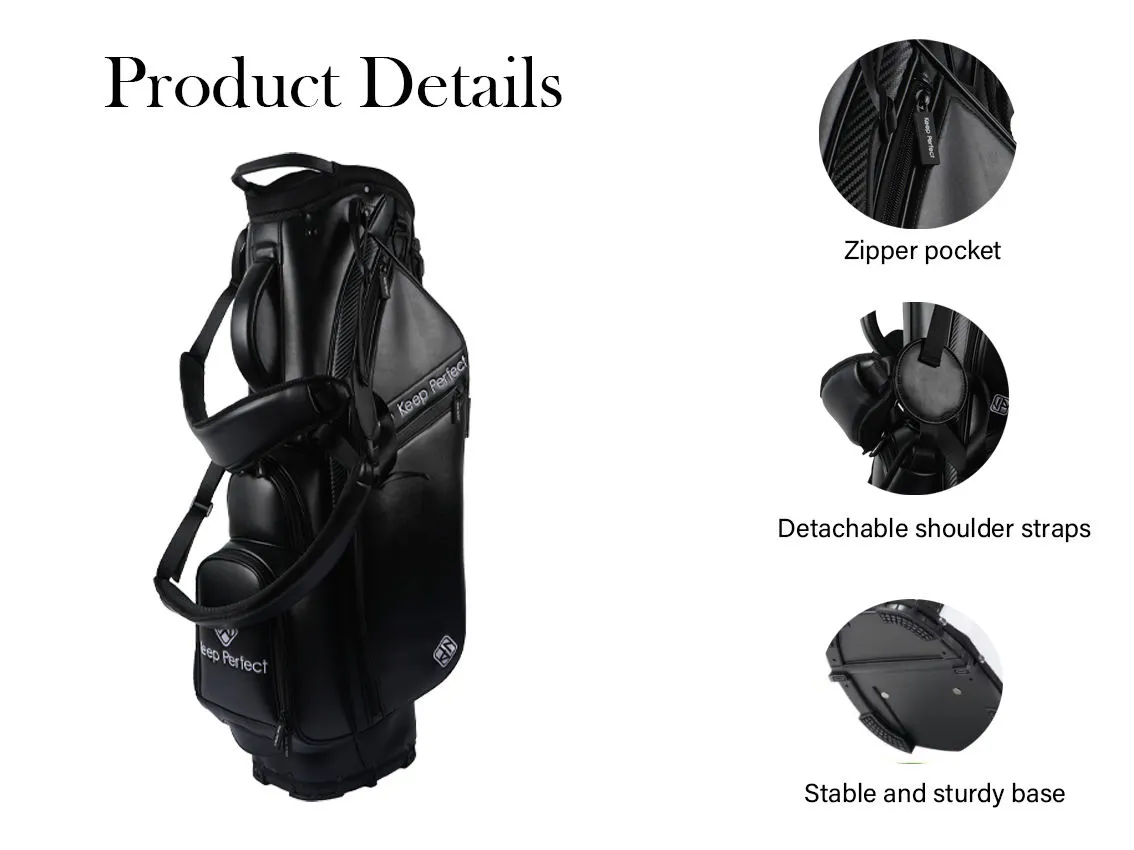
Telegraphic transfer, universally known as T/T or wire transfer, represents the dominant payment method for golf bag manufacturing orders worldwide. Its prevalence stems from simplicity, universal banking system compatibility, relatively low transaction costs, and speed of execution. When a brand owner in the United States pays a Chinese golf bag factory, T/T enables direct bank-to-bank transfer that typically completes within one to three business days, making it practical for both deposit payments and balance settlements.
How T/T Works for Golf Bag Orders
The typical T/T payment process begins with the factory issuing a proforma invoice specifying the total order value, deposit amount, balance amount, and payment milestones. The buyer then instructs their bank to wire the deposit amount to the factory designated bank account. Upon confirmation of deposit receipt, the factory begins material procurement and production scheduling. When production completes and passes final quality inspection, the buyer wires the balance payment. Upon balance confirmation, the factory releases the goods for shipment. Each step creates a clear documentary trail through bank transfer records that serve as evidence of payment in any potential dispute.
Advantages and Limitations of T/T
T/T offers several advantages for golf bag transactions. Bank fees are predictable and typically modest, ranging from $25 to $50 per international wire transfer. Processing time is fast enough to avoid production delays. The method works with any factory that maintains a corporate bank account capable of receiving international transfers. However, T/T provides limited buyer protection. Once funds leave the buyer bank account, recovering them requires cooperation from the receiving party or legal action in the supplier jurisdiction. This limitation makes the timing of T/T payments critical, as paying too much too early increases risk exposure while delaying payments unreasonably strains the supplier relationship.
Best Practices for T/T Golf Bag Payments
Always wire payments to the factory corporate bank account, never to personal accounts or third-party entities. Verify bank account details through multiple communication channels before transferring funds, as business email compromise scams targeting international trade payments are increasingly sophisticated. Retain all wire transfer confirmation documents including the bank transfer reference number, date, amount, and beneficiary details. These records serve as essential evidence for customs documentation, tax reporting, and potential dispute resolution.
Letter of Credit L/C: Bank-Guaranteed Security
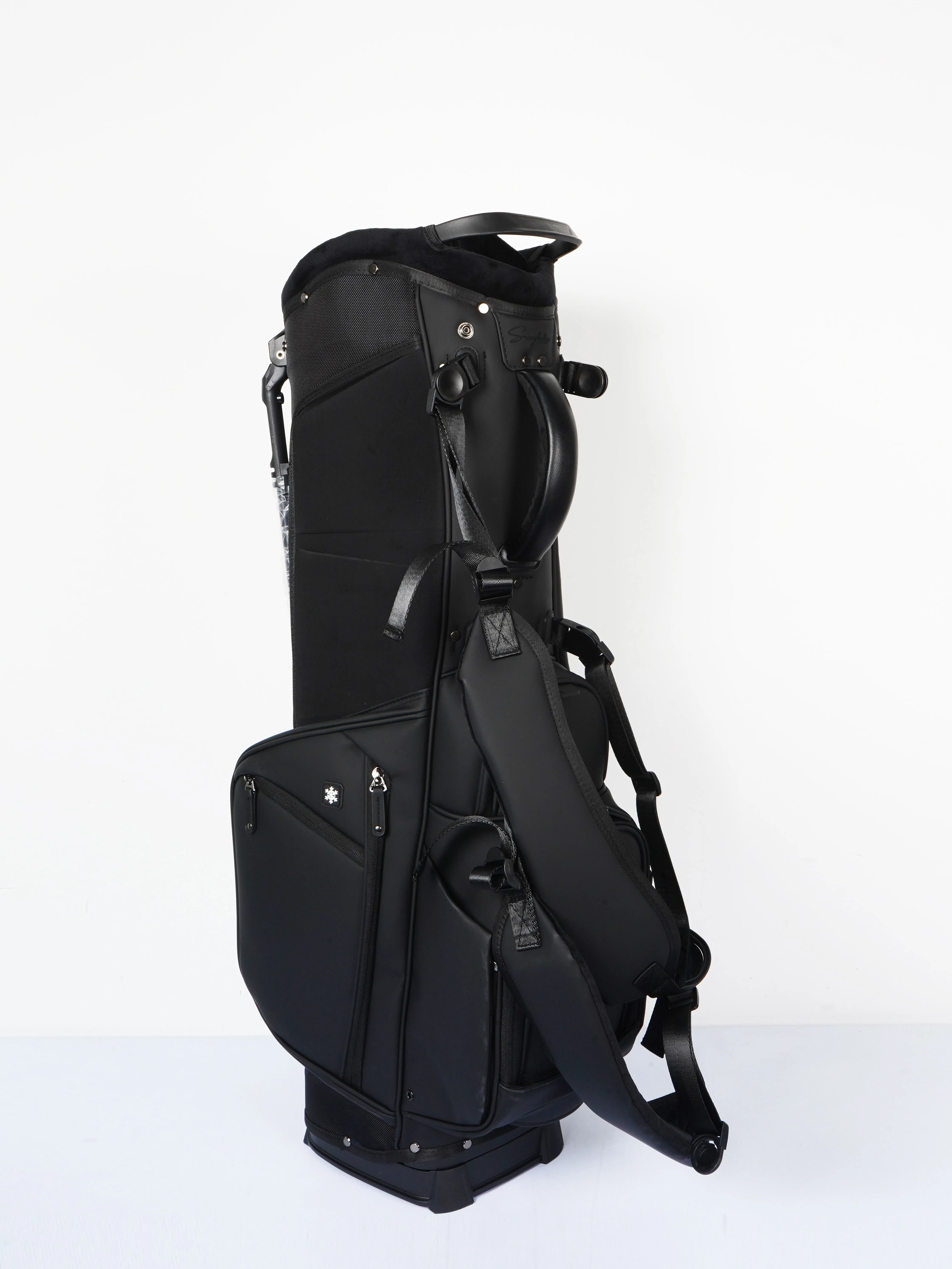
Letters of credit represent the highest level of payment security in international trade, with banks assuming responsibility for ensuring payment performance. For large golf bag manufacturing orders where significant capital is at stake, the letter of credit mechanism provides both buyer and supplier with guaranteed performance incentives that reduce transaction risk to manageable levels.
How Letters of Credit Function
In a letter of credit transaction for golf bag orders, the buyer applies to their bank to issue a credit in favor of the supplier. The bank commits to paying the supplier upon presentation of specified documents proving shipment has occurred. These documents typically include commercial invoice, packing list, bill of lading, certificate of origin, and inspection certificates. The critical mechanism is that payment is triggered by document presentation rather than buyer approval, removing the subjective element from the payment decision. If the factory presents compliant documents, the bank must pay regardless of buyer wishes.
When to Use Letters of Credit for Golf Bag Orders
Letters of credit are most appropriate for large golf bag orders exceeding $50,000 where both parties benefit from bank-guaranteed security. They are particularly valuable when working with a new supplier for the first time on a substantial order, when the importing country has currency controls or payment restrictions, or when the buyer financing structure requires documented payment guarantees. For smaller orders or established supplier relationships, the administrative complexity and bank fees of letters of credit may outweigh the additional security benefit.
Costs and Complexity Considerations
Letters of credit involve bank charges on both sides, typically ranging from 0.5 to 2 percent of the credit value. Document preparation requires precision, as even minor discrepancies between the credit terms and presented documents can trigger payment delays and amendment fees. For golf bag brands new to letter of credit transactions, engaging a trade finance specialist to review documentation before submission prevents costly errors. The additional cost of letter of credit protection should be factored into your total landed cost calculation when evaluating order economics.
Trade Assurance and Platform-Based Payment Protection
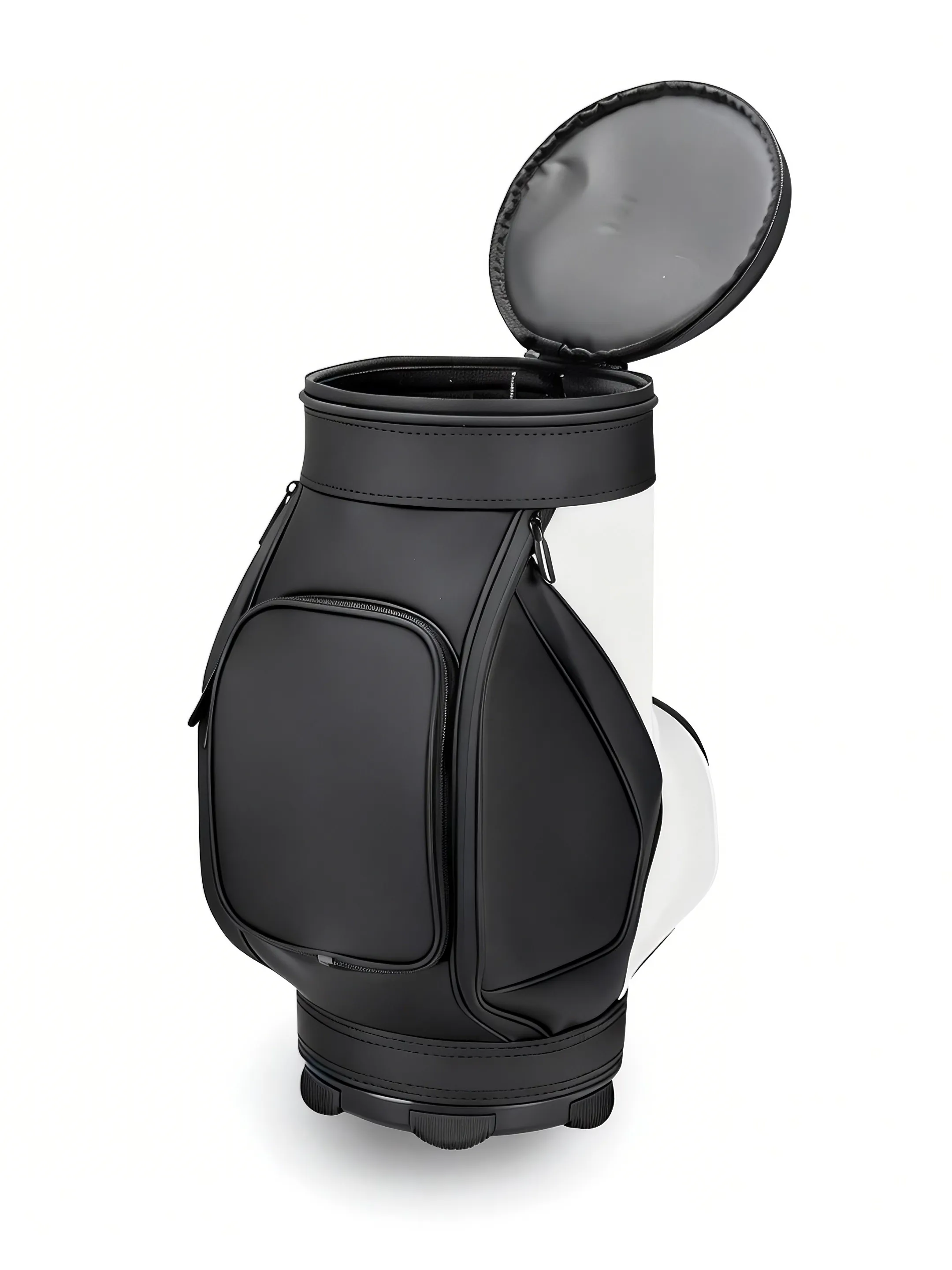
The emergence of B2B e-commerce platforms has introduced trade assurance payment protection mechanisms that bridge the gap between the low cost of direct T/T transfers and the high security of letters of credit. These platform-based systems hold buyer payments in escrow until order delivery and quality verification are confirmed, providing a modern solution to the trust challenges inherent in international golf bag sourcing.
How Trade Assurance Protects Golf Bag Buyers
When you place a golf bag order through a trade assurance-enabled platform, your payment is held by the platform rather than transferred directly to the supplier. The funds are released to the supplier only when you confirm that goods have been received and meet the agreed specifications. If quality issues arise, the platform provides structured dispute resolution with clear timelines, evidence requirements, and escalation procedures. This escrow mechanism fundamentally shifts the risk balance toward buyer protection while ensuring suppliers receive payment for compliant deliveries.
Limitations of Platform Payment Protection
Trade assurance systems have limitations that golf bag buyers should understand. Platform coverage typically has maximum order value caps that may not accommodate very large production runs. Dispute resolution timelines can extend beyond normal business planning horizons, particularly for complex quality disagreements requiring third-party inspection. Some suppliers add platform fees to their pricing to compensate for delayed payment access, potentially making platform orders slightly more expensive than direct T/T transactions. Additionally, platform terms and conditions may favor certain outcomes that neither buyer nor supplier would negotiate in a direct commercial agreement.
Integrating Platform and Direct Payment Strategies
Many successful golf bag brands use a hybrid approach, placing initial orders through trade assurance platforms to verify supplier capability and build relationship history, then transitioning to direct T/T terms for subsequent orders once trust is established and volumes justify more favorable negotiated terms. This strategy balances the security of platform protection for high-risk initial transactions against the efficiency and cost savings of direct payment methods for established supply relationships.
Deposit Structures and Milestone Payment Schedules
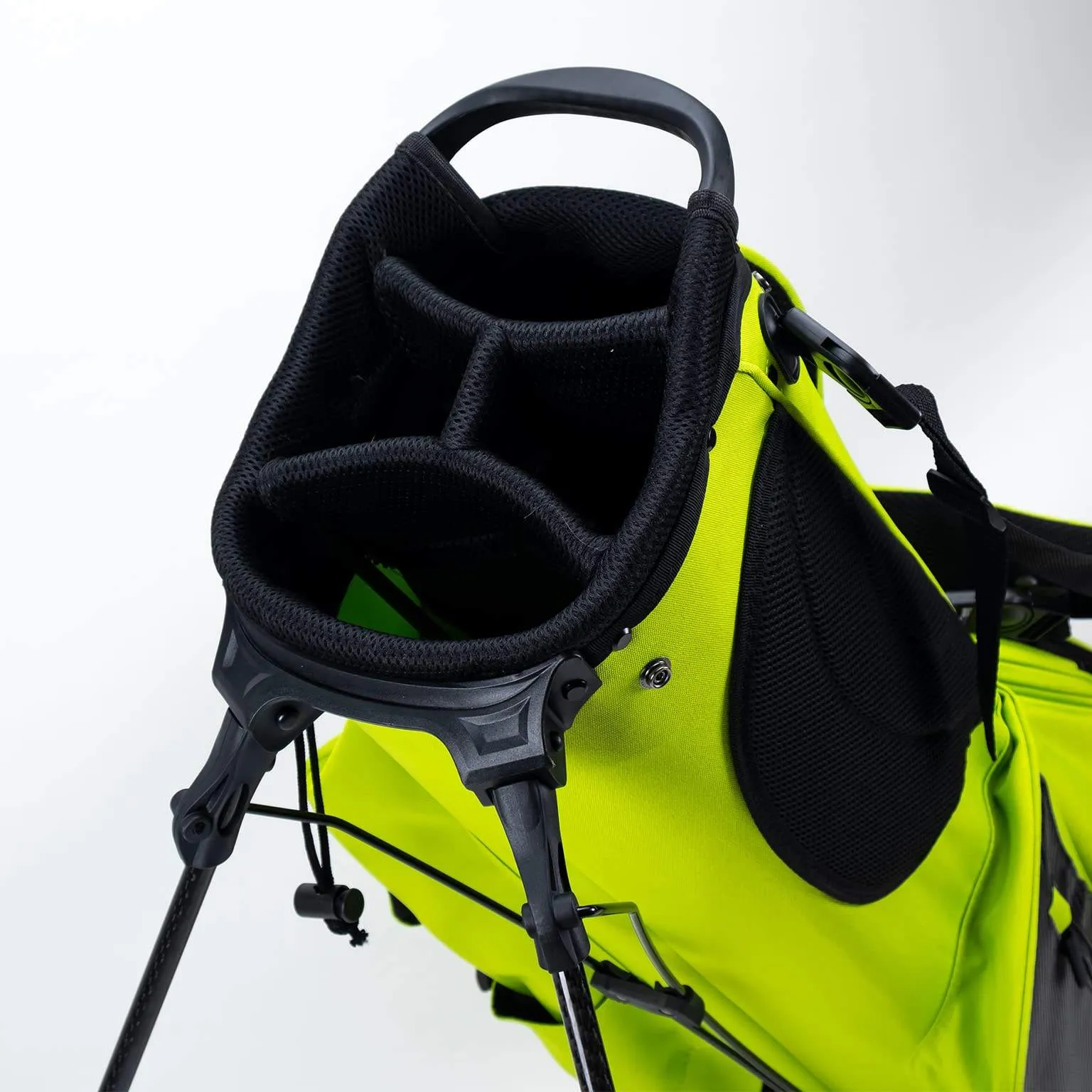
The deposit structure of a golf bag manufacturing order defines how total payment is distributed across the production timeline. This structure directly impacts both parties cash flow, risk exposure, and motivation to perform. Selecting the right deposit arrangement requires understanding the financial dynamics of golf bag production and negotiating terms that protect your interests while remaining attractive enough for quality manufacturers to accept willingly.
The Standard 30/70 Structure
The most prevalent deposit structure in golf bag manufacturing is 30 percent deposit upon order confirmation with the remaining 70 percent balance paid before shipment or against presentation of shipping documents. This structure allocates risk proportionally: the 30 percent deposit covers the factory material procurement costs and demonstrates buyer commitment, while the 70 percent balance provides the buyer with leverage to ensure quality and timely delivery. If production issues arise, the unpaid balance gives the buyer negotiating position to demand corrective action before releasing final payment.
Alternative Deposit Structures
Several alternative deposit structures serve specific situations in golf bag manufacturing. For first-time orders with new suppliers, a 50/50 split may be requested by the factory to reduce their risk exposure on an unproven customer relationship. For large repeat orders with established trust, terms may progress to 20/80 or even net 30 payment after delivery. For orders involving expensive custom tooling or mold development, the tooling cost may be paid in full upfront as a separate line item while production payment follows the standard deposit structure.
Milestone Payment for Complex Projects
Complex golf bag development projects involving new mold creation, custom hardware development, or multi-phase production runs may benefit from milestone-based payment schedules that align payments with verified production progress. A typical milestone structure might allocate 20 percent at order confirmation, 20 percent upon completion of tooling and first prototype approval, 30 percent at mid-production inspection, and 30 percent before shipment. This approach provides the factory with working capital aligned to actual production costs while giving the buyer multiple verification checkpoints before releasing significant funds.
Negotiating Payment Terms as a New Golf Bag Brand
New golf bag brands face inherent disadvantages in payment term negotiations because they lack the order history and proven reliability that established brands leverage to secure preferential terms. However, strategic approaches to the negotiation process can help new brands achieve reasonable payment terms while building the trust necessary for progressive improvement over time.
Demonstrating Business Credibility
Factories evaluate payment term requests based on their assessment of buyer reliability. New brands can strengthen their position by presenting comprehensive business documentation including company registration, business plan, retail distribution agreements, and professional branding materials. Sharing details of your marketing strategy, planned sales channels, and growth projections demonstrates that you are a serious commercial entity rather than a speculative hobbyist. Factories extend more favorable terms to buyers they believe will generate growing order volumes over time.
Building Trust Through Early Order Performance
Your first order sets the foundation for all future payment term negotiations. Paying the first order promptly and without complication, accepting reasonable initial terms without demanding concessions you cannot yet justify through track record, and communicating professionally throughout the production process all contribute to building the trust that enables better terms on subsequent orders. Many factories explicitly reduce deposit requirements for repeat customers who have demonstrated payment reliability over two to three orders.
Leveraging Order Volume and Commitment
Order volume significantly influences payment term flexibility. A brand committing to 3,000 units annually across multiple orders commands more favorable terms than one ordering 100 pieces once. Present your projected annual volume and order frequency as part of the payment term discussion. Even if your initial order is small, a documented commitment to future volume provides the factory with business case for offering preferential terms in anticipation of a growing relationship. Include projected order schedules for the following 12 months to demonstrate planning maturity.
Risk Management and Payment Security Strategies
Beyond selecting appropriate payment terms, golf bag brand owners should implement comprehensive risk management strategies that protect their financial investment throughout the manufacturing relationship. These strategies span fraud prevention, quality assurance linked to payment milestones, and contingency planning for scenarios where payment and delivery do not proceed as planned.
Preventing Payment Fraud
Business email compromise remains the most common payment fraud targeting international golf bag buyers. In this scheme, fraudsters intercept email communication between buyer and supplier, then send fake invoices with altered bank account details. The buyer wires payment to the fraudster account believing they are paying their legitimate supplier. Prevent this by establishing alternative verification channels for any bank account changes. Confirm account details by phone using previously verified numbers before every payment. Never accept bank account change requests via email alone, regardless of how convincing the communication appears.
Linking Quality Milestones to Payment Release
Structure your payment milestones to align with quality verification checkpoints. For example, specifying that the balance payment is due only after successful completion of pre-shipment inspection by an approved third-party inspection agency gives you objective quality verification before releasing final payment. This approach protects against the scenario where defective goods ship before the buyer discovers quality issues. The cost of third-party inspection, typically $200 to $400 per inspection visit, provides significant risk reduction relative to the total order value.
Contractual Payment Protection Clauses
Your manufacturing supply agreement should include specific payment protection clauses covering scenarios such as production delays beyond agreed timelines, quality failures requiring rework or replacement, and force majeure events affecting production capability. Define clear consequences for each scenario, such as late delivery penalties offset against balance payment, quality rejection procedures with defined remedy timelines, and deposit refund conditions if the factory cannot fulfill the order. Having these provisions documented and agreed before production begins prevents ambiguous situations that may otherwise lead to disputes.
Currency Considerations and Exchange Rate Protection

International golf bag manufacturing transactions typically involve currency conversion between the buyer local currency and the supplier invoicing currency, most commonly US dollars or Chinese yuan. Exchange rate fluctuations between the order date and payment date can significantly impact your actual landed cost, potentially eroding margins by 5 to 10 percent on large orders if exchange rates move unfavorably. Proactive currency risk management protects your financial projections from this variable.
Understanding Currency Exposure in Golf Bag Orders
The time gap between order confirmation and final payment creates currency exposure. If you confirm an order for $50,000 when the exchange rate is favorable, but exchange rates shift unfavorably during the 90-day production period, your actual cost in local currency may increase substantially. This exposure is particularly significant for brands operating with thin margins or those who have already committed to retail pricing based on initial cost calculations. Understanding the magnitude of this exposure requires calculating your total order value in both currencies at the time of ordering and monitoring movements throughout the production period.
Currency Risk Mitigation Strategies
Several strategies help golf bag brands manage currency risk. Forward contracts with your bank lock in the exchange rate at the time of order, guaranteeing the local currency cost regardless of subsequent rate movements. Some banks offer forward contracts specifically designed for international trade transactions with competitive rates for amounts typical of golf bag orders. Alternatively, scheduling deposit and balance payments close together minimizes the exposure window. Factories that accept payment in the buyer local currency shift the currency risk to the supplier, though this typically results in slightly higher unit pricing as the factory builds exchange rate buffer into their quote.
Multi-Currency Pricing Negotiations
When negotiating with golf bag manufacturers, discuss pricing in multiple currencies to understand the factory perspective on exchange rate assumptions. Many Chinese factories quote in US dollars but calculate costs in yuan, building in an exchange rate assumption that may differ from your expectation. Clarifying the exchange rate basis for pricing and agreeing on adjustment mechanisms if rates move beyond an agreed band prevents disputes when payment time arrives. Some long-term manufacturing relationships establish quarterly pricing review mechanisms that adjust unit prices based on actual exchange rate movements, providing transparency and fairness for both parties over extended collaboration periods.
Understanding golf bag payment terms is fundamental to building successful manufacturing partnerships that protect your investment while establishing the trust necessary for long-term collaboration. Whether you are negotiating your first order or optimizing terms for an established supply relationship, the principles of balanced risk allocation, milestone-based payment structures, and proactive risk management create the foundation for mutually beneficial partnerships. Our factory works with brand partners to establish payment structures that provide security for both parties while maintaining the cash flow flexibility that growing brands require. We accept T/T transfers, trade assurance payments, and offer progressive payment term improvements as relationships mature through successful order history. Contact us via WhatsApp at +8617750020688 or through our website to discuss payment terms for your golf bag manufacturing project.
Frequently Asked Questions
What are the standard payment terms for golf bag manufacturing orders?
The most common payment structure for custom golf bag orders is 30 percent deposit upon order confirmation with the remaining 70 percent balance paid before shipment or against copy of bill of lading. For established relationships, some manufacturers offer 50/50 split terms or net 30 payment for repeat orders with proven payment history.
What payment methods are accepted for golf bag orders from China manufacturers?
Chinese golf bag manufacturers typically accept wire transfer T/T as the primary payment method, letters of credit L/C for large orders, Alibaba Trade Assurance for buyer protection, PayPal for sample payments, and Western Union for smaller transactions. Credit card payments are increasingly available through trade platform payment systems.
How can new brands negotiate better payment terms with golf bag factories?
New brands can negotiate better payment terms by demonstrating business credibility through company registration documents, providing purchase orders from retail buyers, starting with smaller trial orders paid in full to build trust, offering larger order volumes that justify preferential terms, and establishing personal relationships with factory management through regular communication and factory visits.
What is trade assurance and how does it protect golf bag buyers?
Trade assurance is a payment protection service offered by platforms like Alibaba that holds buyer payment in escrow until order delivery is confirmed. If the manufacturer fails to ship on time or delivers products that do not match agreed specifications, the trade assurance service facilitates dispute resolution and refund processing, protecting buyer deposits against non-performance.
What are the risks of paying full upfront for golf bag manufacturing orders?
Paying full amount upfront exposes buyers to risks including supplier non-delivery, quality discrepancies requiring costly remediation, production delays without financial incentive for timely completion, and limited leverage for resolving issues that arise during production. Standard deposit structures protect both parties by aligning financial incentives with performance milestones.
How do letters of credit work for golf bag import orders?
A letter of credit is a bank guarantee where the buyer bank commits to paying the supplier once specified shipping documents are presented. For golf bag orders, this typically requires presentation of commercial invoice, packing list, bill of lading, certificate of origin, and inspection certificates. L/C terms protect both parties but involve bank fees and document preparation complexity.
What deposit percentage is standard for custom golf bag production?
A 30 percent deposit is the industry standard for custom golf bag production, with the remaining 70 percent due before shipment or against copy of shipping documents. Some manufacturers request 50 percent deposits for first-time orders with new clients, reducing to 30 percent as the relationship matures with successful order history.
Ready to Start Your Custom Golf Bag Project?
Partner with a BSCI & ISO 9001:2015 certified factory producing 200,000+ premium golf bags annually. MOQ just 100 pieces.
Get a Free Quote Today