Golf Bag Starting Checklist for New Brands: Complete 2026 Guide
Table of Contents
- Why a Structured Checklist Matters in 2026
- Phase One: Market Research and Product Definition
- Phase Two: Supplier Sourcing and Vetting
- Phase Three: Design Development and Sampling
- Phase Four: Compliance, Certifications, and Testing
- Phase Five: Production Planning and Quality Control
- Phase Six: Branding, Packaging, and Launch Strategy
- Complete Checklist Summary for Quick Reference
Why a Structured Checklist Matters in 2026
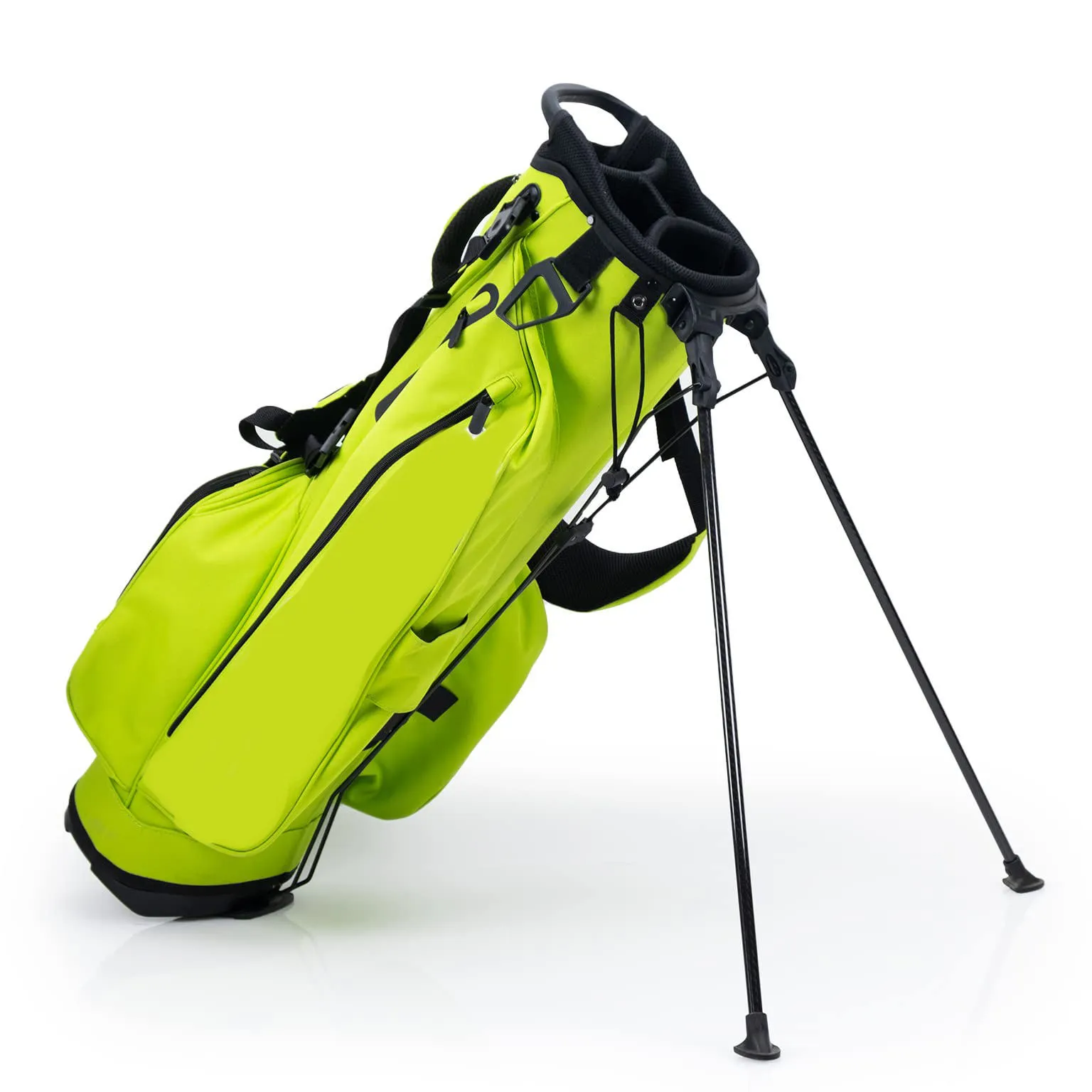
Launching a golf bag brand in 2026 demands more than creative design instincts and a marketing budget. The global golf bag market continues to expand, with projected revenues exceeding USD 2.1 billion by the end of 2026. New entrants who approach product development with a systematic checklist methodology consistently outperform those who rely on ad hoc decision-making. A structured checklist transforms an overwhelming venture into manageable milestones, ensuring that no critical step is overlooked during the product development lifecycle.
The complexity of golf bag manufacturing spans material science, ergonomic design, compliance testing, supply chain management, and brand storytelling. Each element requires dedicated attention and verification before progressing to the next stage. Factory audits alone can reveal discrepancies in production capacity, quality management systems, and social compliance standards that would devastate a brand launched without proper due diligence. Our experience producing over 200,000 golf bags annually across 8 production lines has shown us that brands following structured checklists achieve 40 percent faster time-to-market and 60 percent fewer post-launch quality complaints.
The Cost of Skipping Checklist Items
Every item on a golf bag starting checklist exists because skipping it carries measurable financial and reputational consequences. Brands that bypass material certification requirements face customs delays and potential product recalls costing tens of thousands of dollars. Those who skip the sampling phase discover fit and finish issues only after receiving a full container of defective inventory. The checklist is not bureaucratic overhead. It is a risk mitigation framework that protects your investment and accelerates your path to revenue.
Consider the scenario where a new brand launches a stand bag without conducting water resistance testing. Three months into the selling season, customer reviews flood in complaining that the bag leaks during light rain. The brand faces a choice between issuing costly refunds or absorbing negative reviews that damage long-term brand equity. This scenario is entirely preventable with a comprehensive checklist that includes weatherproofing validation as a mandatory checkpoint before production approval.
Adapting the Checklist to Your Brand Scale
Whether you are launching with a single stock keeping unit or planning a complete product line spanning stand bags, cart bags, and travel covers, the checklist framework scales to match your ambitions. Startup brands operating with limited capital should focus on a phased approach, beginning with one hero product and expanding based on market feedback. Established brands entering the golf category from adjacent markets such as outdoor gear or athletic equipment can leverage existing supplier relationships but still need golf-specific validation steps unique to this product category.
Phase One: Market Research and Product Definition
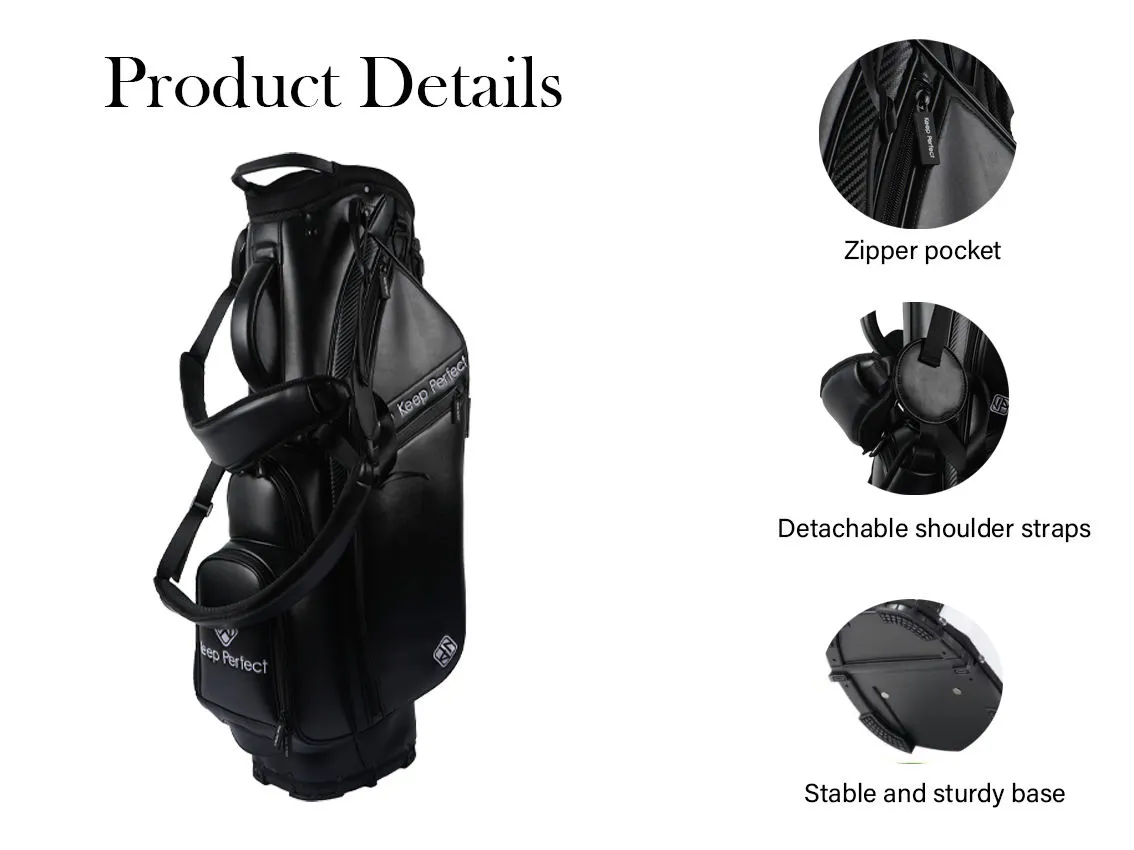
The foundation of every successful golf bag brand begins with rigorous market research and clear product definition. Before contacting any manufacturer or sketching your first design concept, you must understand the competitive landscape, identify underserved market segments, and define the specific product attributes that will differentiate your offering. This phase typically requires four to six weeks of dedicated research and should produce a comprehensive product brief that guides every subsequent decision.
Identifying Your Target Customer Segment
The golf bag market serves distinct customer segments, each with different priorities and purchasing behaviors. Walking golfers prioritize lightweight construction, comfortable strap systems, and easy-access pocket layouts. Cart golfers value maximum storage capacity, stable bases, and premium appearance. Tour players demand staff bag aesthetics, durability under frequent travel, and brand visibility. Junior and senior golfers need specialized sizing and reduced weight. Your product definition must target a specific primary segment rather than attempting to serve all golfers simultaneously.
Analyze demographic data, course type preferences, regional climate conditions, and price sensitivity within your chosen segment. A brand targeting affluent country club members who ride carts will specify entirely different materials, features, and price points than a brand targeting millennial golfers who prefer walking with lightweight stand bags. The more precisely you define your target customer, the more effectively your manufacturer can optimize the product specification for that audience.
Competitive Analysis and Gap Identification
Study at least fifteen to twenty competing products in your target category and price range. Document their material choices, feature sets, pocket configurations, weight specifications, warranty terms, retail pricing, and online review sentiment. Identify patterns where competitors cluster around similar specifications, creating opportunities for differentiation. Common gaps in the market include insufficient waterproofing at mid-range price points, poorly designed insulated pockets, inadequate rain hood integration, and limited color customization options for direct-to-consumer brands.
Setting Your Product Specifications
Translate your market research into a detailed product specification document covering bag type, dimensions, weight target, material requirements, pocket configuration, divider system, strap system, closure types, accessory attachments, and branding placement. This document becomes the contract between your brand vision and manufacturing execution. Include tolerance ranges for critical dimensions and explicit quality standards for stitching density, zipper pull strength, and fabric denier requirements.
Phase Two: Supplier Sourcing and Vetting
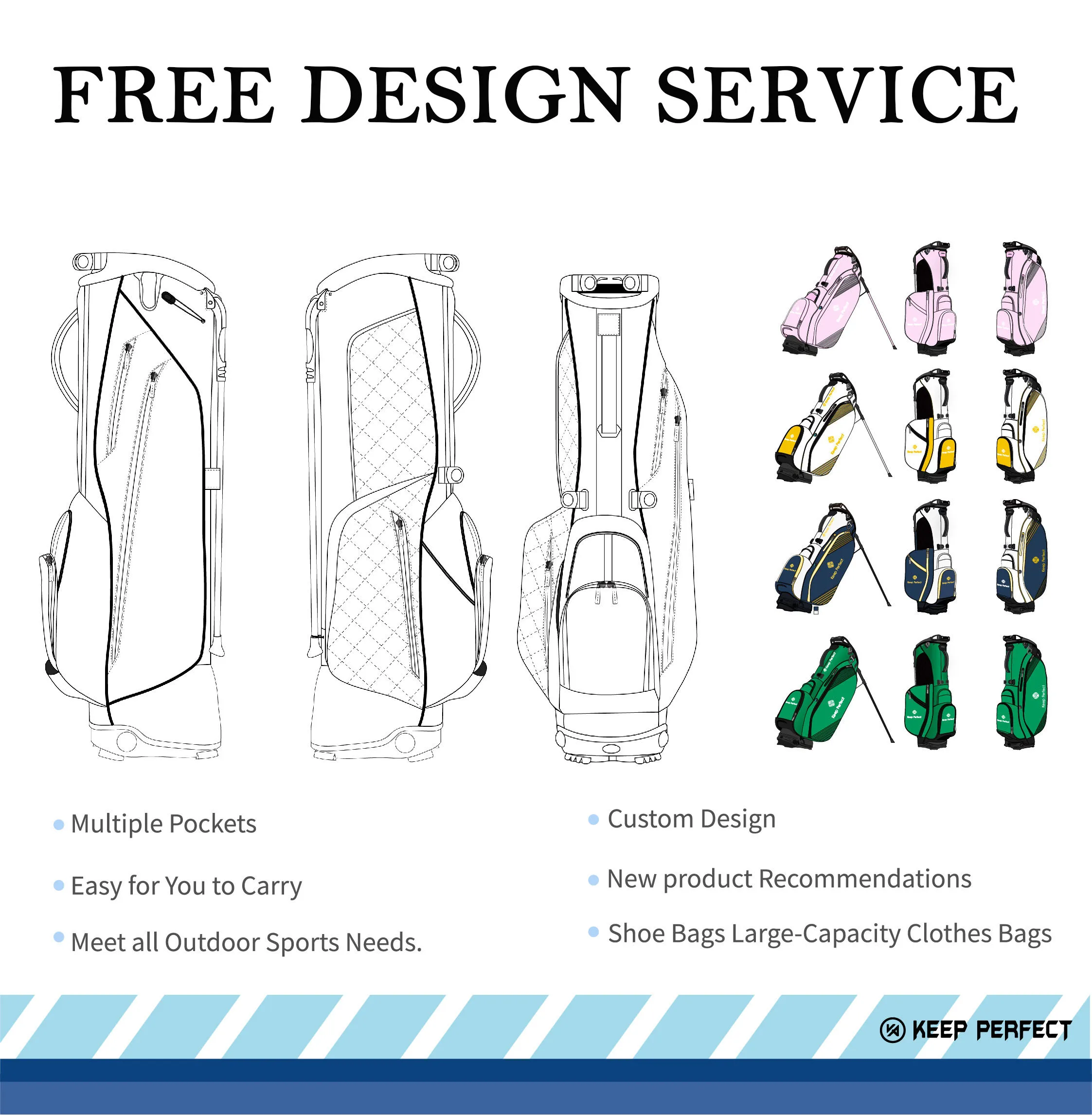
Selecting the right manufacturing partner is arguably the most consequential decision in your golf bag brand journey. The factory you choose determines product quality, production consistency, communication efficiency, and ultimately your brand reputation. In 2026, the supplier landscape includes traditional Chinese manufacturers dominating global production, emerging Southeast Asian factories competing on labor costs, and near-shore options in Central America serving the North American market with shorter lead times.
Essential Factory Evaluation Criteria
When vetting golf bag manufacturers, evaluate each candidate against a standardized checklist covering production capacity, quality management certifications, social compliance records, design and development capabilities, communication responsiveness, and financial stability. Request documentation including ISO 9001 certificates, BSCI or Sedex audit reports, production line photographs, and client references. Factories willing to share comprehensive documentation demonstrate confidence in their operations and transparency that predicts a healthy long-term partnership.
Our facility exemplifies the caliber of manufacturing partner new brands should seek. With BSCI and ISO 9001:2015 certifications, 15,000 square meters of production space, 8 dedicated production lines, and over 200 skilled craftsmen, we produce more than 200,000 premium golf bags annually. Our design process team supports brands from initial concept through mass production, providing material recommendations, cost optimization guidance, and quality assurance at every stage.
Requesting and Evaluating Samples
Before committing to production, request detailed samples from your top three to five factory candidates. Evaluate each sample against your product specification document, checking stitching quality, zipper smoothness, fabric hand feel, structural rigidity, pocket accessibility, and overall finish. Pay attention to details like seam alignment, thread tension consistency, and reinforcement at stress points. A factory that produces excellent samples will replicate that quality in mass production, while poor samples reliably predict mass production quality issues.
Negotiating Terms and Agreements
Establish clear commercial terms before placing your first order. Key negotiation points include unit pricing with volume tier structures, payment terms and methods, tooling and mold charges, sample revision costs, production lead times, quality acceptance criteria, warranty and replacement policies, and intellectual property protection clauses. Document all agreements in a formal purchase agreement or manufacturing supply contract reviewed by legal counsel familiar with international trade regulations.
Phase Three: Design Development and Sampling
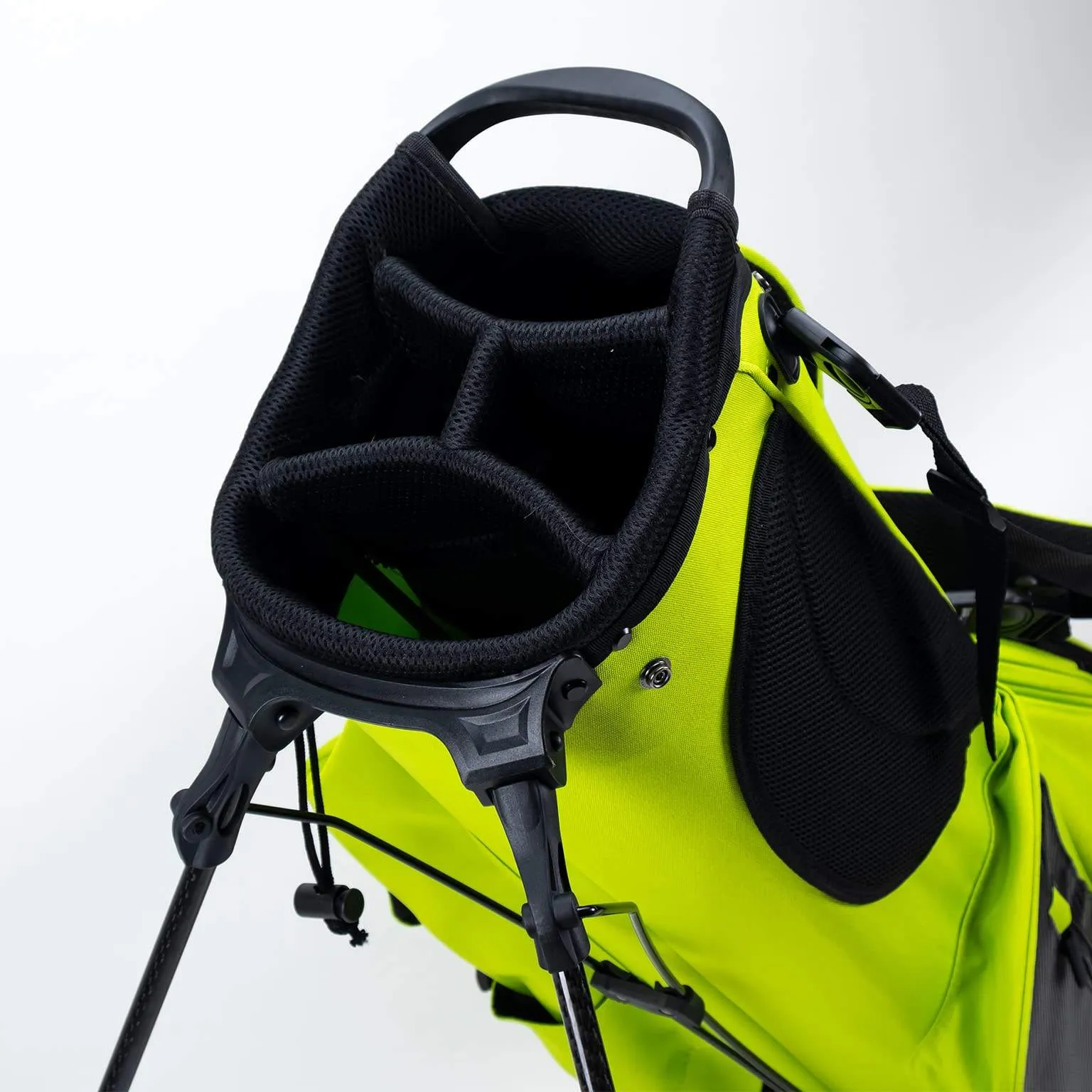
Design development bridges the gap between your market research vision and a physical product ready for manufacturing. This phase involves iterative collaboration between your brand team and the factory design engineers, progressing from initial concept sketches through technical drawings, material selection, prototype construction, fit testing, and final approval samples. Budget for two to four sampling rounds, each taking three to five weeks, to achieve a production-ready design.
Technical Design Package Preparation
Your technical design package should include detailed orthographic drawings showing all views of the bag, pocket layouts with dimensions, material callouts for every component, color specifications using Pantone reference numbers, branding artwork in vector format, zipper and hardware specifications, strap padding dimensions, and divider system requirements. The more precise your technical package, the fewer interpretation errors occur during sampling. Factories with in-house design teams can refine rough concepts into production-ready technical packages, adding expertise in construction methods and material optimization that new brands benefit from significantly.
Material Selection and Validation
Material selection directly impacts durability, aesthetics, weight, water resistance, and cost. Common golf bag materials include 600D and 1200D polyester for budget and mid-range products, nylon fabrics for premium lightweight applications, and synthetic leather or TPU panels for luxury accents. Validate each material choice through abrasion testing, UV resistance testing, colorfastness evaluation, and water penetration resistance measurement. Ensure all materials meet REACH compliance standards for European market access and Prop 65 requirements for California distribution.
Prototype Review and Iteration Cycles
Each prototype round should follow a structured review process comparing the physical sample against your technical design package dimension by dimension, feature by feature. Document deviations, determine root causes, and communicate specific correction requirements to the factory. Common first-round issues include pocket zipper alignment, divider tube diameter variations, strap attachment point reinforcement, and base plate stability. Second-round samples typically address these issues while revealing subtler refinements needed in pocket depth, handle ergonomics, and overall bag balance when loaded with clubs.
Phase Four: Compliance, Certifications, and Testing
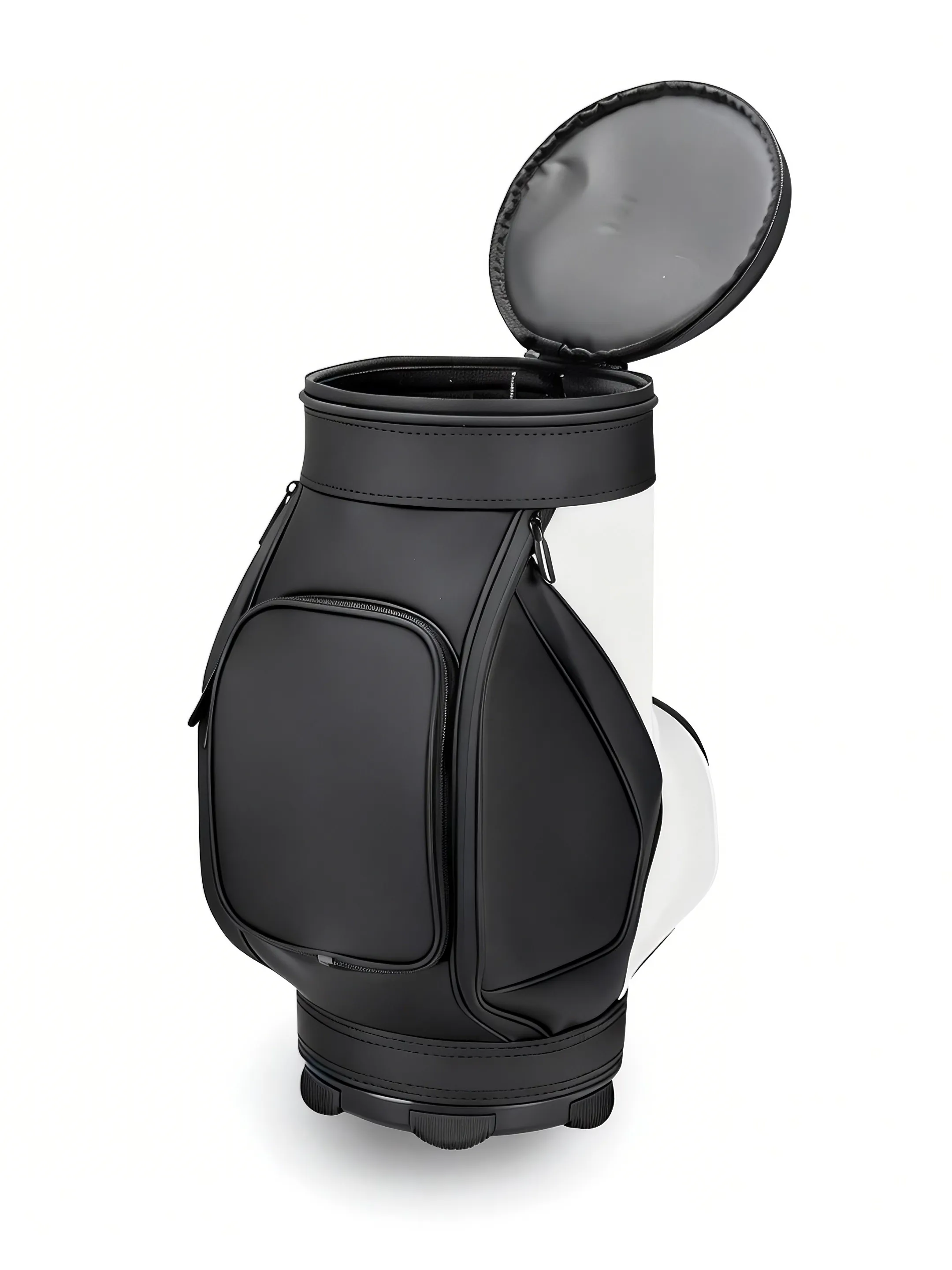
Regulatory compliance is non-negotiable for any golf bag brand planning to sell through retail channels or across international borders. Different markets impose different requirements, and non-compliance can result in customs holds, product seizures, fines, and forced recalls that destroy brand credibility and financial viability. Build compliance verification into your checklist as a mandatory gate before authorizing mass production.
Material Safety Compliance
Ensure all materials used in your golf bags comply with relevant chemical safety regulations. For the European Union, REACH regulation compliance is mandatory, requiring testing for restricted substances including certain phthalates, heavy metals, and azo dyes. For the United States, California Proposition 65 requires warning labels for products containing any of over 900 listed chemicals. For children-targeted golf bags, additional CPSIA testing may be required. Request test reports from accredited laboratories for every material component including main fabric, lining, zippers, buckles, plastic hardware, foam padding, and printing inks.
Performance and Durability Testing
Beyond chemical compliance, your golf bags must pass performance tests validating durability claims. Key tests include zipper cycle testing to 1,000 open-close operations, strap load testing at 1.5 times the rated carrying capacity, fabric tear strength measurement, abrasion resistance testing using standardized methods, seam strength pull testing, and water resistance verification using spray testing protocols. Establish minimum acceptance thresholds for each test based on your quality positioning and communicate these clearly in your purchase agreement.
Packaging and Labeling Requirements
Product labeling requirements vary by market but typically include care instruction labels, material composition labels, country of origin marking, manufacturer identification, and barcode or SKU labeling. Retail packaging must include product descriptions, feature highlights, and any required safety warnings. Ensure all labeling complies with Federal Trade Commission textile labeling requirements for the US market and equivalent regulations in other target territories. Your factory should provide labeling templates for your review and approval before mass production begins.
Phase Five: Production Planning and Quality Control
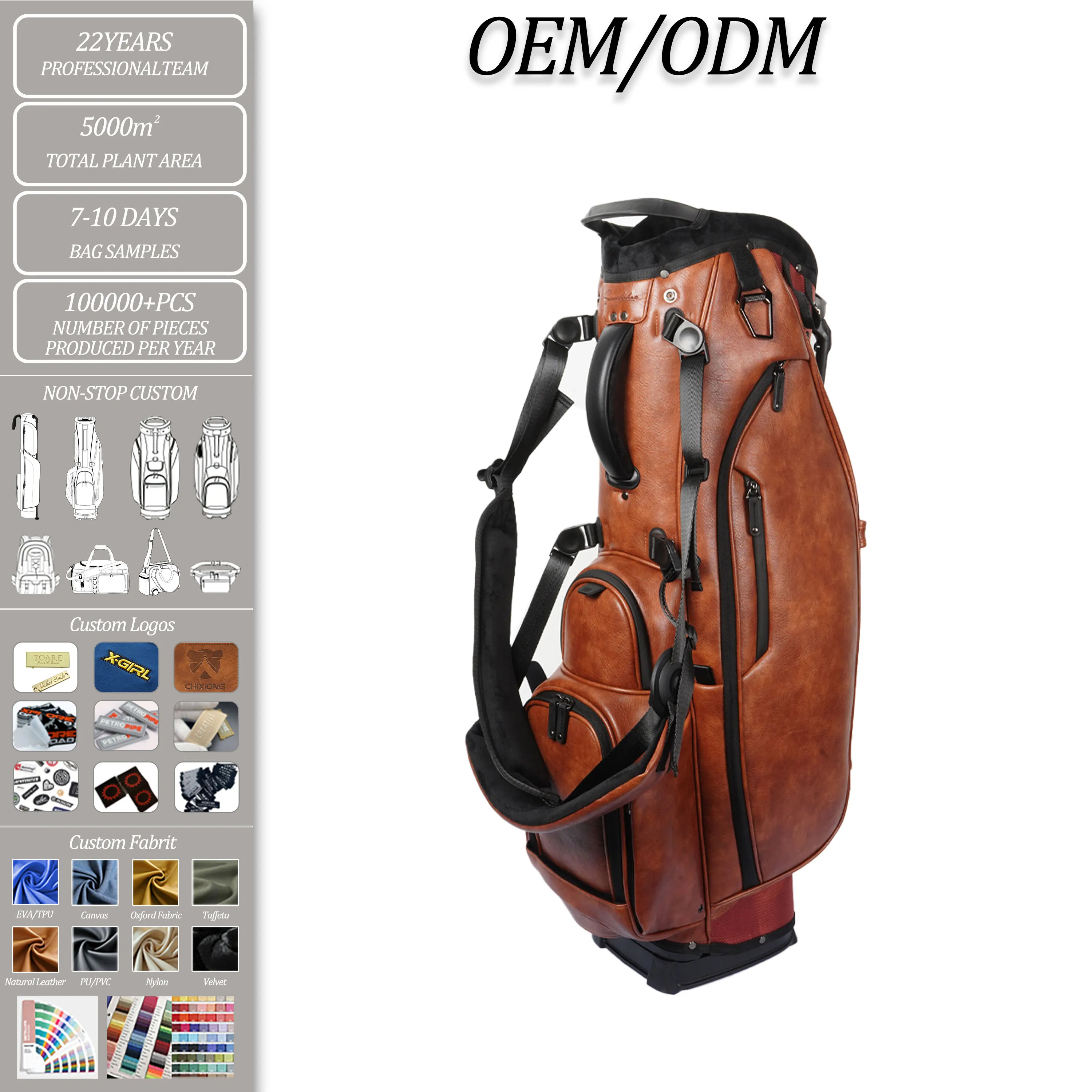
With approved samples and compliance certification in hand, you are ready to authorize mass production. This phase requires careful production planning, ongoing quality monitoring, and final inspection before shipment. Proper quality control is the difference between receiving bags that match your approved samples and receiving an entire production run with systematic defects that undermine your brand launch.
Production Timeline and Milestone Planning
Establish a detailed production timeline with clear milestones including material arrival and inspection, cutting completion, sewing start date, in-line inspection point at 20 percent completion, assembly and finishing completion, final inspection date, and shipping departure date. Request weekly production status updates with photographs showing progress at each stage. Build buffer time into your timeline to accommodate material delays, production line bottlenecks, or quality corrections that may be necessary.
Quality Control Inspection Protocol
Implement a three-tier quality control system. Incoming quality control inspects all materials upon arrival at the factory, verifying fabric color, weight, and hand feel against approved standards, checking zipper and hardware quality, and rejecting non-conforming materials before they enter production. In-line quality control monitors the production process, checking stitching quality, seam allowances, pocket placement accuracy, and assembly sequence compliance. Final random inspection follows AQL 2.5 standards, statistically sampling finished bags from the completed order to evaluate workmanship, dimensions, functionality, appearance, and packing accuracy.
Pre-Shipment Sample Approval
Before authorizing shipment, request pre-shipment samples drawn randomly from the finished production lot. Compare these samples against your approved golden sample to verify production consistency. Check for any variations in color shade, material quality, hardware finish, stitching quality, or functional performance. Any significant deviation should trigger a production review and corrective action before the shipment is released. This final verification step protects your brand from receiving and distributing products that do not meet your quality standards.
Phase Seven: Branding, Packaging, and Launch Strategy
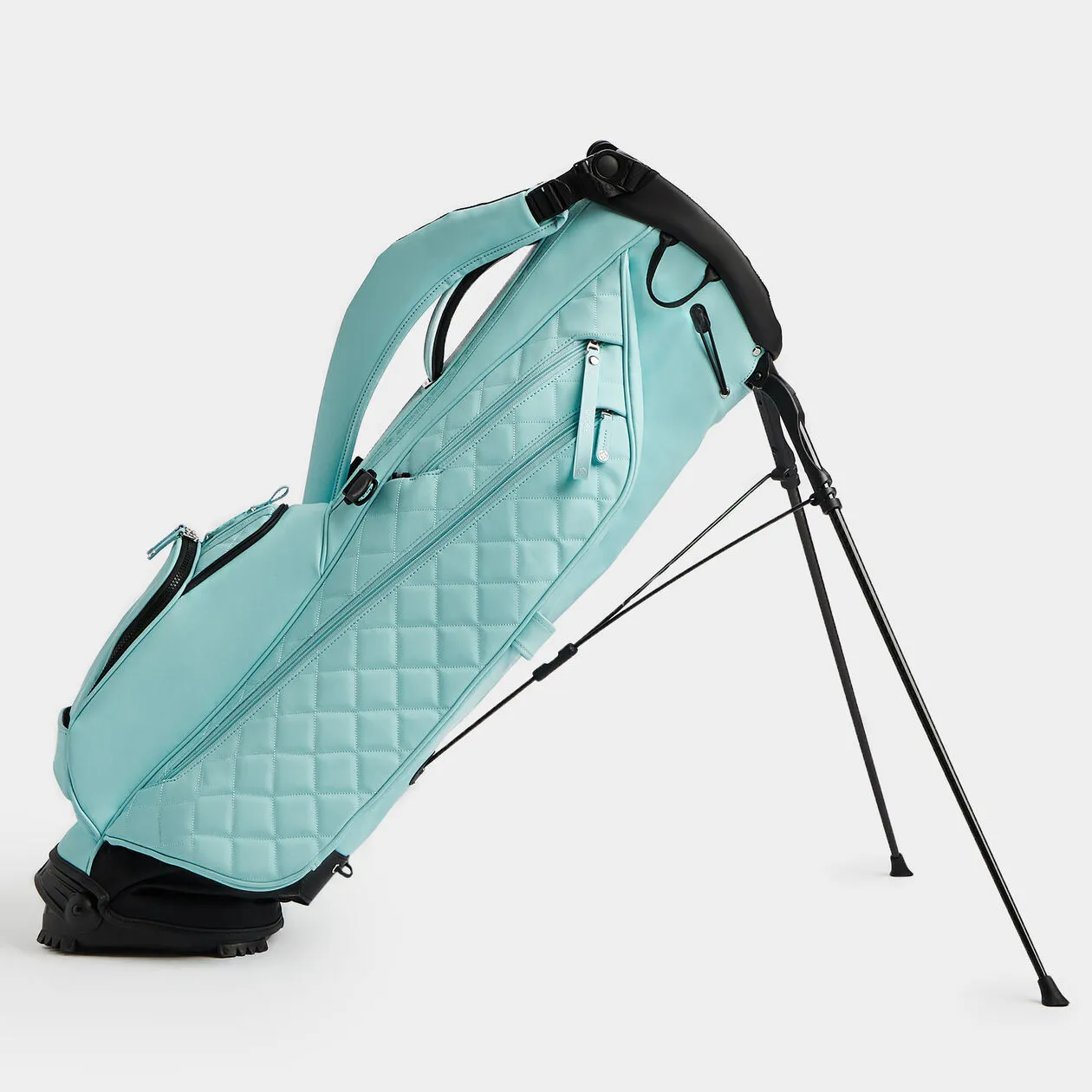
The final checklist phase transforms your manufactured golf bags into a market-ready brand product. Branding encompasses not only the visual identity printed on the bag but the complete customer experience from discovery through unboxing through ongoing product use. In 2026, golf consumers expect brands to deliver compelling stories, sustainable practices, and seamless purchasing experiences alongside quality products.
Visual Identity and Brand Assets
Develop a cohesive visual identity system including logo design, color palette, typography, and graphic elements that communicate your brand positioning. Apply this identity consistently across product branding, packaging, hang tags, marketing materials, website design, and social media presence. Premium golf bag brands invest significantly in logo execution quality, using embroidery, debossing, metal plates, or woven patches that convey quality craftsmanship. The branding elements on your bag are permanent advertisements that travel to every course your customers play.
Packaging Design and Unboxing Experience
Design packaging that protects the product during shipping while creating a memorable unboxing experience. Options range from poly bag packaging for value-positioned products through custom printed boxes for premium brands to reusable garment bags for luxury offerings. Include thank you cards, product care guides, warranty registration information, and brand storytelling elements inside the packaging. The unboxing moment is your first physical touchpoint with customers and an opportunity to create shareable social media content that extends your marketing reach organically.
Launch Timeline and Channel Strategy
Plan your launch timeline to align with the golf season calendar in your target markets. In the Northern Hemisphere, launching three to four months before the spring golf season allows time for marketing buildup, retail shelf placement, and early customer reviews before peak demand begins. Develop a multi-channel strategy spanning your direct-to-consumer website, online marketplaces, independent golf pro shops, and large retail chains. Each channel requires different pricing strategies, margin structures, and marketing support. Coordinate your launch across all channels simultaneously to maximize impact and prevent channel conflict.
Complete Checklist Summary for Quick Reference
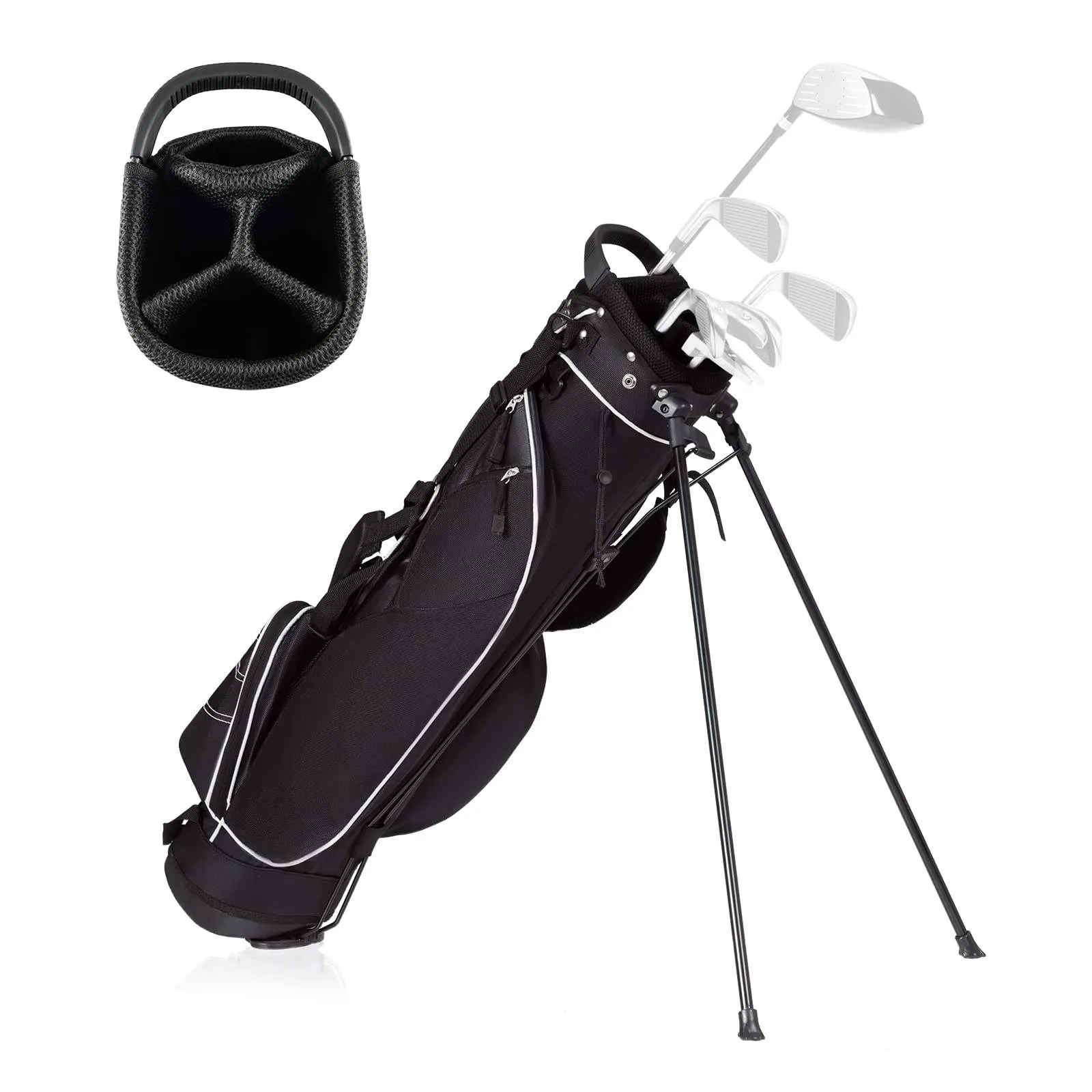
The following consolidated checklist provides a quick reference framework for tracking your progress through all phases of golf bag brand development. Each item represents a critical milestone that should be verified and documented before proceeding to the next stage of your product development journey.
Phase One: Market Research and Product Definition
Target customer segment clearly defined and documented. Competitive analysis of 15 to 20 competing products completed. Product specification document finalized with dimensions, materials, features, and price targets. Differentiation strategy identified and validated against market gaps. Business plan with financial projections prepared including startup costs, pricing strategy, and break-even analysis.
Phase Two: Supplier Sourcing and Vetting
Minimum five potential manufacturers identified and contacted. Factory audit reports and certifications verified including ISO 9001 and BSCI. Sample evaluation completed from top three candidates. Commercial terms negotiated and documented in supply agreement. Intellectual property protection clauses confirmed.
Phase Three: Design Development and Sampling
Technical design package completed with full specifications. Material selection finalized and validated through testing. Two to four sampling rounds completed with progressive refinement. Final approval sample signed and sealed as golden sample. Production tooling confirmed and lead times established.
Phase Four: Compliance, Certifications, and Testing
All materials tested and certified for target market compliance. Performance testing completed meeting established quality thresholds. Labeling and packaging designed to meet regulatory requirements. Test reports filed and organized for customs and retail buyer review.
Phase Five: Production and Quality Control
Production timeline confirmed with milestone dates. Incoming quality control protocol established and active. In-line inspection scheduled at 20 percent completion point. Final AQL 2.5 inspection completed with acceptable results. Pre-shipment samples approved against golden sample.
Phase Six: Branding and Launch
Visual identity system completed and applied across all touchpoints. Packaging design finalized and production ordered. Marketing materials prepared including photography, video content, and product descriptions. Website and e-commerce infrastructure ready for launch. Multi-channel distribution strategy activated and launch timeline synchronized with peak golf season.
Following this comprehensive checklist methodically transforms the complex challenge of launching a golf bag brand into an achievable sequence of validated steps. Each phase builds upon the verified outputs of the previous phase, creating a development pathway that minimizes risk while maximizing the probability of a successful market entry. Our factory team supports brands at every stage of this journey, from initial concept discussions through mass production and ongoing reorders. With a minimum order quantity of just 100 pieces, we make it accessible for new brands to begin their golf bag venture without excessive capital commitment. Contact us through our website or WhatsApp at +8617750020688 to discuss how we can support your golf bag brand launch in 2026.
Frequently Asked Questions
What is the minimum order quantity for starting a custom golf bag brand?
Most golf bag manufacturers require a minimum order quantity of 100 to 300 pieces per design for custom OEM projects. Some factories accept trial orders as low as 100 pieces to help new brands test the market before committing to larger production runs.
How much capital do I need to start a golf bag brand?
Starting a golf bag brand typically requires between $15,000 and $50,000 in initial capital. This covers sampling costs, first production run, branding and packaging design, quality inspection, shipping, and marketing materials for your launch campaign.
How long does it take to develop a custom golf bag from concept to production?
The complete development cycle from initial concept to mass production typically takes 90 to 180 days. This includes design finalization, material sourcing, prototype sampling, revision cycles, pre-production approval, and the first mass production run.
What certifications should I look for in a golf bag manufacturer?
Key certifications include ISO 9001 for quality management, BSCI for social compliance, and material-specific certifications such as REACH compliance for European markets. Some buyers also require Sedex or SMETA audit reports for ethical supply chain verification.
Which golf bag category should a new brand start with?
Stand bags and Sunday bags are the best starting categories for new brands due to lower manufacturing costs, simpler construction, strong consumer demand, and manageable MOQ requirements. Cart bags are a good second-phase expansion product once the brand is established.
What are the most important quality checkpoints when launching a golf bag product line?
Critical quality checkpoints include material inspection upon arrival, in-line production checks at 20 percent completion, pre-shipment inspection following AQL 2.5 standards, load testing for straps and zippers, and water resistance verification for bags marketed as weatherproof.
How do I find reliable golf bag suppliers for my new brand?
The most effective channels include verified supplier platforms, trade shows such as the PGA Show and Canton Fair, industry referrals, and direct outreach to certified factories. Always request factory audit reports, sample evaluation, and client references before committing to production.
Ready to Start Your Custom Golf Bag Project?
Partner with a BSCI & ISO 9001:2015 certified factory producing 200,000+ premium golf bags annually. MOQ just 100 pieces.
Get a Free Quote Today