Golf Bag Import Guide USA 2026: Customs, Tariffs, HS Code & Compliance
Step-by-step for importers, distributors & brands: golf bag HS code, tariffs, customs clearance workflow, document checklist, landed cost model, and 2026 compliance risks.
Last updated: April 2026
This is a practical, buyer-focused guide for importing golf bags into the United States. The goal is simple: help you clear customs once, avoid unnecessary duties and delays, and move inventory to your warehouse faster.
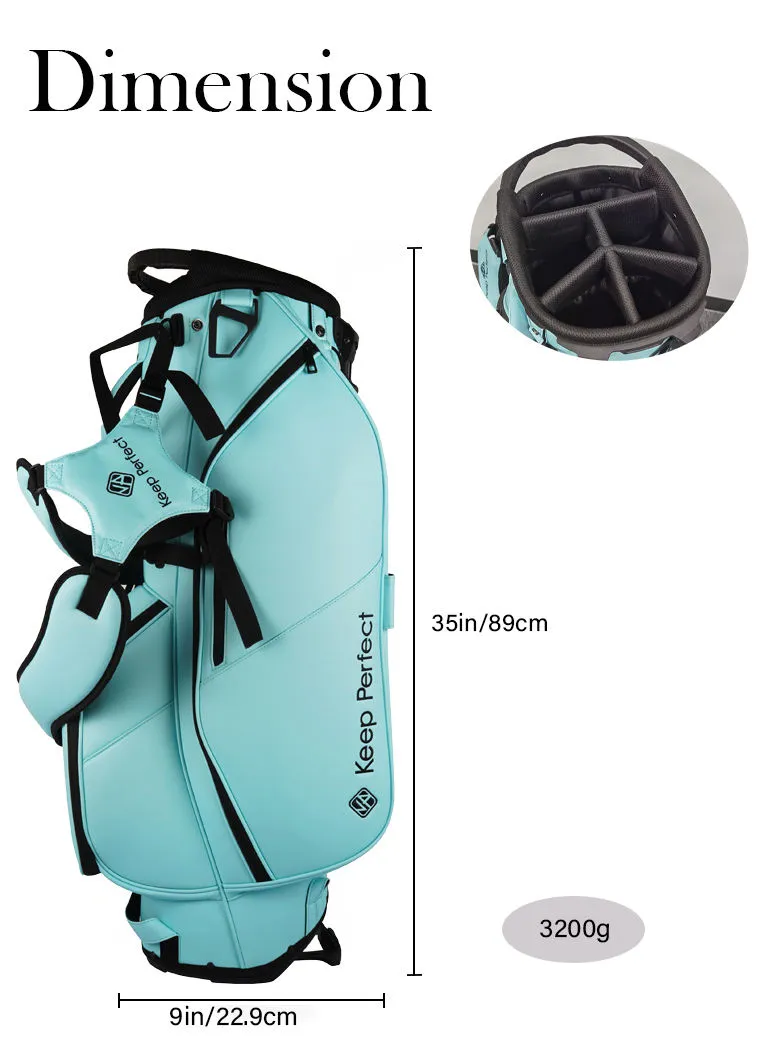
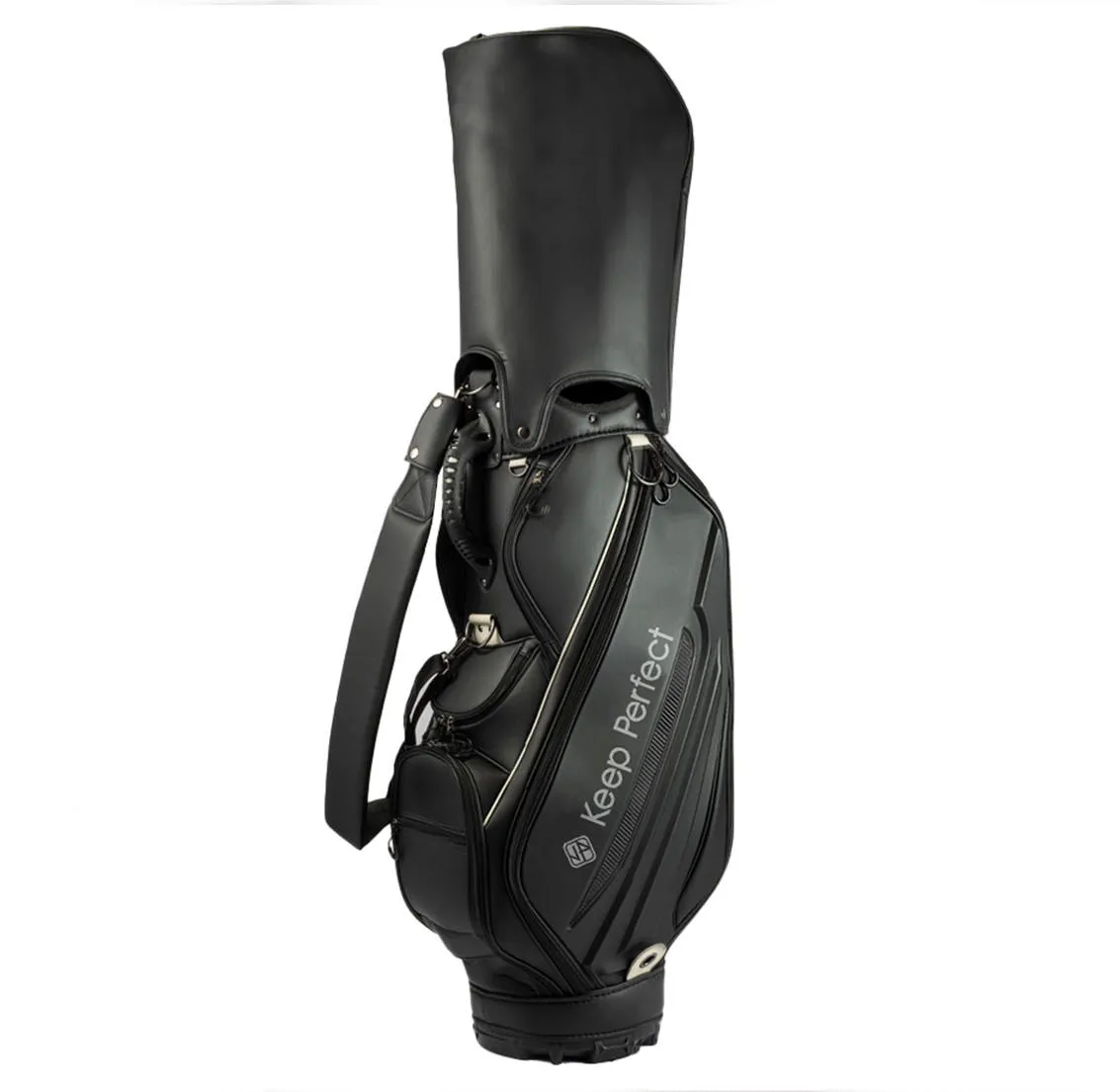
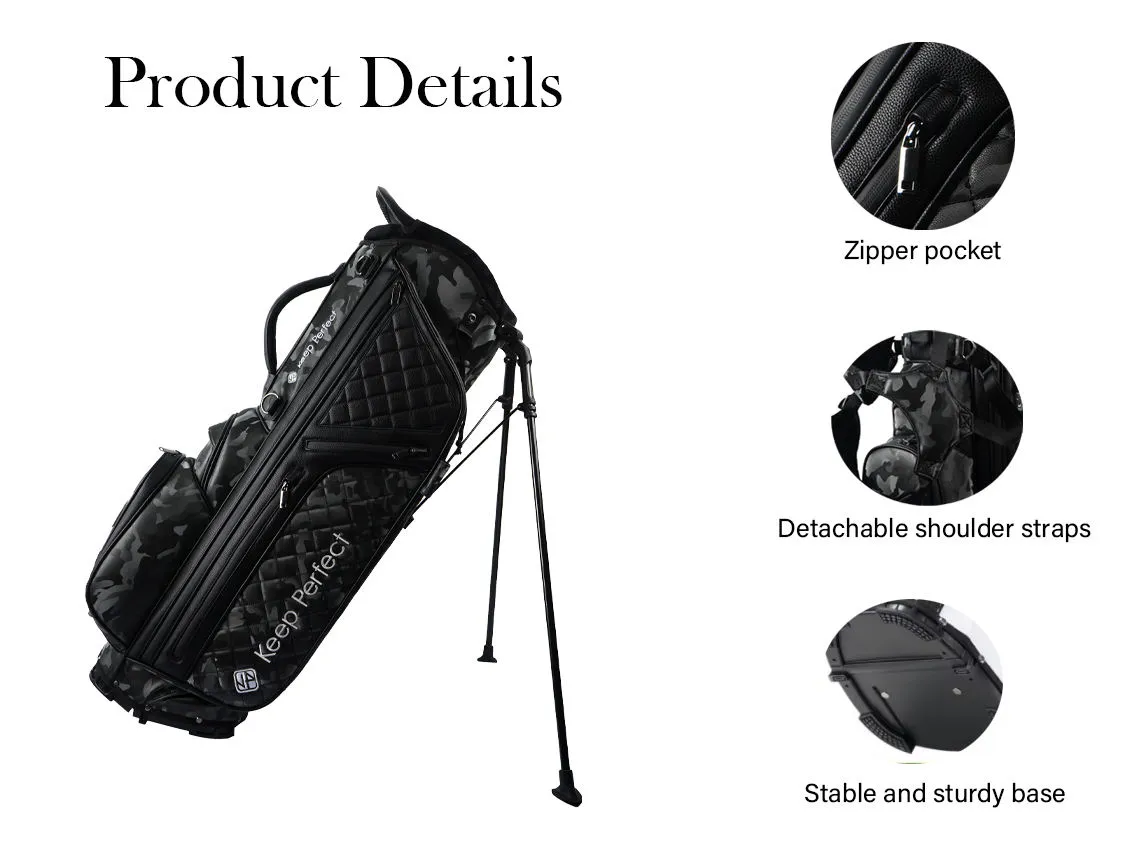
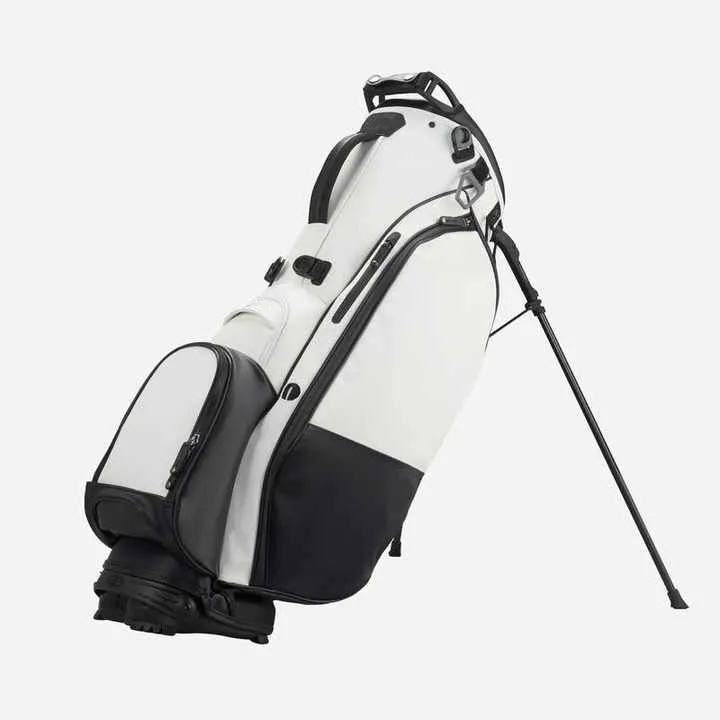
Looking for export-ready SKUs to quote today? Start here: Wholesale Golf Stand Bags.
30-Second Value (What You Get)
- How to think about golf bag HS/HTS codes and duty risks
- A step-by-step US customs clearance workflow (what happens and what can go wrong)
- A buyer-friendly document checklist you can copy into your RFQ
- A simple landed cost model so you can price your bag correctly
Quick Navigation
- HS/HTS Code for Golf Bags (USA)
- Customs Clearance Process (End-to-End)
- Required Documents Checklist
- Landed Cost Calculator (Simple)
- Common Holds & How to Avoid Them
- 2026 Notes: Compliance & Risk Signals
- Port Differences + Section 321
- Real-World Hold Example
- Download Templates + Get Help
HS/HTS Code for Golf Bags (USA)
The HTS code determines the duty rate, additional duties (if applicable), and the way your goods are described on entry. Golf bags are commonly classified under heading 4202 (travel goods, bags, and similar containers). The correct subheading depends on the outer surface material and construction.
Important: Always confirm the final HTS classification with a licensed customs broker. Use the examples below as a practical starting point for planning and RFQs — then validate the exact 10-digit code and the current duty rate before you ship.
| Category | Example 10-digit HTS | Outer Surface | Example Duty Reference | When It Fits | Notes |
|---|---|---|---|---|---|
| Golf bags (leather) | 4202.91.10.00 | Leather / composition leather | General duty shown as 4.5% (verify current rate) | Premium leather outer surface | Material wording must match reality: “PU leather” is not “genuine leather”. |
| Golf bags (textile) | 4202.92.3030 | Textile (nylon / man-made fiber) | Ruling example: 20% ad valorem (verify current rate) | Golf bag with outer surface of textile materials | Keep invoice wording consistent across invoice, packing list, and broker entry. |
| Golf bags (plastic sheeting) | 4202.92.4500 | Plastic sheeting / vinyl | Ruling example: 20% ad valorem (verify current rate) | Golf bag with outer surface of plastic sheeting | For coated fabrics, confirm whether CBP treats it as textile or plastic sheeting. |
Reference (classification example): ruling NY 867763 shows golf bag examples classified to 4202.92.3030 (nylon) and 4202.92.4500 (vinyl) with a 20% duty rate at the time of the ruling. Always verify the current rate before shipment: NY 867763.
Where to verify in 2026: confirm the current rates and notes in the official USITC HTS, then confirm the correct code with your licensed broker before shipment.
How to Choose the Right Code (Simple Decision Tree)
- Start from the product: golf bag / travel goods typically points you to heading 4202.
- Decide the outer surface material (what CBP will treat as the outer surface): textile vs leather/composition leather.
- Confirm subheading by textile type (man-made vs other) and any coating/construction rules.
- Lock your description: keep invoice wording consistent across invoice, packing list, and broker entry.
Tariffs, Additional Duties, and “Surprise Costs”
Beyond base duty, importers may face additional costs depending on origin, program eligibility, and compliance status. A broker will confirm your final duty structure, but your sourcing team should plan for:
- Base duty (HTS-driven)
- Additional duties (policy-dependent, origin-dependent)
- Customs fees (broker handling, entry fees)
- Exam fees if selected for inspection
Section 301 (China origin): CBP notes that Section 301 additional duties apply to products of China and are based on country of origin (not country of export). Always verify if your final HTS code is subject to Section 301 and whether any exclusions apply before you ship: CBP Section 301 FAQ.
US Customs Clearance Process (End-to-End)
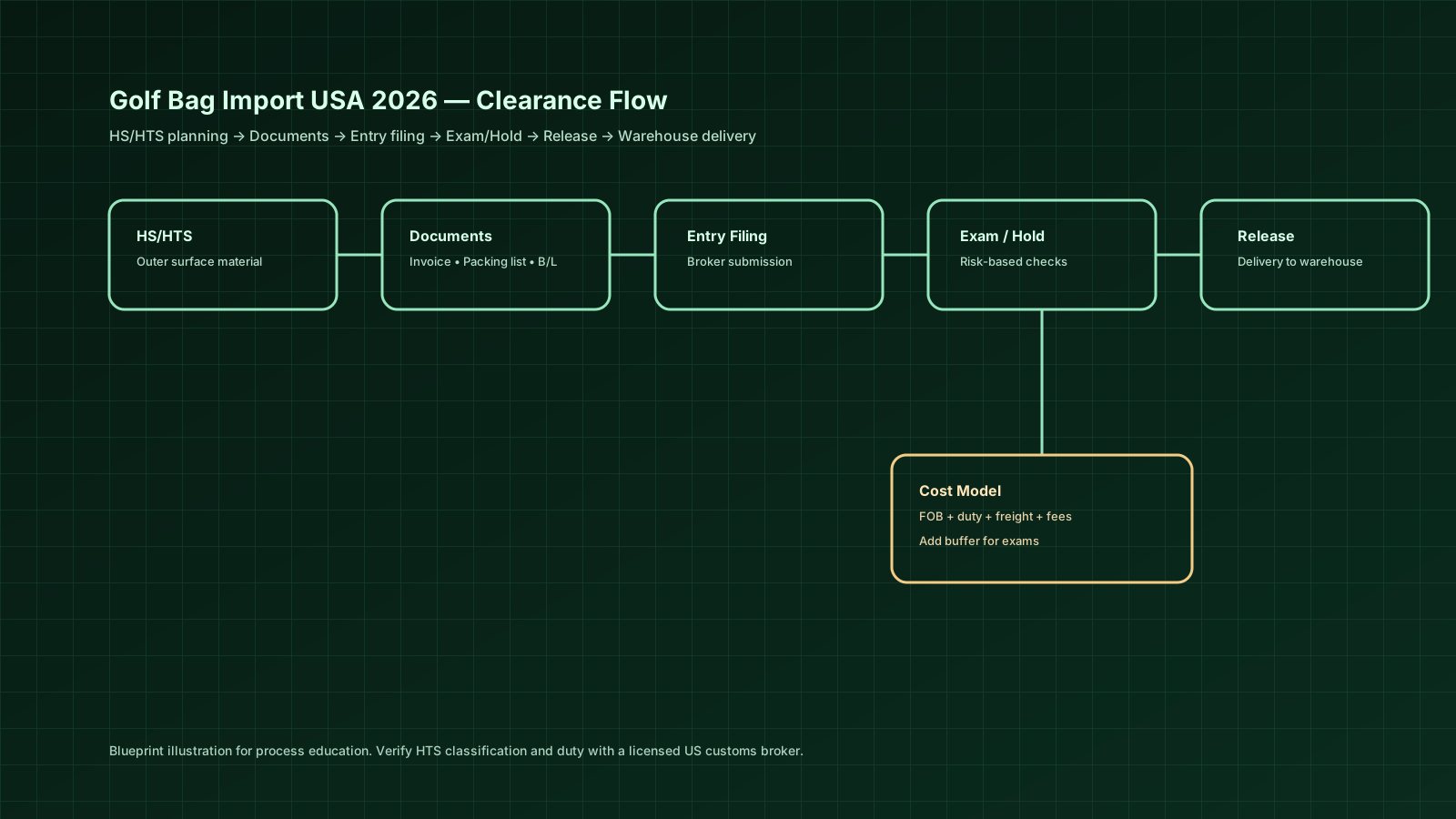
Below is the typical workflow. If you understand these checkpoints, you can prevent most delays before your shipment even leaves the factory.
Step 1 — Importer readiness (who is the importer of record?)
- Confirm importer of record, consignee, and broker details
- Align Incoterms (FOB/CIF/DDP) and who pays which fees
Step 2 — Document preparation (before departure)
- Commercial invoice, packing list, B/L or AWB
- Material and labeling statements (if required)
- Brand authorization if you are importing branded goods
Step 3 — Entry filing (broker submission)
- Broker files entry with product description, HTS, value, origin
- Errors here cause the most delays later
Step 4 — Examination / holds (random or risk-based)
- Documentation review, physical exam, labeling/material checks
- Respond fast: clear photos, complete documents, clear explanations
Step 5 — Release and delivery
- Duties and fees paid, cargo released
- Delivery to warehouse, carton count + damage inspection
Step 6 — Post-entry discipline (what professionals do)
- Keep documentation organized for audits and disputes
- Maintain product spec and material evidence for future orders
Required Documents Checklist (Copy/Paste)
Use this table when requesting quotes. It makes your project look professional and reduces the chance of customs delays.
| Document | Who Provides It | Common Mistake | Buyer Tip |
|---|---|---|---|
| Commercial Invoice | Supplier | Vague description / wrong HTS wording | Require exact item description + materials |
| Packing List | Supplier | Carton totals don’t match | Confirm carton count, net/gross weight |
| Bill of Lading / AWB | Forwarder | Consignee name mismatch | Match consignee/importer exactly |
| Certificate of Origin | Supplier/Chamber | Missing or incorrect origin info | Align with invoice and packing list |
| Brand Authorization | Brand owner (if needed) | Importing branded goods without proof | Prepare a letter + trademark evidence |
| Quality / Material Evidence | Supplier + labs | No proof for material claims | Keep reports ready for risk-based exams |
Landed Cost Calculator (Simple)
Most first-time importers price using FOB only. That is risky. Use this simplified model for budgeting and quoting.
- FOB total = unit price × quantity
- Duty estimate = customs value × duty rate (plus any applicable additional duties)
- Logistics = ocean/air + destination fees + delivery
- Inspection & risk = third-party inspection + possible exam costs (buffer)
- Landed cost = FOB + duty + logistics + buffer
Quick Estimator
Use the calculator below for a fast landed-cost sanity check, then confirm with your customs broker for the final entry value and duty structure.
Common Holds & How to Avoid Them
- Low declaration / value mismatch: use consistent pricing, keep payment records
- Misclassification: match HTS to outer surface material and construction
- Brand/IP risk: do not ship counterfeit or confusingly similar branding
- Material compliance gaps: be ready to prove material claims
- Labeling inconsistencies: keep labeling consistent with invoice and product spec
Seasonal Import Planning for Golf Bags
Timing matters when importing golf bags into the United States. The golf industry is heavily seasonal, with the highest demand concentrated in spring and early summer. Smart importers plan their shipment schedules at least six to eight months ahead of the peak selling window to account for production lead times, ocean transit, customs clearance, and domestic distribution.
Peak Season Timeline
The typical golf retail season in North America runs from March through September, with the strongest sales from April through June. If you are a distributor or brand owner preparing for the spring selling season, your goods should arrive at your US warehouse no later than February. That means your ocean freight should depart Asia no later than late December or early January at the latest.
Working backward from this deadline:
- January–February: Final QC inspection, goods ready for shipment
- December: Ocean departure (allowing 30–40 days for West Coast ports)
- October–November: Production completion at the factory
- August–September: Raw material procurement and cutting
- June–July: Sampling approval and bulk order confirmation
Missing this window even by a few weeks can cost you an entire selling season. Warehousing fees pile up, retail buyers shift to competitors who had their inventory ready, and your cash flow gets tied up in goods sitting at a port or bonded warehouse.
Off-Season Ordering Advantages
Placing orders during the factory's off-season (typically October through February in China's golf bag manufacturing hubs) offers several advantages. First, factories have more open production capacity, which translates to shorter lead times and more flexibility for customization requests. Second, raw material suppliers are less strained, so you have better access to preferred fabrics, zippers, and hardware. Third, ocean freight rates are typically lower during off-peak shipping months, which can reduce your per-unit landed cost by several percentage points.
How to Choose a Customs Broker for Golf Bag Imports
Not all customs brokers are created equal, and selecting one with relevant experience in sporting goods and textile products can make a significant difference in clearance speed and compliance accuracy. A broker who regularly handles golf bags and similar items under HTS heading 4202 will already understand the common pitfalls: material description inconsistencies, origin documentation requirements, and the nuances between textile versus plastic sheeting classifications.
Key Selection Criteria
When evaluating potential customs brokers for your golf bag import business, consider the following factors:
- Product experience: Does the broker regularly clear sporting goods, bags, or textile products? Ask for references from clients in similar categories.
- Port coverage: Does the broker have a presence at your primary port of entry (Los Angeles, Long Beach, New York/Newark, Savannah, Chicago)?
- Communication speed: When CBP issues a hold or exam notice, you need a broker who responds within hours, not days. Late responses directly translate into demurrage and storage charges.
- Technology platform: Modern brokers offer online portals where you can track entry status, upload documents, and receive real-time alerts. This visibility is invaluable for inventory planning.
- Fee structure: Most brokers charge a flat entry fee plus additional charges for ISF filing, exam handling, and storage coordination. Compare all-in costs, not just the headline entry fee.
Broker vs. Self-Filing
While it is technically possible to file your own customs entries through the ACE (Automated Commercial Environment) system, most small and mid-size golf bag importers benefit from using a licensed broker. The complexity of HTS classification, the ongoing changes in tariff schedules, and the penalties for incorrect filings make professional brokerage a worthwhile investment. A single misclassification error can result in duty rates that are 10–15 percentage points higher than necessary, costing thousands of dollars per shipment.
Packaging and Labeling Requirements for US Retail
Beyond customs compliance, golf bags imported into the United States must meet specific packaging and labeling requirements dictated by retail buyers and federal regulations. Failing to address these requirements before shipment can result in chargebacks from major retailers, refused deliveries, or costly repackaging at a US warehouse.
Retail Packaging Standards
Major US golf retailers such as Dick's Sporting Goods, Golf Galaxy, and PGA Tour Superstore typically require specific packaging formats. These may include poly bag protection for each unit, branded hang tags with UPC/EAN barcodes, and retail-ready carton labeling with SKU, quantity, and destination information. Your factory should receive a detailed packaging specification document before production begins, and your QC inspector should verify compliance during the final inspection.
Country of Origin Labeling
US customs regulations require that imported goods clearly display their country of origin. For golf bags manufactured in China, this means a visible, permanently attached label stating "Made in China" or "Manufactured in China." The label must be in English, legible, and placed where it is readily visible to the end consumer. Many factories sew this into the interior lining or attach it to the exterior hang tag. CBP officers may examine shipments specifically for proper origin marking, and goods without correct labeling can be refused entry or subject to re-marking at the importer's expense.

Care Labeling and Fiber Content
If your golf bag contains textile components, you may need to comply with FTC (Federal Trade Commission) labeling requirements for fiber content disclosure. While golf bags are not apparel, many retailers request or require care instruction labels and material composition tags as part of their vendor compliance manuals. Confirm these requirements with each retail buyer before finalizing your production specifications.
Cargo Insurance: Protecting Your Golf Bag Shipment
Ocean freight carries inherent risks, and golf bag shipments are no exception. While container ships are generally reliable, incidents such as storms, container damage, piracy, and port congestion can result in delayed, damaged, or lost cargo. Prudent importers protect their investment with appropriate marine cargo insurance.
Types of Coverage
Marine cargo insurance for golf bags typically falls into one of several categories:
- All Risks (Institute Cargo Clauses A): The broadest coverage, protecting against physical loss or damage from any external cause. This is the recommended option for high-value shipments and first-time importers.
- Named Perils (Institute Cargo Clauses B or C): Covers specific risks such as fire, collision, overturning, and general average sacrifice. Less expensive but leaves gaps.
- Total Loss Only: The most restrictive option, covering only complete loss of the vessel. Rarely adequate for commercial shipments.
Insurance premiums for golf bag shipments typically range from 0.2% to 0.5% of the declared cargo value, depending on the route, volume, and coverage level. For a container of golf bags valued at USD 30,000, the premium might be as low as USD 60 to USD 150 — a small price for peace of mind.
Many golf bag importers overlook cargo insurance because their shipments arrive without incident for years. However, the purpose of insurance is not to cover expected losses — it is to protect against catastrophic, low-probability events that could bankrupt a small or mid-size importing business. A single container loss or general average declaration can easily exceed the total value of your annual imports. For businesses operating on thin margins, this exposure is simply unacceptable. Leading golf brands and large distributors maintain continuous cargo coverage as a non-negotiable component of their import operations, treating the premium as a fixed cost of doing business rather than an optional expense.
General Average: The Hidden Risk
One often-overlooked aspect of ocean shipping is "general average." If a vessel experiences a maritime emergency (such as a fire or engine failure), the ship captain may declare general average, requiring all cargo owners to share proportionally in the costs of rescuing the vessel and its cargo. Even if your specific containers were undamaged, you could be liable for tens of thousands of dollars in general average contributions. Without cargo insurance, this cost comes directly out of your pocket. With insurance, your carrier covers the general average contribution on your behalf.
Duty Mitigation Strategies for Golf Bag Importers
While tariff rates for golf bags are set by the HTS and subject to trade agreements, there are legitimate strategies that importers can use to optimize their duty spend and reduce overall landed costs.
First Sale Valuation
Under certain conditions, US Customs allows importers to declare the "first sale" price (the price paid by the middleman to the factory) rather than the "last sale" price (the price paid by the importer to the middleman) as the basis for customs valuation. This can significantly reduce the dutiable value when your supply chain involves intermediaries. However, specific documentation requirements must be met, including evidence that the goods were clearly destined for export to the United States at the time of the first sale.
Foreign Trade Zones (FTZ)
If you import golf bags in large volumes and distribute them across multiple US destinations, operating from or through a Foreign Trade Zone may offer duty deferral or reduction benefits. Goods entering an FTZ are not subject to duty until they leave the zone and enter US commerce. If goods are re-exported from the FTZ, no US duty is ever paid. While FTZs require authorization and compliance infrastructure, they can be a valuable tool for high-volume distributors.
Bonded Warehouse Options
For importers who need additional time to arrange duty payment, find buyers, or coordinate distribution, bonded warehouses offer a practical solution. Goods stored in a bonded warehouse can remain there for up to five years without duty payment. This flexibility is particularly useful during periods of trade uncertainty or when managing seasonal inventory flows. The key advantage is improved cash flow — you only pay duties when the goods actually enter commerce.
2026 Notes: Compliance & Risk Signals
Import compliance changes over time. The safest operational habit is to treat this guide as a checklist and re-confirm key points with your broker whenever you change: supplier, materials, branding, or shipping terms.
- CBP risk-based exams: speed depends on clarity and document readiness
- Textile/leather claims: ensure material wording matches actual composition
- Packaging and labeling: keep your supply chain evidence organized
Port Differences + Section 321 (What Importers Ask in Practice)
Los Angeles/Long Beach vs New York/New Jersey (Practical Considerations)
- Transit + congestion patterns: they change seasonally; plan buffer time for launches.
- Drayage and warehouse proximity: can be a bigger cost driver than duty for bulky goods.
- Exams are risk-based: focus on document consistency and evidence readiness rather than trying to “pick a port to avoid exams”.
Section 321 (De Minimis) — When It Helps
Section 321 is commonly discussed because it can allow duty-free entry for eligible shipments under $800 to a single person on a single day, subject to rules and enforcement. It is usually not a fit for bulk golf bag inventory shipments, but it can matter for samples and some small direct-to-consumer flows. Confirm your exact use case with your broker.
Real-World Hold Example (What Caused the Delay)
Case: “Travel bag” description + missing material wording
An importer described the goods as “travel bags” without stating the outer surface material and used inconsistent carton totals across documents. The broker requested clarification, which delayed filing and triggered additional back-and-forth. The fix was simple: reissue the invoice with consistent wording (including outer surface material), correct the packing list totals, and provide clear product photos to support the entry description.
Download Templates + Get Help
Free download: US Golf Bag Clearance Document Template Pack (invoice wording, packing list checklist, and a broker Q&A sheet).
Need help aligning product spec + shipping plan? Email service@junyuanbags.com or use the contact form.
- Browse product categories (stand bags, cart bags, staff bags, travel covers)
- Request a quote (fastest path)
- FAQ: MOQ, production time, certifications
- Related: 3D Printed Golf Bag Parts Guide
About the author: Sarah Williams — supply chain editor focusing on import documentation, Incoterms, and practical compliance checklists for sports bags.