China Golf Bag Factory Guide: How to Source Premium Bags in 2026
Table of Contents
- Introduction: Why China Remains the World's Golf Bag Manufacturing Hub
- The Chinese Golf Bag Factory Landscape in 2026
- Essential Certifications and Compliance Requirements
- Production Capabilities and Factory Infrastructure
- Raw Materials and Component Sourcing Ecosystem
- Pricing Structures and Cost Benchmarks
- Quality Control Systems and Inspection Protocols
- Practical Sourcing Tips for First-Time Buyers
Introduction: Why China Remains the World's Golf Bag Manufacturing Hub
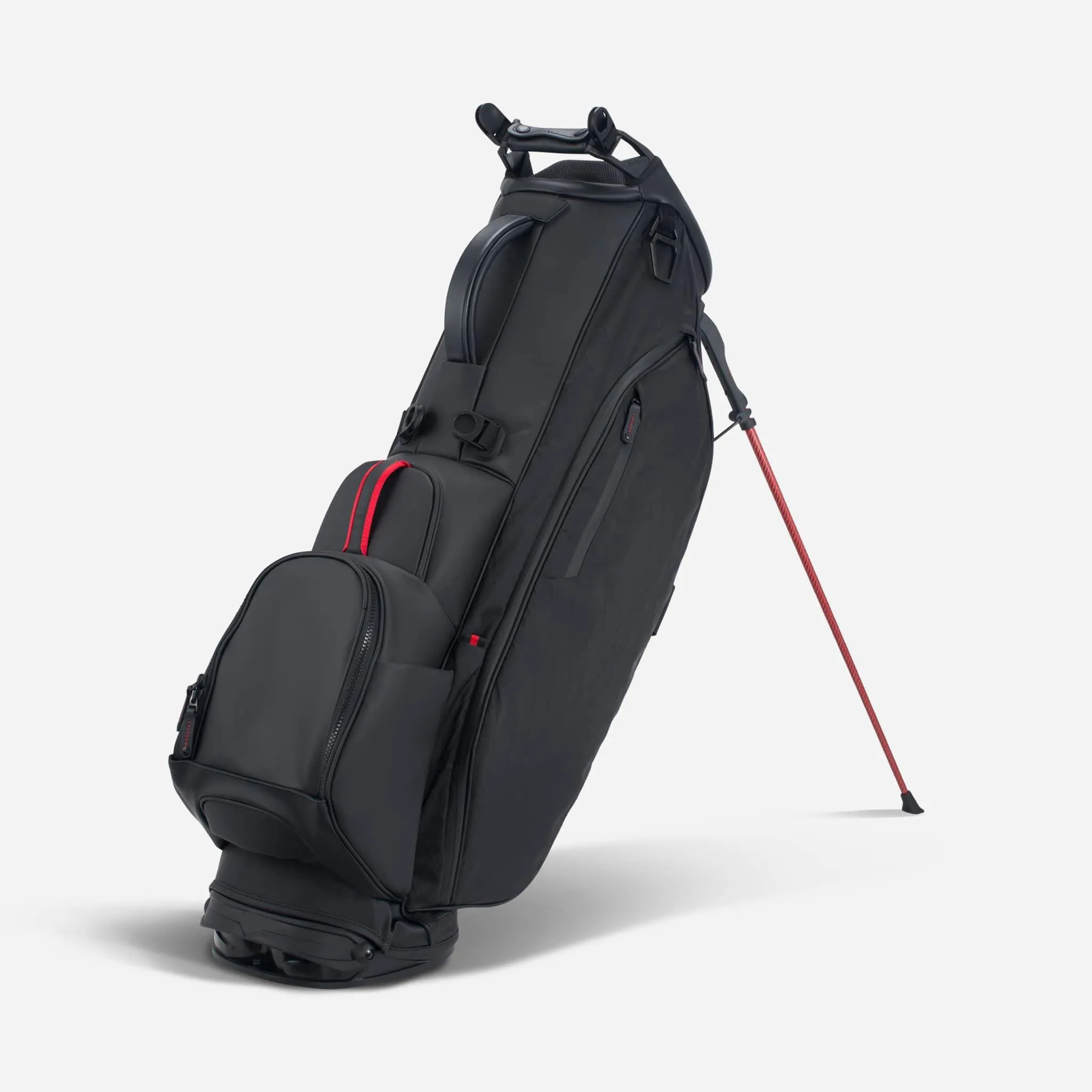
The global golf bag industry relies heavily on Chinese manufacturing, and for good reason. As of 2026, China produces approximately 70 to 75 percent of all golf bags sold worldwide, generating an estimated 2.8 billion dollars in annual export revenue for this single product category. The country's dominance in golf bag manufacturing is not accidental. It is the result of three decades of sustained investment in production infrastructure, workforce development, supply chain integration, and quality system refinement.
For brands, retailers, and distributors looking to source custom golf bags, understanding the Chinese factory landscape is not optional. It is the foundation of every successful sourcing strategy. The difference between choosing the right factory and the wrong one can mean the difference between a profitable product line and a costly lesson in manufacturing mismanagement. This comprehensive guide draws on direct factory experience and industry data to provide the most practical, actionable information available for anyone looking to source golf bags from China.
Whether you are launching a new golf brand, expanding an existing product line, or evaluating whether to switch manufacturing partners, this guide covers every critical aspect of factory selection, evaluation, and collaboration. We examine factory distribution patterns, certification requirements, production capabilities, material ecosystems, pricing structures, quality control protocols, and the practical realities of working with Chinese manufacturers from a distance. Every section includes specific data points, benchmarks, and recommendations that you can apply immediately to your sourcing process.
The Chinese Golf Bag Factory Landscape in 2026
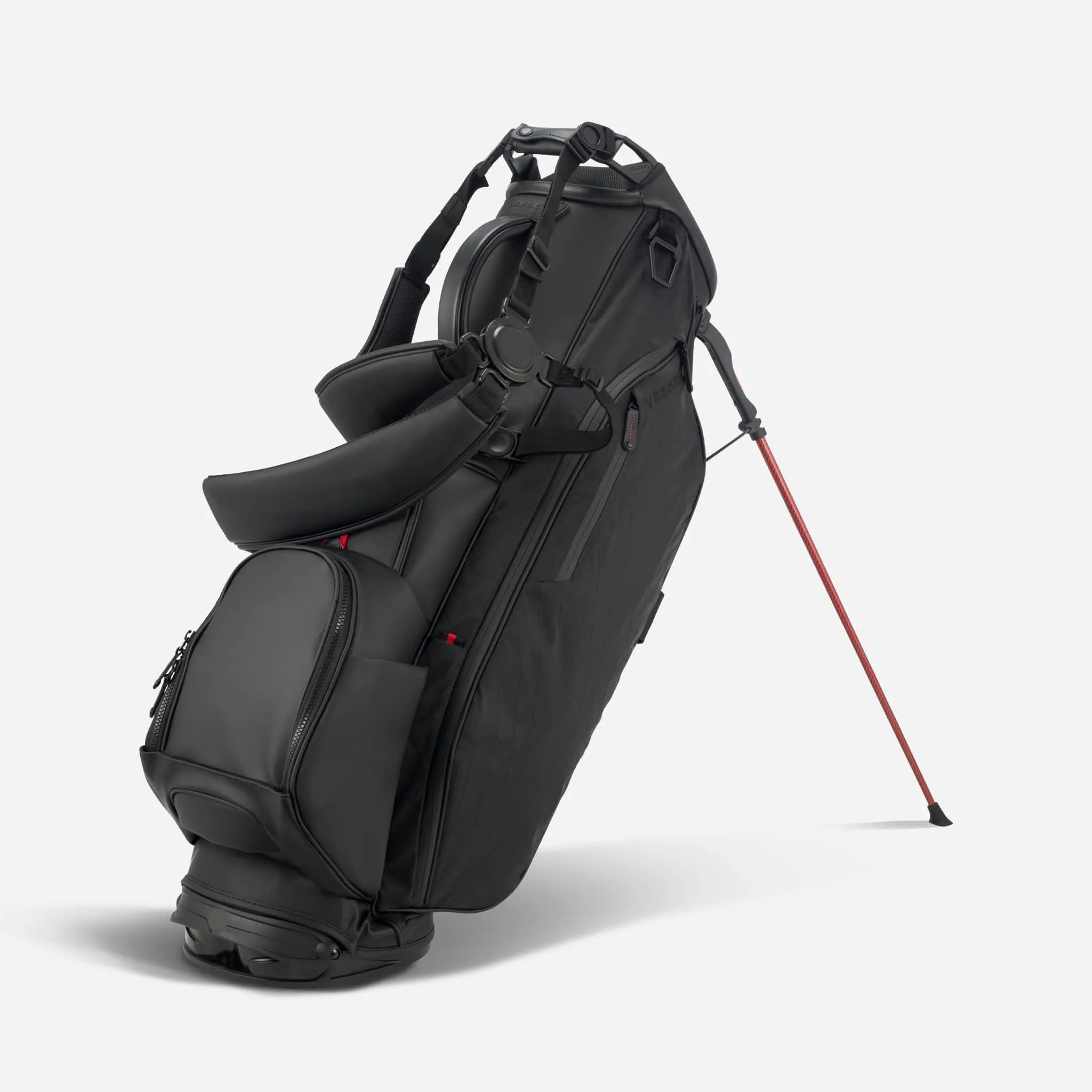
China's golf bag manufacturing industry is concentrated in three primary provinces, each with distinct characteristics and specializations. Understanding this geographic distribution is critical for efficient sourcing because it affects logistics costs, supplier communication patterns, and even the types of bags each region tends to produce.
Fujian Province: The Epicenter of Golf Bag Manufacturing
Fujian province is the undisputed center of China's golf bag industry, accounting for approximately 45 percent of total national production. The cities of Xiamen, Quanzhou, and Zhangzhou form a triangular production zone containing over 400 dedicated golf bag factories ranging from small workshops with 20 employees to large-scale operations employing over 2000 workers. This concentration creates a powerful cluster effect where specialized suppliers, component manufacturers, logistics providers, and skilled workers are all within a small geographic radius.
The Fujian cluster excels particularly in mid-to-high-end golf bags including stand bags, cart bags, and tour staff bags. Many factories here have developed long-term relationships with major Western brands and have invested significantly in quality management systems, automated cutting equipment, and computer-controlled embroidery machines. Average factory size in Fujian is larger than in other regions, with many facilities operating 15,000 to 30,000 square meters of production space across 6 to 12 production lines.
Guangdong Province: Technology and Innovation Hub
Guangdong province, centered around Dongguan, Shenzhen, and Guangzhou, hosts approximately 25 to 30 percent of China's golf bag factories. Factories in Guangdong tend to be more technology-oriented, with higher adoption rates of automated sewing equipment, laser cutting systems, and digital prototyping tools. This region has strong connections to the electronics and plastics industries, which benefits golf bag manufacturing through ready access to molded components, electronic accessories like GPS mounts and USB charging ports, and advanced polymer materials.
Guangdong factories are particularly strong in cart bags and travel bags, where molded plastic components, waterproof fabrics, and integrated technology features are common. The proximity to Shenzhen's electronics ecosystem also makes Guangdong the preferred region for golf bags with electronic features such as built-in speakers, LED lighting systems, or GPS tracker compartments.
Zhejiang Province: Value and Volume Specialist
Zhejiang province, with production centers in Yiwu, Ningbo, and Wenzhou, accounts for roughly 15 to 20 percent of national golf bag output. Factories in this region tend to compete on price and volume efficiency rather than premium customization. Zhejiang is the preferred sourcing destination for high-volume, value-oriented product lines including promotional golf bags, entry-level stand bags, and mass-market cart bags sold through big-box retail channels.
The Zhejiang advantage lies in its extraordinary logistics efficiency. Ningbo port, the world's busiest container port by cargo tonnage, provides immediate access to ocean freight infrastructure. Combined with the region's mature supply chain for synthetic fabrics, standard hardware, and injection-molded components, Zhejiang factories can deliver competitive pricing on large orders that is difficult for other regions to match.
Essential Certifications and Compliance Requirements
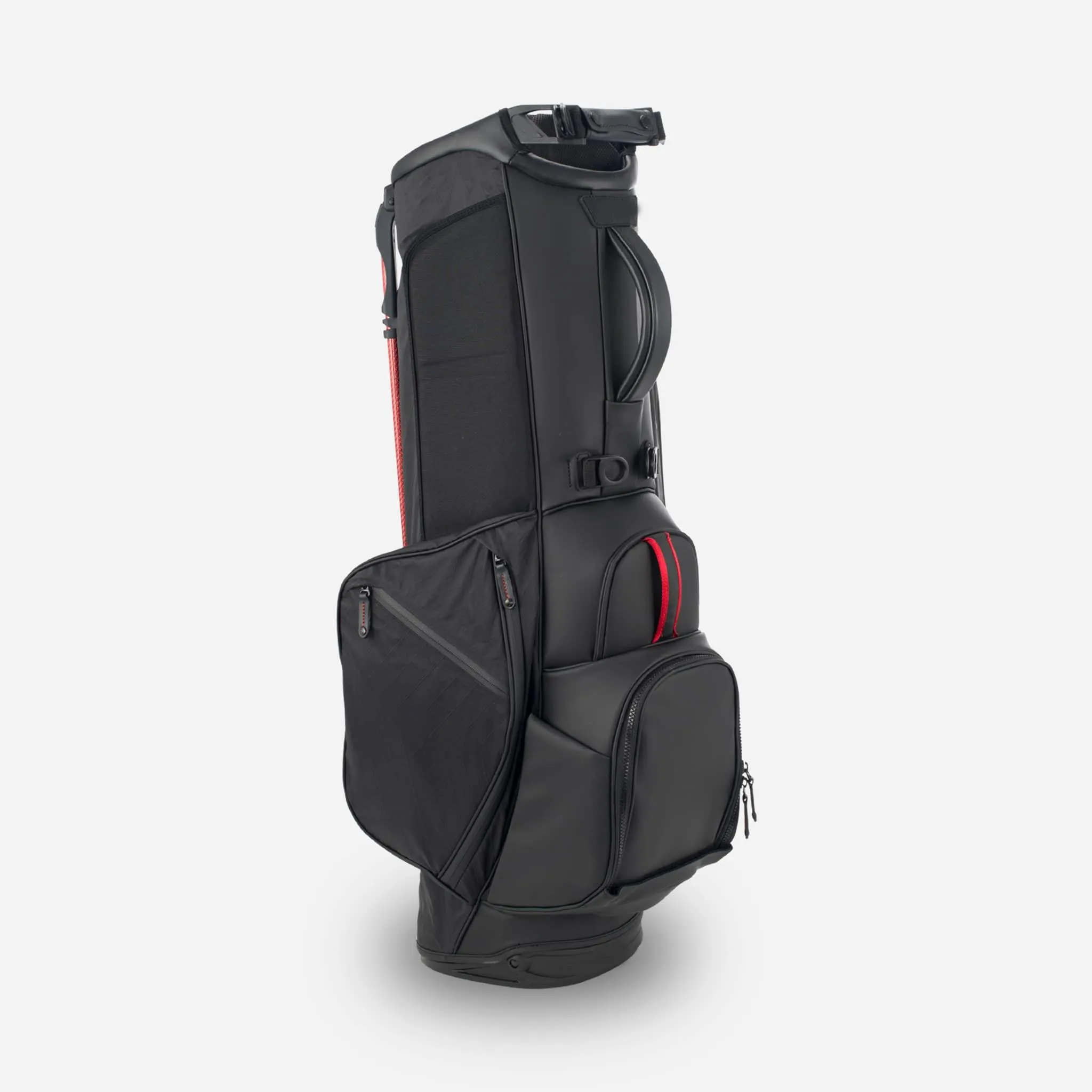
Certifications serve as the first filter in factory evaluation. They provide objective evidence that a factory has invested in management systems, undergone third-party audits, and maintains baseline quality and compliance standards. However, not all certifications carry equal weight, and understanding which ones matter for your specific market and product category is essential for efficient factory evaluation.
Quality Management: ISO 9001:2015
ISO 9001:2015 certification for quality management systems is the single most important certification to verify. This international standard demonstrates that the factory has documented quality procedures, maintains traceable production records, conducts internal audits, and follows a continuous improvement cycle. Approximately 60 to 70 percent of golf bag factories in China hold ISO 9001 certification, though the rigor of implementation varies significantly. When evaluating ISO 9001 certificates, verify that the scope specifically covers golf bag or sports bag manufacturing, that the certificate is current and issued by an accredited body, and that the factory name and address match exactly. Some factories use certificates from related companies or allow certificates to lapse, which indicates lax management attitudes that extend beyond paperwork.
Social Compliance: BSCI and Sedex
Social compliance certifications have become essential for brands selling in European and North American markets. The Business Social Compliance Initiative (BSCI) and Sedex Members Ethical Trade Audit (SMETA) are the two most widely recognized standards in the golf bag industry. These audits evaluate working conditions, wage compliance, working hours, health and safety practices, and environmental management.
As of 2026, approximately 35 to 40 percent of golf bag factories in China hold valid BSCI or Sedex audit reports. Major brands including TaylorMade, Titleist, and Callaway require their manufacturing partners to maintain current social compliance audit reports. If you plan to sell through major retail chains, expect that your retail partners will require evidence of social compliance as a condition of doing business.
Material Safety and Environmental Standards
Depending on your target market, material safety certifications become critical. For European market access, REACH compliance documentation is mandatory, demonstrating that materials do not contain prohibited levels of restricted chemicals including certain phthalates, heavy metals, and azo dyes. Oeko-Tex Standard 100 certification provides additional assurance for textile components. For the North American market, CPSIA compliance is required for products that may be marketed to children, and California Proposition 65 warnings may be necessary depending on material composition.
Leading factories maintain test reports from internationally recognized laboratories including SGS, Bureau Veritas, TUV, and Intertek. These reports cover material composition analysis, colorfastness testing, zipper durability testing, fabric tensile strength, and seam strength evaluation. A factory that can provide recent test reports without being asked demonstrates a proactive approach to quality management that is worth prioritizing in your selection process.
| Certification | Coverage | Approximate Factory Compliance Rate | Market Requirement |
|---|---|---|---|
| ISO 9001:2015 | Quality management systems | 60-70% | Essential for all markets |
| BSCI / Sedex | Social compliance | 35-40% | Required by major retailers |
| REACH | Chemical safety | 45-55% | Mandatory for EU market |
| Oeko-Tex 100 | Textile safety | 25-30% | Preferred for EU and premium brands |
| ISO 14001 | Environmental management | 20-25% | Increasingly valued by brands |
| GRS | Recycled materials | 15-20% | Required for eco-friendly claims |
Production Capabilities and Factory Infrastructure
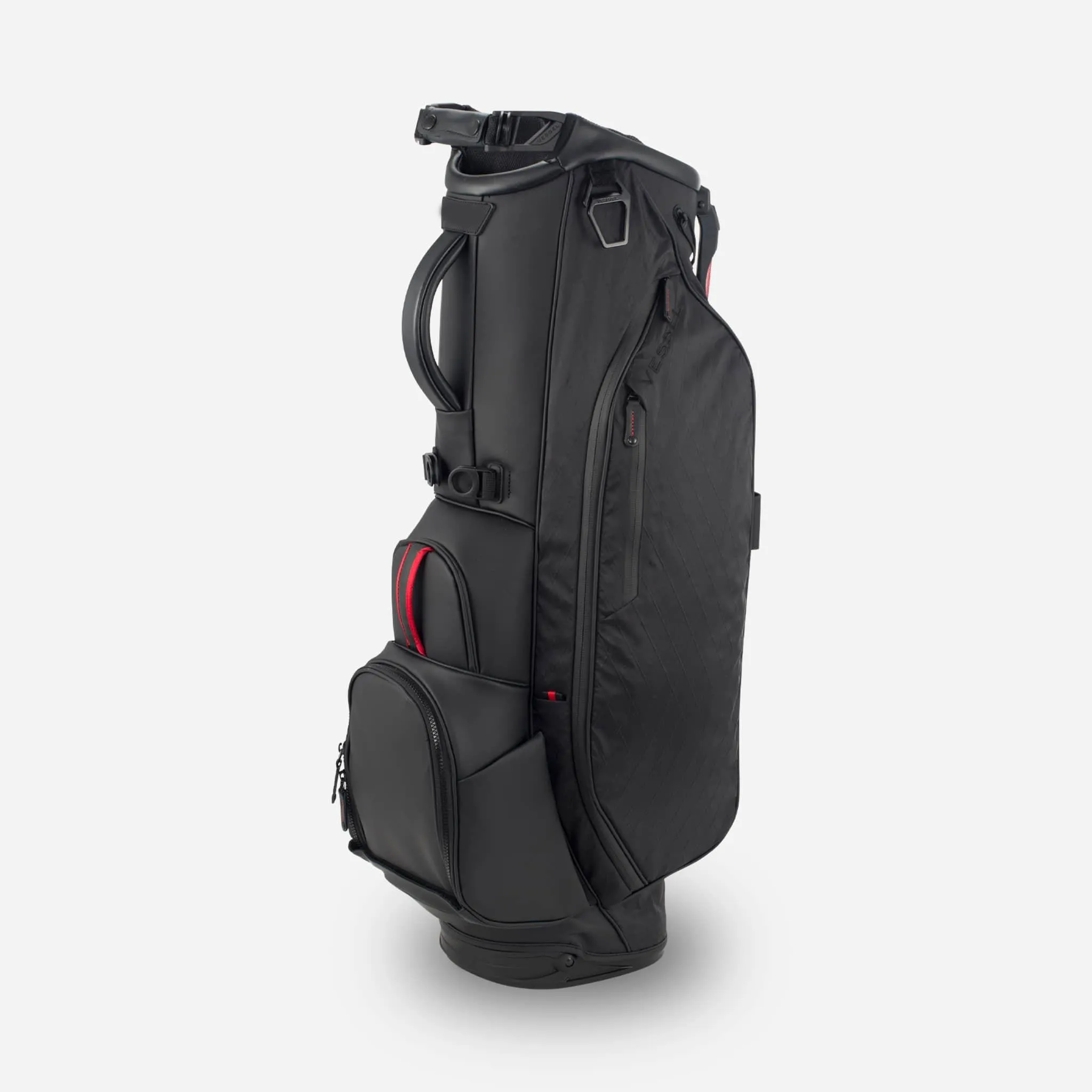
Understanding a factory's actual production capabilities beyond what is stated on a business license requires knowledge of what to look for and what questions to ask. Production capacity is influenced by equipment quality, workforce skill, production line configuration, and management efficiency. Two factories with identical floor space and worker counts can produce vastly different output volumes depending on these factors.
Production Line Configuration
A well-configured golf bag production line consists of several distinct stations: cutting, printing or embroidery, sewing, assembly, quality inspection, and packaging. Top-tier factories operate 8 to 12 dedicated production lines, each capable of producing 200 to 400 bags per day depending on bag complexity. This translates to monthly output of 50,000 to 100,000 bags for a fully operational factory with multiple lines running at standard efficiency.
Cutting operations have largely transitioned from manual cutting to computer-controlled cutting machines that improve material utilization by 8 to 12 percent compared to manual methods. A factory investing in automated cutting demonstrates commitment to both quality consistency and cost efficiency. Sewing operations remain predominantly manual due to the complex three-dimensional shapes involved in golf bag construction, though some factories have adopted automated sewing for repetitive panel stitching operations.
Equipment and Technology Assessment
When evaluating factory equipment, pay attention to several key indicators. Computer-controlled embroidery machines from brands like Tajima or Barudan indicate investment in branding and customization capabilities. High-frequency welding equipment suggests the factory can produce waterproof seams and molded components. Laser cutting machines demonstrate precision cutting capability for synthetic materials and intricate pattern work. Automatic thread trimming sewing machines reduce production time and improve stitch consistency.
The presence of in-house mold-making capability for plastic components such as bottom plates, feet, and divider systems is a significant advantage. Factories that outsource all plastic components to third-party mold makers have less control over component quality and longer lead times for custom tooling. Our own facility maintains dedicated mold-making workshops with CNC machining centers capable of producing injection molds with tolerances of plus or minus 0.05 millimeters.
Workforce Skill and Retention
Golf bag manufacturing requires skilled sewing operators who typically need 6 to 12 months of training to reach proficiency. The average annual turnover rate in Chinese manufacturing ranges from 15 to 30 percent, but top golf bag factories achieve turnover rates below 10 percent through competitive wages, skill development programs, and positive working conditions. Factories with stable workforces produce more consistent quality because experienced operators understand the specific requirements of golf bag construction.
During factory visits, observe the sewing operators' techniques. Skilled operators maintain consistent stitch length, handle fabric smoothly without puckering, and work efficiently without rushing. Ask about training programs, piece-rate versus hourly wage structures, and average employee tenure. These factors directly impact the quality and consistency of bags you will receive.
Raw Materials and Component Sourcing Ecosystem
One of China's greatest advantages in golf bag manufacturing is the integrated supply chain that places raw material suppliers, component manufacturers, and finished goods producers within close proximity. This ecosystem reduces lead times, lowers logistics costs, and enables rapid material sourcing for new designs.
Fabric and Textile Materials
The primary fabrics used in golf bag manufacturing include nylon (210D to 1680D), polyester (600D to 1800D), and increasingly, recycled polyester made from post-consumer plastic bottles. China's textile industry is the world's largest, and golf bag manufacturers benefit from access to hundreds of fabric mills producing materials in every weight, weave pattern, and finish imaginable. Major fabric sourcing centers for golf bag materials are located in Fujian's Changle district and Zhejiang's Shaoxing city, both within short driving distances of the primary golf bag production zones.
Premium golf bags typically use 1200D or higher nylon with polyurethane or polyvinyl chloride coating for water resistance. Mid-range bags commonly use 600D polyester with acrylic backing. The cost differential between standard and premium fabrics can range from 0.50 to 3.00 dollars per yard, which translates to 2 to 12 dollars in material cost per bag depending on fabric consumption. Understanding fabric specifications and their cost implications enables more informed decision-making during the product development process.
Hardware and Component Supply
Golf bag hardware includes zippers, buckles, D-rings, snaps, rivets, shoulder strap adjusters, and stand mechanism components. China's hardware manufacturing ecosystem is extraordinarily well-developed, with YKK, SBS, and domestic brands providing zipper options at various price points. Premium factories source zippers from YKK for durability-critical applications and supplement with SBS or domestic brands for less demanding positions to manage costs.
Plastic injection-molded components including bottom plates, feet, divider tubes, and accessory pockets require custom tooling that represents a significant upfront investment. Mold costs for golf bag plastic components typically range from 2,000 to 15,000 dollars depending on complexity and cavity count. Factories with in-house mold-making capabilities can produce tooling in 15 to 25 days, while outsourcing extends this to 25 to 40 days.
Emerging Sustainable Materials
The golf industry's growing focus on sustainability is driving material innovation in golf bag manufacturing. Recycled polyester certified to the Global Recycled Standard is now available from multiple Chinese textile mills at a cost premium of approximately 15 to 25 percent over virgin polyester. Water-based polyurethane coatings are replacing solvent-based alternatives, reducing volatile organic compound emissions during production. Bio-based nylon derived from castor oil is emerging as a premium option for environmentally conscious brands willing to absorb the 30 to 50 percent cost premium.
Pricing Structures and Cost Benchmarks
Pricing transparency is one of the most challenging aspects of sourcing from China. Factories typically provide per-piece pricing that bundles materials, labor, overhead, and profit margin, making it difficult to evaluate whether a quoted price is competitive. Understanding the underlying cost structure empowers you to negotiate more effectively and identify unrealistic quotes that may indicate corner-cutting.
Cost Breakdown by Bag Category
A typical golf bag cost structure breaks down as follows: materials account for 40 to 55 percent of total cost, direct labor for 20 to 30 percent, factory overhead including rent, utilities, and equipment depreciation for 10 to 15 percent, and factory profit margin for 8 to 15 percent. These percentages vary by bag complexity, order quantity, and factory size.
| Bag Category | FOB Price Range | Material Cost | Labor Cost | Typical MOQ |
|---|---|---|---|---|
| Basic stand bag | $15 - $25 | $6 - $10 | $4 - $7 | 200 - 500 pcs |
| Mid-range cart bag | $25 - $45 | $10 - $20 | $7 - $13 | 100 - 300 pcs |
| Premium tour staff bag | $50 - $120 | $20 - $55 | $12 - $30 | 50 - 200 pcs |
| Travel bag / headcover set | $12 - $35 | $5 - $15 | $3 - $8 | 300 - 1000 pcs |
| Promo / value stand bag | $8 - $15 | $3 - $6 | $2 - $5 | 500 - 2000 pcs |
Factors That Influence Pricing
Several variables directly affect the per-unit price you will be quoted. Order quantity is the most significant factor. Doubling order quantity typically reduces per-unit cost by 8 to 15 percent through material bulk purchasing discounts and more efficient production line utilization. Material selection drives costs significantly: switching from 600D polyester to 1200D nylon adds 3 to 8 dollars per bag, while adding full-custom printed lining fabric adds 1 to 3 dollars.
Customization complexity also impacts pricing. A bag with stock hardware, standard colors, and minimal branding will cost substantially less than a bag requiring custom-molded plastic components, Pantone-matched fabrics, custom metal zipper pulls with engraved logos, and multi-position embroidery. Each custom element adds tooling costs, minimum order requirements from component suppliers, and production complexity.
Pricing Negotiation Strategies
Effective pricing negotiation with Chinese golf bag factories requires a collaborative rather than adversarial approach. Factories operate on thin margins and will resist pricing that threatens quality. Instead of demanding arbitrary discounts, focus negotiations on specific cost-reduction opportunities: simplifying construction details that reduce labor time, accepting equivalent material substitutions, consolidating color ways to reduce fabric minimums, or committing to larger order quantities with phased delivery schedules. This approach achieves meaningful cost reduction while maintaining the cooperative relationship necessary for long-term manufacturing partnerships.
Quality Control Systems and Inspection Protocols
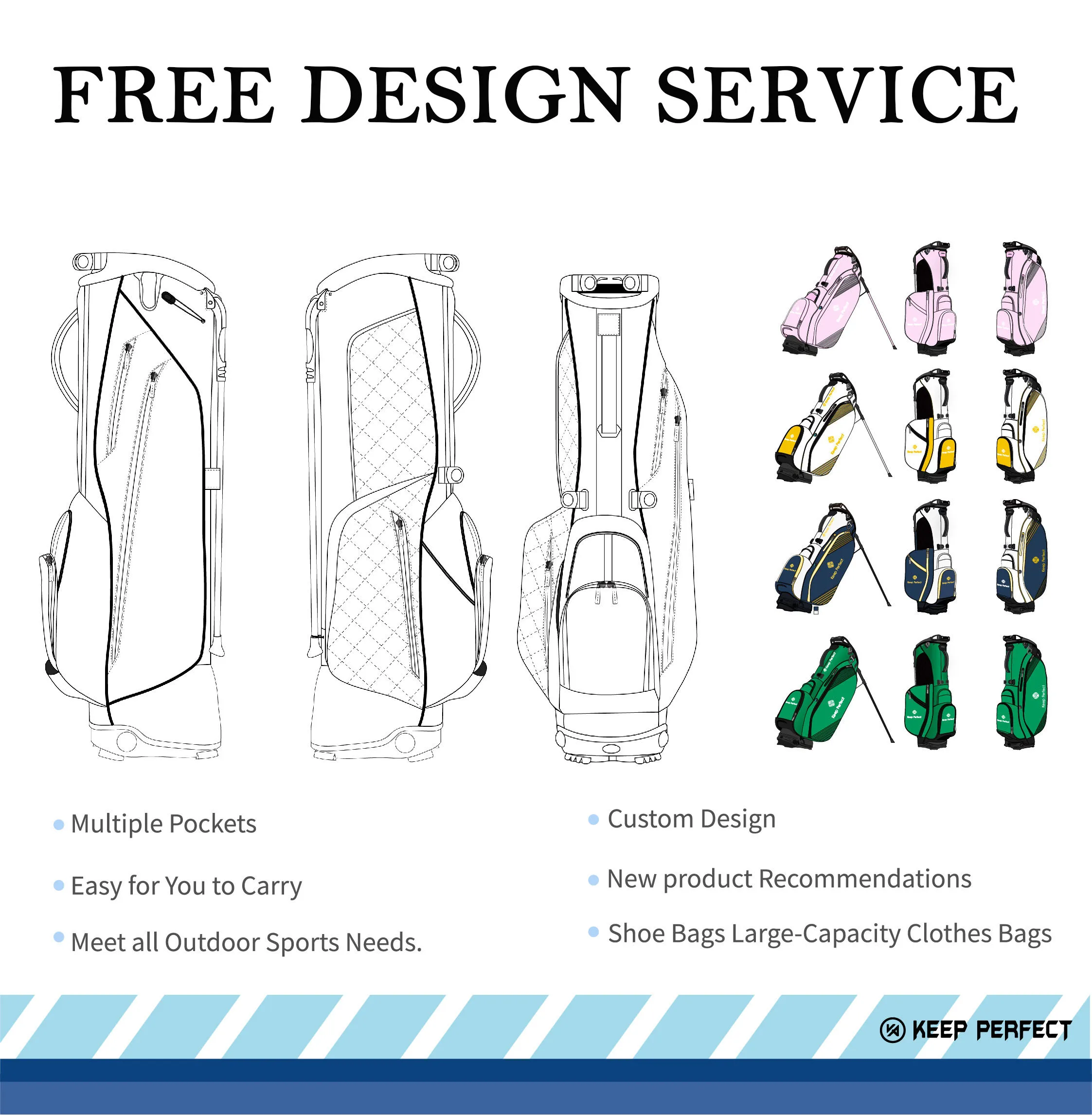
Quality control is where the gap between good factories and great factories becomes most apparent. Every factory claims to prioritize quality, but the systems, processes, and investments dedicated to quality management vary enormously. Understanding what to look for enables you to differentiate genuine quality commitment from marketing claims.
In-Process Quality Control
Effective quality control begins during production, not after. The best factories implement quality checkpoints at every major production stage: incoming material inspection, cutting accuracy verification, in-process sewing inspection, sub-assembly quality checks, and final assembly inspection. Each checkpoint should have documented criteria, pass or fail standards, and corrective action procedures.
Incoming material inspection should verify fabric weight, coating thickness, color consistency, and zipper function before materials enter production. Cutting inspection confirms that pattern pieces match specifications within tolerances of plus or minus 2 millimeters. In-process sewing inspection checks stitch density (measured in stitches per inch), seam allowance consistency, backtack security, and thread tension. These in-process checks catch defects early when correction costs are minimal, rather than discovering problems after assembly when rework or scrapping is necessary.
Final Inspection Standards
Final inspection follows the internationally recognized AQL (Acceptable Quality Level) standard, typically at AQL 2.5 for major defects and AQL 4.0 for minor defects. A comprehensive final inspection covers dimensional accuracy, stitch quality, hardware function, zipper operation, stand mechanism deployment and retraction, strap adjustment range, print and embroidery quality, color consistency, and overall aesthetic appearance. For cart bags, additional checks include cart strap pass-through dimensions, putter well alignment, and accessory pocket placement.
Factories that maintain dedicated quality control departments separate from production management demonstrate genuine quality commitment. Look for factories where QC personnel have authority to halt production when standards are not met, rather than being subordinate to production managers whose priority is output volume. Our own quality control team operates independently from production management and maintains full authority to reject products that do not meet established standards.
Practical Sourcing Tips for First-Time Buyers
Sourcing golf bags from China for the first time involves a learning curve that can be shortened by following proven best practices. The tips below come from years of experience working with brands at every stage of their sourcing journey.
Start with Clear Specifications
The single most important step in successful factory sourcing is developing detailed product specifications before contacting any factory. Specifications should include technical drawings or reference samples with exact dimensions, material types and weights, color codes (Pantone references), hardware specifications, logo placement and method (embroidery, printing, or applique), packaging requirements, and quality standards. Vague specifications invite assumptions, and assumptions lead to samples that do not match expectations.
Request Multiple Samples
Never approve production based on a single sample. A proper sampling process includes an initial prototype to evaluate design and construction, a pre-production sample made with actual production materials and methods, and a production sample pulled from the first batch off the line. Each sample serves a different purpose and reveals different potential issues. Budget approximately 50 to 200 dollars per sample including shipping costs.
Plan for the Long Term
Building a successful manufacturing partnership takes time. Expect the first six to twelve months to involve extensive communication, sample iterations, and process refinement. Factories invest more in relationships with buyers who demonstrate commitment to long-term volume rather than one-off orders. Share your business plan, projected growth trajectory, and product roadmap with potential manufacturing partners. This transparency enables factories to allocate appropriate resources to your account and provide the attention your project deserves.
Visit Factories in Person
While video calls and virtual tours have become more sophisticated, nothing replaces an in-person factory visit. Walking through production areas, meeting management teams, examining material storage conditions, observing quality control processes, and assessing overall factory organization provides insights that no amount of remote communication can match. Plan factory visits during normal production days, not on scheduled demonstration days, to see authentic operations. Budget three to five days for visiting multiple factories in a single region to maximize trip efficiency.
Protect Your Intellectual Property
Custom golf bag designs represent significant intellectual property investment. Protect your designs by registering patents or design rights in your home market before sharing details with Chinese factories. Use non-disclosure agreements that specify jurisdiction and enforcement mechanisms. Work with factories that have established reputations for respecting client intellectual property, and be cautious about sharing proprietary designs with factories that primarily serve the domestic market where your design could appear as their own product.
Frequently Asked Questions
How many golf bag factories are currently operating in China?
As of 2026, China has approximately 800 to 1,200 golf bag manufacturing facilities concentrated primarily in Fujian, Guangdong, and Zhejiang provinces. Fujian province alone accounts for roughly 45 percent of total production output, with Xiamen and Quanzhou serving as the largest production hubs.
What certifications should I require from a Chinese golf bag factory?
The essential certifications include ISO 9001 for quality management, BSCI or Sedex for social compliance, and SGS or TUV test reports for material safety. Additional valuable certifications include ISO 14001 for environmental management, Oeko-Tex Standard 100 for textile safety, and REACH compliance for European market access.
What is the typical lead time for a custom golf bag order from China?
Standard lead time for a custom golf bag order ranges from 45 to 90 days depending on order complexity and quantity. Sampling takes 7 to 15 days, bulk production runs 30 to 60 days, and quality inspection plus shipping preparation adds another 5 to 10 days.
What is the average cost to manufacture a golf bag in China?
Manufacturing costs vary significantly by bag type. A basic stand bag costs between 15 and 25 dollars, a mid-range cart bag ranges from 25 to 45 dollars, and a premium tour staff bag can cost 50 to 120 dollars. These prices depend on materials, hardware quality, customization level, and order quantity.
How do I verify a Chinese golf bag factory is legitimate?
Verification steps include checking business licenses through official government databases, requesting third-party audit reports from SGS or Bureau Veritas, conducting video factory tours, verifying export records through customs data platforms, and arranging on-site inspections through trusted sourcing agents.
What MOQ do most Chinese golf bag factories require?
Most Chinese golf bag factories require a minimum order quantity of 100 to 300 pieces per color per style. Established factories working with premium brands may accept MOQs as low as 50 pieces for initial orders, while larger factories typically require 500 to 1,000 pieces minimum.
Can Chinese factories produce golf bags with eco-friendly materials?
Yes, leading Chinese golf bag factories now offer recycled polyester made from post-consumer plastic bottles, water-based adhesives replacing solvent-based glues, organic cotton linings, and bamboo fiber blends. Many have achieved Global Recycled Standard certification to validate their sustainable material claims.
Ready to Start Your Custom Golf Bag Project?
Partner with a BSCI and ISO 9001:2015 certified factory producing 200,000+ premium golf bags annually. MOQ just 100 pieces.
Get a Free Quote Today