Golf Bag Factory Audit Checklist: Complete Guide for 2026
Table of Contents
- Introduction: Why Factory Audits Matter More Than Ever in 2026
- Pre-Audit Preparation and Documentation Review
- Facility and Infrastructure Evaluation
- Production Process and Quality Systems Assessment
- Social Compliance and Environmental Standards
- Product Quality and Testing Capabilities
- Audit Scoring and Decision Framework
- Critical Red Flags and Deal-Breakers
Introduction: Why Factory Audits Matter More Than Ever in 2026
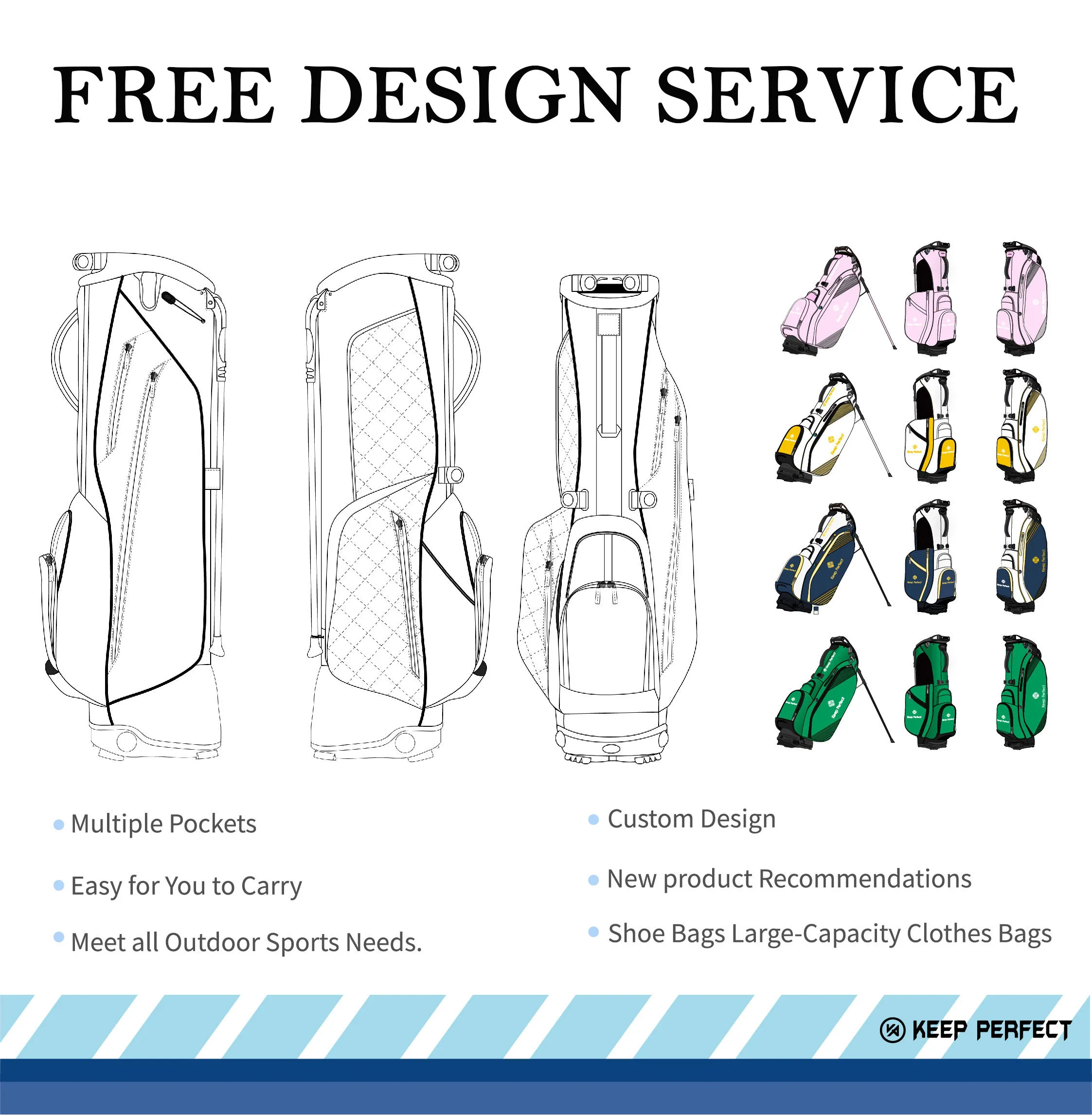
The golf bag manufacturing industry in China has evolved dramatically over the past decade, but the fundamental challenge remains unchanged: how do you verify that a factory claiming to produce premium golf bags actually has the capability, systems, and commitment to deliver consistent quality at the scale your business requires? The answer lies in systematic factory auditing, and in 2026, the stakes for getting this right have never been higher.
Global supply chain disruptions, increasing consumer demand for ethically manufactured products, and tighter retail compliance requirements have elevated factory auditing from a nice-to-have practice to an essential business operation. Brands that skip factory audits or conduct superficial evaluations expose themselves to quality failures, compliance violations, production delays, and reputational damage that can take years to recover from. The cost of a thorough factory audit, typically 500 to 1,500 dollars including travel expenses, is negligible compared to the 50,000 to 500,000 dollar consequences of a manufacturing partnership gone wrong.
This guide provides a comprehensive, step-by-step framework for conducting golf bag factory audits based on fifteen years of direct manufacturing experience and over 200 factory evaluations completed across China's major production regions. Every checklist item, scoring criterion, and red flag identification in this guide comes from real-world experience with the specific challenges of golf bag manufacturing, not generic factory audit templates adapted from other industries.
Pre-Audit Preparation and Documentation Review
A successful factory audit begins weeks before the actual site visit. Pre-audit preparation determines whether your on-site time is used efficiently or wasted discovering issues that could have been identified through document review. The pre-audit phase should cover three critical areas: business legitimacy verification, historical performance analysis, and audit scope definition.
Business License and Legal Entity Verification
Every factory audit begins with verifying the legal entity you are dealing with. China's National Enterprise Credit Information Publicity System provides free access to basic business registration information including registered company name, legal representative, registered capital, business scope, and operating status. Cross-reference the factory's business license against this database to confirm that the company is actively registered, that the business scope includes luggage or sporting goods manufacturing, and that the registered address matches the factory location you plan to visit.
Pay particular attention to registered capital as an indicator of company scale and commitment. Factories with registered capital above 5 million RMB (approximately 700,000 dollars) typically represent established operations with significant infrastructure investment. Factories with registered capital below 1 million RMB may be smaller operations or trading companies subcontracting production, which requires additional verification of actual manufacturing capability.
Export History and Trade Data Analysis
China Customs export data platforms provide valuable insight into a factory's actual export performance. These records reveal shipment frequency, destination countries, product descriptions, and declared values that help verify whether the factory's claimed export volumes align with documented evidence. A factory claiming to export 200,000 golf bags annually but showing only sporadic customs records raises questions about actual production capacity versus marketing claims.
Request the factory's export records for the past 24 months. Verify consistency in shipping patterns, look for established relationships with recognized brands or retailers, and note any significant gaps that might indicate production problems or customer losses. Legitimate factories with strong export histories welcome this type of verification because their track record speaks for itself.
Certification and Audit Report Verification
Before visiting the factory, collect and verify all claimed certifications. ISO 9001 certificates can be verified through the certification body's online database using the certificate number. BSCI audit reports should be accessible through the BSCI platform if the factory has authorized sharing. SGS test reports should include the testing laboratory's accreditation mark and verifiable report numbers.
| Document | Verification Method | Red Flags | Action if Missing |
|---|---|---|---|
| Business License | National Enterprise Credit System | Expired, scope mismatch, address discrepancy | Request updated copy immediately |
| ISO 9001 Certificate | Certification body database | Expired, wrong scope, unaccredited body | Require renewal before proceeding |
| BSCI/Sedex Report | Platform access with factory authorization | Report older than 18 months, poor rating | Request new audit scheduling |
| SGS/TUV Test Reports | Report number verification with lab | Reports for wrong product category | Request category-specific testing |
| Export License | Ministry of Commerce database | Expired or not obtained | Verify through trading company arrangement |
| Fire Safety Certificate | Local fire department records | Expired or not applied for | Critical safety concern, address immediately |
Facility and Infrastructure Evaluation
The physical factory environment reveals much about management quality, production capability, and long-term reliability. During the facility walkthrough, evaluate multiple dimensions systematically rather than focusing on surface-level impressions.
Production Floor Layout and Workflow
An efficiently designed production floor follows logical material flow from receiving through cutting, sewing, assembly, inspection, and packaging. Observe whether work-in-process moves smoothly between stations or piles up at bottleneck points. Excessive inventory between stations indicates production imbalance that creates quality risks as partially completed bags wait in potentially damaging conditions.
Look for clear aisle markings, organized material storage at each workstation, and adequate lighting for precision sewing work. Golf bag construction requires operators to see stitch lines clearly and match fabric patterns accurately, which demands minimum 500 lux lighting at sewing stations. Factories that invest in proper lighting demonstrate understanding of the quality requirements specific to golf bag manufacturing.
Climate control in production areas is another important factor. Golf bag fabrics including nylon and polyester are sensitive to humidity extremes that affect cutting accuracy and sewing performance. Factories maintaining temperature between 18 and 28 degrees Celsius and relative humidity between 40 and 70 percent create optimal conditions for consistent production quality.
Equipment Condition and Maintenance
Examine sewing machines, cutting equipment, and specialized tools for age, condition, and maintenance status. Well-maintained machines show regular cleaning, oiling records, and prompt replacement of worn parts. Ask to see maintenance logs and ask how frequently machines receive preventive maintenance. Factories maintaining detailed equipment maintenance records demonstrate the systematic management approach that correlates with consistent product quality.
Specialized equipment for golf bag manufacturing includes heavy-duty sewing machines capable of handling multiple fabric layers, long-arm machines for attaching full-length panels, computer-controlled embroidery machines for branding, and high-frequency welding equipment for waterproof seam construction. The presence and condition of specialized equipment indicates whether the factory is genuinely equipped for golf bag production or simply claims capability while outsourcing critical processes.
Material Storage Conditions
Fabric storage conditions directly impact material quality and finished product performance. Inspect the raw material warehouse for proper shelving systems that keep fabric rolls off the floor, protection from direct sunlight that causes fading, humidity control to prevent mold growth, and clear labeling systems for material identification and lot traceability. Rolls of fabric stored on concrete floors without pallets in unclimate-controlled warehouses will absorb moisture that leads to coating delamination, color migration, and mold growth during storage and transit.
Hardware component storage should be similarly organized with separate bins for zippers, buckles, D-rings, and other fittings. Look for evidence of incoming inspection with materials tagged to indicate inspection status. Factories that maintain organized, climate-controlled material storage demonstrate respect for the materials they work with and understanding of how storage conditions affect final product quality.
Production Process and Quality Systems Assessment
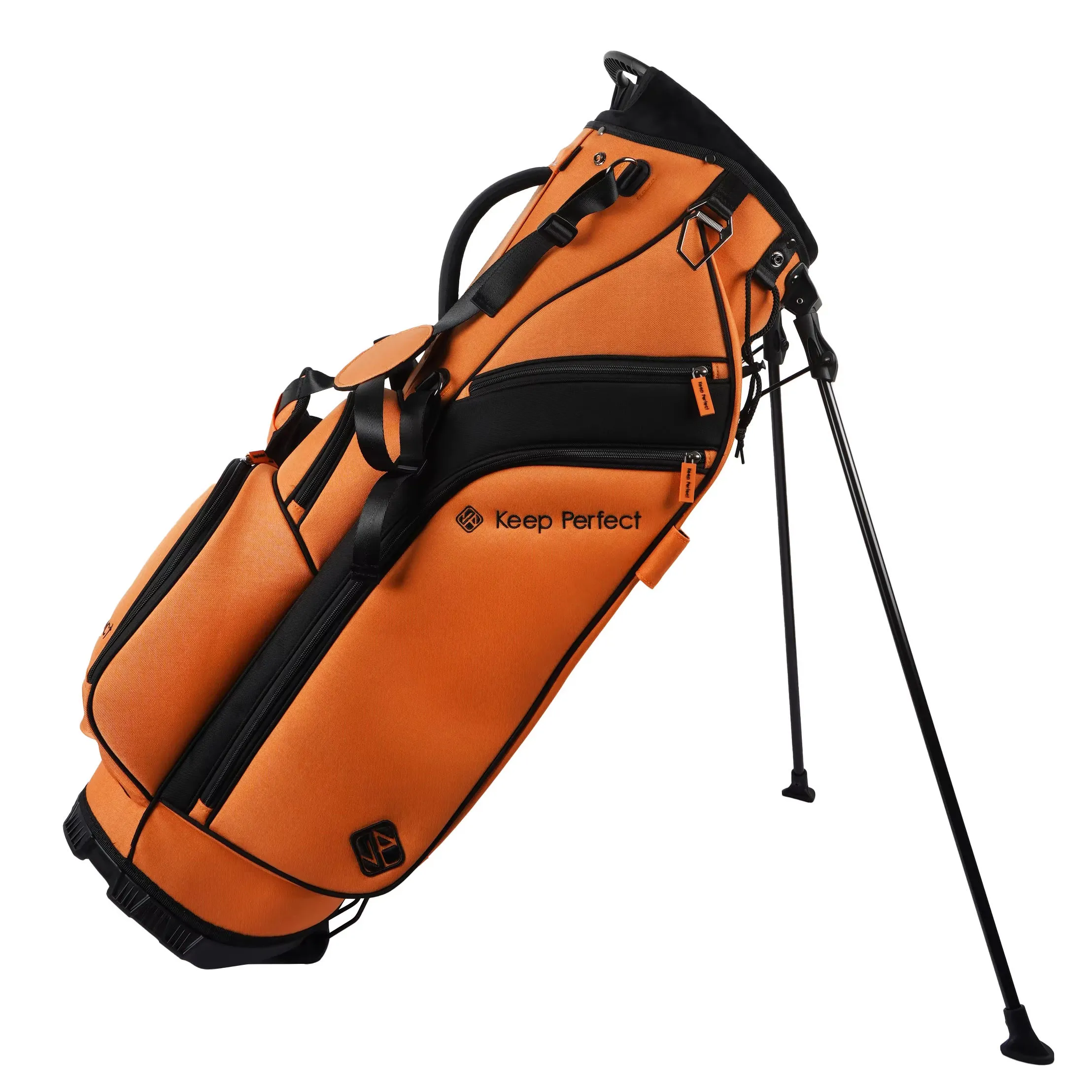
The heart of any factory audit focuses on production processes and quality management systems. This section examines how the factory transforms raw materials into finished golf bags and what systems ensure consistent quality throughout production.
Production Planning and Scheduling
Ask the production manager to explain how orders are planned and scheduled. Competent factories maintain production schedules that account for material lead times, production capacity, quality checkpoints, and delivery deadlines. Request to see a current production schedule and compare it against actual production progress. Significant deviations between planned and actual output may indicate capacity problems, poor planning, or frequent production disruptions.
Inquire about capacity utilization rates. Factories running at 85 to 95 percent capacity operate efficiently while retaining enough flexibility for urgent orders and schedule adjustments. Factories running above 95 percent capacity are likely overcommitted and may subcontract excess production to unknown workshops without your knowledge. Factories below 70 percent utilization may have underlying problems with order acquisition or quality reputation.
In-Process Quality Control Systems
In-process quality control is the most critical differentiator between good and great factories. Ask to see documented quality control checkpoints and observe whether they are actually being followed during production. Key checkpoints for golf bag manufacturing include cutting accuracy verification within plus or minus 2 millimeters tolerance, first-piece inspection after each color or material changeover, in-process sewing inspection checking stitch density at 8 to 10 stitches per inch, seam strength verification through periodic pull testing, and hardware attachment strength checks.
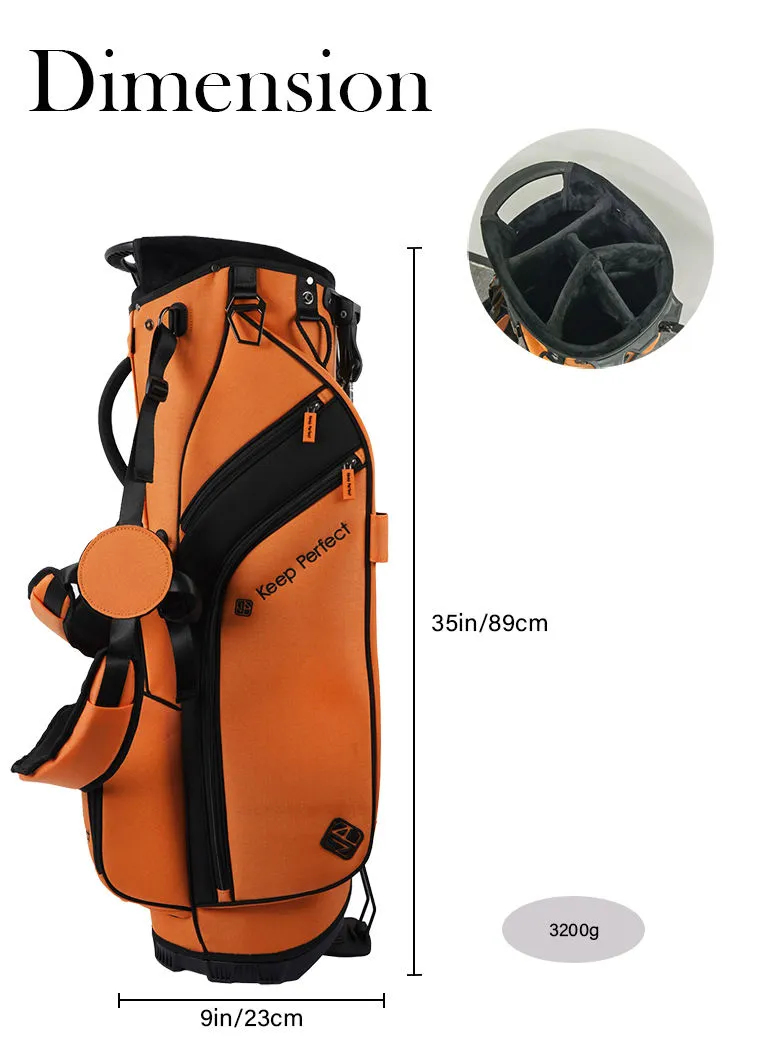
Observe how operators handle defects when discovered. In well-managed factories, defective pieces are immediately segregated with defect tags indicating the nature of the problem. In poorly managed factories, operators attempt to incorporate defective pieces into assembly hoping the defect will not be noticed. This single observation reveals more about a factory's quality culture than any documentation review.
Final Inspection Procedures
Final inspection procedures should follow the AQL sampling standard with clearly defined acceptance criteria. Request the factory's final inspection standard operating procedure document and compare it against actual practice. A comprehensive final inspection for golf bags should check at minimum thirty distinct criteria including overall dimensions, weight, stitching quality across all seams, zipper operation smoothness, hardware function and attachment security, stand mechanism deployment and retraction for stand bags, strap adjustment range and comfort padding integrity, logo placement accuracy and quality, color consistency against approved standards, and packaging compliance with specifications.
Social Compliance and Environmental Standards
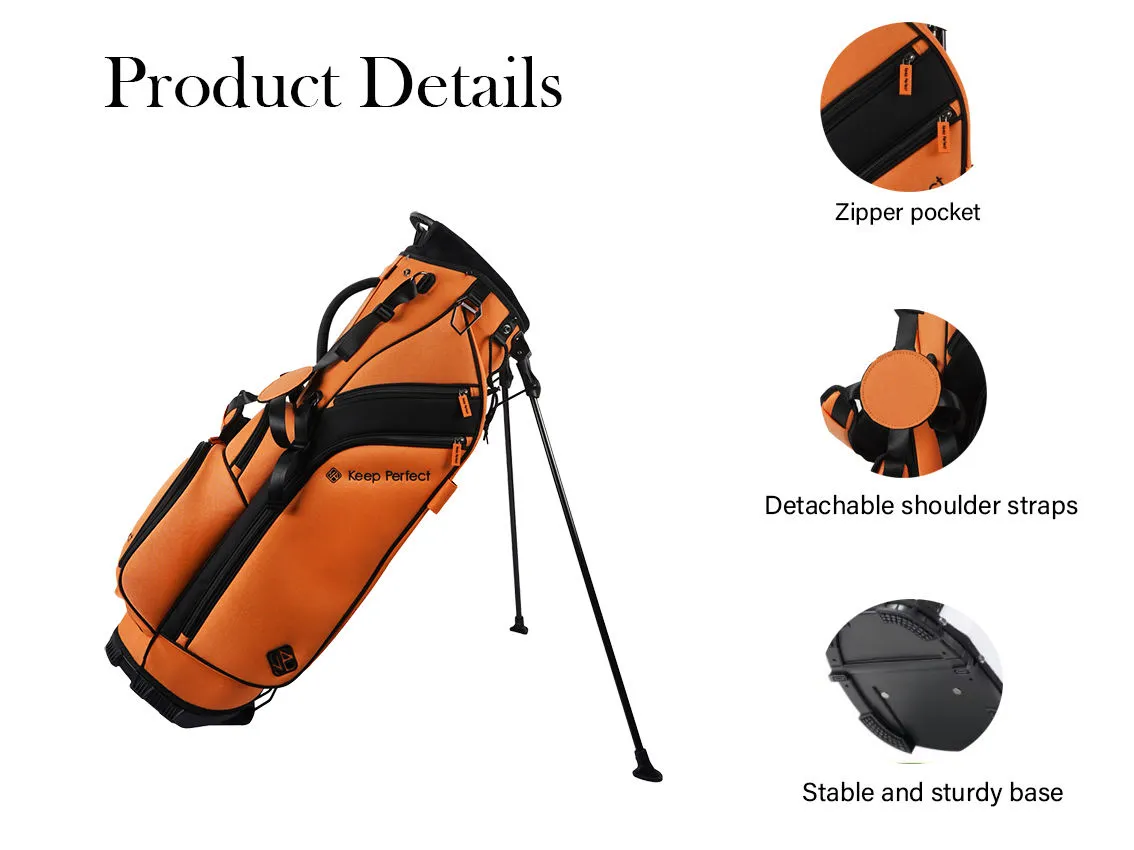
Social compliance has become non-negotiable for brands selling through major retail channels. European and North American retailers increasingly require current social compliance audit reports as a condition of purchase orders. Understanding what to evaluate during a social compliance assessment protects your brand from association with labor abuses and ensures supply chain continuity.
Working Conditions and Employee Welfare
During the facility walkthrough, observe working conditions carefully. Adequate ventilation in sewing areas, accessible clean drinking water, functional restroom facilities, clearly marked emergency exits with unobstructed pathways, and properly maintained fire extinguishers are baseline requirements that every legitimate factory should meet. Look for posted emergency evacuation plans in Chinese and any other languages spoken by the workforce.
Employee welfare facilities including canteens, rest areas, and dormitory conditions (if provided) reflect management's attitude toward worker wellbeing. Factories investing in employee comfort typically experience lower turnover, higher productivity, and more consistent quality. During peak production seasons when overtime increases, the difference between well-managed and poorly-managed labor practices becomes especially pronounced.
Wage Compliance and Working Hours
Request payroll records for the past six months for a random sample of production workers. Cross-reference payroll data against time cards or electronic attendance records to verify consistency. Verify that wages meet or exceed local minimum wage requirements and that overtime compensation follows legal requirements: 150 percent of base wage for weekday overtime, 200 percent for weekend work, and 300 percent for holiday work under Chinese labor law.
Working hours should comply with China's standard 40-hour work week with overtime not exceeding 36 hours per month. During peak production periods, some overtime is inevitable, but sustained excessive overtime indicates either insufficient workforce planning or an overreliance on temporary workers. Factories managing workforce planning effectively maintain stable production quality even during peak seasons.
Environmental Management Practices
Environmental compliance is increasingly scrutinized by brands and regulators alike. Evaluate the factory's environmental management practices including waste fabric disposal procedures, adhesive and solvent storage and handling, wastewater management if the factory performs any wet processing, and energy consumption monitoring. Factories pursuing ISO 14001 environmental management certification demonstrate forward-thinking commitment to sustainability that aligns with growing market demands.
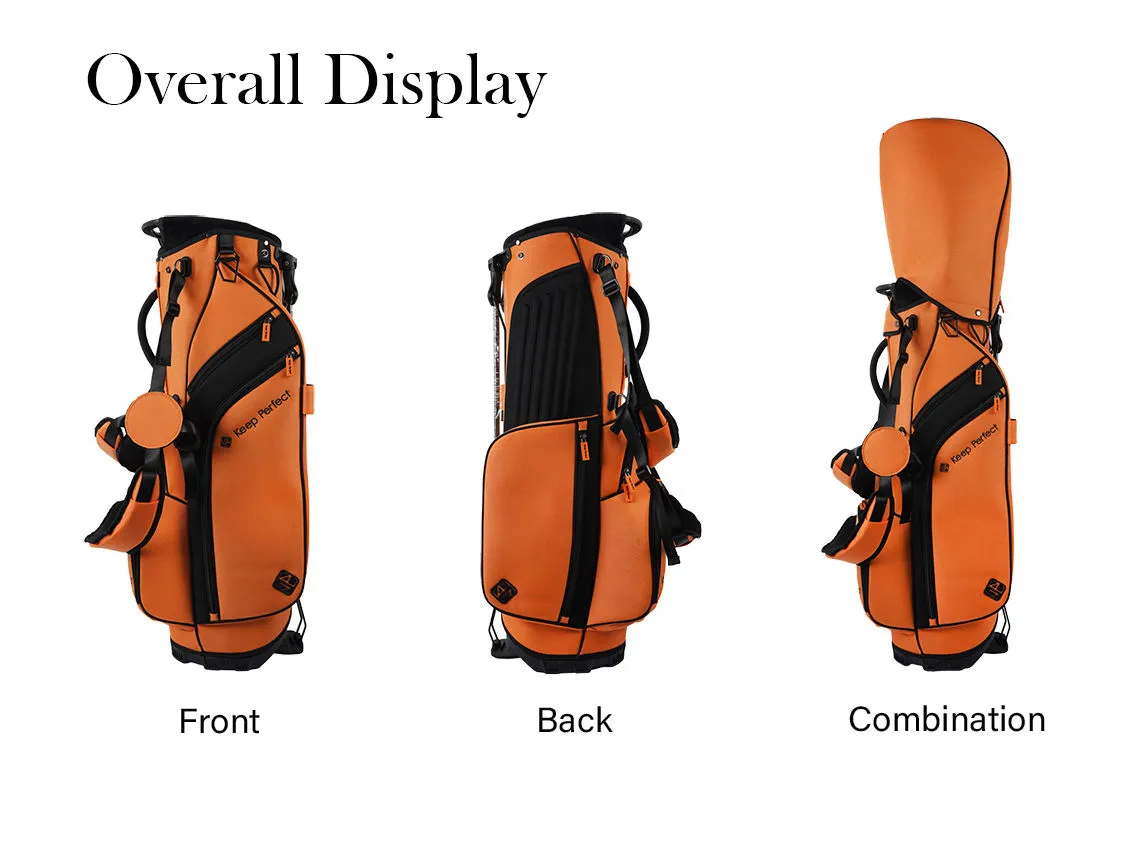
Product Quality and Testing Capabilities
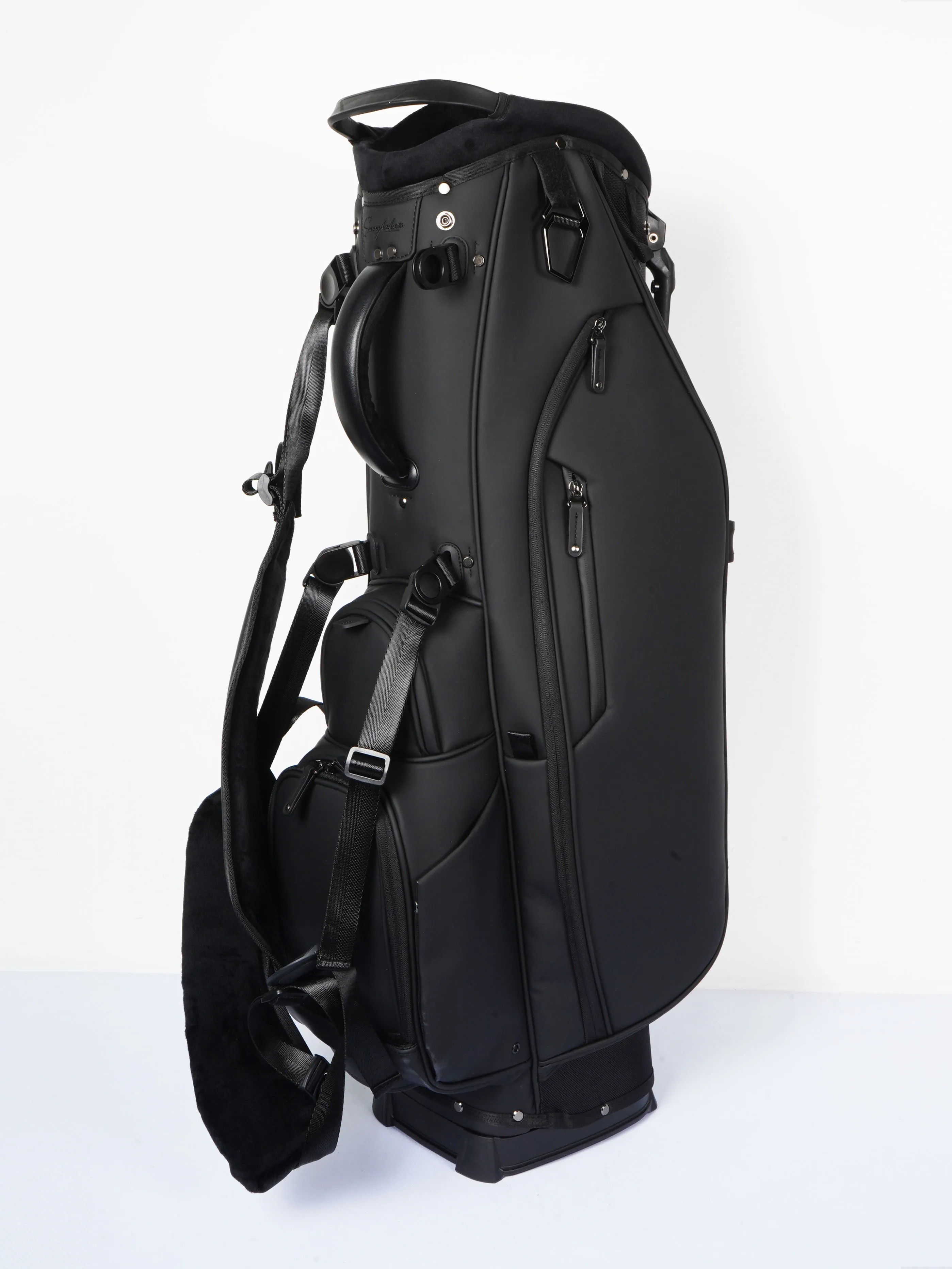
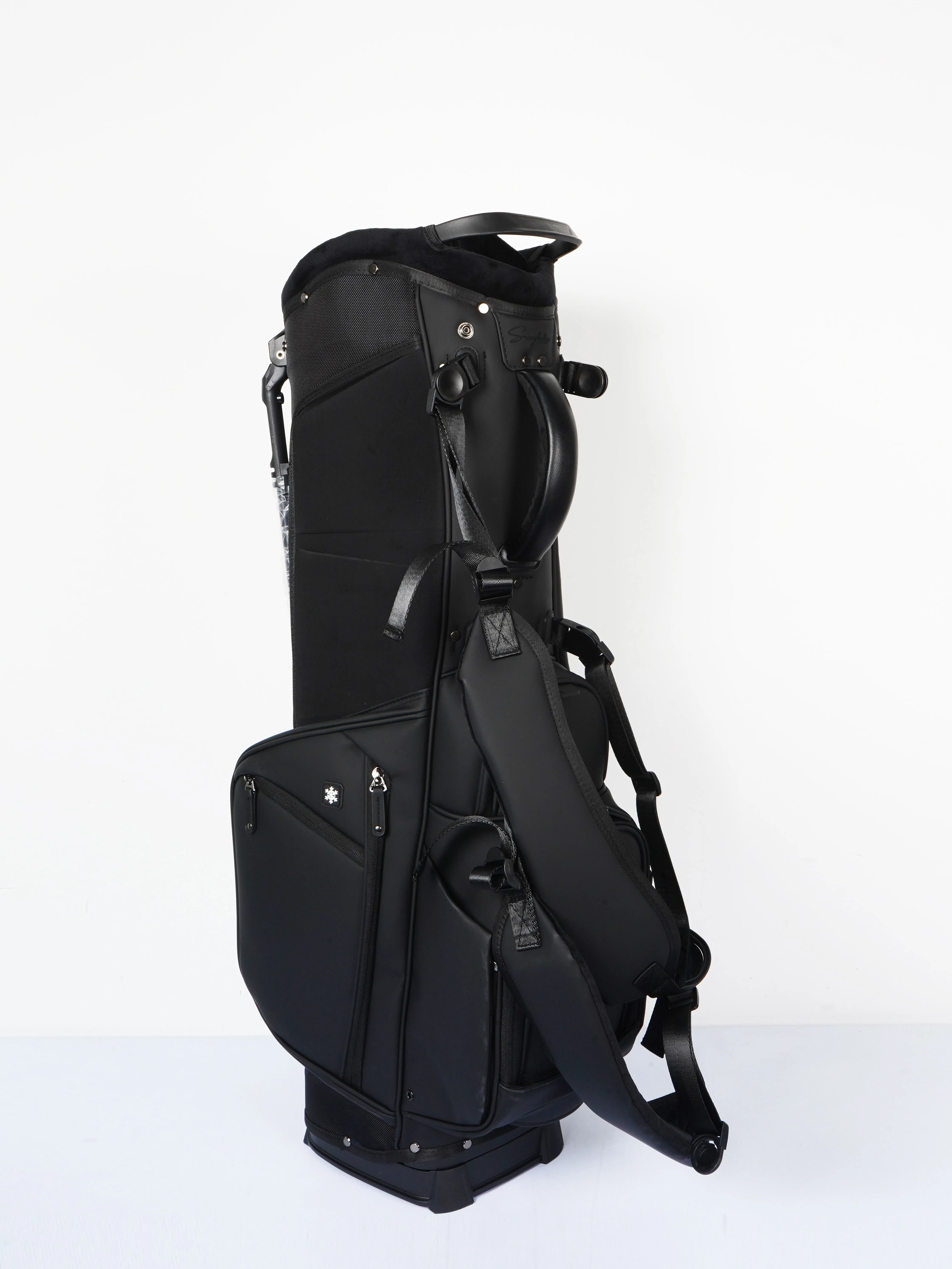
Product quality evaluation during a factory audit should go beyond visual inspection of sample products. Assess the factory's ability to consistently produce bags that meet specifications through examination of testing capabilities, quality records, and corrective action processes.
In-House Testing Capabilities
Factories maintaining in-house testing equipment demonstrate commitment to quality control and ability to identify problems before products leave the facility. Essential testing equipment for golf bag manufacturing includes a fabric tensile strength tester measuring material resistance to tearing and stretching, a seam strength tester evaluating stitch integrity under load, a zipper durability tester cycling zippers through thousands of open-close operations, a colorfastness testing kit assessing resistance to light, water, and rubbing, and a dimensional measurement set including calibrated tape measures, digital calipers, and angle measurement tools.
Quality Record Analysis
Request the factory's quality records for the past six months including incoming inspection rejection rates, in-process defect rates by category, final inspection pass rates, and customer complaint records. Well-managed factories track these metrics systematically and can produce reports showing trends and improvement initiatives. Typical benchmarks for a well-run golf bag factory include incoming material rejection rates below 3 percent, in-process defect rates below 2 percent, and final inspection first-pass rates above 95 percent.
Corrective Action and Continuous Improvement
Ask the quality manager to describe a recent quality problem and how it was resolved. The response reveals whether the factory follows systematic root cause analysis or simply addresses symptoms. Effective corrective action processes include problem identification, immediate containment, root cause investigation using methods like the five whys or fishbone diagrams, corrective action implementation, effectiveness verification, and standard operating procedure updates to prevent recurrence.
Audit Scoring and Decision Framework
Converting audit observations into actionable decisions requires a structured scoring framework. The following scoring system assigns weighted points across six critical categories, producing a total score that guides sourcing decisions.
| Audit Category | Weight | Excellent (90-100) | Good (75-89) | Acceptable (60-74) | Unacceptable (Below 60) |
|---|---|---|---|---|---|
| Business Legitimacy | 15% | All documents verified, strong financials | Minor documentation gaps | Some concerns requiring follow-up | Fundamental legitimacy questions |
| Facility Infrastructure | 15% | Modern, well-maintained, optimized layout | Good condition, minor improvements needed | Adequate but aging | Poor maintenance, safety concerns |
| Production Capability | 20% | Exceeds requirements, specialized equipment | Meets all requirements | Meets basic requirements | Significant capability gaps |
| Quality Systems | 25% | Comprehensive, documented, data-driven | Well-established with minor gaps | Basic systems in place | Inadequate or non-existent |
| Social Compliance | 15% | Exceeds standards, certified | Meets standards, current audit | Minor issues with improvement plan | Significant violations found |
| Testing Capability | 10% | Full in-house lab, accredited | Good in-house capability | Basic testing, external lab reliance | No testing capability |
Critical Red Flags and Deal-Breakers
Certain audit findings should immediately disqualify a factory regardless of how positive other aspects of the evaluation appear. These deal-breakers represent fundamental risks that cannot be mitigated through contractual protections or ongoing quality monitoring.
Deal-Breaker Red Flags
First, falsified documents including forged certificates, altered test reports, or misrepresented business licenses represent intentional deception that indicates the factory cannot be trusted under any circumstances. Second, subcontracting production to unapproved facilities without disclosure violates the fundamental basis of the buyer-supplier relationship. Third, refusal to allow access to any area of the factory suggests conditions that the factory knows would not pass audit standards. Fourth, evidence of child labor or forced labor constitutes an immediate and permanent disqualification under every international standard and brand code of conduct.
Serious Concerns Requiring Immediate Resolution
Several findings fall short of immediate deal-breakers but require resolution before any production order is placed. These include missing or expired fire safety certificates indicating potential building code violations, inability to produce any third-party test reports suggesting materials have never been independently verified, evidence of systemic quality issues through high defect rates or frequent customer complaints, excessive workforce turnover above 40 percent annually indicating management problems, and storage conditions that would damage materials or finished products during normal production cycles.
Post-Audit Follow-Up Process
After completing the factory audit, provide a written report to factory management within five business days. The report should acknowledge strengths observed, clearly identify deficiencies requiring corrective action, establish a timeline for corrective action completion, and define consequences for failure to address identified issues. Schedule follow-up verification either through a return visit or video confirmation for critical corrective actions. Document all communications and maintain records that demonstrate due diligence in supplier evaluation and management.
For factories that pass the initial audit with conditional approval, establish a 90-day probationary period during which initial orders are placed at reduced volume while the factory demonstrates consistent quality performance. Increase order volume progressively as the factory proves its capabilities through actual production results rather than audit presentations. This graduated approach protects your business while giving capable factories the opportunity to demonstrate their true production performance.
Factory auditing is not a one-time event but an ongoing relationship management tool. The most successful sourcing partnerships between brands and Chinese golf bag factories are built on transparency, mutual accountability, and shared commitment to continuous improvement. A well-conducted factory audit establishes the foundation for this partnership by creating clear expectations, identifying improvement opportunities, and building the trust that enables both parties to invest in long-term collaboration.
Frequently Asked Questions
How long does a golf bag factory audit typically take?
A comprehensive golf bag factory audit typically takes one to two full days depending on factory size and audit scope. Initial document review requires half a day, on-site inspection of production areas takes four to six hours, worker interviews add one to two hours, and final reporting with management feedback requires another two to three hours.
What are the most common red flags during a golf bag factory audit?
Common red flags include missing or expired business licenses, inconsistent production records, poor material storage conditions with fabric exposed to moisture, inadequate fire safety equipment, excessive reliance on temporary workers without proper training records, and inability to produce recent third-party test reports for materials used.
How much does it cost to audit a golf bag factory in China?
Third-party factory audit costs in China typically range from 300 to 800 dollars per audit day depending on the auditing firm and scope. International firms like SGS, Bureau Veritas, and TUV charge 500 to 800 dollars per day, while local Chinese auditing companies charge 200 to 400 dollars. Travel expenses for auditors visiting factories outside major cities add 100 to 300 dollars.
What certifications should I verify during a golf bag factory audit?
During a factory audit, verify ISO 9001 quality management certification, BSCI or Sedex social compliance reports, business license validity, export licenses, fire safety certificates, and environmental compliance permits. Cross-check certificate numbers against issuing authority databases to confirm authenticity.
Can I conduct a golf bag factory audit remotely?
Remote factory audits using video calls and live streaming can cover approximately 60 to 70 percent of a standard audit scope including document review, virtual facility tours, and management interviews. However, physical inspection of production conditions, material storage, worker safety practices, and product quality requires in-person presence for a complete assessment.
How often should I audit my golf bag manufacturing supplier?
Initial supplier qualification should include a comprehensive on-site audit. After approval, annual follow-up audits are standard practice. Additional unannounced audits should be conducted if quality issues arise, if the factory undergoes significant management changes, or if production volume increases by more than 30 percent.
Ready to Start Your Custom Golf Bag Project?
Partner with a BSCI and ISO 9001:2015 certified factory producing 200,000+ premium golf bags annually. MOQ just 100 pieces.
Get a Free Quote Today