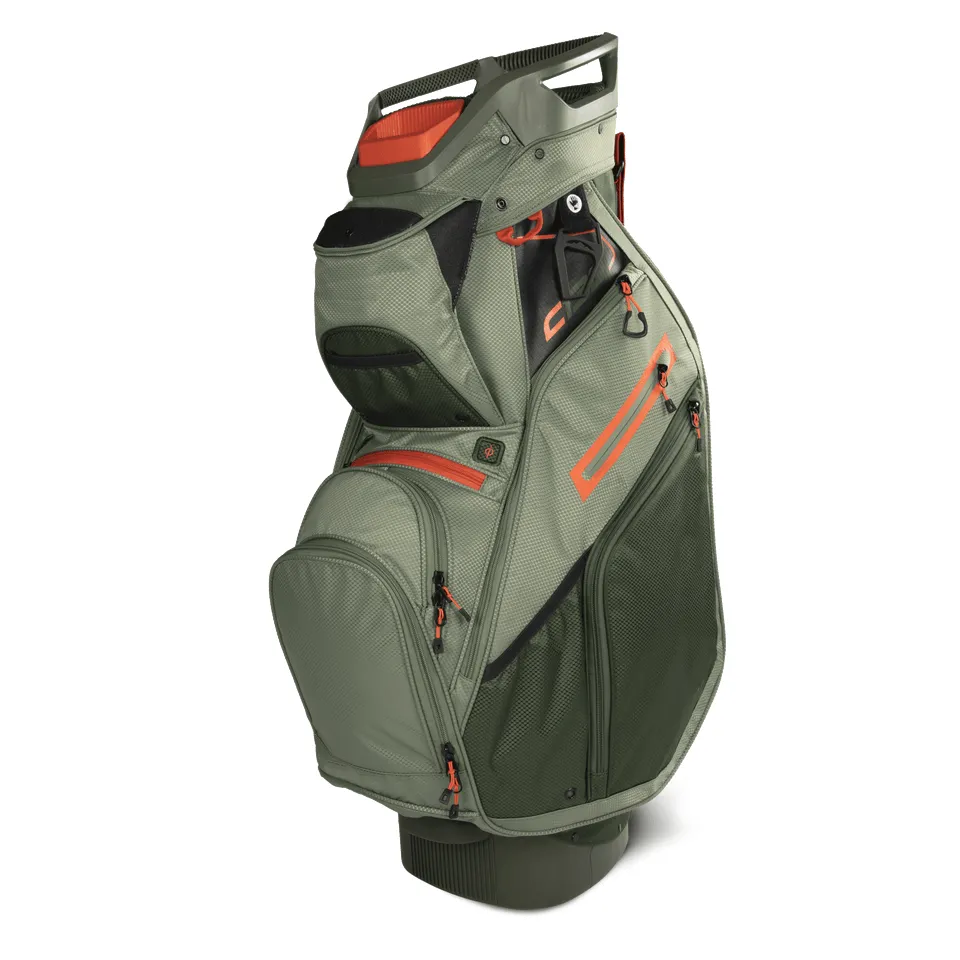
Tour Staff Bag: Professional Grade Specifications Guide
What makes a tour staff bag different from a cart bag? Detailed specifications and sourcing guide.
Executive Summary
This guide is written for practical decision-making: clear steps, measurable requirements, and buyer-friendly checklists you can apply immediately.
This page is designed to be scannable and actionable: tables, checklists, and short sections that answer the questions buyers actually ask.
The Tour Staff Bag Category
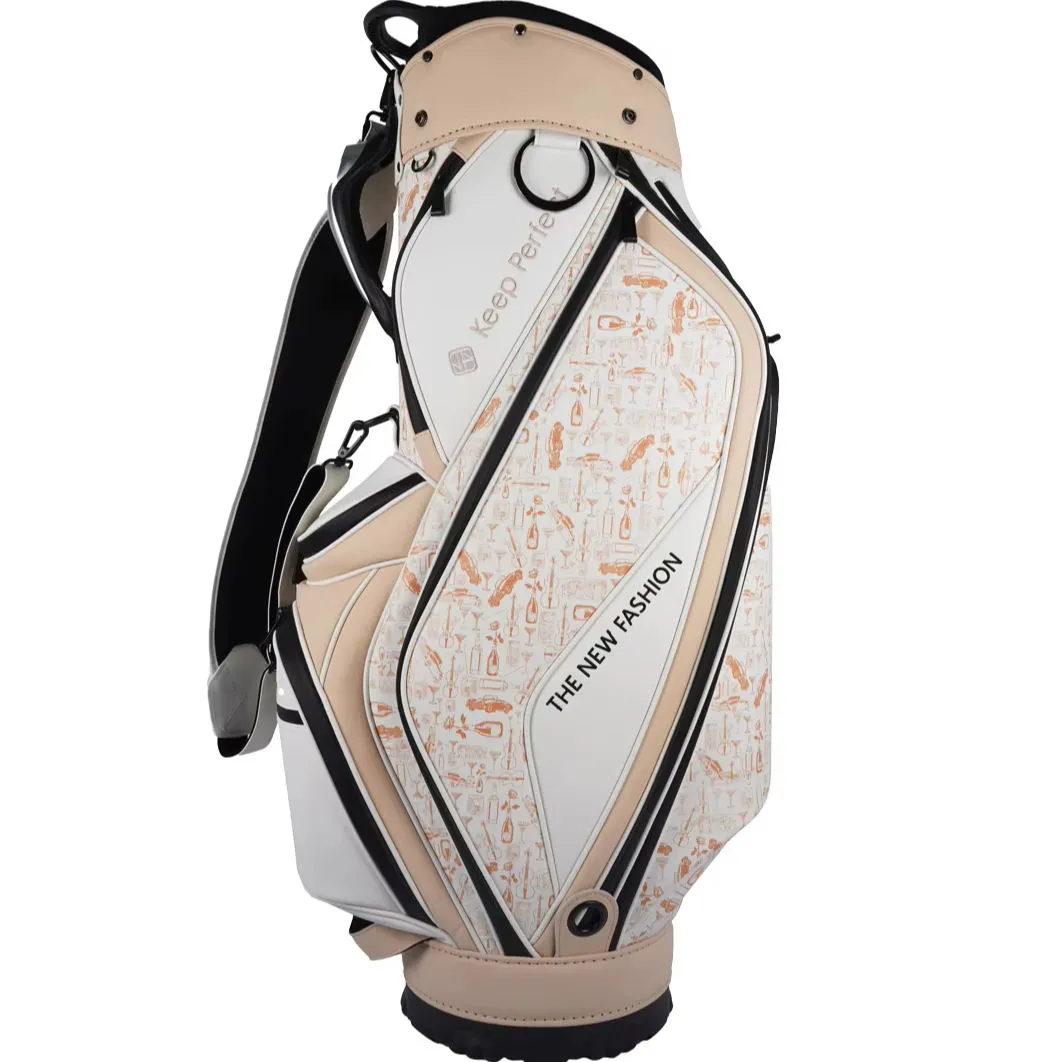
Tour staff bags represent the pinnacle of golf bag engineering—designed to meet the demanding requirements of professional tour operations, serious amateur competitors, and golfers who accept no compromises in equipment quality.
Structural Differences from Cart Bags
Tour staff bags are distinguished by their larger tops (10-11 inches diameter), full 14-way dividers with individual club sleeves, and reinforced construction capable of withstanding the rigors of constant loading, transport, and unloading. Unlike cart bags optimized for cart mounting, tour staff bags are designed for repeated lifting—equipment managers may lift a fully-loaded staff bag 30-50 times per tournament day.
2025 Tour Staff Bag Specifications
Contemporary tour staff bags typically feature 10-11 inch tops with 14 individual club sleeves, dual shoulder strap systems rated for 50+ lbs loads, 15-18 pockets including dedicated ball storage, shoe compartments, and insulated cooler pockets. Weight ranges from 7.5-10 lbs loaded.
| Feature | Standard Cart Bag | Tour Staff Bag |
|---|---|---|
| Top Diameter | 8-9 inch | 10-11 inch |
| Divider System | 14-way | 14 individual sleeves |
| Structural Base | Molded plastic | Reinforced hard plate |
| Strap Rating | 25-30 lbs | 50+ lbs |
| Rain Hood | Optional | Included, fitted |
| OEM Price (FOB) | $55-95 | $85-150 |
Professional Tour Requirements
PGA Tour equipment managers have specific requirements: compatibility with standard golf cart locking bars; clear identification panels (name/number visible from 10+ feet); rain hood integration that doesn't require removal; external accessory loops for towels, umbrella, and rangefinders; and a 5-year minimum structural warranty.
Key Takeaways
- Tour staff bags require 14 individual club sleeves and reinforced construction
- Handle and strap systems must support 50+ lbs repeated lifting
- Rain hood integration is standard, not optional, in the tour segment
- Factory experience with tour-grade construction is a prerequisite for quality
Timeline Planning (Sampling → Production → Shipping)
Most buyers underestimate the approval cycle. This timeline helps you plan backwards from your launch date.
| Stage | Typical Duration | What You Approve |
|---|---|---|
| Tech pack + render | 3–7 days | Dimensions, layout, logo placements |
| Prototype sample | 10–20 days | Structure and pocket usability |
| Pre-production sample | 10–15 days | Materials, colors, branding finish |
| Mass production | 25–45 days | QC plan and photo checkpoints |
| Shipping | 7–45 days | Incoterms, destination requirements |
Quality & Testing Checklist (Buyer-Friendly)
Use this checklist to align factory QC with your brand standards. It reduces disputes and prevents “sample vs bulk” gaps.
| Area | What to Check | Practical Acceptance Criteria |
|---|---|---|
| Stitching | Seams, stress points, bartacks | No loose threads; reinforced points on straps and pocket corners |
| Zippers | Slider smoothness, tape alignment | Opens smoothly under load; no zipper waves |
| Stand mechanism | Deploy/retract consistency | Deploys cleanly; stable angle; no binding noise |
| Top & dividers | Club insertion, divider stability | No collapse; clean edges; consistent spacing |
| Branding | Logo placement and size | Matches approved placement map |
Common Mistakes (And How to Avoid Them)
- Vague descriptions: Replace “bag” with material + intended use + construction notes.
- Late approvals: Approve key items early (materials/colors/labels) to prevent schedule slips.
- No verification: Ask for photos, test notes, and documented checkpoints before shipment.
FAQ
Q: What information should I prepare before requesting a quote?
A: Bag type, quantity, target market, target price range, branding method, and timeline.
Q: What reduces back-and-forth the most?
A: One clear brief with reference photos and written requirements.
Next Step
If you want a fast, accurate quote, send your bag type, quantity, and destination requirements to cco@junyuanbags.com (WhatsApp: +8617750020688).
.webp)