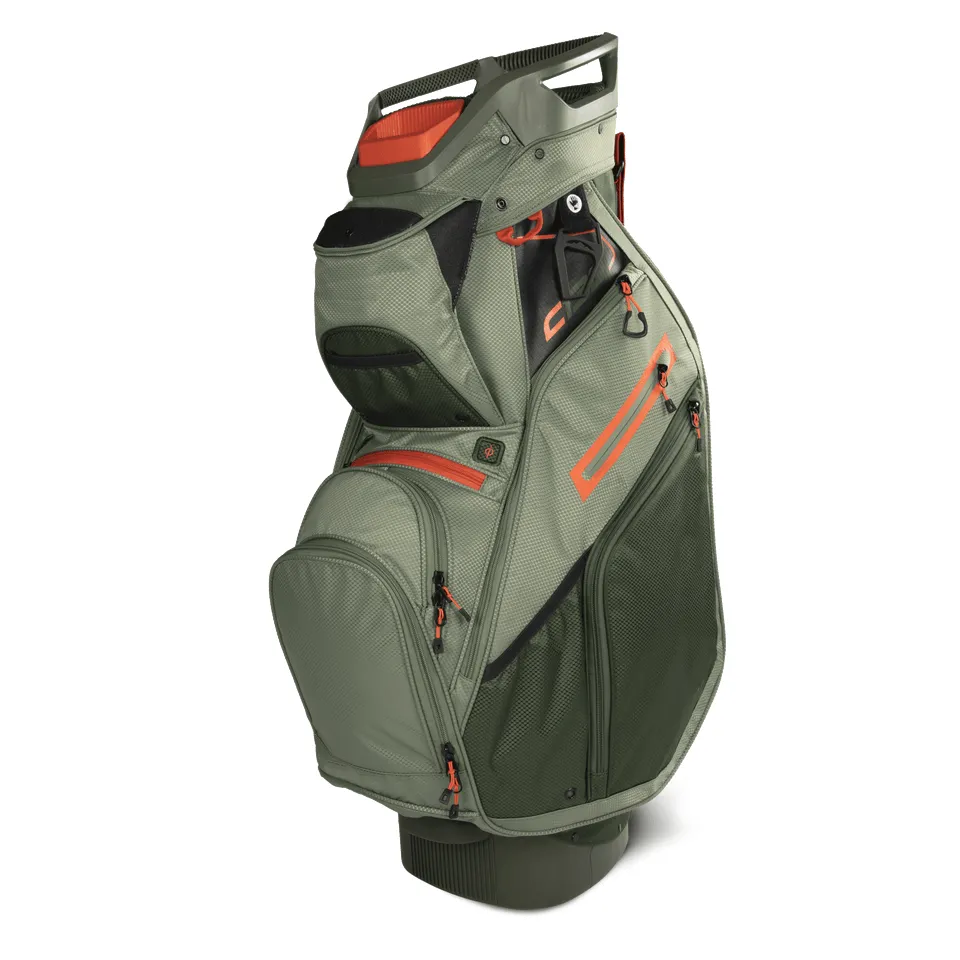
Ultra-Light Golf Bags Under 2kg: Technical Deep Dive
A comprehensive analysis of golf bags weighing under 2kg — materials, construction, and real-world performance.
.webp)
Executive Summary
This guide is written for practical decision-making: clear steps, measurable requirements, and buyer-friendly checklists you can apply immediately.
This page is designed to be scannable and actionable: tables, checklists, and short sections that answer the questions buyers actually ask.
The Ultra-Lightweight Revolution
The sub-2kg (4.4 lbs) golf bag segment has transformed from a niche category to a mainstream market requirement. Driven by walking golf enthusiasts, senior golfers seeking reduced physical strain, and the growing popularity of push carts, ultra-lightweight bags now represent the fastest-growing price tier in the stand bag market.
The Weight Reduction Engineering Challenge
Achieving sub-2kg weight while maintaining structural integrity and feature completeness requires systematic weight optimization across every component. The primary strategies employed by leading manufacturers include: 420D-600D lightweight nylon fabrics replacing traditional 840D-1680D materials; single-layer foam padding replacing multi-layer EVA; minimal internal frame structures; lightweight aluminum alloy legs (6061-T6 at 1.6g/cc vs steel at 7.8g/cc); and hollow-core or mesh pocket panels.
2025 Ultra-Lightweight Material Matrix
| Material | Weight (g/m²) | Durability Rating | Water Resistance | Cost Impact |
|---|---|---|---|---|
| 420D Nylon | 180-200 | ★★★☆☆ | DWR only | -25% vs 1680D |
| 600D Polyester | 220-250 | ★★★★☆ | PU coating | -15% vs 1680D |
| 840D Nylon | 300-340 | ★★★★★ | PU/TPU | Baseline |
| Double-Ripstop Nylon | 200-240 | ★★★★☆ | PU coating | +10% vs 840D |
Leg System Engineering
The stand leg mechanism is the most mechanically stressed component in any lightweight stand bag. Premium ultra-light bags use 16mm diameter 6061-T6 aluminum tubing with internal spring mechanisms. Cycle testing (deploying and retracting the legs) is the standard quality metric—premium bags are tested to 15,000+ cycles, while budget bags may pass with as few as 3,000 cycles.
OEM Sourcing Insights
For custom/private label buyers targeting the ultra-light segment, factories will typically quote 10-15% higher unit prices for sub-2kg constructions compared to standard-weight bags, due to the precision required in material selection and assembly. Critical QA checkpoints include: leg deployment force (should deploy with less than 3kg of pull), loaded stability, and zipper pull force.
Key Takeaways
- Sub-2kg bags require systematic weight optimization across all components
- Leg mechanism cycle testing is the critical quality metric
- OEM pricing reflects the precision engineering required for ultra-light constructions
- Every pound of bag weight reduction translates to 3-5 lbs of perceived relief
Quality & Testing Checklist (Buyer-Friendly)
Use this checklist to align factory QC with your brand standards. It reduces disputes and prevents “sample vs bulk” gaps.
| Area | What to Check | Practical Acceptance Criteria |
|---|---|---|
| Stitching | Seams, stress points, bartacks | No loose threads; reinforced points on straps and pocket corners |
| Zippers | Slider smoothness, tape alignment | Opens smoothly under load; no zipper waves |
| Stand mechanism | Deploy/retract consistency | Deploys cleanly; stable angle; no binding noise |
| Top & dividers | Club insertion, divider stability | No collapse; clean edges; consistent spacing |
| Branding | Logo placement and size | Matches approved placement map |
Timeline Planning (Sampling → Production → Shipping)
Most buyers underestimate the approval cycle. This timeline helps you plan backwards from your launch date.
| Stage | Typical Duration | What You Approve |
|---|---|---|
| Tech pack + render | 3–7 days | Dimensions, layout, logo placements |
| Prototype sample | 10–20 days | Structure and pocket usability |
| Pre-production sample | 10–15 days | Materials, colors, branding finish |
| Mass production | 25–45 days | QC plan and photo checkpoints |
| Shipping | 7–45 days | Incoterms, destination requirements |
Common Mistakes (And How to Avoid Them)
- Vague descriptions: Replace “bag” with material + intended use + construction notes.
- Late approvals: Approve key items early (materials/colors/labels) to prevent schedule slips.
- No verification: Ask for photos, test notes, and documented checkpoints before shipment.
FAQ
Q: What information should I prepare before requesting a quote?
A: Bag type, quantity, target market, target price range, branding method, and timeline.
Q: What reduces back-and-forth the most?
A: One clear brief with reference photos and written requirements.
Next Step
If you want a fast, accurate quote, send your bag type, quantity, and destination requirements to cco@junyuanbags.com (WhatsApp: +8617750020688).
.webp)