Customization Options
A buyer-friendly guide to branding methods, trims, colors, and packaging choices that keep bulk production stable.
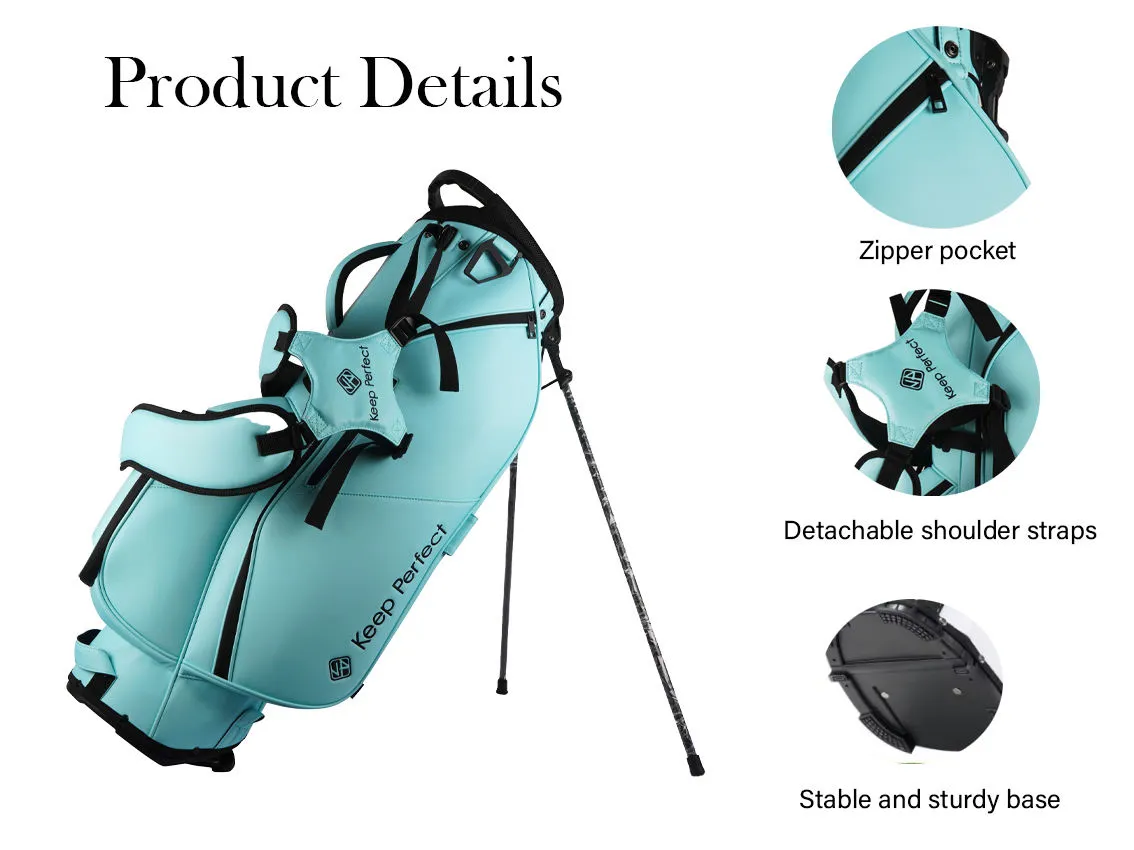
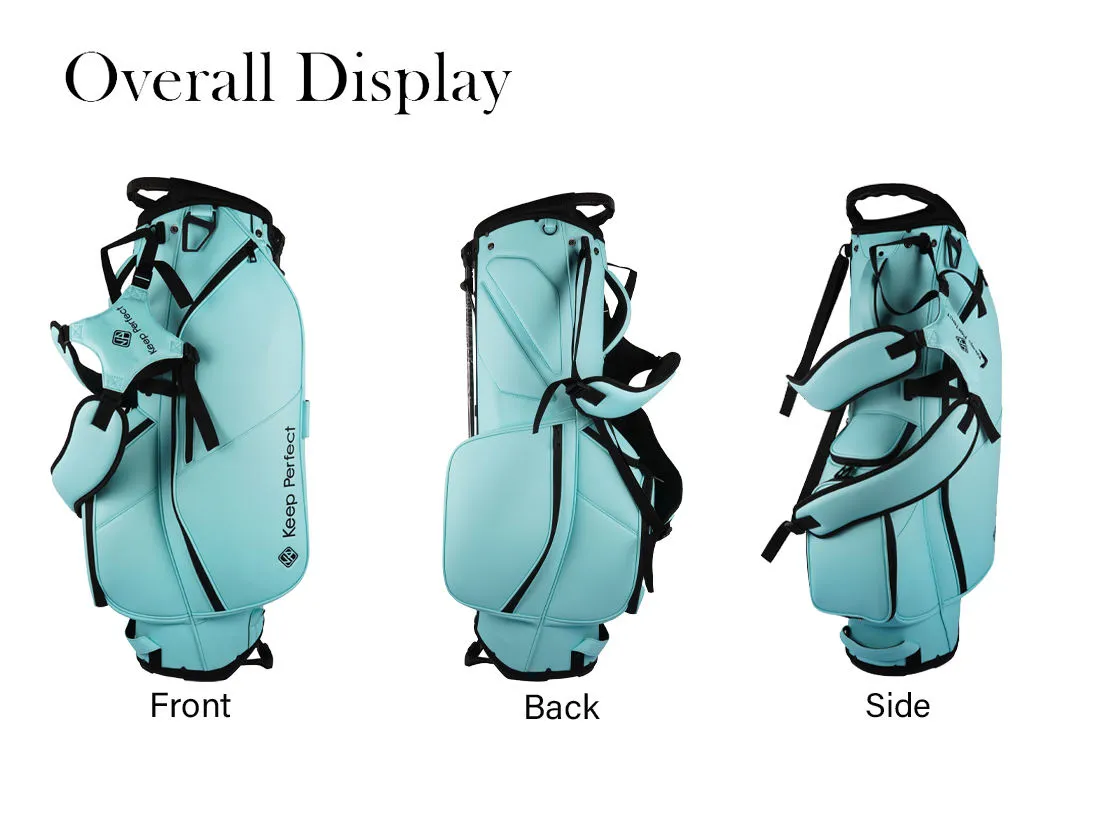
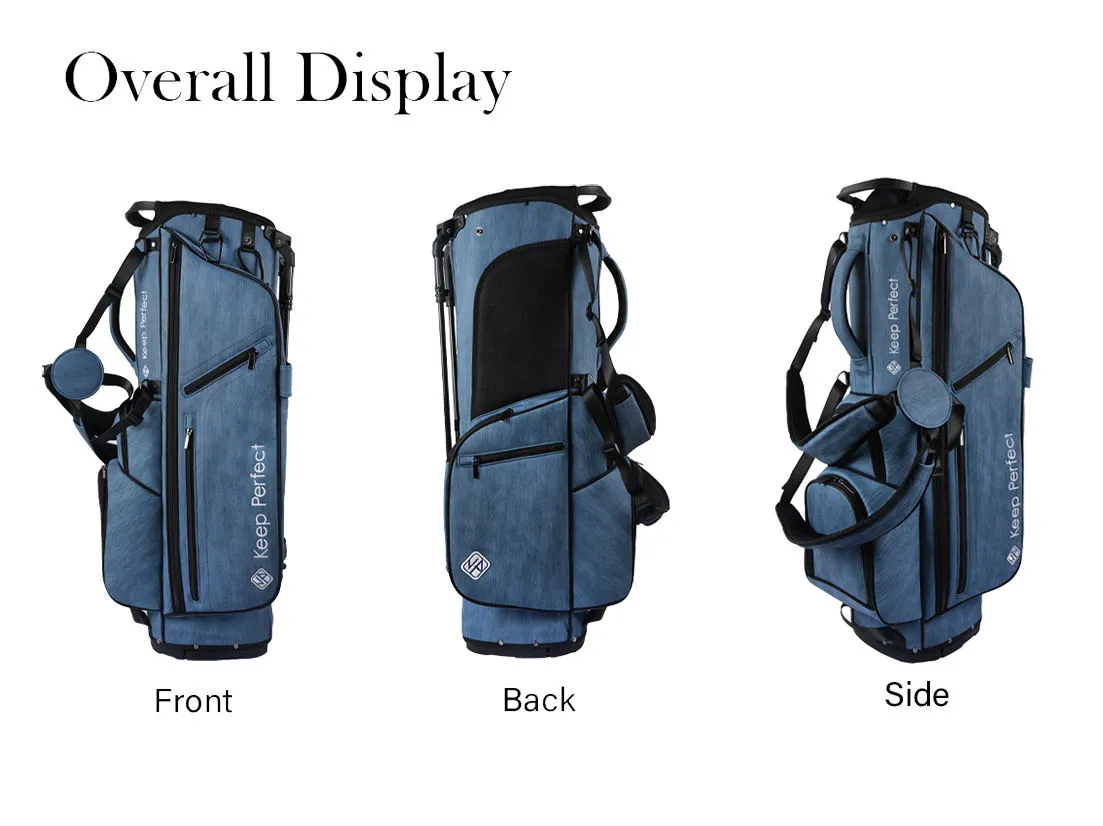
custom golf bag branding options — Customization Options. If you want a stable first order, pick a few hero customizations, then expand after the reorder.
Who This Page Helps
- brands designing a signature look
- buyers selecting branding methods by budget
- teams standardizing specs across SKUs
Branding Methods (Practical Comparison)
| Embroidery | High durability, premium look, best for woven fabrics |
|---|---|
| Heat transfer | Sharp detail and gradients, good for small logos |
| Woven label | Cost effective, consistent, easy reorder |
| Rubber patch | Modern look, high durability, thicker hand-feel |
| Metal plate | Premium appearance, great for luxury programs |
Key Topics Covered
This content is intentionally detailed for professional buyers. It is structured around decisions that affect sampling speed, bulk quality, and landed cost.
- embroidery golf bag logo
- heat transfer golf bag logo
- custom zipper puller golf bag
- custom golf bag patches
- Pantone color match golf bag
How to Get a Fast, Accurate Quote
Email service@junyuanbags.com or message WhatsApp +8617750020688 with your bag type, quantity, target market, branding placements, and timeline. The more measurable the RFQ, the faster the quote and the more stable the bulk outcome.
Related Pages
FAQ
Can you do retail packaging?
Yes. Hangtags, inserts, branded cartons, and barcodes are available based on your channel.
What logo file format is best?
Vector files (AI/PDF/EPS) are best. For embroidery, clean outlines and accurate colors improve the result.
Can you match Pantone colors?
Yes. Provide Pantone TPX/TPG codes and confirm with physical swatches during sampling.
How many logo positions should I use?
For stable bulk, start with 2–4 logo positions. Too many placements can increase lead time and quality risk.
How to Evaluate a Quote (Quality of Answer)
A professional quote confirms what is included (materials, branding methods, packing), states assumptions, and explains lead time drivers. If a quote is only a price, it usually means the project will become expensive later through revisions and delays.
When comparing suppliers, send the same RFQ and compare responses in a table. Consistency in your RFQ makes the comparison fair and reveals true capability.
Compliance and Claims
Only make claims you can support with materials and testing. Words like “waterproof”, “genuine leather”, and “eco material” should match real specifications and supporting documents. This protects your brand and reduces customs and retail compliance risk.
If your program requires additional testing or labeling, share the requirement checklist early so the project aligns during sampling.
First Order vs Reorder
On the first order, prioritize predictable quality and a clear approval workflow. On reorders, optimize cost, packaging, and logistics after you have real market feedback.
The fastest improvements on reorders usually come from simplifying options, tightening tolerances, and standardizing QC photos and defect definitions.
Common Buyer Mistakes (Avoid These)
- Vague materials: “premium fabric” without a fabric code produces inconsistent bulk.
- Too many changes late: late changes create delays and quality drift.
- No QC evidence plan: a simple photo checklist prevents disputes and surprises.
- Ignoring cartonization: packaging volume affects landed cost as much as the freight rate.
Notes for Procurement Teams
Procurement success is not a single purchase order; it is a repeatable system. Define specifications that can be measured, approve a golden sample, and require the same QC evidence on every shipment. This reduces the chance of “drift” between the approved sample and later production.
If your company has vendor management processes (audits, compliance documentation, traceability), request those items early so they do not become last-minute blockers.
Keyword Coverage (For Buyers & SEO)
This page also supports high-intent search queries by covering buyer decisions and the language buyers use in RFQs. If you are building your own landing pages, keep the content practical: every keyword should map to a real decision or specification.
Channel Strategy
The same factory and the same bag type can produce very different results depending on channel fit:
- Retail: stable quality, clean merchandising, predictable delivery windows.
- DTC: clear differentiators, higher finishing expectations, lower tolerance for defects.
- Corporate: deadline certainty, simplified options, strong branding accuracy.
RFQ Template (Copy/Paste)
| Item | What to provide | Why it matters |
|---|---|---|
| Product scope | Bag type + style reference | Defines structure and labor hours |
| Quantity | Total pcs + pcs per colorway | Impacts MOQ and unit cost tiers |
| Target market | USA / EU / UK / AU | Aligns labeling, compliance and documentation |
| Branding | Logo file + placements + method | Branding method affects cost and lead time |
| Packaging | Bulk vs retail-ready | Affects carton plan and damage rate |
| Deadline | Target ship date | Production slot planning |
Extended Notes
This section expands coverage so procurement, merchandising, and logistics teams can use the page as a reference. It intentionally repeats key concepts using different wording and examples so teams can copy/paste internal checklists without ambiguity.
For a fast quote, always include: bag type, quantity per colorway, target market, branding placements, material expectations, packaging requirements, and deadline. Then align a simple approval workflow: render → prototype → golden sample → bulk production → inspection → shipment evidence.
If you need help, contact service@junyuanbags.com or use the contact form.