Private Label Golf Bags: The Complete Guide for Retailers in 2026
Table of Contents
- Introduction: The Private Label Golf Bag Opportunity in 2026
- Why Private Label Golf Bags Make Strategic Sense
- Product Selection and Range Planning
- Customization Options and Design Process
- Sourcing and Manufacturing Partnership
- Quality Control and Compliance
- Pricing Strategy and Margin Optimization
- Retail Presentation and Marketing
Private Label Golf Bags: The Complete Guide for Retailers in 2026
Table of Contents
- Introduction: The Private Label Golf Bag Opportunity in 2026
- Why Private Label Golf Bags Make Strategic Sense
- Product Selection and Range Planning
- Customization Options and Design Process
- Sourcing and Manufacturing Partnership
- Quality Control and Compliance
- Pricing Strategy and Margin Optimization
- Retail Presentation and Marketing
Introduction: The Private Label Golf Bag Opportunity in 2026
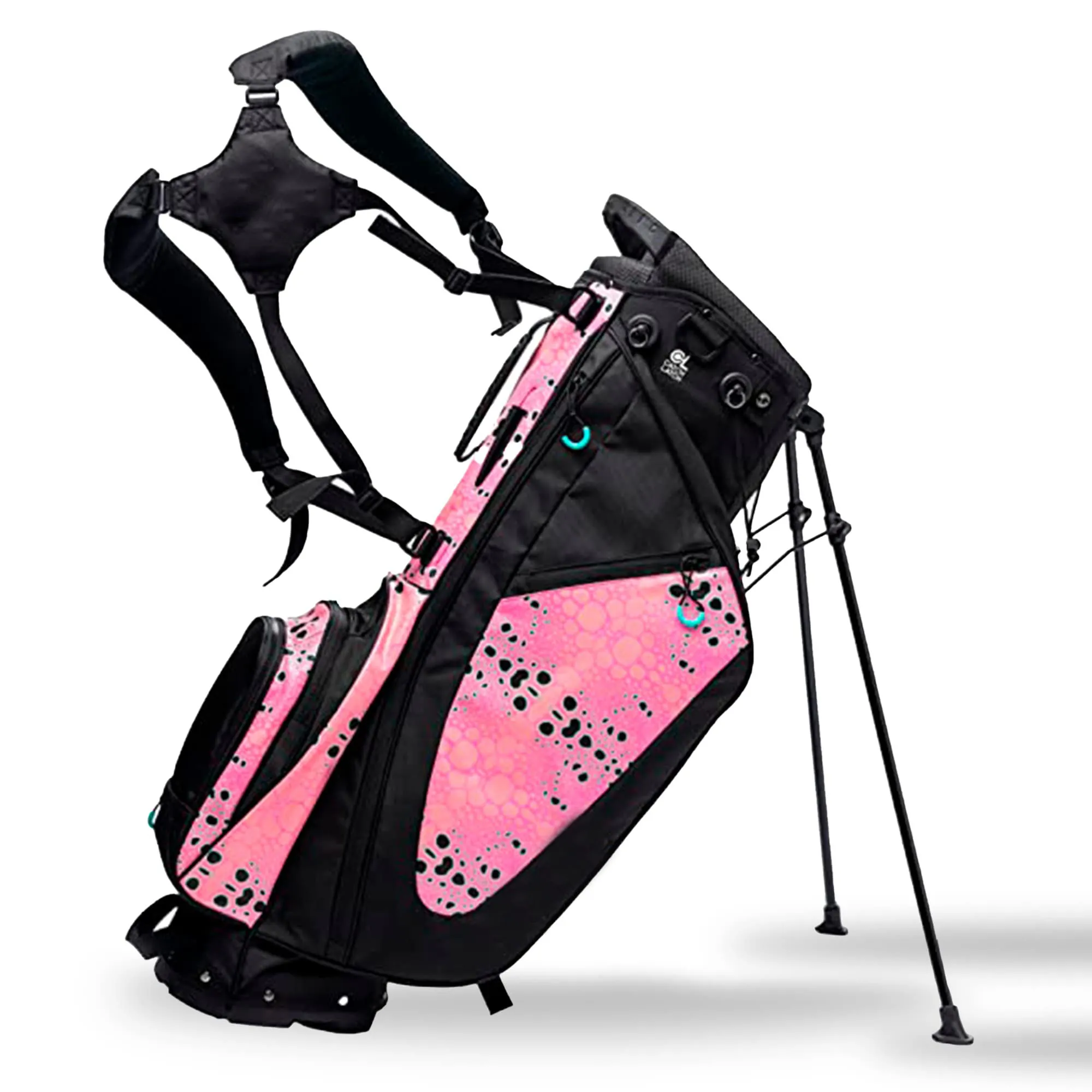
Private label products have become a dominant force in retail across every consumer category, and golf bags are no exception. In 2026, private label golf bags represent one of the highest-margin product categories available to golf retailers, pro shops, and sporting goods stores. Unlike national brand products where margins are compressed by brand marketing costs and distributor markups, private label golf bags allow retailers to capture the full value chain from manufacturing to consumer sale.
This comprehensive guide provides everything a golf retailer needs to know about developing a successful private label golf bag program. From product selection and customization options to manufacturing partnerships, quality control, pricing strategy, and retail presentation, every aspect of building a profitable private label golf bag business is covered in detail. The insights draw on our experience as a BSCI and ISO 9001:2015 certified manufacturer that has developed private label programs for golf retailers across North America, Europe, Australia, and Asia.
The private label opportunity in golf bags is particularly attractive because golf bags are considered equipment rather than apparel, meaning that consumers are often less brand-loyal and more receptive to quality-driven alternatives. A well-made private label golf bag that offers the features, durability, and aesthetics of national brand products at a competitive price point can achieve remarkable sell-through rates and customer satisfaction scores. Many of our retail partners report that their private label golf bags achieve sell-through rates 20 to 35 percent higher than comparable national brand products at similar price points.
The global shift toward retail brand building has been accelerated by e-commerce transparency, supply chain maturity, and manufacturing capability advancement. Today's private label golf bags are not inferior alternatives to national brands. They are purpose-built products that leverage the same materials, manufacturing technologies, and quality standards as leading branded products, differentiated primarily by brand identity and distribution channel.
Why Private Label Golf Bags Make Strategic Sense
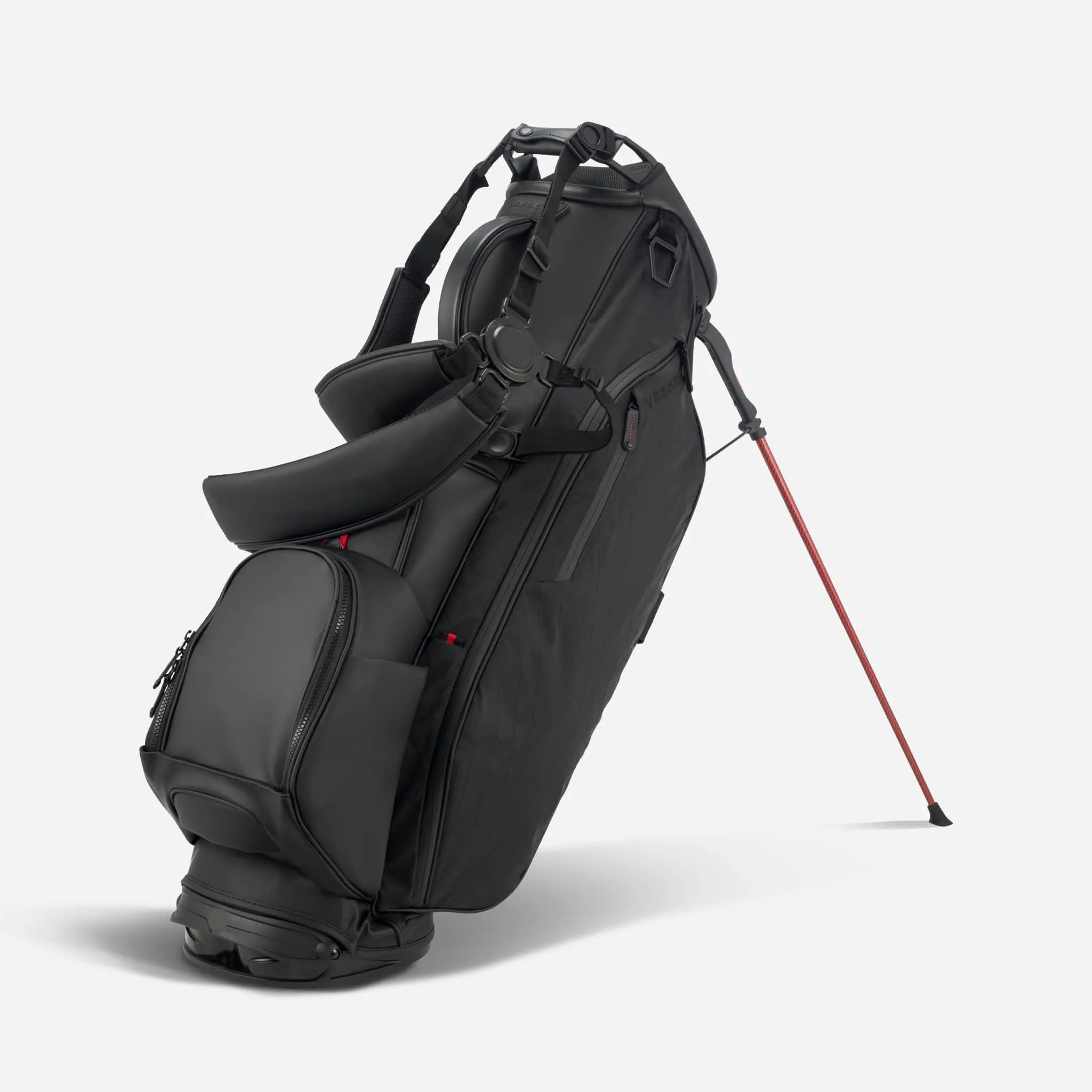
The business case for private label golf bags rests on several compelling advantages that together create a powerful strategic opportunity for golf retailers and pro shop operators.
Superior Margin Structure
The most immediate advantage of private label golf bags is the dramatically improved margin structure. National brand golf bags purchased through traditional distribution channels typically yield retail margins of 30 to 40 percent. Private label golf bags, by contrast, deliver margins of 55 to 70 percent or more because the retailer eliminates intermediary markups from distributors and brand marketing overhead. This margin improvement directly impacts store profitability and provides resources for reinvestment in the business.
To illustrate the financial impact, consider a mid-range stand bag that retails for $149. Purchased as a national brand product through distribution, the retailer's cost might be $85 to $95, yielding a margin of approximately 36 to 43 percent. The same quality level produced as a private label bag might cost $38 to $55 including customization and packaging, yielding a margin of 63 to 74 percent at the same $149 retail price. The per-unit profit improvement of $30 to $50 compounds significantly across a full selling season.
Exclusive Product Differentiation
Private label golf bags create exclusive products that customers cannot find anywhere else. This exclusivity eliminates direct price comparison with competing retailers and online marketplaces, protecting margins from the erosive effects of price competition. When a golfer falls in love with a private label bag that is only available at your pro shop, the purchase decision is simplified and the value of the retail relationship is reinforced.
Brand Building for Retailers
Private label programs enable retailers to build their own brand identity in the golf equipment space. A successful private label golf bag program enhances the retailer's brand perception as a serious golf authority, not merely a reseller of other companies' products. This brand equity compounds over time, creating customer loyalty that extends across all product categories the retailer offers.
Supply Chain Control and Reliability
Working directly with a manufacturing partner for private label production provides greater control over supply chain timing, inventory management, and product availability. Rather than depending on brand allocation decisions and distributor stock availability, private label retailers determine their own order timing, quantities, and product mix. This control is particularly valuable during peak season when national brand products frequently experience stock-outs.
Product Selection and Range Planning
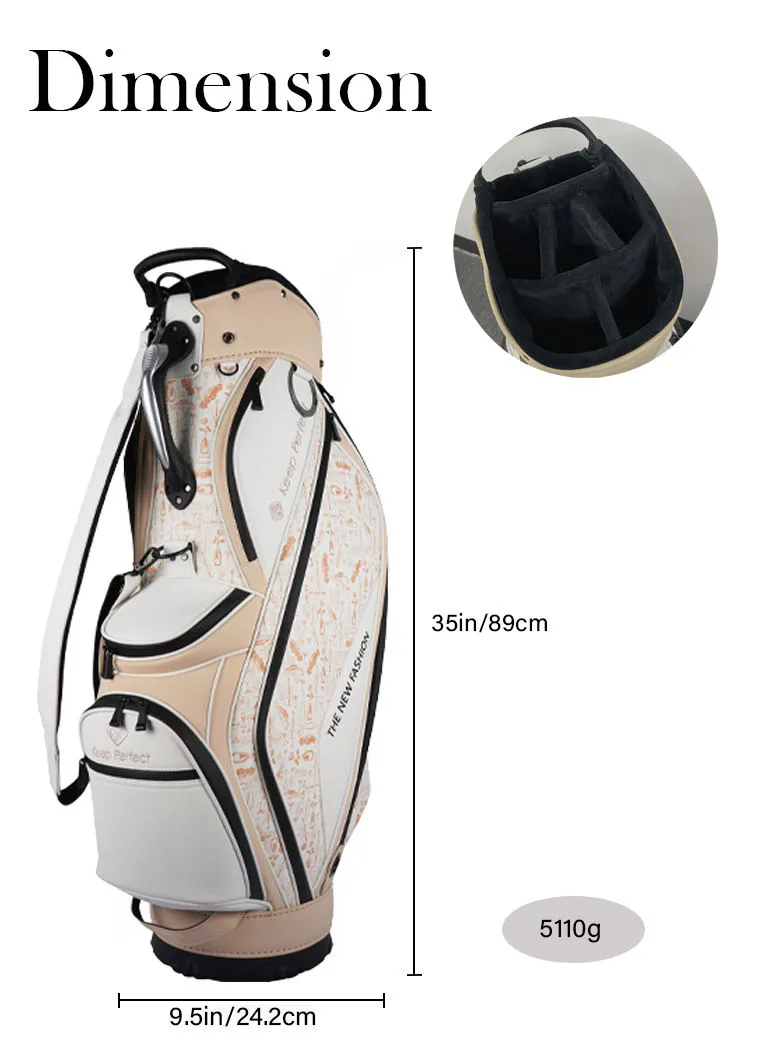
Selecting the right product mix for a private label golf bag program requires understanding your customer base, analyzing competitive offerings, and identifying gaps that your private label products can fill.
Category Analysis and Selection
The golf bag market encompasses several distinct product categories, each serving different customer needs and occasions. Stand bags are the most popular category for walking golfers, offering a balance of portability, features, and versatility. Cart bags are designed for golfers who primarily ride, providing maximum storage and organizational features. Tour staff bags represent the premium segment, offering the largest size and most luxurious construction. Travel bags protect golf equipment during transport. Sunday bags or carry bags serve golfers seeking minimal weight for short rounds or practice sessions.
For most retail private label programs, we recommend starting with stand bags as the lead product category. Stand bags address the broadest customer need, represent the largest market segment, and offer attractive margins at accessible retail price points. Once the stand bag program is established, expanding into cart bags and travel bags provides additional revenue opportunities while leveraging the established manufacturing relationship and brand recognition.
Price Tier Strategy
Effective private label programs typically offer products across two to three price tiers to address different customer budgets and value expectations. A value tier priced at $79 to $119 captures price-conscious customers who might otherwise purchase from mass-market retailers. A mid-tier priced at $129 to $199 targets the core customer seeking quality and features at a fair price. A premium tier priced at $199 to $349 appeals to discerning golfers seeking the best materials and construction without paying national brand premiums.
Feature Prioritization by Category
Each golf bag category has feature priorities that should guide private label product specification. For stand bags, the most important features include lightweight construction, comfortable strap systems, adequate pocket configuration, waterproof valuables pocket, and stable leg mechanisms. For cart bags, priority features include full-length dividers, abundant storage pockets, cart strap pass-through, integrated putter well, and premium materials. Understanding these priorities ensures that private label products deliver the features that matter most to target customers.
Customization Options and Design Process
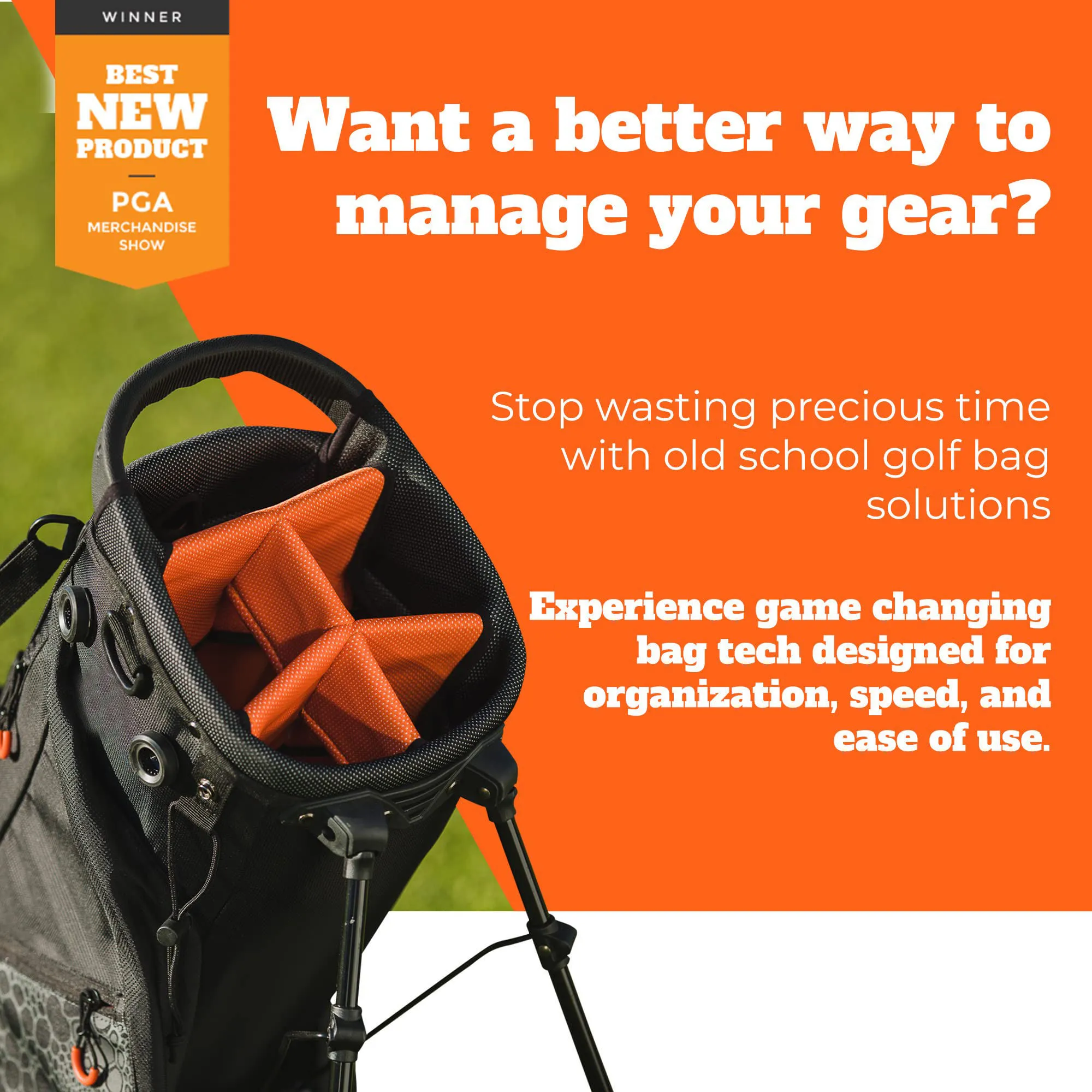
One of the most exciting aspects of private label golf bag development is the extensive customization available. Every element of the bag can be tailored to create products that reflect your retail brand identity and meet your specific customer preferences.
Fabric and Material Selection
Fabric selection is the foundation of golf bag quality and aesthetics. The primary materials used in golf bag manufacturing include nylon (ranging from 200D to 1680D denier), polyester, synthetic leather, and increasingly, recycled and sustainable materials. Higher denier fabrics offer greater durability and a more premium hand feel. Water-resistant coatings and waterproof laminates add functional value. Our material library includes over 200 fabric options in various weights, textures, colors, and performance characteristics, enabling precise material selection for each product tier.
Color and Graphic Design
Color selection for private label golf bags should align with your retail brand identity while also considering golf fashion trends and target customer preferences. We offer custom color matching to Pantone standards, enabling exact reproduction of brand colors across fabrics, hardware, stitching, and trim elements. Graphic design capabilities include sublimation printing for all-over patterns, screen printing for bold graphics, and embroidered elements for premium detailing.
Hardware Customization
Custom hardware transforms a good private label bag into an exceptional branded product. Options include custom-molded zipper pulls with your logo, branded buckle sets, embossed metal plates, custom feet with logo impressions, branded cord pulls, and custom- colored rivets and snaps. While custom hardware requires initial tooling investment, the branding impact is substantial and the per-unit cost increment is minimal at production volumes above 300 pieces.
Sourcing and Manufacturing Partnership
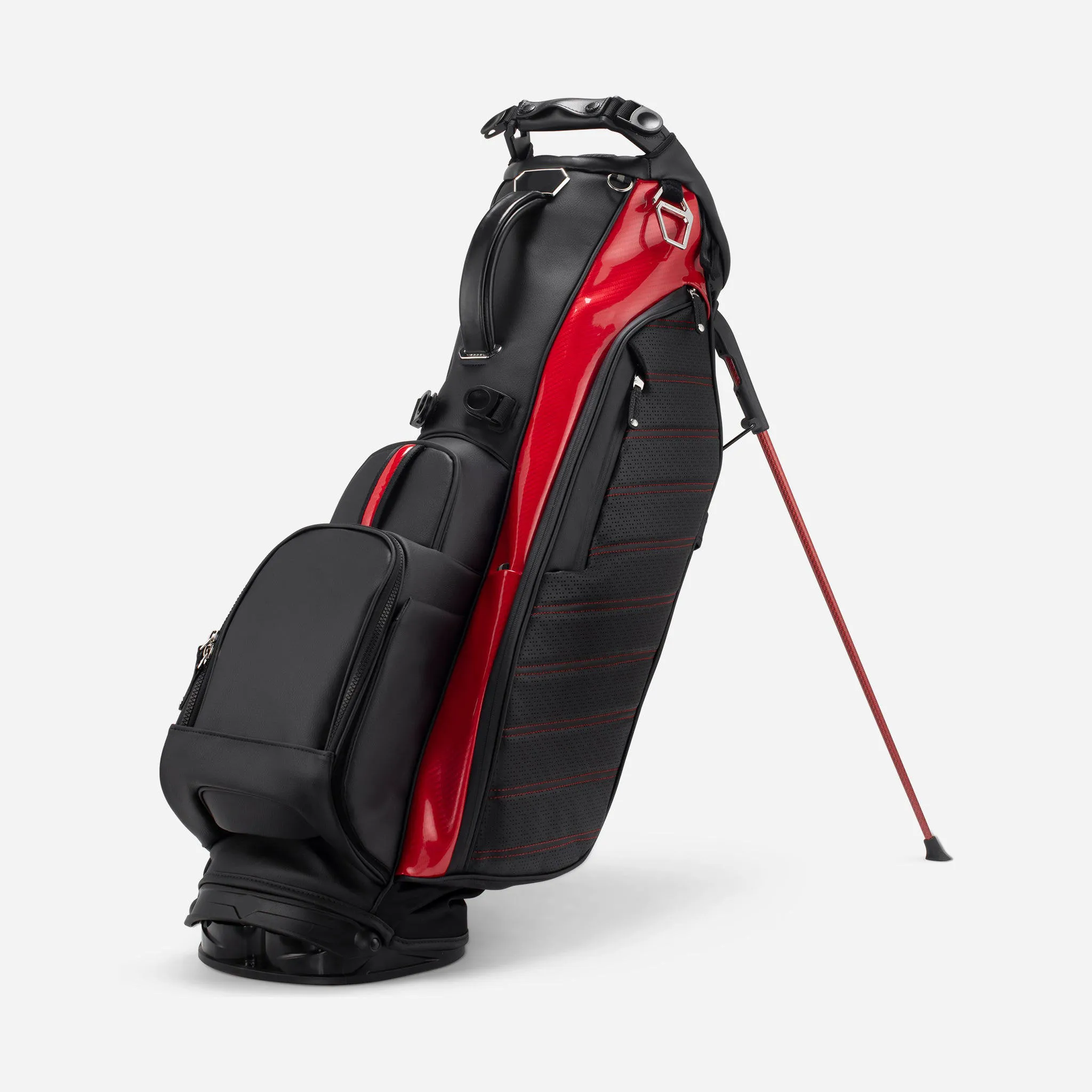
The success of a private label golf bag program depends fundamentally on the quality and reliability of the manufacturing partnership. Selecting the right factory partner is the most important sourcing decision a retailer will make.
Evaluating Manufacturing Partners
Key criteria for evaluating golf bag manufacturing partners include industry experience and specialization, production capacity and scalability, quality management certifications such as ISO 9001:2015, social compliance certifications such as BSCI, design and development capabilities, communication responsiveness, willingness to accommodate private label requirements, and geographic location relative to shipping logistics. Our 20 years of exclusive golf bag manufacturing experience, combined with 200,000-plus annual production capacity and internationally recognized certifications, exemplifies the caliber of manufacturing partner that private label programs require.
Communication and Collaboration
Effective communication between retailer and manufacturer is essential for successful private label development. The best manufacturing partnerships operate with transparent communication about capabilities, timelines, challenges, and costs. Regular video conferences, shared project management tools, and responsive messaging channels keep both parties aligned throughout the development and production process. Language capability in English is essential for smooth communication, and experienced golf bag factories maintain dedicated English-speaking account management teams.
Sampling and Approval Process
The sampling process for private label golf bags typically involves multiple stages. Initial concept samples verify design direction and basic proportions. Pre-production samples with final materials and hardware serve as the approval standard for mass production. Production samples pulled from the first production run confirm that mass production matches approved samples. Each sample stage provides an opportunity to review, refine, and approve before proceeding to the next stage, minimizing the risk of costly production errors.
Quality Control and Compliance
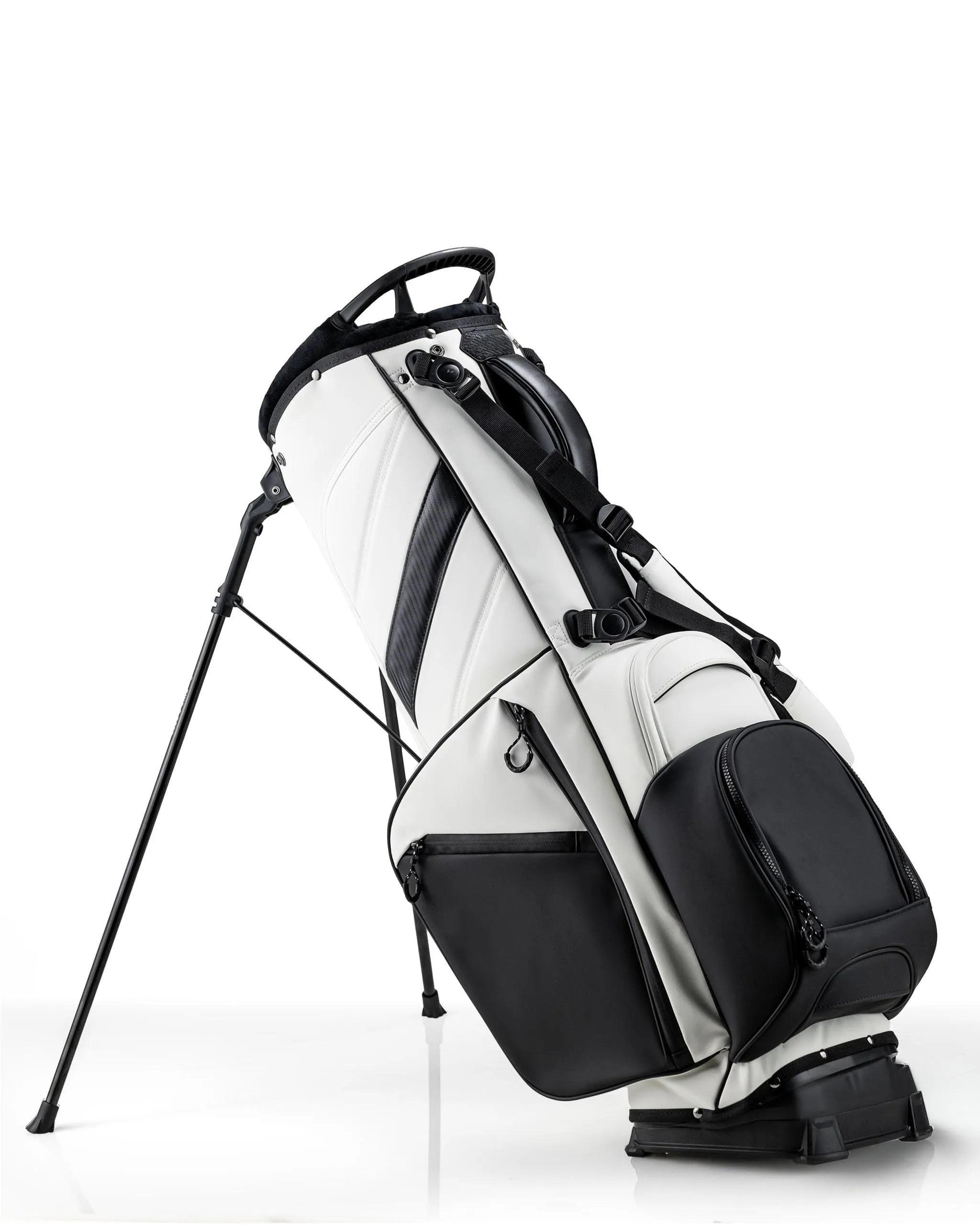
Quality control is the foundation of private label success. Because private label products carry your brand name, any quality deficiency reflects directly on your reputation. Establishing rigorous quality control protocols and compliance standards protects your brand and ensures customer satisfaction.
Quality Control Framework
A comprehensive quality control framework for private label golf bags includes incoming material inspection, in-process quality checks at each production stage, functional testing of zippers, straps, stand mechanisms, and dividers, load testing to verify structural integrity, cosmetic inspection of finished products, and pre-shipment inspection against approved samples. Our quality control team conducts inspections at every production stage, documenting results with photographs and maintaining detailed inspection records for each production run.
Regulatory Compliance
Depending on your target market, golf bags may need to comply with various regulatory requirements. Products sold in the United States must comply with CPSIA (Consumer Product Safety Improvement Act) requirements for lead content and phthalates. Products sold in the European Union must comply with REACH regulations. Our manufacturing facility maintains compliance with all applicable regulations for major global markets, and we provide test reports and compliance documentation as needed for each production run.
Pricing Strategy and Margin Optimization
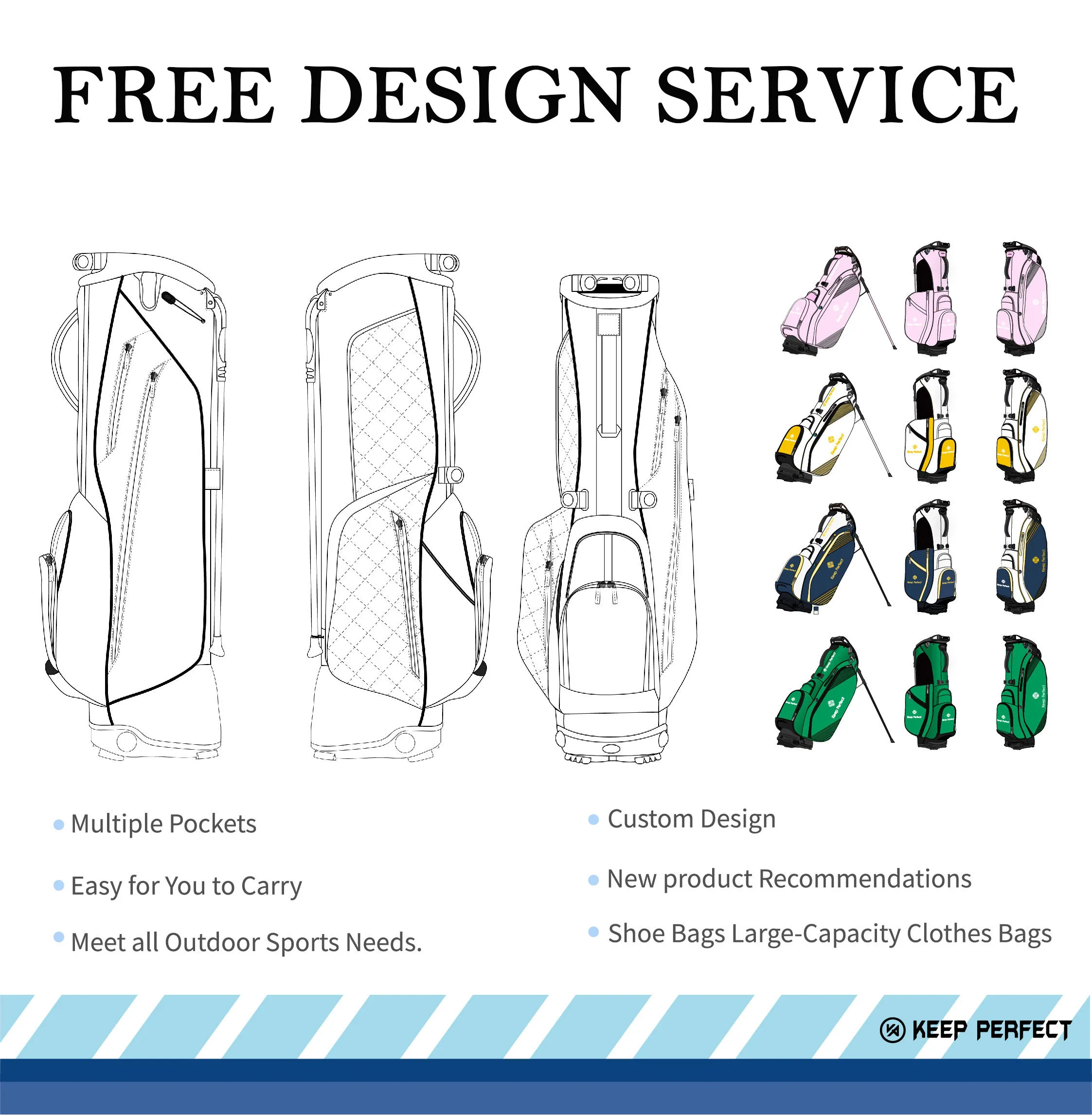
Pricing private label golf bags requires balancing margin objectives with market positioning and customer value perception. The right pricing strategy maximizes profitability while maintaining compelling value relative to competing products.
Cost Structure Analysis
Understanding the complete cost structure of private label golf bags is essential for pricing decisions. The total landed cost includes manufacturing cost (materials, labor, factory overhead), customization costs (branding, custom hardware, packaging), shipping and logistics costs (freight, duties, insurance), and any additional costs such as quality inspection services or third-party testing. Our transparent cost modeling provides retailers with complete visibility into every cost component, enabling informed pricing decisions.
Retail Pricing Framework
Industry best practice for private label golf bag pricing targets a retail price of 2.5 to 4 times the total landed cost. This range provides sufficient margin to support retail operations while delivering competitive value to customers. Products at the lower end of this multiplier (2.5x) work well for value-positioned private label programs, while products at the higher end (3.5x to 4x) suit premium positioning where the private label product offers features and quality comparable to national brand products at significantly higher prices.
Retail Presentation and Marketing
How private label golf bags are presented and marketed in your retail environment dramatically impacts sell-through rates and profitability. Strategic presentation and targeted marketing transform private label products from anonymous alternatives into desirable brand products.
In-Store Display and Merchandising
Private label golf bags deserve premium display positioning in your retail environment. Dedicated display areas with branded signage, product comparison information, and club installation for hands-on evaluation create compelling retail presentations. Position private label bags alongside comparable national brand products with clear value messaging highlighting equivalent quality at better prices. End-cap displays, feature wall installations, and seasonal promotional setups all drive customer awareness and trial.
Digital Marketing and E-Commerce
For retailers with e-commerce capabilities, private label golf bags offer exceptional digital marketing opportunities. High-quality product photography from multiple angles, detailed specification pages, comparison charts against national brand products, and customer review collection all support online sales. Content marketing through blog articles, buying guides, and video reviews drives organic search traffic and establishes authority in the golf equipment space.
Ready to Start Your Custom Golf Bag Project?
Partner with a BSCI & ISO 9001:2015 certified factory producing 200,000+ premium golf bags annually. MOQ just 100 pieces.
Get a Free Quote TodayFrequently Asked Questions
What is private label golf bag manufacturing?
Private label golf bag manufacturing involves a factory producing golf bags that are branded and sold under a retailer's own brand name rather than the factory's brand. The retailer controls design specifications, branding elements, pricing, and distribution while the factory handles production, quality control, and supply chain management.
What is the minimum order quantity for private label golf bags?
Minimum order quantities for private label golf bags typically start at 100 pieces per design per colorway for established manufacturing partners. Larger orders of 300 to 500 units per colorway reduce per-unit costs significantly. First-time orders may accept lower quantities to test market response before committing to larger production runs.
How much does private label golf bag development cost?
Private label golf bag development costs include sampling and prototyping ($500 to $2,000 per design), custom tooling for hardware ($500 to $3,000 per component), and initial production investment. Total development investment typically ranges from $3,000 to $15,000 depending on customization level, number of designs, and production volume.
How long does private label golf bag production take?
Standard production lead time for private label golf bags is 45 to 75 days from final sample approval, depending on order quantity, customization complexity, and material availability. Rush production is possible in 30 to 45 days for standard designs with available materials. First orders including development and sampling require 90 to 120 days total.
What customization options are available for private label golf bags?
Private label golf bags offer extensive customization including custom fabrics and colors, embroidered or printed logos, custom hardware with branding, unique pocket configurations, branded lining materials, custom packaging, hang tags, and accessories. Virtually every element of the bag can be customized to create exclusive products for your retail environment.
How should I price private label golf bags for maximum profitability?
Private label golf bags typically retail at 2.5 to 4 times the manufacturing cost. A stand bag manufactured for $35 to $55 would retail at $99 to $199, while a premium cart bag manufactured for $60 to $100 would retail at $179 to $349. The key is positioning the product at a price point that delivers strong margins while offering clear value relative to national brand alternatives.