Golf Bag Trademark Protection: A Complete Guide for Brands in 2026
Table of Contents
- Introduction: Why Trademark Protection Matters for Golf Bag Brands in 2026
- Trademark Fundamentals for Golf Bag Brands
- Trademark Registration Process and Strategy
- What Elements of Golf Bags Can Be Trademarked
- Trademark Enforcement and Anti-Counterfeiting
- International Trademark Protection
- Trademark Considerations in Golf Bag Manufacturing
- Building a Comprehensive IP Strategy
Introduction: Why Trademark Protection Matters for Golf Bag Brands in 2026
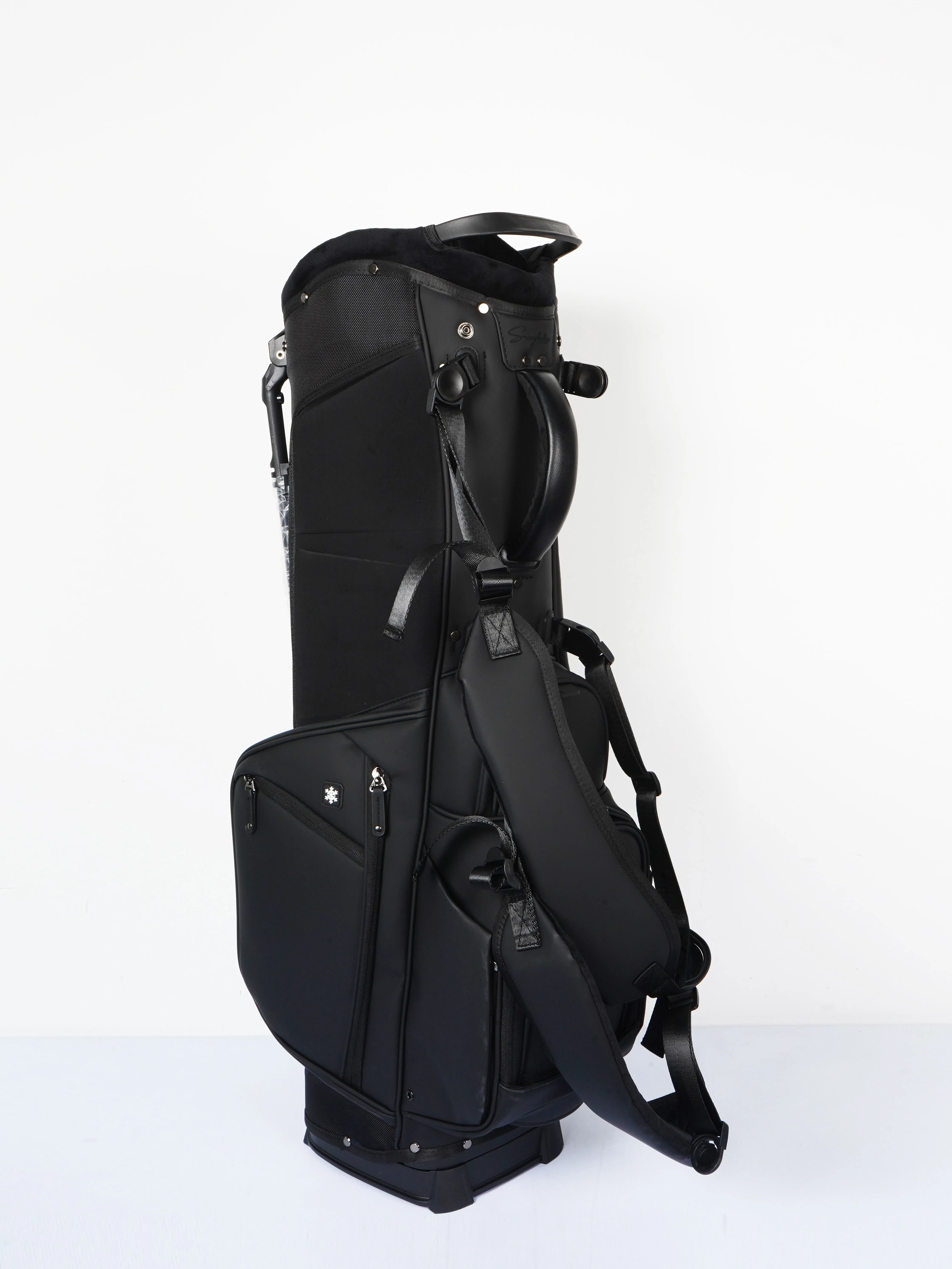
In the increasingly competitive golf bag industry of 2026, trademark protection has become an essential business strategy for every brand serious about long-term success. As the global golf bag market expands to approximately $2.8 billion in value, the temptation for counterfeiters and copycats to exploit successful brand identities has grown proportionally. Without robust trademark protection, golf bag brands risk losing market share to imitators, suffering brand dilution, and facing consumer confusion that erodes the value built through years of product development and marketing investment.
This comprehensive guide provides golf bag brand owners with everything needed to understand, register, protect, and enforce trademarks effectively. Drawing on our experience as a BSCI and ISO 9001:2015 certified manufacturer that works with hundreds of golf bag brands worldwide, we address the practical aspects of trademark protection as they relate specifically to golf bag products and the golf industry supply chain.
Trademark protection in the golf bag industry addresses several critical business needs. It protects the brand identity that consumers recognize and trust, preventing confusion in the marketplace. It provides legal tools to combat counterfeiting, which remains a significant problem in golf equipment. It creates valuable intellectual property assets that enhance business valuation and can be licensed for additional revenue. And it establishes the legal foundation for brand building activities that differentiate your products in a crowded market.
For golf bag brands working with manufacturing partners, trademark protection takes on additional importance. When your brand identity is applied to products manufactured by a third party, clear agreements and protections ensure that your intellectual property remains secure throughout the production process. Our facility maintains strict intellectual property protocols for all brand client trademarks, ensuring that your brand assets are protected from unauthorized use at every stage of production.
Trademark Fundamentals for Golf Bag Brands
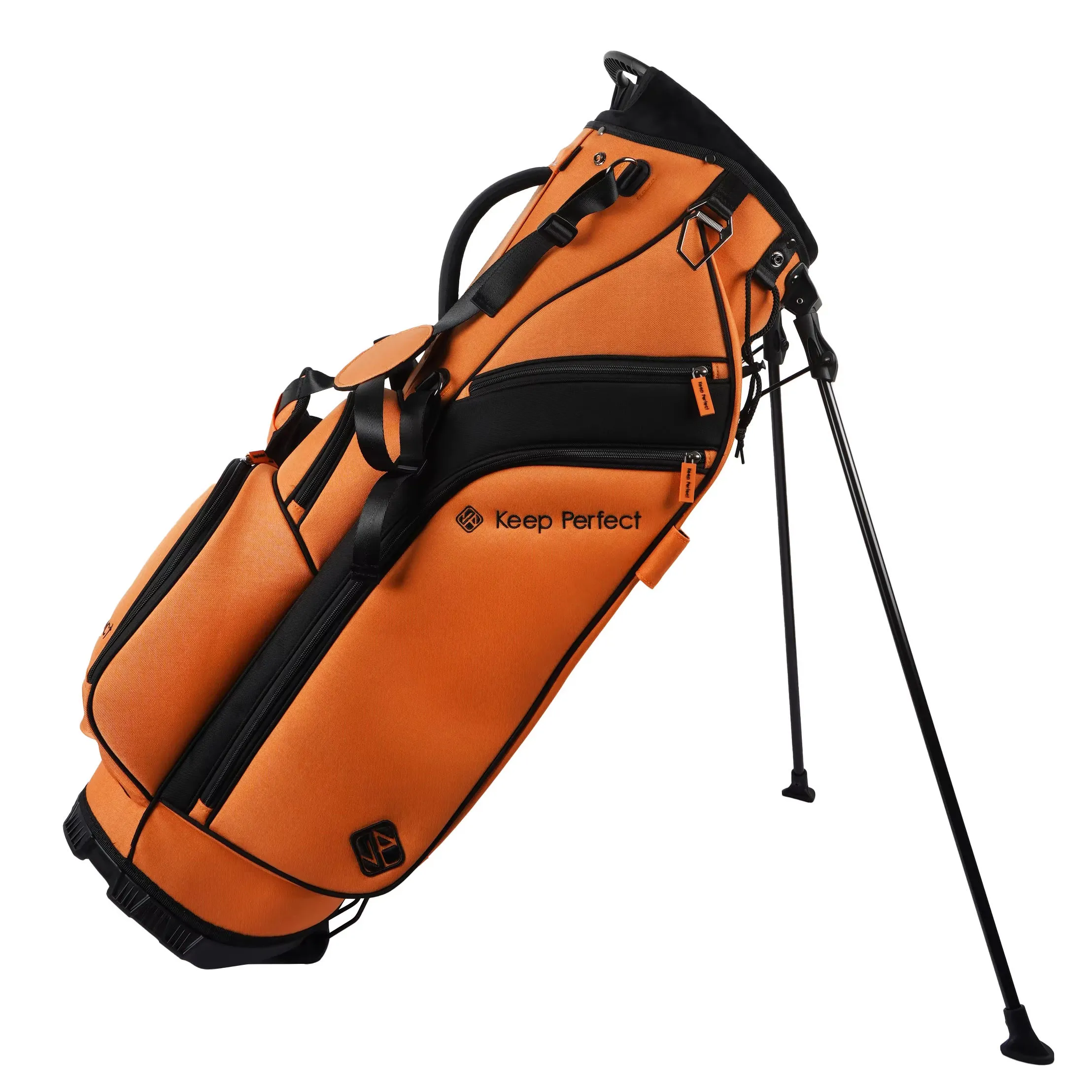
Understanding trademark fundamentals is the first step in developing an effective brand protection strategy. Trademarks serve a specific legal function and must meet certain requirements to qualify for protection under intellectual property law.
What Is a Trademark?
A trademark is a word, phrase, symbol, design, or combination thereof that identifies and distinguishes the source of goods from those of others. For golf bag brands, trademarks typically include the brand name, the brand logo, and potentially product names or slogans. The essential function of a trademark is to indicate to consumers that a product comes from a specific source, enabling consumers to rely on their experience and expectations when making purchasing decisions. This source-identification function reduces consumer search costs and creates incentives for producers to maintain consistent quality.
Trademark rights arise from actual use of the mark in commerce in many legal systems, including the United States. However, registration provides significantly stronger protection including presumption of validity, nationwide priority, the ability to use the registered trademark symbol, enhanced damages in infringement cases, and the ability to record trademarks with customs authorities for border enforcement. For golf bag brands with ambitions beyond local markets, trademark registration is essential rather than optional.
Types of Trademarks Relevant to Golf Bags
Several types of trademarks are relevant to golf bag brand protection. Word marks protect brand names and product names in standard character format without limiting the specific font or style. Design marks protect stylized logos and graphic elements. Combination marks protect the combined presentation of words and designs. Trade dress protects the overall visual appearance and packaging of products when that appearance has acquired distinctiveness and is non-functional. Sound marks can protect distinctive sounds associated with brands, though this is less common in golf bags but could apply to unique stand mechanism sounds or zipper sounds that become brand identifiers.
Trademark Strength and Distinctiveness
Not all trademarks provide equal protection. Trademark strength exists on a spectrum from inherently distinctive marks that receive broad protection to descriptive marks that receive limited protection only after acquiring secondary meaning. The strongest trademarks are fanciful or coined terms that have no meaning other than as a brand identifier, such as fictional brand names created specifically for golf bag products. Arbitrary marks using existing words in unrelated contexts rank second in strength. Suggestive marks that hint at product qualities without directly describing them offer good protection with marketing advantages. Descriptive marks that directly describe product characteristics require proof of secondary meaning before receiving protection and should generally be avoided if possible for golf bag brand names and product designations.
Trademark Registration Process and Strategy
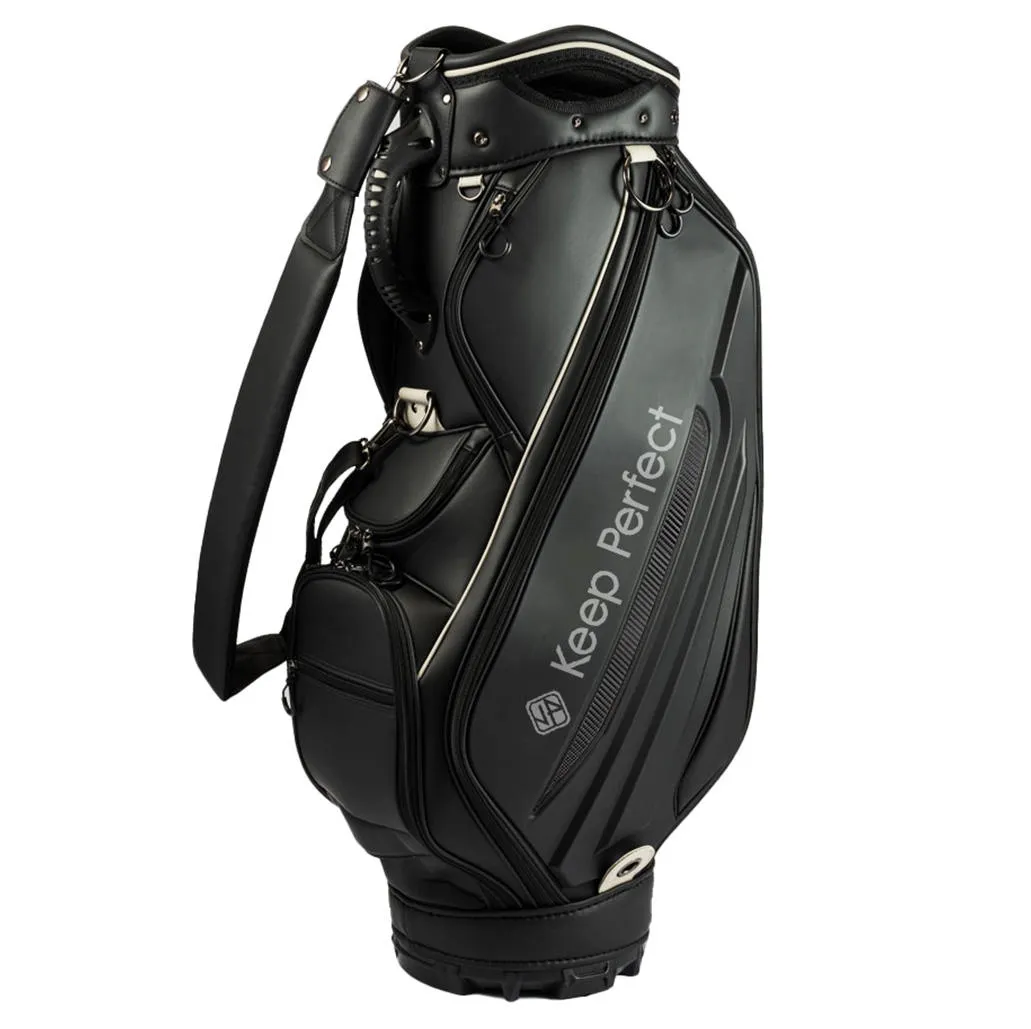
Strategic trademark registration builds the legal foundation for brand protection. The registration process involves multiple steps and requires careful planning to ensure comprehensive coverage across all relevant markets and product categories.
Pre-Filing Trademark Search
Before filing a trademark application, conducting a comprehensive trademark search is essential to identify potential conflicts with existing registrations. The search examines registered trademarks, pending applications, and common law uses in the relevant jurisdiction and in relevant product classes. For golf bags, the primary international classification is Class 18 covering bags, luggage, and carrying cases. Searches should also examine related classes including Class 25 for apparel if brand extension into golf clothing is anticipated, and Class 28 for sporting goods that might include golf accessories beyond bags.
A thorough trademark search typically involves searching the trademark database of the relevant national or regional intellectual property office, conducting common law searches for unregistered business name and brand usage, and examining domain name registrations and social media handles. The search results inform decisions about application strategy including whether to proceed with filing, modify the proposed mark, or select an alternative mark that presents lower conflict risk. Investing in a comprehensive search upfront prevents costly disputes and rebranding expenses later.
Application Preparation and Filing
Trademark applications require precise identification of the mark, the goods and services covered, the basis for filing, and specimens showing the mark in use. For golf bag brands, the goods description must accurately cover golf bags and related accessories. A typical goods description might read: Golf bags, golf cart bags, golf carry bags, golf travel bags, golf staff bags, and accessories for golf bags namely golf bag covers, golf bag rain hoods, and golf bag straps. Overly narrow goods descriptions limit protection scope, while overly broad descriptions risk rejection or opposition from holders of conflicting marks.
Examination and Registration
After filing, the trademark application undergoes examination by the trademark office. The examiner reviews the application for compliance with formal requirements and for potential conflicts with earlier filed marks. If the examiner identifies issues, an office action is issued requiring a response within a specified time period, typically six months. Common office action issues include likelihood of confusion refusals, descriptiveness refusals, and identification of goods deficiencies. Experienced trademark counsel can respond effectively to office actions, overcoming many refusals through appropriate argument and amendment. Once examination is successfully completed, the mark is published for opposition, allowing third parties to challenge the registration within a defined period before final registration is issued.
What Elements of Golf Bags Can Be Trademarked
Golf bag brands have multiple elements that can qualify for trademark protection. Developing a comprehensive trademark portfolio requires identifying all protectable elements and registering them strategically to create layered brand protection.
Brand Names and Logos
The most fundamental trademark elements are the brand name and brand logo. The brand name should be registered as a word mark in standard characters, providing protection for the name regardless of specific font or styling. The brand logo, if it includes graphic design elements beyond the text, should be registered as a design mark. Together, these registrations protect the core brand identifiers that consumers associate with your golf bag products. We recommend registering both the word mark and design mark separately to maximize protection scope and enforcement flexibility.
Product Line Names and Slogans
Distinctive product line names and marketing slogans can also serve as trademarks. A product line name like a specific series designation for stand bags or cart bags can be registered if it functions as a source identifier rather than merely a descriptive product name. Slogans used in marketing materials that have become associated with the brand can receive trademark protection. These secondary trademarks supplement the primary brand name and logo protection, creating multiple layers of brand identity protection that competitors cannot easily circumvent by changing a single element.
Trade Dress and Product Configuration
Trade dress protection extends to the overall visual appearance of golf bag products when that appearance serves as a source identifier. This can include distinctive color combinations, unique pocket configurations, signature pattern designs, or characteristic design elements that consumers have come to associate with a specific brand. Trade dress protection requires proof that the design has acquired secondary meaning, meaning consumers recognize the design as identifying your brand specifically. This is a higher bar than registration for word marks, but trade dress protection can be extremely valuable for golf bag brands with distinctive visual identities that competitors might otherwise copy.
Trademark Enforcement and Anti-Counterfeiting
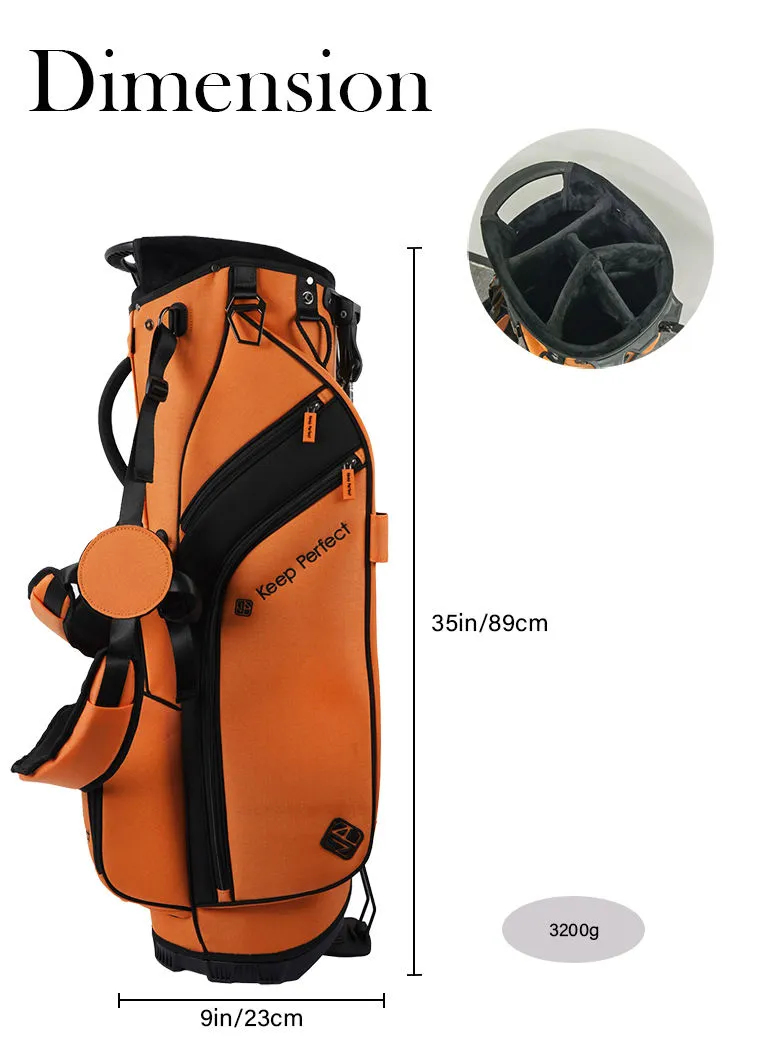
Registering trademarks is only the first step. Effective brand protection requires ongoing enforcement against infringers and counterfeiters who damage brand value, confuse consumers, and potentially sell products of inferior quality under your brand identity.
Monitoring and Detection
Active monitoring for trademark infringement is essential for timely enforcement. Monitoring activities include regular online marketplace searches on platforms including Amazon, eBay, and Alibaba for counterfeit or infringing golf bag listings, trade show surveillance for exhibitors displaying infringing products, customs recordation and monitoring for imported counterfeit goods, and social media monitoring for unauthorized use of brand identifiers. Many brands engage specialized anti-counterfeiting service providers to conduct systematic monitoring across multiple channels and geographies, using automated tools to scan millions of listings efficiently.
Enforcement Actions
When infringement is detected, enforcement actions range from informal resolution through cease and desist letters to formal litigation in federal court. The appropriate response depends on the nature and scale of infringement. Online marketplace takedown requests through platform IP protection programs provide quick removal of counterfeit listings at minimal cost. Customs recordation enables border authorities to detain and seize imported counterfeit goods before they reach consumers. For persistent or large-scale infringers, trademark infringement litigation provides the strongest deterrent and potential recovery of damages including the infringer's profits, actual damages, and in exceptional cases, attorney fees.
Anti-Counterfeiting Technologies
Technological solutions complement legal enforcement in the fight against golf bag counterfeiting. Holographic labels with brand-specific security features provide visual authentication that is difficult for counterfeiters to replicate. QR code authentication systems enable consumers to verify product authenticity by scanning codes linked to manufacturer databases. RFID tags embedded in products enable supply chain tracking and authentication from factory to retail shelf. These technologies not only help consumers identify genuine products but also provide evidence for enforcement actions against counterfeiters and create valuable data about counterfeiting patterns and distribution channels.
International Trademark Protection
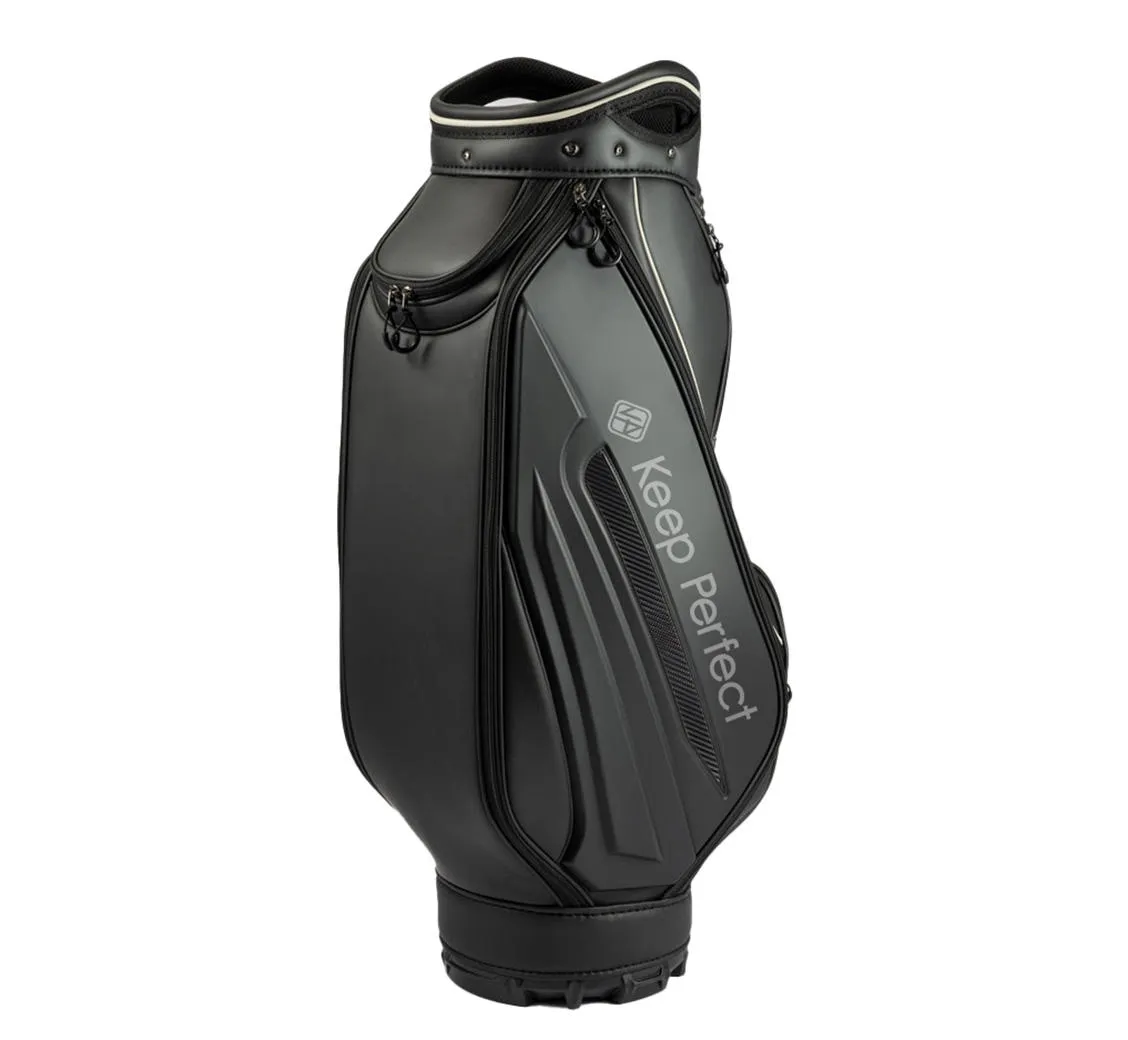
The global golf bag market demands international trademark protection strategy. Trademarks are territorial rights, and protection must be secured in each country or region where brand protection is needed. A United States trademark registration provides no protection against infringement in China, Europe, or any other jurisdiction.
Priority Markets for Golf Bag Trademarks
For golf bag brands, priority trademark registration markets should include countries where products are manufactured, countries where products are sold, and countries where counterfeiting is prevalent. The United States, European Union member states, the United Kingdom, Japan, Australia, and Canada represent major golf markets where trademark registration is essential for brands selling in those territories. China, as the world's dominant golf bag manufacturing center, requires priority registration regardless of whether products are sold domestically there, because Chinese trademark law operates on a first-to-file basis where registering a brand's trademark before the brand owner does so can prevent the legitimate brand from manufacturing through that facility.
Madrid Protocol for Multi-Country Registration
The Madrid Protocol system enables trademark owners to seek protection in multiple member countries through a single international application filed through their home trademark office. This system reduces the cost and administrative complexity of multi-country registration compared to filing separate applications in each country. For golf bag brands targeting global markets, the Madrid Protocol provides an efficient pathway to broad international protection from a single application. However, the Madrid Protocol is not a shortcut to automatic global protection, as each designated country examines the application under its own substantive law and may refuse protection based on local requirements or earlier conflicting rights.
Trademark Considerations in Golf Bag Manufacturing
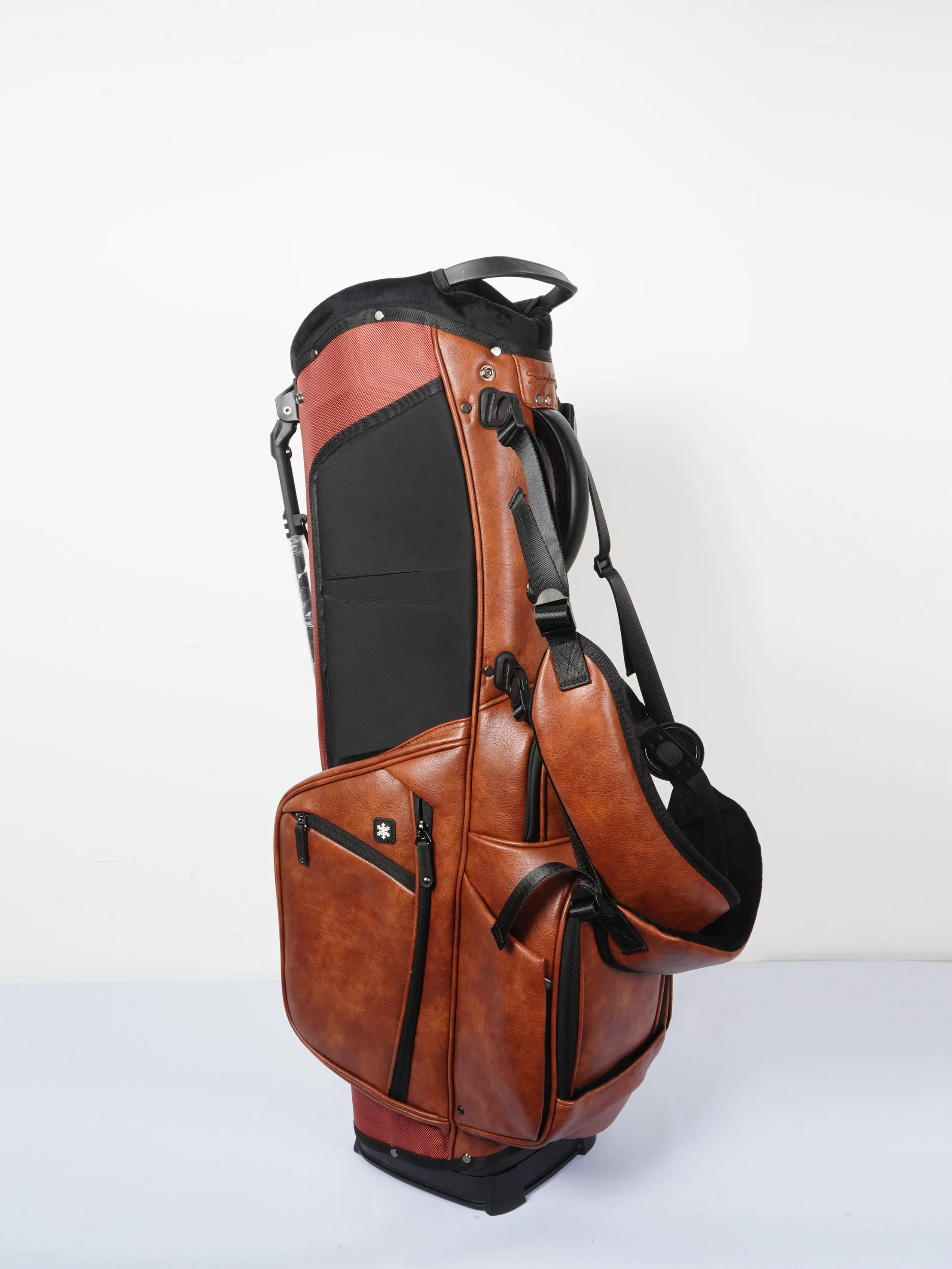
Golf bag manufacturing partnerships involve specific trademark considerations that brand owners must address to protect their intellectual property throughout the production process. When your brand identity is applied to products manufactured by a third-party factory, clear agreements and protocols are essential.
Manufacturing Agreement Trademark Provisions
Manufacturing agreements between golf bag brands and factories must include clear trademark provisions. These provisions should specify that all trademarks used on products remain the exclusive property of the brand, restrict the factory's use of trademarks to production of authorized orders only, require the factory to prevent unauthorized use of trademarks by employees or subcontractors, establish procedures for handling trademark-bearing defective products and overruns, and specify consequences for trademark misuse by the manufacturing partner. These contractual protections supplement legal trademark rights and provide additional enforcement mechanisms specific to the manufacturing relationship.
Quality Control and Brand Integrity
Maintaining brand integrity through manufacturing quality control directly supports trademark value. Trademarks represent a promise of consistent quality to consumers. Products that fail to meet quality standards damage the trademark's reputation and value in the marketplace. Our ISO 9001:2015 quality management system ensures that every golf bag bearing our clients' trademarks meets the quality standards that those trademarks represent, protecting brand value throughout the production process. Consistent quality across production runs reinforces consumer trust in the trademark and strengthens the association between the mark and product excellence.
Building a Comprehensive IP Strategy
Trademarks are one component of a comprehensive intellectual property strategy for golf bag brands. Integrating trademarks with design patents, utility patents, and copyright protection creates layered protection that is more difficult for competitors and counterfeiters to circumvent or challenge.
Integrating Trademarks with Other IP Rights
While trademarks protect brand identifiers, design patents protect the ornamental appearance of product designs, utility patents protect functional innovations, and copyrights protect original artistic works like graphic designs and patterns printed on fabrics. A golf bag brand might protect its name and logo through trademark, its unique bag shape through design patent, its innovative strap system through utility patent, and its original camouflage pattern through copyright. This multi-layered approach provides protection that no single form of intellectual property can achieve alone, creating comprehensive coverage that makes it significantly more difficult for competitors to create confusingly similar products without infringing multiple forms of protected rights.
Long-Term Trademark Portfolio Management
Building and maintaining a trademark portfolio requires ongoing management including monitoring renewal deadlines, documenting trademark use, recording trademark assignments and licenses, and expanding protection as the brand grows into new markets and product categories. Trademark registrations require periodic renewal, typically every 10 years in most jurisdictions, and can be cancelled if not actively used in commerce. Implementing a trademark management system that tracks registration dates, renewal deadlines, and use documentation requirements ensures that valuable trademark rights are maintained over the long term without lapsing due to administrative oversight. For brands managing trademarks across multiple international jurisdictions, professional trademark management services provide valuable support in maintaining comprehensive global protection.
Ready to Start Your Custom Golf Bag Project?
Partner with a BSCI & ISO 9001:2015 certified factory producing 200,000+ premium golf bags annually. MOQ just 100 pieces.
Get a Free Quote TodayFrequently Asked Questions
What can be trademarked in a golf bag brand?
Golf bag brands can trademark multiple elements including brand names, logos, slogans, distinctive color combinations, unique pattern designs, custom hardware shapes, and trade dress encompassing the overall visual appearance of the product. Any element that distinguishes your golf bags from competitors and creates brand recognition in the marketplace qualifies for trademark protection.
How much does it cost to register a golf bag trademark?
Trademark registration costs vary by jurisdiction and scope of protection. In the United States, USPTO filing fees range from $250 to $350 per class of goods. Legal fees for trademark search and application preparation typically add $500 to $2,000. International protection through the Madrid Protocol system adds additional costs per designated country. Budget approximately $2,000 to $8,000 for comprehensive trademark registration across major golf markets.
How long does golf bag trademark registration take?
Trademark registration timelines vary by jurisdiction. In the United States, the typical registration process takes 8 to 12 months from application filing to registration issuance if no oppositions are filed. In the European Union, EUIPO registration can be completed in 4 to 6 months for straightforward applications. China trademark registration typically requires 9 to 12 months. Using the Madrid Protocol for international registrations extends the overall timeline to 12 to 18 months.
How do I protect my golf bag trademark from counterfeiting?
Protecting golf bag trademarks from counterfeiting requires a multi-layered approach including proactive trademark registration in all target markets, customs recordation to enable border enforcement, online marketplace monitoring and takedown programs, anti-counterfeiting technologies such as holographic labels and QR code authentication, regular market surveillance for infringing products, and willingness to enforce trademark rights through legal action when necessary.
What is the difference between trademark and design patent for golf bags?
Trademarks protect brand identifiers like names, logos, and trade dress that indicate product source. Design patents protect the ornamental appearance of a product design. A golf bag brand name and logo are protected by trademark, while its unique visual shape and design elements can be protected by design patent. The two forms of protection are complementary and both should be considered in a comprehensive intellectual property strategy for golf bag brands.
Do I need trademark protection in every country where my golf bags are sold?
Trademark rights are territorial, meaning registration in one country does not provide protection in other countries. For comprehensive protection, trademarks should be registered in every country where your golf bags are manufactured, sold, or distributed. The Madrid Protocol system simplifies multi-country registration through a single international application, but each designated country examines and approves the registration independently.