Golf Bag Supply Chain Management: A Complete Guide for 2026
Table of Contents
- Introduction: Understanding the Golf Bag Supply Chain in 2026
- Material Sourcing and Supplier Management
- Production Planning and Manufacturing
- Quality Control and Assurance Systems
- Logistics, Shipping, and Distribution
- Cost Optimization Strategies
- Risk Management and Resilience
- Sustainability in the Golf Bag Supply Chain
Golf Bag Supply Chain Management: A Complete Guide for 2026
Table of Contents
- Introduction: Understanding the Golf Bag Supply Chain in 2026
- Material Sourcing and Supplier Management
- Production Planning and Manufacturing
- Quality Control and Assurance Systems
- Logistics, Shipping, and Distribution
- Cost Optimization Strategies
- Risk Management and Resilience
- Sustainability in the Golf Bag Supply Chain
Introduction: Understanding the Golf Bag Supply Chain in 2026
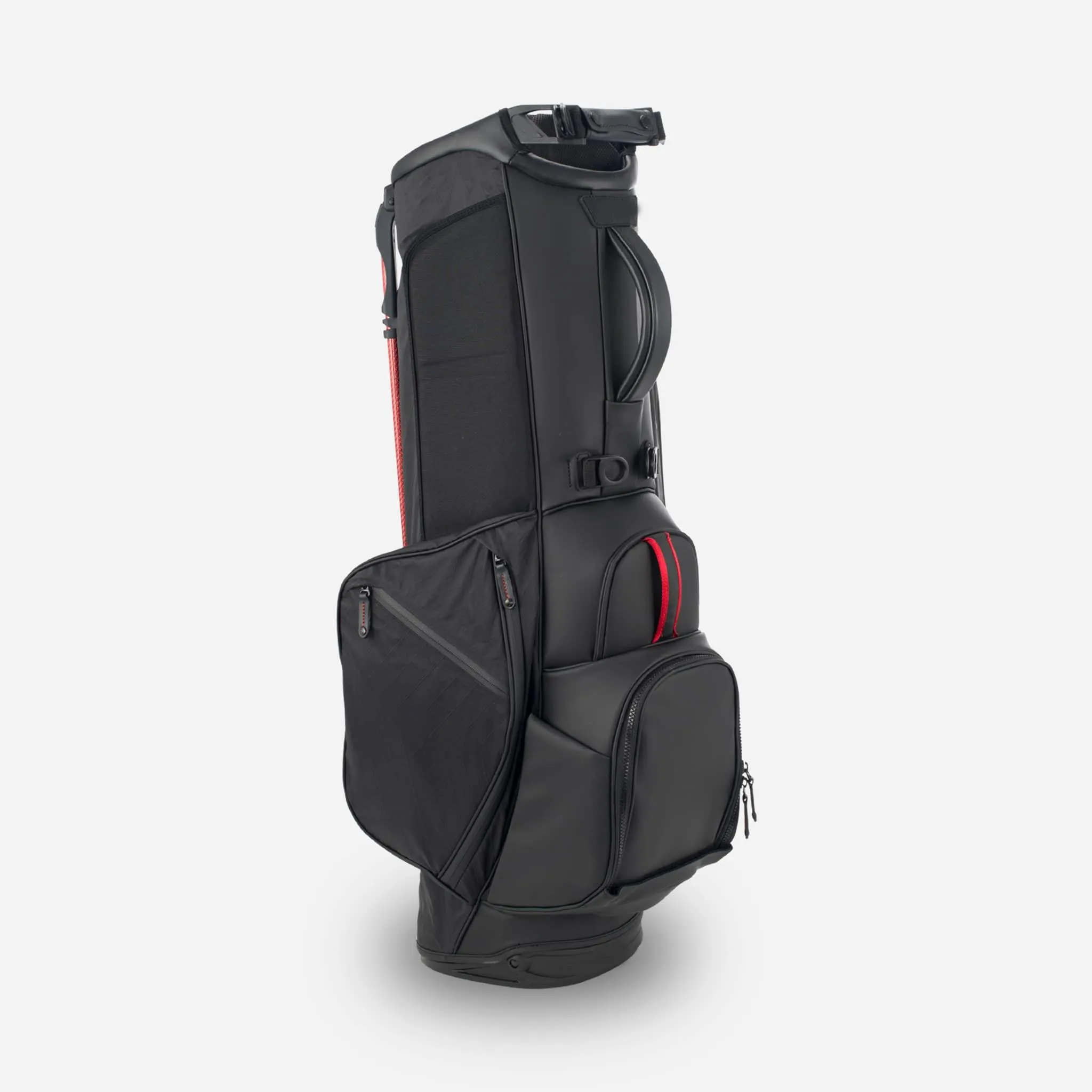
The golf bag supply chain is a complex, multi-stage system that transforms raw materials into finished products delivered to brands, retailers, and ultimately to golfers around the world. In 2026, effective supply chain management has become a critical competitive advantage for golf bag brands and manufacturers. Rising consumer expectations for quality and speed, increasing raw material cost volatility, growing sustainability requirements, and the ongoing evolution of global trade dynamics all demand sophisticated supply chain strategies.
This comprehensive guide examines every stage of the golf bag supply chain, from material sourcing through final delivery, providing actionable insights for brand owners, retail buyers, and industry professionals. The information draws on our direct experience as a BSCI and ISO 9001:2015 certified manufacturer operating an 15,000 square meter production facility with eight dedicated production lines and an annual output exceeding 200,000 golf bags. Our integrated supply chain management approach encompasses material sourcing, production planning, quality control, logistics coordination, and cost optimization.
Understanding the golf bag supply chain is essential for anyone involved in the industry. Brand owners need this knowledge to make informed sourcing decisions, set realistic timelines, and manage costs effectively. Retail buyers benefit from understanding production constraints and lead times to plan inventory and promotional activities. Even golf enthusiasts gain appreciation for the craftsmanship and coordination required to produce the bags they rely on every round. The modern golf bag supply chain represents a triumph of manufacturing coordination, and mastering its dynamics is the key to successful golf bag business operations.
Material Sourcing and Supplier Management
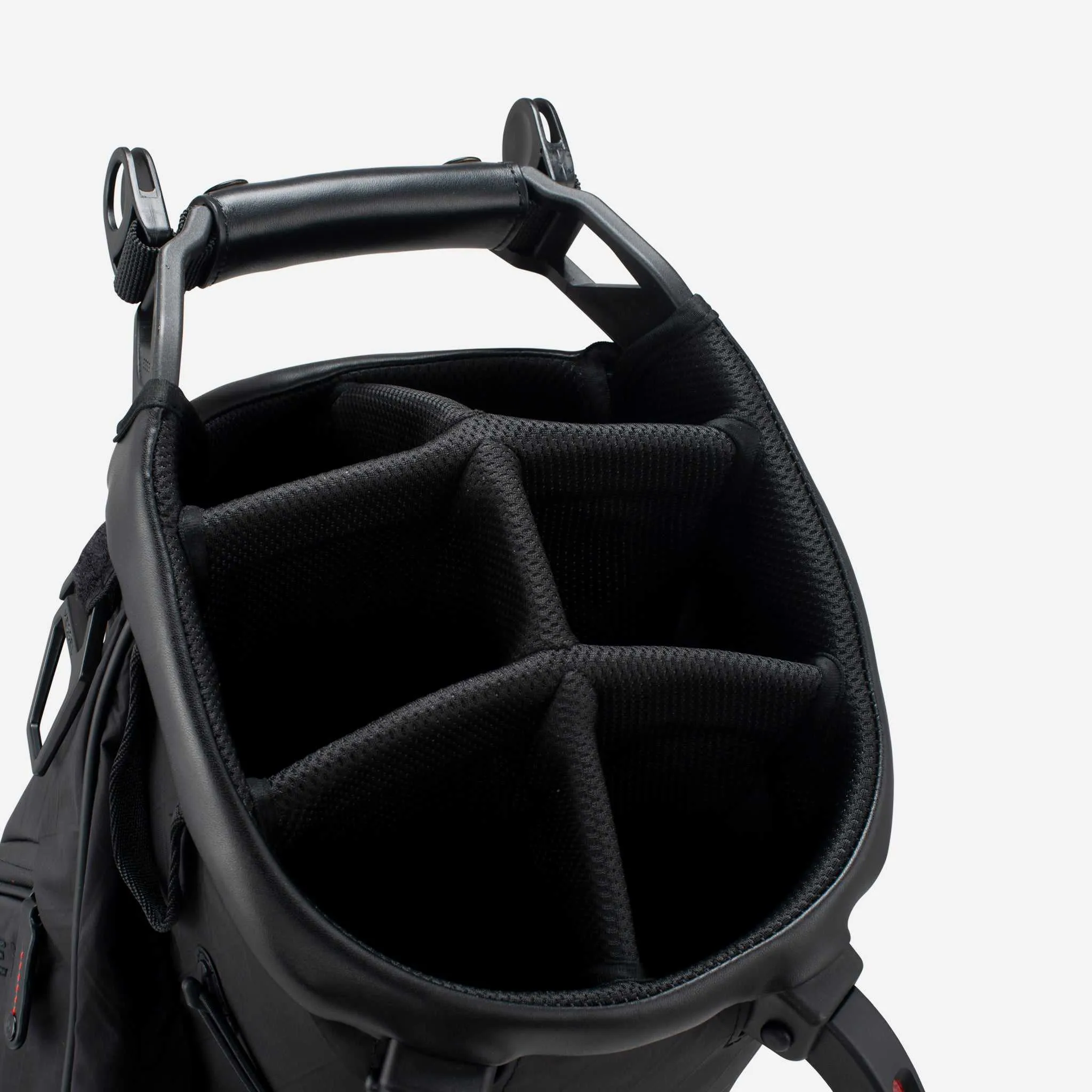
Material sourcing is the foundation of the golf bag supply chain. The quality, cost, and availability of raw materials directly determine the quality, cost, and reliability of finished products. Effective material sourcing requires strategic supplier relationships, rigorous quality standards, and proactive risk management.
Key Material Categories
Golf bag manufacturing requires a diverse range of raw materials spanning several categories. Primary fabrics include nylon in various denier weights from 200D to 1680D, polyester fabrics, synthetic leather materials, and increasingly, recycled and sustainable textiles. Hardware components encompass zippers, zipper sliders, buckle sets, D-rings, snap hooks, feet, and decorative elements in materials including molded plastics, zinc alloy, aluminum, and stainless steel. Padding and structural materials include EVA foam, PE sheets, cardboard inserts, and plastic reinforcement panels. Additional materials include thread, webbing, cord, lining fabrics, and adhesives.
Each material category has its own supply dynamics, lead times, and quality considerations. Fabric sourcing typically represents the largest material expenditure at 15 to 25 percent of total manufacturing cost. Hardware components, while individually less expensive, represent 8 to 15 percent of total cost and require precision manufacturing to ensure durability and consistent function. The interplay between material quality and finished product quality makes material sourcing decisions some of the most consequential in golf bag manufacturing.
Supplier Qualification and Management
Building a reliable supply chain begins with rigorous supplier qualification. Our approved supplier list encompasses over 80 vetted suppliers across all material categories, each evaluated on quality capability, production capacity, pricing competitiveness, delivery reliability, financial stability, and regulatory compliance. New suppliers undergo a qualification process including facility audits, sample evaluation, test production runs, and reference checks before joining the approved supplier list.
Ongoing supplier management maintains and improves supplier performance through regular scorecard evaluations, periodic facility audits, collaborative cost reduction initiatives, and quality improvement programs. Long-term partnerships with key suppliers create mutual commitment to quality and reliability while providing pricing stability and priority allocation during periods of high demand.
Material Cost Management
Material costs in golf bag manufacturing are subject to commodity price fluctuations, currency exchange rate movements, and supply-demand imbalances. Effective cost management requires monitoring commodity price trends, negotiating favorable terms with suppliers, diversifying the supplier base to create competitive tension, and making strategic purchasing decisions regarding forward contracts and safety stock levels. Our experienced procurement team monitors material market conditions continuously, providing brand clients with cost forecasts and strategic guidance on timing of purchase decisions.
Production Planning and Manufacturing
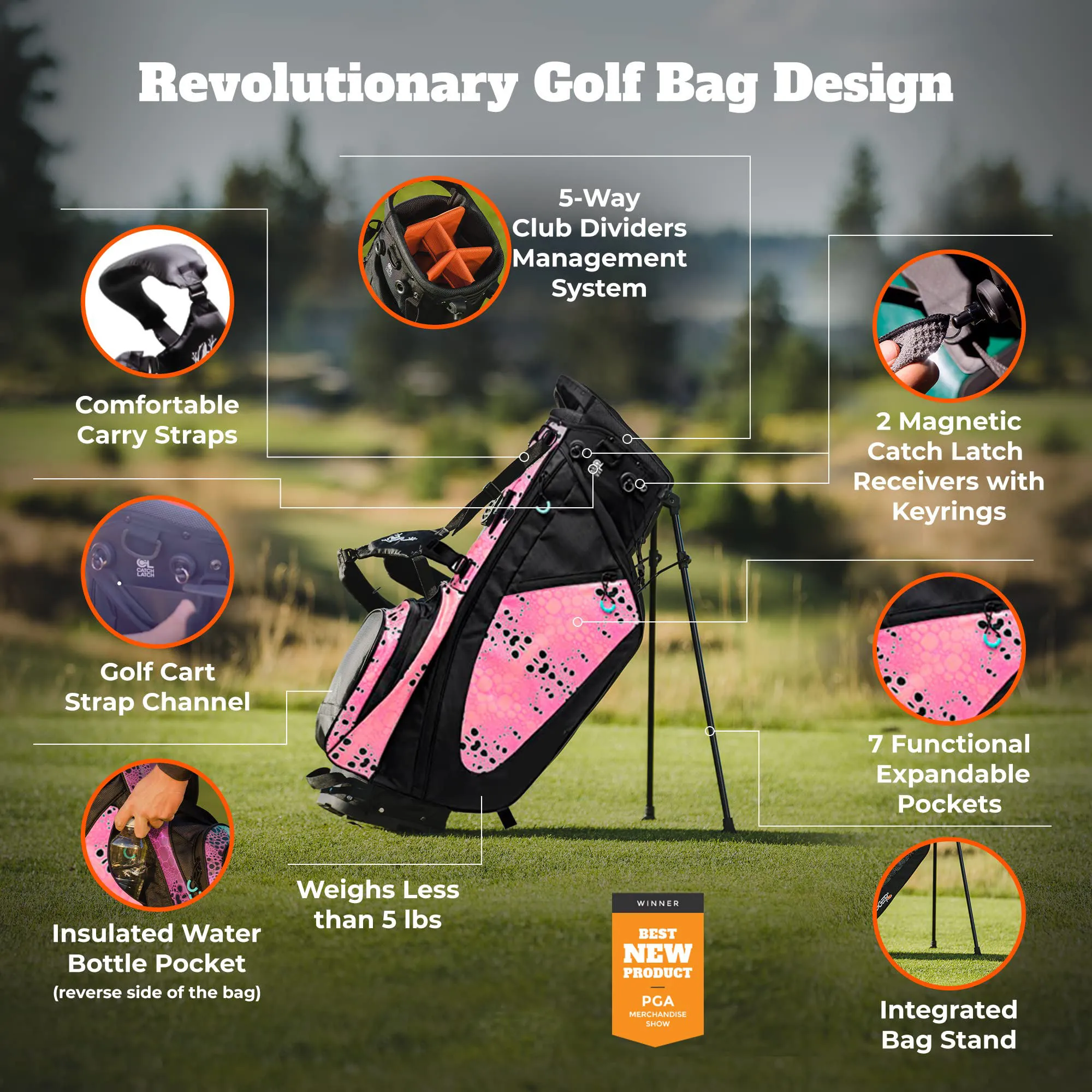
Production planning translates customer orders into efficient manufacturing schedules that optimize resource utilization, minimize lead times, and maintain quality standards. The production planning function serves as the central coordination hub of the golf bag supply chain, balancing demand requirements against capacity constraints.
Capacity Planning and Scheduling
Our 15,000 square meter production facility operates eight dedicated production lines capable of producing over 200,000 golf bags annually. Production planning begins with demand forecasting, aggregating customer orders and projections into a master production schedule that allocates capacity across product categories, complexity levels, and delivery requirements. Advanced scheduling considers production line capabilities, workforce availability, material readiness, and customer priority to optimize production flow.
Peak season preparation is a critical aspect of production planning. Golf bag demand follows seasonal patterns with peaks in spring and early summer in Northern Hemisphere markets. Production planning for peak season begins 6 to 9 months in advance, securing material commitments, scheduling overtime and temporary workforce, and coordinating with logistics providers for shipping capacity. This forward planning ensures that peak season orders are fulfilled on time without compromising quality.
Production Process Flow
The golf bag manufacturing process follows a defined sequence of operations. Material preparation includes cutting fabric panels, preparing hardware kits, and organizing component packages for each production order. Sub-assembly operations include pocket construction, strap assembly, divider system assembly, and stand mechanism preparation. Main assembly integrates sub-assemblies into the complete bag structure through sewing, riveting, and bonding operations. Final assembly adds hardware, adjusts straps and stands, and performs functional checks. The completed bag then moves through final quality inspection, cleaning, packaging, and preparation for shipment.
Workforce Management and Training
Our production workforce of 200-plus skilled craftsmen represents a significant competitive advantage. Golf bag manufacturing requires specialized skills in sewing, assembly, and quality inspection that take months to develop. Our training programs develop worker capabilities through structured onboarding, skills certification programs, and continuous improvement training. Workforce retention rates above industry average ensure accumulated skill and experience that directly benefit product quality and production efficiency.
Quality Control and Assurance Systems

Quality control in the golf bag supply chain is not a single inspection step but a comprehensive system woven into every stage of production. Our ISO 9001:2015 quality management system provides the framework for consistent quality across all products and production runs.
Multi-Stage Inspection Framework
Quality inspection occurs at multiple defined checkpoints throughout the production process. Incoming material inspection verifies that fabrics, hardware, and components meet specifications before entering production. In-process inspection monitors quality at each production stage, catching issues early when they are easiest and least costly to correct. Final inspection of completed bags against approved samples ensures that finished products meet all requirements before packaging and shipment.
Testing Protocols and Standards
Golf bags undergo rigorous functional testing to verify durability and performance. Zipper cycling tests verify zipper durability through thousands of open-close cycles. Strap load testing confirms that carry straps withstand loads significantly above expected use conditions. Stand mechanism testing verifies reliable deployment and retraction over thousands of cycles. Fabric abrasion resistance testing ensures that materials withstand the wear and tear of regular golf use. Water resistance testing confirms that waterproof coatings and sealed seams perform as specified.
Continuous Improvement
Quality management extends beyond inspection and testing to encompass continuous improvement of processes and products. Quality data from inspections, tests, and customer feedback is analyzed to identify improvement opportunities. Root cause analysis of any quality issues drives corrective actions that prevent recurrence. Regular quality review meetings engage production teams in identifying and implementing process improvements that enhance quality and efficiency.
Logistics, Shipping, and Distribution
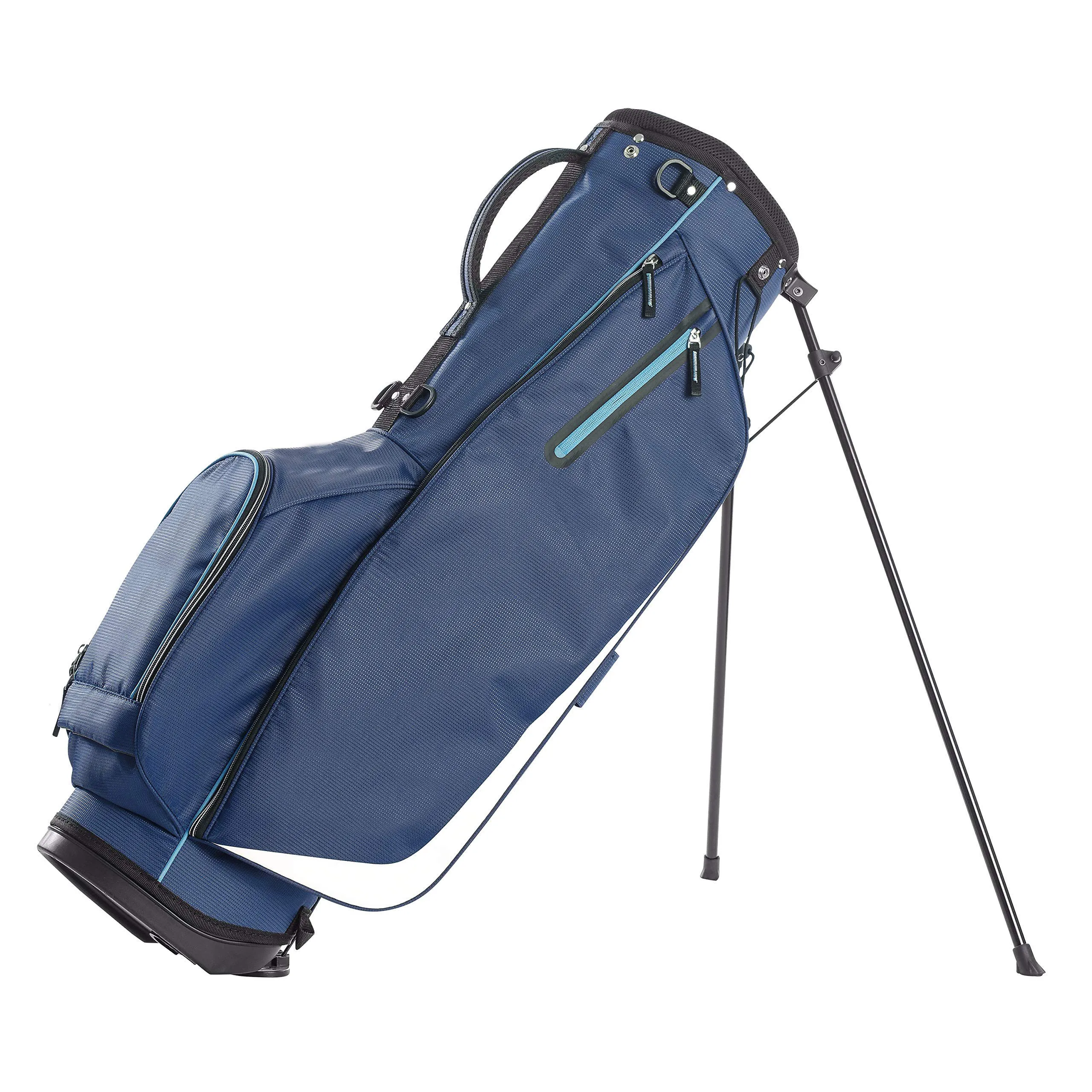
Efficient logistics and shipping are the final critical stages of the golf bag supply chain. Getting finished products from the factory to brand owners and retailers worldwide requires careful coordination, documentation management, and partnership with reliable logistics providers.
Shipping Methods and Lead Times
Golf bags are shipped internationally primarily through ocean freight, with air freight available for urgent orders. Ocean freight from China to major destinations typically requires 20 to 40 days depending on the destination port. Major shipping lanes include China to West Coast North America (15 to 20 days), China to East Coast North America (25 to 35 days), China to Northern Europe (25 to 35 days), and China to Australia (12 to 18 days). Air freight reduces transit time to 5 to 7 days but increases shipping costs by 400 to 600 percent compared to ocean freight.
Packaging for Shipping
Golf bags require careful packaging to prevent damage during transit. Standard packaging includes individual poly bag protection, cardboard or foam inserts for structural support, and master carton packing in quantities of 4 to 6 bags per carton. Master cartons are designed to optimize container loading efficiency, with standard 40-foot high-cube containers accommodating 800 to 1,200 golf bags depending on bag size and packing configuration. Proper packaging design minimizes shipping damage while maximizing container utilization to control logistics costs.
Customs and Documentation
International golf bag shipments require comprehensive documentation including commercial invoices, packing lists, bills of lading, certificates of origin, and any required compliance test reports. Our logistics team manages all export documentation and coordinates with customs brokers to ensure smooth clearance at destination ports. For brand clients, we provide complete document packages that support customs clearance, duty assessment, and regulatory compliance in destination countries.
Cost Optimization Strategies

Cost optimization in the golf bag supply chain requires a holistic approach that examines every cost driver from material procurement through final delivery. Sustainable cost reduction comes from process improvement, waste elimination, and strategic sourcing rather than quality compromise.
Material Cost Reduction
Material cost optimization begins with value engineering, analyzing whether alternative materials can deliver equivalent performance at lower cost. This might involve substituting a slightly different fabric weight that performs equally well, standardizing hardware components across multiple bag designs to achieve volume purchasing discounts, or negotiating long-term pricing agreements with key material suppliers. Our experience across 200,000-plus annual bag production provides extensive data on material alternatives and their performance characteristics, enabling informed value engineering decisions.
Production Efficiency
Production cost optimization focuses on improving manufacturing efficiency through process improvement, lean manufacturing techniques, and technology investment. Our production lines are organized to minimize material handling, reduce work-in-process inventory, and optimize workflow balance. Investment in specialized sewing machines, automated cutting equipment, and production monitoring systems improves output per labor hour while maintaining quality standards. These efficiency gains translate directly into cost savings shared with brand clients.
Risk Management and Resilience
Supply chain risk management has become increasingly important in an era of geopolitical uncertainty, climate events, and market volatility. Golf bag brands and manufacturers must proactively identify, assess, and mitigate supply chain risks to maintain reliable product delivery.
Risk Categories and Mitigation
Golf bag supply chain risks span several categories: supply risks including material shortages or supplier failures, production risks including equipment breakdowns or workforce disruptions, logistics risks including shipping delays or port congestion, quality risks including material defects or production errors, and regulatory risks including trade policy changes or compliance requirement updates. Each risk category requires specific mitigation strategies developed through careful analysis and proactive planning.
Our risk management approach includes maintaining safety stock of critical materials, dual-sourcing key components from qualified alternative suppliers, maintaining production capacity flexibility through multi-skilled workforce cross-training, and carrying appropriate insurance coverage. Regular risk assessment reviews identify emerging risks and update mitigation strategies, ensuring that the supply chain remains resilient in the face of changing conditions.
Sustainability in the Golf Bag Supply Chain
Sustainability has evolved from a niche concern to a mainstream business requirement in the golf bag industry. Brand owners, retailers, and consumers increasingly expect environmentally responsible and socially ethical supply chain practices.
Environmental Sustainability Initiatives
Our sustainability program encompasses multiple initiatives including recycled material adoption across fabric and hardware categories, water-based adhesive and coating substitution for solvent-based alternatives, energy efficiency improvements in production facilities, waste reduction and recycling programs, and sustainable packaging development. We offer brand clients comprehensive recycled material options including recycled polyester fabrics, recycled nylon, and recycled hardware components that meet the same performance standards as virgin materials.
Social Compliance and Ethical Manufacturing
Our BSCI certification provides independent verification of our social compliance practices covering fair compensation, safe working conditions, reasonable working hours, prohibition of child and forced labor, and freedom of association. Regular third-party audits maintain certification and drive continuous improvement in social performance. For brand clients subject to their own supply chain social compliance requirements, our BSCI certification and transparent social performance data simplify compliance verification.
Ready to Start Your Custom Golf Bag Project?
Partner with a BSCI & ISO 9001:2015 certified factory producing 200,000+ premium golf bags annually. MOQ just 100 pieces.
Get a Free Quote TodayFrequently Asked Questions
How long is the typical golf bag supply chain from order to delivery?
The complete golf bag supply chain from initial order placement to delivery typically spans 90 to 150 days. This includes material procurement (15 to 30 days), production (30 to 60 days), quality control and finishing (5 to 10 days), and ocean freight shipping (20 to 40 days depending on destination). Air freight reduces shipping time to 5 to 7 days but increases costs significantly.
What are the main cost drivers in golf bag manufacturing?
The primary cost drivers in golf bag manufacturing are materials (40 to 55 percent of total cost), labor (20 to 30 percent), overhead and factory operations (10 to 15 percent), and packaging and logistics (5 to 10 percent). Material costs are further broken down into fabric (15 to 25 percent), hardware and zippers (8 to 15 percent), foam and padding (5 to 10 percent), and miscellaneous components (3 to 5 percent).
How do golf bag manufacturers manage material quality across suppliers?
Golf bag manufacturers manage material quality through approved supplier lists, incoming material inspection protocols, material testing and certification requirements, supplier audits and scorecards, and long-term partnership development with key suppliers. ISO 9001:2015 certified facilities maintain documented quality management systems that standardize these processes across all material categories and suppliers.
What is the impact of seasonal demand on golf bag supply chains?
Seasonal demand significantly impacts golf bag supply chains because golf equipment purchasing peaks in spring and early summer. Manufacturers experience order surges in the months preceding peak season, requiring careful capacity planning, material pre-positioning, and production scheduling. Brands placing orders 6 to 9 months before their selling season achieve better pricing, priority production scheduling, and more reliable delivery timelines.
How can brands reduce golf bag supply chain risks?
Brands reduce golf bag supply chain risks through supplier diversification, safety stock planning, demand forecasting accuracy improvement, long-term material contracts, production capacity reservation, and transparent communication with manufacturing partners. Maintaining relationships with multiple qualified suppliers provides flexibility to manage disruptions while ensuring consistent quality standards.
What sustainability practices are being adopted in golf bag supply chains?
Modern golf bag supply chains are adopting sustainability practices including recycled and organic materials, water-based adhesives and coatings, solar-powered manufacturing facilities, waste reduction and recycling programs, responsible chemical management, carbon footprint tracking and reduction targets, and sustainable packaging materials. BSCI-certified facilities also maintain social sustainability standards covering worker welfare, fair compensation, and safe working conditions.