Golf Bag Size Comparison: Stand, Cart, Tour, and Junior
A clear comparison of top diameters, heights, and best-use scenarios.
.webp)
Executive Summary
This guide is written for practical decision-making: clear steps, measurable requirements, and buyer-friendly checklists you can apply immediately.
This page is designed to be scannable and actionable: tables, checklists, and short sections that answer the questions buyers actually ask.
Golf Bag Size Comparison Overview
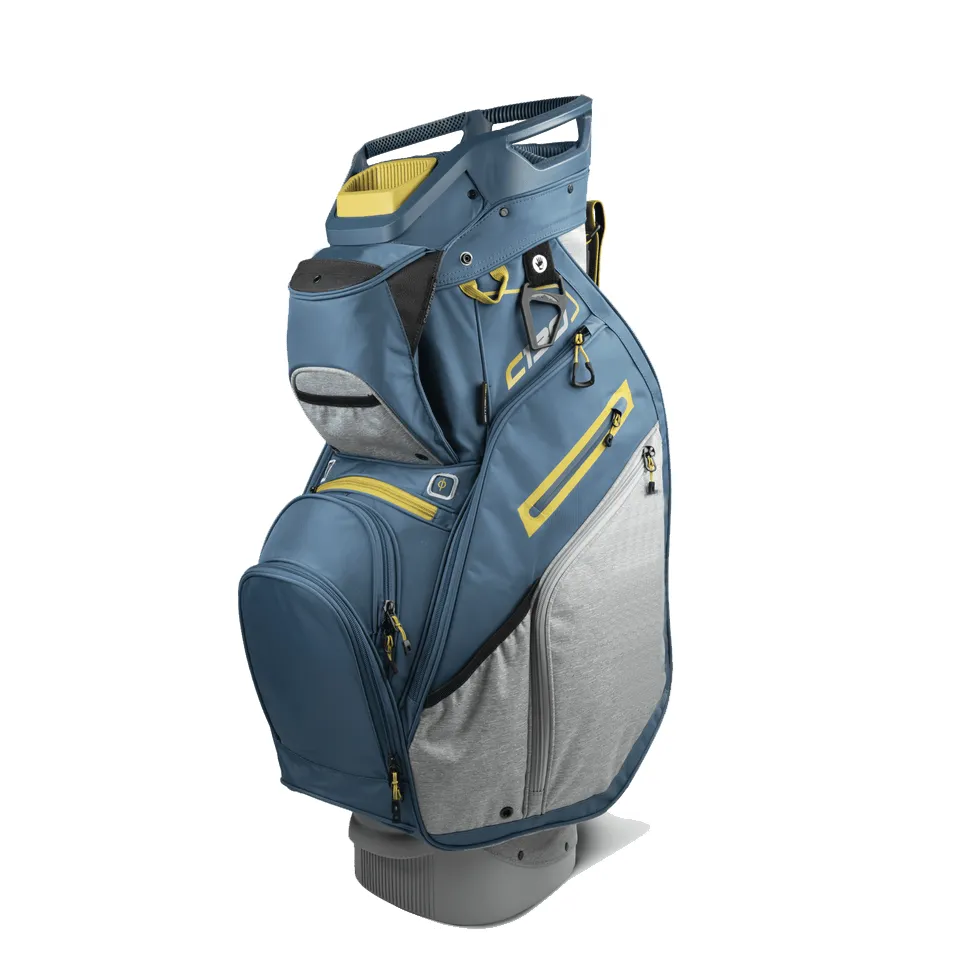
Bag size affects comfort, organization, and compatibility with carts or travel covers. This guide compares key size ranges across major categories.
Standard Size Table
| Category | Top Diameter | Height Range | Best Use |
|---|---|---|---|
| Junior | 6-7 inch | 28-32 inch | Kids and junior sets |
| Sunday/Carry | 7-8 inch | 30-33 inch | Range sessions, 9-hole rounds |
| Stand | 8-9 inch | 34-37 inch | Walking golfers |
| Cart | 8-10 inch | 35-38 inch | Cart and push cart use |
| Tour Staff | 10-11 inch | 40-45 inch | Professional and tournament use |
Choosing the Right Size
- Walking golfers benefit from lighter stand bags with 8-9 inch tops
- Cart users prefer larger tops for organization and stability
- Tour staff bags are specialized and heavy, best for professional use
Key Takeaways
- Top diameter is the primary size reference
- Cart and stand bags overlap but serve different use cases
- Tour staff bags are larger and heavier by design
- Size affects both comfort and storage capacity
Quality & Testing Checklist (Buyer-Friendly)
Use this checklist to align factory QC with your brand standards. It reduces disputes and prevents “sample vs bulk” gaps.
| Area | What to Check | Practical Acceptance Criteria |
|---|---|---|
| Stitching | Seams, stress points, bartacks | No loose threads; reinforced points on straps and pocket corners |
| Zippers | Slider smoothness, tape alignment | Opens smoothly under load; no zipper waves |
| Stand mechanism | Deploy/retract consistency | Deploys cleanly; stable angle; no binding noise |
| Top & dividers | Club insertion, divider stability | No collapse; clean edges; consistent spacing |
| Branding | Logo placement and size | Matches approved placement map |
Timeline Planning (Sampling → Production → Shipping)
Most buyers underestimate the approval cycle. This timeline helps you plan backwards from your launch date.
| Stage | Typical Duration | What You Approve |
|---|---|---|
| Tech pack + render | 3–7 days | Dimensions, layout, logo placements |
| Prototype sample | 10–20 days | Structure and pocket usability |
| Pre-production sample | 10–15 days | Materials, colors, branding finish |
| Mass production | 25–45 days | QC plan and photo checkpoints |
| Shipping | 7–45 days | Incoterms, destination requirements |
Common Mistakes (And How to Avoid Them)
- Vague descriptions: Replace “bag” with material + intended use + construction notes.
- Late approvals: Approve key items early (materials/colors/labels) to prevent schedule slips.
- No verification: Ask for photos, test notes, and documented checkpoints before shipment.
FAQ
Q: What information should I prepare before requesting a quote?
A: Bag type, quantity, target market, target price range, branding method, and timeline.
Q: What reduces back-and-forth the most?
A: One clear brief with reference photos and written requirements.
Next Step
If you want a fast, accurate quote, send your bag type, quantity, and destination requirements to cco@junyuanbags.com (WhatsApp: +8617750020688).
.webp)
.webp)