Golf Bag Seasons: Understanding Demand Cycles and Production Planning for 2026
Table of Contents
- Introduction: The Seasonal Nature of the Golf Bag Industry in 2026
- Understanding Golf Bag Demand Cycles
- Regional and Geographic Seasonal Variations
- Seasonal Patterns by Product Category
- Production Planning for Seasonal Demand
- Inventory Management Strategies
- Seasonal Marketing and Promotional Strategies
- Future Trends in Seasonal Golf Bag Demand
Introduction: The Seasonal Nature of the Golf Bag Industry in 2026
The golf bag industry operates within distinct seasonal demand patterns that influence every aspect of the business from production scheduling to retail merchandising to marketing planning. Understanding these seasonal dynamics is essential for golf bag brands, retailers, and manufacturers seeking to optimize their operations and maximize profitability. In 2026, with the global golf market reaching new participation highs and geographic expansion into emerging markets, seasonal demand patterns are evolving in ways that create both challenges and opportunities for industry participants.
This comprehensive guide examines golf bag seasonality from every angle: demand cycles and their drivers, regional variations across global markets, product category differences, production planning strategies, inventory management approaches, and seasonal marketing tactics. Whether you are a brand owner planning your next product launch, a retail buyer preparing seasonal inventory, or a manufacturer scheduling production capacity, this guide provides the insights needed to navigate seasonal dynamics effectively.
The seasonal nature of golf bag demand is fundamentally linked to the seasonal nature of golf itself. In most of the world's major golf markets, playing activity follows weather patterns with peak participation during warm, dry months and reduced activity during cold or wet seasons. Golf bag purchasing closely tracks playing activity, with consumers most likely to purchase new equipment before and during their most active playing months. Understanding this fundamental relationship between weather, participation, and purchasing behavior is the starting point for effective seasonal strategy development.
At our manufacturing facility, which produces over 200,000 golf bags annually across eight dedicated production lines, we observe seasonal demand patterns firsthand. Order volumes from brand clients fluctuate significantly throughout the year, requiring sophisticated production planning and capacity management. This operational perspective gives us unique insight into the seasonal dynamics that shape the golf bag industry, and this guide shares those insights to help brands and retailers optimize their own seasonal strategies.
Understanding Golf Bag Demand Cycles
Golf bag demand follows a predictable annual cycle with distinct phases: pre-season buildup, peak season sales, late season tail, and off-season lull. Each phase has distinct characteristics that require different operational and marketing responses from brands and retailers alike.
Pre-Season Phase (January through March)
The pre-season phase marks the transition from off-season to active selling period. During January and February, retailers receive and stock new season inventory, pro shops refresh their displays, and golf enthusiasts begin planning their equipment upgrades for the upcoming season. Pre-season demand is driven by retail restocking rather than end-consumer purchasing, making this a business-to-business focused period where manufacturers ship orders placed months earlier.
Pre-season is also a critical period for new product introductions. Brands launching new bag lines typically time announcements and marketing materials for the pre-season window when retailer and consumer attention is focused on upcoming season preparation. Trade shows, industry events, and media previews all cluster in this period to maximize exposure for new products. The PGA Merchandise Show in January, for example, serves as the annual launching pad for hundreds of new golf bag products that will reach retail shelves in the following months.
Peak Season Phase (March through June)
The peak season represents the highest volume period for golf bag sales, coinciding with the start of the primary golf playing season in Northern Hemisphere markets. Consumer demand surges as golfers return to regular play and evaluate their equipment needs. New equipment purchases are motivated by desire for fresh gear at season start, replacement of worn bags, and aspiration inspired by professional tour equipment visible during the start of the professional golf season.
Peak season sales concentration means that a disproportionate share of annual revenue is generated during this four-month window. For many golf retailers, March through June accounts for 45 to 55 percent of annual golf bag sales. This concentration creates both opportunity and pressure, as inventory positioning, staffing, and marketing efforts must be optimized for this critical period. Brands that ensure their products are well-stocked and prominently displayed during this window capture the majority of their annual sales volume.
Late Season Phase (July through September)
Summer months maintain strong demand though at a gradually declining rate from peak season levels. Mid-summer demand is driven by replacement purchases, impulse buying by active golfers, and back-to-school golf program equipment needs. The late summer period also sees increased promotional activity as retailers begin preparing inventory transitions for the fall season. End-of-season clearance sales on current-year models typically begin in August, creating opportunities for value-conscious consumers while making shelf space available for fall merchandise.
The late season phase is also important for manufacturers, as it represents the final window for shipping peak-season orders to retail partners. Any production delays or logistics disruptions during this period have amplified impact because there is limited time to recover before the seasonal demand window closes. Our production planning prioritizes on-time delivery during this critical shipping window to ensure brand clients receive their inventory when they need it most.
Off-Season Phase (October through December)
Off-season demand drops significantly in most Northern Hemisphere markets as cold weather reduces golf participation. However, the off-season is far from a dead period for golf bag business. Holiday gift-giving drives premium bag and accessory purchases during November and December. Indoor golf simulator growth creates year-round demand in some segments. And Southern Hemisphere markets are in their peak season during Northern off-season months, providing some balance for global brands and manufacturers.
The off-season is also strategically important for product development and pre-season planning. Brands use this period to finalize designs for the next year's product lines, order samples, and place production orders with factories. Smart retailers use off-season ordering to secure favorable pricing and priority production scheduling from manufacturers who appreciate forward commitments during their lower-volume period.
Regional and Geographic Seasonal Variations
While seasonal patterns are universal in the golf bag industry, the specific timing, intensity, and duration of seasonal peaks vary significantly across geographic markets. Understanding these regional variations is essential for brands and manufacturers operating across multiple markets simultaneously.
North American Seasonal Patterns
North America represents the largest golf bag market globally, with seasonal patterns strongly influenced by the continent's climate diversity. Northern states and Canadian provinces experience compressed golf seasons with intense spring and summer demand. Southern states like Florida, Arizona, and Texas maintain more year-round golf activity, moderating seasonal demand swings. The overall North American pattern shows a clear spring peak from March through May, a moderate summer plateau, a brief fall resurgence in September to October, and a winter low from November through February.
The Masters tournament in April and the U.S. Open in June create additional demand spikes, as golfers inspired by tournament coverage seek to upgrade their equipment. Brands that time marketing campaigns to coincide with these major events can capture incremental sales from emotionally motivated purchasing decisions. Our production data shows that orders for tour-style staff bags increase noticeably in the weeks following major championship events.
European Seasonal Patterns
European golf markets show pronounced seasonality due to the continent's northern latitude and maritime climate. The United Kingdom, Ireland, Scandinavia, and Northern Europe experience sharp seasonal peaks from April through September with significant demand reduction during winter months. Southern European markets in Spain, Portugal, and Italy enjoy longer golf seasons with more moderate seasonal variation. The European seasonal pattern creates distinct peaks and valleys that require careful inventory and production management.
Asia-Pacific Seasonal Patterns
The Asia-Pacific region presents diverse seasonal patterns reflecting the vast geographic range of golf markets. Japan and South Korea show marked seasonality with spring and fall peaks separated by hot, humid summers that suppress mid-day golf. Australia and New Zealand reverse the Northern Hemisphere pattern with peak demand from October through March. Southeast Asian markets in Thailand, Vietnam, and Indonesia maintain more consistent year-round demand with moderate seasonal variation. China's rapidly growing golf market shows strong spring and autumn peaks with reduced summer and winter activity.
For global brands and manufacturers, the diversity of Asia-Pacific seasonal patterns creates opportunities to balance production scheduling across markets. When Northern Hemisphere markets are in off-season, Australian and Southeast Asian markets are approaching or in their peak periods, providing some production volume balance throughout the calendar year.
Seasonal Patterns by Product Category
Different golf bag product categories exhibit distinct seasonal demand patterns reflecting their specific use cases and the occasions that drive purchasing decisions. Understanding category-specific seasonality helps brands optimize their product mix and inventory strategies throughout the year.
Stand Bags and Carry Bags
Stand bags represent the most seasonally sensitive product category because their primary use case of walking golf is strongly weather-dependent. Demand surges in spring as walking golfers prepare for the season and declines sharply during winter months. Stand bag seasonal amplitude, measuring the ratio of peak month sales to trough month sales, typically ranges from 3:1 to 5:1 depending on geographic market. This high seasonality requires careful inventory management to avoid both stock-outs during peak periods and excess inventory during off-season months.
Cart Bags
Cart bags show more moderate seasonal variation than stand bags because riding golf continues in a wider range of weather conditions. Golfers who use riding carts or push carts are less exposed to weather discomfort, enabling more year-round play. Cart bag seasonal amplitude typically ranges from 2:1 to 3:1, making inventory management somewhat less challenging. However, cart bags still see significant spring peaks as golfers invest in new equipment at season start and are influenced by new product introductions at the PGA Show.
Tour Staff Bags
Tour staff bags occupy the premium segment with seasonal patterns influenced by both playing season and gift-giving occasions. The professional golf season visibility drives aspirational purchases during spring and summer, while the holiday season creates a secondary demand peak for premium bags as gifts. Tour staff bag demand is also influenced by professional tournament scheduling, with increased visibility and interest during major championship periods. The lower unit volumes in this category mean that individual large orders can create significant short-term demand spikes.
Travel Bags and Accessories
Travel bags follow vacation and tournament travel patterns rather than local playing conditions. Peak demand occurs during summer vacation months and holiday travel periods. The weeks preceding major professional tournaments often see increased travel bag purchases from golfers traveling to attend or participate in related events. Rain covers and weather protection accessories show counter-cyclical patterns, with demand increasing during wet seasons when equipment protection is most valued. Understanding these divergent seasonal patterns helps retailers stock appropriate product mixes throughout the year.
Production Planning for Seasonal Demand
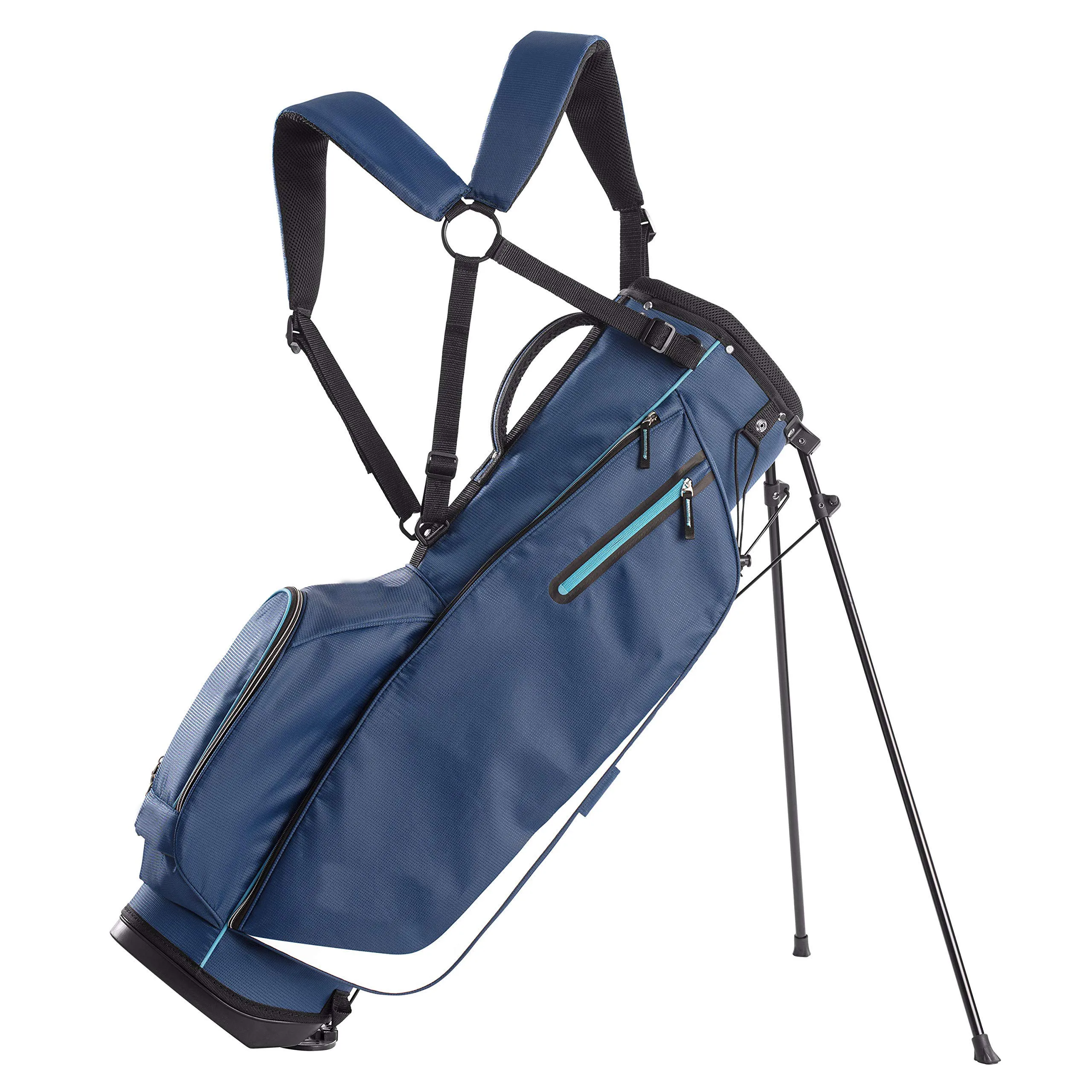
Manufacturing planning for seasonal golf bag demand requires long lead time coordination, careful capacity management, and strategic inventory positioning. The production planning challenge is to match manufacturing output with the seasonal demand curve while maintaining efficient factory utilization year-round.
Forward Planning Horizons
Successful seasonal production planning begins 9 to 12 months before the selling season. This extended planning horizon is necessary because material sourcing, production scheduling, quality control, and international shipping all require substantial lead times. Brands that place orders within optimal planning windows receive better pricing, priority production scheduling, and wider product availability. Late orders face capacity constraints, material availability limitations, and compressed timelines that increase costs and risk of delivery delays.
Capacity Allocation Strategies
Our eight production lines provide significant but finite capacity that must be strategically allocated across customers, product categories, and seasonal timing. Peak production periods from December through April require maximum capacity utilization with extended shifts and optimized line configurations. Off-season periods from May through November provide opportunities for facility maintenance, equipment upgrades, workforce training, and new product development activities. Managing this annual rhythm requires sophisticated workforce planning including cross-training programs that enable flexible deployment of workers across product categories as demand shifts.
Off-Season Production Utilization
Strategic use of off-season production capacity enables manufacturers to smooth production volumes while providing value to brand clients. Off-season production activities include advance production of early-season inventory, new product prototyping and sample development, facility improvement projects, workforce skill development programs, and production of off-season products like travel bags and accessories. Balancing these activities maintains productive employment while preparing for the next peak season. Our 200-plus craftsmen remain productively engaged throughout the year through this balanced approach to capacity utilization.
Inventory Management Strategies
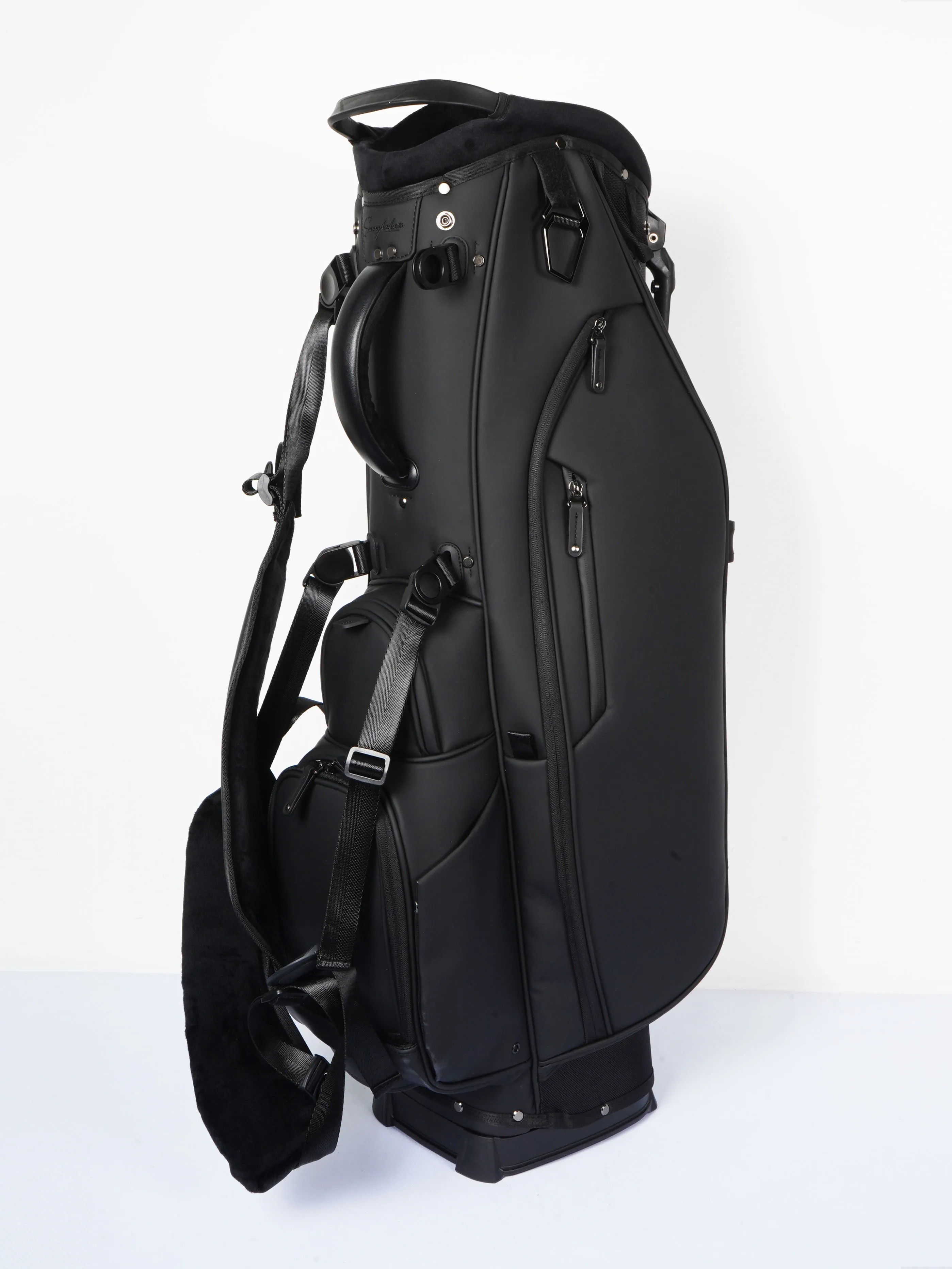
Inventory management in the seasonal golf bag business requires balancing the cost of holding inventory against the risk of stock-outs during peak selling periods. The right inventory strategy maximizes sales capture while minimizing carrying costs and markdown exposure.
Demand Forecasting
Accurate demand forecasting is the foundation of effective inventory management. Forecasting combines analysis of historical sales data, current market trends, pre-season retailer orders, and qualitative market intelligence to project expected demand by product, region, and time period. Our production planning team works with brand clients to develop detailed demand forecasts that drive material procurement and production scheduling decisions. The most accurate forecasts come from combining quantitative models with qualitative insights from retail partners and market observation.
Safety Stock and Reorder Strategies
Maintaining appropriate safety stock levels protects against demand variability and supply chain disruptions. Safety stock levels are calculated based on demand forecast accuracy, lead time variability, and desired service level targets. Products with higher demand uncertainty or longer replenishment lead times require higher safety stock levels. Dynamic reorder triggers based on real-time sales data enable responsive inventory management that adapts to actual demand patterns rather than relying solely on forecasts. This responsive approach helps brands capture unexpected demand surges while avoiding over-investment in slow-moving inventory.
Seasonal Marketing and Promotional Strategies
Marketing strategies for golf bags must align with seasonal demand patterns to maximize impact and efficiency. Different seasonal phases require different marketing approaches and messages that resonate with consumer mindset at each stage of the seasonal cycle.
Pre-Season Marketing
Pre-season marketing focuses on generating awareness and anticipation for new products. Content marketing through blog articles, email newsletters, and social media teasers builds excitement before products reach retail shelves. Influencer partnerships and professional golfer endorsements timed with pre-season media coverage amplify new product visibility. Pre-order programs for direct-to-consumer brands capture early demand and provide valuable demand signal for production planning. The pre-season window is also ideal for search engine optimization activities, as content published during this period has time to gain search rankings before peak consumer search activity begins.
Peak Season Marketing
During peak season, marketing shifts to conversion-focused activities that drive purchase decisions. Retail promotions, in-store displays, digital advertising, and point-of-sale materials all work to convert awareness into sales. User-generated content from golfers enjoying their new bags on the course provides authentic social proof that influences prospective buyers. Seasonal marketing campaigns aligned with professional golf events capture the heightened attention of golf enthusiasts during tournament periods. Paid advertising during peak season typically delivers higher return on investment due to the concentration of motivated buyers actively seeking golf equipment.
Future Trends in Seasonal Golf Bag Demand
Several emerging trends are reshaping seasonal demand patterns in the golf bag industry, creating both challenges to traditional seasonal planning and new opportunities for strategic brands that adapt effectively.
Year-Round Golf Growth
The expansion of year-round golf participation through indoor simulator facilities, winter golf tourism, and climate-adapted course management is gradually moderating seasonal demand extremes. Indoor golf simulators have grown dramatically in popularity, creating demand for golf bags among consumers who play year-round in indoor facilities. This trend partially decouples bag demand from outdoor weather conditions, creating opportunities for more consistent production scheduling and inventory management across seasons.
Climate Change Impact
Changing climate patterns are affecting traditional seasonal golf playing windows in many markets. Warmer temperatures are extending golf seasons in northern markets while extreme heat is compressing summer playing windows in southern markets. These shifts require ongoing adaptation of seasonal planning assumptions and may gradually alter the traditional demand curve for golf bags. Manufacturers and brands that monitor and adapt to these changes gain competitive advantage in evolving market conditions. Our long-term production planning incorporates climate trend analysis alongside traditional seasonal models to anticipate and prepare for these gradual shifts in demand patterns.
The golf bag industry's seasonal dynamics are evolving but remain a fundamental characteristic of the business. Brands and retailers that understand these dynamics, plan proactively, and maintain operational flexibility will consistently outperform those that react to seasonal changes after they occur. Our manufacturing partnership model supports clients through every seasonal phase, from off-season development and planning through peak season production and delivery, ensuring that brand partners always have the products they need when market demand is strongest.
Ready to Start Your Custom Golf Bag Project?
Partner with a BSCI & ISO 9001:2015 certified factory producing 200,000+ premium golf bags annually. MOQ just 100 pieces.
Get a Free Quote TodayFrequently Asked Questions
When is the peak selling season for golf bags?
The peak selling season for golf bags in the Northern Hemisphere runs from March through June, with a secondary peak in August through September. Pre-season retail stocking typically occurs in January and February as pro shops and retailers prepare for the spring surge. In the Southern Hemisphere, peak season shifts to October through March, reflecting reversed seasonal patterns.
How far in advance should retailers order golf bags for peak season?
Retailers should place golf bag orders 6 to 9 months before their peak selling season to ensure production completion, shipping, and delivery. For Northern Hemisphere spring peak season, this means placing orders in July through September of the previous year. Early ordering provides access to the full product range, best pricing, and priority production scheduling.
Do golf bag manufacturers have off-season production capacity?
Yes, golf bag manufacturers typically experience lower production volumes during the Northern Hemisphere winter months from November through February. This off-season period is strategically used for next season production planning, new product development and prototyping, facility maintenance and equipment upgrades, workforce training programs, and production of off-season products like travel bags and rain gear accessories.
How does weather affect golf bag demand and purchasing patterns?
Weather significantly affects golf bag purchasing patterns. Unusually warm springs accelerate the start of the golf season and drive earlier bag purchases. Wet summers can suppress mid-season demand. Mild falls extend the season and create secondary purchasing opportunities. Manufacturers and retailers monitor weather forecasts and climate patterns to adjust inventory levels and promotional timing accordingly.
What product categories sell best in different seasons?
Stand bags and lightweight carry bags dominate spring and summer sales when walking golf is most popular. Cart bags maintain relatively consistent demand year-round as riding golf continues in most conditions. Travel bags peak during holiday vacation periods and the weeks surrounding major golf tournaments. Rain covers and weather protection accessories see increased demand during wet seasons. Holiday gift sets featuring premium bags and accessories peak during the November through December gift-giving season.
How can brands manage inventory across seasonal demand fluctuations?
Effective seasonal inventory management combines demand forecasting based on historical sales data, market trend analysis, and pre-season orders from retail partners. Maintaining strategic safety stock of best-selling items, implementing phased inventory releases aligned with seasonal demand curves, and planning promotional activities to manage excess inventory at season end all contribute to optimal inventory management across seasonal fluctuations.