Golf Bag Branding Case Study: Building a Premium Brand in 2026
Table of Contents
- Introduction: Why Golf Bag Branding Matters in 2026
- The Golf Bag Market Landscape
- Developing Your Golf Bag Brand Strategy
- Product Development and Design Process
- Manufacturing Partnership and Production
- Branding Elements and Customization Options
- Market Launch and Distribution Strategy
- Measuring Success and Scaling Your Brand
Golf Bag Branding Case Study: Building a Premium Brand in 2026
Table of Contents
- Introduction: Why Golf Bag Branding Matters in 2026
- The Golf Bag Market Landscape
- Developing Your Golf Bag Brand Strategy
- Product Development and Design Process
- Manufacturing Partnership and Production
- Branding Elements and Customization Options
- Market Launch and Distribution Strategy
- Measuring Success and Scaling Your Brand
Introduction: Why Golf Bag Branding Matters in 2026
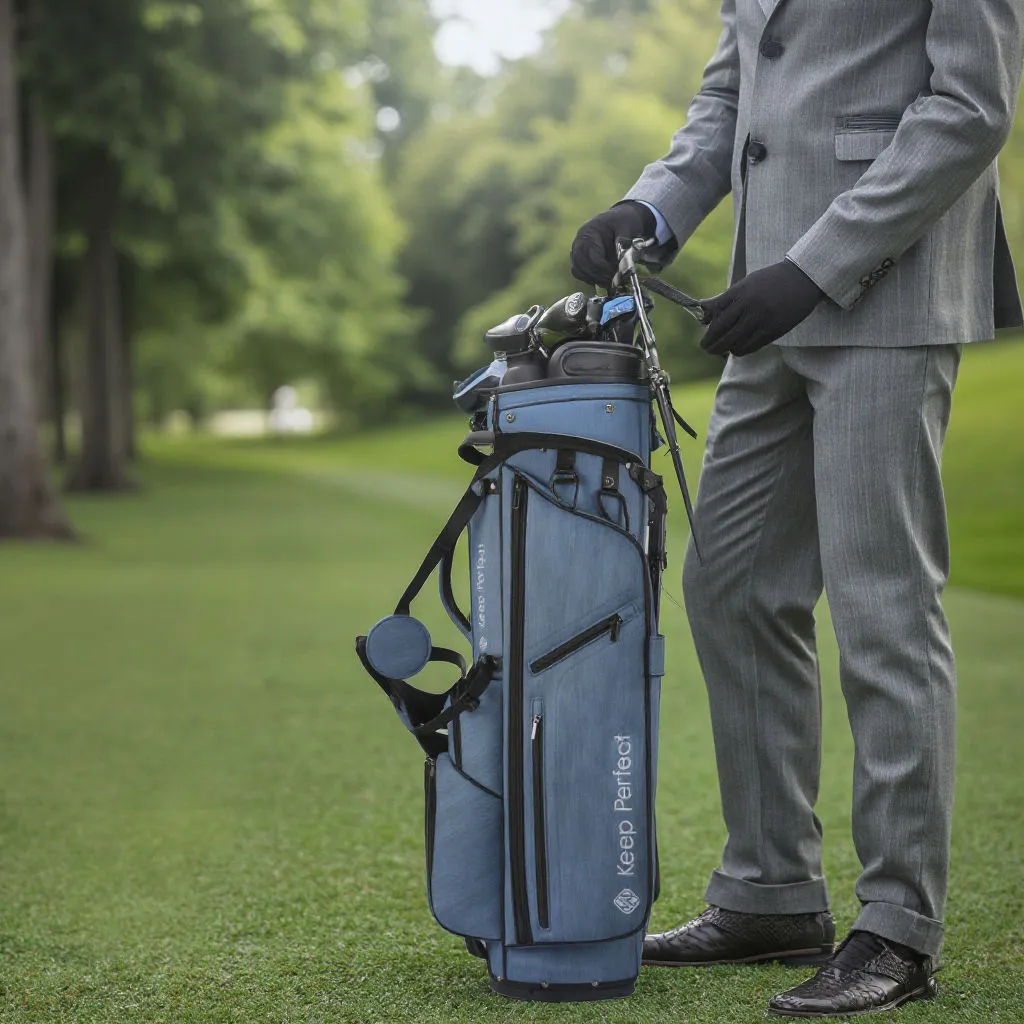
The global golf bag market has reached unprecedented levels of sophistication and competition in 2026, with branded products commanding premium prices and fostering intense customer loyalty. For entrepreneurs, established sports companies, and golf industry professionals looking to enter or expand within the golf bag segment, understanding the complete journey from brand concept to market success is essential. This comprehensive case study examines the real-world process of building a premium golf bag brand, drawing on insights from our experience as a BSCI and ISO 9001:2015 certified manufacturer that has helped over 200 brands worldwide bring their golf bag visions to life.
Golf bags occupy a unique position in the sports equipment market. They are simultaneously functional tools, fashion statements, and brand identifiers. Professional golfers carry branded bags visible on every television broadcast, amateur golfers use bags as personal style expressions on the course, and retailers rely on strong brand recognition to drive purchasing decisions. This multi-dimensional role means that golf bag branding must address functional credibility, aesthetic appeal, and emotional resonance simultaneously.
The case study presented here follows a composite brand development journey based on real projects completed at our 15,000 square meter manufacturing facility in China. Since 2004, we have produced over 200,000 golf bags annually across eight dedicated production lines, working with brands ranging from startup labels to established golf industry giants. The insights shared reflect proven strategies and hard-won lessons that can accelerate your own golf bag branding journey.
What distinguishes successful golf bag brands from those that struggle in the marketplace is not merely product quality, though quality is the essential foundation. Success comes from the integration of strategic brand positioning, thoughtful design development, manufacturing excellence, and consistent brand storytelling across every touchpoint. This case study examines each of these dimensions in detail, providing actionable guidance for brand development at every stage.
The golf industry as a whole has experienced remarkable growth in recent years, with global participation reaching historic highs. This expansion has created tremendous opportunity for new golf bag brands, but it has also intensified competition. Standing out in a crowded marketplace requires more than a good product. It requires a coherent brand strategy that communicates clear value to specific target customers, backed by manufacturing capabilities that deliver consistent quality at scale.
The Golf Bag Market Landscape in 2026
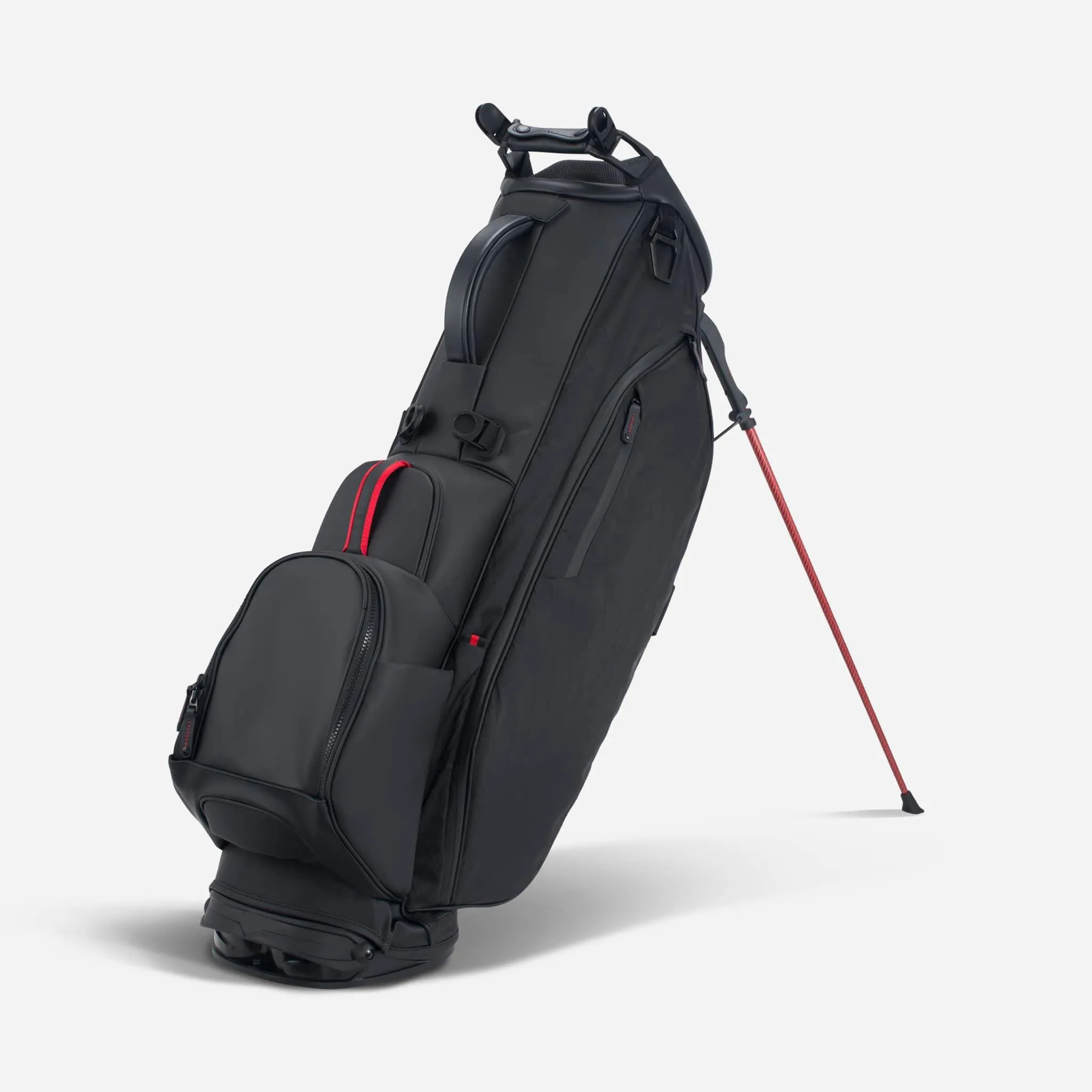
Understanding the market landscape is the critical first step in golf bag brand development. The global golf bag market in 2026 is valued at approximately $2.8 billion and continues to grow at a compound annual growth rate of 4.5 to 5.2 percent. This growth is driven by several macro trends including increasing golf participation among younger demographics, the rise of walking golf and fitness-oriented play, technology integration in golf equipment, and expanding golf markets in Asia-Pacific and Latin America.
Market Segmentation and Opportunity Identification
The golf bag market segments naturally into several distinct categories based on product type, price positioning, and target consumer. Stand bags, cart bags, tour staff bags, travel bags, and Sunday bags each serve different use cases and consumer preferences. Within each product category, the market further segments by price tier: value-priced bags under $100, mid-range bags from $100 to $250, premium bags from $250 to $500, and luxury or tour-level bags above $500.
For new brand development, identifying an underserved segment or a unique positioning within an existing segment is crucial. Our production data reveals that the strongest growth opportunities in 2026 exist in three areas: lightweight performance stand bags targeting the walking golfer demographic, premium cart bags with integrated technology features, and eco-conscious golf bags made from sustainable materials. Brands that successfully address these emerging needs while maintaining quality and design excellence capture disproportionate market share.
Competitive Analysis Framework
A thorough competitive analysis examines existing brands across multiple dimensions: product range and quality, pricing strategy, distribution channels, brand positioning and messaging, visual identity and packaging, customer service and warranty policies, and professional endorsement portfolios. Understanding where competitors excel and where they have vulnerabilities reveals opportunities for differentiation.
Our experience working with diverse brands has shown that successful market entry often focuses on a specific niche before expanding. A brand might initially launch with a single outstanding stand bag targeting the premium walking golfer segment, then expand to cart bags and accessories as brand recognition and distribution relationships develop. This focused approach allows new brands to concentrate resources on achieving excellence in a specific area rather than spreading efforts across multiple categories simultaneously.
Consumer Insights and Trend Analysis
Modern golf bag consumers prioritize different attributes than previous generations. Research and production feedback indicate that today's consumers rank the following factors in order of importance: durability and construction quality, weight and comfort for carry bags, organizational features and pocket configuration, aesthetic design and brand image, water resistance and weather protection, and value for the price paid. Understanding these priorities helps guide product development decisions and marketing messaging.
Developing Your Golf Bag Brand Strategy
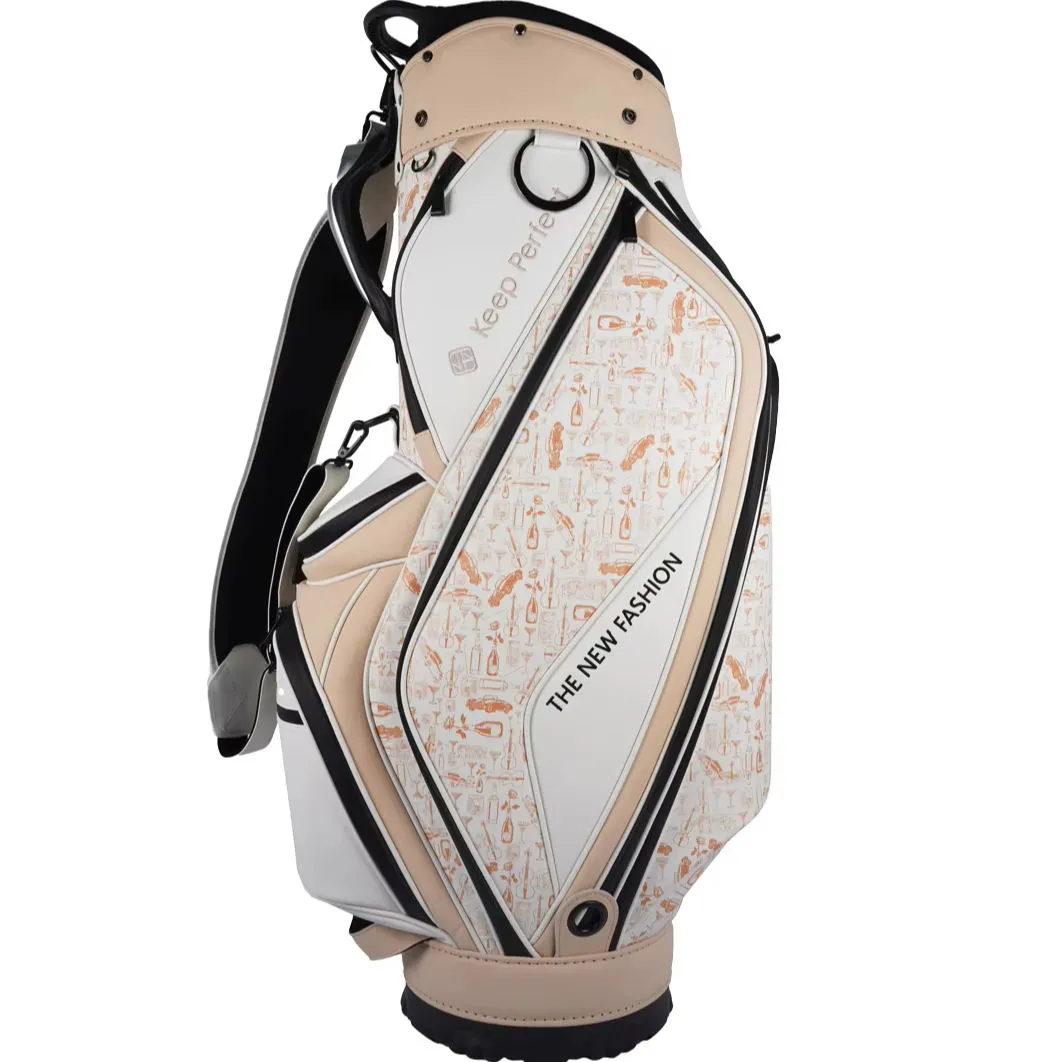
Brand strategy is the foundation upon which all product development, marketing, and customer experience decisions rest. A clear, well-defined brand strategy provides a decision-making framework that ensures consistency and coherence across every brand touchpoint. For golf bag brands, strategy development encompasses brand purpose and values, target customer definition, competitive positioning, brand personality and voice, and visual identity system.
Defining Brand Purpose and Values
The most compelling golf bag brands are built around a clear purpose that extends beyond simply selling bags. This purpose might center on enhancing the golfing experience through superior organization and comfort, enabling golfers to express their personal style on the course, advancing sustainability in golf equipment manufacturing, or honoring golf traditions while embracing innovation. Whatever the purpose, it must be authentic, defensible, and consistently communicated.
Brand values translate the purpose into actionable principles that guide decision-making. A brand focused on performance might value innovation, precision engineering, and continuous improvement. A brand focused on lifestyle might value aesthetics, craftsmanship, and community. These values influence material selection, manufacturing processes, design decisions, marketing approaches, and customer service standards.
Target Customer Profiling
Successful golf bag brands develop detailed target customer profiles that go beyond basic demographics. Effective profiles include psychographic attributes such as values and motivations, behavioral attributes such as playing frequency and purchasing habits, functional needs such as specific carrying preferences and equipment requirements, and emotional needs such as status expression, confidence, or belonging. This depth of understanding enables product development and marketing that resonates on both rational and emotional levels.
Competitive Positioning and Differentiation
Positioning defines how your brand wants to be perceived relative to competitors in the minds of target customers. Effective positioning identifies a specific space in the market that your brand uniquely occupies. This might be the lightest weight premium stand bag brand, the most technologically advanced cart bag brand, the most environmentally responsible golf bag manufacturer, or the brand that best blends traditional craftsmanship with modern performance. The key is choosing a position that is meaningful to target customers, defensible against competitors, and aligned with your manufacturing capabilities.
Product Development and Design Process
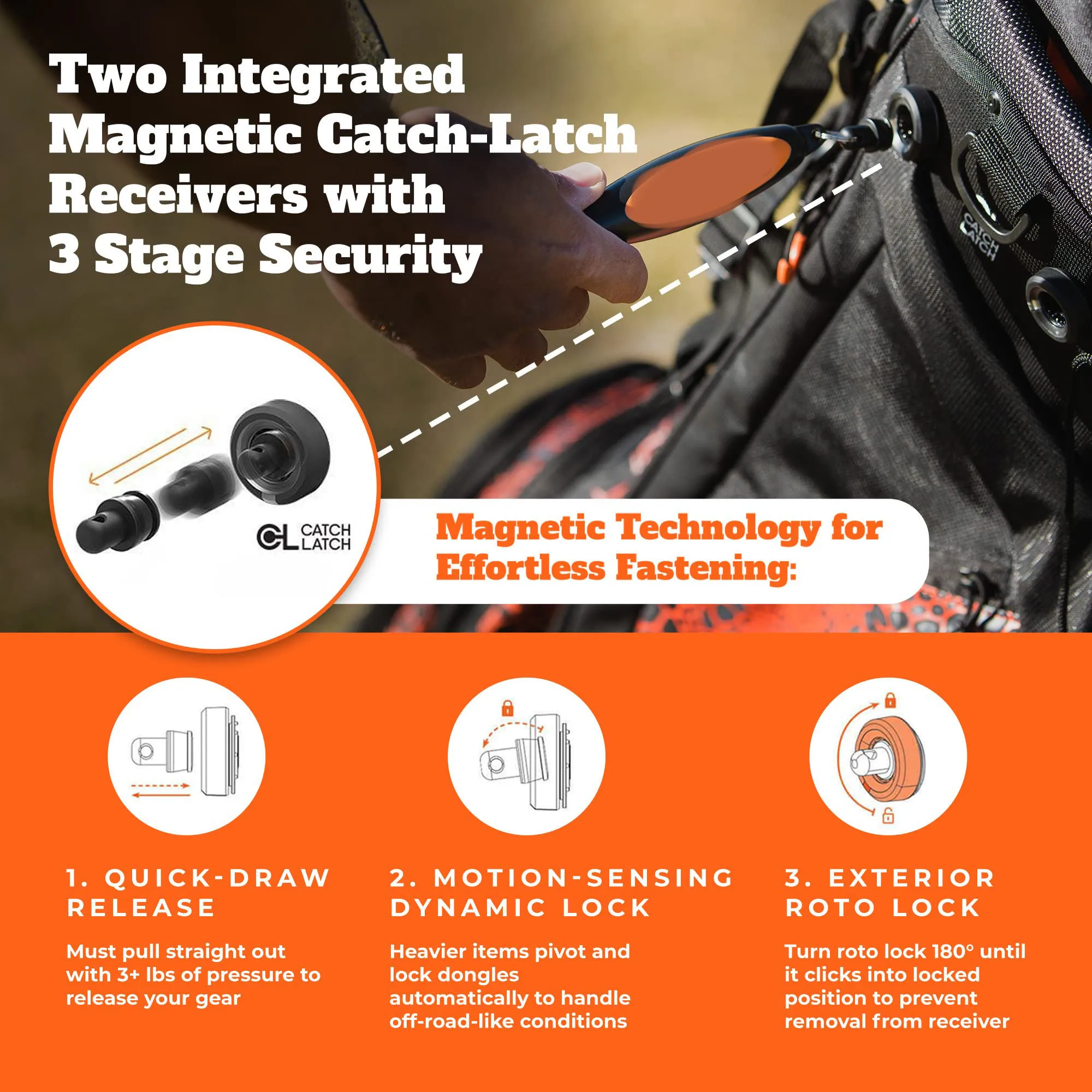
Product development is where brand strategy translates into tangible products that customers can see, touch, and use. The golf bag development process involves multiple stages from initial concept through final production approval, each requiring careful attention to detail and alignment with brand strategy.
Concept Development and Sketching
The concept development phase begins with translating brand strategy and market insights into product concepts. This involves sketching initial designs that embody the brand's visual identity while meeting functional requirements. Concepts are evaluated against brand positioning, target customer preferences, manufacturing feasibility, and cost targets. Our design team typically develops 15 to 20 initial concepts for each new bag, narrowing through internal review to three to five finalists for client presentation.
Color palette development is a critical component of concept design. Colors communicate brand personality and differentiate products on retail shelves and in digital marketplaces. Trend analysis for golf industry colors, competitor color offerings, and target customer preferences all inform the palette selection. We typically recommend developing each bag design in three to five colorways to provide retail partners with variety while maintaining brand cohesion.
Technical Design and Engineering
Once concepts are approved, the design team creates detailed technical specifications including precise dimensions, material specifications, hardware requirements, stitching patterns, divider configurations, pocket layouts, and strap system designs. These technical documents serve as the blueprint for prototype development and production. Every measurement, material choice, and construction detail is specified to ensure consistent quality across production runs.
Engineering considerations at this stage include structural integrity analysis, weight optimization, load distribution for carry bags, stability calculations for stand mechanisms, and durability testing protocols. Our engineering team uses computer-aided design tools to model bag structures and simulate stress points before committing to physical prototypes, reducing development time and material waste.
Prototyping and Sample Development
Prototype development is an iterative process that typically involves three to five rounds of sampling before final approval. First prototypes, or alpha samples, focus on verifying dimensions, proportions, and basic functionality. Second round samples, or beta samples, incorporate approved materials and hardware for comprehensive functional testing. Final pre-production samples represent the exact specification that will be used for mass production.
Each prototype round includes evaluation of aesthetic appearance, functional performance, comfort and ergonomics, durability characteristics, and manufacturing reproducibility. Feedback from prototype evaluation drives refinements that improve the product before committing to full production. Our experience shows that brands investing in thorough prototype development achieve higher customer satisfaction, fewer warranty issues, and stronger retail sell-through rates.
Manufacturing Partnership and Production Excellence
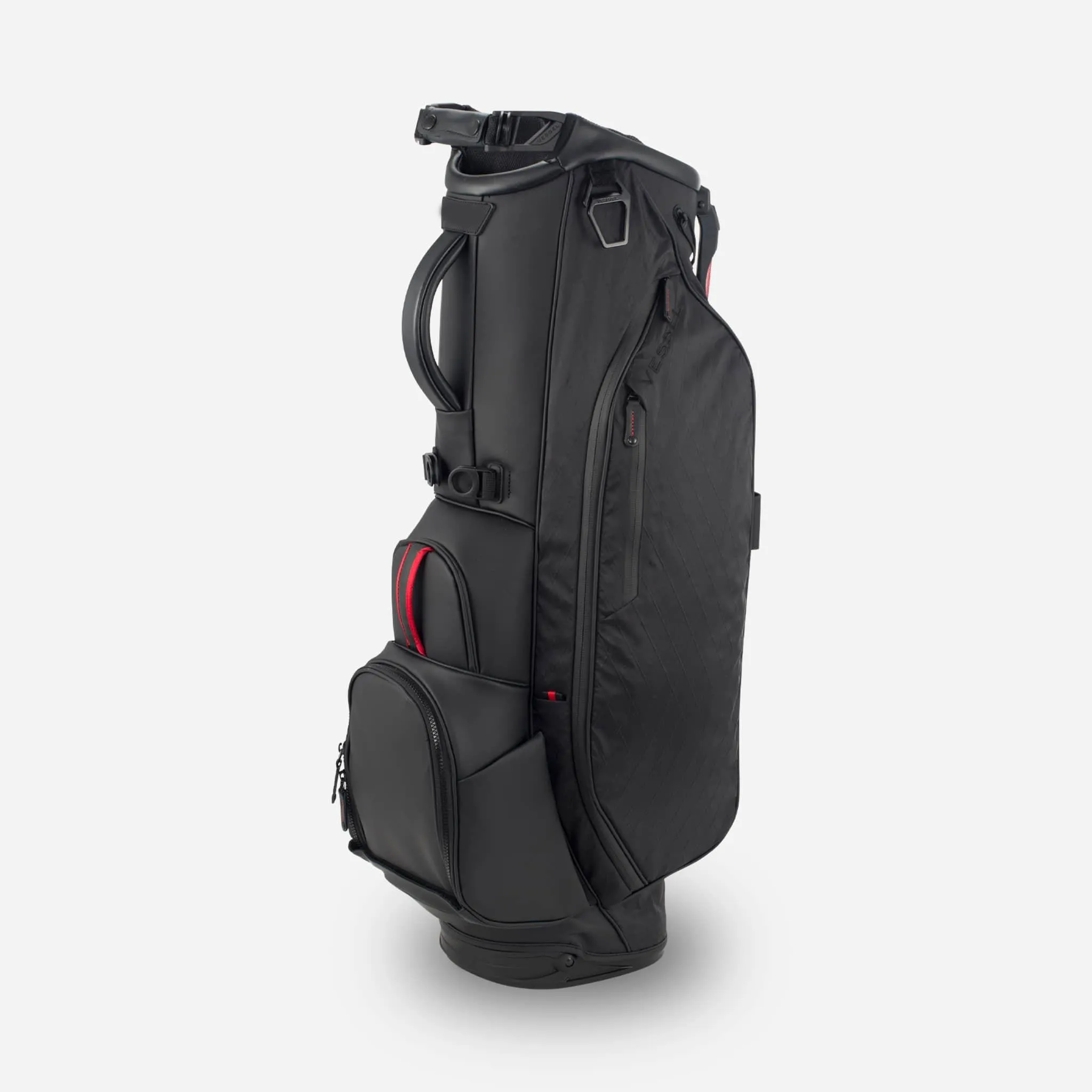
Selecting the right manufacturing partner is one of the most important decisions a golf bag brand will make. The manufacturing partner directly impacts product quality, production consistency, cost management, lead time reliability, and the brand's ability to respond to market opportunities. Our facility demonstrates the capabilities and standards that brands should seek in a manufacturing partner.
Factory Selection Criteria
Evaluating potential manufacturing partners requires assessing multiple dimensions: production capacity and scalability, quality management systems and certifications, social compliance and ethical manufacturing practices, design and development capabilities, communication responsiveness and language proficiency, flexibility for customization and small batch production, and cost competitiveness relative to quality delivered. Our BSCI and ISO 9001:2015 certifications provide independent verification of our social compliance and quality management systems.
Factory visits remain essential for brands serious about golf bag manufacturing. During a visit, evaluate the condition and organization of production facilities, quality control processes at each production stage, worker skill levels and training programs, material storage and handling practices, and the factory's investment in equipment and process improvement. These observations provide insight into the factory's commitment to quality that cannot be assessed through documentation alone.
Production Planning and Quality Assurance
Once a manufacturing partnership is established, detailed production planning ensures efficient execution. Production planning encompasses material sourcing and procurement, production scheduling across available lines, quality control checkpoint definition, packaging and labeling specifications, and logistics coordination. Our eight dedicated production lines producing over 200,000 bags annually provide the capacity and flexibility to handle orders ranging from 100-piece trial runs to 50,000-piece production campaigns.
Quality assurance in golf bag manufacturing involves inspection at multiple stages: incoming material inspection, in-process quality checks during cutting, sewing, and assembly, pre-shipment inspection of finished goods, and ongoing monitoring of production consistency through statistical process control methods. Each inspection stage has defined criteria, acceptable tolerance levels, and corrective action procedures for non-conforming products.
Supply Chain Management
Effective supply chain management ensures that materials arrive on time, meet quality specifications, and are procured at competitive costs. Our established supply chain relationships with fabric mills, hardware manufacturers, foam suppliers, and accessory component providers enable reliable material availability and favorable pricing. For brand clients, we manage the complete supply chain so that brand owners can focus on marketing and sales rather than material procurement logistics.
Branding Elements and Customization Options
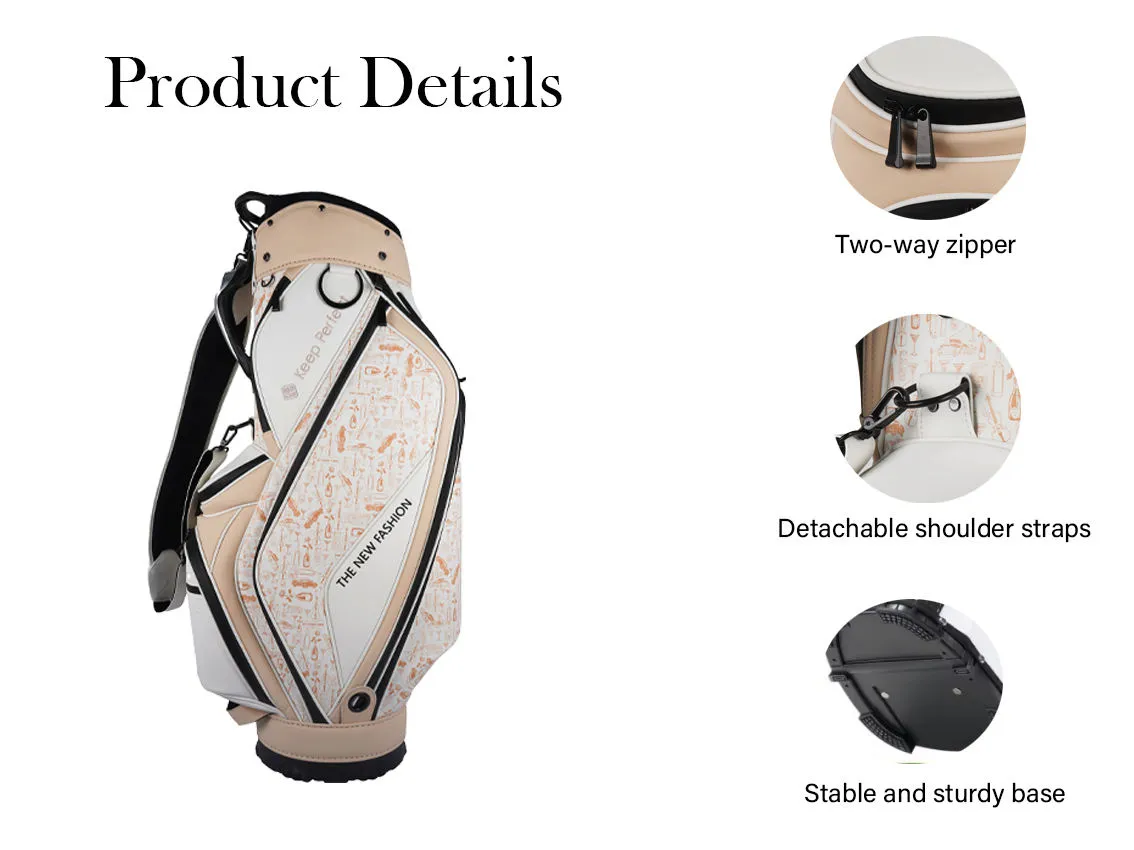
Branding elements transform a functional golf bag into a recognizable brand product. The range of customization options available in modern golf bag manufacturing enables brands to create distinctive products that communicate their identity at every visual and tactile touchpoint.
Logo Application Methods
Multiple methods exist for applying brand logos to golf bags, each with distinct characteristics and cost implications. Embroidery provides a premium, textured appearance that conveys quality and tradition. It is ideal for logos on fabric panels and performs excellently in terms of durability. Screen printing offers cost-effective reproduction of complex multi-color graphics on larger areas. Heat transfer and sublimation printing enable photographic quality graphics with unlimited color possibilities. Debossing and embossing create tactile impressions on synthetic leather and TPU panels, delivering understated luxury branding.
Custom Hardware and Trim
Custom hardware represents one of the most impactful branding opportunities. Branded zipper pulls, custom-molded buckles, logo-embossed feet, engraved metal plates, and custom color-matched cord pulls create a cohesive branded experience that distinguishes premium products. Custom hardware requires initial tooling investment, typically ranging from $500 to $3,000 per component, but dramatically elevates the perceived quality and brand recognition of the finished product.
Our manufacturing capabilities include in-house mold making for custom hardware components, enabling rapid prototyping and production of branded zipper pulls, buckle sets, D-rings, and decorative elements. This vertical integration reduces lead times and provides quality control oversight for these critical branding elements.
Packaging and Presentation
Packaging is the final branding touchpoint before the customer receives their product. Premium golf bag packaging includes custom dust bags, branded hang tags, product information cards, care instruction guides, and shipping boxes with interior branding. The unboxing experience creates a powerful first impression that reinforces brand values and justifies premium positioning. We work with brand clients to develop packaging solutions that protect products during shipping while creating memorable unboxing experiences.
Market Launch and Distribution Strategy
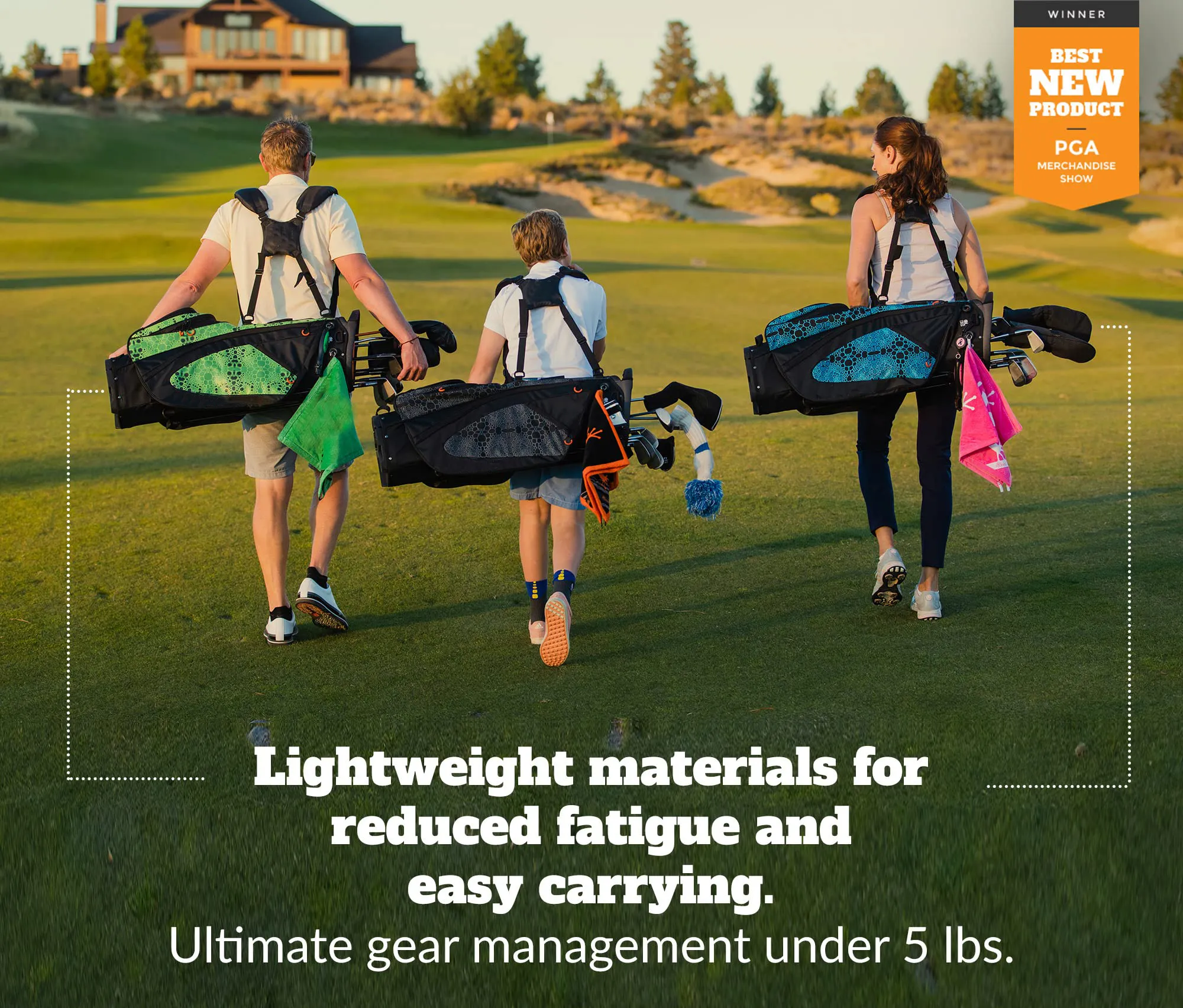
Successfully bringing a golf bag brand to market requires a coordinated strategy across multiple channels. The modern golf retail landscape includes traditional pro shops, large sporting goods retailers, specialized online retailers, direct-to-consumer e-commerce platforms, and social commerce channels. Each channel has distinct requirements, margin structures, and customer expectations.
Channel Strategy Development
Selecting the right initial distribution channels is critical for new golf bag brands. Direct-to-consumer e-commerce offers the highest margins and complete brand control but requires significant marketing investment to drive traffic. Specialty golf retailers provide credibility, expert endorsement, and customercarries opportunities but demand competitive wholesale pricing and established brand recognition. Large-scale retailers offer volume potential but pressure margins and may not align with premium brand positioning.
Our most successful brand clients typically launch with a dual-channel approach combining direct-to-consumer e-commerce with selective specialty retail placement. This approach builds brand credibility through retail presence while maintaining healthy margins through direct sales. As the brand grows, expanding into additional channels becomes feasible with the benefit of proven sales data and brand recognition.
Marketing and Brand Communication
Golf bag brand marketing in 2026 leverages multiple channels including social media marketing on Instagram, YouTube, and TikTok, professional golfer endorsements and tournament visibility, content marketing through blogs and video content, email marketing to build direct customer relationships, and search engine optimization for organic discovery. The most effective strategies integrate these channels into a cohesive brand narrative that consistently communicates the brand's unique value proposition.
Professional golfer endorsements remain one of the most powerful marketing tools in the golf bag industry. Having tour professionals carry and use your branded bags during televised tournaments provides unparalleled visibility and credibility. While top-tier tour endorsements command significant investment, regional tour players, golf instructors, and golf media personalities offer more accessible endorsement opportunities that still provide meaningful brand exposure.
Measuring Success and Scaling Your Brand
Building a successful golf bag brand is a long-term commitment that requires ongoing measurement, optimization, and strategic evolution. Key performance indicators for golf bag brands include unit sales volume, revenue growth rate, average selling price trends, gross margin performance, customer acquisition cost, customer lifetime value, retail sell-through rates, warranty claim rates, and brand awareness metrics.
Year One Performance Benchmarks
Based on our experience with brand launches, realistic first-year performance benchmarks for a well-executed golf bag brand launch include initial sales of 500 to 2,000 units across all channels, establishment of relationships with 10 to 30 retail accounts, development of a direct-to-consumer customer base of 200 to 800 buyers, achievement of sell-through rates above 60 percent at retail accounts, and maintenance of warranty claim rates below 3 percent. These benchmarks provide a framework for evaluating launch success and planning year two growth strategies.
Scaling Production and Expanding Product Lines
As a brand establishes market presence and demand grows, scaling production becomes a priority. Our manufacturing infrastructure supports seamless scaling from initial 100-piece orders through 10,000-plus unit production runs without compromising quality. Scaling also involves expanding the product line to address additional categories, price points, or consumer segments. Our design and development team supports brand clients through this expansion process, ensuring that new products maintain brand standards while addressing new market opportunities.
Long-term brand building in the golf bag industry rewards consistency, quality, and authentic brand storytelling. Brands that deliver excellent products, communicate clearly with their customers, and maintain their brand values through every business decision build lasting value and customer loyalty. Our role as a manufacturing partner is to ensure that product quality never becomes a limitation on brand growth, providing the production excellence and reliability that ambitious golf bag brands require.
Ready to Start Your Custom Golf Bag Project?
Partner with a BSCI & ISO 9001:2015 certified factory producing 200,000+ premium golf bags annually. MOQ just 100 pieces.
Get a Free Quote TodayFrequently Asked Questions
How long does it take to develop a golf bag brand from concept to market?
Typical golf bag brand development takes 8 to 14 months, including market research, design development, prototyping, sample approval, tooling, production setup, and initial market launch. Complex branding with custom hardware or proprietary materials may extend this timeline.
What is the minimum investment needed to launch a golf bag brand?
Launching a golf bag brand typically requires an initial investment of $15,000 to $50,000, covering design development, prototyping, tooling, initial production run of 100 to 500 units, branding materials, packaging design, and marketing launch activities.
What manufacturing certifications should I look for in a golf bag factory?
Essential certifications include BSCI (Business Social Compliance Initiative), ISO 9001:2015 for quality management, and compliance with REACH or CPSIA regulations depending on your target market. Additional certifications like Sedex or SMETA add further assurance of ethical manufacturing practices.
How do I protect my golf bag brand intellectual property?
Protect your brand through trademark registration in key markets, design patent applications for unique visual elements, copyright protection for original graphics and patterns, and contractual agreements with manufacturers including NDA and IP ownership clauses.
What is the typical profit margin on branded golf bags?
Branded golf bags typically achieve retail profit margins of 40 to 65 percent, depending on positioning. Premium branded bags retailing at $200 to $500 with manufacturing costs of $40 to $120 achieve the strongest margins. Entry-level branded bags at $80 to $150 retail with manufacturing costs of $20 to $50 also deliver healthy margins.
Can I create custom mold hardware for my golf bag brand?
Yes, custom mold hardware including branded zipper pulls, buckle sets, feet, and logo plates can be developed. Custom hardware tooling typically costs $500 to $3,000 per piece and requires minimum order quantities of 500 to 1,000 units to amortize tooling costs effectively.